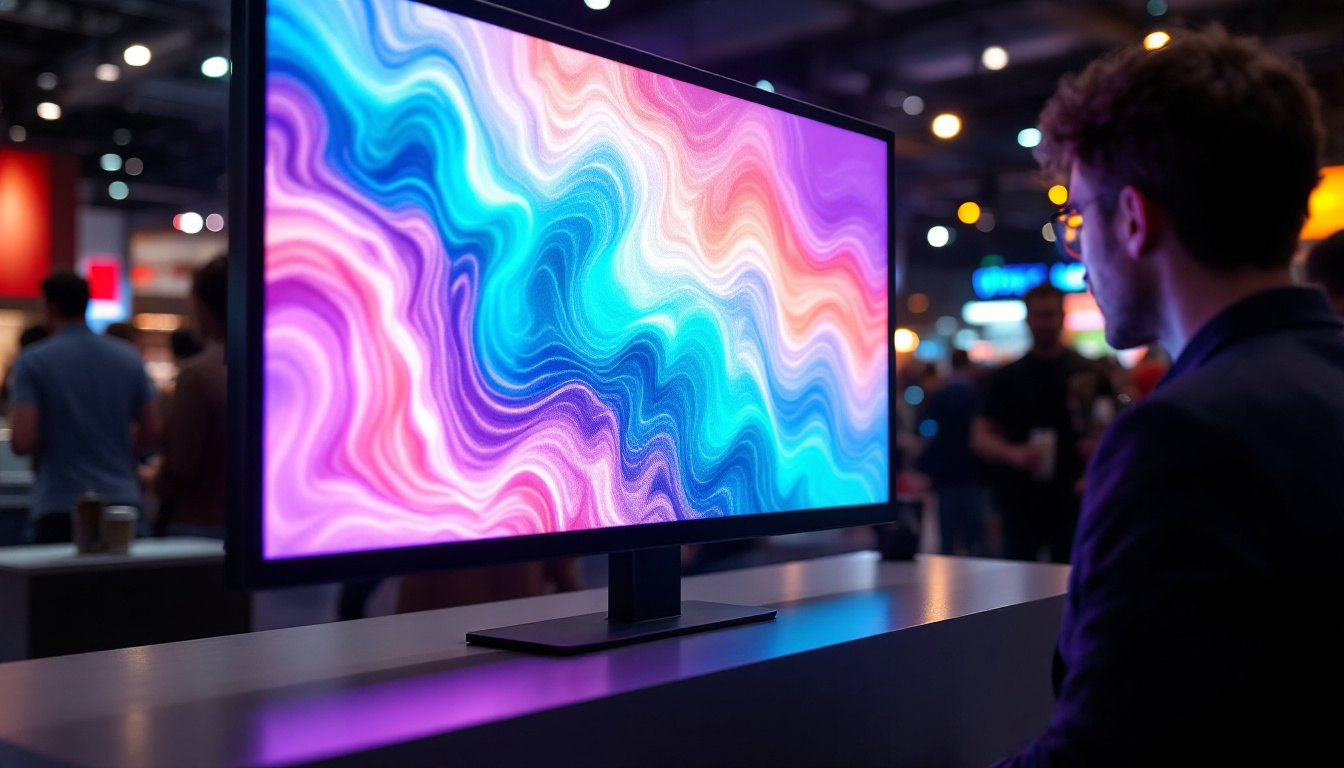
In the world of digital displays, the terms LCD and LED are often used interchangeably, leading to some confusion among consumers and professionals alike. Understanding the differences, advantages, and technology behind these displays is crucial whether you’re purchasing a new monitor, upgrading your workstation, or simply curious about how modern screens work. This article delves into the fundamentals of LCD monitors and LED displays, clarifying their relationship, technological distinctions, and practical implications.
Understanding LCD Technology
LCD stands for Liquid Crystal Display, a technology that has been the backbone of flat-panel screens for decades. At its core, an LCD monitor uses liquid crystals that do not emit light directly. Instead, these crystals manipulate light to produce images on the screen.
Liquid crystals are unique substances that flow like a liquid but have some properties of solid crystals. When an electric current passes through them, their orientation changes, affecting how light passes through. This manipulation of light allows the LCD to create images by controlling the brightness and color of each pixel.
How LCD Monitors Work
LCD monitors consist of several layers. The most critical layers include the backlight, polarizing filters, liquid crystal layer, and color filters. The backlight provides a constant light source, which passes through the liquid crystal layer. By adjusting the orientation of the crystals, the monitor controls how much light passes through each pixel, thereby creating images.
In traditional LCD monitors, the backlight was typically a Cold Cathode Fluorescent Lamp (CCFL). These lamps provided bright, even lighting but had some drawbacks such as higher power consumption and bulkier designs. As technology advanced, many manufacturers transitioned to using LED (Light Emitting Diode) backlighting, which not only improved energy efficiency but also allowed for thinner screens and better color accuracy. LED backlighting can be implemented in various configurations, such as edge-lit or full-array, each offering different benefits in terms of brightness and contrast ratios.
Key Advantages of LCD Monitors
LCD technology brought significant improvements over older cathode ray tube (CRT) monitors. These include:
- Slim and lightweight design: LCDs are much thinner and lighter than CRTs, making them ideal for modern workspaces.
- Lower power consumption: Compared to CRTs, LCDs use less energy, contributing to cost savings and environmental benefits.
- Reduced eye strain: LCDs produce less flicker and glare, which can reduce eye fatigue during prolonged use.
- Better image quality: Higher resolution and sharper images are possible with LCD technology.
Moreover, LCD monitors have become increasingly versatile, catering to various applications from gaming to professional graphic design. High-end models now offer features like higher refresh rates and faster response times, which are crucial for gamers seeking smooth visuals. Additionally, advancements in color accuracy and wider color gamuts have made LCDs a preferred choice for photographers and video editors who require precise color representation. The ongoing evolution of LCD technology continues to push the boundaries of what is possible in visual displays, ensuring that they remain relevant in an ever-changing digital landscape.
What Does LED Mean in Displays?
LED stands for Light Emitting Diode, a semiconductor device that emits light when an electric current passes through it. In the context of displays, LED refers primarily to the type of backlighting used in LCD monitors rather than a fundamentally different display technology.
Modern LCD monitors often use LED backlighting instead of the older CCFL technology. This shift has led to the common term “LED monitor,” which essentially means an LCD panel illuminated by LEDs. The transition to LED technology has not only improved the visual quality of displays but has also paved the way for advancements in display design and functionality, making them more appealing to both consumers and professionals alike.
Types of LED Backlighting
There are two main types of LED backlighting used in LCD monitors:
- Edge-lit LED: LEDs are placed along the edges of the screen, and light is distributed across the panel using light guides. This design allows for ultra-thin monitors but can sometimes lead to uneven brightness. Edge-lit displays are often favored in situations where space is a premium, such as in sleek office environments or for portable devices.
- Direct-lit or Full-array LED: LEDs are spread evenly behind the entire screen, providing more uniform brightness and better contrast. Some full-array LED monitors feature local dimming, where sections of LEDs can dim independently to enhance black levels and contrast ratios. This technology is particularly beneficial for watching movies or playing video games, as it allows for deeper blacks and more vibrant colors, enhancing the overall viewing experience.
Benefits of LED Backlighting
Switching from CCFL to LED backlighting has brought several advantages:
- Energy efficiency: LEDs consume less power, reducing electricity costs and environmental impact. This energy efficiency not only benefits consumers’ wallets but also contributes to a more sustainable future as energy conservation becomes increasingly important.
- Thinner and lighter designs: LED backlights enable slimmer monitors, improving aesthetics and portability. This has led to the rise of ultra-thin televisions and monitors that can seamlessly blend into modern living spaces, appealing to design-conscious consumers.
- Improved brightness and color accuracy: LEDs can produce brighter screens with a wider color gamut. This enhancement is particularly advantageous for graphic designers and photographers who require precise color representation for their work.
- Longer lifespan: LEDs generally last longer than CCFLs, reducing the need for replacements. This longevity translates to lower maintenance costs and less electronic waste, making LED technology a more responsible choice for consumers.
Moreover, the advancements in LED technology have also led to the development of OLED (Organic Light Emitting Diode) displays, which take the benefits of LED a step further by allowing each pixel to emit its own light. This results in even greater contrast ratios and color accuracy, making OLED displays increasingly popular in high-end televisions and smartphones. As technology continues to evolve, the integration of LED backlighting in displays remains a critical component in delivering superior visual experiences across various applications.
Comparing LCD and LED Monitors: What’s the Real Difference?
Given that LED monitors are essentially LCD monitors with LED backlighting, the distinction can be subtle but important. Understanding these differences helps consumers make informed choices based on their needs.
Image Quality and Color Performance
LED-backlit LCD monitors typically offer better image quality compared to their CCFL counterparts. The ability to achieve higher brightness levels and improved contrast ratios means that colors appear more vibrant and blacks are deeper.
Full-array LED monitors with local dimming technology excel in this area, providing near-OLED level contrast in some cases. This feature is particularly valuable for photographers, video editors, and gamers who demand accurate color reproduction and dynamic range.
Energy Consumption and Environmental Impact
LED monitors consume significantly less power than traditional CCFL-backlit LCDs. According to a 2023 report by the International Energy Agency, LED-backlit displays can reduce energy consumption by up to 40%, contributing to lower carbon footprints for both consumers and businesses.
This improvement is especially relevant in office environments where multiple monitors run for extended periods daily. Choosing LED-backlit LCD monitors can lead to substantial energy savings over time.
Price and Availability
LED-backlit LCD monitors have become the industry standard, and prices have dropped considerably over the past decade. While CCFL-backlit LCDs are now rare and mostly phased out, LED monitors cover a wide range of price points, from budget-friendly models to high-end professional displays.
Consumers should be cautious of marketing terms. Some manufacturers label their products as “LED monitors” without clarifying that the display technology is LCD with LED backlighting, which can be misleading.
Emerging Display Technologies and the Future
While LCD with LED backlighting dominates the market, new display technologies are rapidly evolving, promising even better performance and new applications.
OLED and MicroLED Displays
Organic Light Emitting Diode (OLED) displays differ fundamentally from LCDs because they emit light directly from each pixel without needing a backlight. This allows for perfect blacks, infinite contrast ratios, and ultra-thin panels.
MicroLED technology, still emerging, combines the self-emissive benefits of OLED with higher brightness and longer lifespan. Both OLED and MicroLED are becoming more common in premium monitors, TVs, and mobile devices.
Mini-LED Backlighting
Mini-LED is an advanced form of LED backlighting that uses thousands of tiny LEDs to provide more precise local dimming zones. This technology significantly improves contrast and brightness uniformity, narrowing the gap between traditional LED-backlit LCDs and OLED displays.
Mini-LED monitors are gaining traction in professional and gaming markets, offering a compelling balance of performance and cost.
Choosing the Right Monitor: Practical Considerations
When selecting a monitor, understanding the interplay between LCD and LED technologies helps in making choices aligned with specific use cases.
For General Use and Office Work
LED-backlit LCD monitors are ideal due to their energy efficiency, slim design, and good color accuracy. Models with flicker-free technology and blue light filters can reduce eye strain during long work hours.
For Creative Professionals
Color accuracy, contrast ratio, and resolution are paramount. Full-array LED monitors with local dimming or emerging Mini-LED displays provide the best performance. Calibration tools and wide color gamut support (such as Adobe RGB or DCI-P3) are also essential features.
For Gamers and Entertainment
High refresh rates, low response times, and vibrant colors improve gaming experiences. LED-backlit LCD monitors with fast IPS or VA panels are popular choices. For enthusiasts, OLED and Mini-LED monitors offer superior contrast and immersive visuals.
Conclusion
In summary, the term “LED monitor” refers to an LCD monitor that uses LED backlighting instead of older CCFL technology. This advancement has brought numerous benefits, including improved energy efficiency, better image quality, and sleeker designs. While LCD remains the foundational display technology, LED backlighting has become the industry standard, offering a significant upgrade over previous generations.
As display technology continues to evolve with innovations like OLED, MicroLED, and Mini-LED, consumers and professionals alike can expect even more impressive visual experiences in the near future. Understanding these technologies empowers users to make informed decisions tailored to their needs, ensuring the best possible performance and value from their monitors.
Discover Cutting-Edge LED Displays with LumenMatrix
Ready to experience the future of visual technology? LumenMatrix is at the forefront of LED display innovation, offering a wide array of solutions that transform any space into a dynamic visual showcase. Whether you’re looking to elevate your brand presence with an Indoor LED Wall Display, captivate passersby with an Outdoor LED Wall Display, or engage fans with a LED Sports Display, LumenMatrix has the perfect solution to meet your needs. Embrace the power of LED and create unforgettable experiences with our Custom LED Displays, All-in-One LED Displays, and more. Check out LumenMatrix LED Display Solutions today and see your vision come to life in brilliant color and clarity.