In today’s fast-paced digital environment, LED displays have become a cornerstone technology across numerous industries. From advertising billboards to control rooms and event staging, LED displays offer vibrant visuals, energy efficiency, and scalability that traditional display technologies struggle to match. For professionals involved in planning and executing high-performance visual communication projects, understanding the nuances of LED display technology is essential.
This article provides a comprehensive overview of LED displays, breaking down their technical foundations, key performance factors, and practical applications. Whether you are a planner, designer, or decision-maker, this guide will help you make informed choices to maximize the impact and efficiency of your LED display installations.
Understanding LED Display Technology
What is an LED Display?
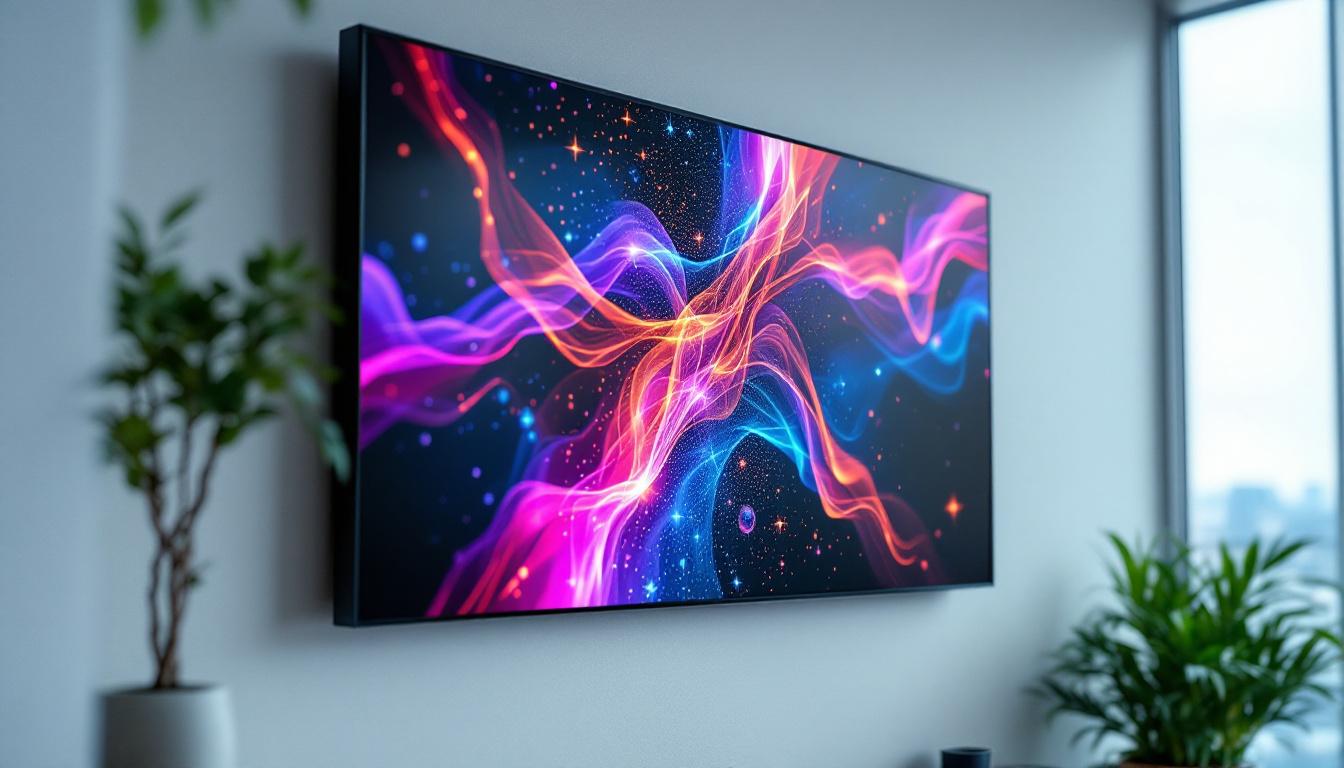
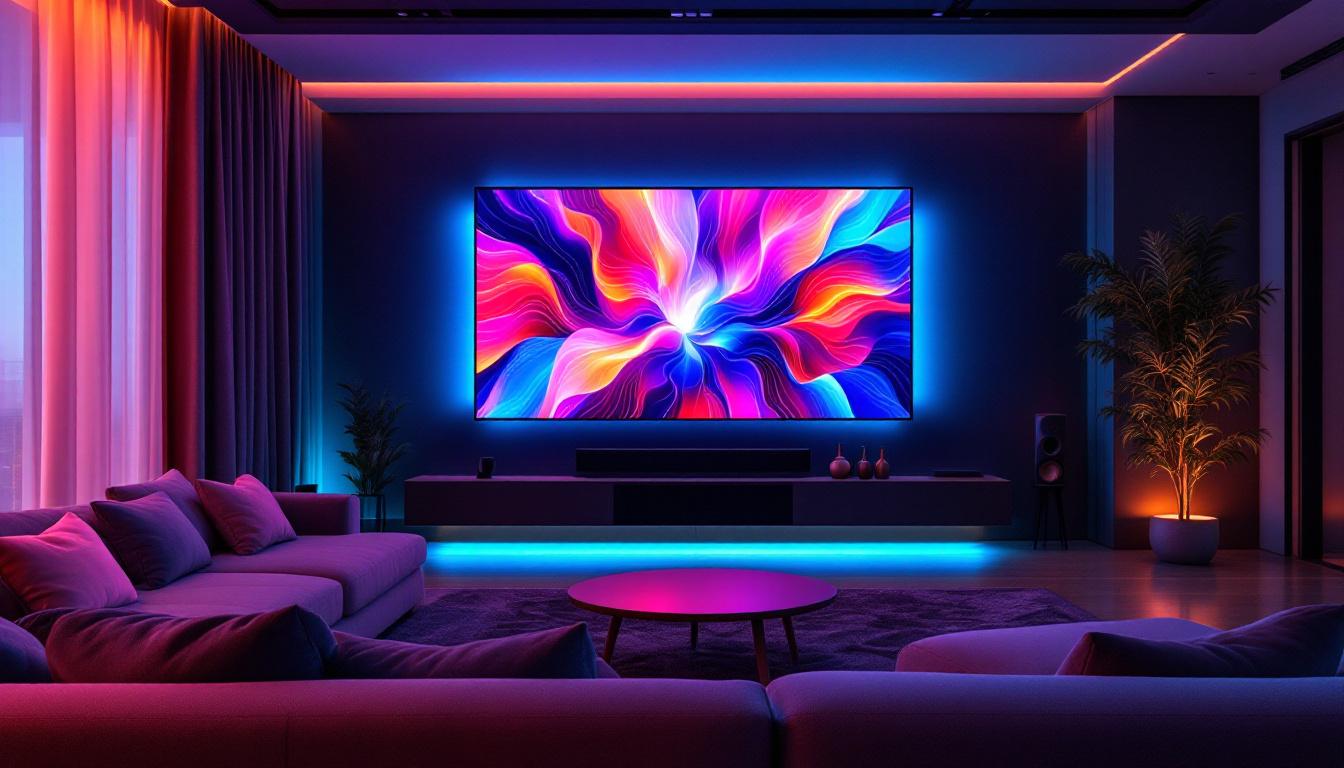
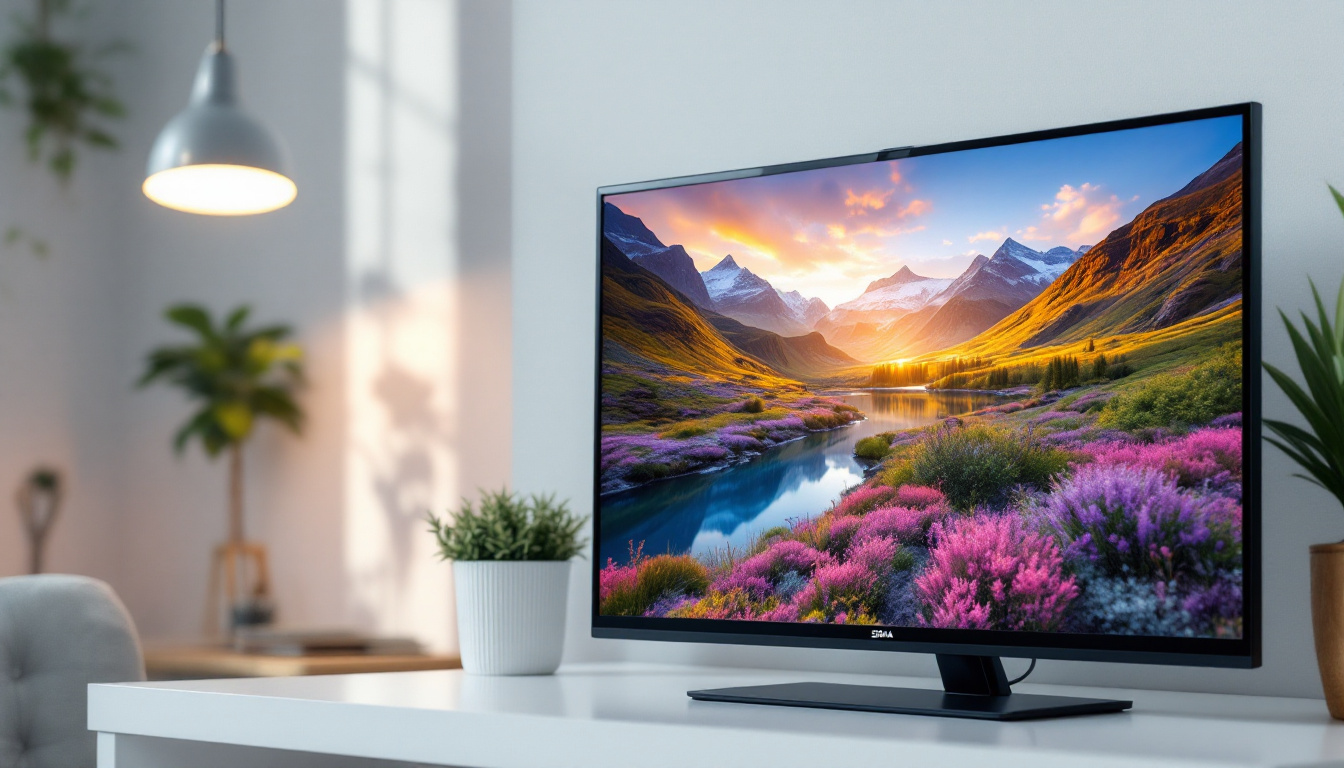
LED stands for Light Emitting Diode, a semiconductor device that emits light when an electric current passes through it. An LED display consists of an array of these tiny diodes arranged in a matrix to form images, videos, or text. Unlike LCD or OLED displays, which rely on backlighting or organic compounds, LED displays emit their own light, resulting in higher brightness and contrast. This self-illuminating feature allows LED displays to achieve vibrant colors and deeper blacks, making them a popular choice for both commercial and entertainment applications.
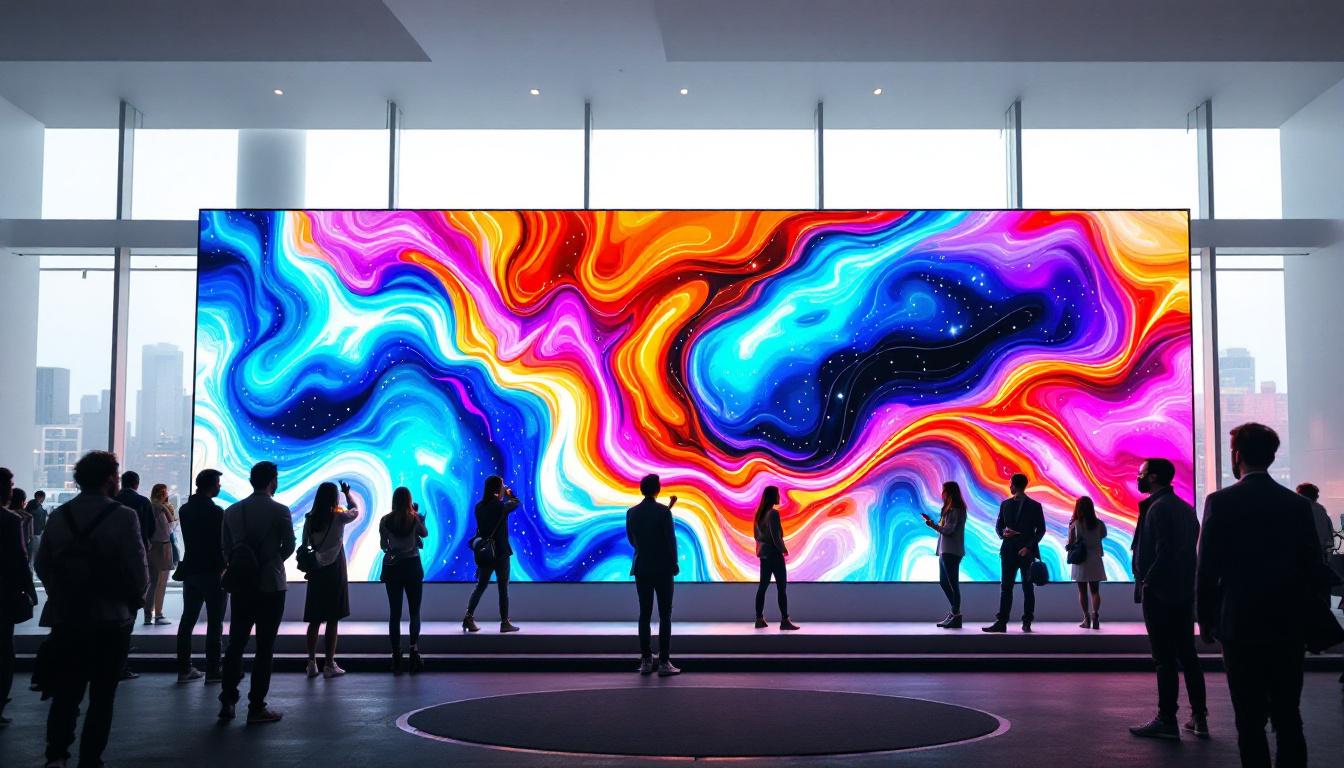
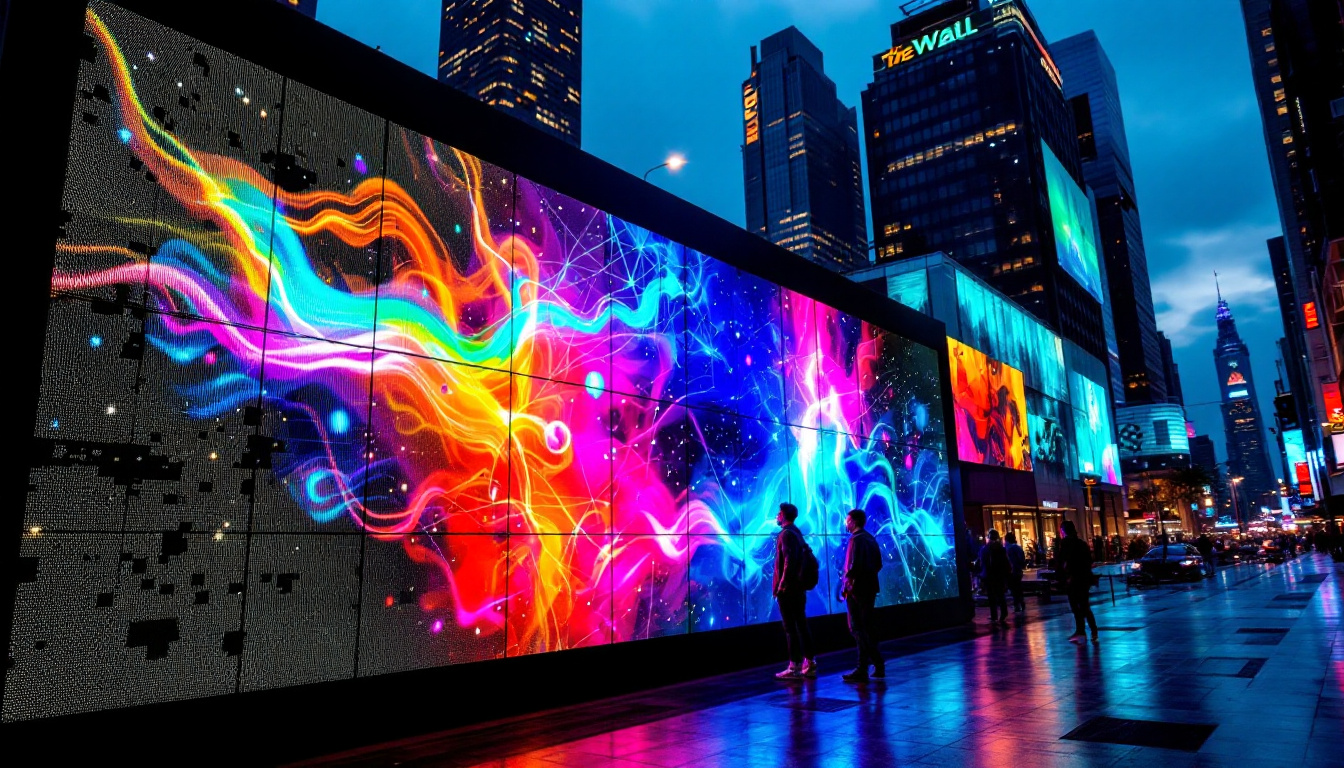
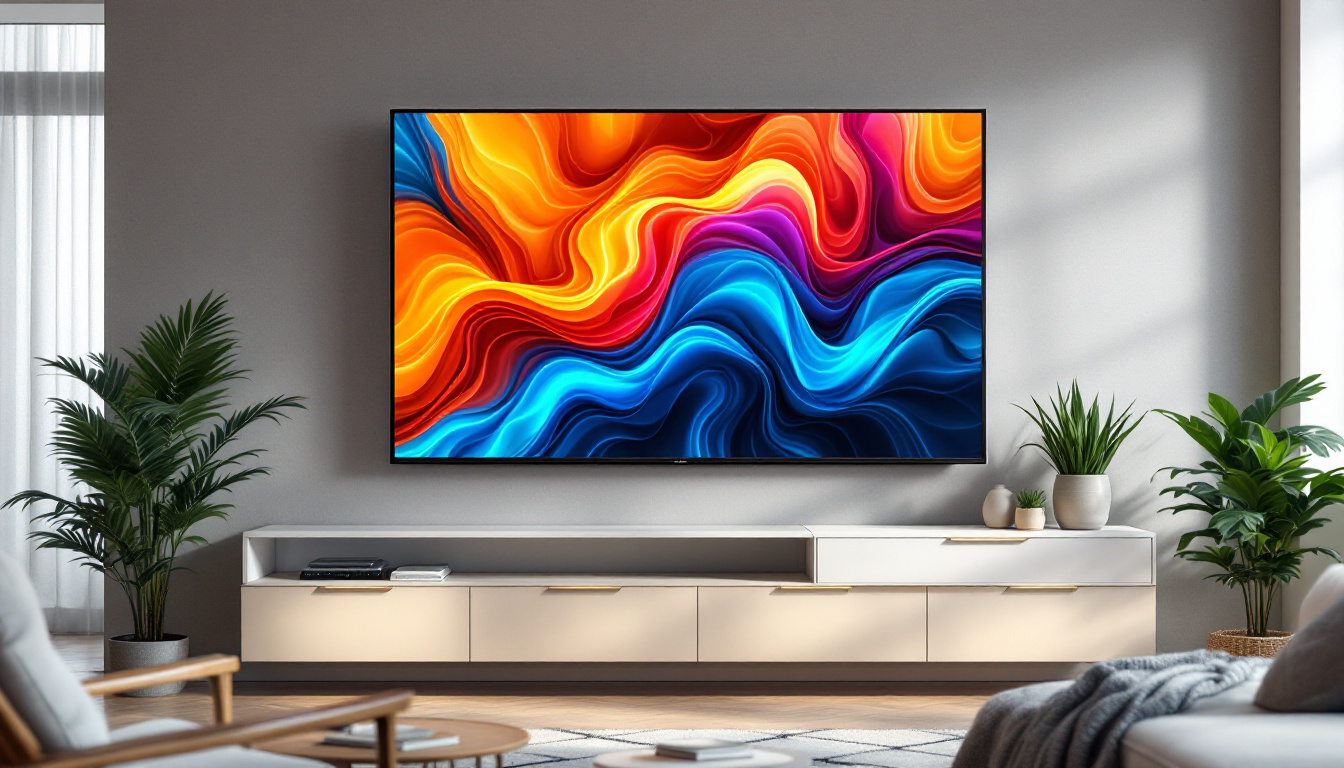
Modern LED displays are typically modular, composed of multiple panels or tiles that can be assembled to create screens of virtually any size or shape. This modularity allows for flexible installation in indoor or outdoor environments, catering to a wide array of use cases. The ability to scale these displays means that they can be used for everything from small digital signage in retail stores to massive video walls at concerts and sporting events. Additionally, advancements in technology have led to the development of energy-efficient models that consume less power while providing superior performance, making them an environmentally friendly option.
Types of LED Displays
LED displays come in various configurations, each suited to different applications:
- Indoor LED Displays: Designed for controlled lighting environments, these displays offer high resolution and fine pixel pitch (distance between LEDs), ideal for close viewing distances such as retail stores, conference rooms, and broadcast studios. The clarity and detail of indoor LED displays make them perfect for showcasing high-definition content, ensuring that every detail is visible to the audience.
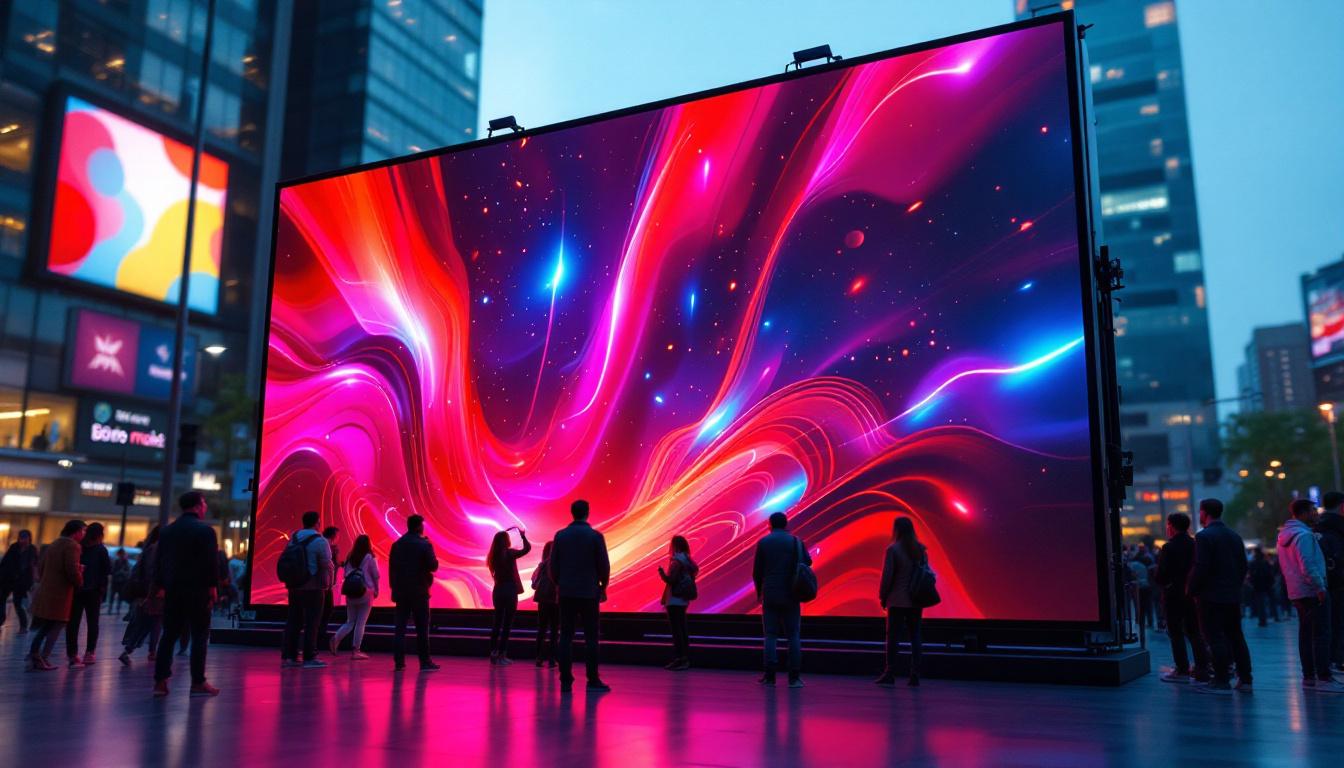
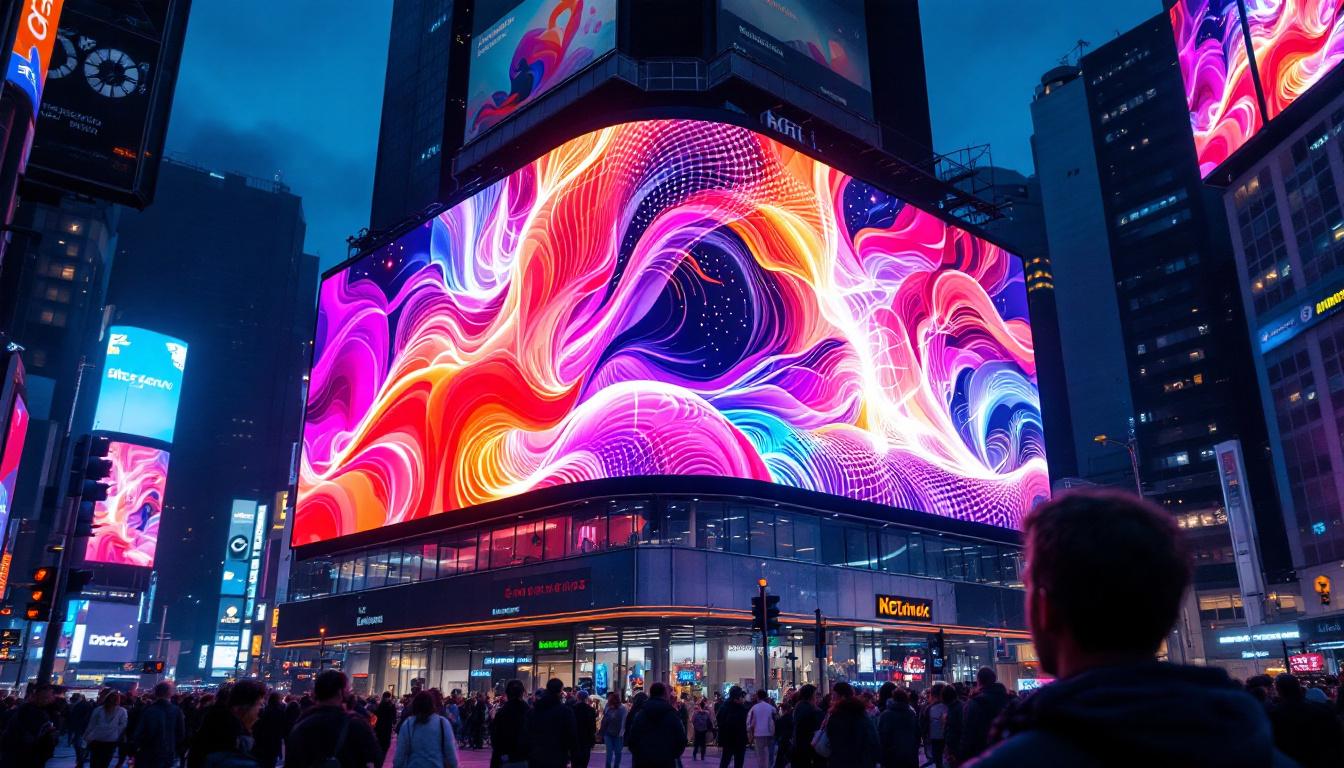
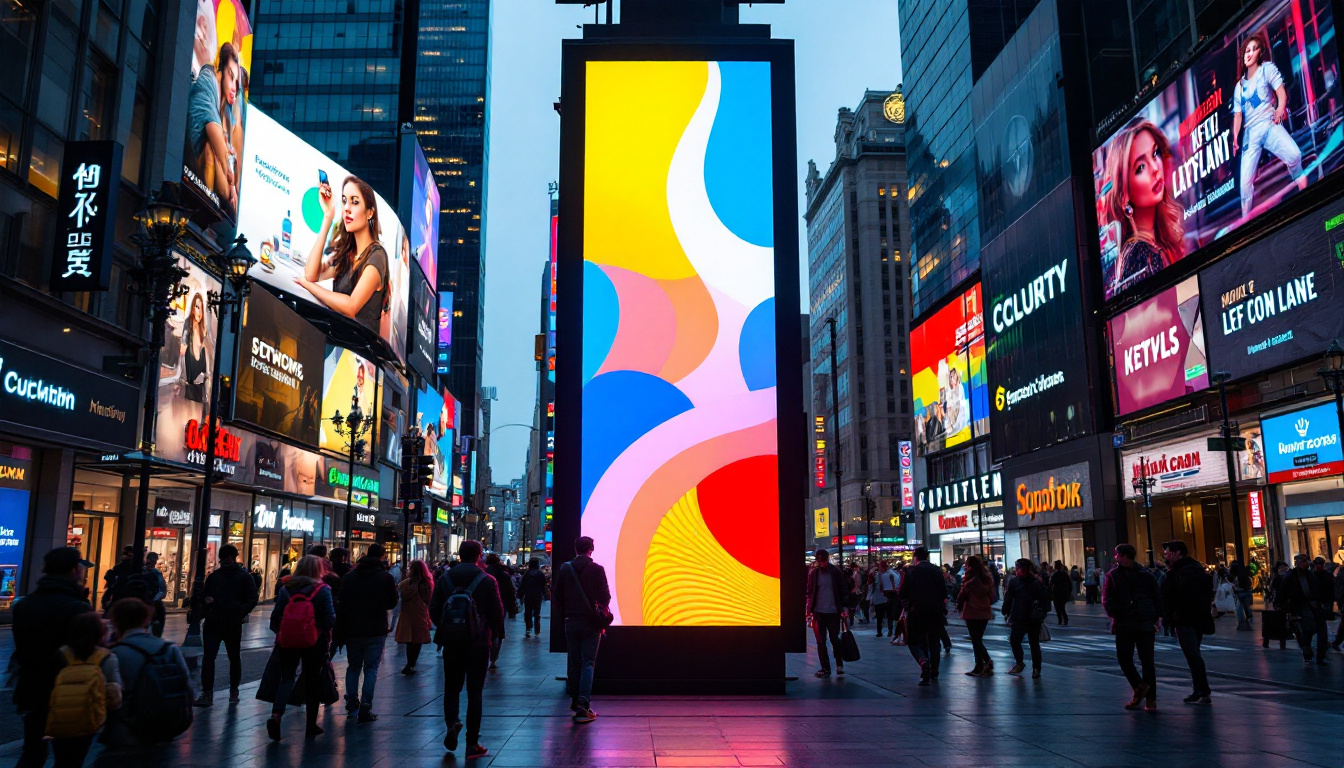
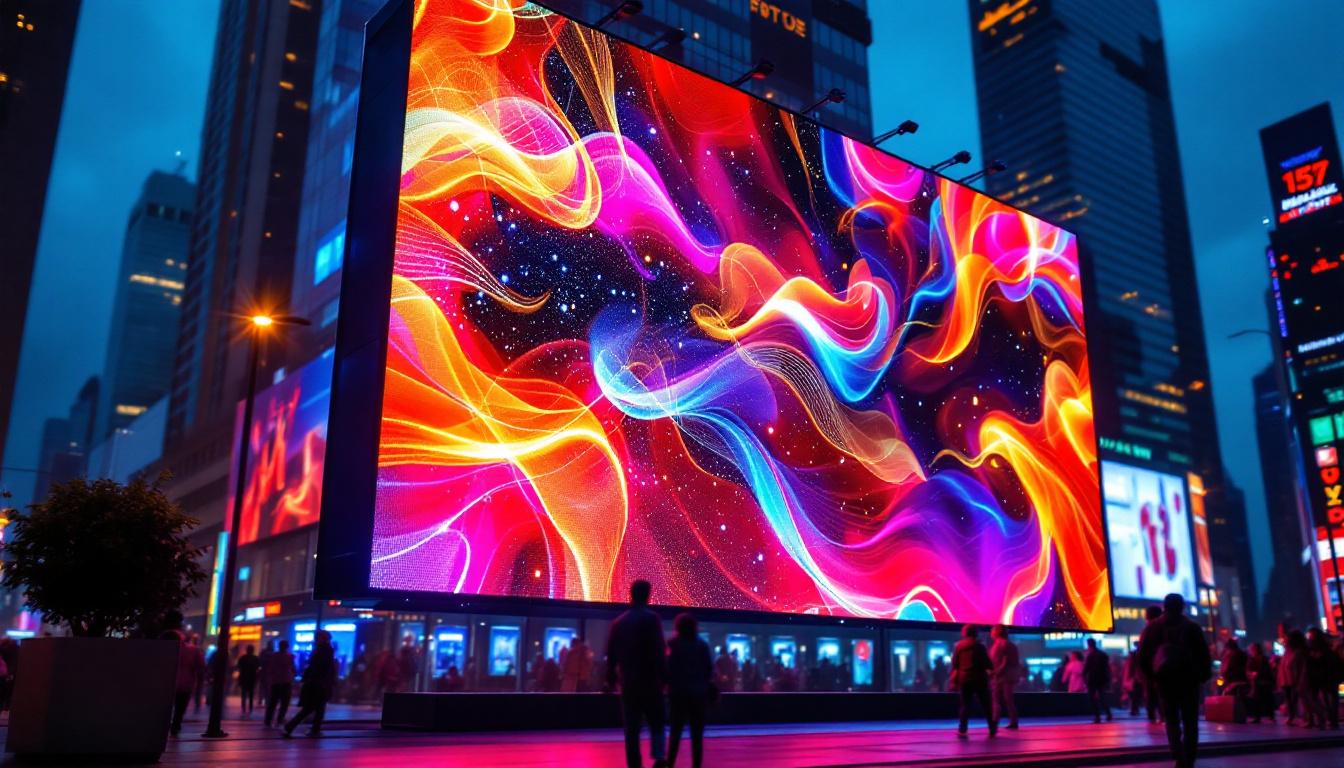
- Outdoor LED Displays: Built to withstand weather conditions, these displays feature higher brightness levels (often exceeding 5,000 nits) to remain visible in direct sunlight. They are commonly used for billboards, stadium screens, and public information boards. Outdoor LED displays are also designed with durability in mind, often incorporating protective measures against moisture, dust, and extreme temperatures, ensuring longevity and reliability in various environments.
- Transparent LED Displays: These innovative panels allow light to pass through, making them suitable for glass facades and retail windows where maintaining visibility through the screen is important. Transparent LED displays create a unique blend of digital content and physical space, allowing brands to engage customers without obstructing the view of their products or the surrounding environment, enhancing the overall shopping experience.
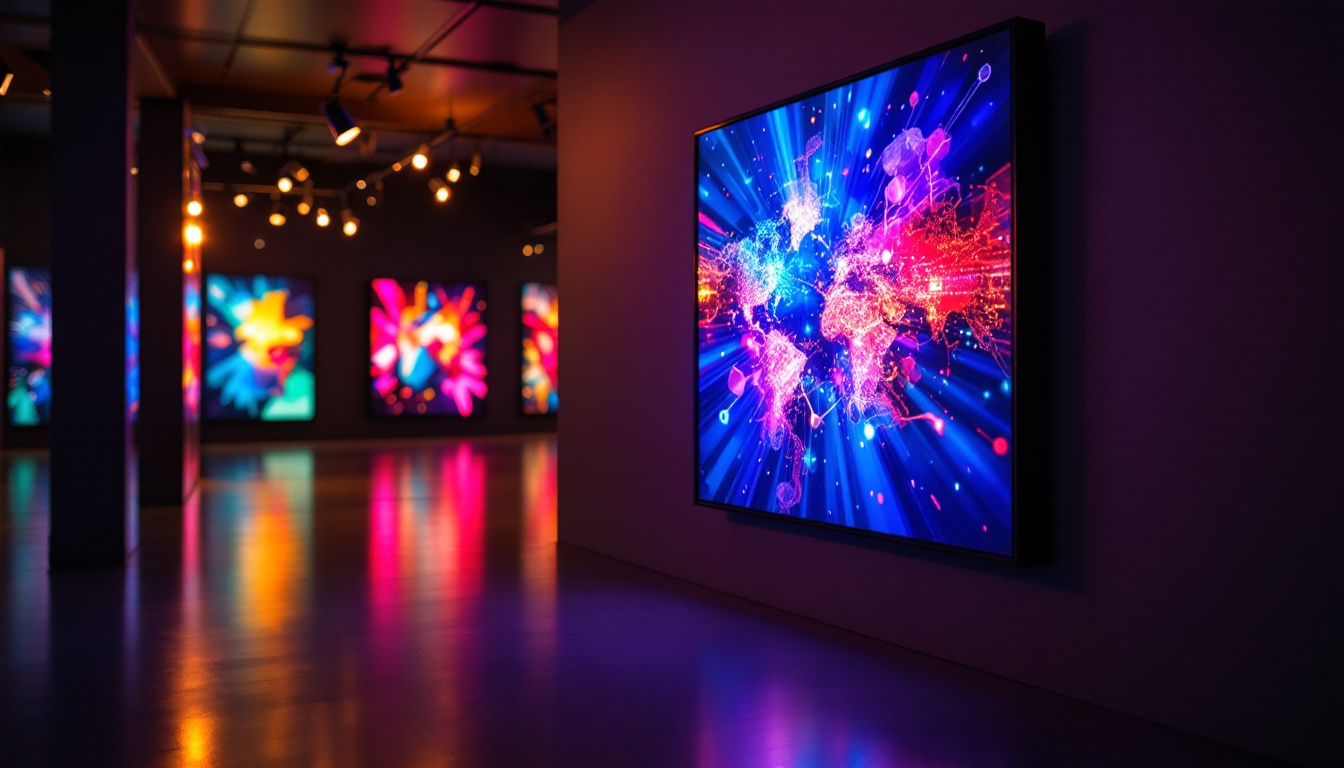
- Flexible and Curved LED Displays: Offering creative freedom, these displays can bend or curve around surfaces, enabling immersive installations in museums, exhibitions, or architectural projects. Their adaptability allows for unique design possibilities, transforming ordinary spaces into captivating visual experiences. This flexibility is particularly appealing for designers and artists looking to push the boundaries of traditional display formats, creating dynamic environments that captivate audiences.
Key Performance Factors in LED Displays
Pixel Pitch and Resolution
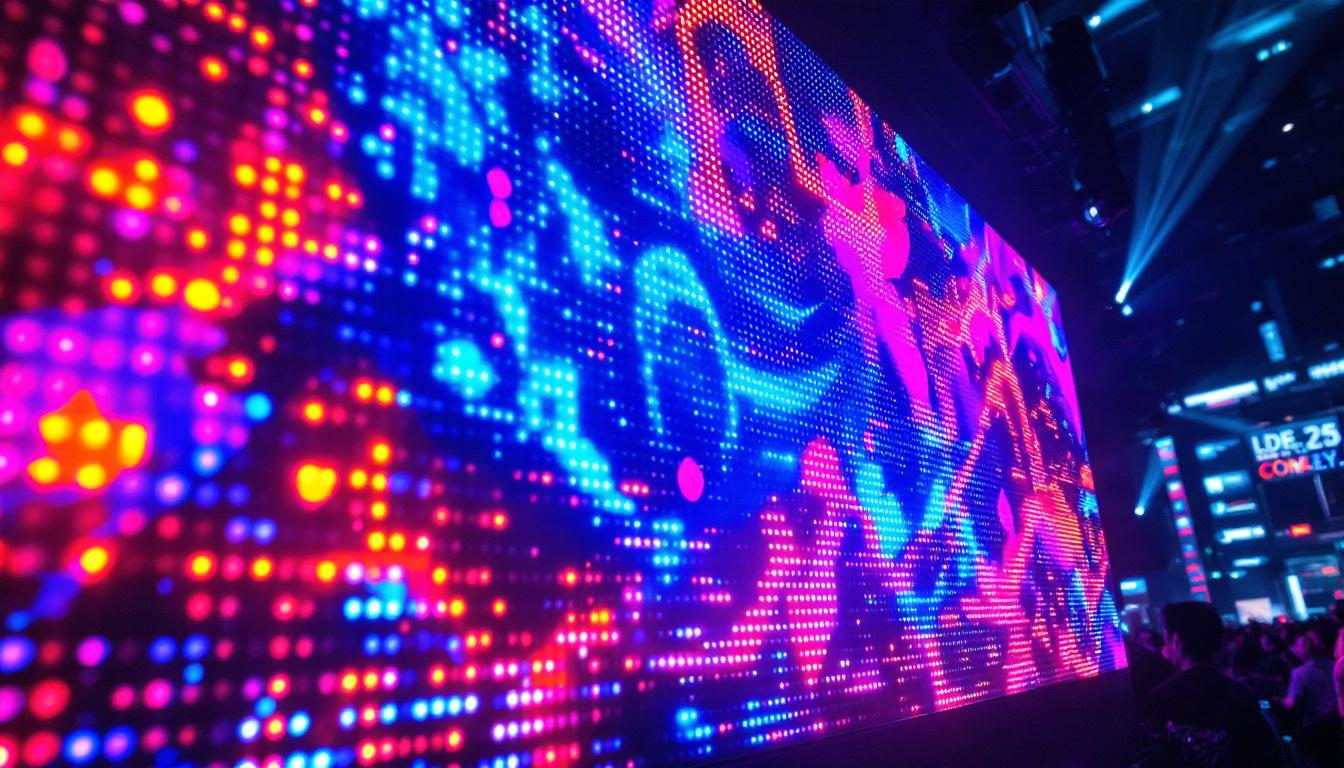
Pixel pitch is the distance between the centers of two adjacent LEDs, usually measured in millimeters. It directly affects the display’s resolution and viewing distance. A smaller pixel pitch means more LEDs per square meter, resulting in a sharper image and better detail at close range.
For example, a 1.5mm pixel pitch display is suitable for indoor environments where viewers are close to the screen, such as control rooms or retail signage. In contrast, outdoor billboards typically use pixel pitches of 10mm or more, as viewers are farther away and the higher pitch reduces cost while maintaining visibility.
Brightness and Contrast Ratio
Brightness, measured in nits (candelas per square meter), is a critical factor for LED displays, especially outdoors. High brightness ensures the display remains visible even under direct sunlight. Typical indoor LED displays range from 600 to 1,200 nits, while outdoor displays can reach 5,000 to 8,000 nits or more.
Contrast ratio, the difference between the darkest black and the brightest white, determines image depth and clarity. LED displays generally offer excellent contrast because each diode emits light individually, allowing true blacks when LEDs are turned off. This capability enhances image quality, making content more engaging and easier to read.
Refresh Rate and Color Accuracy
The refresh rate, measured in Hertz (Hz), indicates how many times per second the display updates its image. Higher refresh rates reduce flicker and motion blur, which is especially important for video content and live broadcasts. Professional LED displays typically support refresh rates of 3,000 Hz or higher, ensuring smooth and flicker-free visuals even when filmed by cameras.
Color accuracy is another vital performance metric. Advances in LED technology and calibration tools enable displays to reproduce a wide color gamut and maintain consistent color fidelity. This is crucial for branding, advertising, and any application where precise color representation impacts viewer perception.
Planning and Implementing High-Performance LED Displays
Assessing Environmental and Usage Requirements
Effective planning begins with a thorough assessment of the installation environment and intended use. Factors such as ambient lighting, viewing distance, audience size, and content type influence the choice of LED display specifications.
For instance, an outdoor advertising planner must prioritize brightness and weather resistance, while an event production manager may focus on resolution and refresh rate to accommodate dynamic video content. Understanding these requirements helps avoid costly mistakes and ensures the display performs optimally in its setting.
Installation Considerations and Maintenance
Proper installation is critical to achieving high performance and longevity. LED displays require precise alignment of panels to avoid visible seams and ensure uniform brightness. Structural support must accommodate the weight and dimensions of the display, especially for large-scale outdoor installations.
Maintenance is another key consideration. LED modules can degrade over time, and individual diodes may fail. Choosing displays with easy access for repairs and modular components minimizes downtime and maintenance costs. Additionally, routine cleaning and environmental protection extend the display’s lifespan.
Energy Efficiency and Sustainability
Energy consumption is a growing concern for large LED installations. Despite their efficiency compared to older technologies, LED displays can still draw significant power, especially at high brightness levels. Selecting displays with energy-saving features such as automatic brightness adjustment and efficient power supplies reduces operational costs.
Moreover, sustainability initiatives encourage the use of recyclable materials and responsible disposal of electronic components. Many manufacturers now offer eco-friendly LED display options, aligning with corporate social responsibility goals.
Applications and Industry Trends
Advertising and Digital Signage
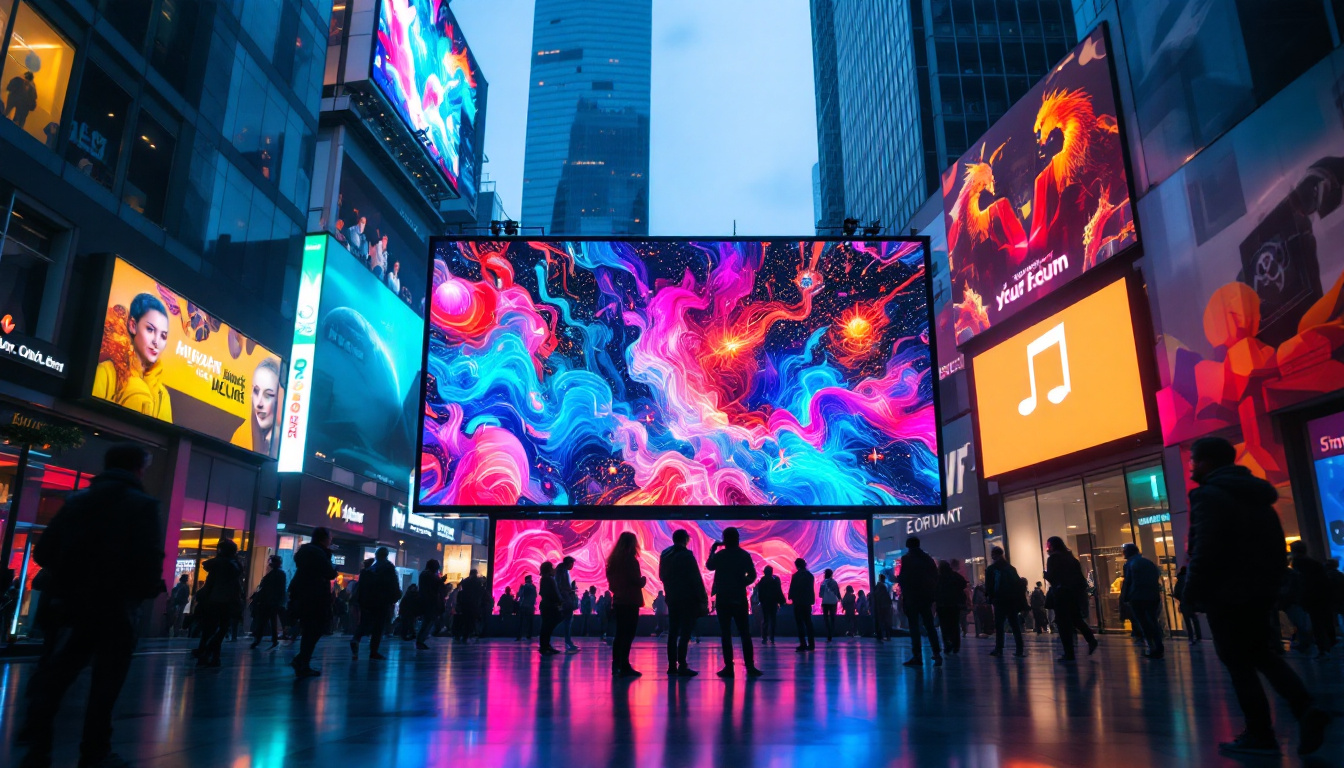
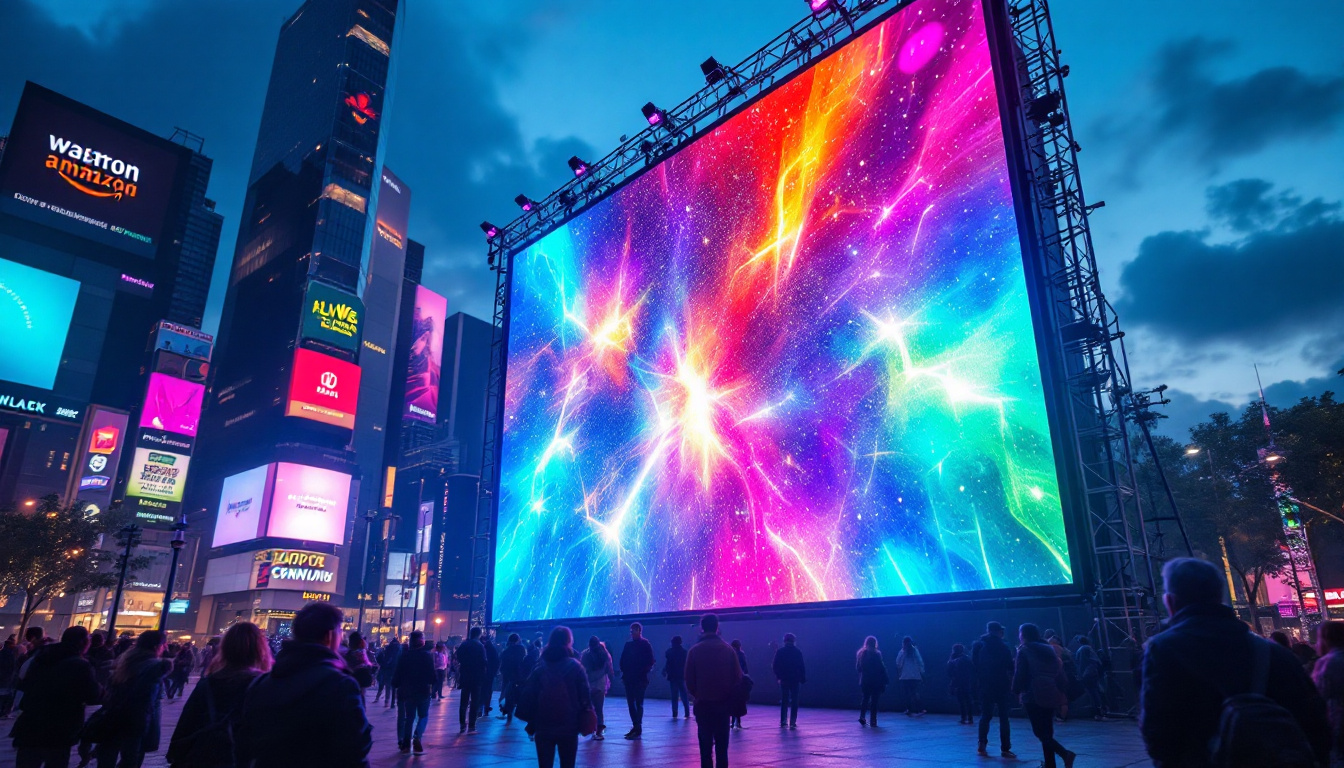
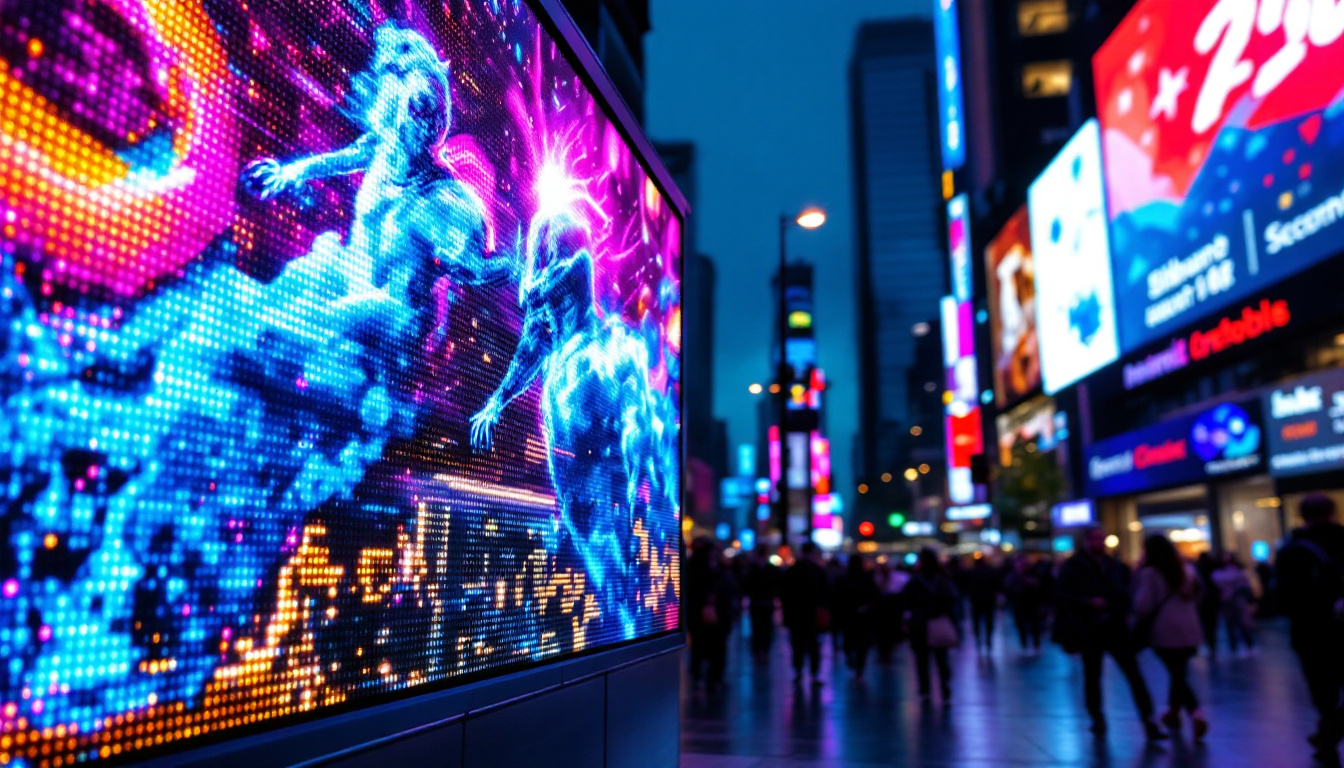
One of the most widespread uses of LED displays is in advertising and digital signage. According to recent market research, the global digital signage market is projected to grow at a CAGR of over 7% through 2027, driven largely by LED technology advancements.
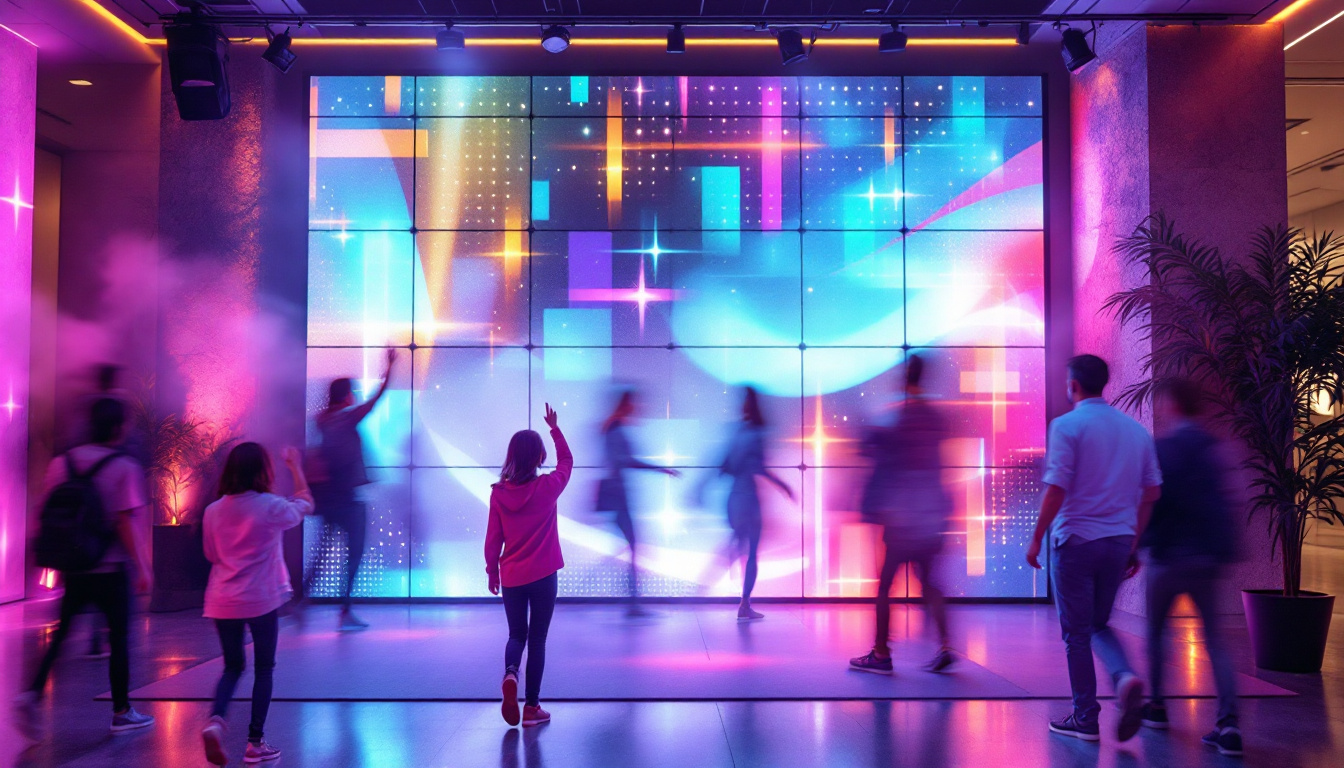
LED displays enable dynamic, eye-catching content that can be updated remotely and in real-time, providing advertisers with flexibility and immediacy. Interactive LED signage, incorporating touch and sensor technologies, is also gaining traction, offering personalized customer experiences.
Broadcast and Control Rooms
In broadcast studios and control rooms, LED video walls serve as critical information hubs. Their high resolution, color accuracy, and reliability make them ideal for monitoring complex data streams, live feeds, and graphical content.
For example, major news networks utilize LED walls to create immersive backgrounds and display real-time information, enhancing viewer engagement. Similarly, command centers in transportation, utilities, and emergency services depend on LED displays for situational awareness and rapid decision-making.
Events, Entertainment, and Architecture
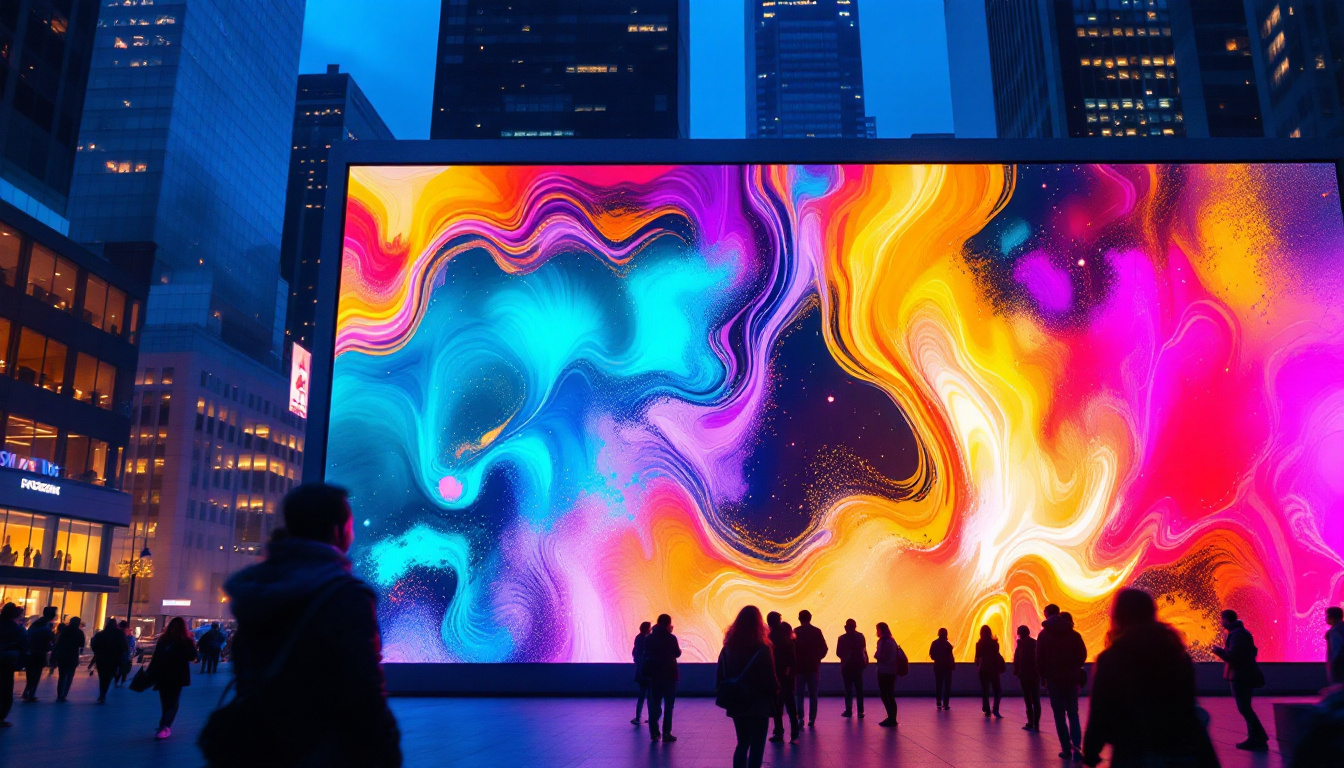
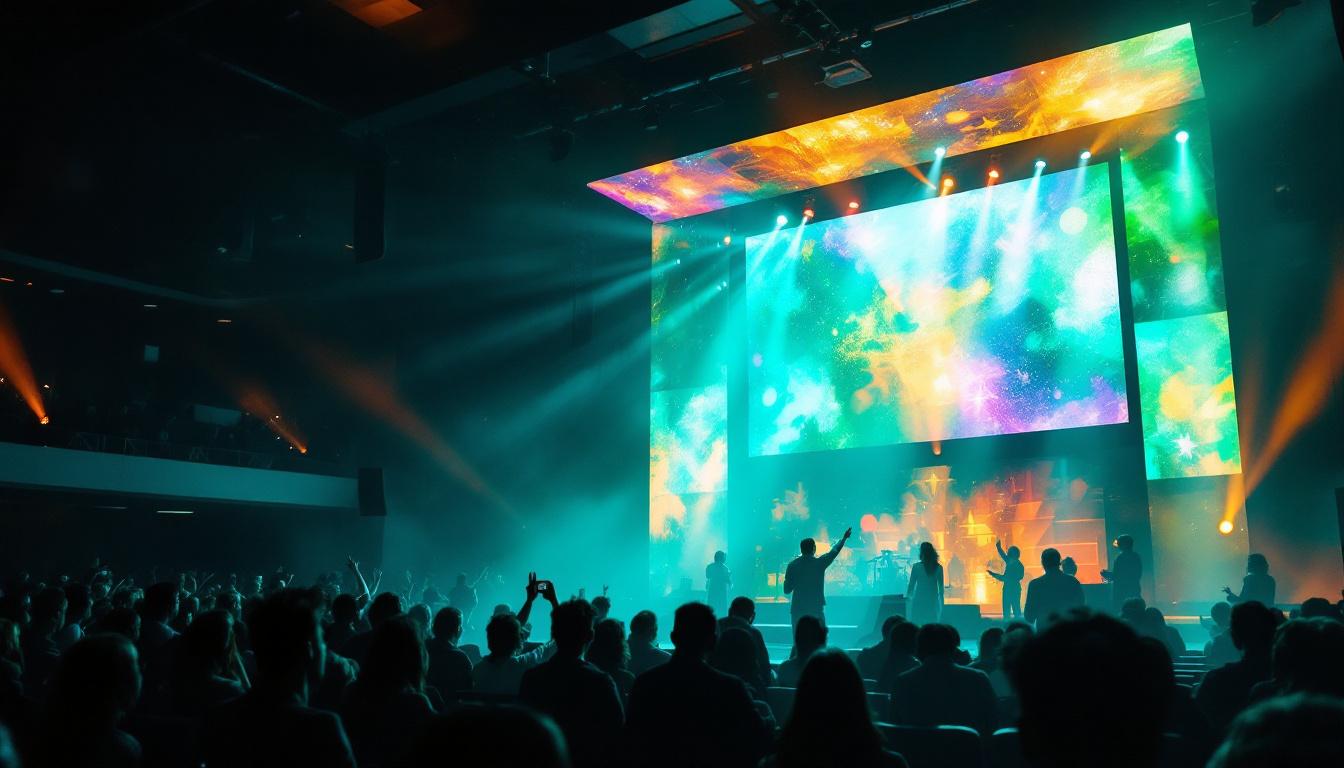
LED displays have revolutionized live events and entertainment by enabling large-scale, high-impact visual effects. Concerts, sports arenas, and festivals use LED screens to deliver vibrant visuals that captivate audiences, even in challenging lighting conditions.
Architectural applications are also expanding, with LED facades and installations transforming building exteriors into dynamic canvases. These installations not only enhance aesthetic appeal but also serve as communication platforms for branding and public messaging.
Future Developments in LED Display Technology
MicroLED and MiniLED Innovations
Emerging technologies like MicroLED and MiniLED promise to push LED display performance even further. MicroLEDs are significantly smaller than conventional LEDs, enabling ultra-high resolution and improved energy efficiency. This technology is poised to compete with OLED in premium displays, offering superior brightness and lifespan without burn-in issues.
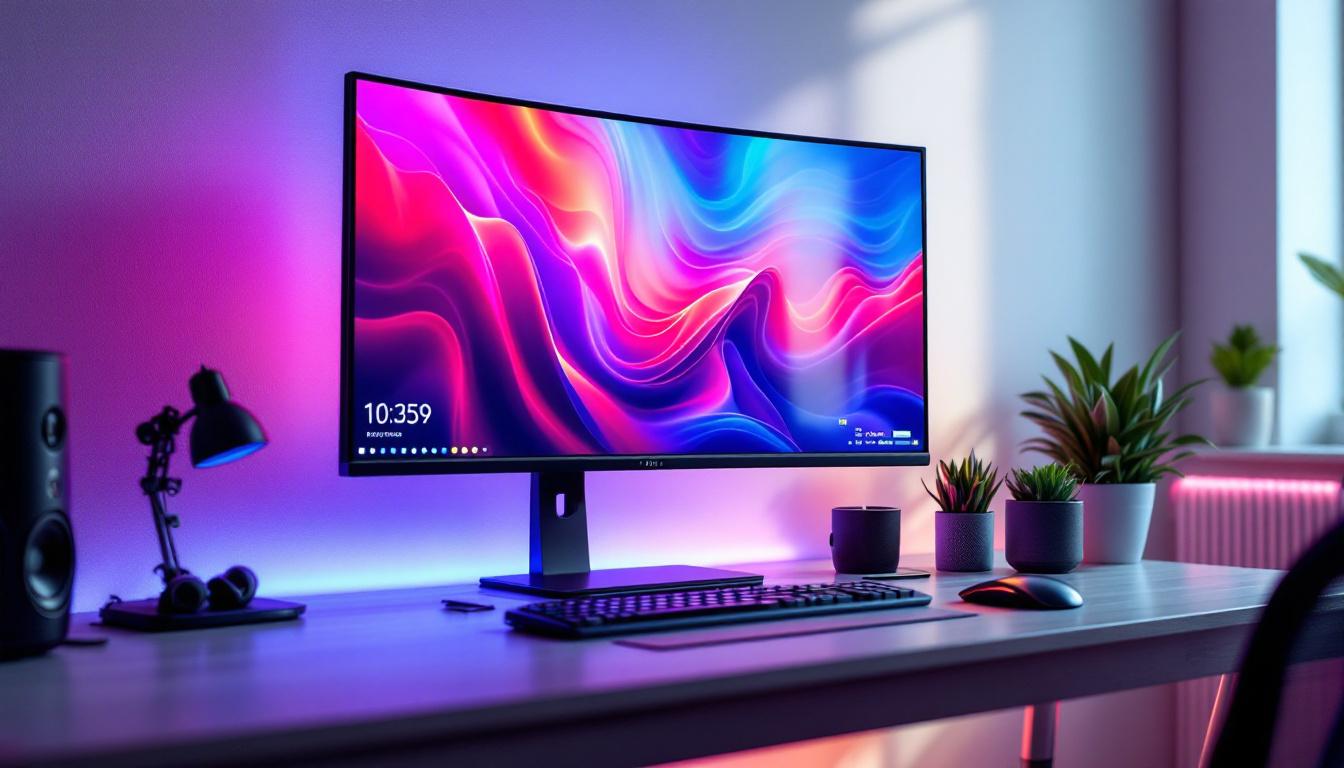
MiniLED technology uses thousands of tiny LEDs as backlighting for LCD panels, enhancing contrast and color accuracy. This hybrid approach is gaining popularity in high-end monitors and televisions, bridging the gap between traditional LCD and full LED displays.
Integration with AI and IoT
Integration of LED displays with artificial intelligence (AI) and the Internet of Things (IoT) is creating smarter, more responsive visual systems. AI-driven content management allows displays to adapt in real-time to audience demographics, environmental conditions, and user interactions.
IoT connectivity enables centralized monitoring and control of multiple displays across locations, optimizing performance and reducing maintenance efforts. These advancements are transforming LED displays from static screens into dynamic, intelligent communication tools.
Conclusion
LED displays represent a versatile and powerful technology that continues to evolve and expand across industries. Understanding the technical aspects such as pixel pitch, brightness, and refresh rate is crucial for planners aiming to deliver high-performance visual solutions tailored to specific environments and objectives.
By carefully assessing requirements, selecting appropriate technologies, and considering future trends, professionals can leverage LED displays to create impactful, efficient, and sustainable visual experiences. As LED technology advances with innovations like MicroLED and AI integration, the possibilities for creative and functional applications will only grow, making LED displays an indispensable tool in the high-performance planner’s toolkit.
Discover LumenMatrix’s Advanced LED Display Solutions
Ready to elevate your visual communication strategy with cutting-edge LED technology? Look no further than LumenMatrix, a pioneer in the industry, committed to transforming environments with high-performance LED displays. From vibrant Indoor and Outdoor LED Wall Displays to innovative solutions like Vehicle and Floor LED Displays, LumenMatrix offers a wide range of products designed to captivate and engage your audience. Embrace the future of digital signage with our Custom, All-in-One, and Transparent LED Displays, each crafted to deliver your message with unparalleled impact and clarity. Check out LumenMatrix LED Display Solutions today and start creating unforgettable visual experiences.