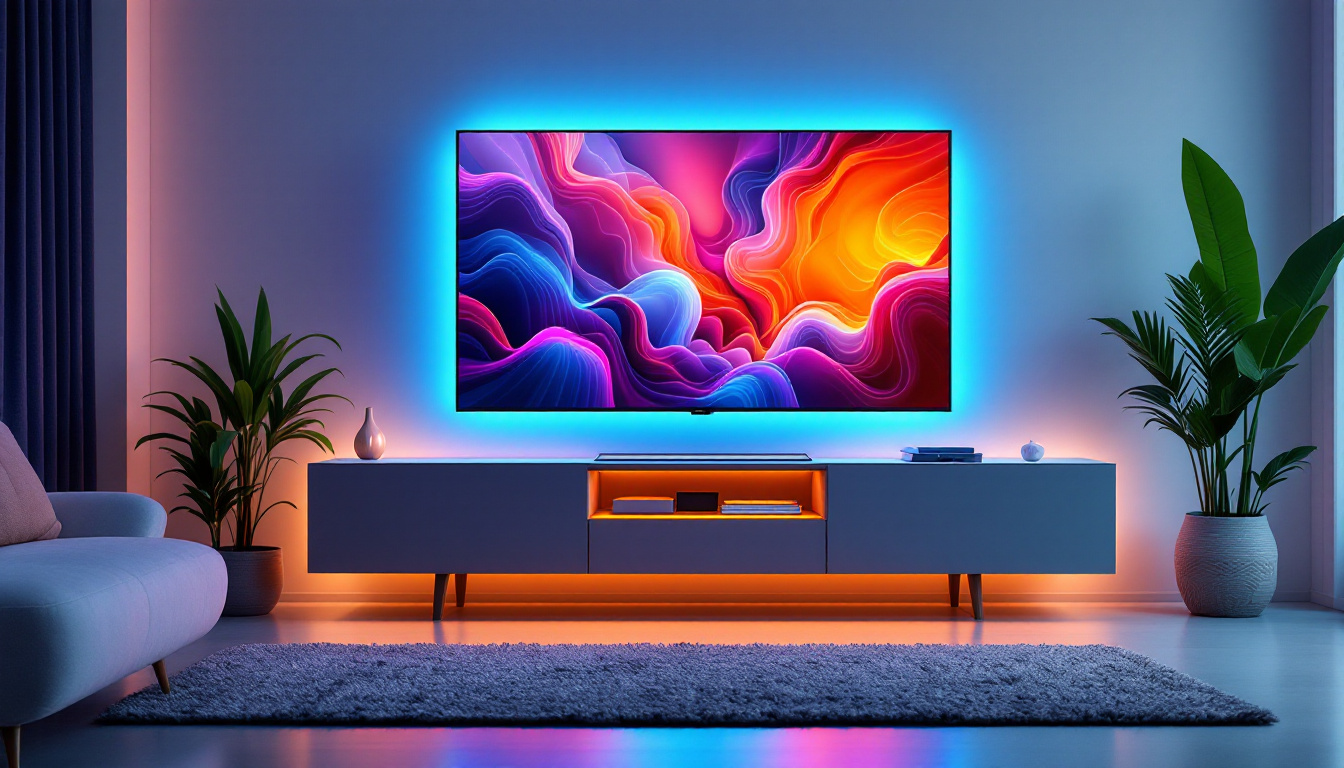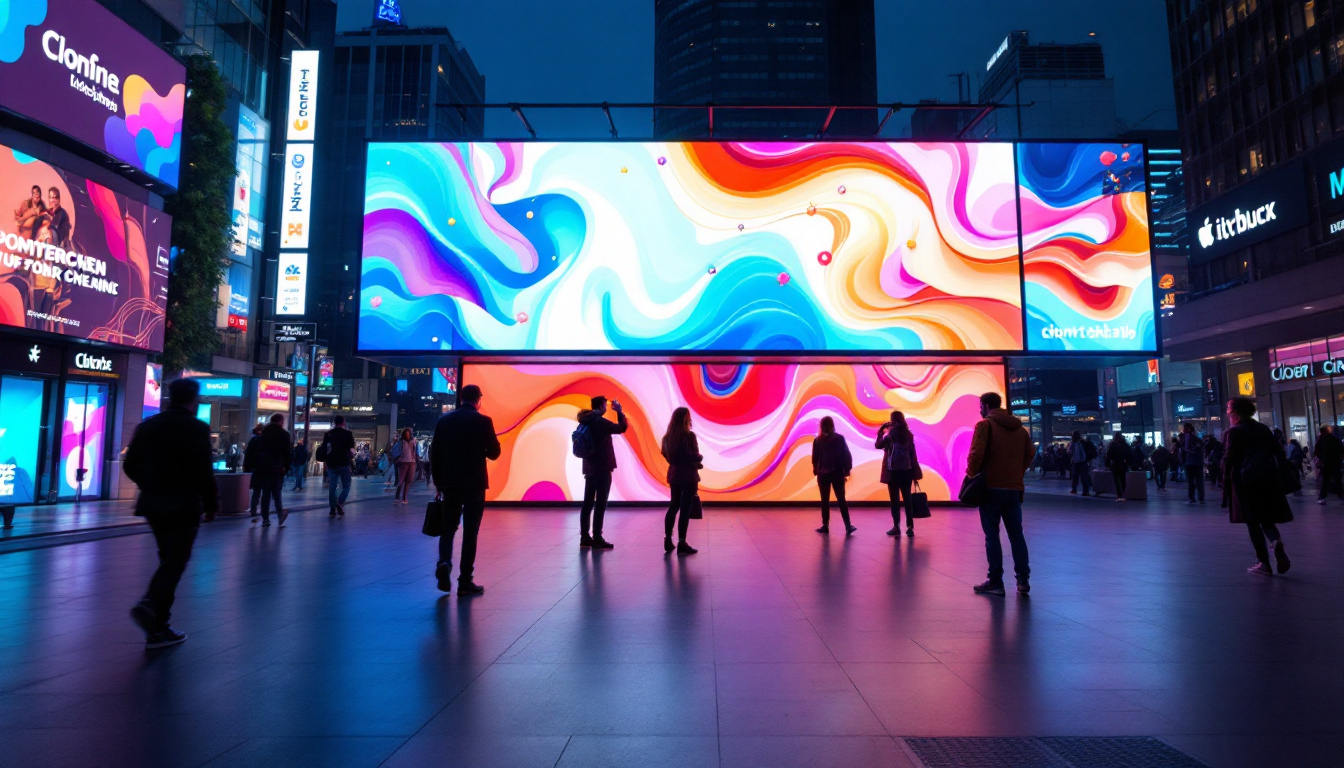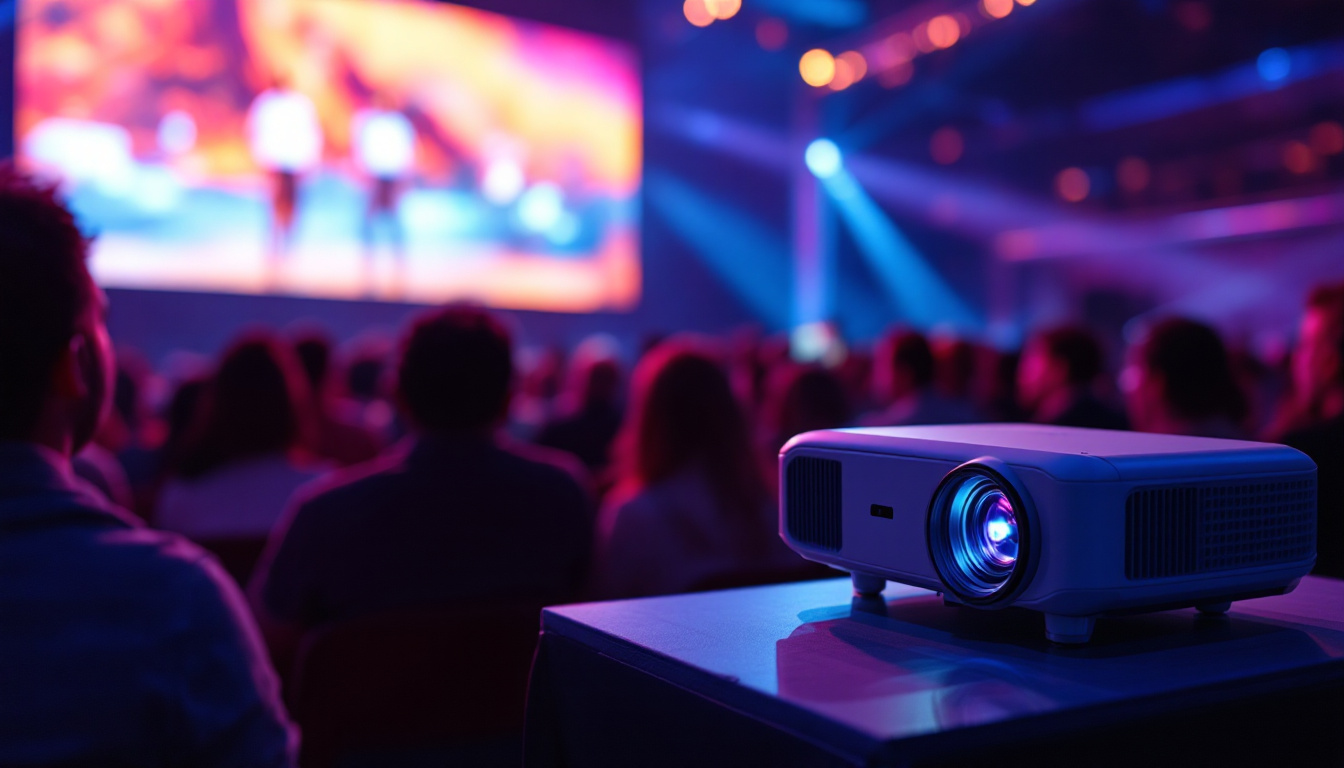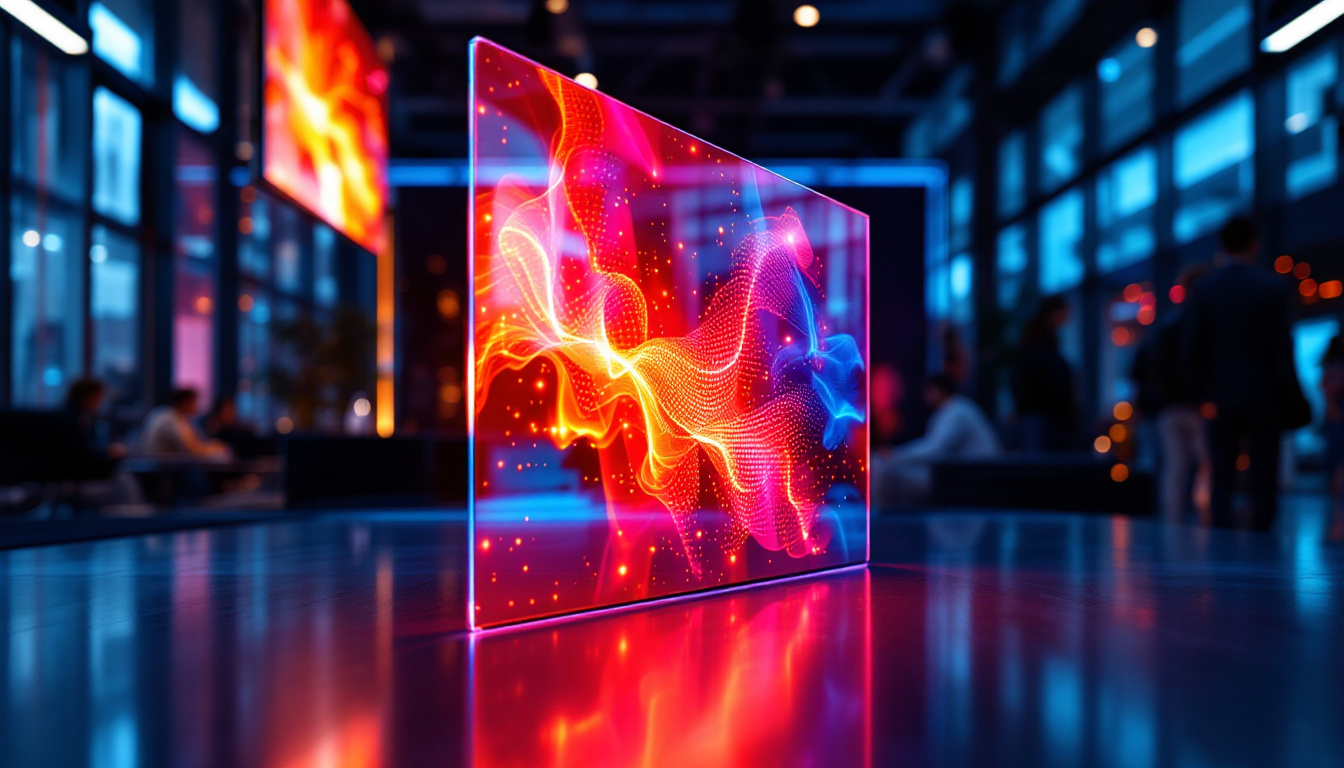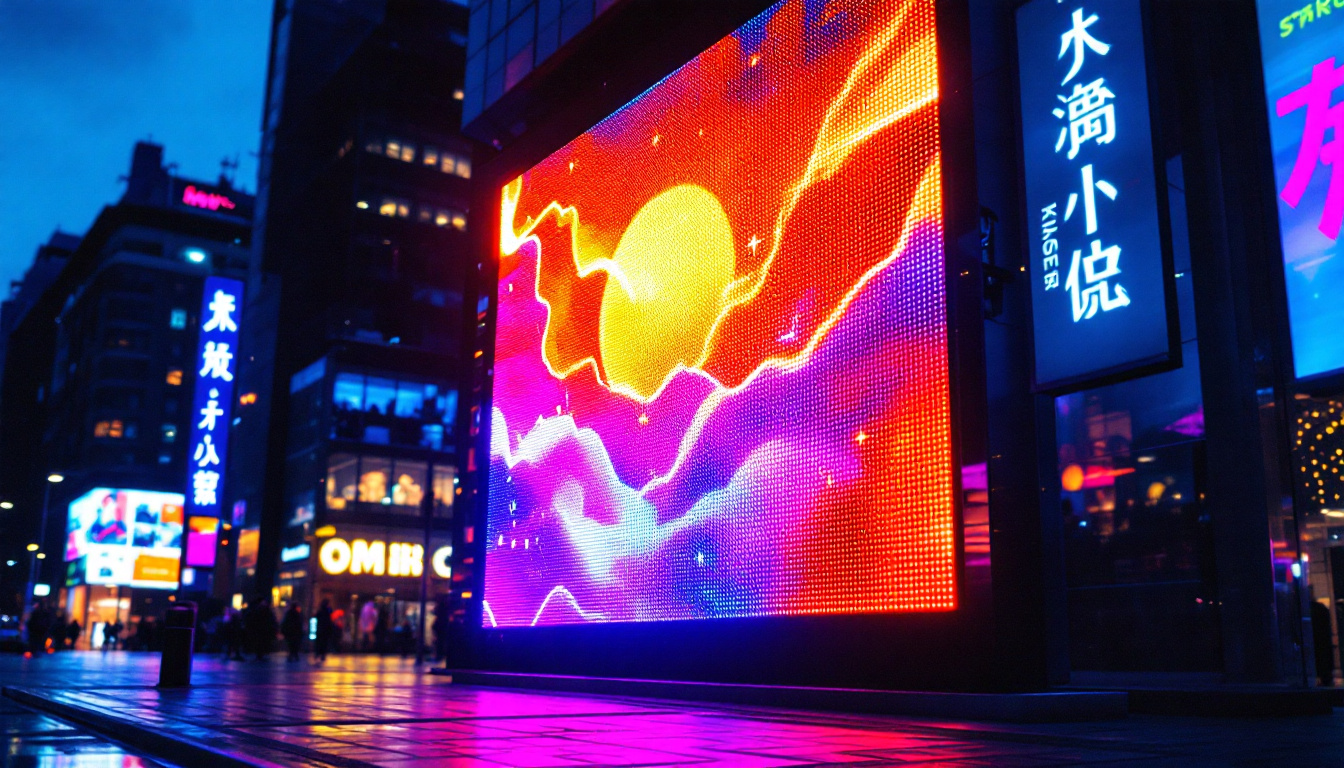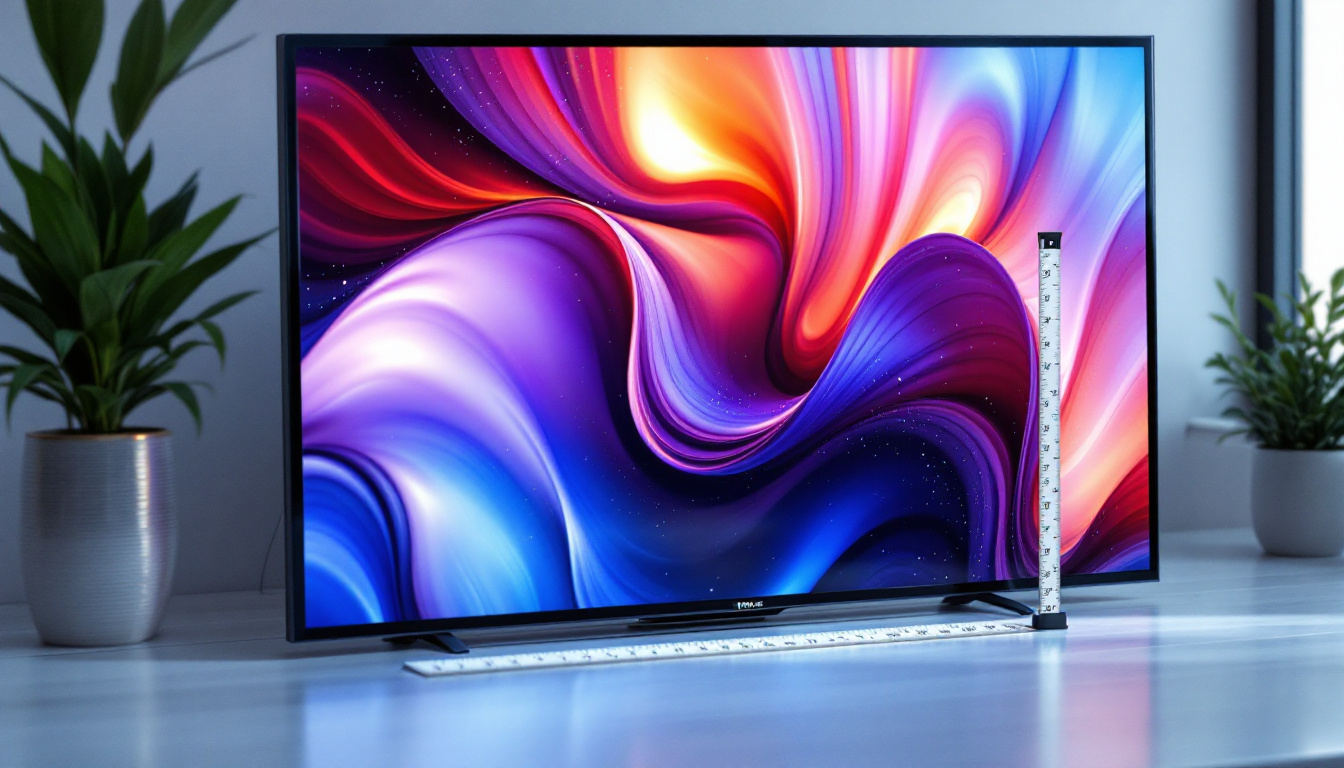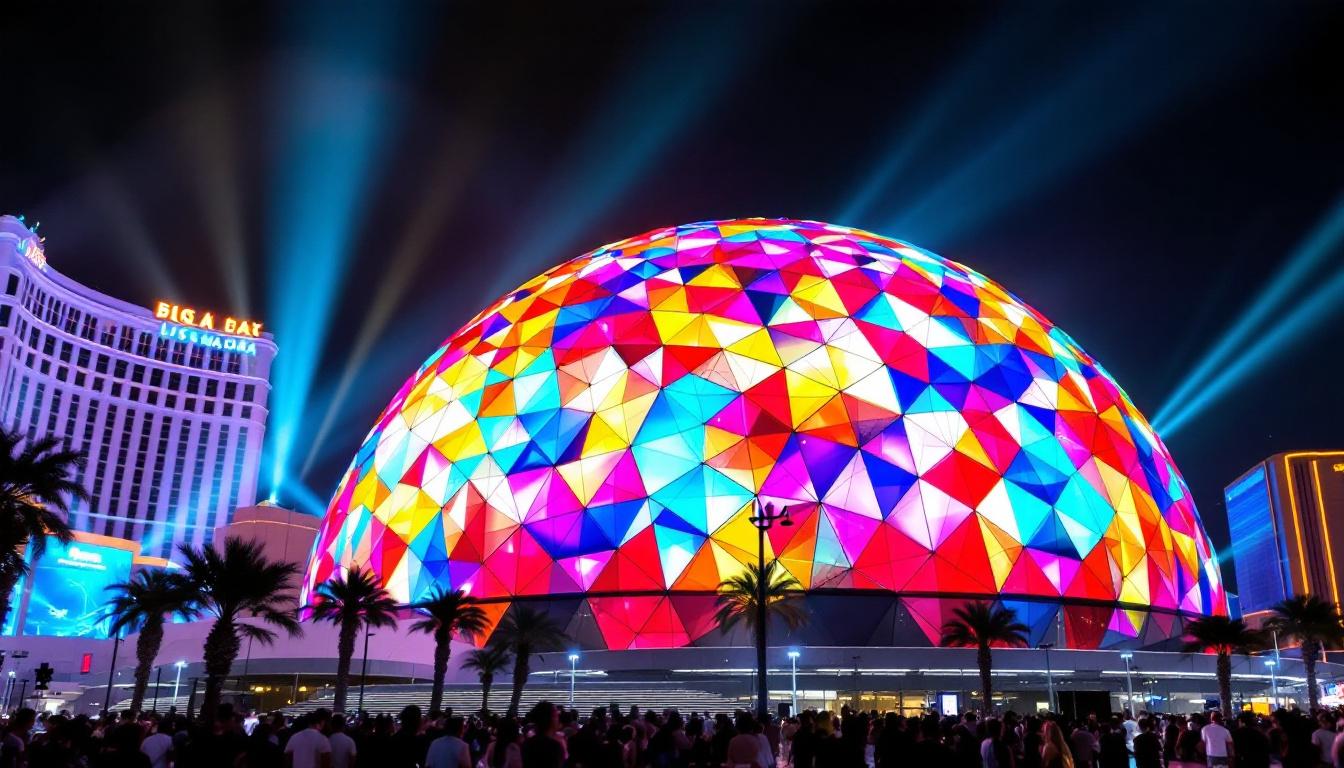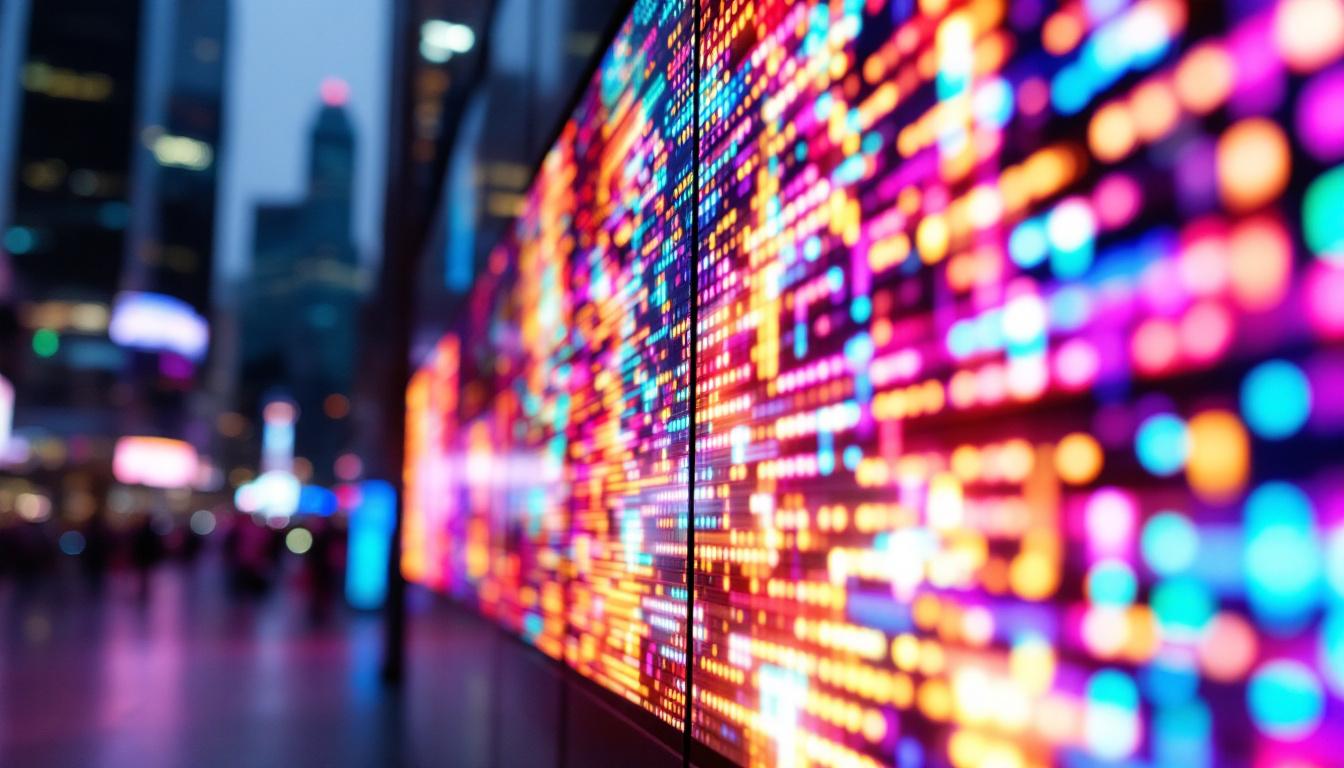
In today’s digital age, LED displays have become an integral part of how information is communicated visually, from advertising billboards to stadium screens and even indoor signage. The term “Screen Png” often appears in design and media contexts, referring to transparent image files used in conjunction with LED display content. Understanding the technology behind LED displays and how screen PNGs fit into the workflow can empower designers, marketers, and tech enthusiasts alike. This article delves into the fundamentals of LED displays, their types, applications, and the role of screen PNG files in creating vibrant, dynamic visual content.
What is an LED Display?
LED stands for Light Emitting Diode, a semiconductor device that emits light when an electric current passes through it. An LED display is a flat panel display that uses an array of these tiny LEDs as pixels to produce images, videos, and text. Unlike traditional LCD or plasma screens, LED displays are known for their brightness, energy efficiency, and longevity.
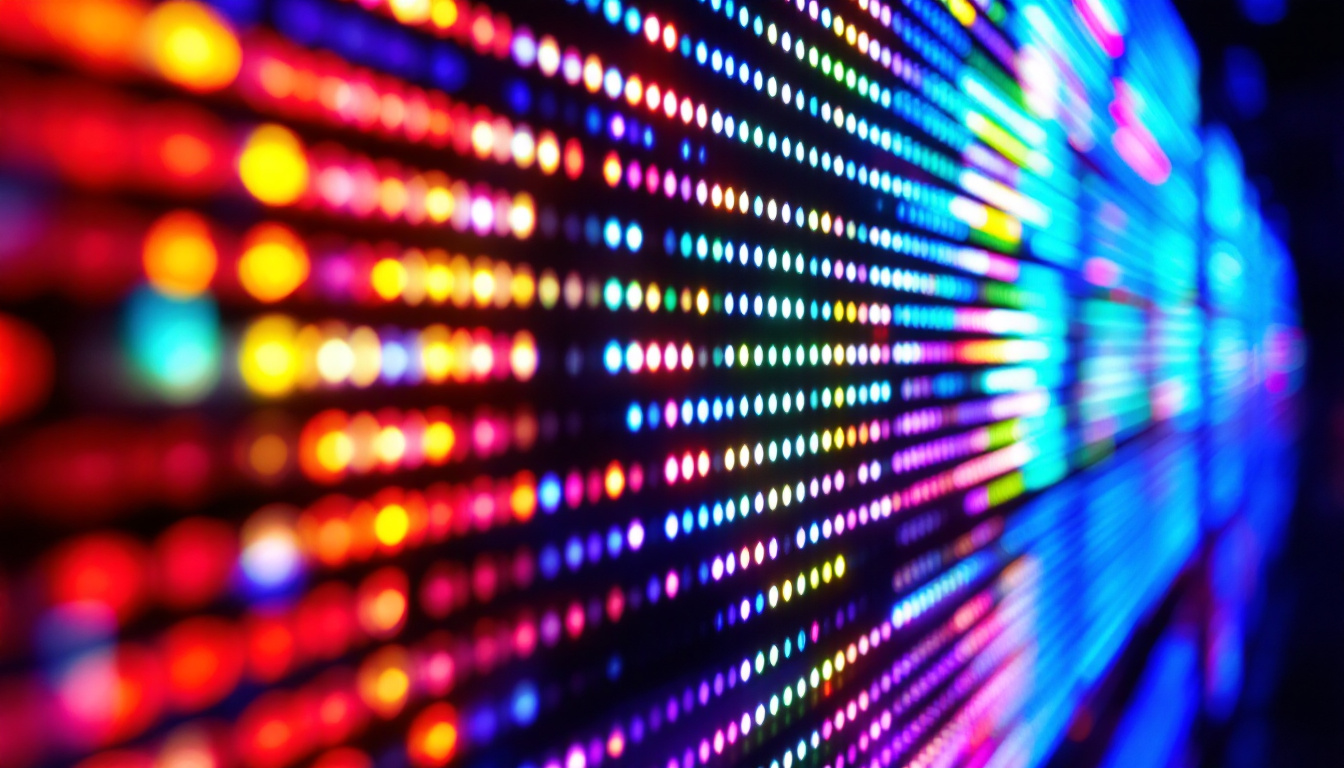
LED displays are composed of thousands to millions of these tiny LEDs arranged in a grid. Each LED can emit red, green, or blue light, and by combining these colors at varying intensities, the display can produce a full spectrum of colors. This technology allows for vibrant, high-contrast images that are visible even in direct sunlight, making LED displays ideal for outdoor advertising and large venues. The versatility of LED technology extends beyond just visual displays; it is also employed in various applications, including automotive lighting, architectural lighting, and even in consumer electronics like smartphones and televisions.
Key Characteristics of LED Displays
One of the defining features of LED displays is their brightness. Typical LED screens can reach brightness levels between 1,000 to 5,000 nits, significantly higher than LCD screens, which usually max out around 300-500 nits. This makes LED displays particularly effective in environments with high ambient light. Additionally, the high brightness levels contribute to better visibility in outdoor settings, where sunlight can wash out the images on lesser displays. This capability has made LED displays the go-to choice for billboards, sports arenas, and concerts, where capturing the audience’s attention is paramount.
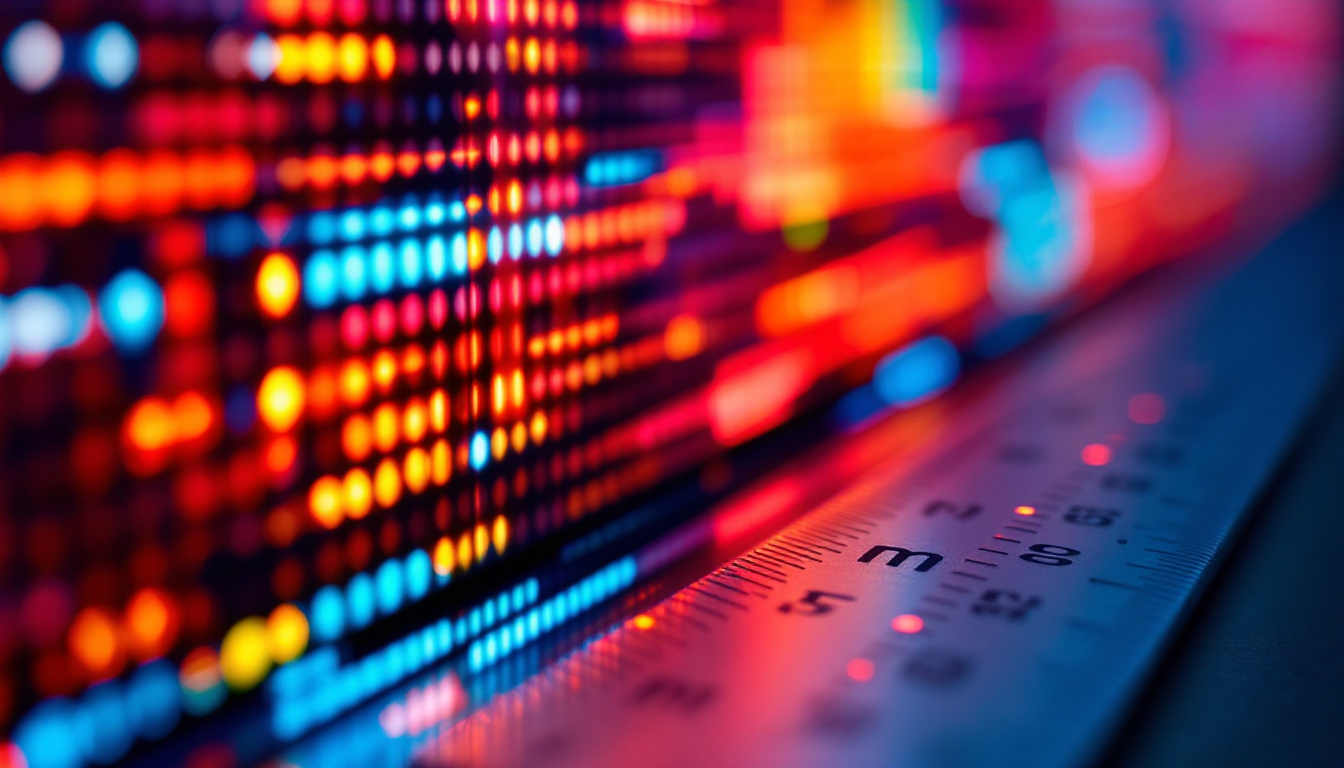
Another important characteristic is the pixel pitch, which refers to the distance between the centers of two adjacent pixels. A smaller pixel pitch means higher resolution and sharper images, which is crucial for close-up viewing. For example, indoor LED displays often have pixel pitches as small as 1.2mm, whereas large outdoor billboards may have pixel pitches of 10mm or more. This variance in pixel pitch allows for tailored solutions depending on the viewing distance; closer viewing areas require finer pitches to maintain image clarity, while larger distances can accommodate coarser pitches without sacrificing visual quality. Moreover, advancements in technology have led to the development of flexible LED displays that can be curved or shaped to fit unique installations, further expanding the creative possibilities for designers and advertisers alike.
Types of LED Displays
LED displays come in various forms, each tailored to specific applications and environments. Understanding these types helps in selecting the right display for a particular use case.
1. Indoor LED Displays
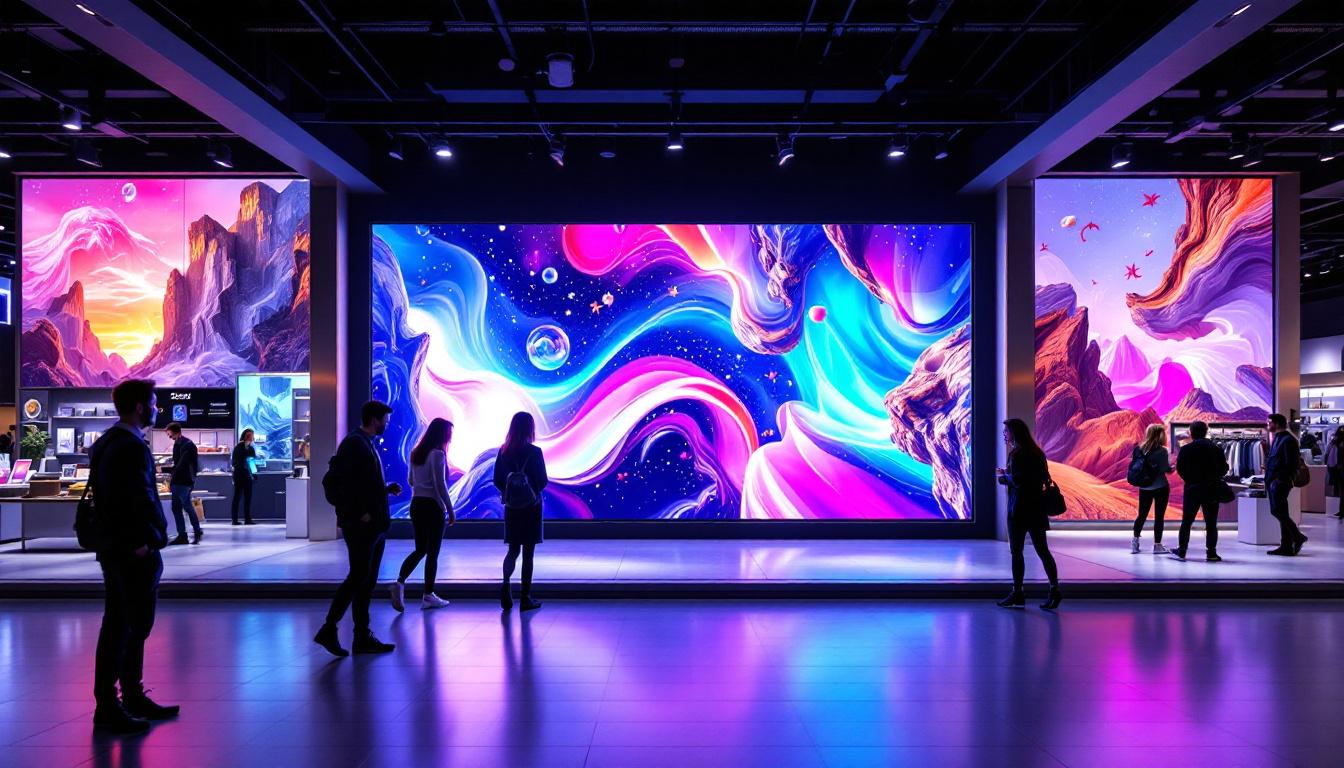
Indoor LED displays are designed for environments such as conference rooms, retail stores, and event venues. They typically have a fine pixel pitch to ensure high resolution and clarity at close viewing distances. Indoor LEDs are also optimized for lower brightness levels to prevent eye strain and reduce power consumption.
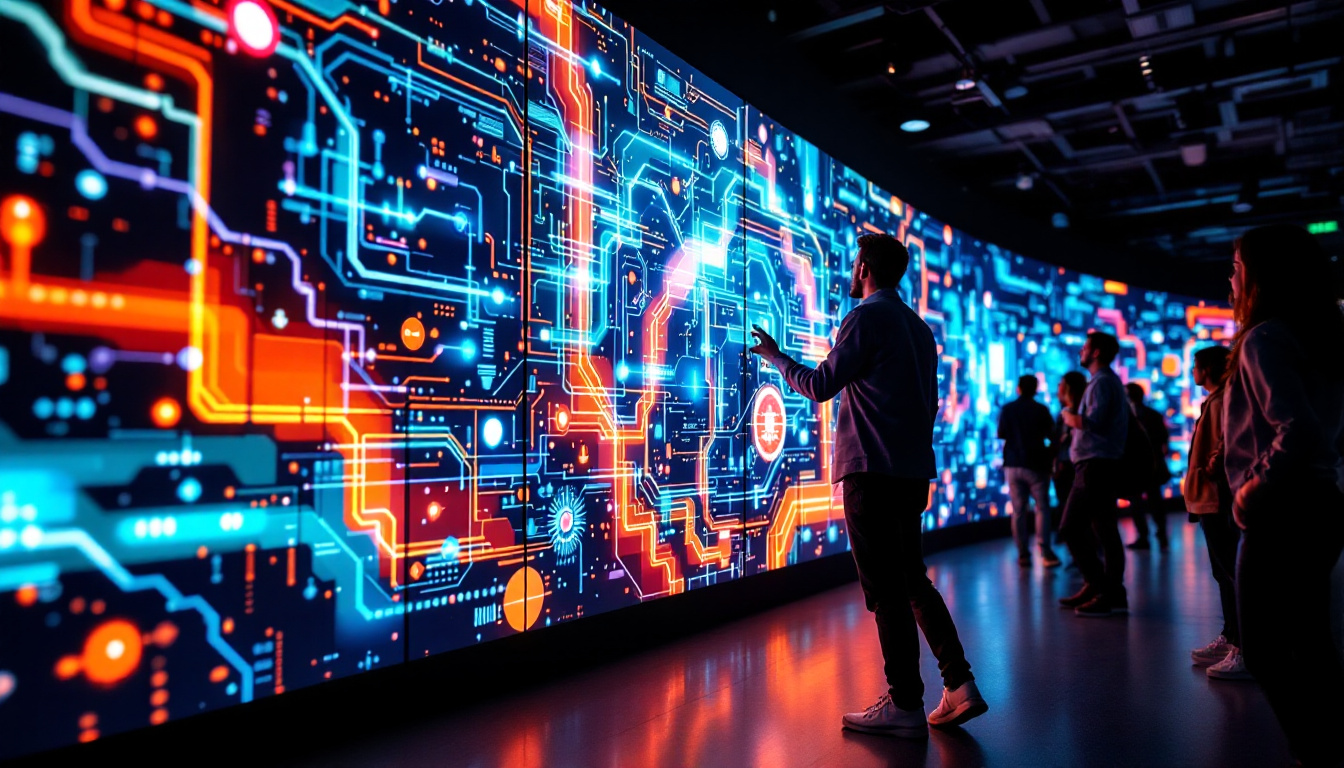
These displays are often modular, allowing for custom sizes and shapes. They are used for digital signage, video walls, and interactive kiosks, providing dynamic content that can be updated in real time. With advancements in technology, many indoor LED displays now support features like touch interactivity and augmented reality, enhancing user engagement and providing immersive experiences. This versatility makes them ideal for various applications, from showcasing promotional content in retail spaces to facilitating presentations in corporate settings.
2. Outdoor LED Displays
Outdoor LED displays are built to withstand harsh weather conditions, including rain, dust, and extreme temperatures. They feature higher brightness levels to combat sunlight glare and larger pixel pitches since viewers are typically farther away.
Common applications include sports stadium screens, digital billboards, and public information displays. Outdoor LED displays often have protective coatings and robust housings to ensure durability and longevity. Additionally, many outdoor models incorporate advanced technologies such as automatic brightness adjustment, which optimizes visibility in varying light conditions. This adaptability not only enhances the viewing experience but also contributes to energy efficiency, making outdoor displays a sustainable choice for advertisers and municipalities alike.
3. Transparent LED Displays
Transparent LED displays are a newer innovation that integrates LEDs into glass panels, allowing viewers to see through the screen while displaying digital content. These are popular in retail windows and architectural installations, blending advertising with the physical environment.
The transparency ranges from 30% to 70%, depending on the design, allowing natural light to pass through while still delivering vibrant visuals. This unique feature not only maximizes the aesthetic appeal of storefronts but also enables brands to create captivating displays that draw in customers without obstructing the view of the merchandise inside. Furthermore, transparent LED displays can be utilized in various settings, such as museums and exhibitions, where they can provide information without detracting from the surrounding artwork or artifacts. The combination of functionality and design makes transparent LED technology a game-changer in the realm of visual communication.
How Screen PNG Files Enhance LED Display Content
In the context of LED displays, “Screen PNG” refers to Portable Network Graphics (PNG) files used as visual assets. PNG is a popular image format that supports lossless compression and transparency, making it ideal for overlaying graphics on LED content without obscuring the background.
Why Use PNG Files for LED Displays?
PNG files are preferred in LED display content creation for several reasons:
- Transparency Support: PNG files can have transparent backgrounds, allowing designers to create layered visuals that seamlessly integrate with video or other graphical elements on the screen.
- High Quality: Unlike JPEGs, PNGs do not lose quality through compression, preserving sharp edges and vibrant colors essential for clear display.
- Versatility: PNGs support a wide color range and can be easily edited or animated, making them versatile for dynamic content.
For example, a retail store might use PNG images of product logos or promotional badges with transparent backgrounds overlaid on video content playing on an indoor LED display. This approach creates a polished and professional look without distracting from the main visuals.
Best Practices for Using PNGs on LED Screens
To maximize the impact of PNG images on LED displays, consider the following:
- Optimize Resolution: Ensure the PNG image resolution matches the display’s pixel density to avoid pixelation or blurriness.
- Manage File Size: Large PNG files can slow down content loading and playback. Compress images carefully without sacrificing quality.
- Use Appropriate Color Profiles: LED displays often have different color calibration compared to computer monitors. Use color profiles tailored for LED screens to maintain color accuracy.
- Test Transparency: Verify that transparent areas render correctly on the LED display, as some hardware or software may handle transparency differently.
Applications of LED Displays in Modern Industries
LED displays have transformed the way businesses and organizations communicate visually. Their versatility and visual impact make them a preferred choice across various sectors.
Advertising and Marketing
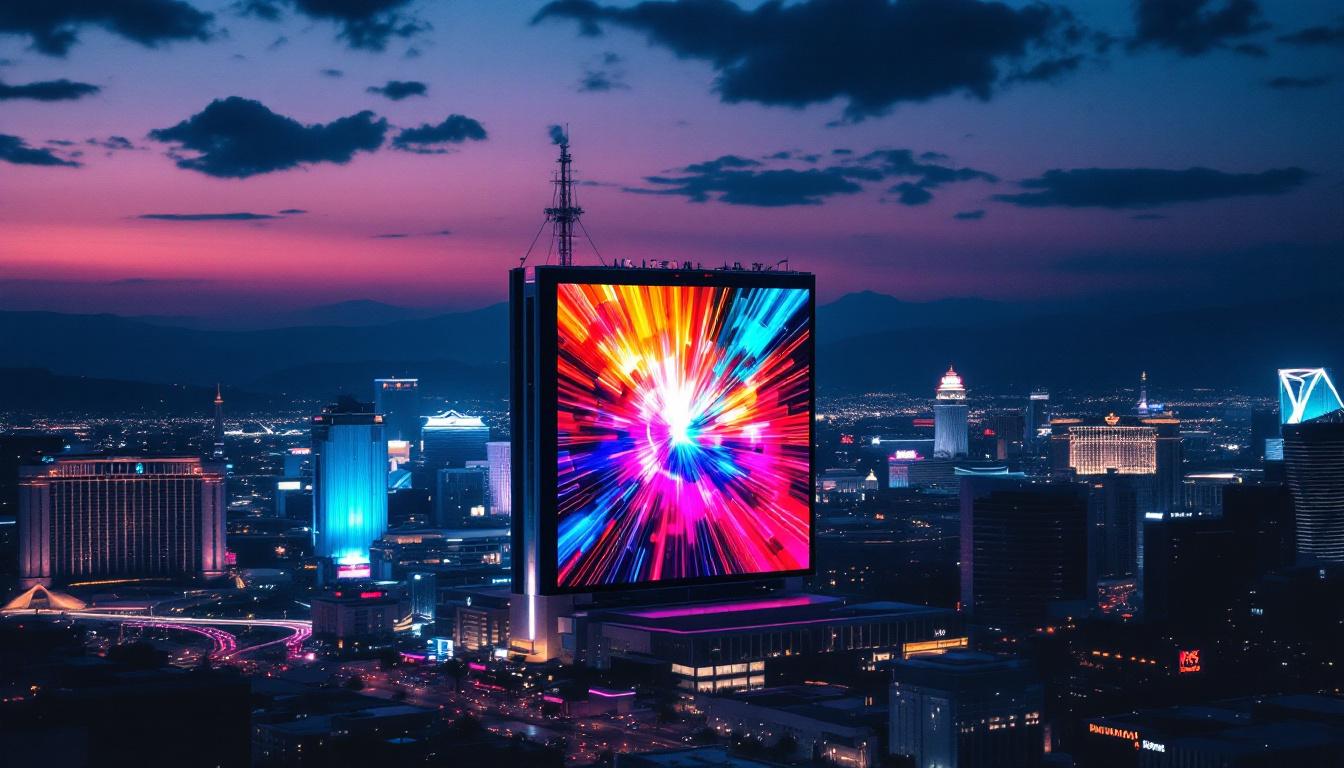
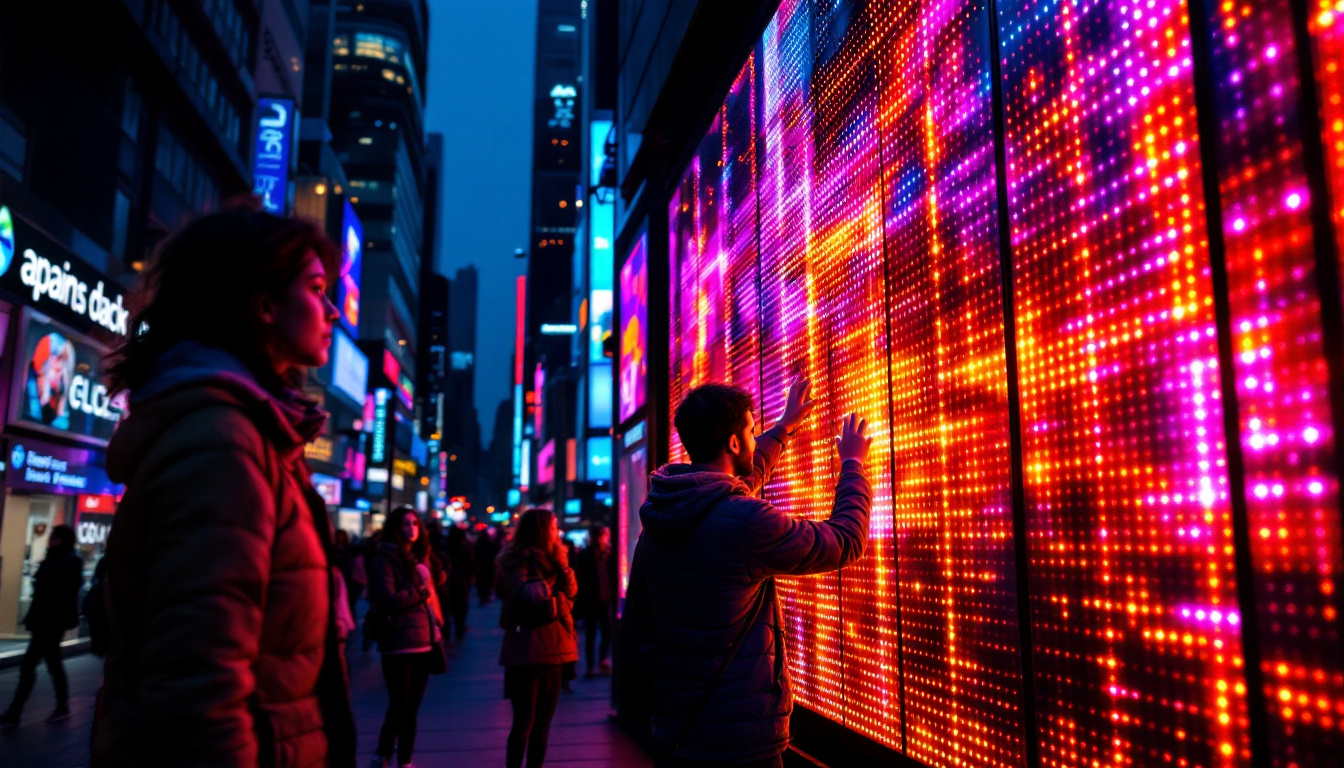
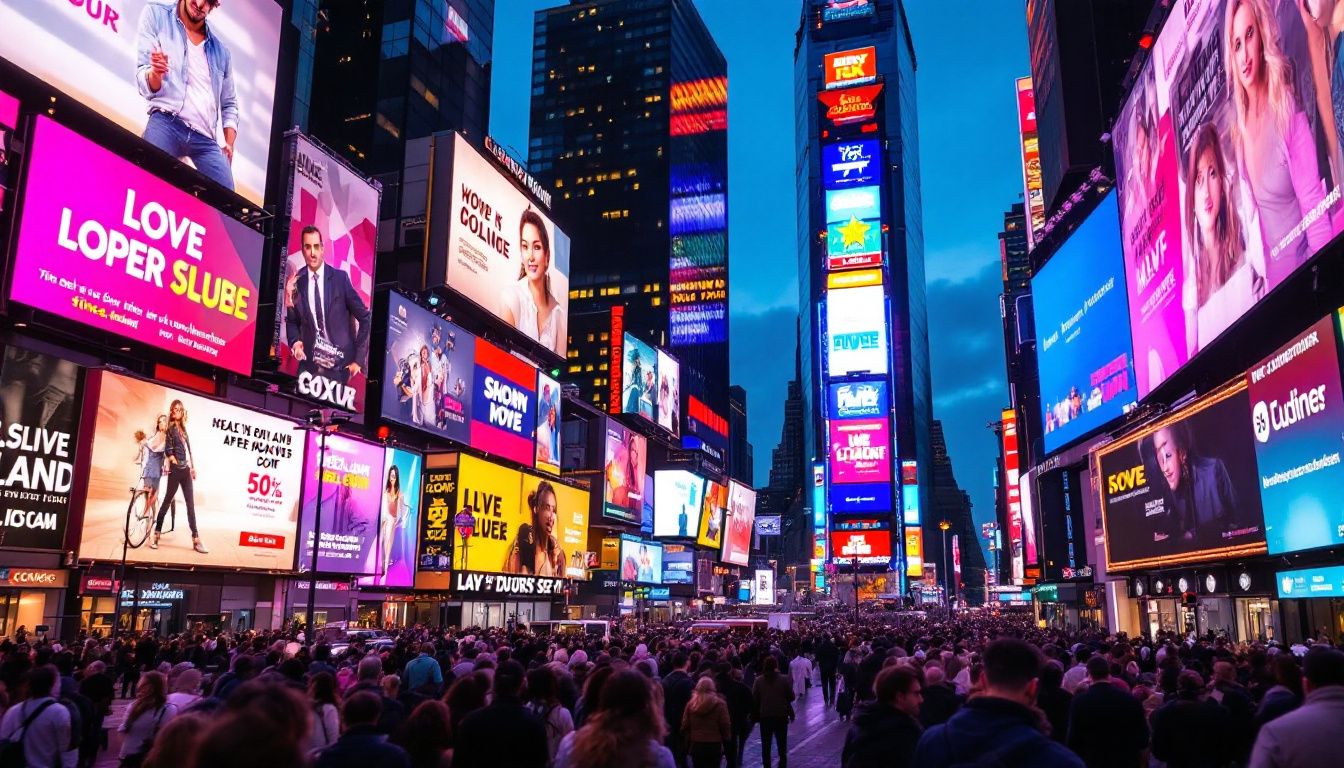
Digital billboards and signage are among the most common uses of LED displays. According to recent industry reports, the global digital signage market is expected to reach $32 billion by 2028, driven largely by LED technology advancements.
LED displays enable advertisers to deliver dynamic, eye-catching content that can be updated instantly to reflect promotions, events, or real-time information. This flexibility enhances audience engagement and improves return on investment compared to static signage.
Sports and Entertainment
Stadiums and arenas utilize massive LED screens to display live action, replays, and interactive content. These displays enhance the spectator experience by providing clear visuals even from distant seats.
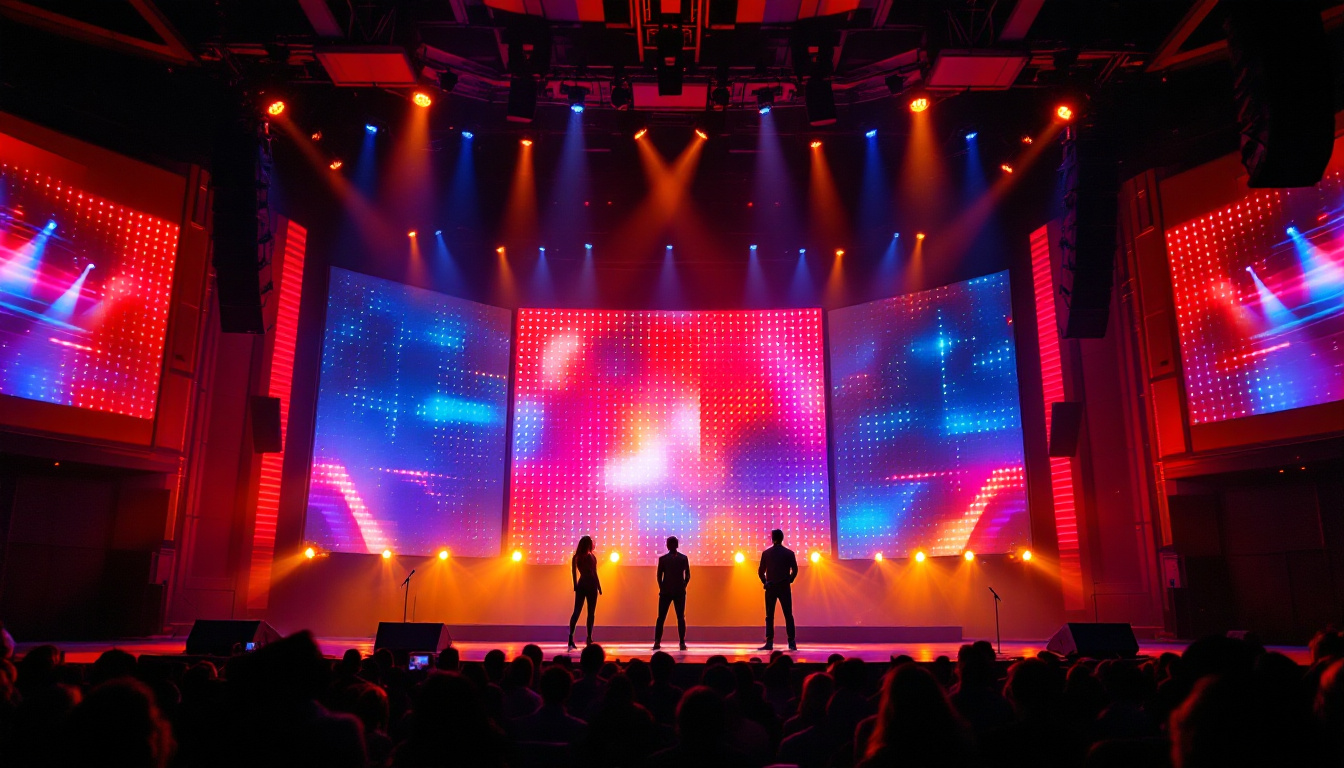
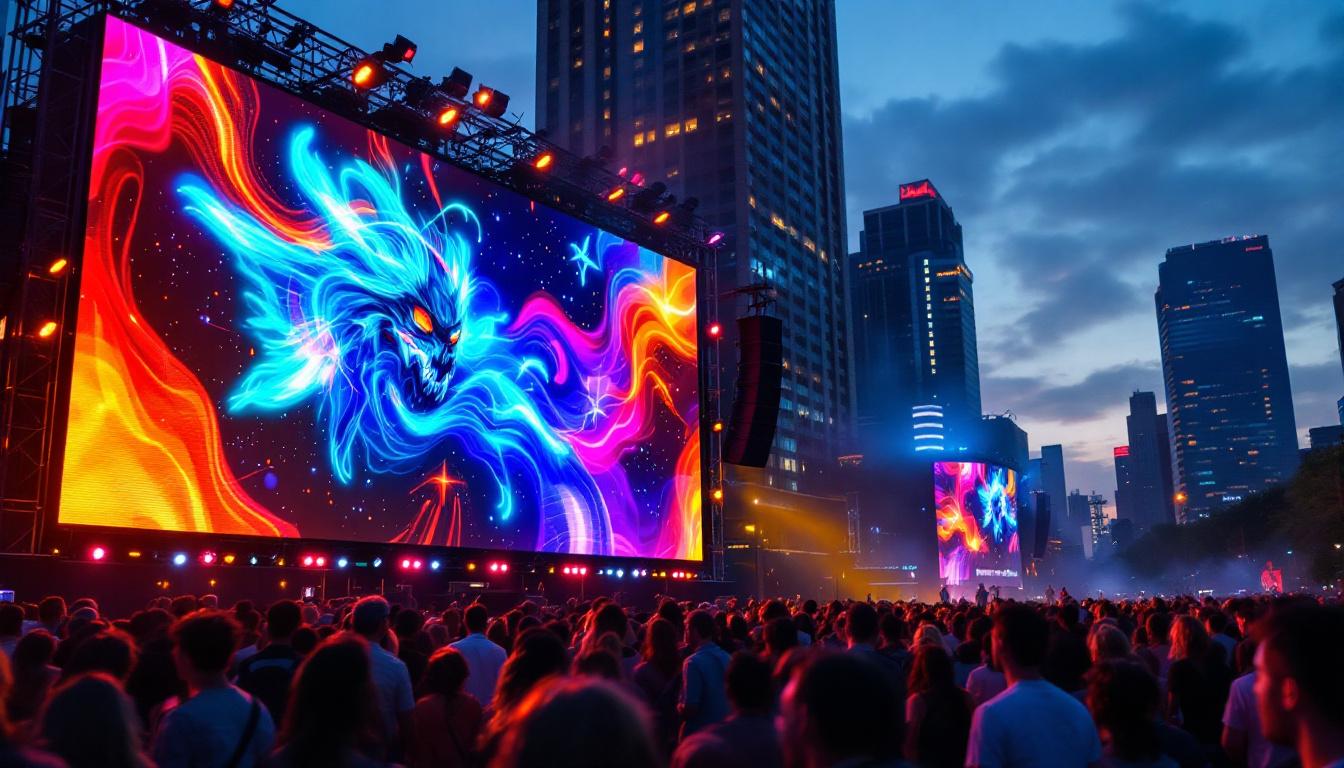
Beyond sports, LED walls are integral to concerts, theater productions, and festivals, offering immersive backdrops and special effects that elevate performances.
Corporate and Educational Use
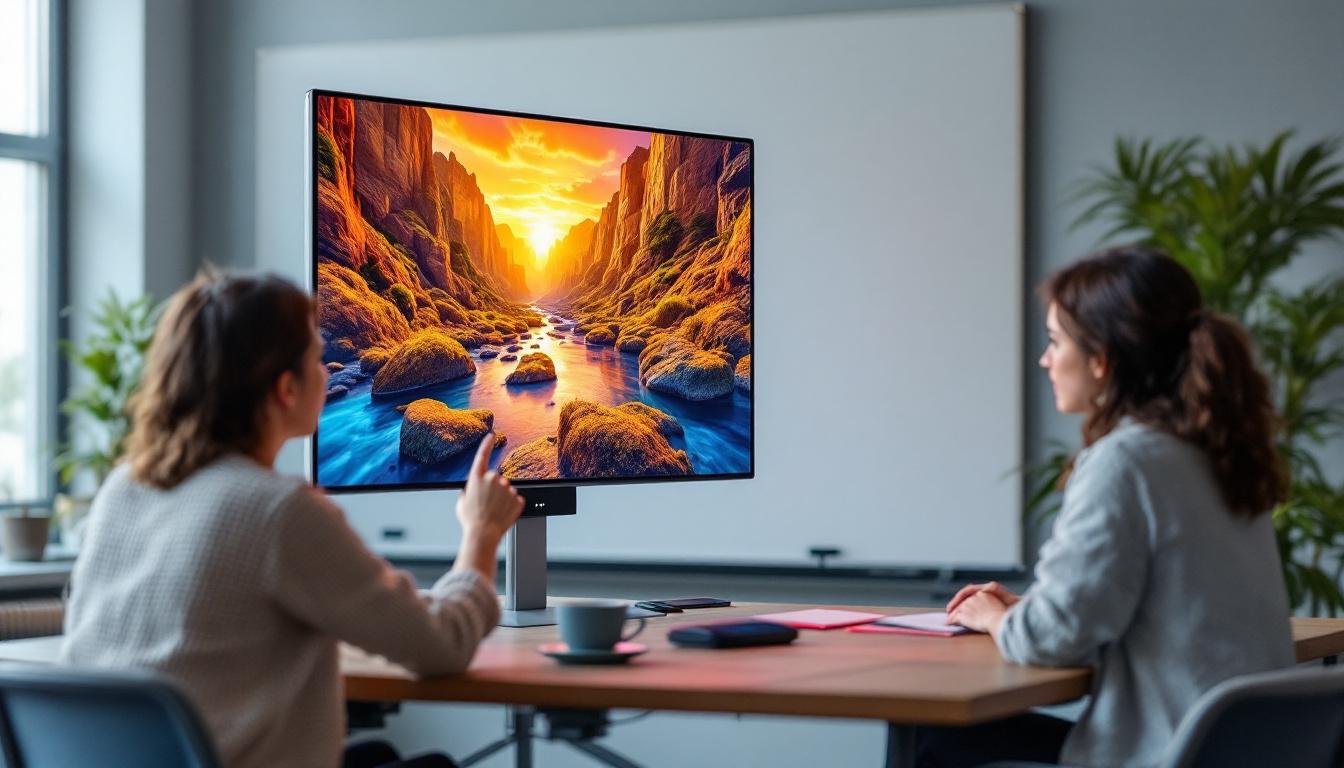
In corporate environments, LED displays facilitate presentations, video conferencing, and digital collaboration. Their high resolution and brightness ensure that information is clearly visible to all participants.
Educational institutions use LED screens for digital notice boards, interactive learning modules, and event broadcasting, enhancing communication and engagement within campuses.
Future Trends in LED Display Technology
The LED display industry continues to evolve rapidly, driven by innovations in materials, design, and integration with emerging technologies.
MicroLED and MiniLED
MicroLED and MiniLED technologies represent the next generation of LED displays, offering even higher resolution, better contrast ratios, and improved energy efficiency. MicroLEDs are tiny LEDs that can be individually controlled, enabling displays with exceptional brightness and color accuracy.
These advancements are expected to revolutionize consumer electronics, including TVs, smartphones, and wearable devices, by providing superior image quality and longer lifespans.
Flexible and Curved LED Displays
Flexible LED panels allow for curved, bendable, or even rollable screens, opening new possibilities for creative installations and space-saving designs. This flexibility is particularly advantageous in retail, automotive, and architectural applications where unique shapes and immersive experiences are desired.
Integration with AI and IoT
Artificial Intelligence (AI) and the Internet of Things (IoT) are increasingly integrated with LED displays to enable smart content delivery and interactivity. For instance, AI can analyze audience demographics and behavior to tailor displayed content in real time, enhancing engagement and effectiveness.
IoT connectivity allows LED displays to be remotely managed, monitored, and updated, streamlining operations and reducing maintenance costs.
Conclusion
LED displays represent a powerful medium for visual communication, combining brightness, color vibrancy, and versatility to meet the demands of diverse applications. Understanding the technology behind these displays, including the role of screen PNG files in content creation, is essential for professionals seeking to leverage LED screens effectively.
As LED technology continues to advance, with innovations like MicroLED and flexible panels, the potential for creative and impactful visual experiences will only grow. Whether for advertising, entertainment, education, or corporate use, LED displays offer a dynamic platform to capture attention and convey messages with clarity and brilliance.
Discover LumenMatrix’s Innovative LED Solutions
Ready to elevate your visual communication with the latest in LED technology? Explore LumenMatrix’s comprehensive range of LED display modules, designed to bring your brand to life and captivate your audience. From vibrant Indoor and Outdoor LED Wall Displays to dynamic Vehicle and Sports LED Displays, LumenMatrix offers tailored solutions that promise to transform any space. Immerse viewers with our Transparent and Custom LED Displays, or make a statement with our All-in-One solutions. Experience the future of digital signage with LumenMatrix and check out LumenMatrix LED Display Solutions today.