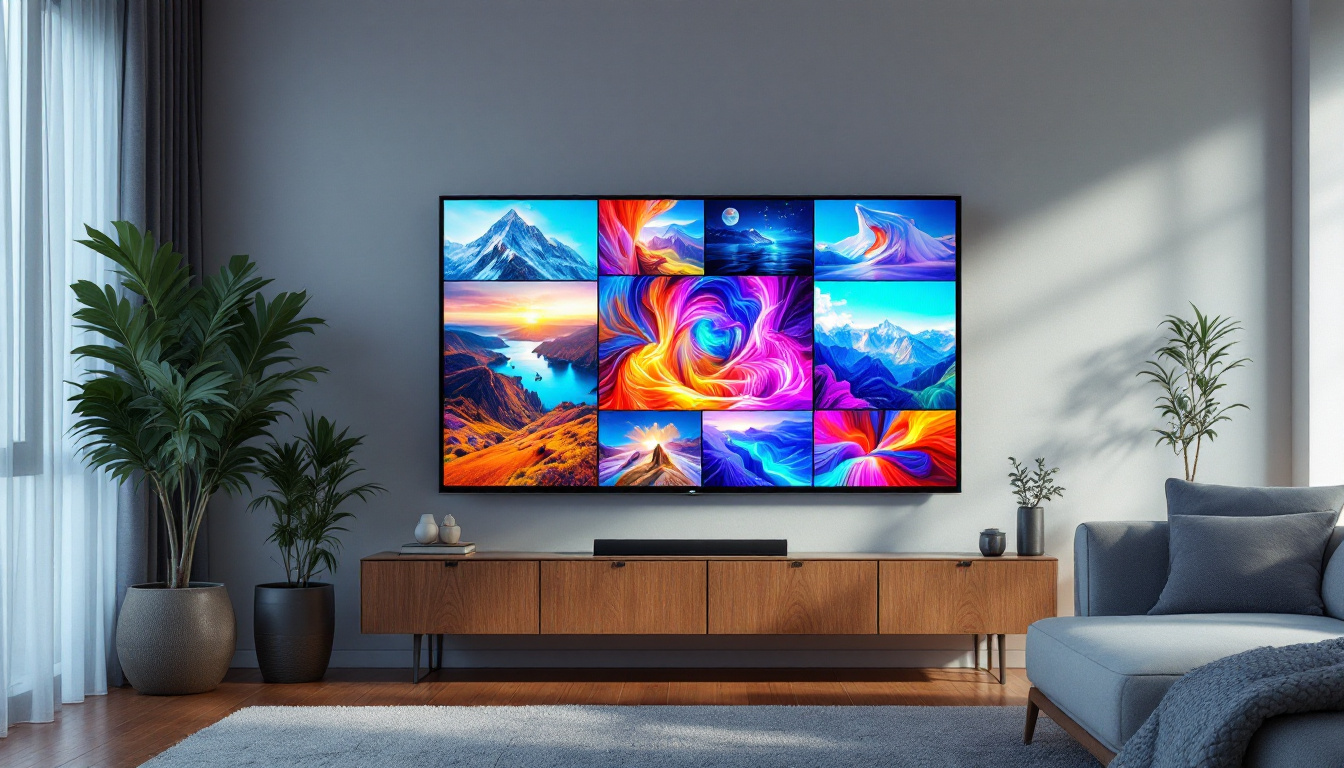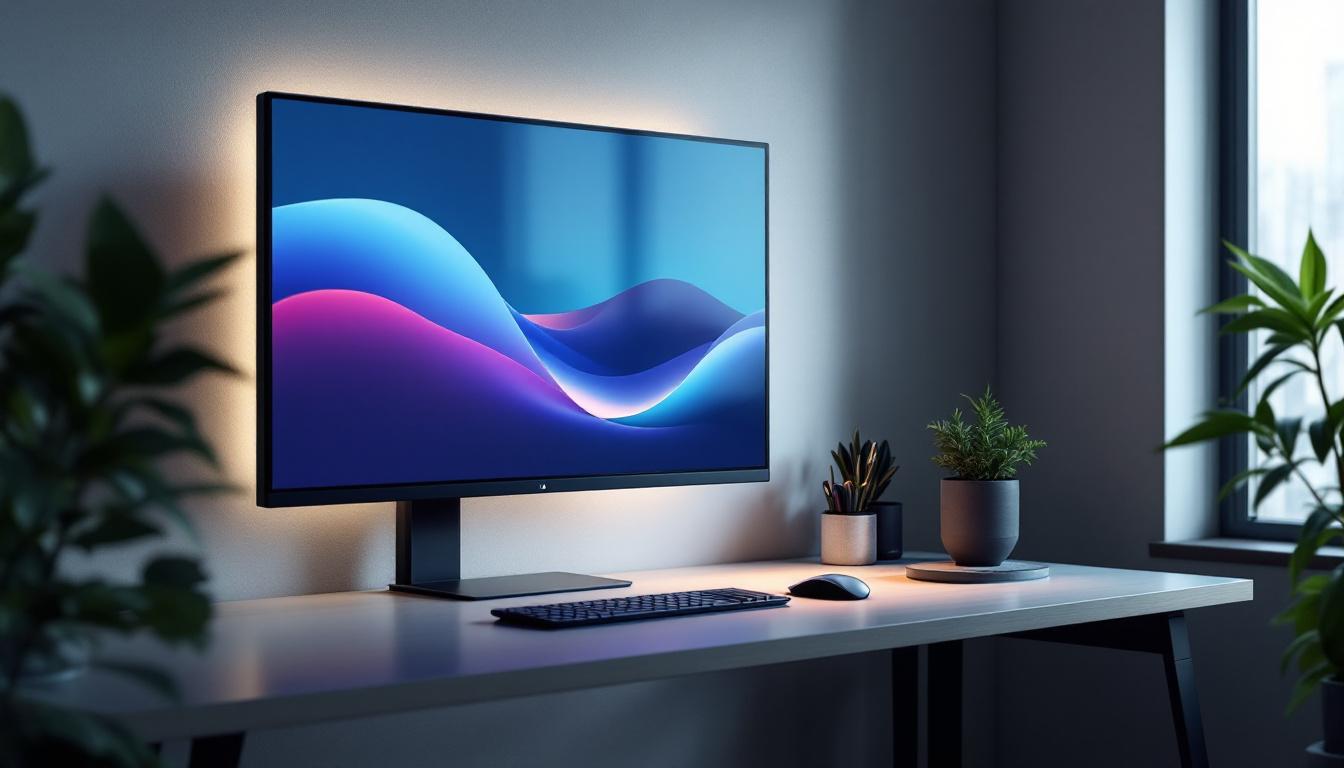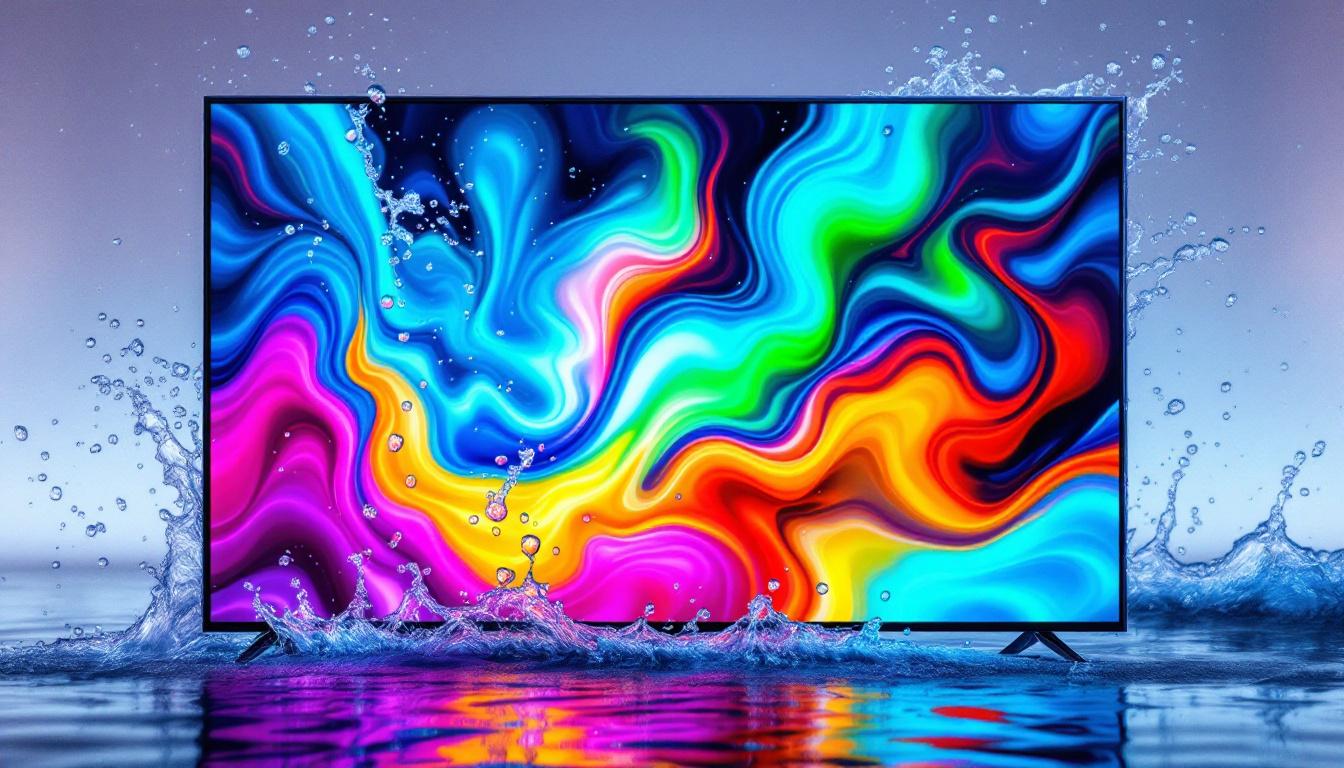
In recent years, the demand for durable and versatile television displays has surged, driven by the increasing desire to enjoy high-quality visuals in a variety of environments. Among the innovations meeting this demand is the waterproof LED television display—a technology that combines robust design with cutting-edge visual performance. This article explores the fundamentals of waterproof LED displays, their technology, applications, and the future of television viewing beyond traditional indoor settings.
Understanding LED Display Technology
What is an LED Display?
LED, or Light Emitting Diode, displays are a type of screen technology that uses tiny light-emitting diodes to create images. Unlike traditional LCD screens that rely on backlighting, LED displays illuminate each pixel individually, resulting in brighter images, higher contrast ratios, and improved energy efficiency. This technology has become the backbone of modern television screens, digital billboards, and large-format displays.
The key advantage of LED displays lies in their ability to produce vibrant colors and deep blacks, which enhances the overall viewing experience. Additionally, LED panels can be manufactured in various sizes and resolutions, making them highly adaptable for different uses—from compact home televisions to expansive outdoor screens. The versatility of LED technology allows it to be utilized in various applications, from home entertainment systems to commercial advertising, ensuring that it meets the diverse needs of consumers and businesses alike.
Types of LED Displays
There are primarily two categories of LED displays used in televisions: Direct LED and Edge-lit LED. Direct LED displays have LEDs arranged directly behind the screen, providing uniform brightness and better contrast. Edge-lit LEDs place LEDs along the edges of the screen, allowing for thinner panels but sometimes at the cost of less uniform lighting. The choice between these two types often depends on the intended use; for instance, Direct LED displays are typically favored in settings where picture quality is paramount, such as in home theaters.
More recently, MicroLED technology has emerged, offering even higher brightness, energy efficiency, and longevity. MicroLEDs consist of microscopic LEDs that form individual pixels, promising superior performance over OLED and traditional LED displays, especially in outdoor and high-ambient-light conditions. This innovation not only enhances the visual experience but also opens up new possibilities for modular display designs, allowing for creative configurations that can adapt to various environments and applications. As the technology continues to evolve, we can expect to see even more advancements that push the boundaries of what LED displays can achieve, including improved color accuracy and faster refresh rates, making them ideal for high-definition content and gaming. Furthermore, the integration of smart technology with LED displays is paving the way for interactive and immersive experiences, transforming how we engage with visual media.
The Concept of Waterproof Televisions
Why Waterproofing Matters
Waterproof televisions are designed to withstand exposure to moisture, rain, splashes, and even submersion in some cases. This feature is particularly important for outdoor installations, such as poolside entertainment systems, patios, yachts, and public spaces where weather conditions can be unpredictable.
According to a 2023 market analysis by Grand View Research, the outdoor TV market is expected to grow at a compound annual growth rate (CAGR) of over 7% through 2030, driven by rising consumer interest in outdoor living spaces and smart home integration. Waterproofing technology is a critical enabler of this trend, ensuring that televisions remain functional and safe in wet environments.
Standards and Ratings for Waterproof TVs
Waterproof televisions are typically rated using the IP (Ingress Protection) code, which classifies the degree of protection against solids and liquids. For example, an IP65 rating means the device is dust-tight and protected against water jets, while an IP68 rating indicates the device can be submerged in water beyond 1 meter for a specified time.
Manufacturers often design waterproof TVs to meet or exceed these standards, using specialized seals, waterproof connectors, and corrosion-resistant materials. These features not only protect the internal electronics but also ensure longevity and reliability in challenging environments.
How Waterproof LED Displays Work
Design and Materials
The waterproofing of LED displays involves a combination of engineering techniques and materials science. The display panels are encased in rugged, sealed enclosures made from materials like tempered glass and marine-grade aluminum. These materials resist water ingress and physical damage.
Sealing methods include the use of gaskets, silicone seals, and waterproof adhesives that prevent moisture from entering the display housing. Additionally, connectors and ports are designed with waterproof covers or are completely sealed to maintain the integrity of the enclosure.
Heat Management in Waterproof Displays
One challenge with waterproofing is managing heat dissipation. LED displays generate heat during operation, and enclosing them in a sealed, waterproof casing can trap this heat, potentially reducing performance or lifespan.
To address this, manufacturers incorporate advanced thermal management systems such as heat sinks, thermal pads, and sometimes liquid cooling mechanisms. These solutions ensure that the display remains within safe operating temperatures without compromising its waterproof capabilities.
Maintaining Image Quality Outdoors
Waterproof LED displays are often used in environments with high ambient light, such as direct sunlight. To maintain image quality, these displays feature high brightness levels—often exceeding 1,000 nits—and anti-reflective coatings on the screen surface.
Moreover, adaptive brightness control technologies adjust the display’s luminance based on surrounding light conditions, optimizing visibility while conserving energy. This ensures that images remain clear and vibrant regardless of the environment.
Applications of Waterproof LED Televisions
Residential Outdoor Entertainment
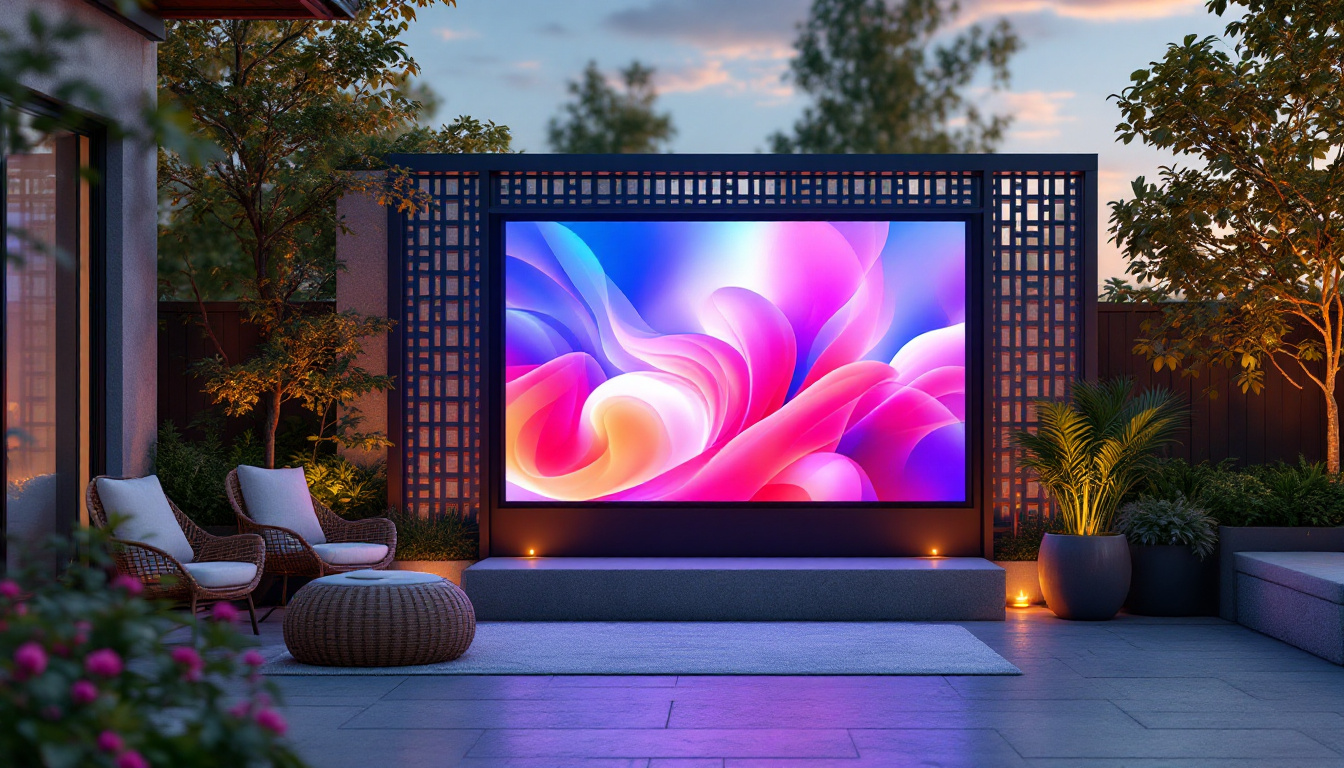
With the rise of outdoor living trends, many homeowners are installing waterproof LED televisions in patios, gardens, and pool areas. These TVs allow for seamless entertainment experiences during barbecues, pool parties, or quiet evenings under the stars.
Waterproof televisions designed for residential use often blend aesthetic appeal with functionality, featuring sleek designs and smart TV capabilities. Brands are also incorporating voice control and integration with home automation systems to enhance user convenience.
Commercial and Public Spaces
In commercial settings, waterproof LED displays are used for digital signage, advertising, and information dissemination in locations such as stadiums, amusement parks, and outdoor malls. Their durability and brightness make them ideal for environments exposed to weather and large crowds.
For example, sports arenas utilize large waterproof LED screens to broadcast live events and advertisements, ensuring visibility even during rain or fog. Similarly, transportation hubs use these displays to provide real-time updates to travelers in open-air terminals.
Marine and Recreational Use
Waterproof LED televisions have found a significant niche in marine applications, including yachts, cruise ships, and fishing boats. These displays are engineered to withstand saltwater exposure, vibrations, and temperature fluctuations common in maritime environments.
Recreational vehicles (RVs) and outdoor adventure setups also benefit from waterproof TVs, enabling entertainment on the go without worrying about weather conditions. This versatility expands the possibilities for outdoor media consumption.
Challenges and Considerations When Choosing Waterproof LED TVs
Cost and Investment
Waterproof LED televisions typically come at a premium compared to standard indoor models due to their specialized construction and materials. Prices can range from a few hundred dollars for smaller residential units to tens of thousands for large commercial-grade displays.
Prospective buyers should weigh the benefits of durability and outdoor usability against their budget and intended use. In many cases, the investment pays off through extended product lifespan and reduced maintenance costs.
Installation and Maintenance
Proper installation is crucial to ensure the waterproof integrity of the television. This often requires professional mounting and sealing, especially for larger displays or those integrated into outdoor structures.
Maintenance involves regular cleaning with appropriate materials to avoid damaging the seals or screen surface. Users should also periodically check for any signs of wear or water ingress to address issues promptly.
Compatibility and Features
When selecting a waterproof LED television, consider compatibility with existing devices and networks. Many modern waterproof TVs support Wi-Fi, Bluetooth, and smart home integration, allowing seamless streaming and control.
Additional features such as anti-glare screens, remote controls designed for outdoor use, and weather-resistant speakers enhance the overall user experience and should be factored into the decision-making process.
The Future of Waterproof LED Television Technology
Advancements in Materials and Design
Ongoing research in nanotechnology and materials science promises to further improve the waterproofing and durability of LED displays. Innovations such as self-healing coatings and flexible waterproof panels could revolutionize the way outdoor televisions are designed and used.
Moreover, the integration of transparent and foldable LED screens could enable new form factors, making waterproof televisions even more versatile and aesthetically pleasing.
Integration with Smart and IoT Ecosystems
As smart home and Internet of Things (IoT) ecosystems evolve, waterproof LED televisions are expected to become more interconnected with other devices. This integration will allow users to control outdoor entertainment systems through voice commands, mobile apps, and automated scheduling.
Enhanced AI-driven content customization and adaptive display technologies will also improve the viewing experience by tailoring visuals to user preferences and environmental conditions.
Environmental and Energy Considerations
Energy efficiency remains a priority in display technology development. Future waterproof LED TVs are likely to incorporate more sustainable materials and low-power components, reducing their environmental footprint.
Solar-powered outdoor televisions and energy-harvesting technologies could become viable options, especially for remote or off-grid installations, further expanding the applications of waterproof LED displays.
Conclusion
Waterproof LED televisions represent a significant advancement in display technology, enabling high-quality viewing experiences in environments previously deemed unsuitable for traditional TVs. By combining robust waterproofing with superior LED display technology, these televisions open new possibilities for outdoor entertainment, commercial applications, and recreational use.
Understanding the technology behind waterproof LED displays, their practical applications, and future trends can help consumers and businesses make informed decisions when investing in outdoor television solutions. As the market continues to grow and innovate, waterproof LED televisions are poised to become an integral part of modern multimedia environments, bringing vibrant visuals to every corner of life—rain or shine.
Discover LumenMatrix’s Innovative Waterproof LED Displays
Ready to elevate your viewing experience with the latest in waterproof LED technology? Look no further than LumenMatrix, a pioneer in crafting LED display modules designed for any environment. Whether you’re seeking to enhance your outdoor entertainment, boost your commercial advertising impact, or add a splash of innovation to your recreational activities, LumenMatrix has a solution tailored to your needs. From Indoor and Outdoor LED Wall Displays to Custom and All-in-One LED solutions, our displays are engineered to captivate and engage. Check out LumenMatrix LED Display Solutions today and transform your visual communication with clarity and vibrancy that stands out, rain or shine.