In today’s fast-paced environments—whether in event management, retail, exhibitions, or corporate settings—the need for flexible, visually impactful solutions is greater than ever. Temporary walls equipped with LED displays have emerged as a cutting-edge approach to transform spaces quickly and effectively. This article explores how to build temporary walls featuring LED displays, breaking down the process, technology, and practical considerations to help you make informed decisions.
Understanding Temporary Walls and Their Applications
Temporary walls are modular partitions designed to create or divide spaces without permanent construction. Unlike traditional drywall or brick walls, they are lightweight, easy to assemble, and can be relocated or removed as needed. This flexibility makes them ideal for a variety of scenarios. They can be constructed from various materials, including fabric, metal, or plastic, allowing for customization based on aesthetic preferences and functional requirements. Furthermore, the ease of installation means that businesses can adapt their environments quickly in response to changing needs or trends.
Common applications include:
- Trade shows and exhibitions: Creating branded booths or private meeting rooms.
- Retail environments: Redesigning store layouts or highlighting promotional areas.
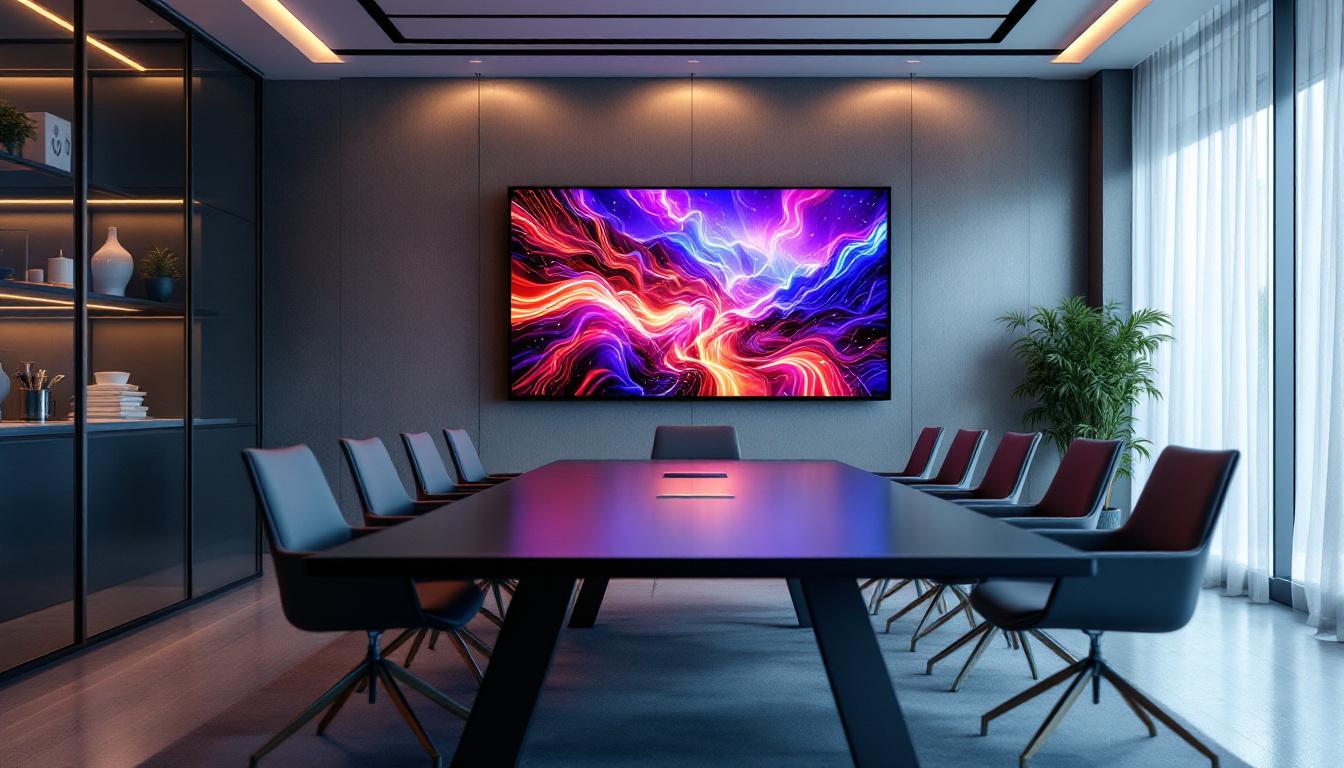
- Corporate offices: Establishing temporary conference rooms or quiet zones.
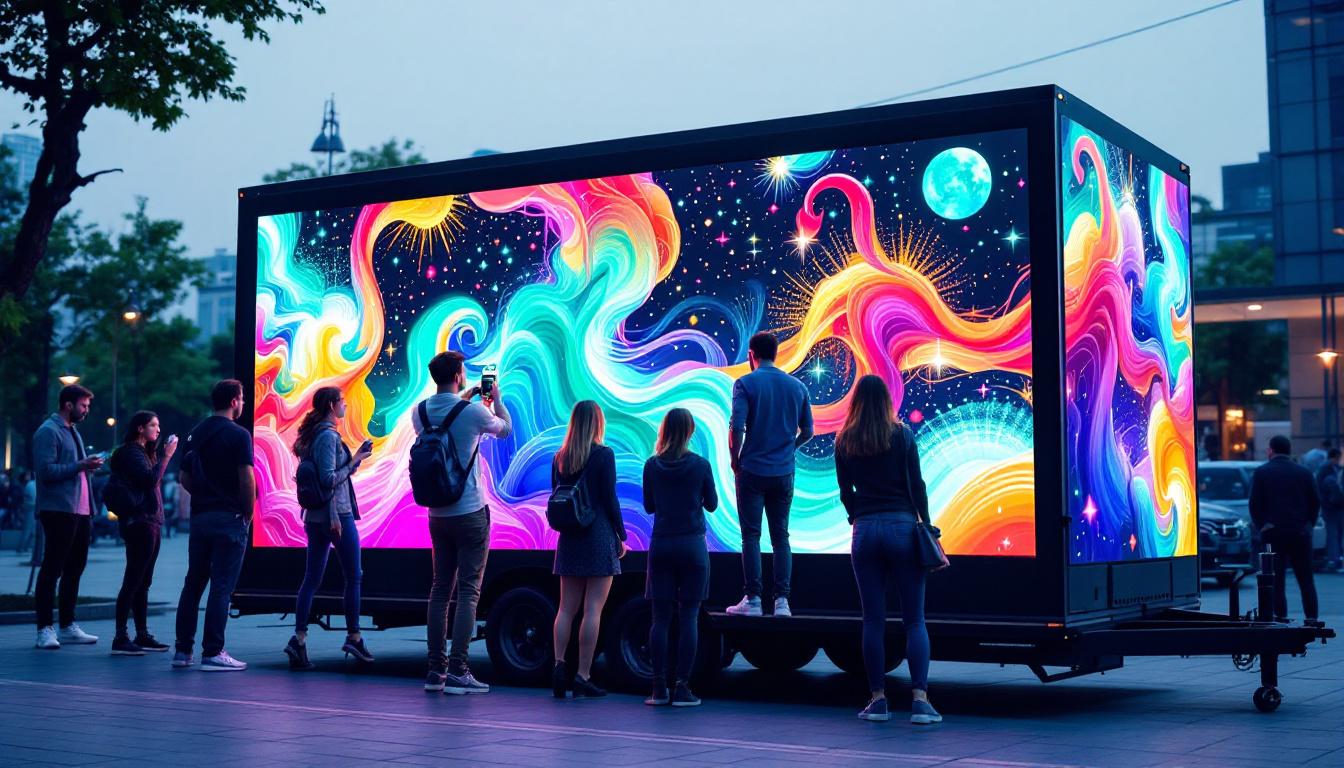
- Events and concerts: Managing crowd flow or providing dynamic backdrops.
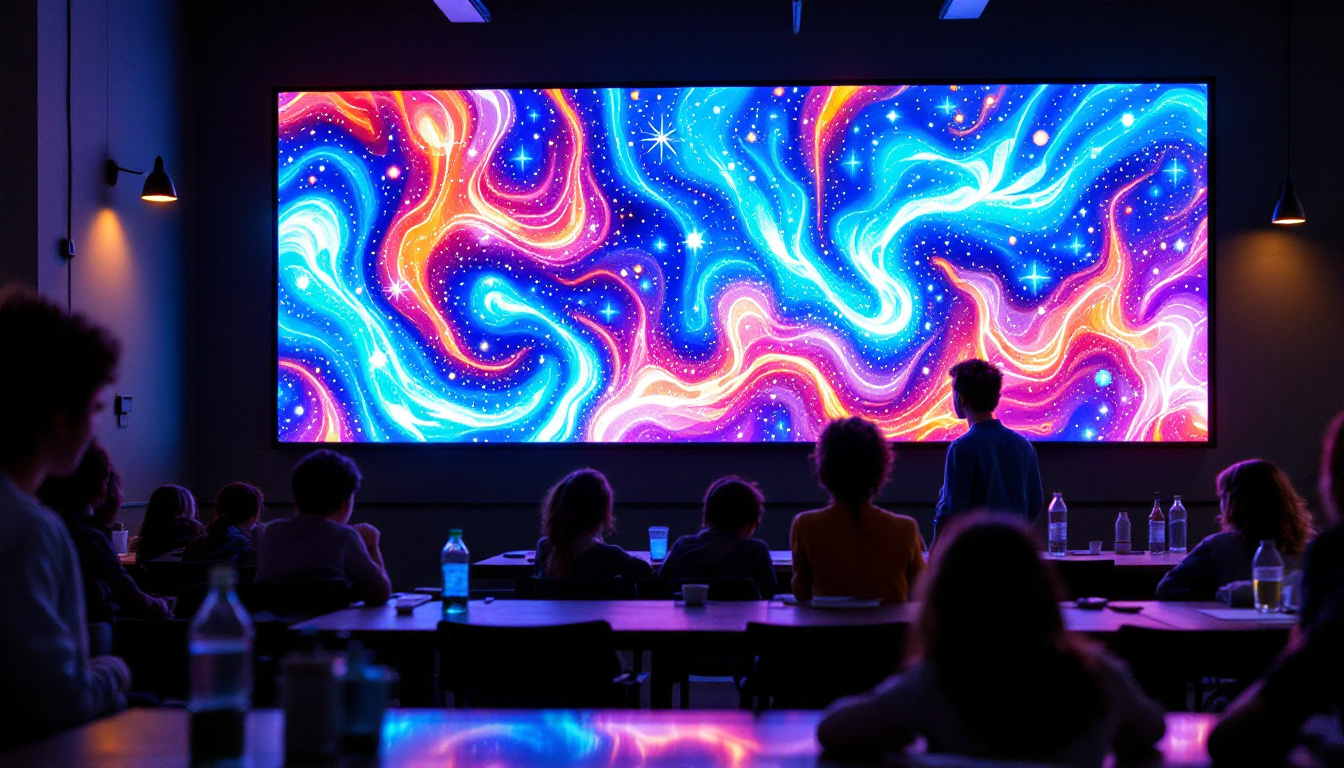
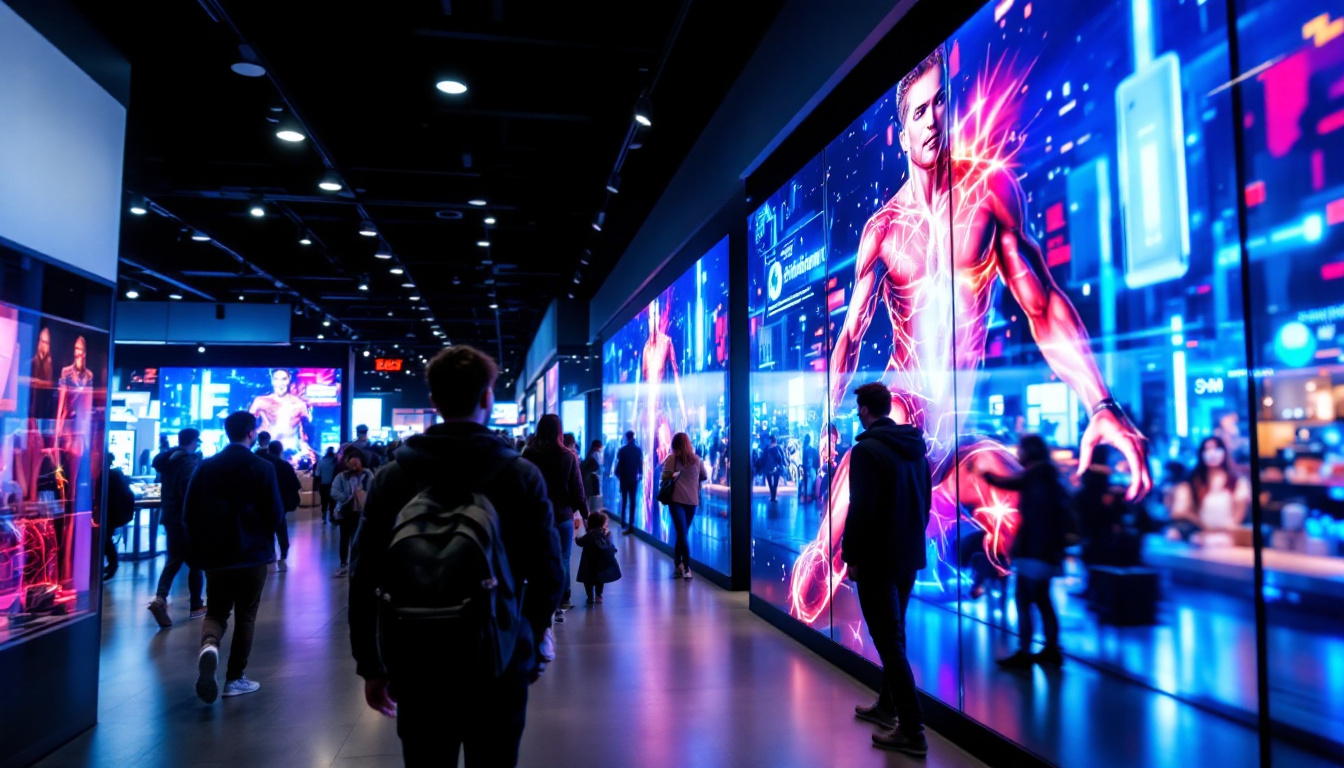
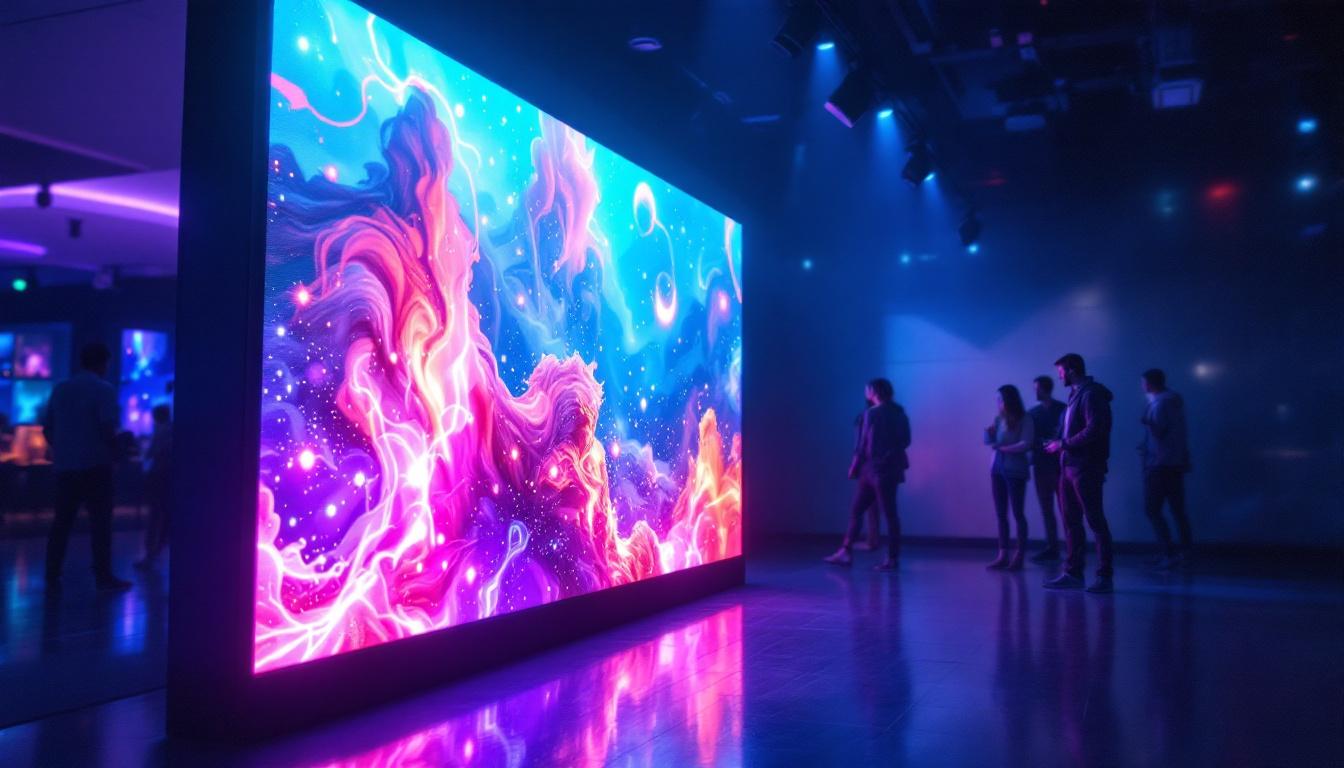
Integrating LED displays into these walls elevates their functionality by combining physical space division with digital content delivery, offering dynamic messaging, advertising, or interactive experiences. This integration not only enhances the visual appeal but also allows for real-time updates, making it easier to communicate important information to attendees or customers. For instance, during a corporate event, temporary walls can display schedules, speaker information, or even social media feeds, creating an engaging atmosphere that keeps participants informed and connected.
Moreover, temporary walls can serve as a cost-effective solution for businesses looking to test new concepts or layouts without committing to permanent changes. For example, a retail store might use temporary walls to create a pop-up shop or seasonal display, allowing them to gauge customer interest before investing in a more permanent setup. This adaptability is particularly valuable in today’s fast-paced market, where consumer preferences can shift rapidly. Additionally, the use of temporary walls can facilitate the creation of multifunctional spaces, enabling businesses to host a variety of events or functions in the same area, maximizing their use of space and resources.
Why Choose LED Displays for Temporary Walls?
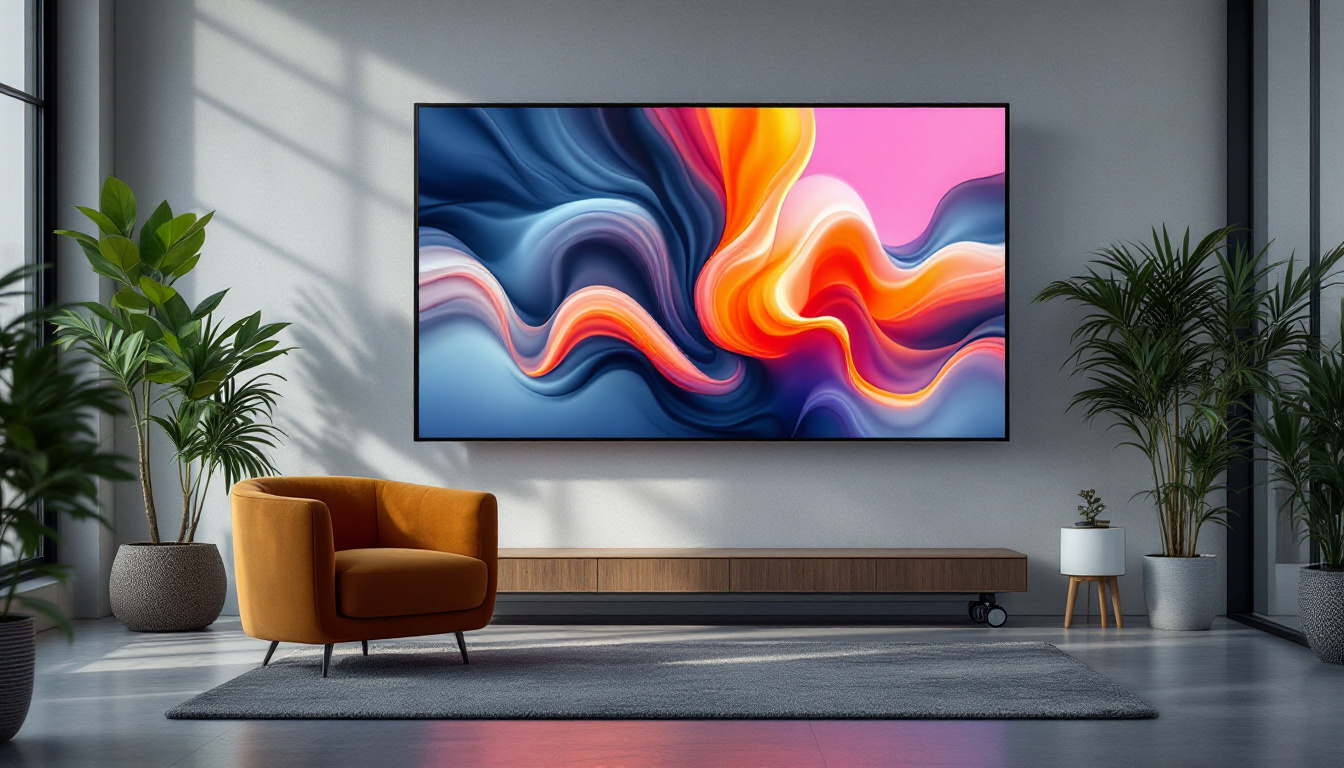
LED (Light Emitting Diode) technology has revolutionized visual communication with its brightness, energy efficiency, and versatility. When embedded into temporary walls, LED displays provide several key advantages:
High Visibility and Brightness
LED displays are known for their exceptional brightness, which can reach up to 5,000 nits or more, making them visible even in brightly lit environments. This ensures that messages or visuals are clear and eye-catching, crucial for attracting attention in busy settings like trade shows or retail spaces.
Customizable and Dynamic Content
Unlike static banners or posters, LED displays allow for real-time content updates. This means you can change advertisements, schedules, or information instantly via software, enabling targeted messaging and increased engagement.
Energy Efficiency and Longevity
Modern LED panels consume significantly less power compared to other display technologies, reducing operational costs. Additionally, LEDs have a long lifespan, often exceeding 50,000 hours, making them a durable investment for repeated use.
Key Components of Temporary Walls with LED Displays
Building a temporary wall with an integrated LED display involves several essential components. Understanding these will help in planning and execution.
Modular Wall Framework
The foundation of any temporary wall is its structural framework. Typically made from lightweight aluminum or steel, these modular frames provide stability while allowing for quick assembly and disassembly. The framework must be designed to support the weight of the LED panels safely.
LED Display Panels
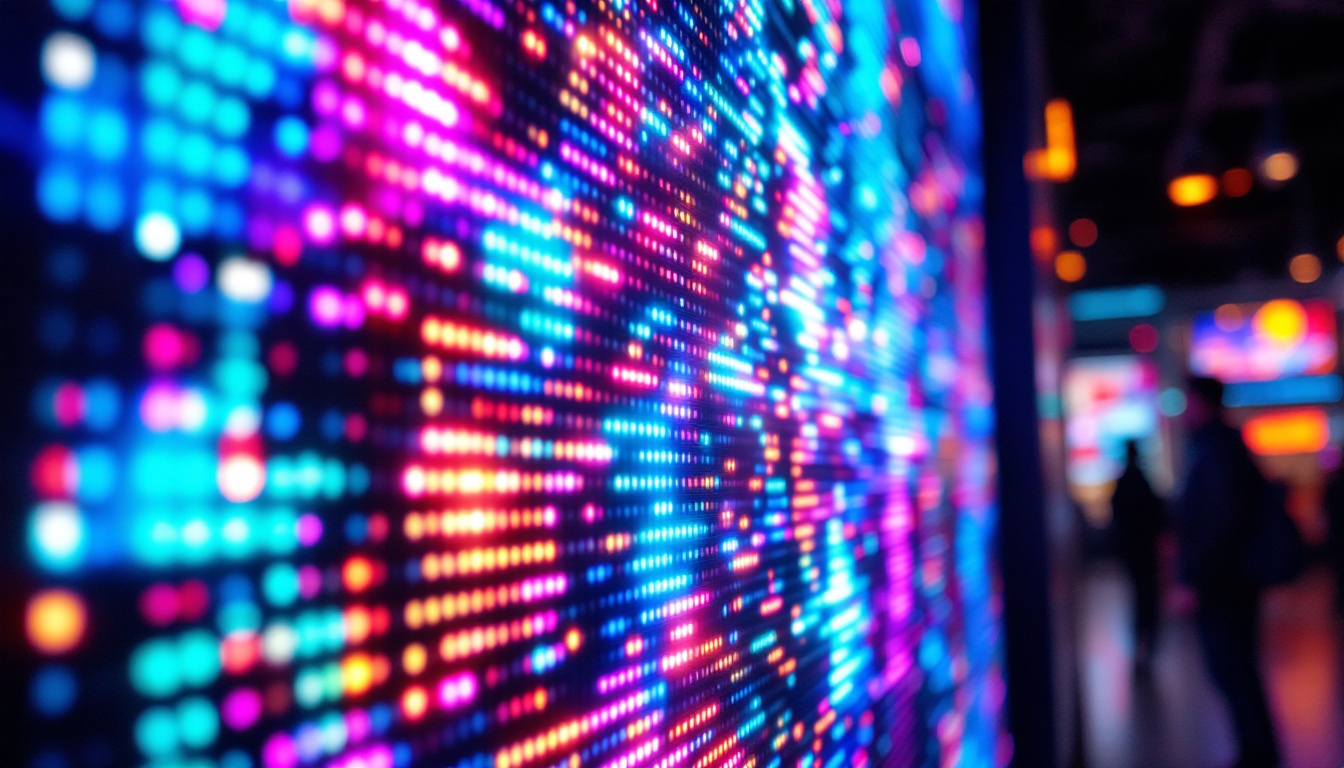
LED panels come in various pixel pitches, sizes, and resolutions. Pixel pitch refers to the distance between individual LEDs and directly affects image clarity and viewing distance. For temporary walls, choosing the right pixel pitch is critical to balance cost and visual quality based on the expected audience distance.
Power and Data Management
LED displays require reliable power sources and data connections to function. Temporary walls often incorporate concealed wiring channels within the framework to maintain a clean appearance. Power supplies, controllers, and media players are typically housed in accessible compartments or nearby racks.
Surface Finishing and Safety Features
To ensure the wall looks professional and safe, finishing materials such as fabric, acrylic, or lightweight panels are used around the LED modules. Additionally, safety measures like non-slip bases, secure fasteners, and cable management are essential to prevent accidents during installation and use.
Step-by-Step Guide to Building Temporary Walls with LED Displays
Constructing a temporary wall with an LED display requires careful planning and execution. Below is a detailed step-by-step guide to help you through the process.
1. Define Your Objectives and Space Requirements
Start by determining the purpose of the wall—whether it’s for advertising, information display, or space division. Measure the available space and consider factors such as foot traffic, viewing angles, and lighting conditions. This will influence the size, resolution, and brightness of the LED display needed.
2. Select the Appropriate LED Display Technology
Choose LED panels based on pixel pitch, brightness, and durability. For indoor use, pixel pitches between 1.5mm and 3mm are common, offering high resolution for close viewing. For outdoor or large venue applications, larger pixel pitches (4mm to 10mm) may be suitable.
3. Design the Modular Framework
Work with a structural designer or use modular wall systems to create a framework that fits your space and supports the LED panels. Ensure the design allows for easy assembly and disassembly, with consideration for cable routing and ventilation.
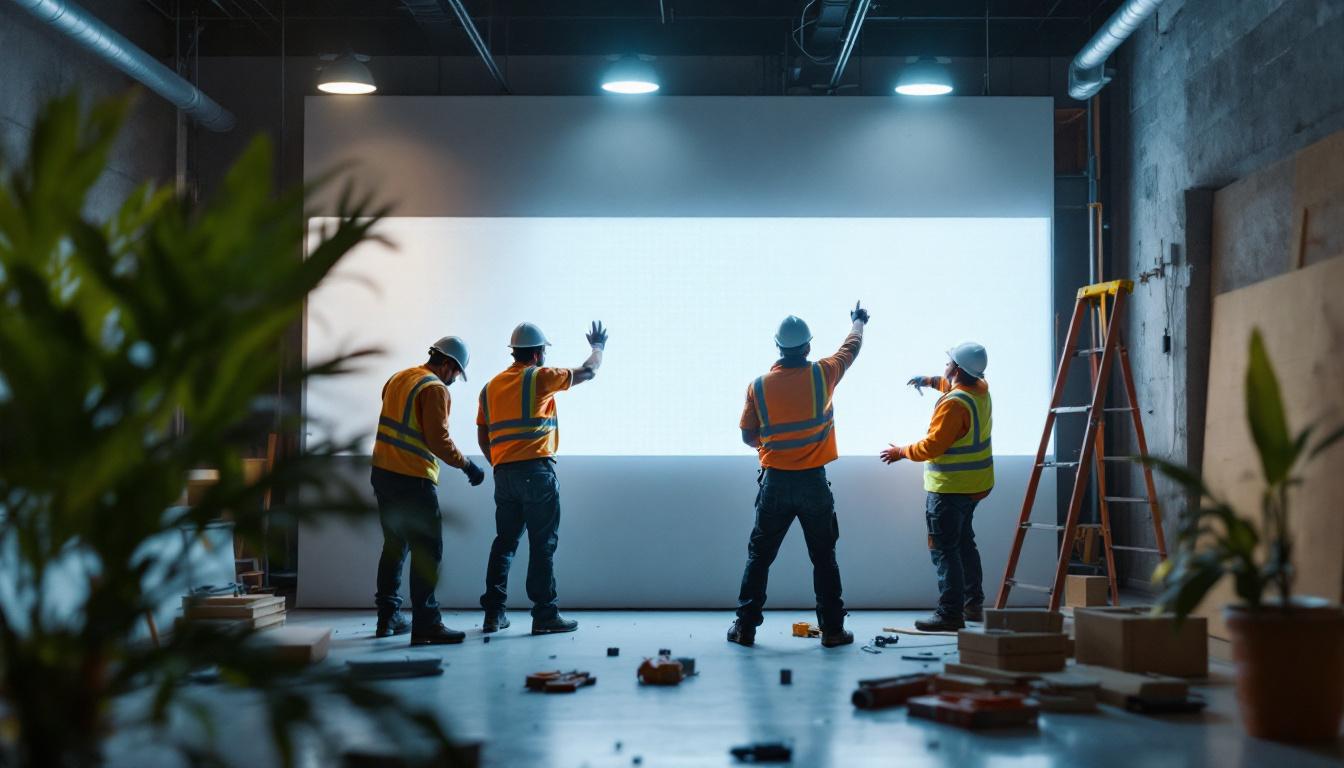
4. Assemble the Framework and Install LED Panels
Begin by erecting the modular frame according to the design specifications. Carefully mount the LED panels onto the frame, ensuring alignment and secure fastening. Use manufacturer guidelines to avoid damage and maintain display integrity.
5. Connect Power and Data Systems
Route power cables and data connections through the framework’s channels. Connect the LED panels to power supplies and control units. Test each panel individually and as part of the full display to verify functionality and seamless image rendering.
6. Apply Surface Finishing and Safety Measures
Add any finishing materials to conceal wiring and enhance aesthetics. Install safety features such as stabilizing feet, cable covers, and warning signage if necessary. Conduct a final inspection to ensure the wall is stable and safe for public interaction.
7. Configure and Manage Content
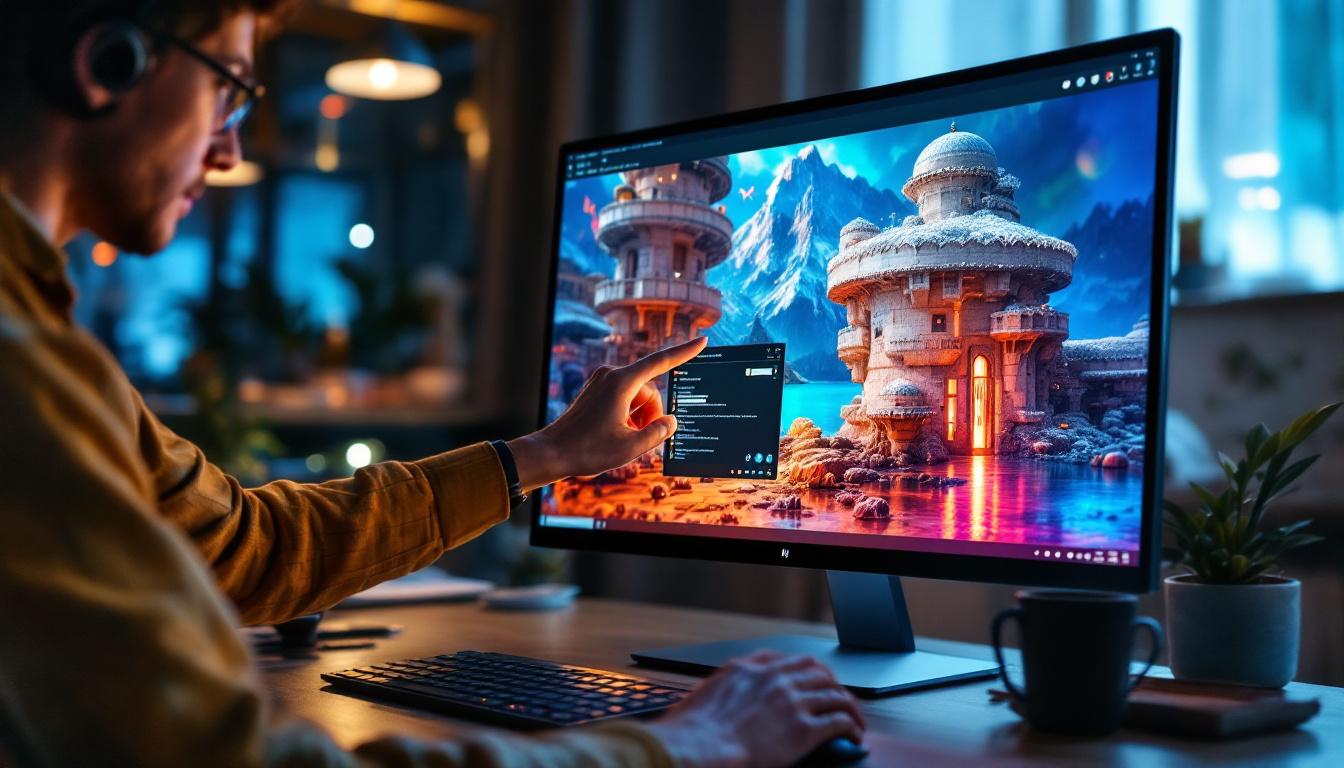
Use LED display management software to upload and schedule content. Many systems support remote updates, allowing for flexible and timely content changes. Optimize content resolution and format to match the display specifications for the best visual impact.
Practical Considerations and Best Practices
While the technical steps are vital, several practical considerations can significantly affect the success of your temporary LED wall installation.
Weight and Portability
Temporary walls must balance sturdiness with portability. Selecting lightweight materials and modular designs facilitates transport and setup, especially for events requiring frequent relocation.
Environmental Conditions
Consider the environment where the wall will be used. For outdoor installations, weatherproof LED panels and corrosion-resistant frames are essential. Indoor environments may require considerations for ambient light and ventilation.
Budget and Cost Efficiency
LED displays can vary widely in price depending on resolution, size, and features. Factor in not only the initial equipment cost but also installation, maintenance, and operational expenses. Renting LED panels may be a cost-effective option for short-term projects.
Compliance and Safety Regulations
Ensure that your temporary wall complies with local building codes and safety standards. This includes fire retardancy of materials, electrical safety, and accessibility requirements.
Case Studies: Successful Temporary LED Wall Installations
Examining real-world examples provides valuable insights into how temporary LED walls can be effectively utilized.
Trade Show Innovation: Dynamic Booth Design
At a recent international technology expo, a leading software company used a temporary wall embedded with high-resolution LED panels to create an immersive booth. The wall displayed live product demos, social media feeds, and interactive graphics, drawing significant visitor engagement and increasing lead generation by 40% compared to previous years.
Retail Pop-Up Activation
A global fashion brand launched a pop-up store featuring temporary walls with LED displays showcasing seasonal campaigns and customer testimonials. The dynamic visuals helped the brand stand out in a crowded mall environment, resulting in a 25% increase in foot traffic during the activation period.
Corporate Event Branding
During a multinational corporation’s annual conference, temporary LED walls were used to segment the venue into themed zones. The displays provided real-time event schedules, speaker bios, and branding elements, enhancing attendee experience and operational flow.
Future Trends in Temporary Walls and LED Displays
The intersection of temporary walls and LED technology continues to evolve, driven by advancements in materials, connectivity, and interactivity.
Integration with Augmented Reality (AR)
Future temporary walls may incorporate AR elements, allowing users to interact with digital content layered over the physical display via smartphones or AR glasses. This fusion can create highly engaging environments for marketing and education.
Wireless and Smart Connectivity
Emerging wireless LED panels reduce cable clutter and simplify installation. Smart systems with AI-driven content management can tailor displays dynamically based on audience behavior or environmental cues.
Sustainable and Eco-Friendly Materials
As sustainability becomes a priority, manufacturers are developing recyclable and low-impact materials for temporary wall frameworks and LED components, minimizing environmental footprint.
Conclusion
Building temporary walls with integrated LED displays offers a powerful solution for creating adaptable, visually compelling spaces across various industries. By understanding the technology, design principles, and practical considerations, organizations can leverage these walls to enhance communication, branding, and spatial functionality.
Whether for a trade show booth, retail activation, or corporate event, the combination of modular construction and dynamic LED content provides unmatched flexibility and impact. Staying informed about the latest trends and best practices will ensure your temporary wall installations are both effective and future-ready.
Discover LumenMatrix LED Display Solutions
Ready to transform your space with the flexibility and visual impact of temporary walls featuring state-of-the-art LED displays? LumenMatrix is at the forefront of LED display innovation, offering a wide array of solutions tailored to your unique needs. From Indoor and Outdoor LED Wall Displays to specialized options like Vehicle, Sports, and Floor LED Displays, our technology is designed to captivate and engage your audience. Embrace the future of visual communication with LumenMatrix and create experiences that resonate. Check out LumenMatrix LED Display Solutions today and elevate your brand visibility like never before.