In recent years, the landscape of church services has evolved dramatically. With the rise of digital technology and the increasing demand for remote worship, many churches have embraced live streaming to reach their congregations beyond the physical walls of their sanctuaries. A critical component in creating a professional and engaging streaming experience is the use of LED displays. These vibrant, versatile screens not only enhance the in-person worship experience but also elevate the quality of streamed content.
This comprehensive guide explores the role of LED displays in church streaming setups, explaining their benefits, technical considerations, and practical tips for implementation. Whether you are a church leader, AV technician, or volunteer looking to upgrade your church’s streaming capabilities, understanding LED technology is essential for delivering impactful worship services both onsite and online.
Why LED Displays Are Essential for Modern Church Streaming
LED displays have become a staple in many modern churches, and for good reason. Unlike traditional projection systems or LCD screens, LED displays offer superior brightness, clarity, and flexibility. These qualities are especially important when streaming services, as the visual elements must translate well both to the live audience and to viewers watching remotely.
According to a 2023 survey by Barna Group, over 60% of churches in the United States now offer some form of online worship, and many report that high-quality video production significantly increases viewer engagement. LED displays contribute to this by providing crisp visuals that enhance sermon presentations, song lyrics, and multimedia content.
Enhanced Visibility and Engagement
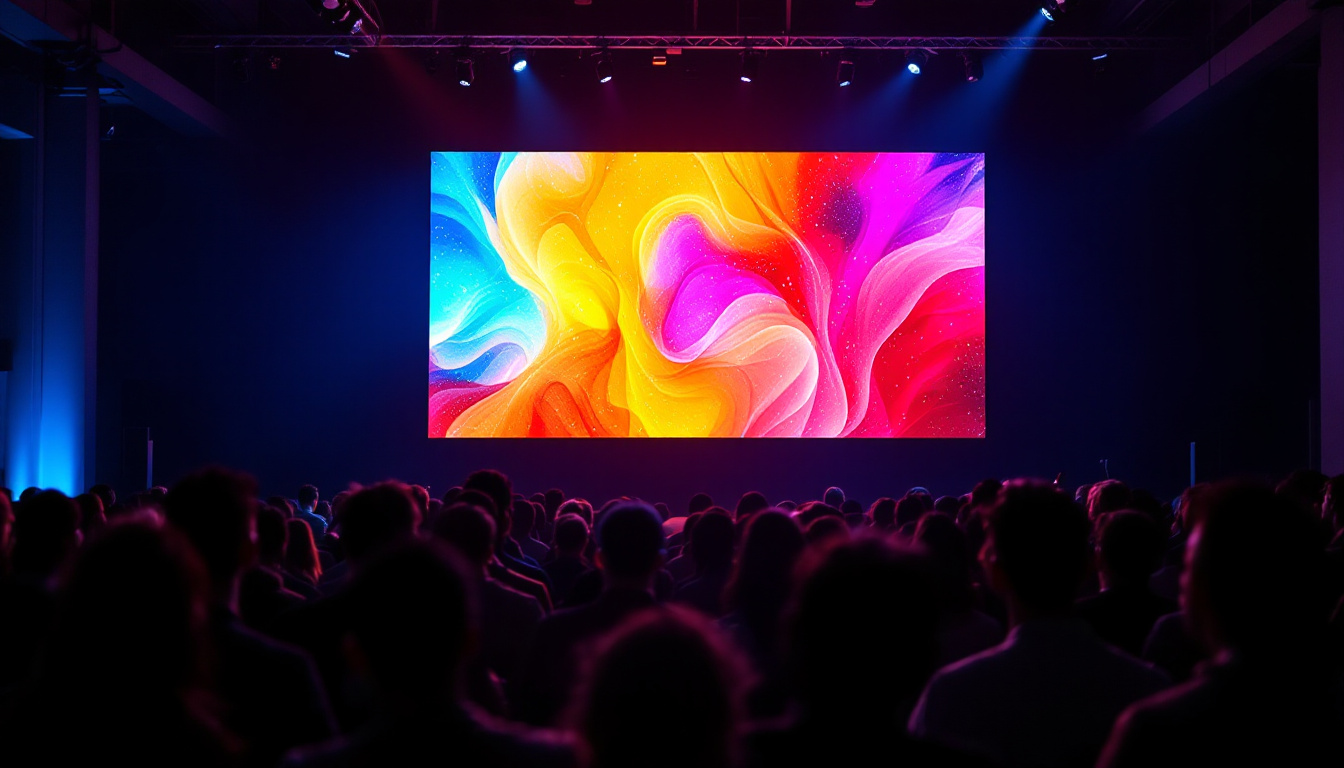
One of the primary advantages of LED displays is their exceptional brightness and contrast. Unlike projectors, which can struggle in well-lit environments, LED panels maintain vivid colors and sharp images regardless of ambient light. This ensures that text and visuals are easily readable both in the sanctuary and on camera, reducing viewer fatigue and increasing engagement.
For streaming, this means that the camera captures clear, vibrant images that translate well to various screen sizes and resolutions. Viewers at home or on mobile devices experience a more immersive and professional service, which can help foster a stronger sense of community and connection.
Flexibility in Content Presentation
LED displays offer unmatched flexibility in displaying diverse content types. Churches can seamlessly switch between sermon slides, live video feeds, song lyrics, announcements, and even interactive elements like social media feeds or live polls. This dynamic presentation capability keeps services fresh and engaging for both in-person attendees and online viewers.
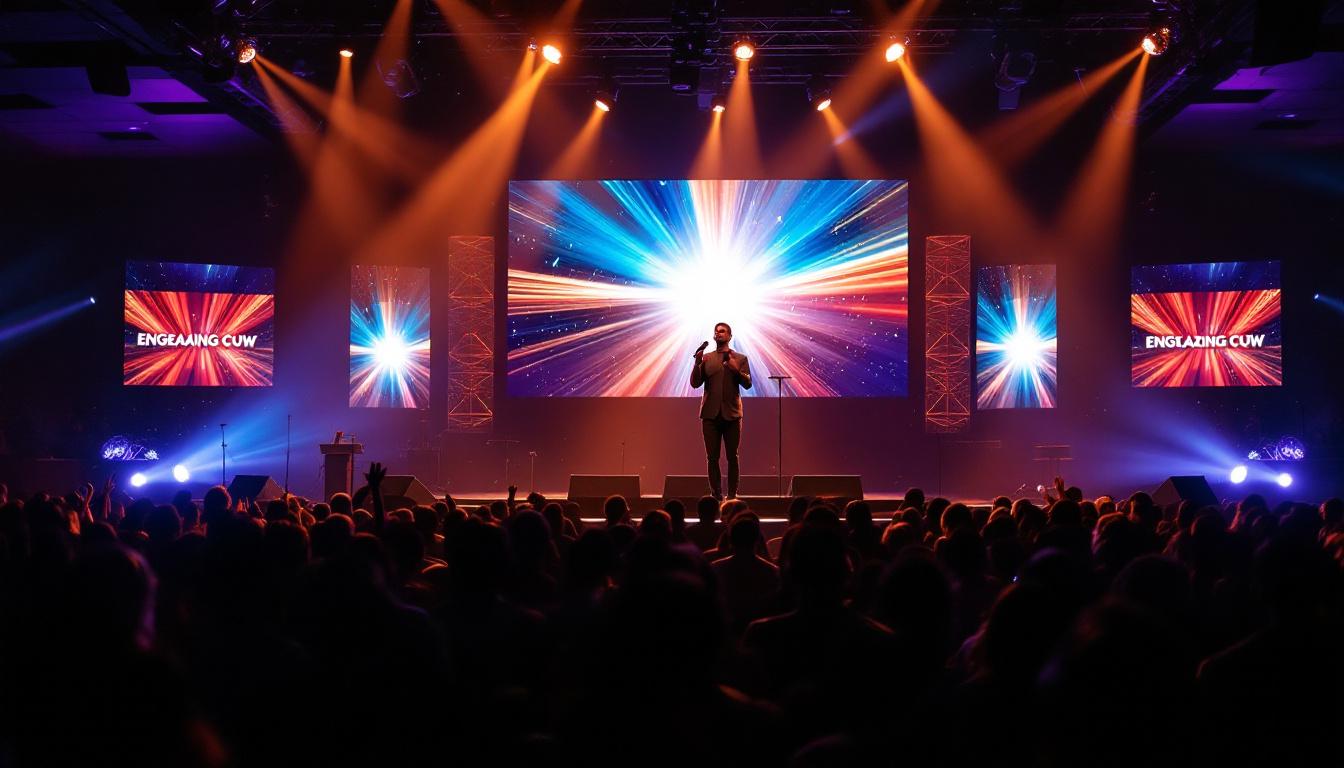
Moreover, LED walls can be configured in various shapes and sizes, from a single large screen behind the pulpit to multiple modular panels arranged creatively. This adaptability allows churches to tailor their visual environment to their architectural space and worship style.
Technical Considerations for Choosing LED Displays
Selecting the right LED display for a church streaming setup involves several technical factors. Understanding these elements ensures that the investment delivers maximum value and integrates smoothly with existing AV and streaming equipment.
Pixel Pitch and Resolution
Pixel pitch is the distance between individual LED pixels, measured in millimeters. It directly affects the resolution and viewing distance of the display. A smaller pixel pitch means higher resolution and sharper images, which is ideal for close viewing distances.
For churches, the choice depends on the size of the sanctuary and the typical distance between the audience and the screen. For example, a pixel pitch of 2.5mm to 4mm is common for indoor LED walls in medium-sized venues, providing crisp visuals without excessive cost. Larger pixel pitches (5mm or more) may be suitable for bigger spaces where viewers are farther away.
Brightness and Contrast Ratio
Brightness is measured in nits and determines how well the display performs in different lighting conditions. Indoor LED displays typically range from 800 to 1,500 nits, which is sufficient for most church environments. Higher brightness levels are beneficial if the sanctuary has large windows or strong stage lighting.
The contrast ratio, the difference between the darkest black and the brightest white the display can produce, is equally important. High contrast ratios create more vivid and lifelike images, enhancing the overall viewing experience.
Refresh Rate and Color Accuracy
A high refresh rate (measured in Hertz) is critical for smooth video playback, especially when streaming live video feeds. A refresh rate of at least 3,840 Hz is recommended for LED displays used in video production to avoid flickering on camera.
Color accuracy ensures that the images and videos displayed match the intended hues, which is vital for maintaining the integrity of multimedia presentations. Many LED displays come factory-calibrated, but some models allow for custom calibration to match the church’s branding and lighting environment.
Installation and Maintenance
LED displays require careful installation to ensure safety, optimal viewing angles, and integration with other AV components. Churches should work with experienced AV professionals to design and install the display system. Modular LED panels are popular because they allow for easier installation, maintenance, and future upgrades.
Maintenance considerations include regular cleaning, firmware updates, and occasional repairs of individual modules. Investing in quality LED panels with good manufacturer support can reduce downtime and extend the lifespan of the display.
Integrating LED Displays into Your Church Streaming Workflow
Once the LED display is selected and installed, it must be integrated effectively into the church’s streaming setup. This involves coordinating the display with cameras, switchers, streaming encoders, and audio systems to create a seamless production.
Camera Placement and Framing
Proper camera placement is crucial to capture the LED display without glare or distortion. Cameras should be positioned to avoid direct reflections and to frame the display as a backdrop without overpowering the speaker or performers.
Using multiple cameras allows for dynamic shots that switch between close-ups, wide angles, and audience views. The LED display can serve as a visually engaging background that enhances storytelling and worship elements.
Video Switchers and Content Management
Video switchers enable the production team to switch between live camera feeds, prerecorded videos, and content displayed on the LED screen. Integrating the LED display with the switcher allows for real-time content changes that keep the streaming service fluid and professional.
Content management software designed for worship environments can simplify the process of scheduling and displaying lyrics, sermon notes, and multimedia. Many platforms support synchronization with LED displays, ensuring that on-screen content matches what is streamed live.
Streaming Encoder and Bandwidth Considerations
The streaming encoder compresses and transmits the video signal to online platforms such as YouTube, Facebook Live, or dedicated church streaming services. High-quality LED displays contribute to a better source video, but the encoder and internet bandwidth must be sufficient to maintain a smooth stream.
Churches should aim for an upload speed of at least 10 Mbps for HD streaming and consider backup internet options to prevent interruptions. Using wired connections rather than Wi-Fi for streaming equipment improves reliability.
Practical Tips for Maximizing LED Display Impact in Worship Services
Beyond technical specifications, how the LED display is used creatively can make a significant difference in the worship experience. Here are some practical tips to maximize its impact:
Design Consistent and Readable Visuals
Visual content should be designed with readability in mind. Use large fonts, high-contrast colors, and simple backgrounds to ensure text is legible both in-person and on camera. Avoid cluttering the screen with too much information at once.
Consistent branding elements such as church logos, color schemes, and thematic graphics help create a cohesive look that reinforces the church’s identity.
Leverage Dynamic Content to Engage Viewers
Incorporate dynamic elements like animated backgrounds, video clips, and live social media feeds to keep the service visually interesting. However, balance is key—too many distractions can detract from the worship focus.
Use the LED display to highlight key moments such as scripture readings, sermon points, and calls to action, helping viewers follow along and participate actively.
Train Your Team Thoroughly
Operating LED displays and streaming equipment requires skill and coordination. Providing thorough training for AV volunteers and staff ensures smooth transitions and quick troubleshooting during services.
Regular rehearsals that include the entire production team help identify potential issues and build confidence in using the technology effectively.
Future Trends in LED Technology for Church Streaming
The technology behind LED displays continues to evolve rapidly, offering exciting possibilities for churches looking to stay at the forefront of worship innovation.
MicroLED and MiniLED Advances
Emerging MicroLED and MiniLED technologies promise even higher resolution, better color accuracy, and improved energy efficiency. These advancements will enable churches to create stunning visual environments with lower operational costs.
Interactive and Touch-Enabled Displays
Interactive LED walls with touch capabilities are becoming more accessible. These can be used for interactive sermons, real-time feedback, and engaging educational sessions, enhancing participation for both in-person and online attendees.
Integration with Augmented Reality (AR)
Some churches are experimenting with AR overlays combined with LED displays to create immersive worship experiences. This technology can blend physical and digital elements, offering new ways to visualize scripture and worship themes.
Conclusion
Incorporating LED displays into a church streaming setup is a powerful way to enhance both the in-person and online worship experience. Their superior brightness, flexibility, and visual quality make them ideal for modern churches aiming to engage a broader audience.
By understanding the technical aspects, integrating the displays thoughtfully into the streaming workflow, and leveraging creative content strategies, churches can create compelling, professional services that resonate deeply with their congregations.
As technology advances, staying informed and adaptable will ensure that your church’s streaming ministry continues to grow and inspire, no matter where your congregation gathers.
Discover LumenMatrix LED Display Solutions for Your Church
Ready to transform your worship services and connect with your congregation like never before? LumenMatrix offers a wide range of LED display solutions tailored to the unique needs of houses of worship. From vibrant Indoor LED Walls to captivating Custom LED Displays, our technology is designed to bring your church’s message to life. Elevate your streaming setup and engage your audience with clarity and impact. Check out LumenMatrix LED Display Solutions today and witness the difference cutting-edge technology can make in your ministry.