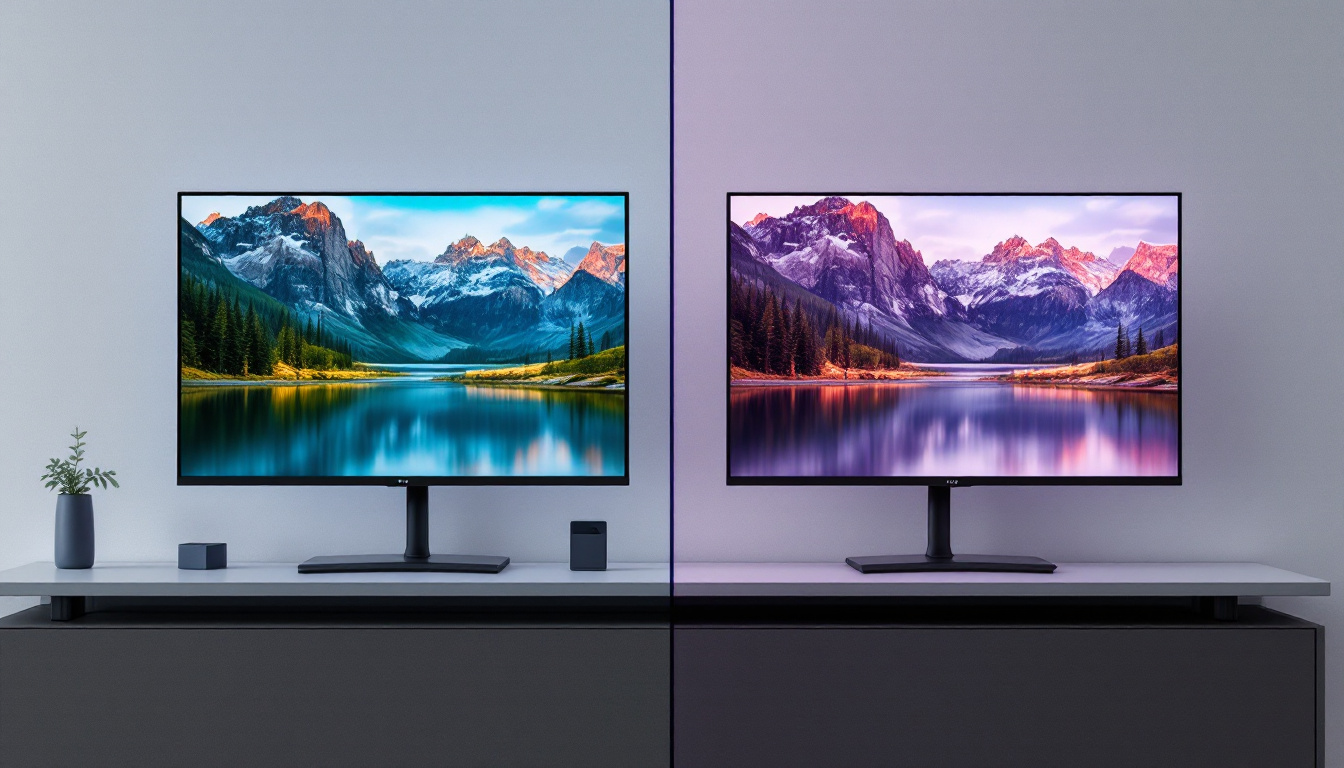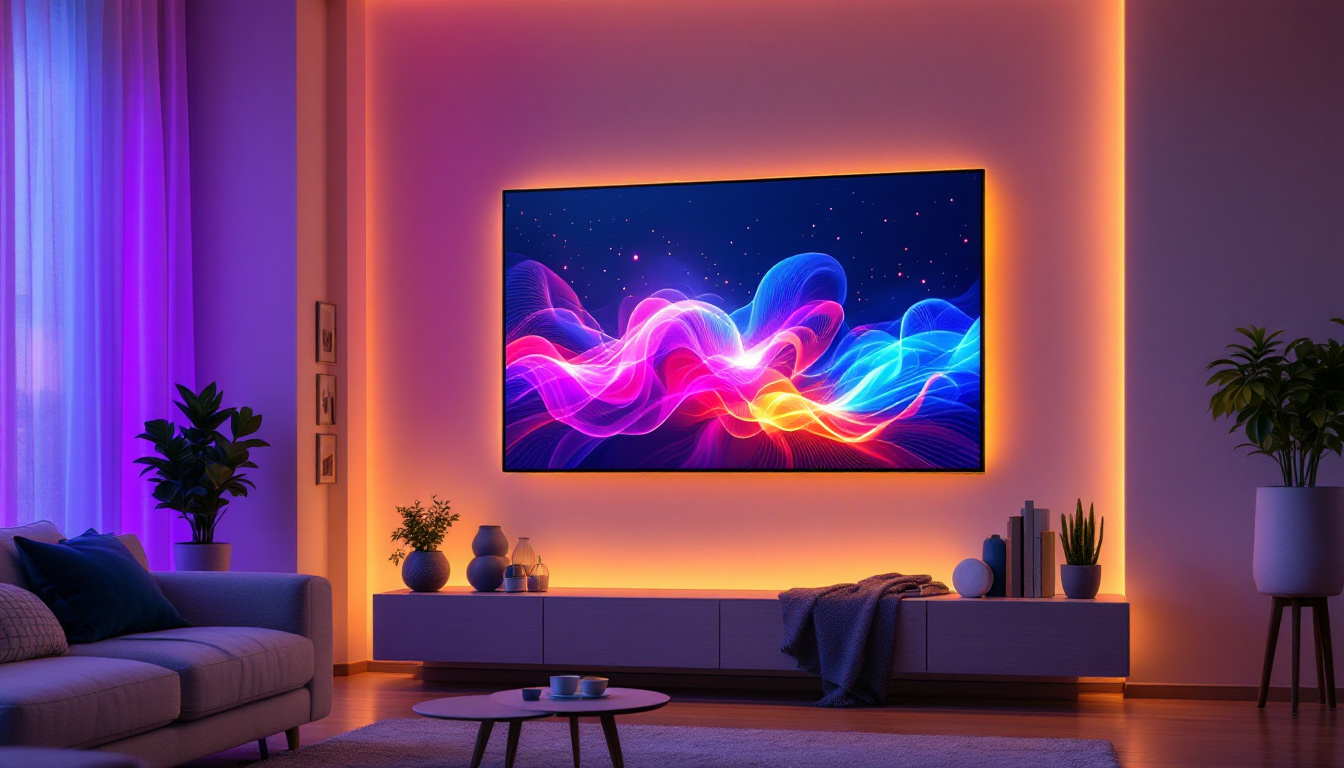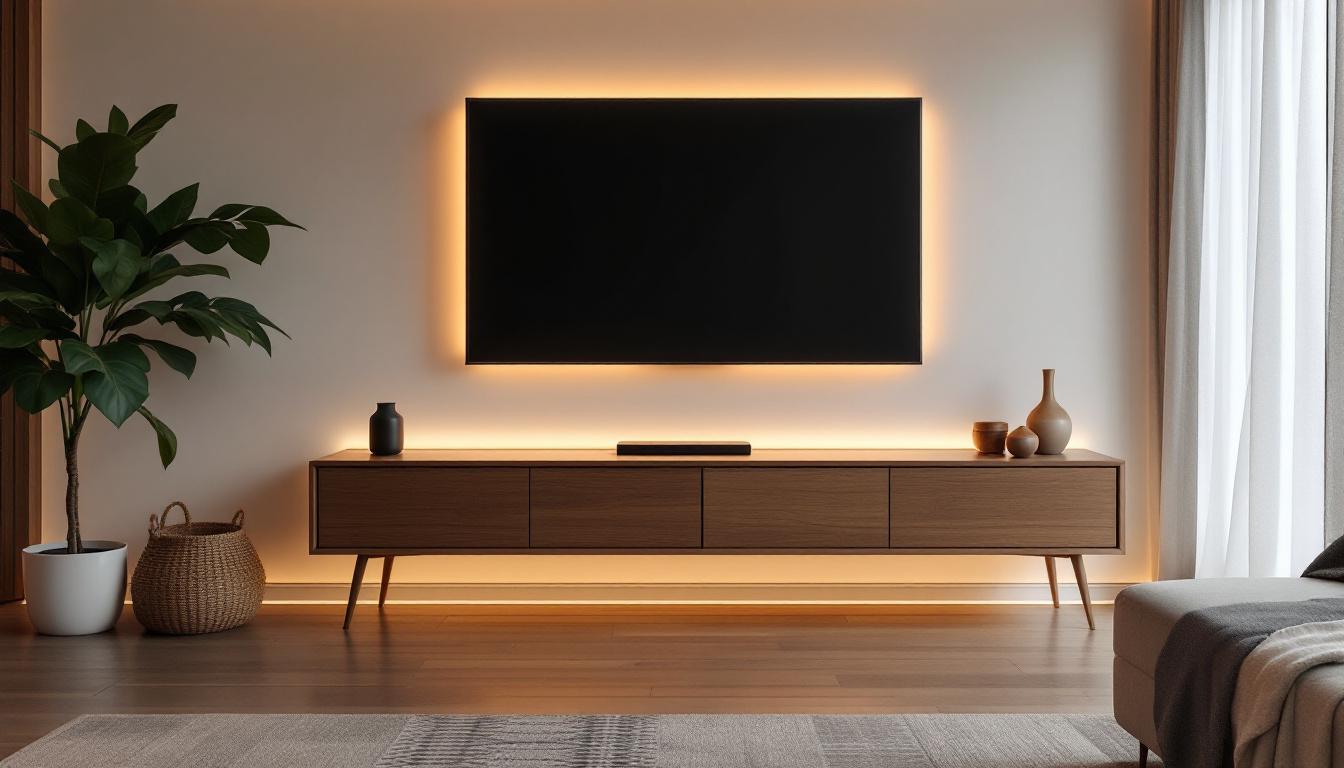
In the rapidly evolving world of television technology, LED displays have become the standard for delivering stunning picture quality and energy efficiency. From the living room to commercial settings, understanding the intricacies of TV panelling and LED technology is essential for consumers, professionals, and enthusiasts alike. This article delves deep into the mechanics, benefits, types, and future trends of LED displays used in televisions, providing a comprehensive guide to help you make informed decisions and appreciate the technology behind your screen.
Understanding LED Display Technology
At its core, LED display technology refers to the use of Light Emitting Diodes (LEDs) as a source of backlighting in television panels. Unlike older LCD TVs that relied on cold cathode fluorescent lamps (CCFLs), LED TVs use these tiny diodes to illuminate the screen, resulting in brighter images, better contrast, and improved energy efficiency.
The term “LED TV” can be somewhat misleading, as the actual display panel is still an LCD (Liquid Crystal Display). The LEDs serve as the backlight, shining through the LCD layer to produce the images you see. This combination allows for thinner panels and more precise control over lighting, which enhances picture quality significantly.
How LED Backlighting Works
LED backlighting works by placing an array of LEDs either behind the LCD panel (direct or full-array backlighting) or along the edges of the screen (edge-lit backlighting). These LEDs emit light that passes through the liquid crystals, which manipulate the light to create colors and images. The quality and arrangement of these LEDs directly impact the display’s brightness, contrast ratio, and color accuracy.
Full-array LED TVs typically offer better picture quality because the LEDs are evenly distributed across the back of the screen, allowing for local dimming—a feature that dims specific areas of the screen to enhance black levels and contrast. Edge-lit TVs, while thinner and often more affordable, may suffer from uneven lighting and less effective contrast control.
In addition to the basic backlighting techniques, advancements in LED technology have led to the development of Quantum Dot displays, which further enhance color accuracy and brightness. Quantum Dots are tiny semiconductor particles that emit specific colors when exposed to light. When integrated with LED backlighting, they can produce a wider color gamut and more vibrant images, making them a popular choice for high-end televisions. This technology is particularly beneficial for content that requires rich visuals, such as nature documentaries or action-packed films, where color depth can significantly impact viewer experience.
Moreover, the evolution of LED technology has also brought about innovations such as OLED (Organic Light Emitting Diodes) and MicroLED displays. Unlike traditional LED-backlit LCDs, OLED panels use organic compounds that emit light themselves, allowing for true blacks and infinite contrast ratios. MicroLED, on the other hand, combines the best features of both OLED and traditional LED technology, offering outstanding brightness and color performance while avoiding issues like burn-in. As these technologies continue to develop, they promise to redefine the standards of visual quality in the display industry, pushing the boundaries of what is possible in home entertainment.
Types of LED TV Panels
LED TVs come with various panel types, each with unique characteristics that affect viewing experience, price, and performance. Understanding these differences helps consumers select the right TV for their needs.
Standard LED LCD Panels
These are the most common LED TVs found in the market. They use an LCD panel illuminated by LED backlights, offering a good balance between cost and performance. Standard LED TVs provide vibrant colors and decent contrast but may struggle with deep blacks and wide viewing angles compared to more advanced panels.
OLED vs. LED: Key Differences
Organic Light Emitting Diode (OLED) technology is often compared to LED LCDs. Unlike LED TVs, OLED panels do not require backlighting because each pixel emits its own light. This allows OLED TVs to achieve perfect blacks and excellent contrast ratios. However, OLEDs tend to be more expensive and can suffer from image retention or burn-in over time.
LED LCDs remain popular due to their affordability, brightness levels (especially in well-lit rooms), and longevity. For many users, especially those prioritizing brightness and cost, LED TVs are an excellent choice.
Mini-LED and Micro-LED: The Next Generation
Recent advancements have introduced Mini-LED and Micro-LED technologies, which enhance LED TV performance further. Mini-LED TVs use thousands of tiny LEDs for backlighting, allowing for more precise local dimming and improved contrast. This technology bridges the gap between traditional LED LCDs and OLEDs.
Micro-LED, still emerging in the consumer market, uses self-emissive LEDs like OLED but with inorganic materials, promising higher brightness, longer lifespan, and no burn-in risk. Although currently expensive, Micro-LED TVs are expected to revolutionize display technology in the coming years.
Key Performance Metrics in LED TV Panelling
When evaluating LED TVs, several technical specifications and performance metrics are crucial to understanding how the panel will perform in real-world scenarios. These metrics help consumers compare models and select the best option for their viewing preferences.
Brightness and Contrast Ratio
Brightness, measured in nits, indicates how luminous the display can get. LED TVs typically range from 300 to over 1,000 nits, with higher brightness levels improving visibility in bright rooms and enhancing HDR (High Dynamic Range) content.
Contrast ratio refers to the difference between the darkest black and the brightest white a TV can produce. Full-array LED TVs with local dimming usually have superior contrast ratios, often exceeding 5,000:1, which results in richer images and more depth.
Color Accuracy and Gamut
Color accuracy measures how faithfully a TV reproduces colors compared to the original source. Modern LED TVs often support wide color gamuts such as DCI-P3 or Rec. 2020, enabling more vibrant and lifelike images. Calibration tools and factory settings can affect color accuracy significantly.
Refresh Rate and Response Time
Refresh rate, measured in Hertz (Hz), indicates how many times per second the image is updated. Higher refresh rates, such as 120Hz or 240Hz, result in smoother motion, which is particularly important for sports, gaming, and fast-paced content.
Response time is the speed at which pixels change color, affecting motion blur and ghosting. Lower response times improve clarity during fast scenes.
Benefits of LED TV Panelling
LED TV panelling offers several advantages that have contributed to its widespread adoption and continued evolution in the television market.
Energy Efficiency
Compared to CCFL-backlit LCDs, LED TVs consume significantly less power. This energy efficiency not only reduces electricity bills but also aligns with global efforts to lower carbon footprints. According to the U.S. Department of Energy, LED TVs can use up to 30-50% less energy than older LCD models.
Slim Design and Versatility
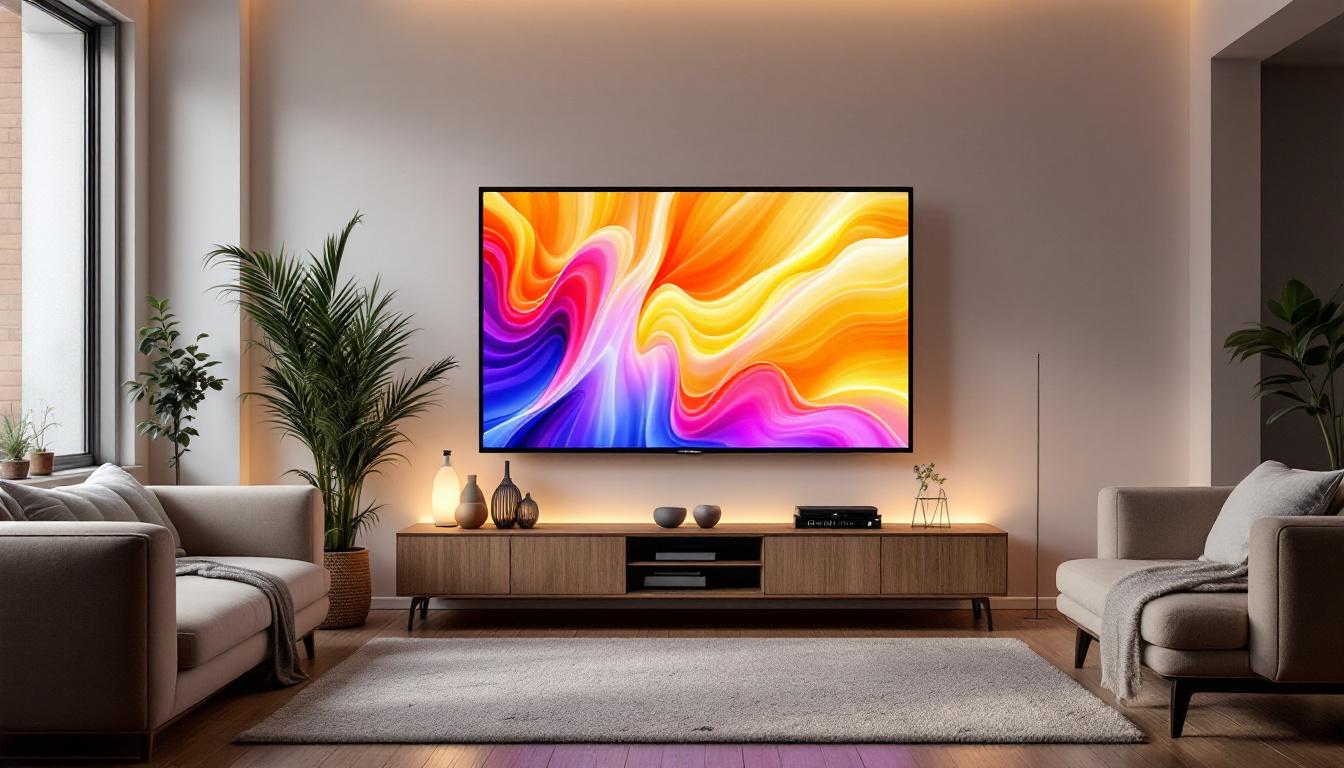
The compact size of LEDs allows manufacturers to produce ultra-thin TVs that fit seamlessly into modern living spaces. This slim design also enables flexible mounting options, including wall mounts and integrated stands, enhancing the aesthetic appeal of home entertainment setups.
Improved Picture Quality
LED backlighting provides better brightness and contrast control than previous technologies. Local dimming capabilities in full-array LED TVs create deeper blacks and more vivid colors, significantly improving the viewing experience for movies, sports, and gaming.
Considerations When Choosing an LED TV
Despite the many benefits, selecting the right LED TV requires careful consideration of various factors to ensure it meets your specific needs and environment.
Viewing Environment
Room lighting plays a crucial role in TV performance. LED TVs with higher brightness levels are better suited for brightly lit rooms, while OLEDs or LED TVs with excellent local dimming perform well in darker environments. Understanding your typical viewing conditions will help guide your choice.
Screen Size and Resolution
Screen size should be proportional to viewing distance for optimal comfort and immersion. Additionally, 4K resolution has become the standard for most LED TVs, offering four times the detail of Full HD. For larger screens, 4K or even 8K resolutions provide sharper images, though content availability for 8K remains limited.
Smart Features and Connectivity
Modern LED TVs often come equipped with smart platforms, enabling streaming, app access, and voice control. Consider the operating system, app availability, and connectivity options like HDMI 2.1, USB ports, and Wi-Fi compatibility to future-proof your purchase.
Future Trends in LED Display Technology
The LED TV market continues to innovate, driven by consumer demand for better picture quality, thinner designs, and enhanced functionality. Several trends are shaping the future of LED panelling.
Integration of AI and Machine Learning
Artificial intelligence is increasingly used to optimize picture settings dynamically based on content and ambient lighting. Machine learning algorithms can enhance upscaling of lower-resolution content and improve color accuracy over time.
Advancements in Quantum Dot Technology
Quantum Dot LEDs (QLED) are an evolution of LED LCD technology, using quantum dots to produce purer colors and higher brightness. Samsung and other manufacturers have popularized QLED TVs, which offer a compelling alternative to OLED with fewer burn-in concerns and greater brightness.
Environmental Sustainability
As environmental awareness grows, manufacturers are focusing on sustainable materials, energy-efficient designs, and recyclability. The push towards greener electronics is influencing LED TV production, packaging, and end-of-life management.
Conclusion
LED display technology has transformed the television industry by delivering brighter, more energy-efficient, and visually stunning screens. Understanding the nuances of LED panelling—from types of backlighting to key performance metrics—empowers consumers to make informed choices tailored to their viewing habits and environments.
As technology advances with innovations like Mini-LED, Micro-LED, and AI-driven enhancements, the future of LED TVs promises even greater picture quality and user experience. Whether upgrading a home entertainment system or selecting a commercial display, appreciating the fundamentals of LED panelling is essential in navigating today’s diverse TV market.
Explore Cutting-Edge LED Displays with LumenMatrix
Ready to experience the pinnacle of LED display technology? LumenMatrix is at the forefront of innovation, offering a wide array of LED display solutions that cater to your every need. From captivating Indoor and Outdoor LED Wall Displays to dynamic Vehicle and Sports LED Displays, our products are designed to elevate your brand and engage your audience. Discover the transformative power of LED displays with our Custom, All-in-One, and Transparent LED options, each crafted to deliver unparalleled visual impact. Don’t just take our word for it; check out LumenMatrix LED Display Solutions today and see how we’re revolutionizing visual communication.