In the world of digital displays, size and measurement conversions play a crucial role in selecting the right screen for various applications. One common query involves converting screen sizes from inches to millimeters, especially for large LED displays. This article delves into the specifics of converting a 110-inch LED display size into millimeters, explores the technology behind LED displays, and explains why understanding these measurements is vital for consumers and professionals alike.
Understanding Screen Size Measurements: Inches vs. Millimeters
Screen sizes are typically measured diagonally across the display, and inches have long been the standard unit of measurement in many countries, especially in the United States. However, millimeters (mm) are the preferred unit in many parts of the world, particularly in technical specifications and manufacturing contexts. Converting between these units accurately is essential for ensuring compatibility and proper installation.
To convert inches to millimeters, the standard conversion factor is:
1 inch = 25.4 millimeters
Therefore, a 110-inch diagonal screen size translates to:
110 inches × 25.4 mm/inch = 2794 mm
This means the diagonal length of the LED display measures approximately 2794 millimeters.
Why Convert Inches to Millimeters?
While inches remain common in consumer electronics, millimeters provide a more precise and universally accepted metric, especially in engineering and manufacturing. For architects, installers, and engineers, working with millimeters helps avoid errors in design and ensures seamless integration with other components or structures. Additionally, international buyers and manufacturers often rely on the metric system, making this conversion indispensable.
Understanding the nuances between these measurement systems can also impact the design and functionality of devices. For instance, when creating a custom mount for a large display, knowing the exact dimensions in millimeters can lead to better fitting and stability. Moreover, as technology continues to evolve, manufacturers are increasingly adopting metric measurements to cater to a global market, which emphasizes the importance of being familiar with both systems. This shift not only aids in manufacturing but also enhances the user experience by ensuring that products meet international standards.
Furthermore, in the realm of visual displays, the aspect ratio and resolution can also be influenced by the screen size measurements. For example, a larger screen measured in inches may have a different pixel density compared to a similarly sized screen measured in millimeters, affecting the clarity and quality of the image. As consumers become more discerning about display quality for gaming, professional use, or home entertainment, understanding these measurements becomes crucial for making informed purchasing decisions.
Breaking Down the Dimensions of a 110-Inch LED Display
Knowing the diagonal measurement is just the starting point. To fully comprehend the size of a 110-inch LED display, it’s important to understand the width and height, which depend on the aspect ratio of the screen.
Common Aspect Ratios in LED Displays
The aspect ratio is the proportional relationship between the width and height of a display. The most common aspect ratios for LED screens are 16:9 and 4:3, with 16:9 being the standard for modern HD and UHD displays.
For a 110-inch screen with a 16:9 aspect ratio, the width and height can be calculated using the Pythagorean theorem:
- Diagonal (D): 110 inches
- Aspect ratio width (W): 16 units
- Aspect ratio height (H): 9 units
The formula to find width and height is:
W = D × (16 / √(16² + 9²))
H = D × (9 / √(16² + 9²))
Calculating these:
√(16² + 9²) = √(256 + 81) = √337 ≈ 18.36
W = 110 × (16 / 18.36) ≈ 110 × 0.8716 ≈ 95.88 inches
H = 110 × (9 / 18.36) ≈ 110 × 0.4903 ≈ 53.93 inches
Converting these dimensions to millimeters:
Width: 95.88 × 25.4 ≈ 2435 mm
Height: 53.93 × 25.4 ≈ 1370 mm
Thus, a 110-inch LED display with a 16:9 aspect ratio measures approximately 2435 mm wide by 1370 mm tall.
Variations Based on Aspect Ratio
If the display uses a different aspect ratio, such as 4:3, the width and height will differ accordingly. Using the same approach:
√(4² + 3²) = √(16 + 9) = √25 = 5
W = 110 × (4 / 5) = 110 × 0.8 = 88 inches
H = 110 × (3 / 5) = 110 × 0.6 = 66 inches
Converting to millimeters:
Width: 88 × 25.4 = 2235 mm
Height: 66 × 25.4 = 1676 mm
This highlights how the actual physical dimensions of a 110-inch LED display can vary significantly depending on the aspect ratio chosen.
In addition to the aspect ratio, the design and bezel size of the display can also influence its overall footprint. A display with a thinner bezel can appear larger and more immersive, as it minimizes the distractions of the frame. Manufacturers often strive to create ultra-slim bezels to enhance the viewing experience, especially in multi-screen setups where seamless integration is desired. This is particularly important in environments such as control rooms, retail spaces, and digital signage, where the visual impact is crucial.
Moreover, the mounting options for a 110-inch LED display can further affect its installation and usability. Wall-mounted displays can save space and provide a sleek look, while mobile stands offer flexibility for events or temporary setups. Understanding the dimensions and aspect ratios not only helps in selecting the right display but also plays a vital role in planning the layout and ensuring optimal viewing angles for the audience.
LED Display Technology: What Makes It Stand Out?
LED (Light Emitting Diode) displays have revolutionized the way large-format screens are designed and used. Their superior brightness, energy efficiency, and longevity make them ideal for various applications, from outdoor billboards to indoor conference rooms.
How LED Displays Work
LED displays consist of an array of tiny light-emitting diodes arranged in a grid. Each diode can emit light in red, green, or blue, and by varying the intensity of these colors, the display can produce a full spectrum of colors. This pixel-by-pixel control results in vibrant, high-contrast images that are visible even in bright daylight conditions.
Unlike traditional LCDs, which rely on backlighting, LED displays emit their own light, allowing for deeper blacks and higher contrast ratios.
Benefits of Large LED Displays
For a 110-inch LED display, the benefits include:
- High Visibility: The large size combined with LED brightness ensures content is clear and readable from a distance.
- Energy Efficiency: LEDs consume less power compared to other display technologies, reducing operational costs.
- Durability: LED panels are robust and can withstand harsh environmental conditions, making them suitable for both indoor and outdoor use.
- Scalability: LED displays can be tiled together to create even larger screens without losing image quality.
Applications of 110-Inch LED Displays
The versatility of a 110-inch LED display makes it a popular choice across various industries and settings. Understanding the typical use cases can help businesses and consumers make informed decisions.
Corporate and Conference Environments
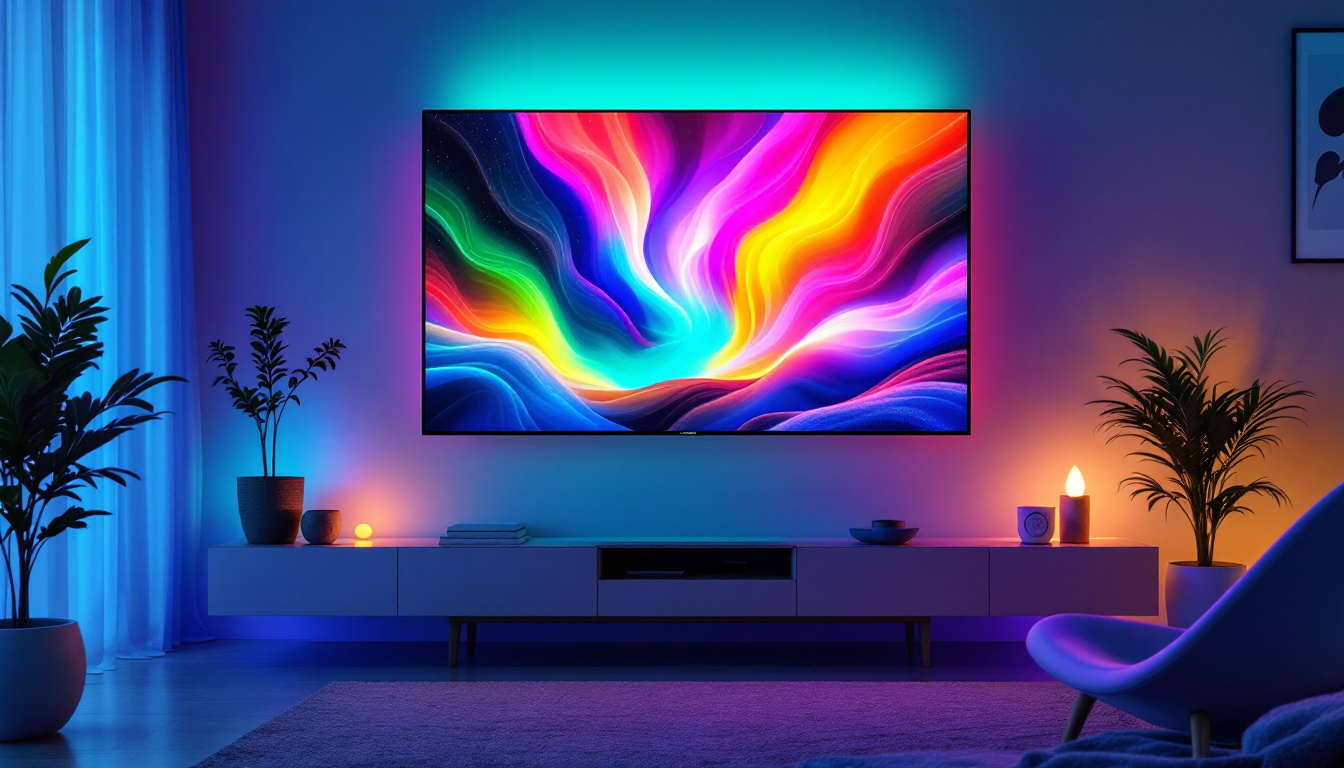
In corporate settings, large LED displays serve as dynamic presentation tools during meetings, conferences, and training sessions. The 110-inch size strikes a balance between visibility and space efficiency, making it suitable for medium to large conference rooms.
High resolution and brightness ensure that charts, videos, and live feeds are displayed clearly, improving communication and engagement.
Retail and Advertising
Retailers use large LED displays to attract customers with vibrant advertisements and promotional content. The ability to update content remotely and instantly is a significant advantage for marketing campaigns.
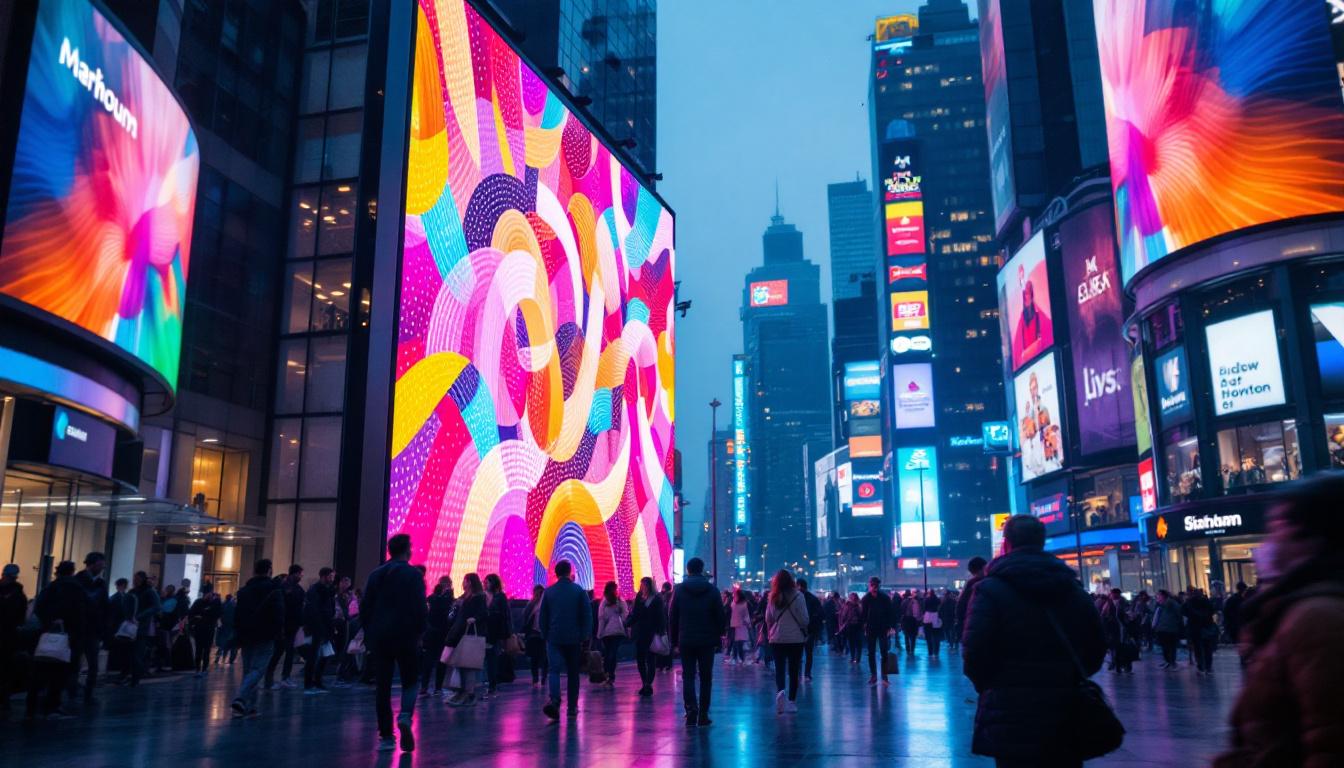
In shopping malls or storefronts, a 110-inch LED screen can serve as a digital billboard that captures attention and drives sales.
Entertainment and Events
Concerts, sports arenas, and event venues often deploy large LED displays to enhance the audience experience. A 110-inch LED screen can display live action, replays, and interactive content, ensuring that even attendees far from the stage have a clear view.
Choosing the Right 110-Inch LED Display: Key Considerations
When selecting a 110-inch LED display, several factors must be considered to ensure the display meets specific needs and expectations.
Resolution and Pixel Pitch
Resolution determines how sharp and detailed the image will be. For large displays, pixel pitch—the distance between individual LED pixels—is critical. Smaller pixel pitches provide higher resolution and are ideal for close viewing distances, while larger pitches are suitable for viewing from afar.
For a 110-inch display, a pixel pitch between 1.5mm and 3mm is common for indoor use, balancing clarity and cost.
Brightness and Contrast Ratio
Brightness is measured in nits and affects visibility under different lighting conditions. Indoor LED displays typically require 800 to 1500 nits, while outdoor displays may need 5000 nits or more to combat sunlight glare.
Contrast ratio impacts image depth and color richness, with higher ratios providing better picture quality.
Connectivity and Control Options
Modern LED displays offer various input options, including HDMI, DisplayPort, and wireless connectivity. Additionally, control software allows users to manage content scheduling, brightness adjustments, and diagnostics remotely.
Installation and Maintenance
Given the size and weight of a 110-inch LED display, professional installation is recommended. Considerations include wall mounting, floor stands, or ceiling suspensions. Maintenance access should also be planned to ensure longevity and ease of repairs.
Conclusion: The Importance of Accurate Measurement and Understanding LED Displays
Converting a 110-inch LED display size into millimeters provides a clearer understanding of the actual physical dimensions, which is essential for proper planning and installation. Beyond size, comprehending the technology behind LED displays and their applications helps buyers make informed decisions that align with their needs.
Whether for corporate presentations, retail advertising, or entertainment venues, a 110-inch LED display offers a powerful visual solution. By considering factors such as aspect ratio, resolution, brightness, and installation requirements, users can maximize the benefits of this impressive display technology.
Ultimately, accurate measurement conversions and a solid grasp of LED display technology ensure that investments in large-format screens deliver the desired impact and performance.
Discover LumenMatrix LED Display Solutions
Ready to elevate your visual experience with a 110-inch LED display? LumenMatrix is at the forefront of LED display technology, offering a wide range of innovative solutions tailored to your unique needs. From vibrant Indoor LED Wall Displays to dynamic Outdoor LED Wall Displays, and from versatile Vehicle LED Displays to sleek LED Poster Displays, our products are designed to captivate and engage your audience. Embrace the future of visual communication with LumenMatrix’s cutting-edge LED Sports Displays, interactive Floor LED Displays, and customizable options that ensure your message resonates with clarity and impact. Don’t miss out on the opportunity to transform your space. Check out LumenMatrix LED Display Solutions today and see the difference for yourself.