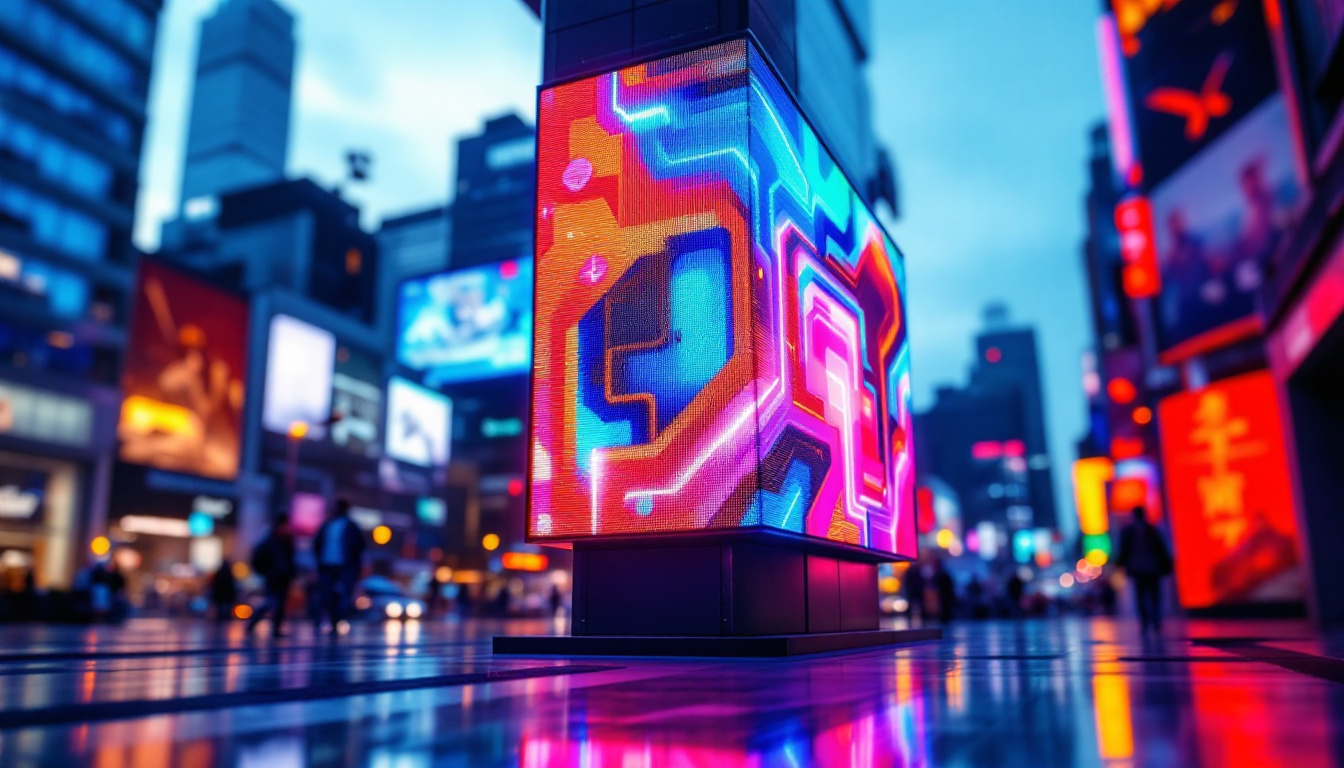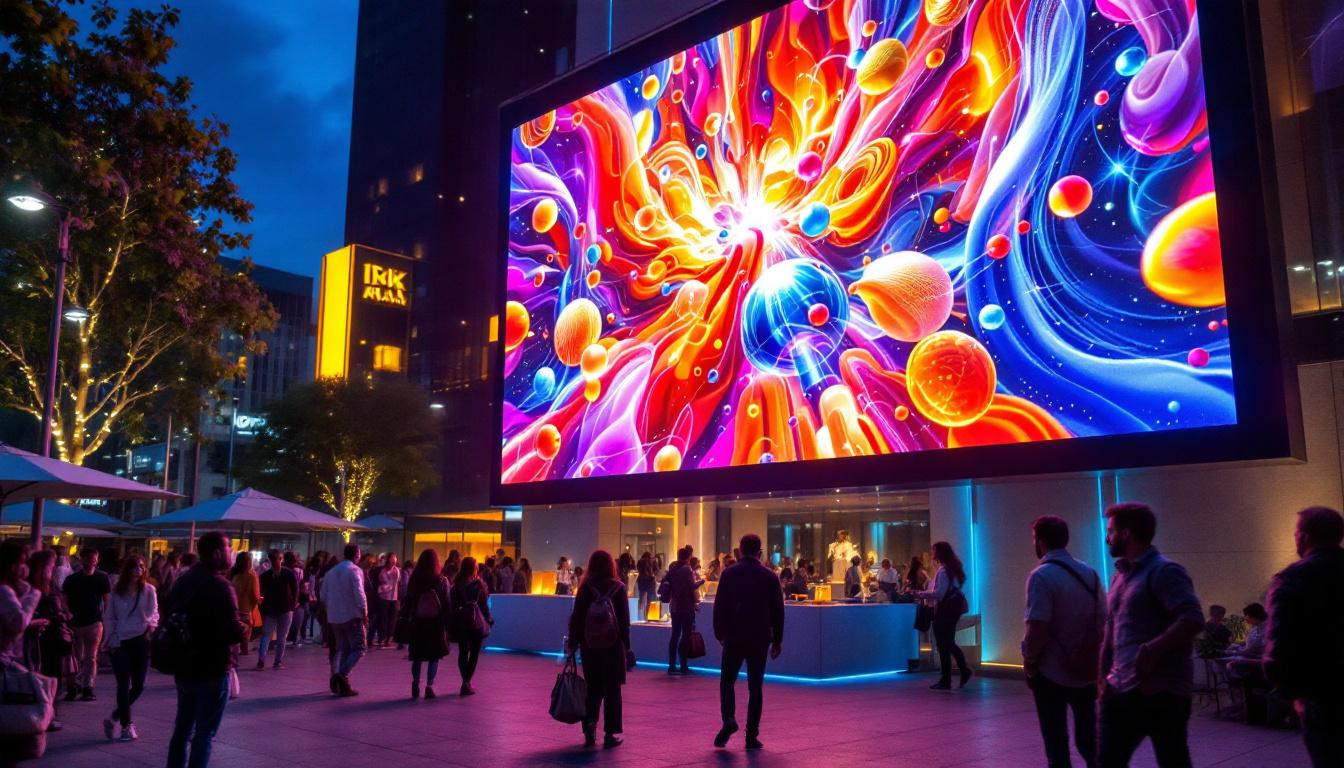
In today’s fast-paced world, capturing attention quickly and effectively is crucial for businesses, public services, and event organizers alike. Video sign boards featuring LED displays have emerged as a powerful tool to communicate messages dynamically and vividly. From bustling city centers to sports arenas and retail storefronts, LED video sign boards are revolutionizing the way information is presented to the public.
This article delves into the technology behind LED video sign boards, explores their applications, benefits, and considerations, and offers insights into their future trends. Whether you’re a business owner considering digital signage or simply curious about how these vibrant displays work, this comprehensive guide will illuminate the subject.
Understanding LED Video Sign Boards
What is an LED Display?
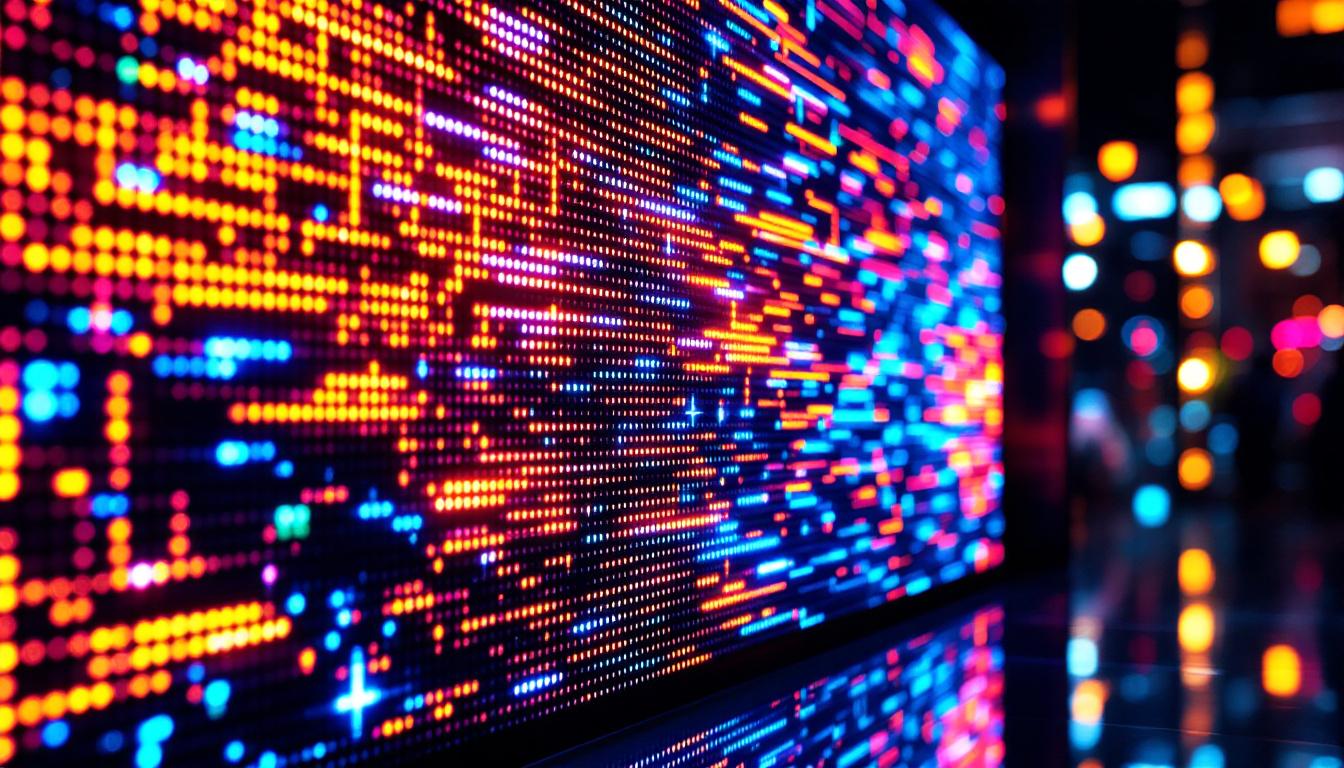
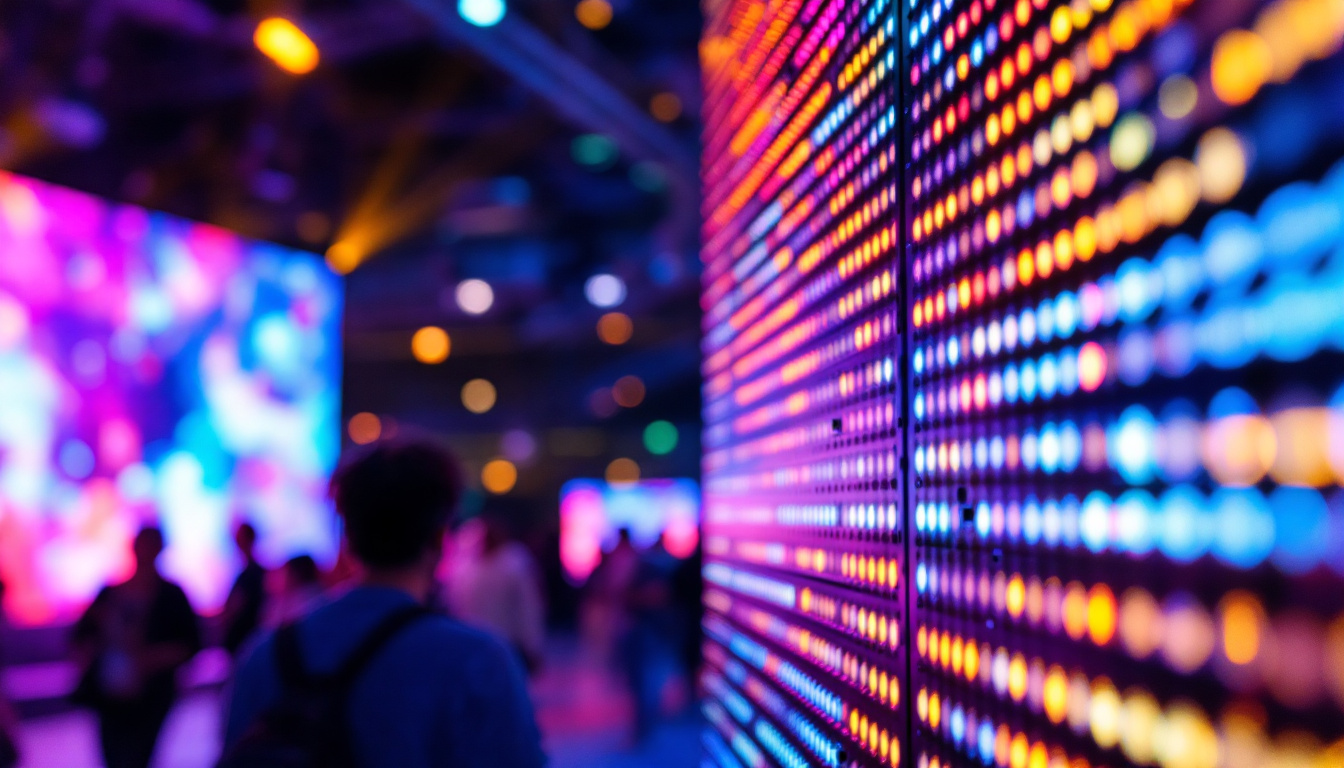
LED stands for Light Emitting Diode, a semiconductor device that emits light when an electric current passes through it. LED displays are composed of numerous tiny LEDs arranged in a matrix to form pixels, which collectively create images and videos. Unlike traditional LCD or plasma screens, LED displays generate their own light, resulting in brighter and more energy-efficient visuals.
Video sign boards utilize these LED panels to present dynamic content such as videos, animations, text, and graphics. The modular nature of LED panels allows for the creation of large-scale displays that can be customized in size and shape, making them ideal for outdoor advertising, public information boards, and entertainment venues. Furthermore, the versatility of LED technology means that these displays can be integrated with various media formats, enabling businesses to engage their audiences in more interactive and visually appealing ways.
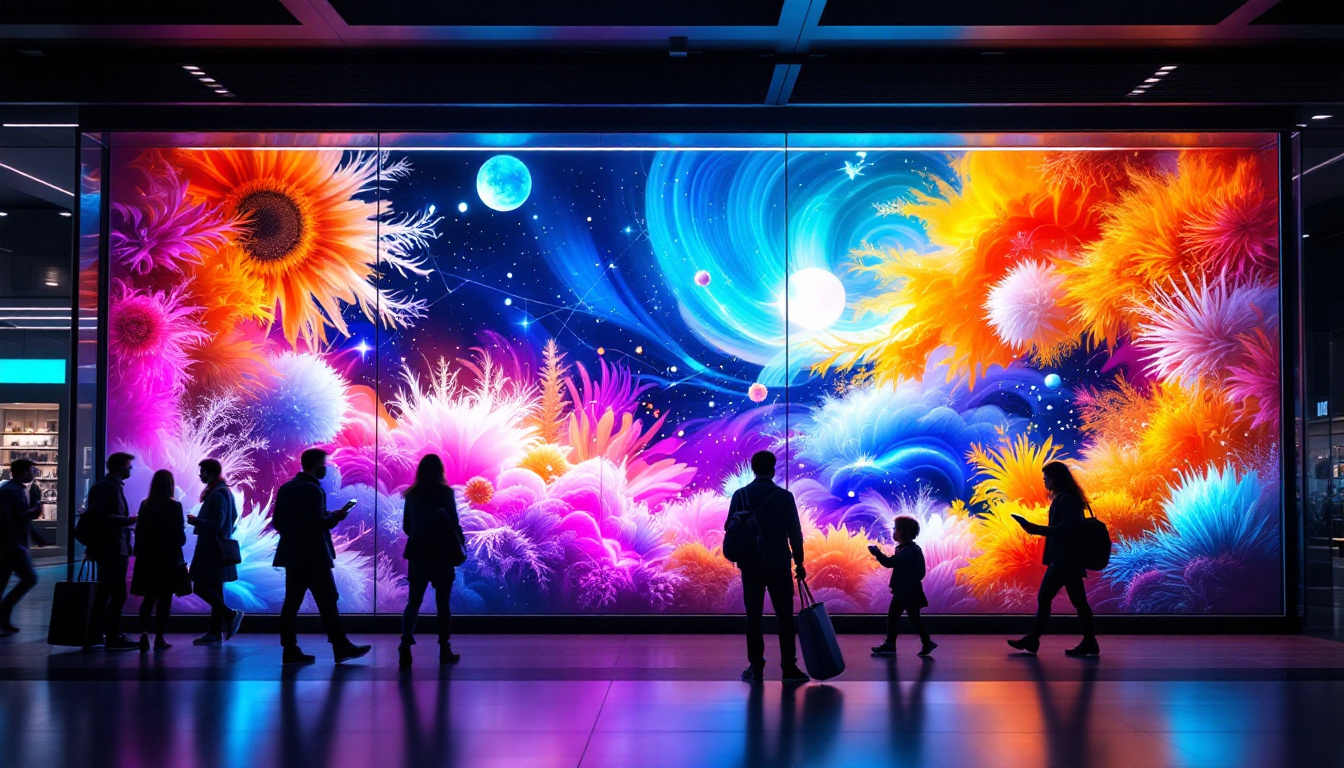
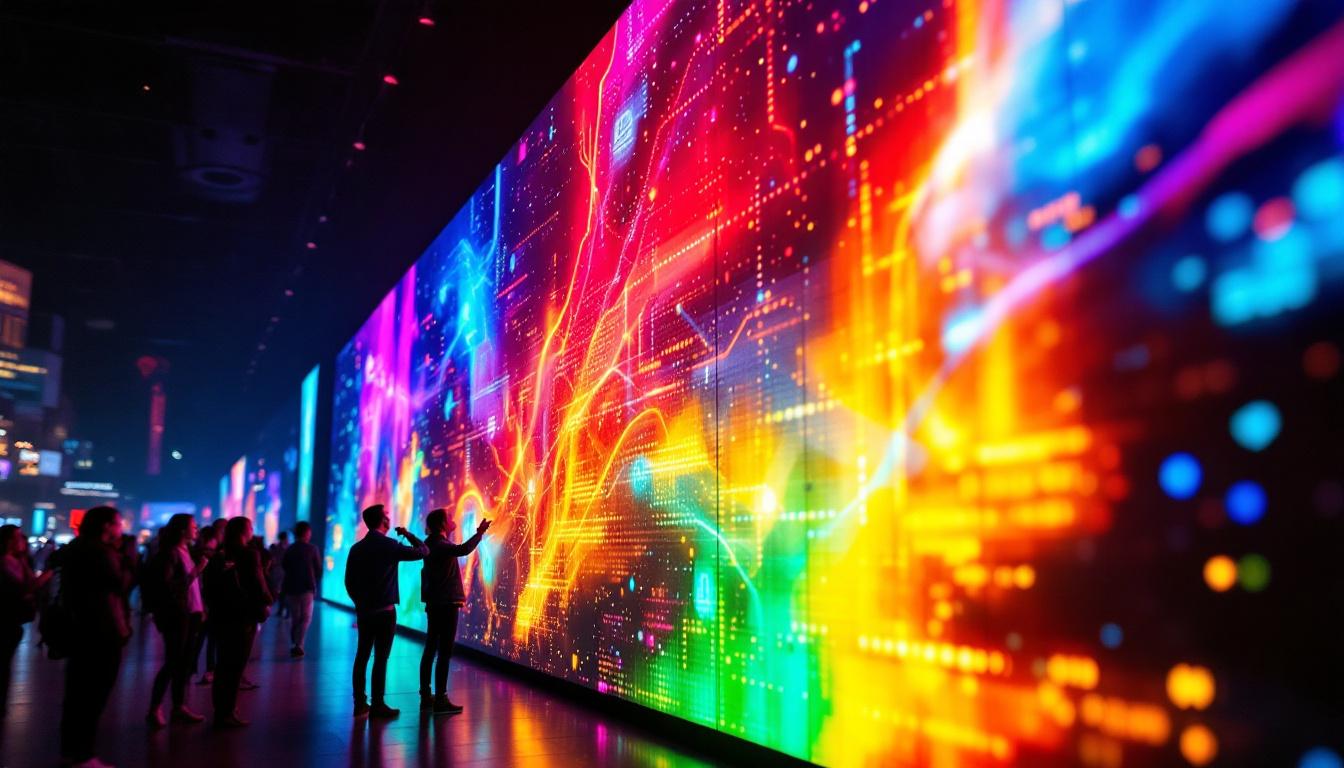
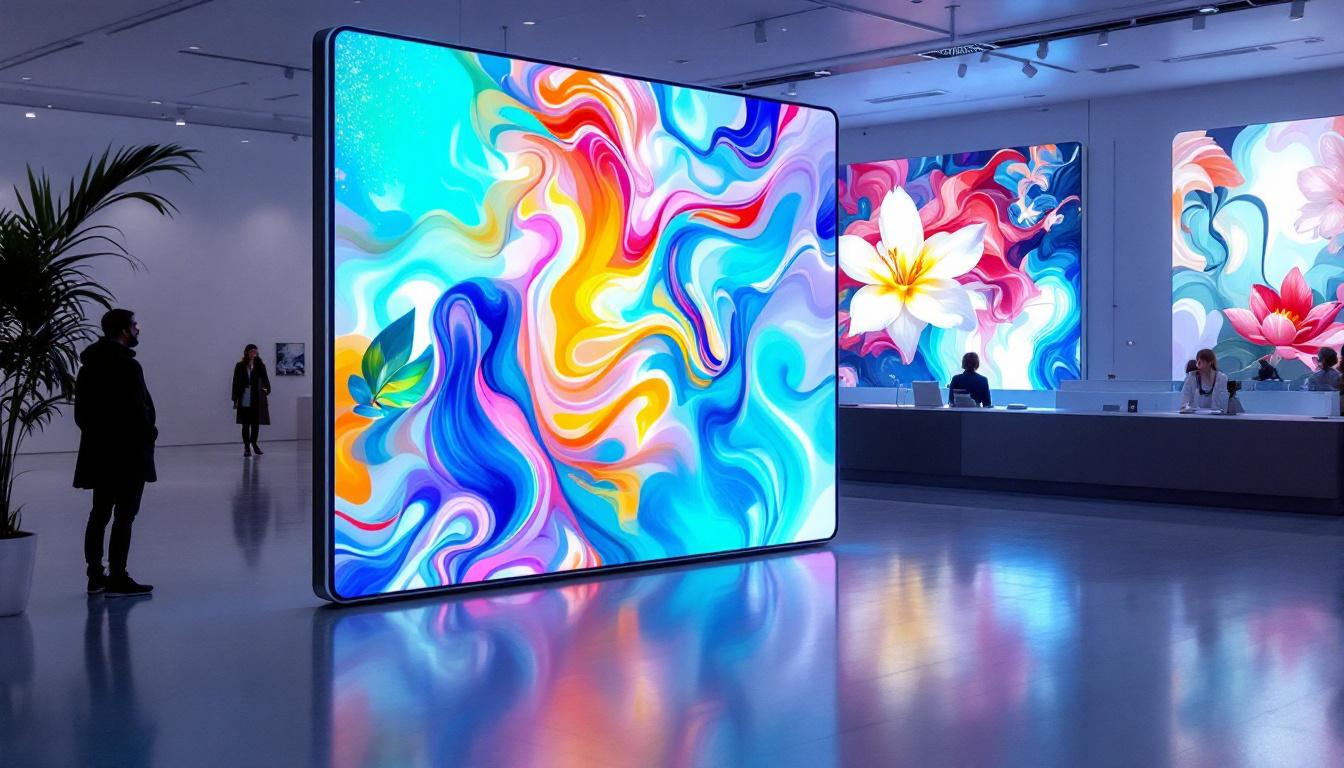
Additionally, LED displays are increasingly being used in creative applications, such as art installations and immersive environments, where the ability to control light and color can transform a space and enhance the viewer’s experience. This adaptability is a key reason why LED technology has gained popularity across diverse industries, from retail to sports and beyond.
Types of LED Video Sign Boards
LED video sign boards come in various types, primarily differentiated by their pixel pitch, brightness, and intended use:
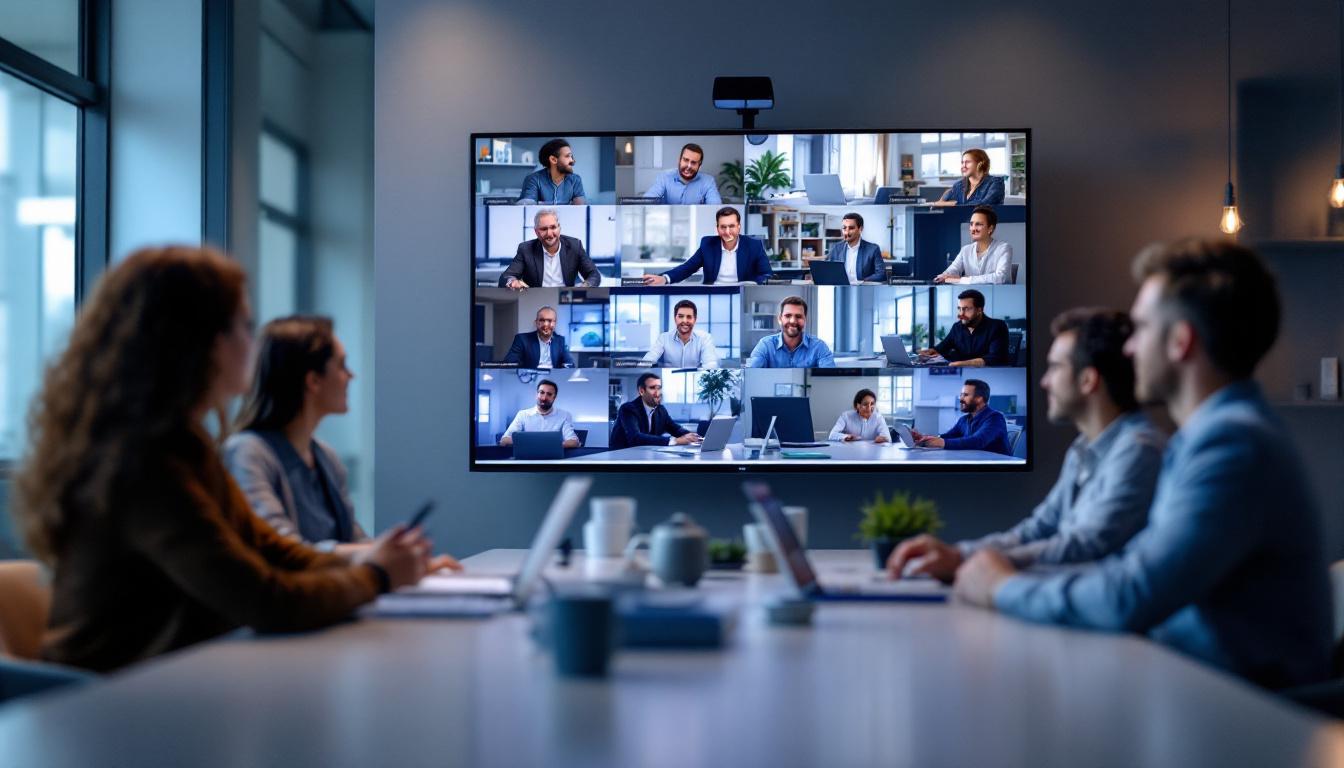
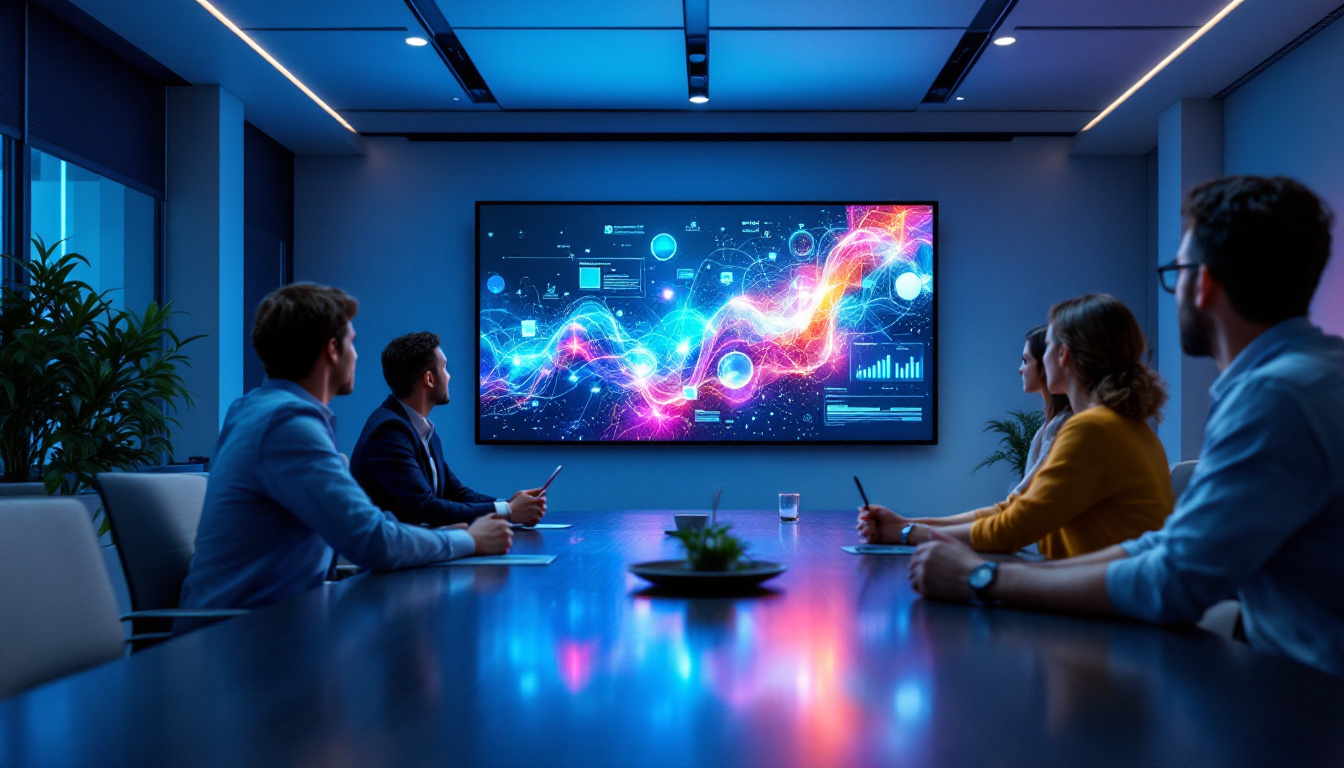
- Indoor LED Displays: Designed for close-range viewing, these have a smaller pixel pitch (typically 1-4 mm) to provide high-resolution images. They are commonly used in retail stores, conference rooms, and indoor arenas. The clarity and vibrancy of these displays can significantly enhance the shopping experience, drawing customers in with eye-catching visuals and promotional content.
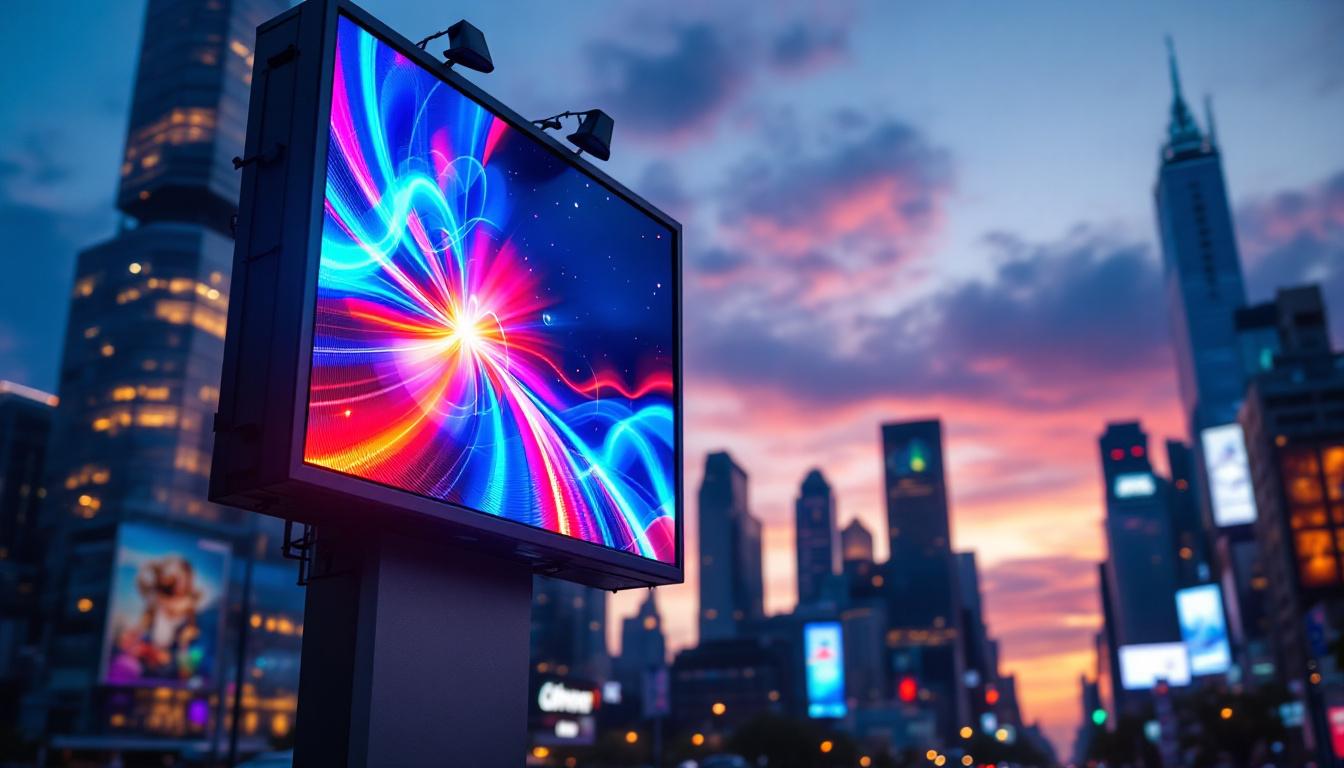
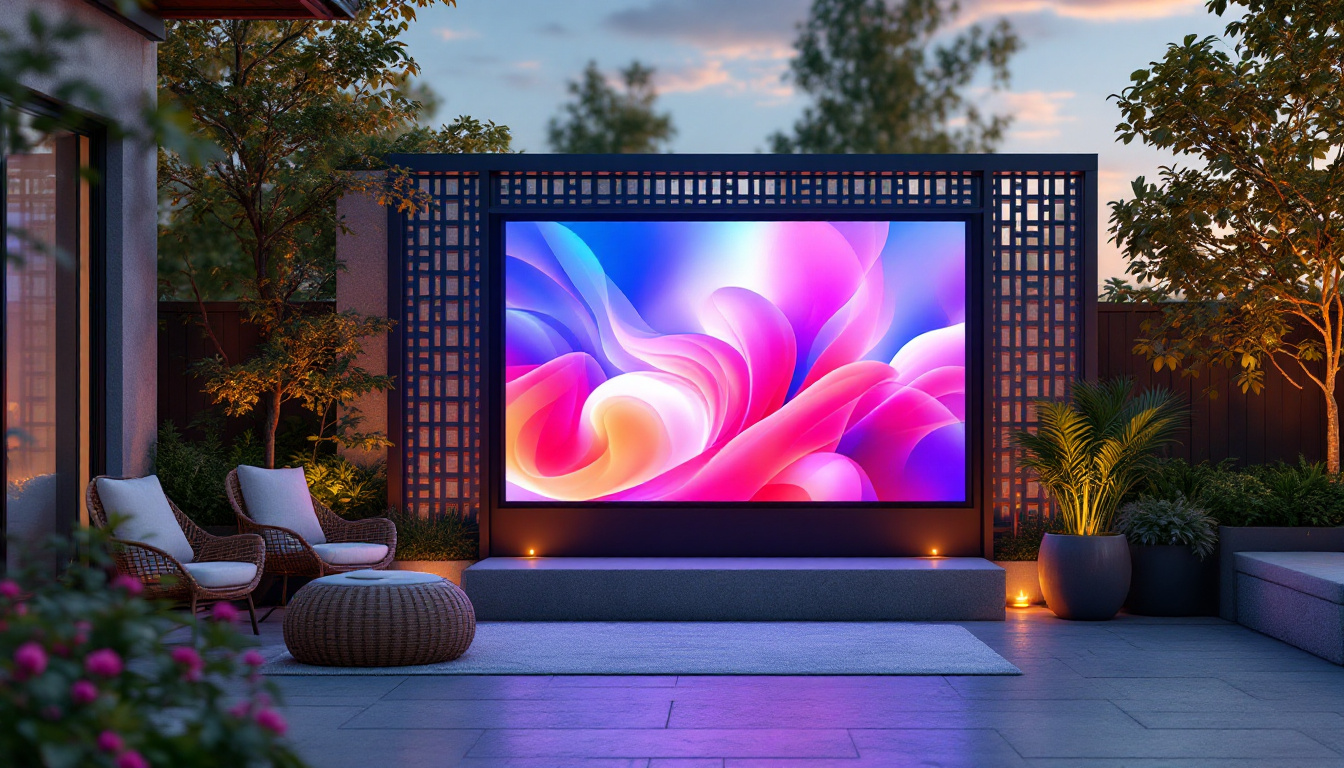
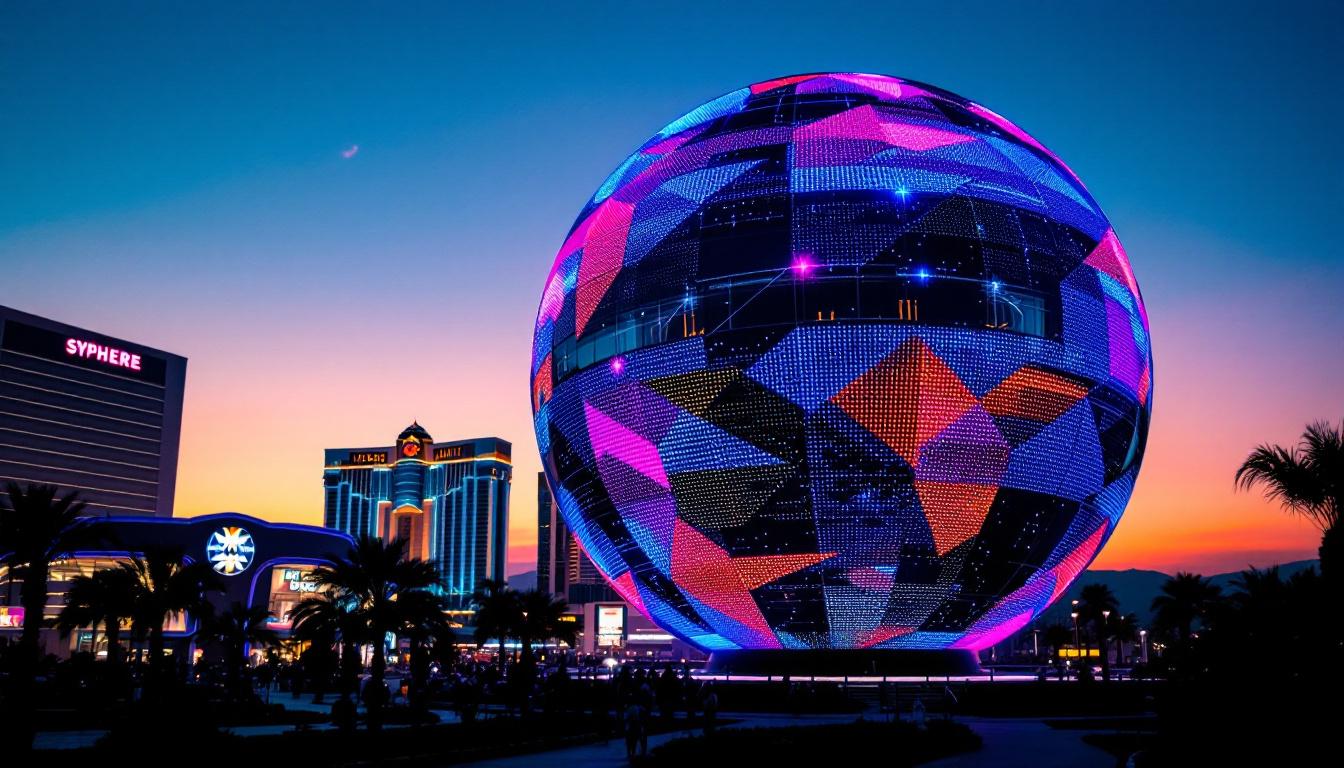
- Outdoor LED Displays: Built to withstand weather conditions, these displays have a larger pixel pitch (usually 6-20 mm) and higher brightness levels, often exceeding 5,000 nits, to remain visible under direct sunlight. Examples include billboards, stadium screens, and traffic information signs. Their durability and visibility make them an effective medium for advertisers looking to capture the attention of passersby, especially in high-traffic areas.
- Transparent LED Displays: These innovative displays allow light to pass through the screen, making them perfect for storefront windows and architectural installations without blocking visibility. This unique feature not only maintains the aesthetic of the space but also allows businesses to showcase their products while still providing an unobstructed view of the interior.
How Do LED Video Sign Boards Work?
The operation of an LED video sign board involves several components working in harmony. The LED panels are connected to a control system that manages the content displayed. This system receives input from media players or computers and converts it into signals that control each LED pixel’s color and brightness.
Modern LED video sign boards often utilize advanced technologies such as:
- Calibration Systems: To ensure color consistency and uniform brightness across the entire display. This is crucial for maintaining a professional appearance, especially in environments where multiple displays are used in conjunction.
- Synchronization: For multi-panel setups, ensuring seamless video playback over large surfaces. This technology is particularly beneficial for events and concerts where visual continuity is essential for audience engagement.
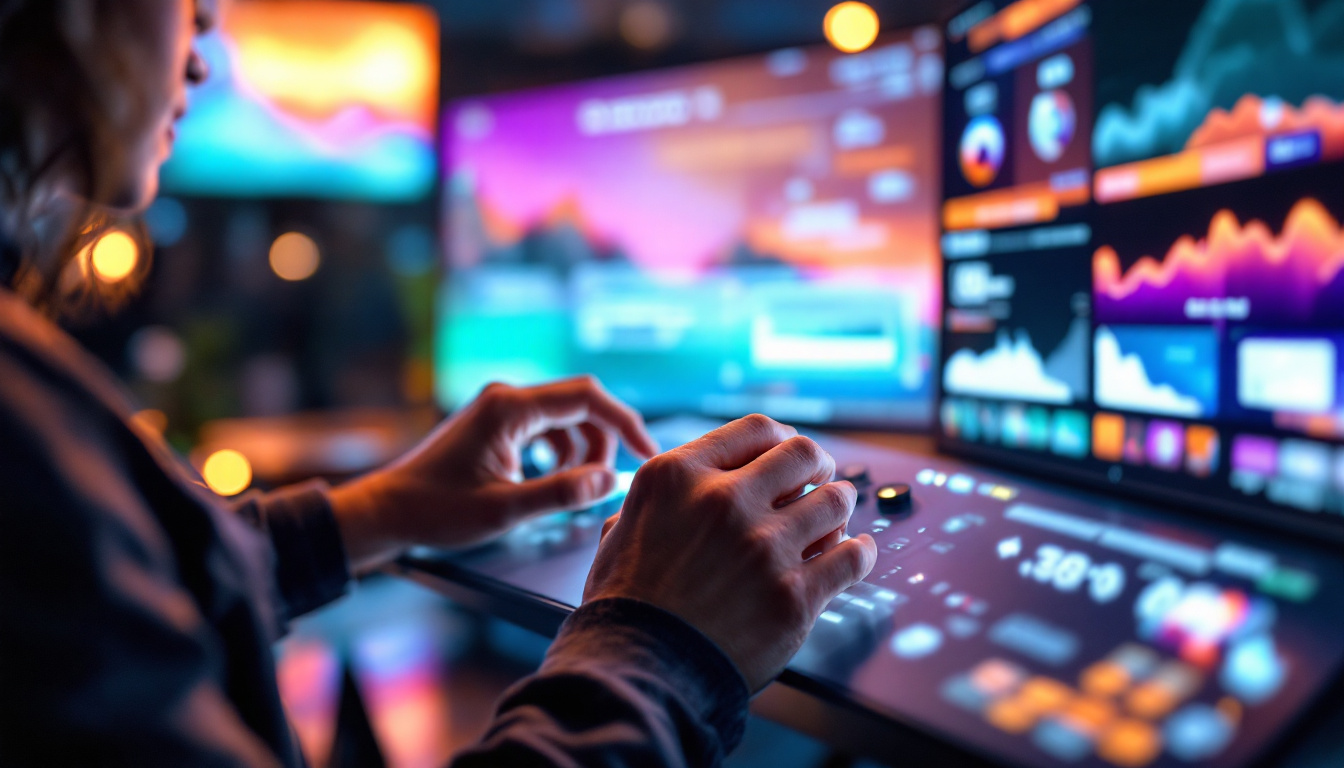
- Remote Management: Allowing operators to update content and monitor display status from anywhere via the internet. This feature enables businesses to respond quickly to changing conditions or promotional needs, ensuring that their messaging remains relevant and timely.
Moreover, the integration of artificial intelligence and machine learning into LED video sign boards is an emerging trend that promises to enhance their functionality. These technologies can analyze viewer engagement and optimize content delivery based on real-time data, enabling businesses to tailor their messages to specific audiences and improve overall effectiveness. As the technology continues to evolve, the potential applications for LED video sign boards are expanding, paving the way for even more innovative uses in the future.
Applications of LED Video Sign Boards
Advertising and Marketing
One of the most widespread uses of LED video sign boards is in advertising. According to a 2023 report by the Digital Signage Federation, digital out-of-home advertising, which includes LED displays, is expected to grow at a compound annual growth rate (CAGR) of 12.3% through 2027. This growth is driven by the ability of LED signs to deliver eye-catching, dynamic content that can be updated in real-time.
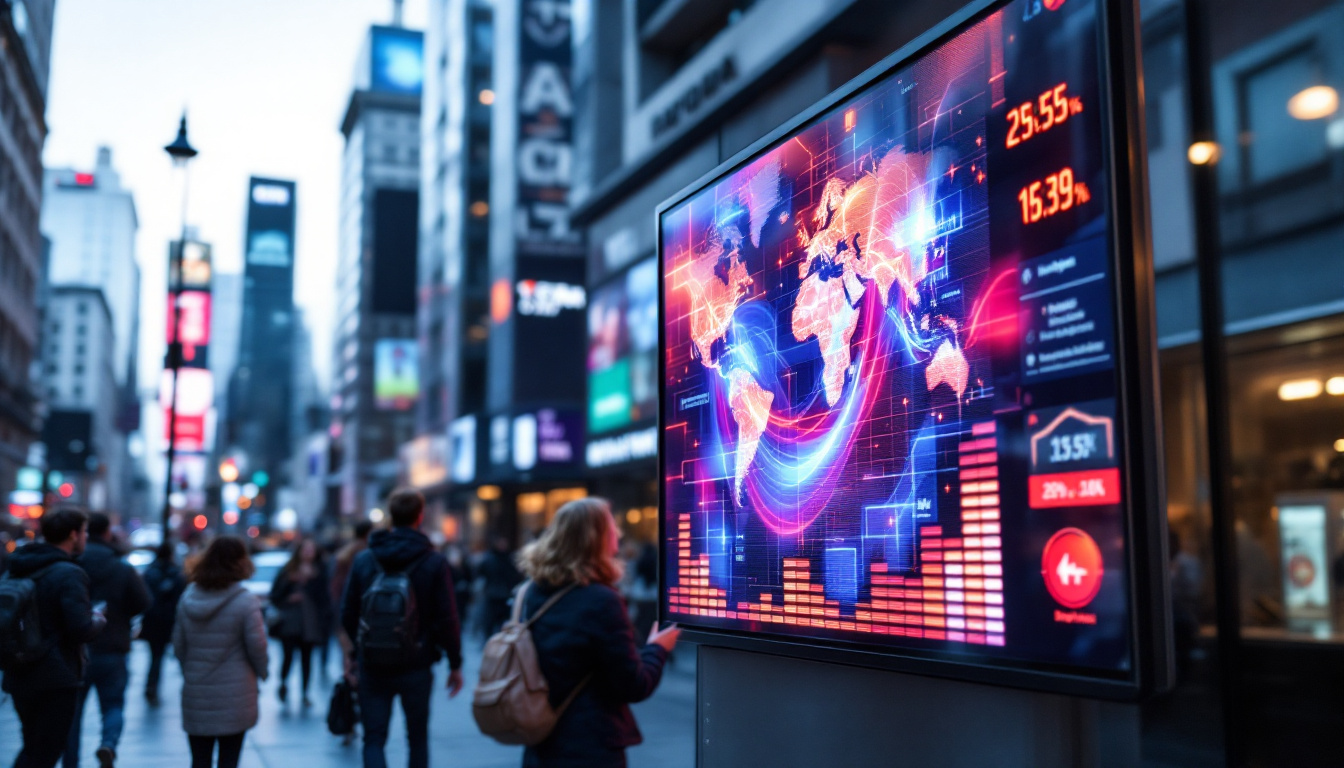
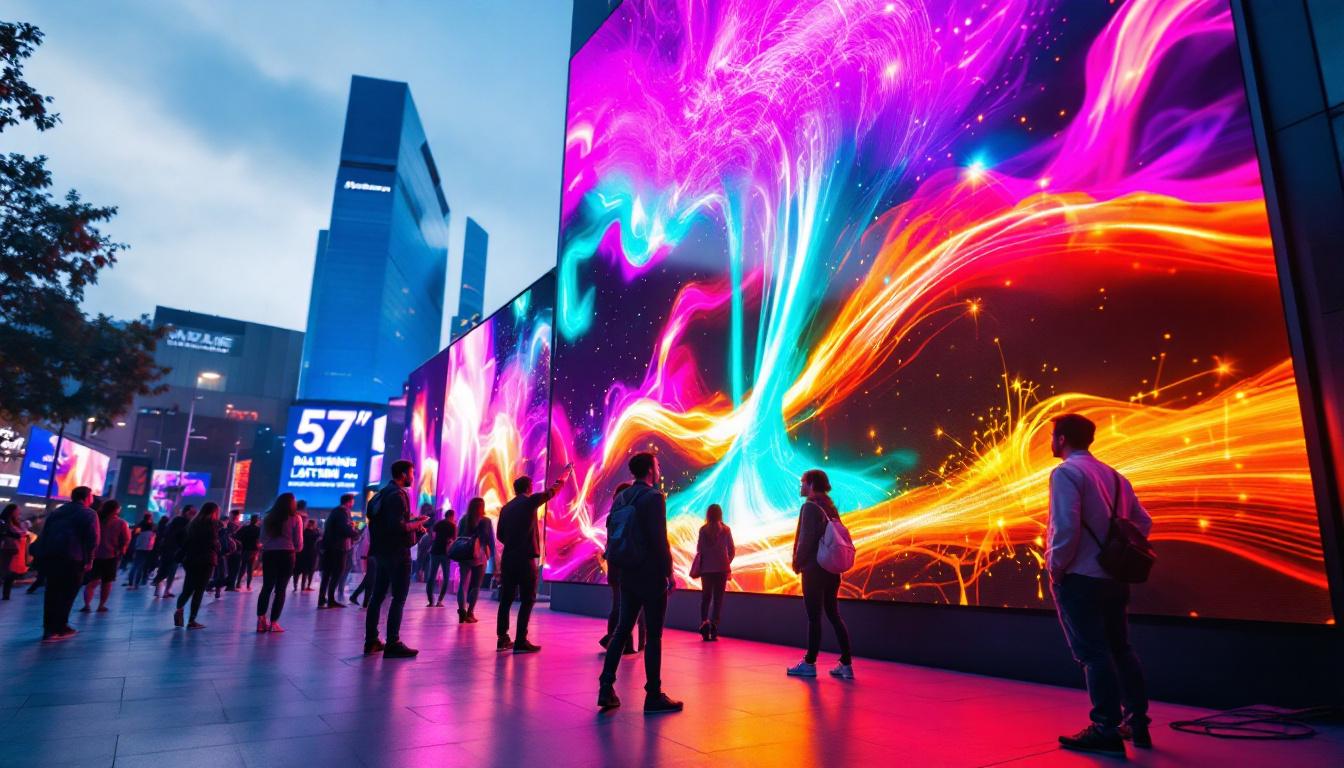
Retailers use LED video boards to highlight promotions, new products, and brand messages. In urban centers, large LED billboards attract millions of viewers daily, offering advertisers a high-impact medium. The flexibility to schedule different ads throughout the day also maximizes revenue opportunities.
Public Information and Safety
Municipalities and transportation authorities deploy LED video sign boards to disseminate critical information such as traffic updates, weather alerts, and emergency notifications. Their high visibility and ability to display changing messages make them invaluable in managing public safety.
For example, during natural disasters or public health emergencies, LED signs can broadcast timely instructions to large audiences, helping coordinate responses and save lives.
Entertainment and Events
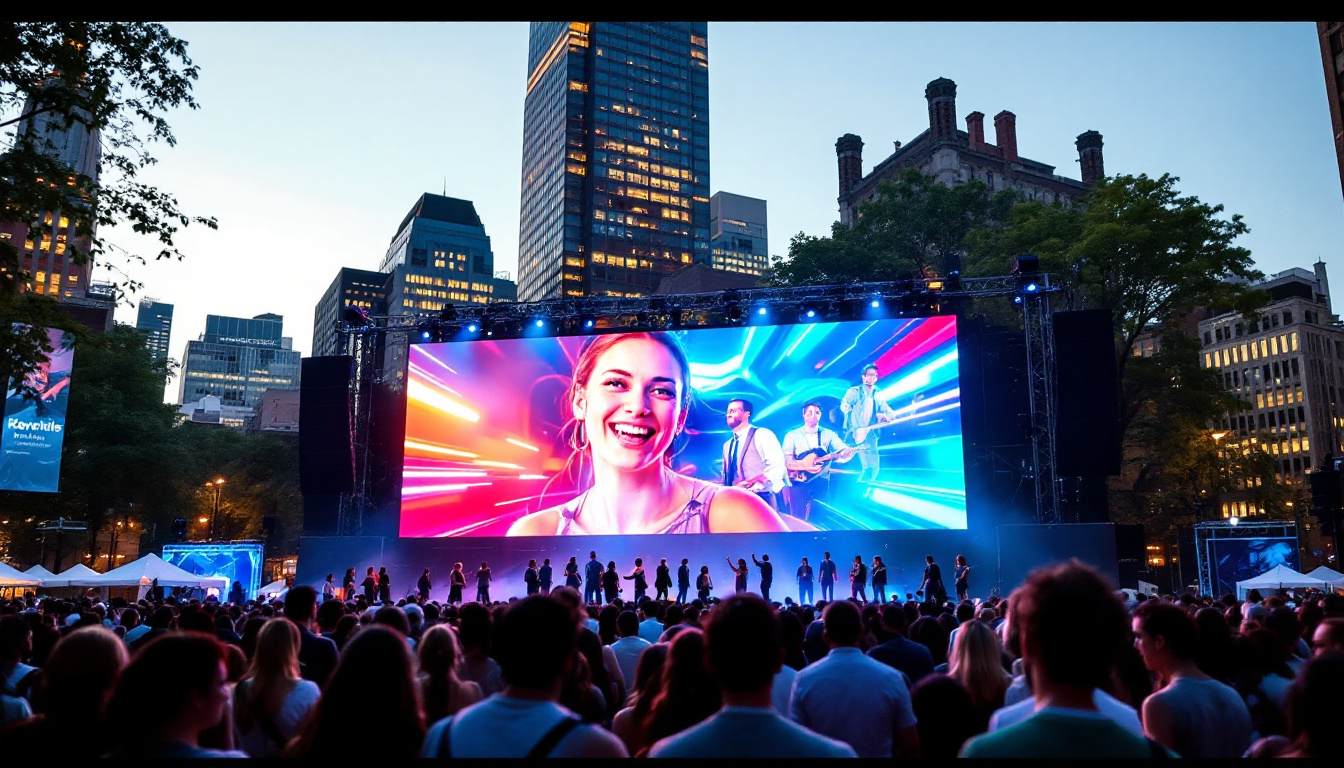
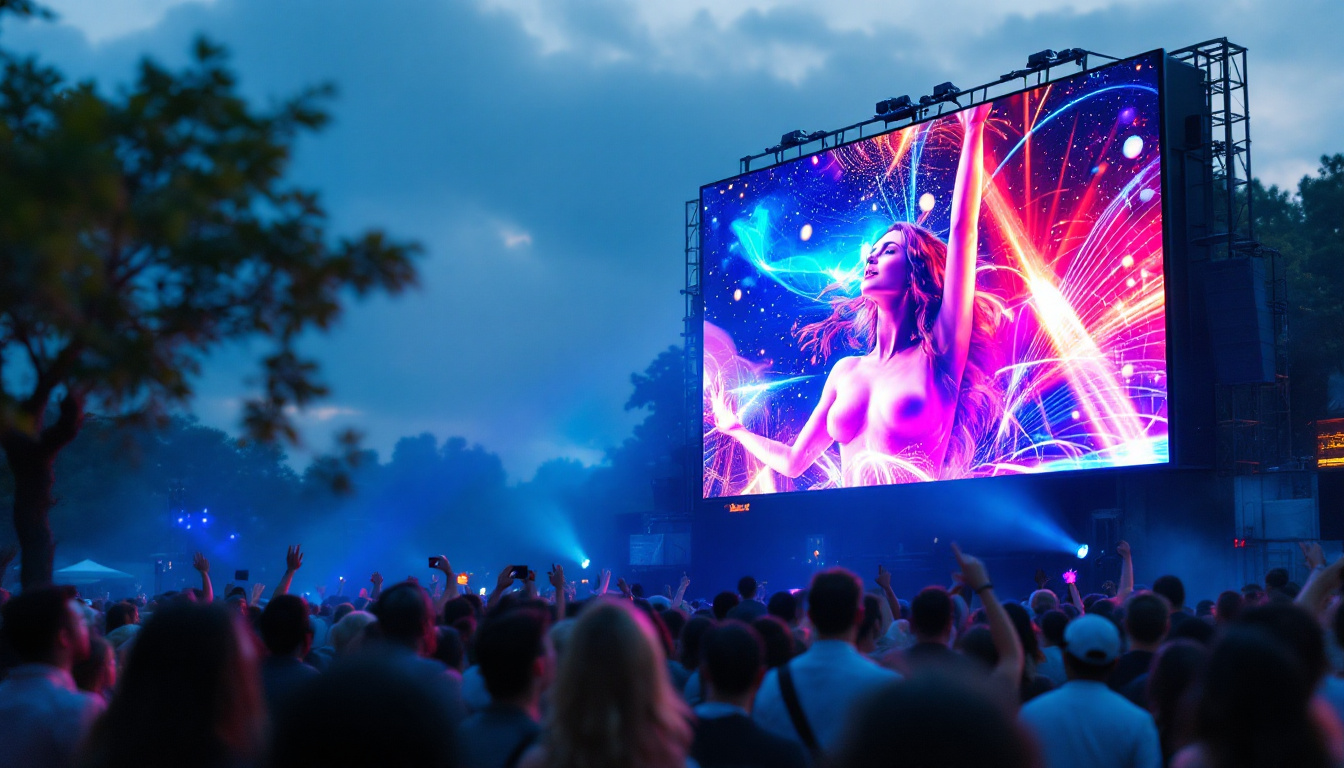
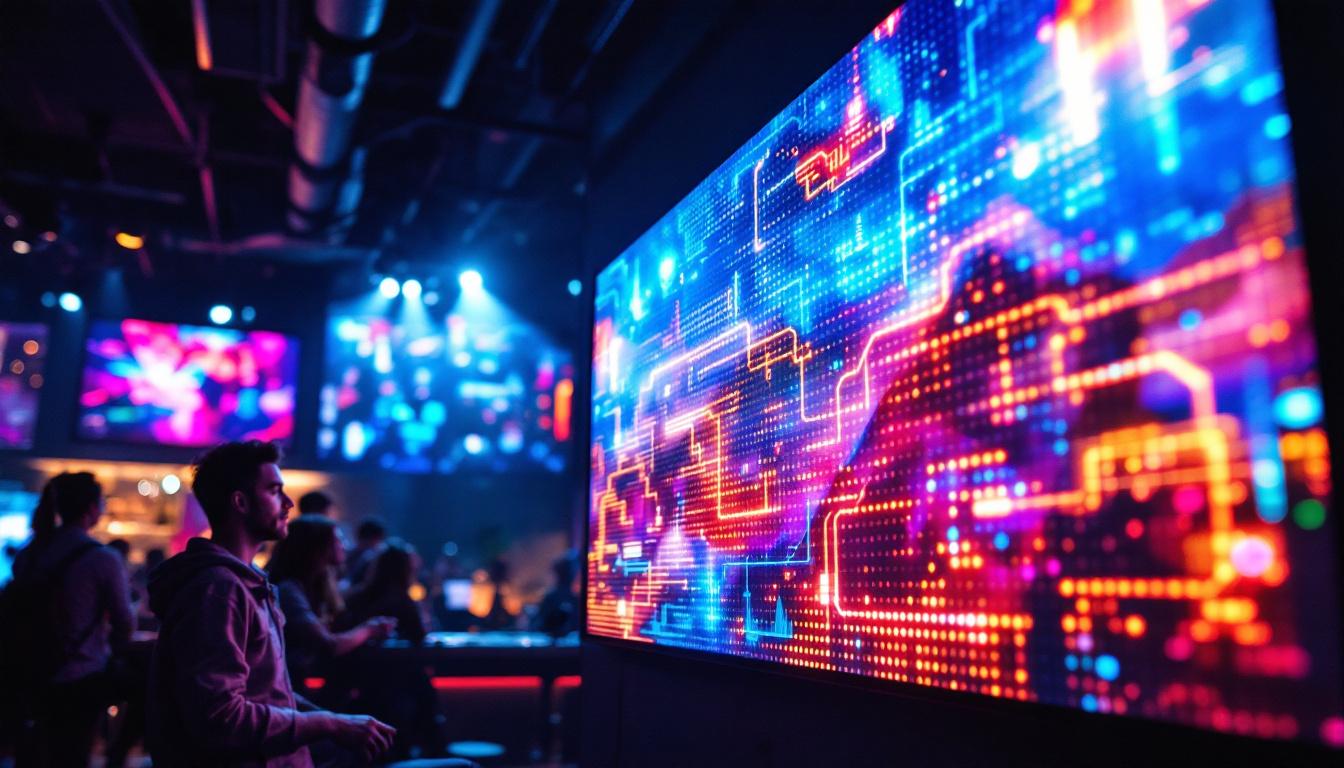
In arenas, concert venues, and festivals, LED video sign boards enhance the spectator experience by displaying live feeds, replays, and interactive content. Their large size and brightness ensure visibility even in daylight or large crowds.
Sports stadiums often use LED displays to show scores, player statistics, and advertisements, creating an immersive environment that engages fans and generates additional revenue streams.
Benefits of LED Video Sign Boards
High Visibility and Brightness
LED displays are renowned for their superior brightness, often reaching up to 10,000 nits, which allows them to remain visible even in direct sunlight. This makes them ideal for outdoor applications where traditional screens would struggle.
The vibrant colors and high contrast ratios contribute to clear, attention-grabbing visuals that can be seen from considerable distances, increasing the effectiveness of the communication.
Energy Efficiency and Longevity
Compared to older display technologies, LEDs consume significantly less power. Advances in LED efficiency mean that large video sign boards can operate continuously without excessive energy costs.
Additionally, LED modules have a long lifespan, often exceeding 100,000 hours of operation, which translates to years of reliable service with minimal maintenance.
Flexibility and Customization
The modular design of LED panels allows for displays of virtually any size and shape. This flexibility enables creative installations that can fit unique architectural spaces or branding needs.
Content can be updated instantly, enabling targeted messaging, time-sensitive promotions, or interactive campaigns. This adaptability is a major advantage over static signage.
Durability and Weather Resistance
Outdoor LED video sign boards are built to withstand harsh environmental conditions, including rain, wind, dust, and temperature extremes. Many feature IP65 or higher ratings, indicating robust protection against water and dust ingress.
This durability ensures consistent performance and reduces downtime, which is critical for public-facing displays.
Key Considerations When Choosing an LED Video Sign Board
Pixel Pitch and Resolution
Pixel pitch—the distance between individual LEDs—directly affects the display’s resolution and viewing distance. A smaller pixel pitch means higher resolution and better image clarity at close range but usually comes at a higher cost.
For example, a retail store window display viewed from a few feet away might require a 2 mm pixel pitch, while a highway billboard viewed from hundreds of feet away could use a 16 mm pitch.
Brightness and Ambient Light Conditions
Understanding the ambient light environment is essential to selecting the appropriate brightness level. Outdoor displays typically require higher brightness to combat sunlight glare, while indoor displays can operate at lower brightness levels, conserving energy.
Content Management Systems (CMS)
The software used to control and schedule content plays a vital role in the effectiveness of LED video sign boards. A robust CMS allows users to easily upload, schedule, and monitor content remotely, often supporting multiple users and locations.
Some CMS platforms also offer analytics, enabling advertisers and operators to measure engagement and optimize campaigns.
Installation and Maintenance
Proper installation is critical to ensure the longevity and performance of LED video sign boards. Factors such as mounting structure, ventilation, and power supply must be carefully planned.
Maintenance considerations include ease of access for repairs, availability of replacement modules, and technical support. Investing in quality installation and support services can prevent costly downtime.
Future Trends in LED Video Sign Boards
Advancements in Mini LED and Micro LED Technologies
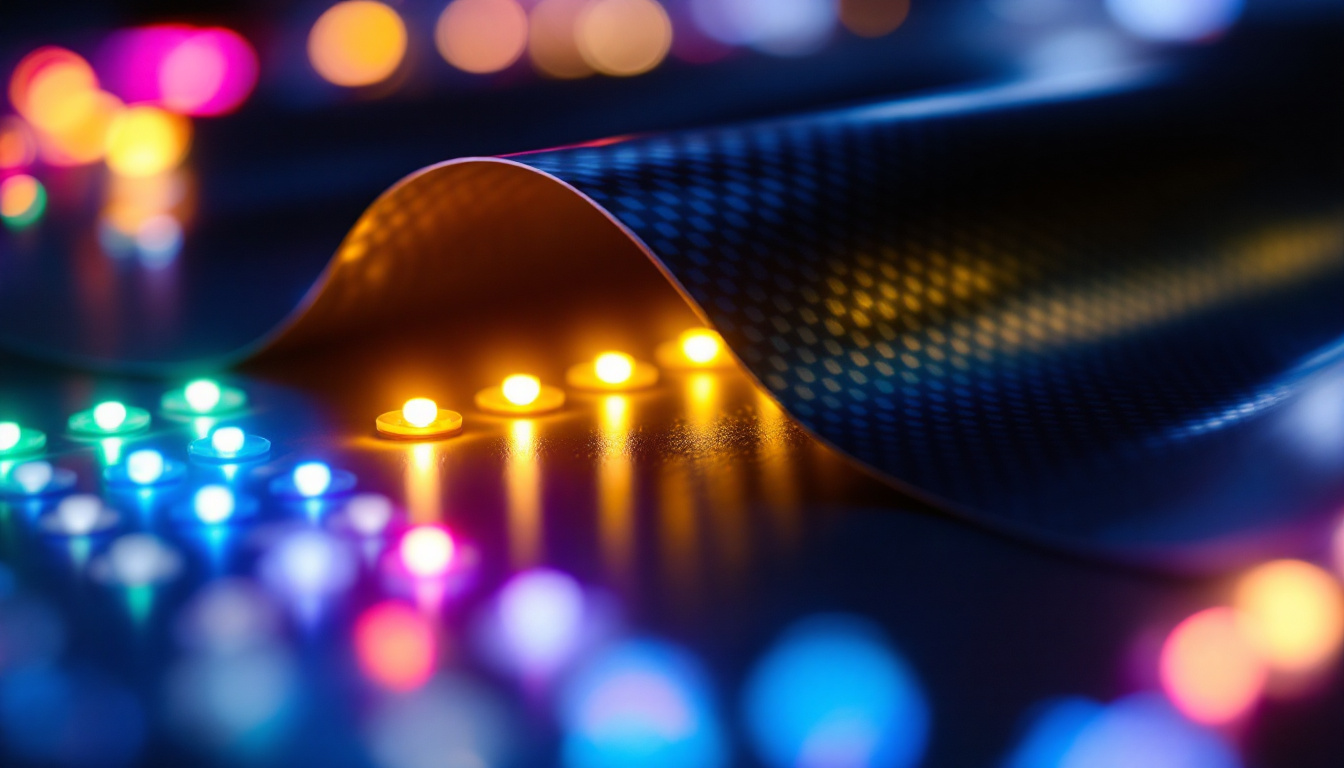
Emerging technologies like Mini LED and Micro LED promise even higher resolution, improved color accuracy, and greater energy efficiency. These developments will enable thinner, lighter, and more flexible displays, expanding the possibilities for video sign boards.
Integration with Artificial Intelligence and IoT
Smart LED displays integrated with AI and Internet of Things (IoT) technologies are becoming more common. These systems can adapt content in real-time based on audience demographics, weather conditions, or traffic patterns, maximizing relevance and impact.
Sustainability and Eco-Friendly Designs
As environmental concerns grow, manufacturers are focusing on sustainable materials, energy-saving designs, and recycling programs for LED displays. This shift aligns with corporate social responsibility goals and regulatory requirements.
Conclusion
LED video sign boards represent a dynamic and versatile communication medium that continues to evolve with technological advancements. Their ability to deliver bright, engaging, and customizable content makes them indispensable across industries, from advertising and public safety to entertainment.
Understanding the technical aspects, applications, and future trends of LED displays empowers businesses and organizations to make informed decisions when investing in digital signage solutions. With proper planning and execution, LED video sign boards can significantly enhance visibility, engagement, and overall communication effectiveness.
Illuminate Your Message with LumenMatrix
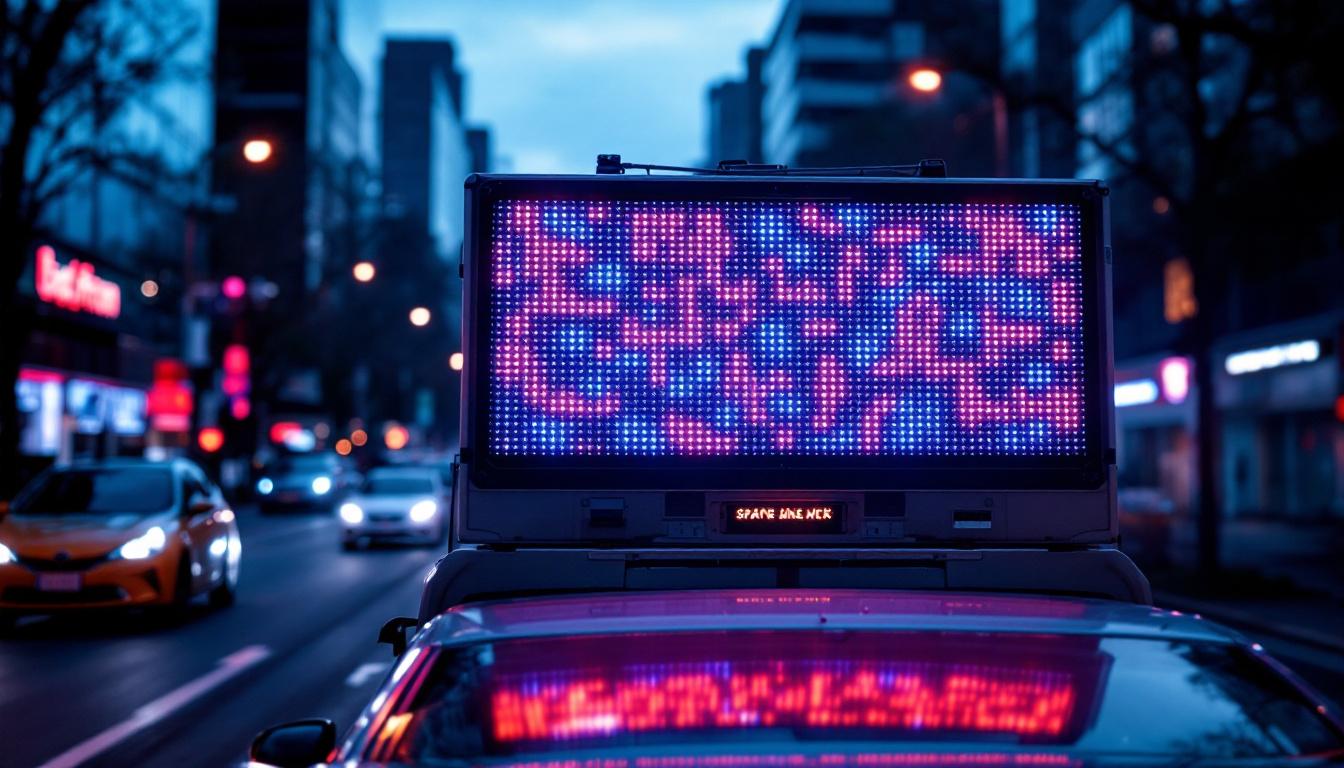
Ready to elevate your brand’s visibility and captivate your audience with vibrant, high-resolution LED displays? LumenMatrix is at the forefront of LED display innovation, offering a wide range of solutions tailored to your unique needs. From indoor and outdoor displays to specialized options like vehicle and sports displays, our technology is designed to revolutionize visual communication. Discover how our LED display modules can transform your messaging and create unforgettable visual experiences. Check out LumenMatrix LED Display Solutions today and light up your world with clarity and impact.