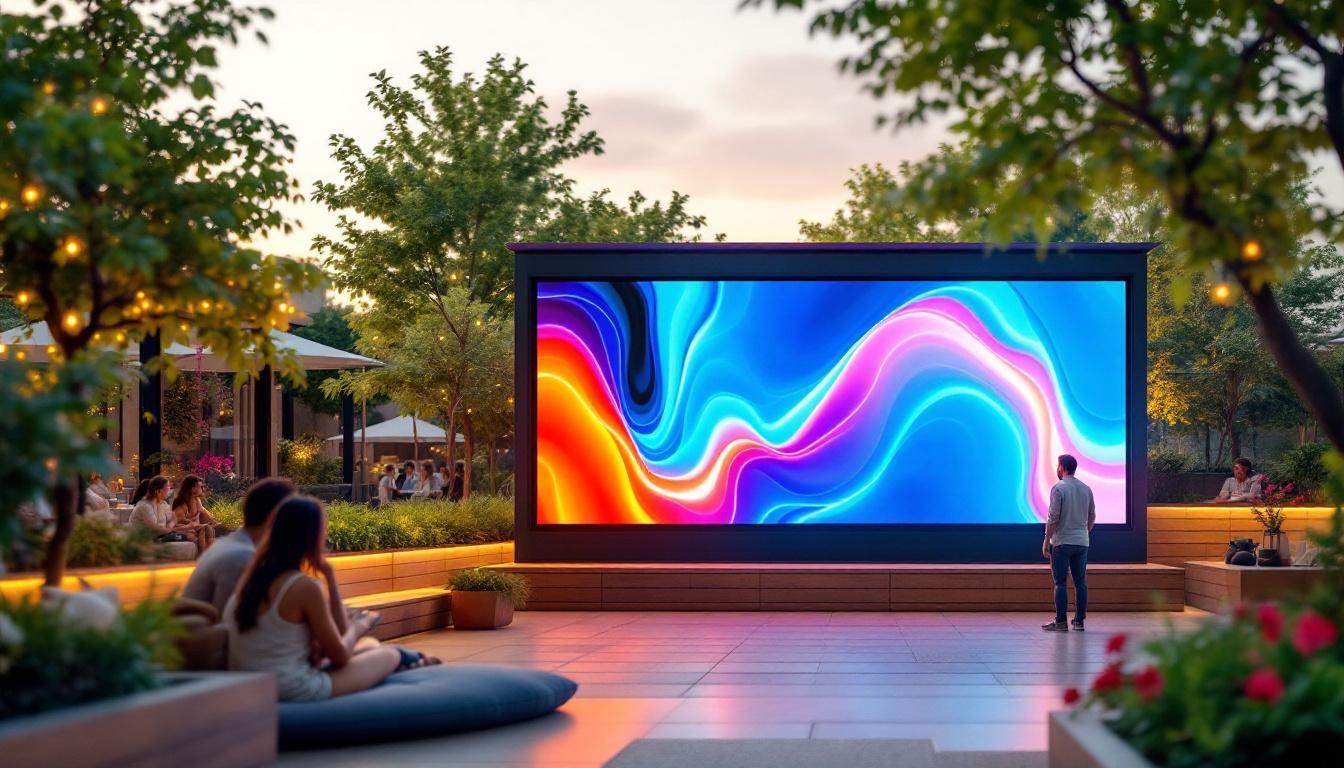
Exterior lighting has evolved significantly over the past decade, with LED technology leading the charge in energy efficiency, durability, and design flexibility. Integral to the successful installation and performance of these lights are mounting blocks—often overlooked components that play a crucial role in both the aesthetics and functionality of exterior LED displays. This article delves into the importance of mounting blocks for exterior lights, focusing on LED displays, and offers insights into their types, installation techniques, and best practices.
Understanding Mounting Blocks: The Foundation of Exterior LED Lighting
Mounting blocks are specialized fixtures or supports designed to securely attach exterior lights to various surfaces such as walls, poles, or ceilings. For LED displays, which often consist of multiple interconnected modules, mounting blocks provide the necessary structural integrity and alignment precision. They come in various shapes and sizes, tailored to accommodate different types of lighting fixtures and installation environments, ensuring that each installation is both functional and aesthetically pleasing.
Without proper mounting, LED displays can suffer from misalignment, reduced lifespan due to environmental exposure, and compromised visual performance. Given that exterior lighting is subjected to harsh weather conditions—including rain, wind, UV exposure, and temperature fluctuations—the choice and quality of mounting blocks become even more critical. High-quality materials, such as corrosion-resistant metals or durable plastics, are often used to manufacture these blocks, enhancing their longevity and performance in challenging conditions.
Why Mounting Blocks Matter for LED Displays
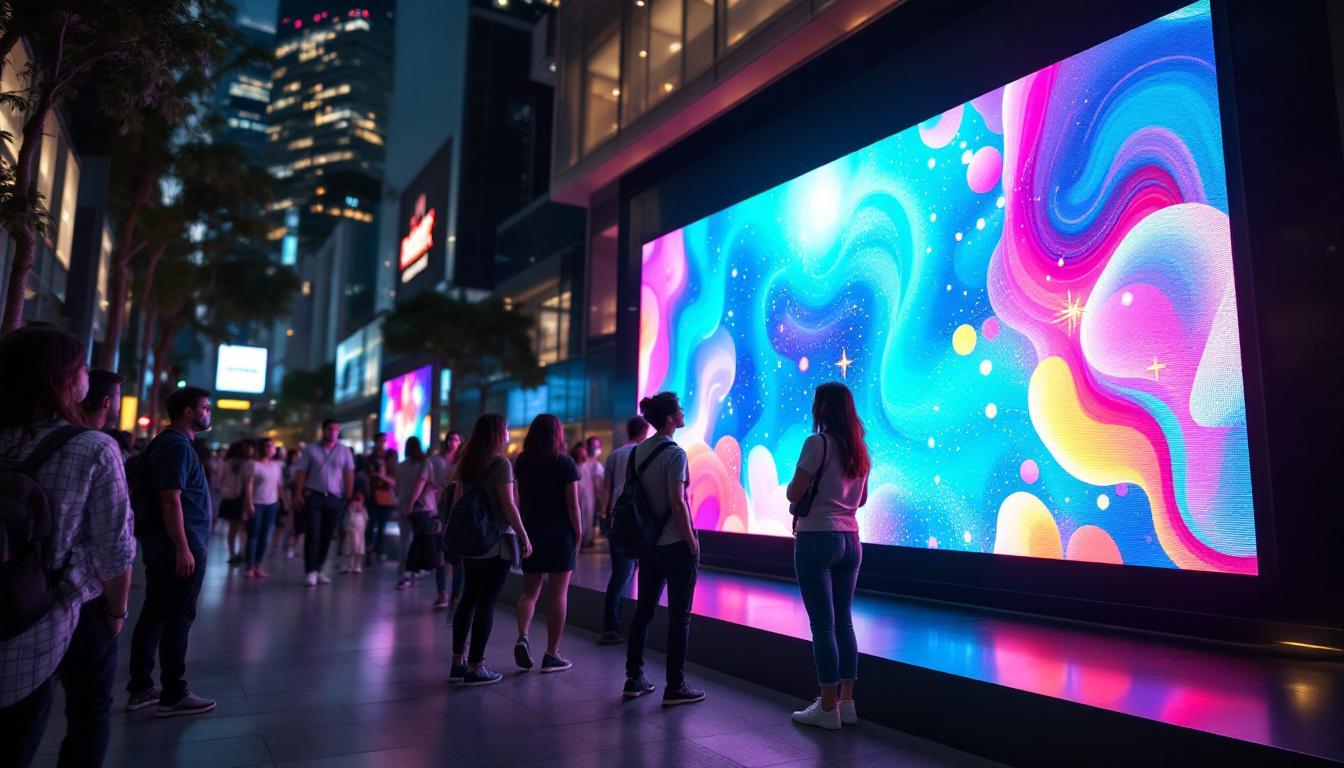
LED displays, especially those used outdoors for advertising, architectural illumination, or safety signaling, require precise positioning to ensure uniform brightness and color consistency. Mounting blocks help maintain this precision by providing a stable platform that resists shifting and vibration. This stability is vital not only for the visual integrity of the display but also for the safety of the installation, as improperly mounted lights can pose hazards to pedestrians and vehicles alike.
Moreover, mounting blocks facilitate easier maintenance and upgrades. Many modern mounting systems are designed to allow quick removal and reattachment of LED modules without dismantling the entire setup, reducing downtime and labor costs. This feature is particularly beneficial for businesses that rely on dynamic advertising, as it allows them to frequently update their messaging without significant interruptions. Additionally, some advanced mounting solutions incorporate features such as adjustable angles and built-in cable management systems, further enhancing the versatility and functionality of the lighting setup. These innovations not only improve the user experience but also contribute to the overall efficiency of LED lighting installations.
Types of Mounting Blocks for Exterior LED Lights
There is a diverse range of mounting blocks available, each tailored to specific applications and installation environments. Understanding the differences helps in selecting the right solution for your LED display project.
Surface Mounting Blocks
Surface mounting blocks are the most common type, designed to attach directly to flat surfaces such as walls or facades. They typically come in materials like UV-resistant plastic, aluminum, or stainless steel to withstand outdoor conditions.
These blocks often feature adjustable brackets or slots to accommodate different LED module sizes and allow for fine-tuning the angle of the light. For example, an LED floodlight mounted on a wall may require a mounting block with tilt functionality to direct light precisely where needed.
Pole Mounting Blocks
For applications such as street lighting or signage, pole mounting blocks are essential. These blocks are engineered to clamp securely around poles of varying diameters and provide a robust base for LED fixtures.
Many pole mounting blocks include vibration dampening features to protect sensitive LED electronics from mechanical stress. Additionally, corrosion-resistant coatings are common to extend the lifespan in outdoor environments.
Recessed Mounting Blocks
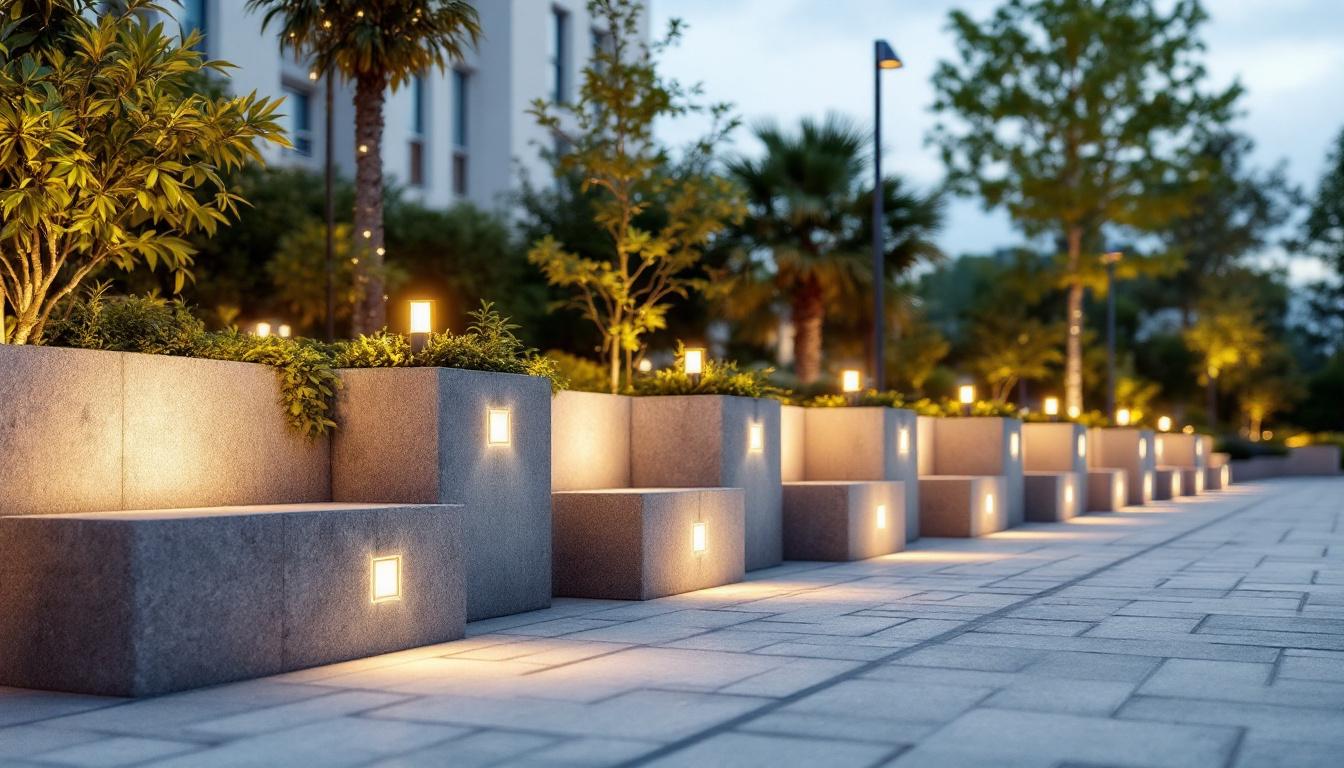
Recessed mounting blocks are designed to embed LED modules flush with the mounting surface, creating a sleek, integrated look. This type is often used in architectural lighting where minimal visual intrusion is desired.
Installation of recessed mounting blocks requires precise cutting and preparation of the mounting surface, making them more suitable for planned installations rather than retrofit projects.
Material Considerations for Mounting Blocks in Exterior LED Applications
The choice of material for mounting blocks significantly impacts durability, weight, and cost. Since exterior LED displays face exposure to weather and environmental pollutants, materials must be carefully selected to ensure longevity and safety.
Aluminum: Lightweight and Durable
Aluminum is widely favored for mounting blocks due to its excellent strength-to-weight ratio and natural corrosion resistance. Anodized aluminum variants offer enhanced protection against oxidation and UV damage, making them ideal for coastal or industrial environments.
Additionally, aluminum’s thermal conductivity helps dissipate heat generated by LED modules, contributing to better performance and longer lifespan.
Stainless Steel: Heavy-Duty and Corrosion-Resistant
Stainless steel mounting blocks provide superior mechanical strength and resistance to rust, especially grades like 316 stainless steel. These are preferred in highly corrosive environments or where structural integrity is paramount, such as in marine or chemical plant installations.
The trade-off is increased weight and cost compared to aluminum, which may affect installation complexity and budget.
UV-Resistant Plastics and Composites
High-grade plastics and composite materials are increasingly used for mounting blocks due to their resistance to UV radiation, moisture, and chemicals. They are lightweight and often easier to manufacture in complex shapes, allowing for innovative mounting designs.
However, plastics may not offer the same mechanical strength as metals and can degrade over time under extreme temperature variations, so their use is generally limited to lighter fixtures or decorative applications.
Installation Best Practices for Mounting Blocks on Exterior LED Displays
Proper installation is critical to maximize the performance and lifespan of exterior LED lighting systems. Mounting blocks must be installed with attention to detail, ensuring stability, alignment, and protection from environmental factors.
Site Assessment and Surface Preparation
Before installation, a thorough site assessment should be conducted to evaluate the mounting surface’s condition, load-bearing capacity, and exposure to elements. Surfaces should be clean, dry, and free of debris to ensure secure attachment.
In some cases, reinforcement of the mounting area may be necessary, especially when dealing with older structures or unconventional materials like wood or composite panels.
Using Appropriate Fasteners and Sealants
The choice of fasteners—such as stainless steel screws, bolts, or anchors—must be compatible with both the mounting block material and the surface. Corrosion-resistant fasteners prevent rust stains and structural weakening.
Sealants or gaskets are often applied around mounting points to prevent water ingress, which can damage LED electronics and wiring. Weatherproofing is particularly important in climates with heavy rainfall or freeze-thaw cycles.
Alignment and Angle Adjustment
Ensuring correct alignment during installation is vital for uniform light distribution and the overall visual impact of LED displays. Many mounting blocks feature adjustable brackets or swivel joints to facilitate precise positioning.
Technicians should use levels, laser alignment tools, or templates to achieve consistent angles across multiple fixtures, especially in large-scale LED display arrays.
Electrical Considerations and Cable Management
Mounting blocks should accommodate wiring and connectors without compromising protection. Integrated cable channels or clips help organize cables, reducing strain and exposure to the elements.
Proper grounding and adherence to electrical codes are essential to ensure safety and prevent electrical faults.
Maintenance and Longevity of Mounting Blocks in Outdoor LED Systems
Regular maintenance extends the life of mounting blocks and the LED fixtures they support. Outdoor lighting systems are subject to wear and tear from environmental exposure, mechanical stress, and accumulation of dirt or debris.
Routine Inspections
Scheduled inspections should check for signs of corrosion, loosening of fasteners, cracks, or deformation of mounting blocks. Early detection of issues allows for timely repairs, preventing more significant damage or fixture failure.
Inspections are particularly important after severe weather events such as storms or heavy winds.
Cleaning and Environmental Protection
Cleaning mounting blocks and LED fixtures removes dirt, salt deposits, and biological growth like moss or algae, which can degrade materials and reduce light output. Use non-abrasive cleaners and soft brushes to avoid damaging surfaces.
Applying protective coatings or repainting metal mounting blocks can further enhance resistance to corrosion and UV degradation.
Upgrading and Retrofitting
As LED technology advances, upgrading exterior lighting systems may involve replacing fixtures or modules. Modular mounting block designs simplify this process by allowing individual components to be swapped without dismantling the entire structure.
When retrofitting, ensure that new mounting blocks are compatible with existing infrastructure and meet current standards for safety and performance.
Emerging Trends in Mounting Blocks for Exterior LED Displays
Innovation in materials science and design is driving new developments in mounting blocks that improve installation efficiency, durability, and integration with smart lighting systems.
Smart Mounting Systems
Some manufacturers are developing mounting blocks with embedded sensors or IoT connectivity, enabling real-time monitoring of fixture status, environmental conditions, and structural integrity. This data helps optimize maintenance schedules and detect faults early.
Eco-Friendly Materials
Increasing environmental awareness is prompting the use of recycled and sustainable materials in mounting block production. Biodegradable composites and low-impact manufacturing processes reduce the carbon footprint of exterior lighting installations.
Tool-Free and Modular Designs
To speed up installation and reduce labor costs, tool-free mounting blocks with snap-fit mechanisms and modular components are gaining popularity. These designs facilitate quick assembly and disassembly, ideal for temporary installations or events.
Conclusion
Mounting blocks are fundamental yet often underestimated components in the deployment of exterior LED lighting and displays. Their selection, material composition, and installation directly affect the durability, performance, and aesthetic quality of the lighting system.
By understanding the various types of mounting blocks, adhering to best installation practices, and staying informed about emerging technologies, designers, installers, and facility managers can ensure that their exterior LED displays deliver reliable, energy-efficient illumination for years to come.
Explore Cutting-Edge LED Display Solutions with LumenMatrix
Ready to elevate your exterior lighting with the latest in LED technology? LumenMatrix is at the forefront of innovative LED display solutions, offering a wide array of products from Indoor and Outdoor LED Wall Displays to specialized options like Vehicle, Sports, and Floor LED Displays. Our mission is to transform visual communication, ensuring your message resonates with stunning clarity and visual impact. Don’t just take our word for it; check out LumenMatrix LED Display Solutions today and see the difference for yourself!