In the rapidly evolving world of television technology, one trend is capturing the imagination of both manufacturers and consumers alike: edgeless televisions. These sleek, borderless screens promise an immersive viewing experience that traditional TVs struggle to match. Central to this innovation is the LED display technology, which has undergone significant advancements to enable these virtually bezel-free designs. This article explores what edgeless televisions are, how LED displays make them possible, and why they represent the future of home entertainment.
Understanding Edgeless Television: What Does It Mean?
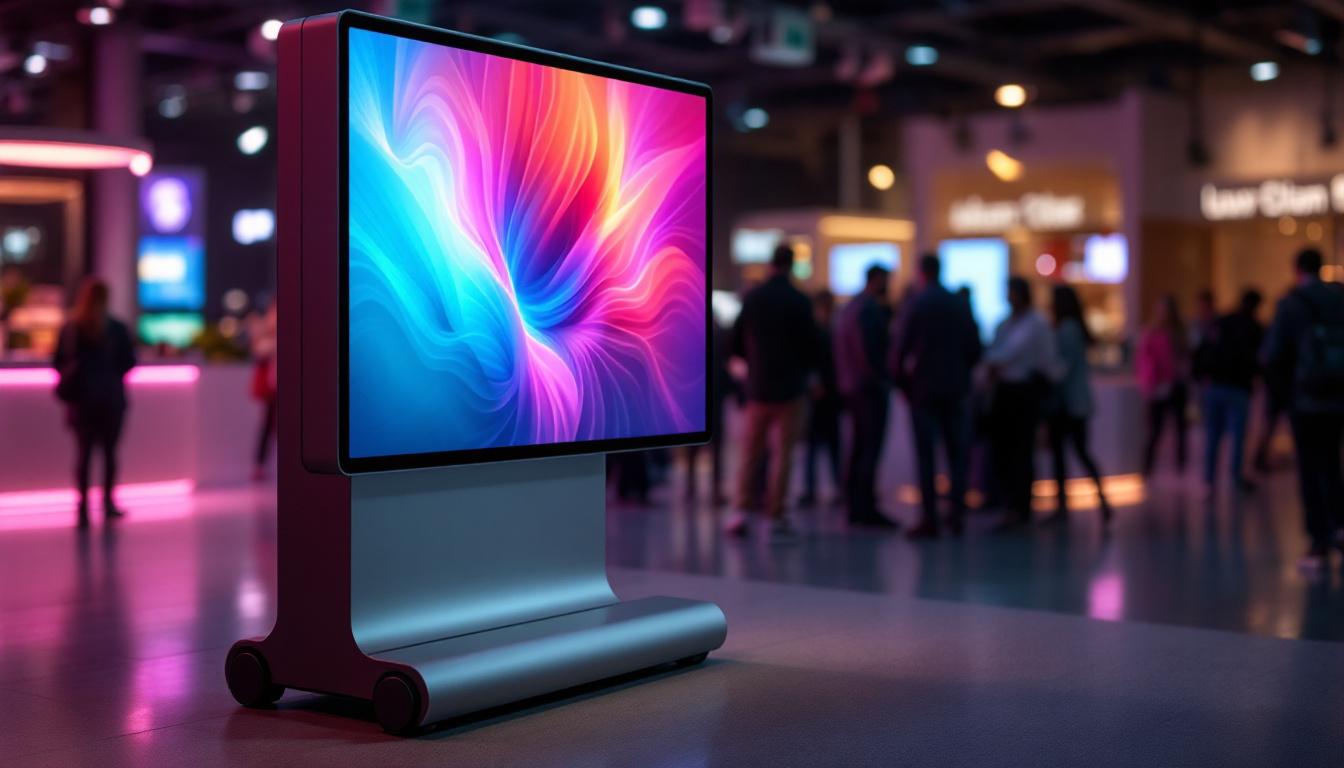
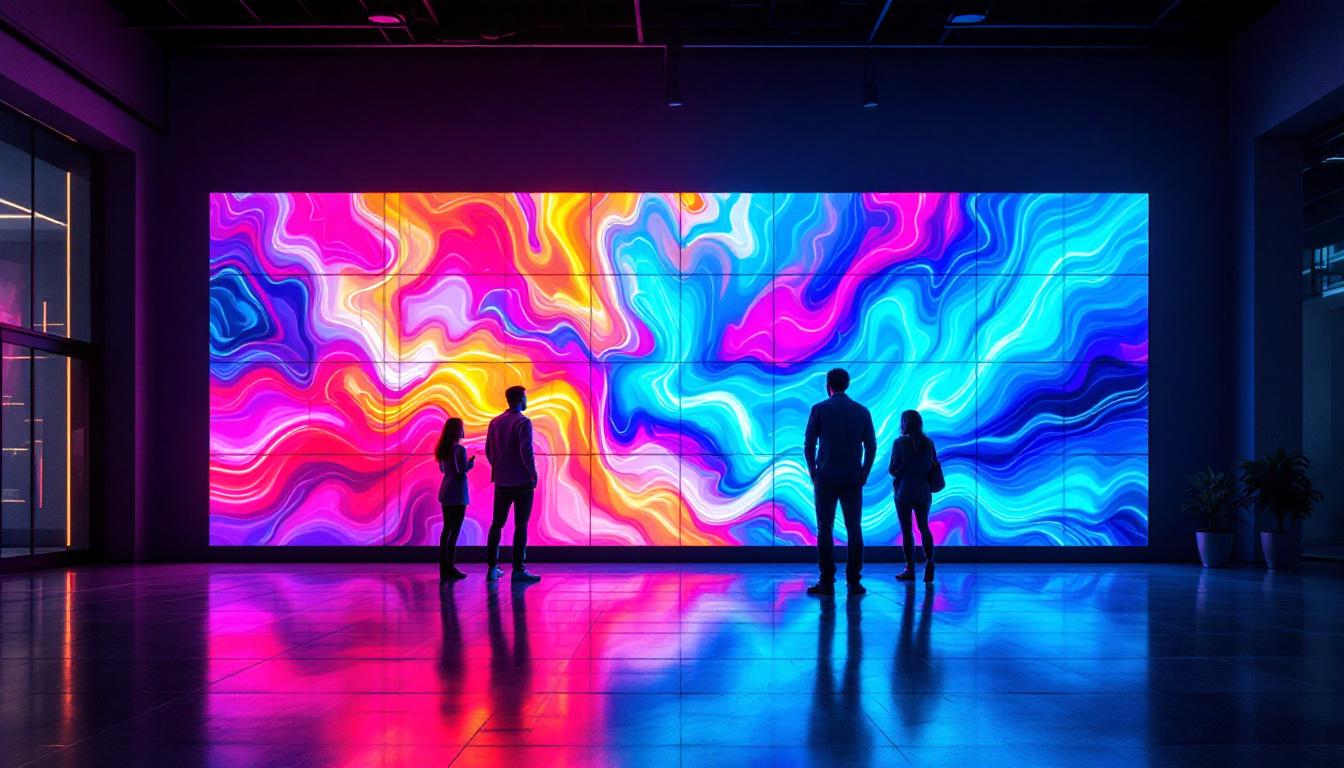
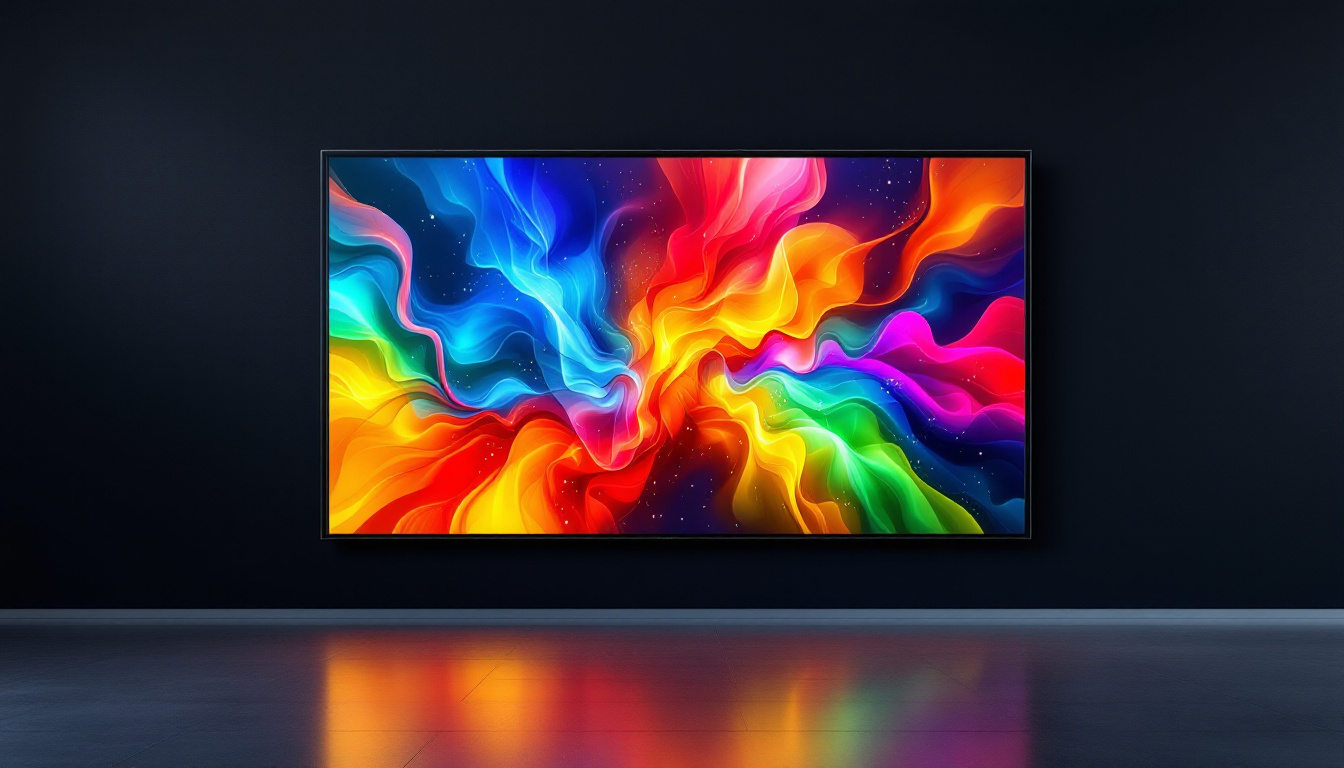
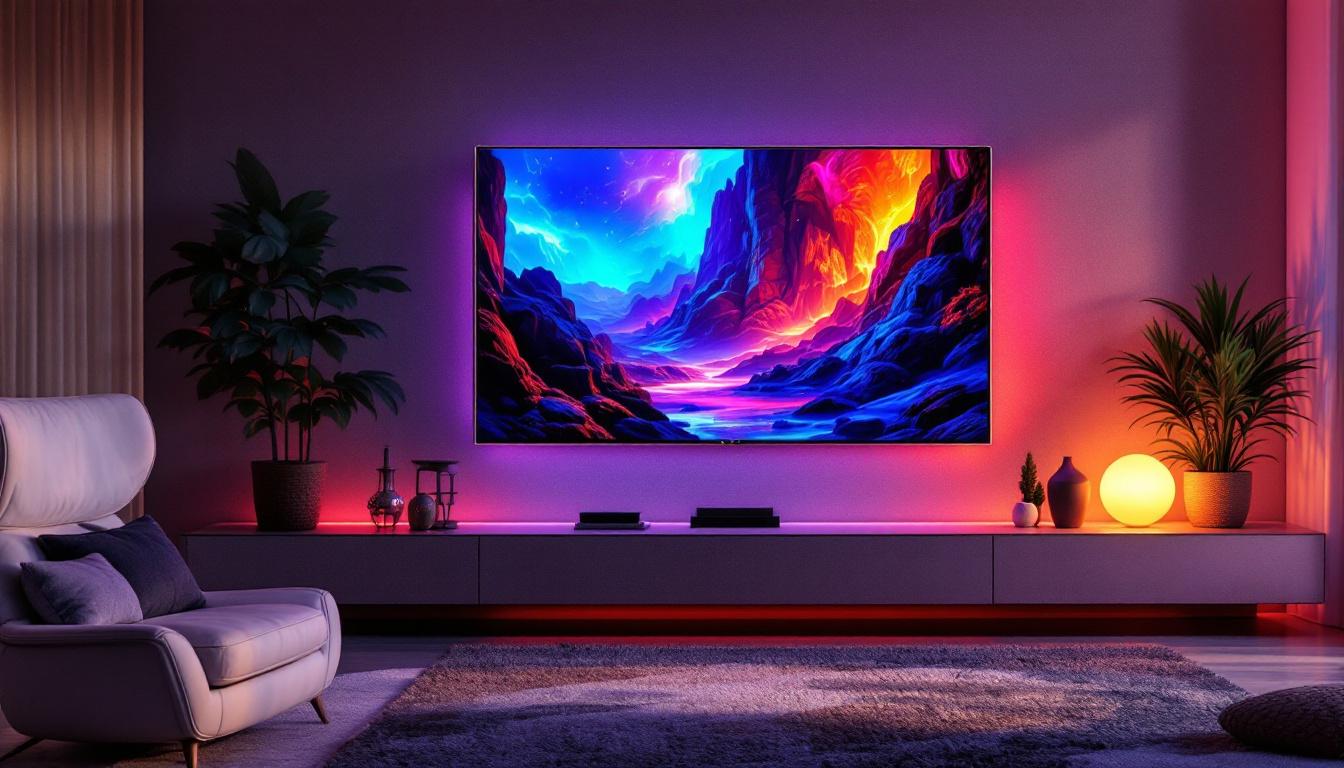
The term “edgeless television” refers to screens that have minimal to no visible bezels or borders around the display area. Unlike conventional TVs, which often feature thick plastic or metal frames, edgeless TVs aim to maximize the screen real estate, creating a seamless, almost floating effect when viewed from the front.
This design philosophy is not just about aesthetics; it also enhances the viewer’s immersion. With no distracting edges, the content appears to extend beyond the physical boundaries of the screen, making movies, games, and shows feel more engaging. The concept aligns with broader trends in consumer electronics, where devices like smartphones and monitors are also moving toward edge-to-edge displays.
The Evolution of Television Bezels
Historically, television sets had large bezels that housed speakers, controls, and structural components. As technology miniaturized and manufacturing techniques improved, bezels shrank considerably. The transition from cathode ray tube (CRT) to flat-panel displays like LCD and LED allowed for thinner profiles and smaller frames.
Today, the push for edgeless designs is driven by consumer demand for sleek, modern aesthetics and the desire for a more cinematic experience at home. Manufacturers have responded by innovating display technologies and chassis designs that enable these near-invisible borders. The integration of advanced materials such as ultra-thin glass and innovative adhesives has allowed for the creation of screens that not only look stunning but are also durable and functional.
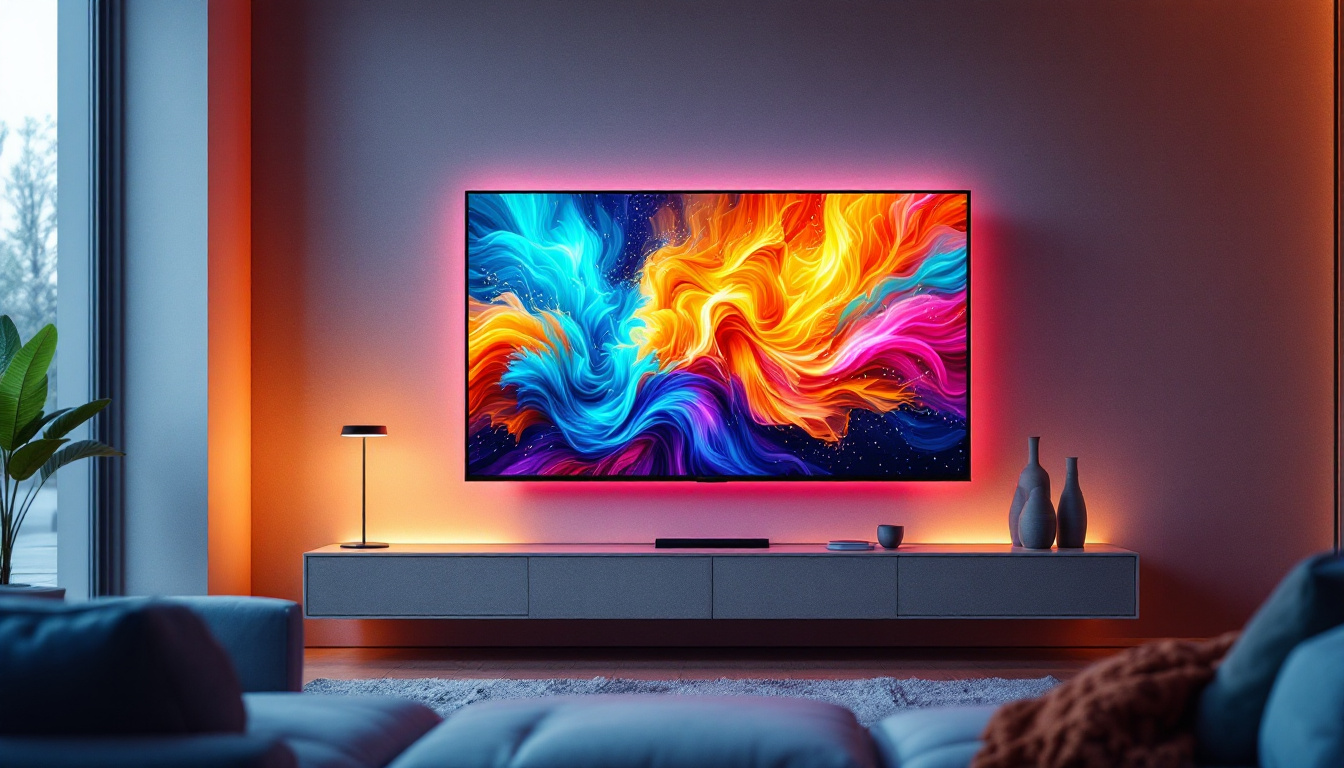
Moreover, the rise of smart TVs has further influenced the design of edgeless televisions. With the inclusion of smart features, such as voice control and streaming capabilities, manufacturers are focusing on creating a unified look that blends seamlessly into any living space. The edgeless design complements this trend by allowing the television to appear as a piece of art when not in use, encouraging consumers to incorporate technology into their home decor without compromising on style. As a result, edgeless televisions are increasingly becoming a centerpiece in modern homes, reflecting the evolving relationship between technology and interior design.
LED Display Technology: The Backbone of Edgeless TVs
Light Emitting Diode (LED) technology is at the heart of modern television displays, including edgeless models. Understanding how LED displays work is crucial to appreciating why they are ideal for bezel-less designs.
What is an LED Display?
LED displays use an array of light-emitting diodes to illuminate pixels on the screen. In most modern TVs, the actual image is created by liquid crystal display (LCD) panels, which modulate light to form colors and images. The LEDs serve as the backlight source, shining through the LCD layer to produce the final image.
There are two primary types of LED backlighting: edge-lit and direct-lit (or full-array). Edge-lit LEDs are placed along the edges of the screen, while direct-lit LEDs are distributed evenly behind the entire panel. Both methods have implications for screen thickness, brightness, and uniformity. Edge-lit displays tend to be thinner and lighter, making them easier to mount on walls, while direct-lit models often provide superior brightness and color accuracy, particularly in darker scenes.
Advancements Enabling Edgeless Designs
Several technological advancements have made edgeless LED televisions possible:
- Mini-LED and Micro-LED Technology: These smaller LEDs allow for more precise backlighting control, thinner panels, and better brightness and contrast ratios. Micro-LEDs, in particular, are self-emissive, meaning each pixel emits its own light, eliminating the need for a separate backlight and enabling ultra-thin, borderless displays. This technology not only enhances the viewing experience with deeper blacks and vibrant colors but also opens up new possibilities for modular displays that can be customized to fit any space.
- Flexible Printed Circuit Boards (PCBs): Innovations in PCB design allow the circuitry that drives the LEDs to be integrated into thinner, more flexible substrates. This reduces the space needed around the edges, shrinking bezels further. The flexibility of these PCBs also contributes to the overall durability of the TV, as they can better withstand the stresses of manufacturing and transportation.
- Advanced Manufacturing Techniques: Laser etching and precision cutting technologies enable manufacturers to create displays with minimal edge clearance, allowing the glass and panel layers to extend closer to the frame. This not only improves aesthetics but also enhances the structural integrity of the television, making it less prone to damage from accidental impacts.
Moreover, the integration of artificial intelligence in image processing has further elevated the performance of LED displays. AI algorithms analyze content in real-time, optimizing brightness, contrast, and color accuracy based on the viewing environment and the type of content being displayed. This means that whether you’re watching a bright sports event or a dark movie scene, the TV can adjust its settings to provide the best possible viewing experience. Additionally, with the rise of smart TVs, connectivity features have become more sophisticated, allowing seamless integration with home automation systems and streaming services, making edgeless TVs not just a visual delight but also a hub for modern entertainment.
Benefits of Edgeless LED Televisions
Edgeless LED TVs are more than just a design statement. They offer tangible benefits that enhance the viewing experience and fit modern lifestyles.
Immersive Viewing Experience
By minimizing bezels, edgeless TVs reduce distractions and create a more immersive picture. This is particularly beneficial for large-screen TVs, where the viewer’s focus is drawn entirely to the content. The effect is similar to that of a cinema screen, where the image seems to envelop the viewer.
Space Efficiency and Aesthetics
Edgeless televisions often have a sleek, minimalist appearance that complements contemporary interior design. Their slim profiles and near-invisible borders make them ideal for wall mounting, where they can blend seamlessly with the environment. This is especially appealing in modern homes and offices where technology is expected to be both functional and stylish.
Enhanced Multi-Screen Setups
For users who employ multiple screens—such as gamers, video editors, or financial traders—edgeless displays reduce the visual gap between screens. This creates a more cohesive, uninterrupted workspace or gaming environment, improving productivity and immersion.
Challenges and Considerations with Edgeless LED TVs
Despite their advantages, edgeless LED televisions come with certain challenges that consumers should consider before purchasing.
Durability and Structural Integrity
Removing or minimizing bezels can impact the structural strength of the TV. Bezels traditionally protect the edges of the screen from damage due to impacts or pressure. Edgeless designs require reinforced materials or innovative engineering to maintain durability without adding bulk.
Cost Implications
Advanced manufacturing techniques and cutting-edge LED technologies often translate to higher production costs. As a result, edgeless TVs tend to be priced at a premium compared to traditional models. However, prices are gradually decreasing as the technology becomes more widespread.
Potential for Light Bleed and Uniformity Issues
In some edge-lit LED TVs, the lack of a bezel can exacerbate issues like light bleed, where backlight leaks around the edges, affecting picture uniformity. Although mini-LED and micro-LED technologies mitigate this problem, it remains a consideration for buyers seeking perfect black levels and contrast.
Current Market Trends and Leading Brands
The television market is highly competitive, with many brands investing heavily in edgeless LED technology to capture consumer interest.
Market Growth and Consumer Demand
According to recent market research, the global LED TV market is expected to grow at a compound annual growth rate (CAGR) of approximately 7% over the next five years. A significant portion of this growth is driven by demand for premium, bezel-less models that offer superior aesthetics and performance.
Consumers are increasingly prioritizing design and screen quality when selecting TVs, pushing manufacturers to innovate and deliver edgeless, high-resolution displays with advanced features like HDR (High Dynamic Range) and 4K or 8K resolution.
Notable Edgeless LED TV Models
- Samsung’s Neo QLED Series: Utilizing mini-LED technology, Samsung has developed near bezel-less TVs that deliver excellent brightness and contrast with ultra-thin profiles.
- Sony’s Bravia XR Line: Sony combines LED backlighting with cognitive processor technology to produce vivid, lifelike images in sleek, minimal-frame designs.
- LG’s OLED Evo TVs: While OLED is a different technology from LED, LG’s models often feature ultra-slim, edgeless designs that compete directly with LED TVs in the premium segment.
The Future of Edgeless Television and LED Displays
The future of edgeless televisions looks promising, driven by ongoing innovations in LED technology and consumer preferences for immersive, stylish displays.
Emergence of Micro-LED and Beyond
Micro-LED technology is poised to revolutionize the television industry by combining the best features of LED and OLED displays. Each pixel in a micro-LED screen emits its own light, enabling perfect blacks, exceptional brightness, and incredibly thin panels without the need for backlighting. This technology naturally supports edgeless designs, as there is no need for bulky backlight components.
While micro-LED TVs are currently expensive and primarily targeted at commercial or luxury markets, mass production advancements are expected to bring prices down, making them accessible to mainstream consumers within the next five years.
Integration with Smart Home Ecosystems
Edgeless LED TVs are increasingly becoming hubs for smart home integration. With voice assistants, IoT compatibility, and AI-driven content recommendations, these TVs are evolving beyond display devices to become central components of connected living spaces.
Environmental and Energy Efficiency Considerations
As consumers become more environmentally conscious, manufacturers are focusing on energy-efficient LED technologies that reduce power consumption without sacrificing picture quality. Edgeless designs, by enabling thinner and lighter TVs, also contribute to lower material usage and easier recycling processes.
Conclusion
Edgeless televisions powered by advanced LED display technology represent a significant leap forward in both design and functionality. By eliminating distracting bezels, these TVs offer a more immersive and aesthetically pleasing viewing experience that aligns with modern consumer expectations. While challenges such as cost and durability remain, ongoing innovations like mini-LED and micro-LED promise to overcome these hurdles.
As the market continues to grow and technology evolves, edgeless LED TVs are set to become the standard for home entertainment, delivering stunning visuals in sleek, minimalist packages that blend seamlessly into any living space.
Discover the Future of Immersive Viewing with LumenMatrix
Ready to elevate your viewing experience with the sleek design and superior performance of edgeless LED displays? LumenMatrix is at the forefront of this transformative technology, offering a wide range of innovative LED display solutions that cater to every need. Whether you’re looking to create an engaging indoor atmosphere with our Indoor LED Wall Display, capture the attention of outdoor audiences with our Outdoor LED Wall Display, or make a statement with our Custom LED Displays, we have the technology to bring your vision to life. Embrace the future of visual communication and check out LumenMatrix LED Display Solutions today to see how we can help you share your message with unparalleled impact and clarity.