When it comes to selecting the perfect LED display for your business, event, or personal use, understanding dimensions is crucial. One common measurement that often causes confusion is converting inches to feet, especially when dealing with large screens. This article will clarify what 219 inches translates to in feet and provide an in-depth explanation of LED displays, their sizes, and why these measurements matter.
Understanding the Conversion: Inches to Feet
Before diving into LED displays, it’s essential to grasp the basic conversion between inches and feet. This knowledge helps in visualizing the actual size of a screen and planning its placement effectively.
One foot equals 12 inches. Therefore, to convert inches to feet, you divide the number of inches by 12.
For example, converting 219 inches to feet:
- 219 inches ÷ 12 = 18.25 feet
This means a 219-inch screen measures 18 feet and 3 inches diagonally. This size is substantial, typically used for large venues, outdoor advertising, or significant indoor displays like auditoriums or conference halls.
Understanding this conversion is not just a matter of mathematics; it plays a crucial role in the design and functionality of visual displays. When planning for a large screen, knowing its dimensions in feet can help determine the optimal viewing distance. For instance, a screen that is 18.25 feet diagonally may require viewers to be positioned at least 18 to 25 feet away to ensure a comfortable viewing experience without straining their eyes. This consideration is particularly important in settings like sports arenas or concert venues, where audience engagement is key.
Moreover, the physical space available for installation can also dictate the choice of screen size. In smaller venues, a screen that is too large may overwhelm the space or obstruct sightlines. Conversely, in expansive areas, a larger screen can enhance visibility and impact. Therefore, having a clear understanding of the conversion from inches to feet not only aids in selecting the right screen size but also in creating an immersive experience that resonates with the audience.
Why Size Matters in LED Displays
LED displays come in various sizes, and understanding the scale is vital for several reasons. The size affects visibility, resolution, installation requirements, and overall impact.
Visibility and Viewing Distance
The larger the screen, the farther away viewers can be while still seeing clear images. For a 219-inch LED display, the optimal viewing distance is generally between 18 to 36 feet, depending on the pixel pitch and content quality.
Pixel pitch—the distance between the centers of two adjacent pixels—plays a crucial role here. Smaller pixel pitches mean higher resolution and closer viewing distances, while larger pitches suit longer distances. This is particularly important in environments like stadiums or concert venues, where large crowds gather and need to see the display clearly from various angles. A well-calibrated pixel pitch ensures that every spectator, regardless of their position, experiences the same vibrant visuals, enhancing the overall event atmosphere.
Installation Considerations
A 219-inch LED display requires careful planning for installation. The physical space must accommodate the screen’s size, weight, and mounting structure. Additionally, electrical requirements and ventilation must be accounted for to ensure safety and performance.
Moreover, the choice of mounting method—whether wall-mounted, suspended from the ceiling, or freestanding—can significantly influence the viewing experience. For instance, a ceiling-mounted display may provide a better line of sight in a crowded area, while a wall-mounted option might be more suitable for fixed installations in retail environments. Furthermore, ensuring that the display is easily accessible for maintenance is crucial; regular upkeep is necessary to keep the display functioning optimally and to avoid any potential downtime that could disrupt events or advertising campaigns.
Applications of a 219-Inch LED Display
Understanding where a 219-inch LED display fits best can help businesses and event organizers make informed decisions.
Corporate and Educational Settings
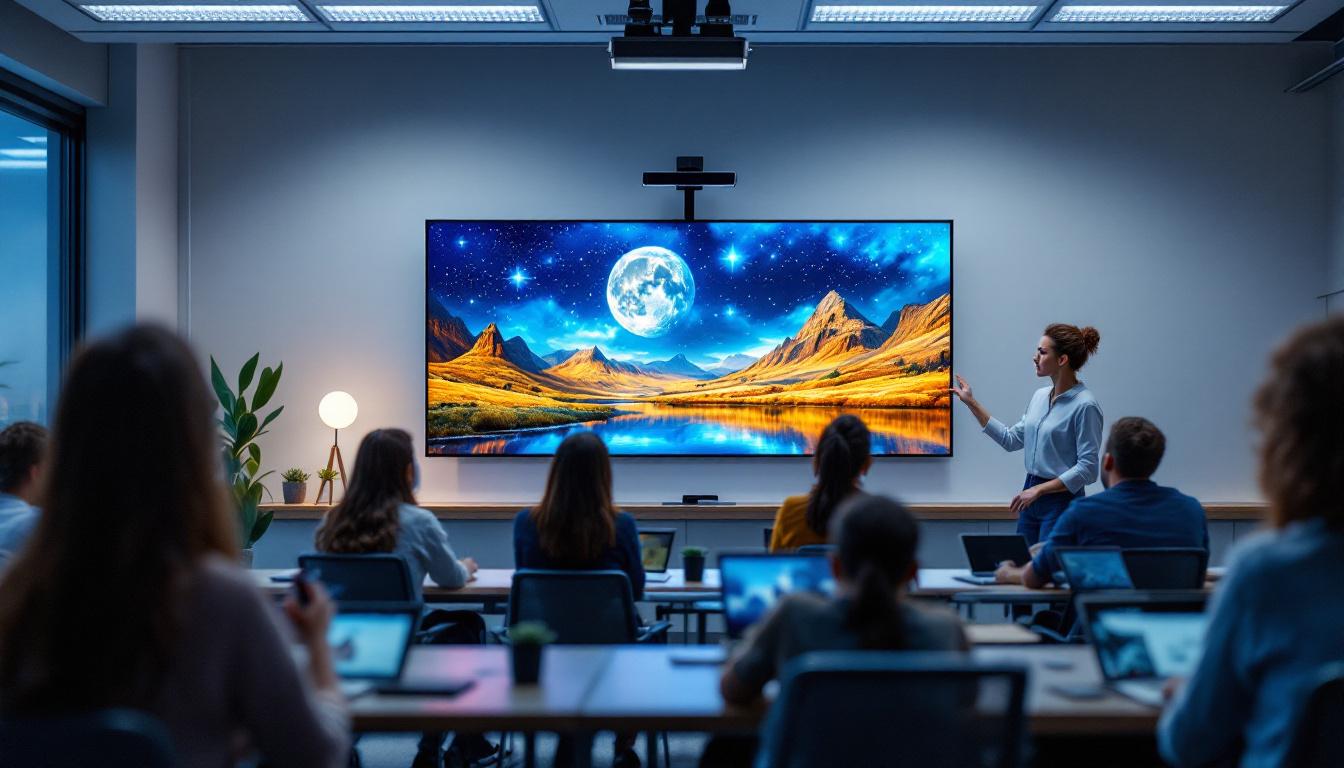
Large conference rooms, auditoriums, and lecture halls benefit from LED displays of this size. They provide clear, bright visuals for presentations, video conferencing, and educational content, enhancing engagement and communication. The ability to display high-definition video and interactive content allows for a more immersive experience, encouraging participation from attendees. Moreover, with features like multi-screen capability, these displays can be used to showcase different presentations simultaneously, making them ideal for workshops and seminars where varied information needs to be conveyed efficiently.
Retail and Advertising
In retail environments, a 219-inch LED display can serve as a dynamic billboard or promotional screen. Its size ensures that advertisements catch the attention of passersby, increasing brand visibility and customer interaction. Retailers can utilize the display for real-time promotions, product launches, or seasonal advertising campaigns, allowing for quick updates that can adapt to changing market conditions. Additionally, the vibrant colors and high contrast of LED technology can create captivating visual experiences that draw customers into stores, enhancing the overall shopping experience and potentially boosting sales.
Entertainment and Sports Venues
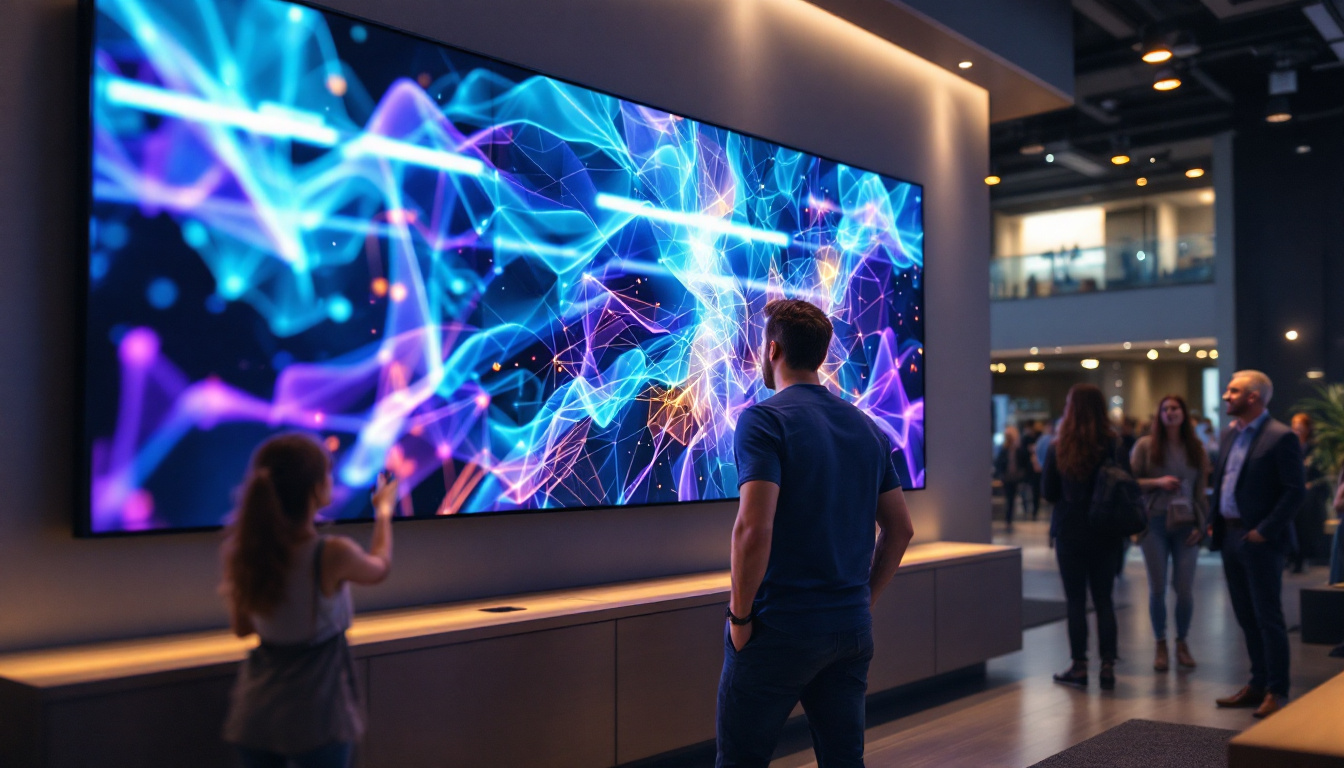
Stadiums, theaters, and concert halls often use large LED displays to provide live feeds, scores, or event information. A 219-inch screen offers a balance between visibility and installation feasibility in these venues. These displays can also enhance the overall atmosphere of events, providing not just information but also entertainment through replays, highlight reels, and engaging graphics. Furthermore, the integration of social media feeds can create a sense of community among fans, allowing them to see their posts displayed in real-time during events, thus fostering a more interactive and connected experience.
Technical Specifications and Features of LED Displays
Beyond size, several technical aspects define the performance and suitability of an LED display.
Resolution and Pixel Density
The resolution of an LED display depends on its pixel pitch and overall size. For a 219-inch screen, resolutions can vary widely, from standard HD (1920×1080) to 4K and beyond, depending on the intended use.
Higher resolution means sharper images but also increases cost and power consumption. Choosing the right resolution balances visual quality with budget and energy efficiency. Additionally, pixel density, measured in pixels per inch (PPI), plays a crucial role in determining how close viewers can sit to the screen without noticing individual pixels. For applications such as digital signage in retail or high-end presentations, a higher pixel density is often preferred to ensure that images and text remain crisp and clear from various viewing distances.
Brightness and Contrast
LED displays are known for their high brightness levels, making them suitable for both indoor and outdoor use. A 219-inch display typically offers brightness levels ranging from 1,000 to 6,000 nits, ensuring visibility even in direct sunlight.
Contrast ratio is equally important, affecting how vivid and lifelike the images appear. High contrast ratios enhance the viewing experience, especially for video content and detailed graphics. Moreover, advancements in LED technology, such as HDR (High Dynamic Range), allow displays to render a wider range of colors and brightness levels, resulting in more immersive visuals. This is particularly beneficial for applications like gaming and cinematic presentations, where color accuracy and dynamic range can significantly impact viewer engagement.
Durability and Maintenance
LED displays are designed to be durable, with many models offering weatherproof and dust-resistant features. Maintenance involves regular cleaning and occasional component replacements, which are easier with modular designs commonly found in large displays.
Furthermore, the lifespan of LED displays is another critical factor, often reaching up to 100,000 hours of usage, depending on the quality of the components and usage conditions. This longevity not only reduces the frequency of replacements but also contributes to lower total cost of ownership over time. Additionally, many modern LED displays come equipped with smart diagnostics and remote monitoring capabilities, allowing for proactive maintenance and troubleshooting, which can minimize downtime and ensure consistent performance in high-demand environments.
Cost Factors and Budgeting for a 219-Inch LED Display
Investing in a large LED display requires understanding the various cost components involved.
Initial Purchase Price
The price of a 219-inch LED display varies based on resolution, brightness, brand, and additional features. On average, such a display can range from $15,000 to $50,000 or more.
Installation and Infrastructure
Installation costs include mounting hardware, labor, electrical work, and possibly structural modifications. These expenses can add 20-30% to the initial purchase price.
Operating Costs
Operating a large LED display involves energy consumption, which depends on brightness settings and usage duration. Maintenance costs should also be factored in to ensure long-term performance.
Future Trends in LED Display Technology
LED technology continues to evolve, offering exciting possibilities for large-format displays like the 219-inch screen.
Higher Resolutions and Pixel Density
Advancements are pushing pixel pitches below 1mm, enabling ultra-high-definition displays even at large sizes. This trend enhances image clarity and expands use cases.
Flexible and Transparent LED Screens
Innovations in flexible and transparent LED panels allow for creative installations on curved surfaces or windows, broadening design possibilities for businesses and venues.
Energy Efficiency Improvements
New materials and power management technologies are reducing energy consumption, making large LED displays more sustainable and cost-effective.
Conclusion
Converting 219 inches to feet reveals a substantial screen size of 18.25 feet diagonally, ideal for a variety of professional and commercial applications. Understanding this measurement helps in planning and selecting the right LED display to meet specific needs.
LED displays of this size offer impressive visibility, technical versatility, and impactful visual communication. By considering factors such as resolution, brightness, installation, and cost, businesses can maximize the benefits of a 219-inch LED display.
As technology advances, these displays will become even more versatile, efficient, and visually stunning, solidifying their role in modern visual communication.
Discover LumenMatrix LED Display Solutions
Ready to elevate your space with a visually stunning LED display? LumenMatrix offers a comprehensive range of innovative LED display solutions tailored to your needs. From vibrant Indoor and Outdoor LED Wall Displays to dynamic Vehicle LED Displays, LED Posters, Sports Displays, and even customizable options, we have the technology to bring your vision to life. Experience the future of visual communication with our All-in-One LED Displays and LED Transparent Displays, designed to captivate your audience and amplify your message. Check out LumenMatrix LED Display Solutions today and transform your professional or commercial environment with unparalleled clarity and impact.