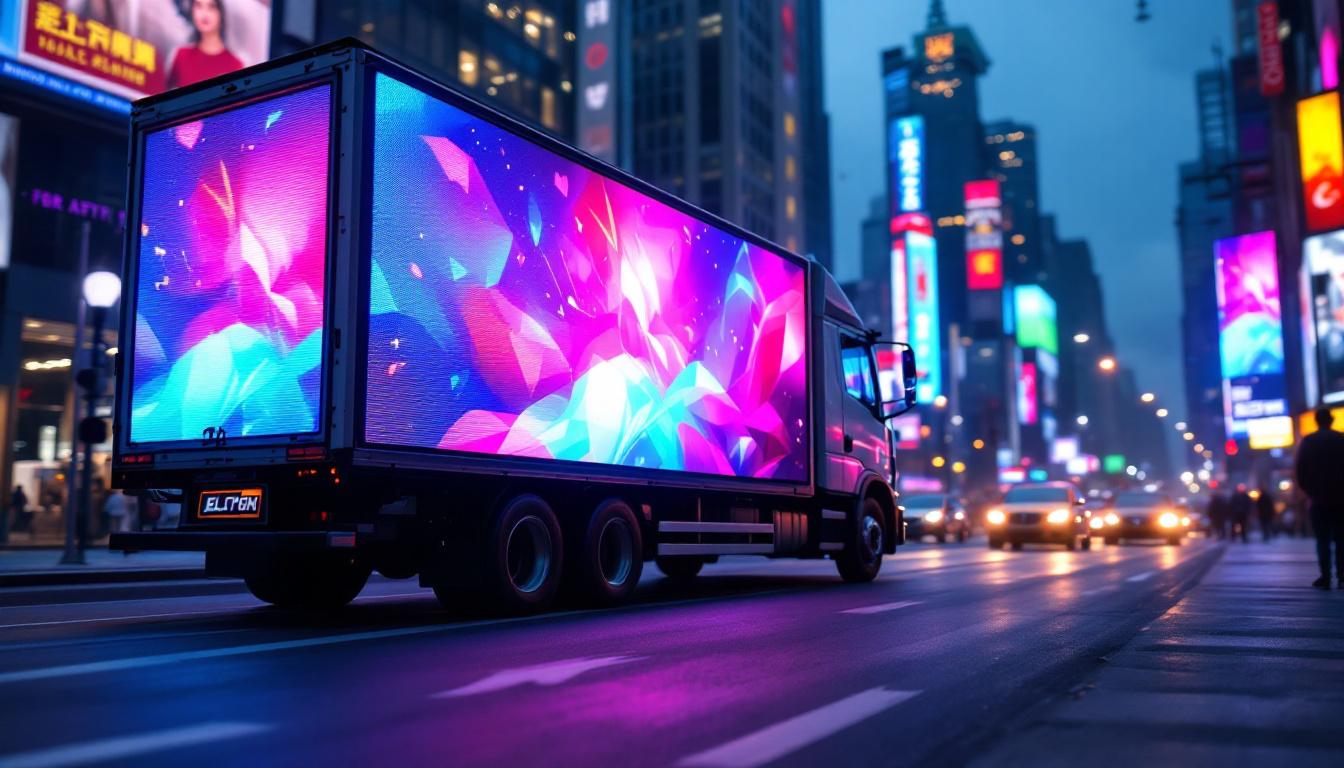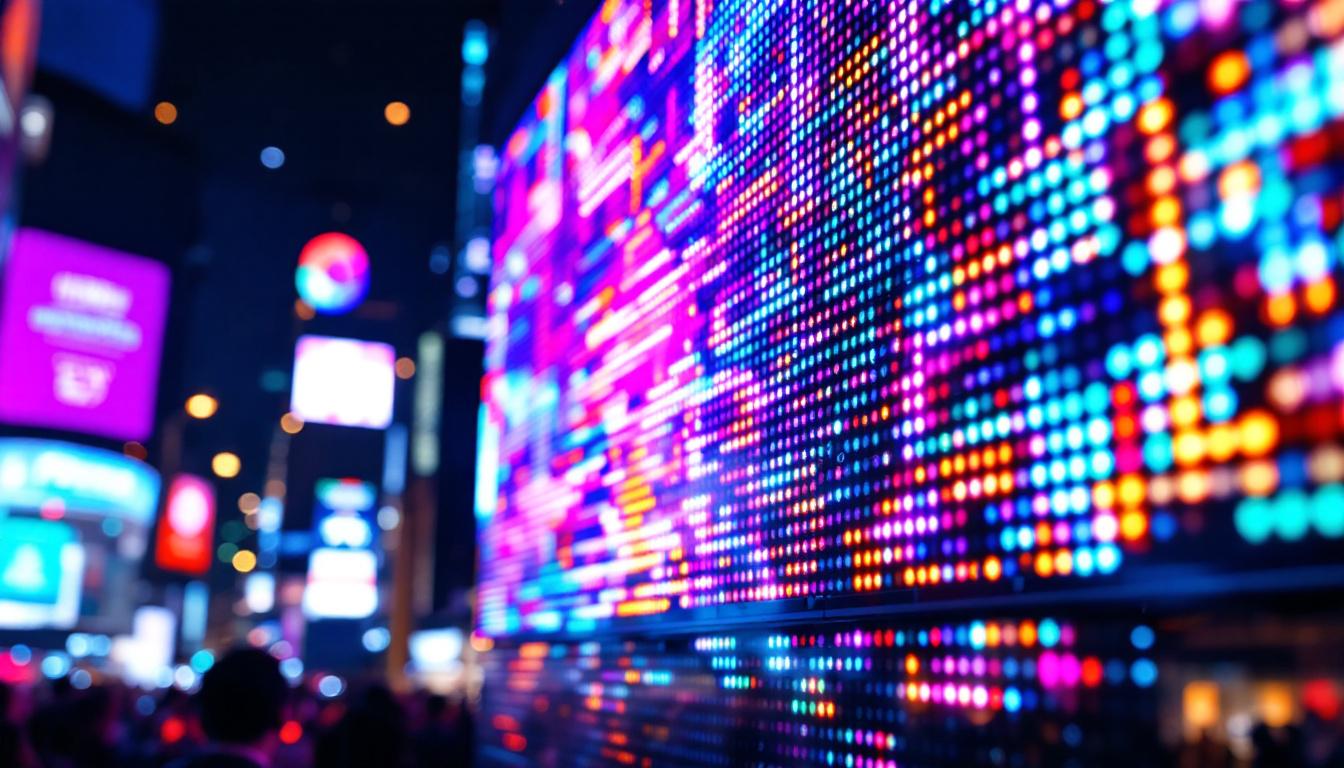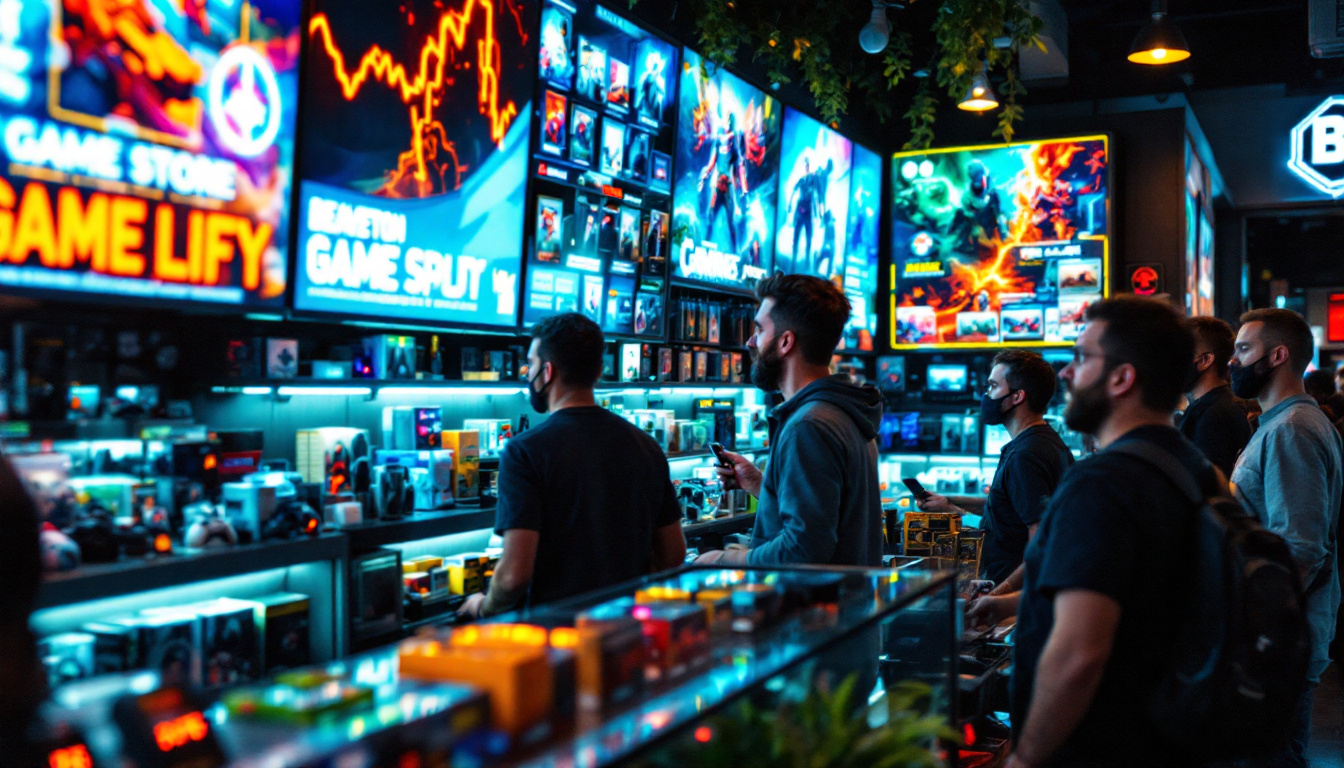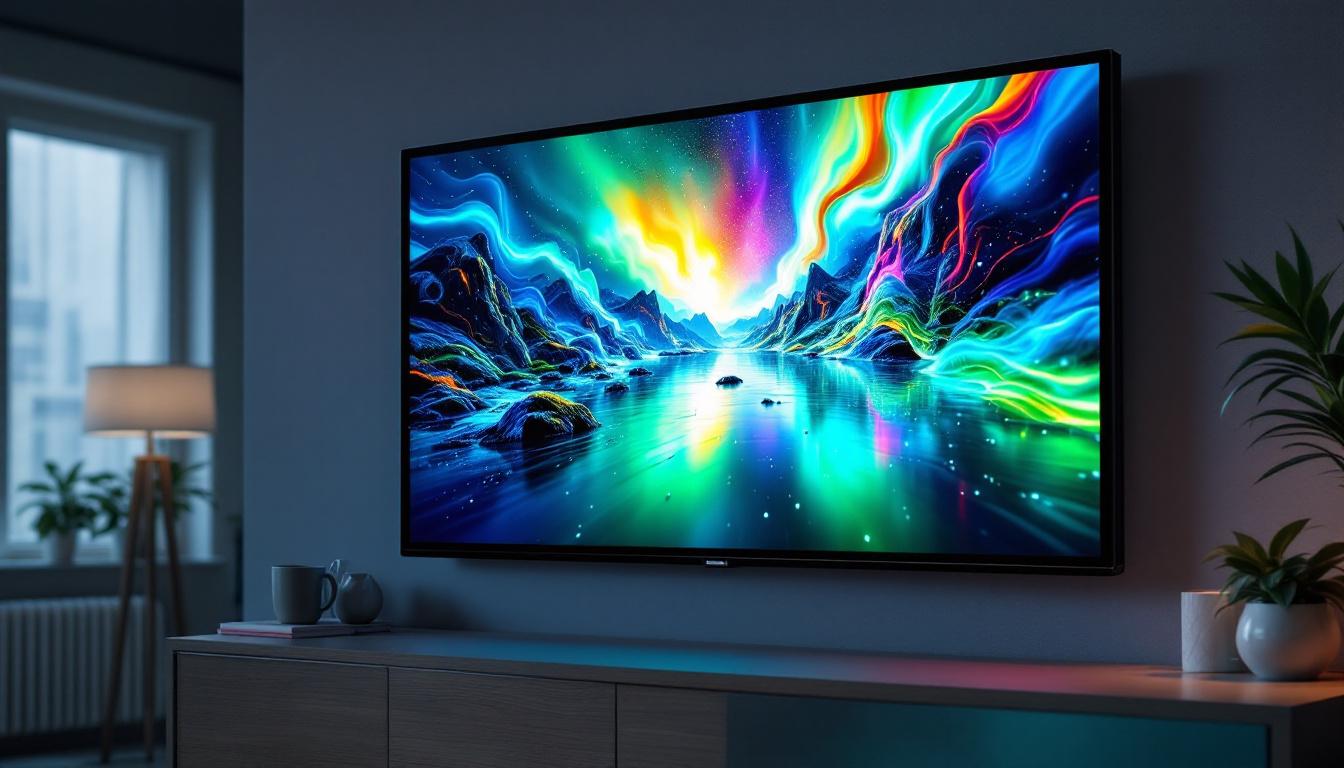
In the evolving world of digital signage and display technology, the demand for tall, slim screens has surged dramatically. From bustling urban centers showcasing towering advertisements to retail environments optimizing vertical space, tall pictures for slim displays have become a key visual strategy. Central to this trend is the LED display technology, which offers unparalleled brightness, flexibility, and clarity. This article delves into the intricacies of LED displays, focusing on their application in tall, slim formats, and explores why they have become the go-to choice for modern visual communication.
Understanding LED Display Technology
What is an LED Display?
LED stands for Light Emitting Diode, a semiconductor device that emits light when an electric current passes through it. An LED display is a flat panel display that uses an array of light-emitting diodes as pixels to create images and videos. Unlike traditional LCD or plasma screens, LED displays use these diodes to produce light directly, which results in higher brightness and better energy efficiency.
LED displays are commonly used in various applications, from small indicator lights to large-scale video walls and billboards. Their modular nature allows them to be assembled into virtually any size or shape, making them ideal for tall, slim configurations. This versatility has made LED displays a popular choice for both indoor and outdoor environments, where they can adapt to different lighting conditions and viewing distances. For instance, outdoor LED displays are designed to withstand harsh weather conditions, featuring protective coatings and enhanced brightness to ensure visibility even in direct sunlight.
Types of LED Displays
There are primarily two types of LED displays used in commercial and public settings: direct view LED displays and LED-backlit LCD displays. Direct view LED displays consist of LEDs that directly form the image, offering superior brightness and viewing angles. In contrast, LED-backlit LCDs use LEDs as a backlight for liquid crystal displays, which are generally thinner but less bright.
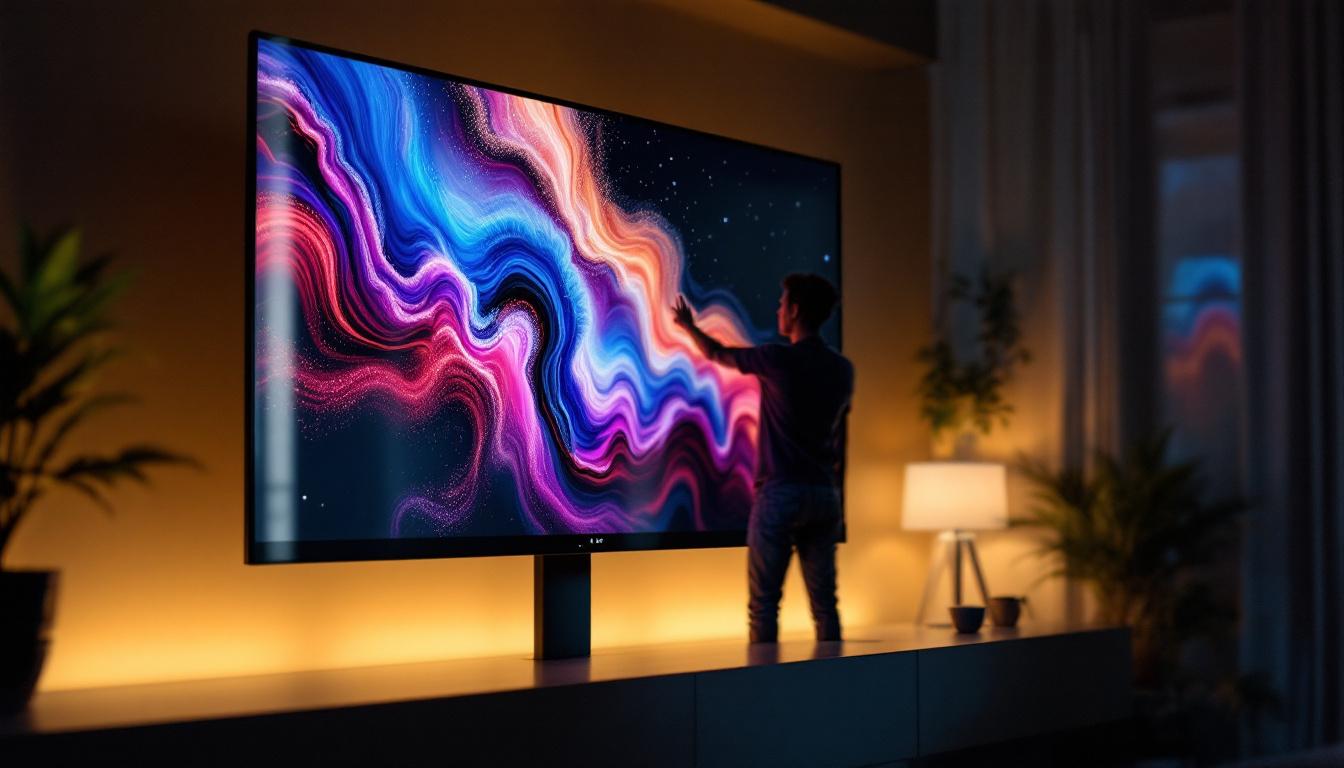
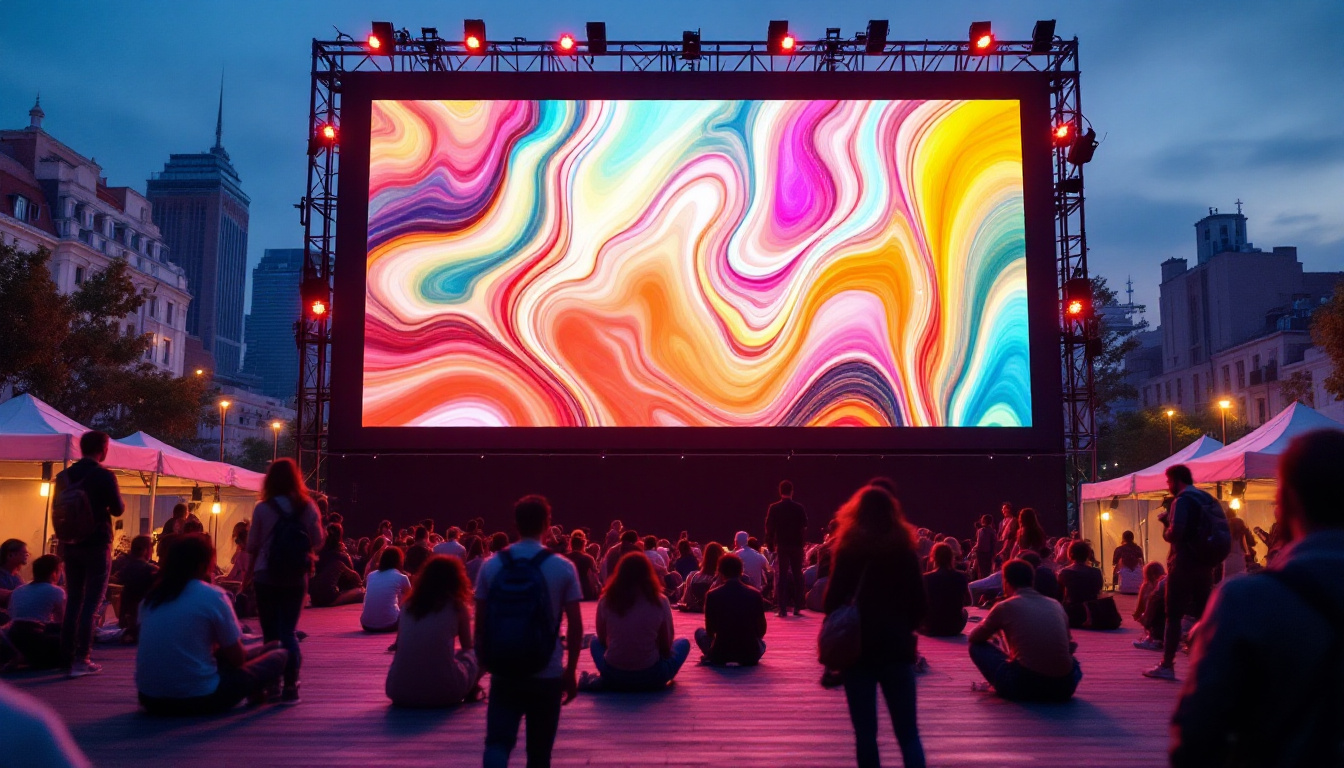
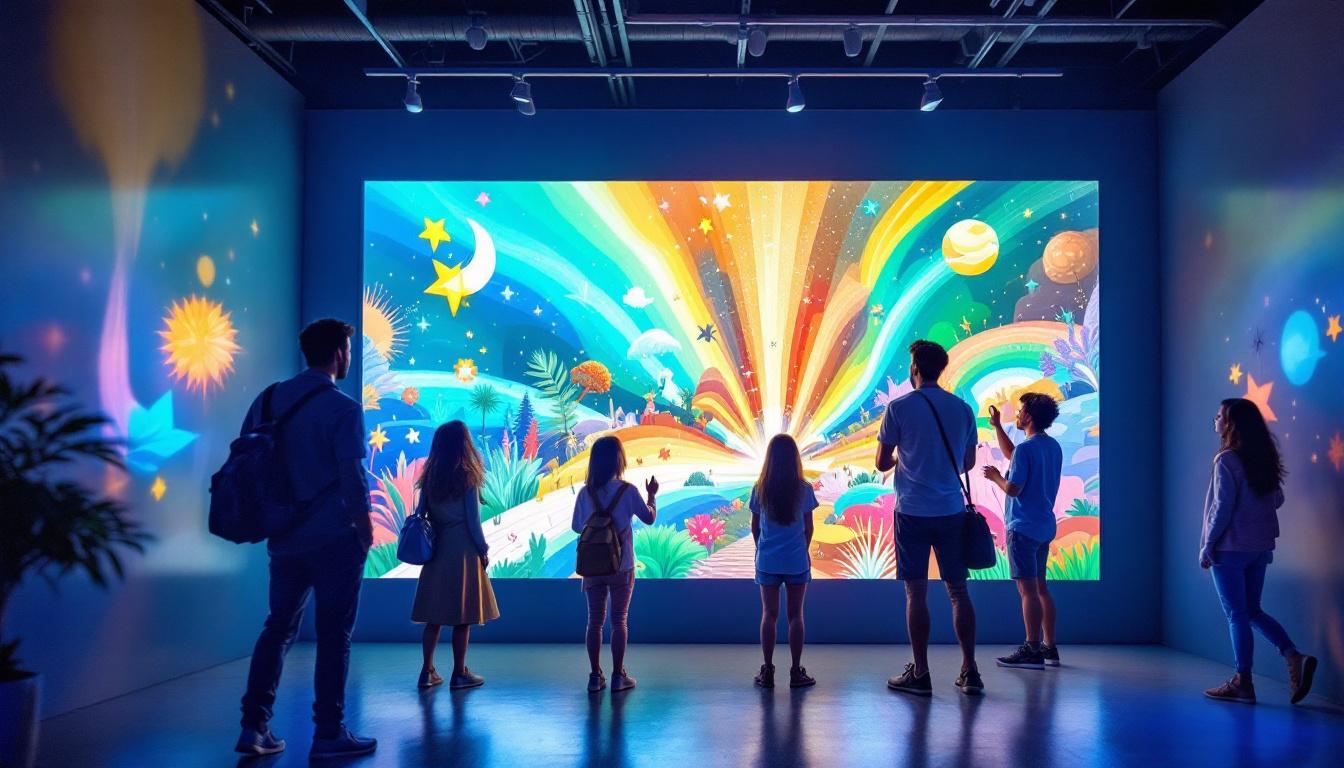
For tall and slim displays, direct view LED technology is preferred due to its scalability and robustness in various lighting conditions. These displays can be tailored to high aspect ratios, making them perfect for vertical installations. Moreover, direct view LED displays are increasingly being utilized in creative applications, such as art installations and immersive environments, where their ability to produce vibrant colors and dynamic visuals can enhance the viewer’s experience. The technology has also evolved to include features like pixel pitch variations, allowing for finer resolutions that cater to close-up viewing, thereby expanding their use in venues such as museums, concert halls, and retail spaces.
The Rise of Tall, Slim LED Displays
Why Tall Pictures?
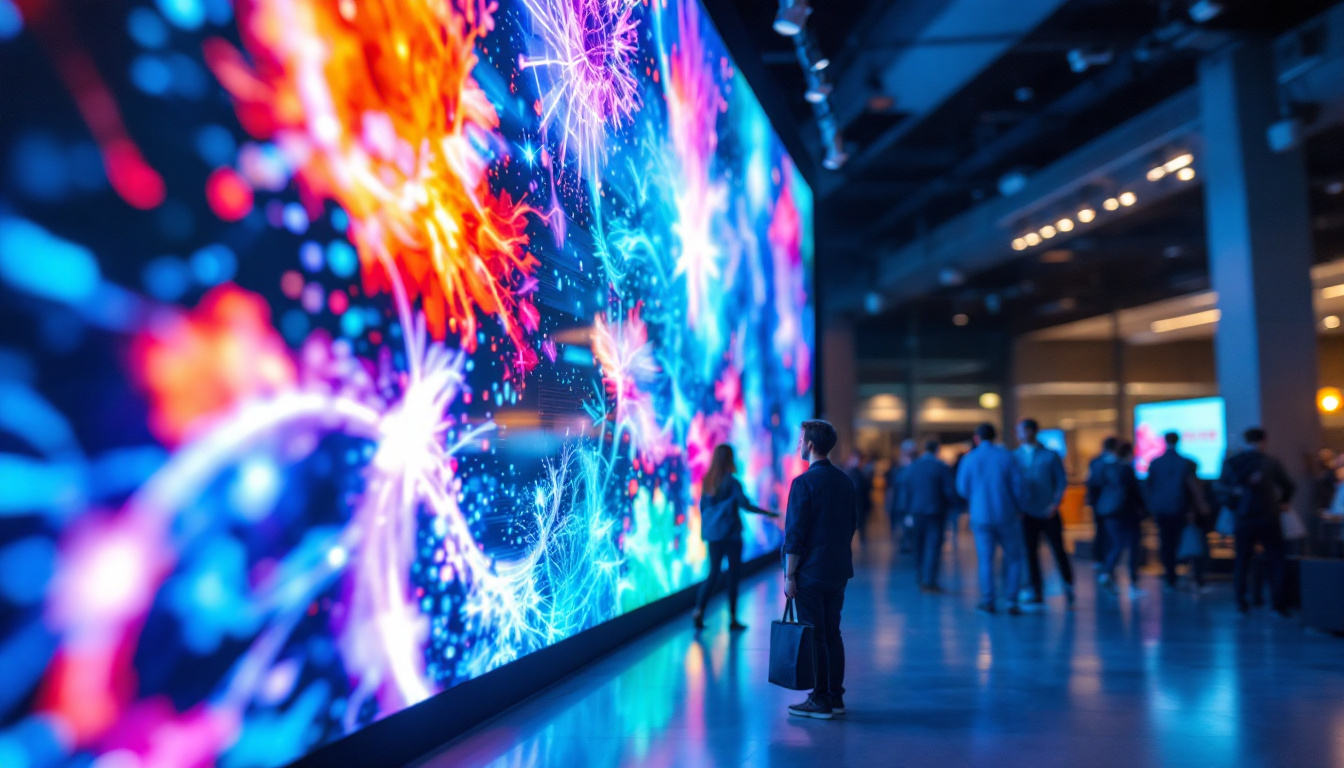
The vertical format has gained popularity for several reasons. Urban environments, for instance, often have limited horizontal space but abundant vertical real estate. Tall, slim LED displays capitalize on this by delivering impactful visuals without obstructing pedestrian flow or architectural aesthetics.
Moreover, human attention is naturally drawn to vertical movement and tall structures, making tall pictures more engaging in public spaces. Retailers and advertisers use this to their advantage by creating eye-catching content that stands out in crowded environments. The ability to display dynamic content, such as videos or animations, further enhances the impact of these displays, allowing brands to tell stories or showcase products in a way that resonates with viewers. This storytelling aspect is particularly effective in high-traffic areas, where quick, memorable impressions can lead to increased foot traffic and sales.
Market Trends and Statistics
According to a recent report by Grand View Research, the global digital signage market is expected to reach $32.84 billion by 2028, growing at a CAGR of 7.5% from 2021 to 2028. Within this market, LED displays hold a significant share due to their versatility and performance.
Specifically, the demand for narrow-pixel pitch LED displays, which enable high-resolution images on slim panels, has surged by over 20% annually. This growth is driven by sectors such as retail, transportation hubs, and corporate environments, where tall, slim displays are increasingly integrated into interior and exterior designs. Additionally, the rise of smart city initiatives has led to a greater emphasis on digital signage as a tool for communication and information dissemination. Cities are leveraging these displays to provide real-time updates on public transport, weather, and local events, enhancing the urban experience for residents and visitors alike. The integration of interactive features, such as touchscreens and QR codes, is also becoming more common, allowing users to engage directly with the content and access additional information seamlessly.
Technical Considerations for Tall LED Displays
Resolution and Pixel Pitch
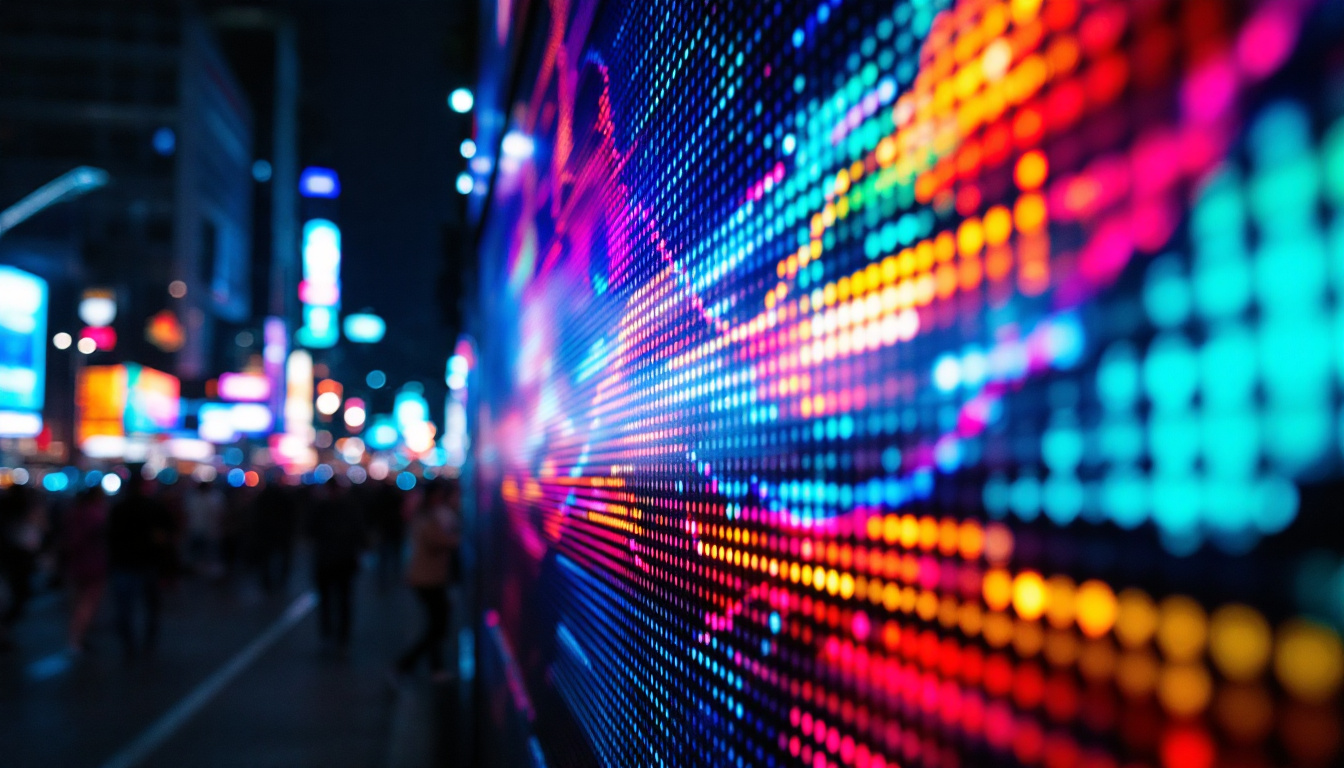
One of the critical factors in designing tall LED displays is the pixel pitch—the distance between the centers of two adjacent pixels. A smaller pixel pitch means higher resolution and sharper images, which is essential for displays viewed up close, such as in retail stores or airports.
For tall, slim displays, maintaining a high resolution can be challenging due to the elongated aspect ratio. Manufacturers often use fine-pitch LED modules with pixel pitches as low as 0.9mm to 1.5mm to ensure crisp visuals without compromising the slim form factor. This precision in pixel arrangement not only enhances the clarity of images but also allows for more vibrant color reproduction, making the display more engaging for viewers. The advancements in LED technology have enabled manufacturers to create displays that maintain high fidelity even when viewed from varying distances, ensuring that the content remains impactful regardless of the viewer’s position.
Brightness and Viewing Angles
LED displays are renowned for their brightness, which can exceed 5,000 nits, making them visible even in direct sunlight. This is particularly important for outdoor tall displays that must compete with ambient light.
Viewing angles are equally critical. Tall displays are often positioned at various heights, requiring wide horizontal and vertical viewing angles to ensure consistent image quality from different vantage points. Modern LED technology achieves viewing angles of up to 160 degrees horizontally and vertically, enhancing visibility in public spaces. This capability is vital in environments like stadiums or large venues, where audiences are spread out across a wide area. Furthermore, the ability to maintain color accuracy and brightness across these angles ensures that the display delivers a uniform experience, which is crucial for branding and advertising purposes.
Durability and Weather Resistance
For outdoor applications, LED displays must withstand harsh weather conditions, including rain, wind, and temperature fluctuations. High-quality tall LED displays are built with IP65 or higher ratings, indicating protection against dust and water ingress.
Additionally, these displays incorporate robust materials and cooling systems to maintain performance and longevity, even under continuous operation. The use of tempered glass and reinforced casings not only protects the internal components from physical damage but also enhances the display’s resistance to UV radiation, preventing color fading over time. Some manufacturers also integrate smart technology that allows for real-time monitoring of environmental conditions, adjusting brightness and temperature settings accordingly to optimize performance and energy efficiency. This level of durability and adaptability ensures that tall LED displays remain functional and visually appealing, regardless of the challenges posed by their surroundings.
Design and Installation Challenges
Structural Integration
Installing tall, slim LED displays requires careful structural planning. The weight and wind load of large vertical screens can impact building facades and mounting systems. Engineers must collaborate with architects to ensure that the installation is safe and compliant with local regulations.
Modular LED panels facilitate easier installation and maintenance, allowing sections to be replaced or serviced without dismantling the entire display.
Content Creation for Vertical Formats
Creating content for tall pictures differs significantly from traditional horizontal displays. Designers must consider the unique aspect ratio, ensuring that visuals are not distorted and messages remain clear.
Vertical video formats, dynamic animations, and scrolling text are popular techniques to maximize engagement. Additionally, content management systems tailored for LED displays allow real-time updates and scheduling, enabling advertisers to adapt messages based on time of day or audience demographics.
Applications of Tall LED Displays
Advertising and Public Spaces
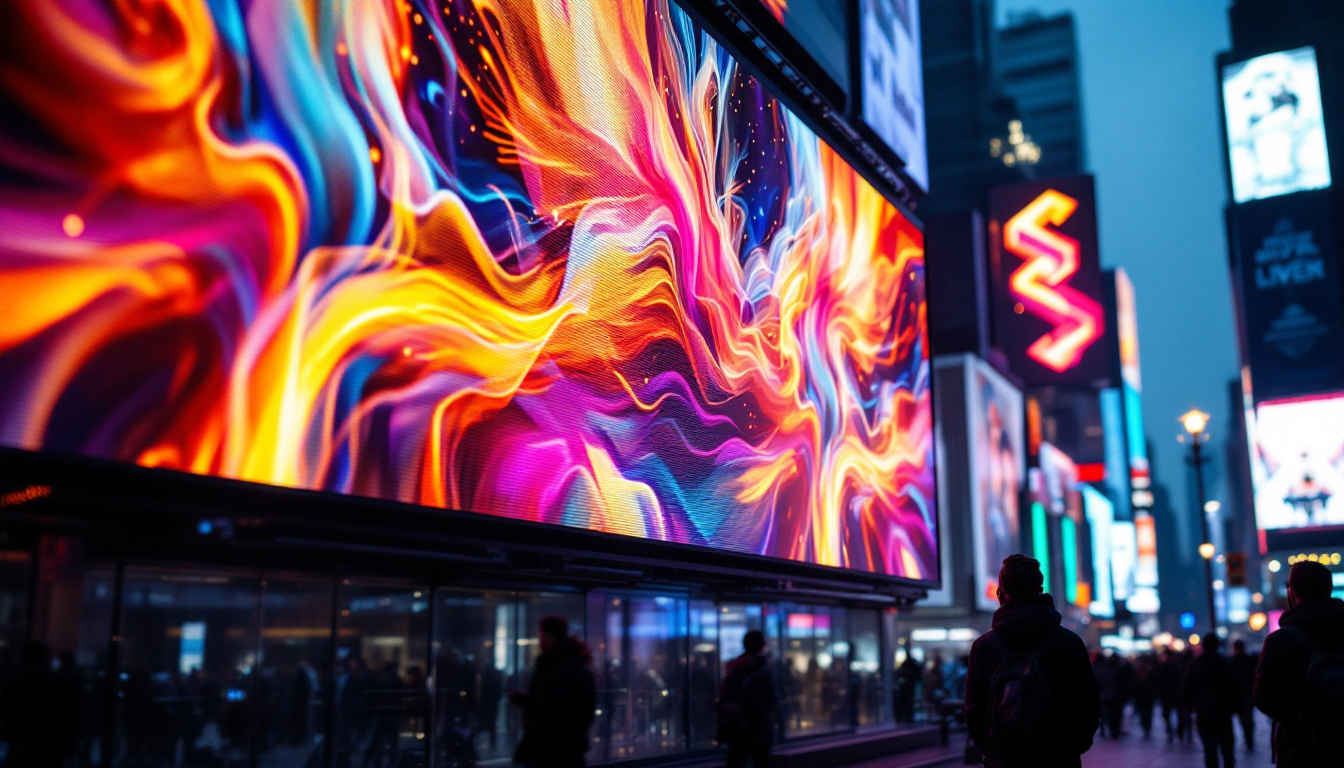
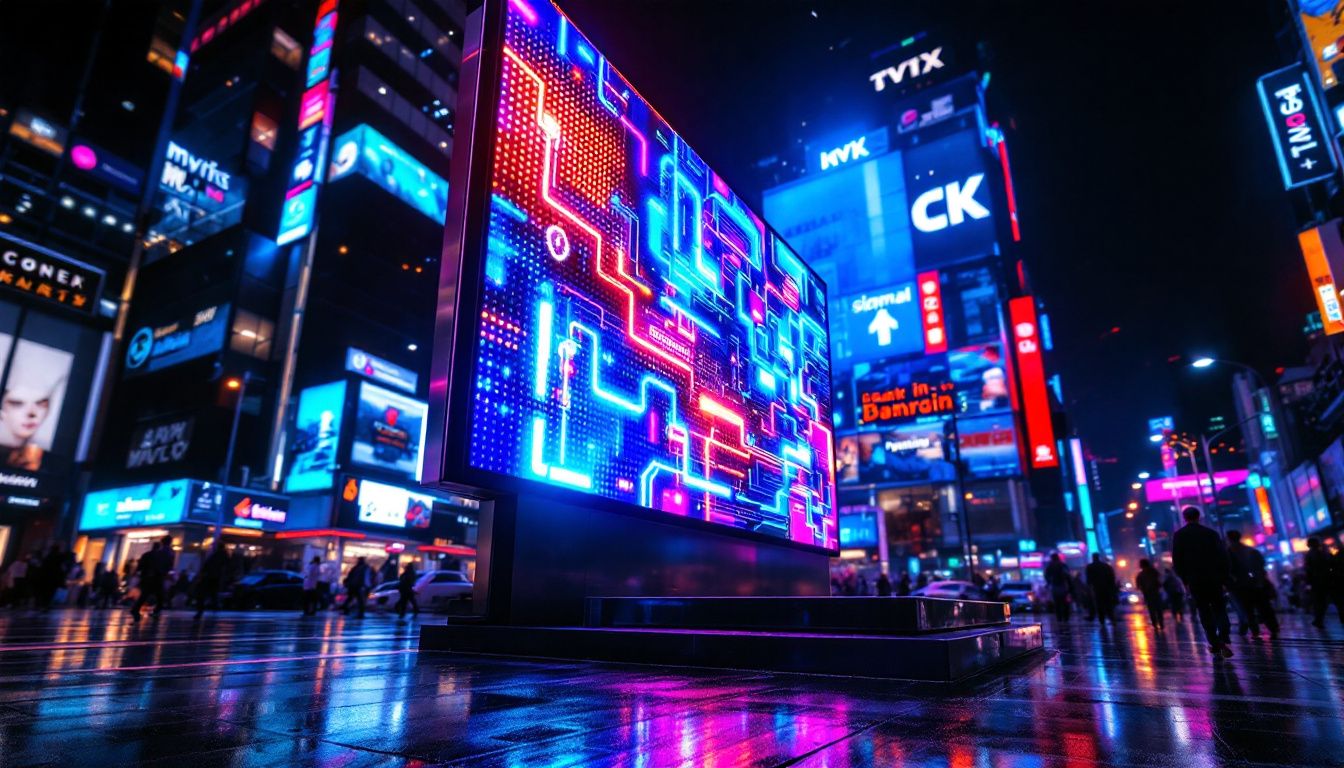
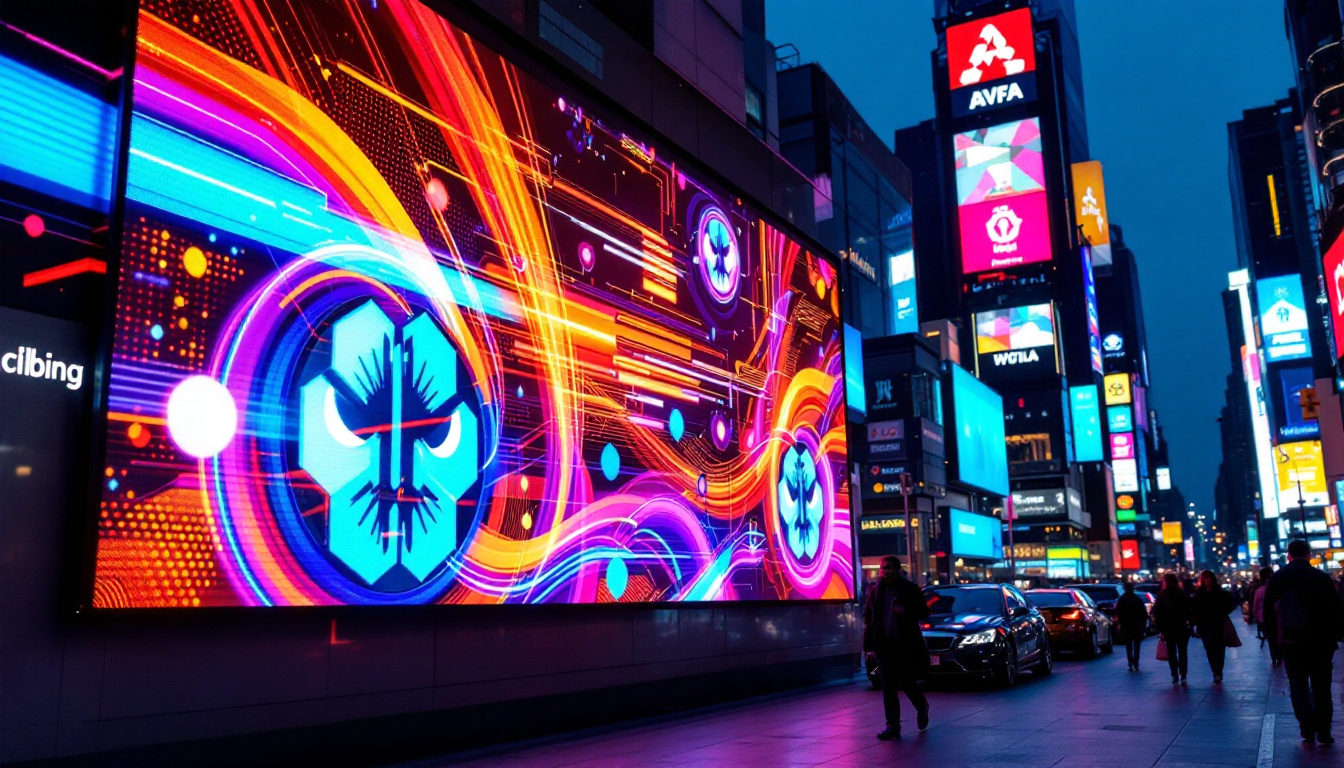
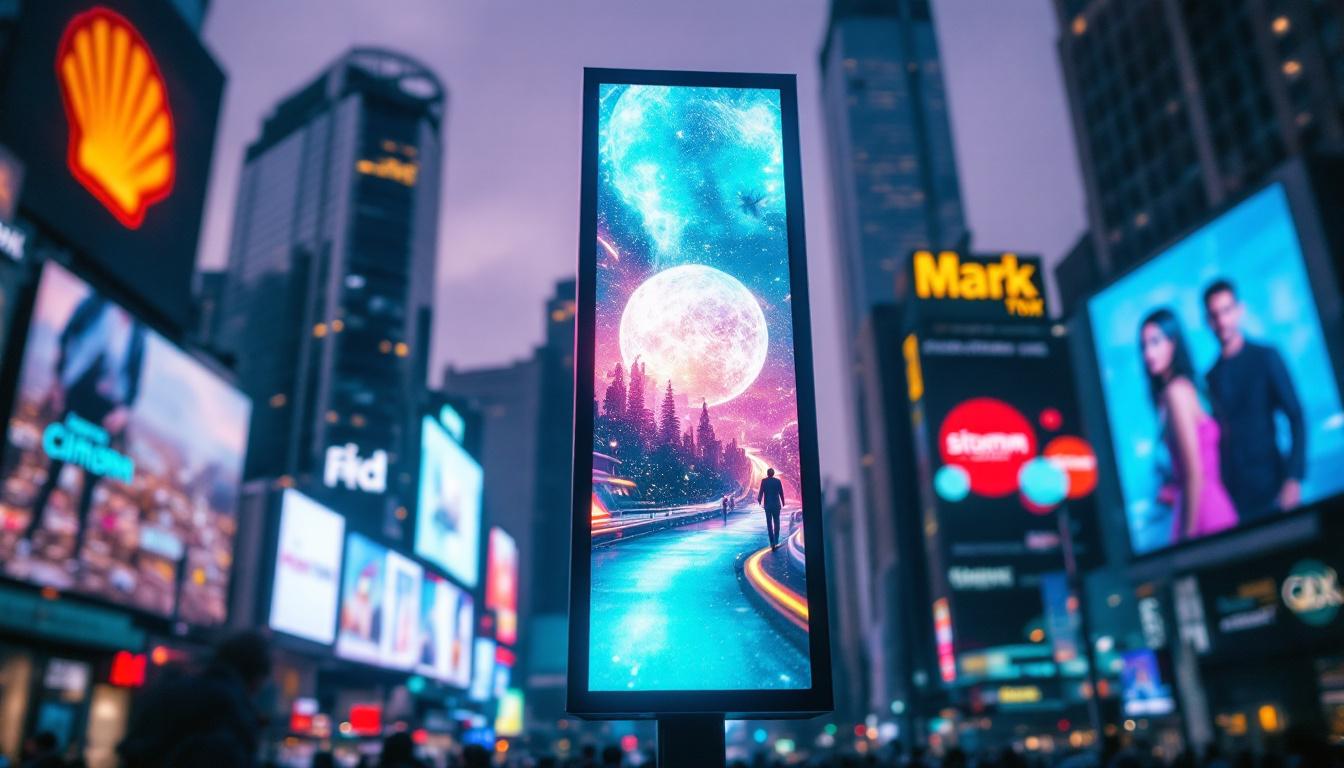
One of the most visible uses of tall LED displays is in advertising. Iconic locations like Times Square in New York and Shibuya Crossing in Tokyo feature towering LED billboards that captivate millions daily. These displays combine height and brightness to create immersive brand experiences.
Beyond advertising, tall LED displays serve as information hubs in transit stations, stadiums, and city centers, providing real-time updates, wayfinding, and emergency alerts.
Retail and Hospitality
Retailers leverage tall LED displays to showcase products, promotions, and brand stories. Vertical displays fit seamlessly into store layouts, especially in narrow aisles or entranceways, drawing customer attention without overwhelming the space.
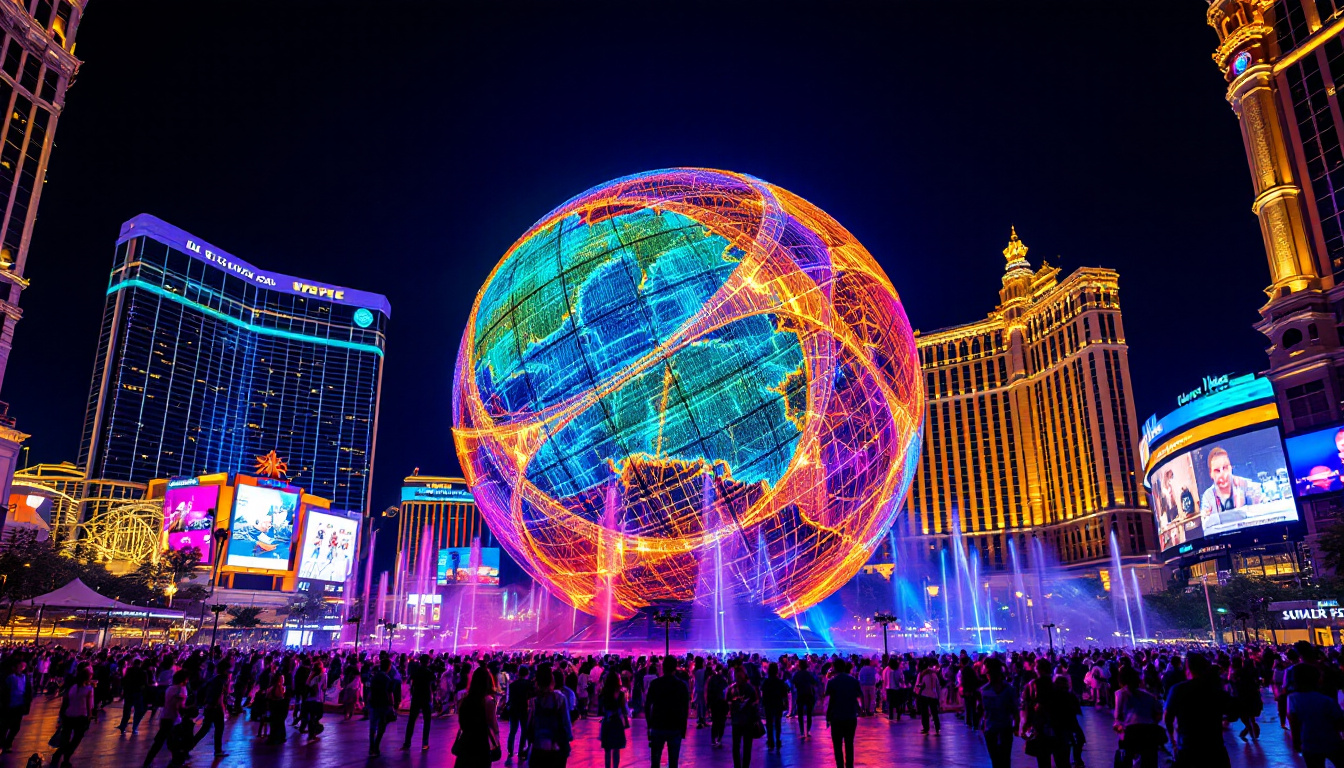
In hospitality, hotels and casinos use tall LED walls in lobbies and event spaces to create dynamic atmospheres, enhancing guest experiences through vibrant visuals.
Corporate and Educational Environments
Corporate offices utilize tall LED displays for digital signage, presentations, and interactive installations. These displays support branding efforts and improve communication within large workspaces.
Educational institutions incorporate tall LED screens in auditoriums and common areas to broadcast announcements, event schedules, and educational content, fostering engagement and connectivity.
Future Trends in Tall LED Displays
Advancements in MicroLED and MiniLED
Emerging technologies like MicroLED and MiniLED promise to revolutionize tall LED displays further. MicroLED offers even smaller pixel pitches, higher brightness, and longer lifespan without the burn-in issues associated with OLED displays.
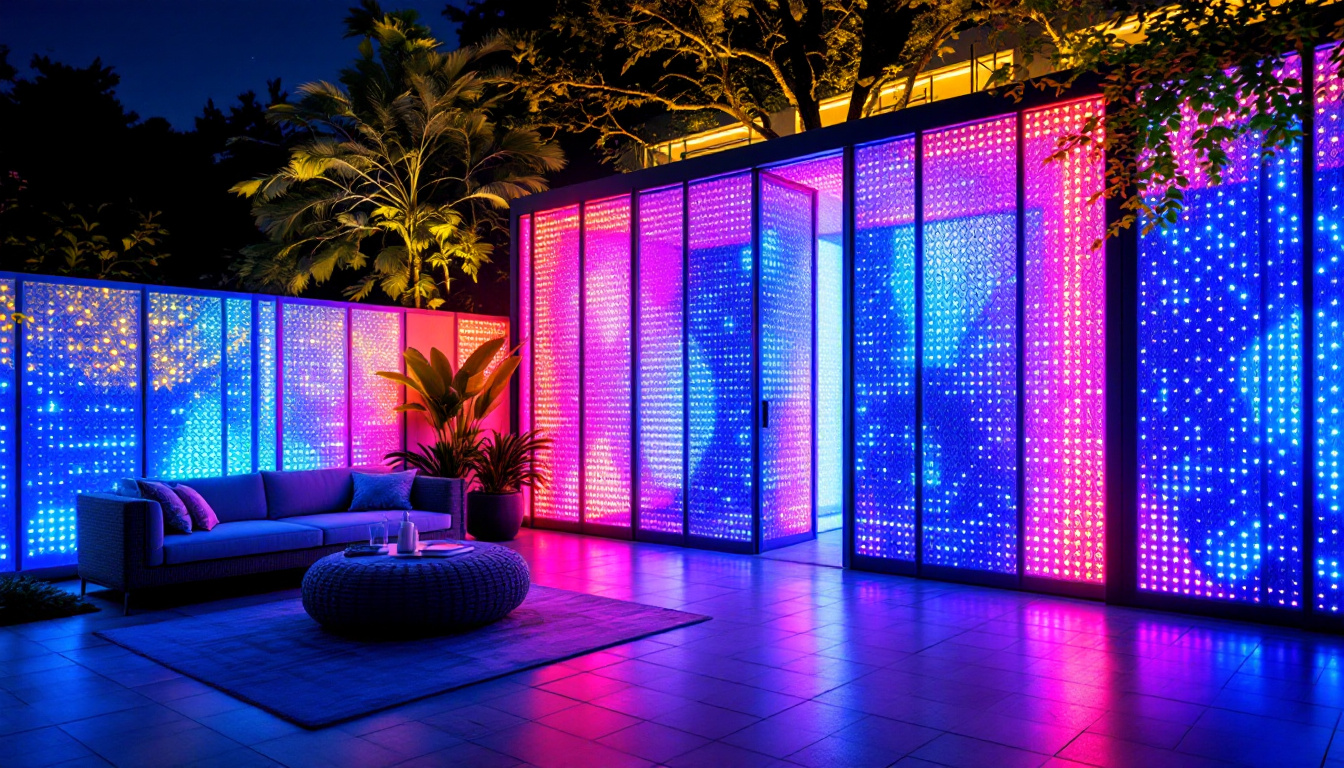
These advancements will enable ultra-slim, flexible, and transparent LED displays, opening new possibilities for architectural integration and interactive experiences.
Integration with Smart Technologies
Smart LED displays equipped with sensors and AI-driven content management systems are becoming more prevalent. These systems can adjust brightness based on ambient light, tailor content to viewer demographics, and interact with mobile devices for personalized experiences.
Such intelligent features will enhance the effectiveness of tall LED displays, making them not just visual tools but interactive platforms for engagement.
Conclusion
Tall pictures for slim displays represent a dynamic intersection of technology, design, and communication. LED display technology, with its superior brightness, flexibility, and durability, is ideally suited to meet the demands of vertical digital signage. As urban spaces become more visually saturated and attention spans shorter, tall LED displays offer a compelling solution to capture and retain audience interest.
With ongoing advancements in LED technology and smart integration, the future of tall, slim displays looks brighter than ever. Whether for advertising, retail, corporate, or public applications, understanding the capabilities and considerations of LED displays is essential for anyone looking to harness the power of vertical digital media.
Discover LumenMatrix’s Innovative LED Solutions
Ready to elevate your space with the power of vertical digital media? LumenMatrix is at the forefront of LED display technology, offering a wide array of solutions tailored to your needs. From Indoor and Outdoor LED Wall Displays to specialized options like Vehicle, Sports, and Floor LED Displays, our products are designed to make your brand stand out. Experience the future of visual communication with our Custom, All-in-One, and LED Transparent Displays. Check out LumenMatrix LED Display Solutions today and transform your message into an unforgettable visual journey.