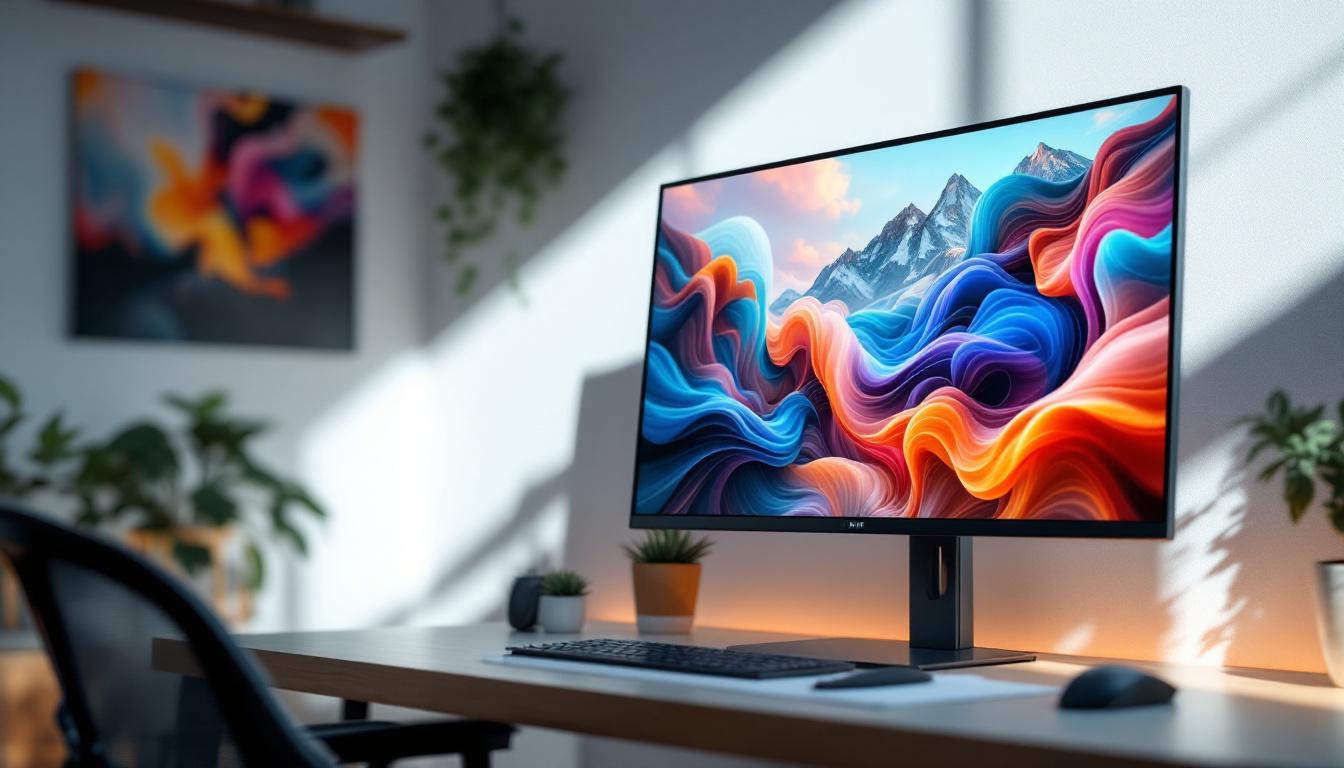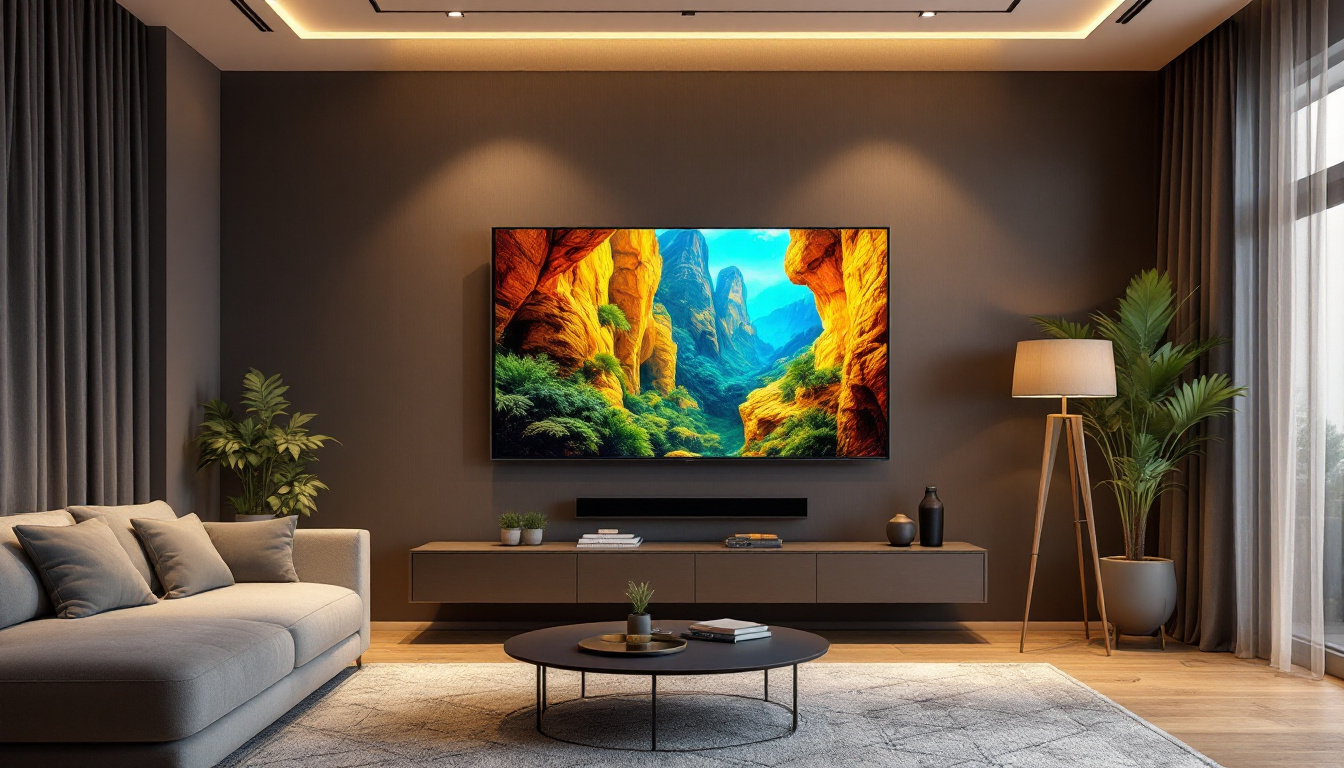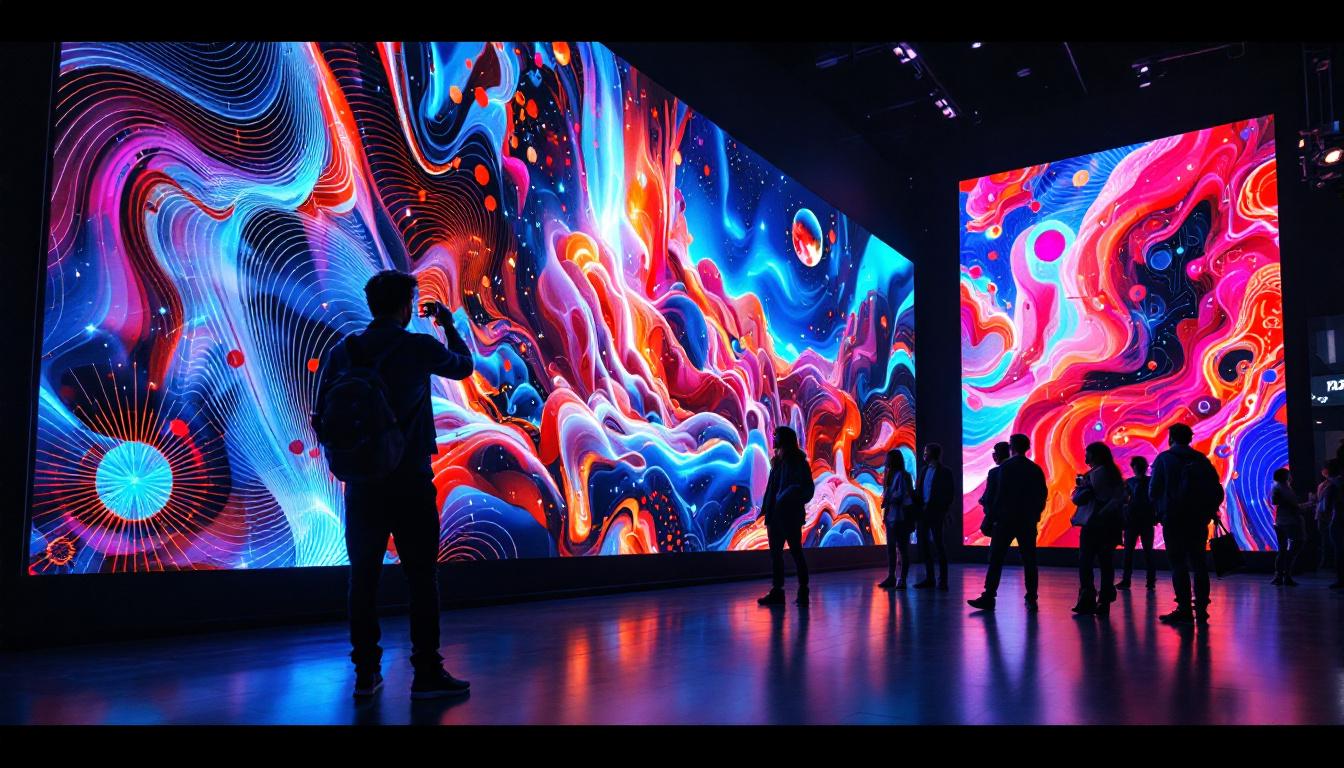
In today’s fast-evolving digital world, the choice of display technology plays a crucial role in both personal and professional settings. Among the various display types available, LED monitors have gained significant popularity due to their superior image quality, energy efficiency, and versatility. Whether you are a consumer looking to purchase a new monitor or a retailer aiming to understand the product better for sales, this comprehensive guide will explain everything you need to know about LED displays.
Understanding LED Display Technology
LED stands for Light Emitting Diode, a semiconductor device that emits light when an electric current passes through it. In the context of monitors, LED technology refers to the use of these diodes as a backlight source for LCD (Liquid Crystal Display) panels. This combination results in what is commonly known as an LED monitor.
Unlike older CCFL (Cold Cathode Fluorescent Lamp) backlit LCDs, LED monitors use tiny LEDs to illuminate the screen, offering several advantages in terms of brightness, color accuracy, and energy consumption. The LEDs can be arranged in different ways, such as edge-lit or full-array backlighting, each affecting the display’s performance and cost.
Types of LED Displays
There are primarily three types of LED displays used in monitors:
- Edge-Lit LED: LEDs are placed along the edges of the screen, and light is spread across the panel using light guides. This design allows for thinner monitors but may result in less uniform brightness.
- Full-Array LED: LEDs are distributed evenly behind the entire screen, providing better brightness uniformity and contrast. This type is often paired with local dimming technology to enhance black levels.
- Mini-LED: A newer technology where thousands of tiny LEDs are used for backlighting, offering even greater control over brightness and contrast, rivaling OLED displays in some respects.
In addition to these types, advancements in LED technology have led to the development of Quantum Dot displays, which utilize quantum dots to enhance color reproduction and brightness. This innovation allows for a wider color gamut, making images appear more vibrant and lifelike. Quantum Dot technology is often integrated with LED backlighting to create displays that excel in both color accuracy and energy efficiency, appealing to professionals in fields such as graphic design and video editing.
Moreover, the evolution of LED technology has made it more accessible for consumers, with a variety of options available at different price points. As manufacturers continue to innovate, we are seeing the introduction of flexible and transparent LED displays, which open up new possibilities for design and application in both commercial and residential settings. These advancements not only enhance the visual experience but also contribute to the overall aesthetic of modern technology, making LED displays a staple in contemporary digital environments.
Benefits of LED Monitors
When shopping for a monitor, understanding the benefits of LED technology can help you make an informed decision. LED monitors have become the industry standard for several reasons:
Energy Efficiency
One of the most significant advantages of LED monitors is their energy efficiency. LEDs consume less power than traditional CCFL backlights, which translates to lower electricity bills and a smaller environmental footprint. According to the U.S. Department of Energy, LED displays can use up to 40% less energy than CCFL counterparts, making them an eco-friendly choice.
Improved Image Quality
LED backlighting enhances the brightness and color gamut of monitors. This means that colors appear more vivid and images are sharper. Full-array and mini-LED monitors, in particular, offer better contrast ratios and deeper blacks, which are essential for professional photo and video editing, gaming, and general multimedia consumption.
Slimmer and Lighter Designs
Because LEDs are smaller and more efficient light sources, manufacturers can design thinner and lighter monitors. This not only saves desk space but also improves portability for those who need to move their monitors frequently.
Longer Lifespan
LEDs have a longer lifespan compared to CCFLs, often lasting upwards of 50,000 hours. This durability ensures that your monitor will maintain consistent brightness and color quality over many years of use.
Key Specifications to Consider When Buying an LED Monitor
Understanding the technical specifications of LED monitors is essential to match the product to your needs. Here are some critical factors to consider:
Resolution and Screen Size
The resolution determines the clarity and detail of the display. Common resolutions include Full HD (1920×1080), Quad HD (2560×1440), and 4K UHD (3840×2160). Higher resolutions provide sharper images but require more powerful hardware to drive them effectively.
Screen size is equally important and should be chosen based on your workspace and usage. For general office work, 24 to 27 inches is typical, while gamers and creative professionals may prefer larger screens for immersive experiences.
Refresh Rate and Response Time
Refresh rate, measured in Hertz (Hz), indicates how many times the screen updates per second. Standard monitors have a 60Hz refresh rate, but gaming monitors often feature 120Hz, 144Hz, or even 240Hz for smoother motion rendering.
Response time, measured in milliseconds (ms), refers to how quickly a pixel changes color. Lower response times reduce motion blur and ghosting, which is vital for fast-paced gaming and video playback.
Color Accuracy and Gamut
For professionals working in photography, video editing, or graphic design, color accuracy is paramount. Look for monitors that cover a wide color gamut, such as Adobe RGB or DCI-P3, and offer factory calibration or support for hardware calibration tools.
Connectivity Options
Modern LED monitors come with various ports, including HDMI, DisplayPort, USB-C, and sometimes legacy VGA or DVI. USB-C ports are particularly useful as they can deliver video, data, and power through a single cable, reducing clutter.
LED Monitors in Different Use Cases
LED monitors serve diverse purposes, and their features can be optimized depending on the intended use. Below are some common scenarios and what to look for in each.
Office and Productivity
For everyday office tasks such as word processing, spreadsheets, and web browsing, an LED monitor with Full HD resolution, a 60Hz refresh rate, and good ergonomic features like height adjustment and swivel is sufficient. Eye-care technologies such as blue light filters and flicker-free backlighting can reduce eye strain during extended use.
Gaming
Gamers require monitors with high refresh rates (120Hz or above), low response times (1-5ms), and adaptive sync technologies like NVIDIA G-Sync or AMD FreeSync to minimize screen tearing and stuttering. LED monitors with these capabilities provide a competitive edge and immersive gaming experience.
Creative Professionals
Photographers, video editors, and graphic designers benefit from LED monitors with wide color gamuts, high resolutions (QHD or 4K), and excellent color accuracy. Monitors that support HDR (High Dynamic Range) can display a broader range of brightness and colors, enhancing the quality of creative work.
Home Entertainment
For watching movies and streaming content, a large LED monitor with 4K resolution, HDR support, and good contrast ratios will deliver vibrant visuals and a cinematic experience. Sound quality is also a consideration, so some monitors come with built-in speakers or audio output options.
Common Misconceptions About LED Monitors
Despite their popularity, some misconceptions about LED monitors persist. Clearing these up can help consumers make better purchasing decisions.
LED vs. OLED: Are They the Same?
LED and OLED (Organic Light Emitting Diode) are different technologies. While LED monitors use LEDs as backlights for LCD panels, OLED displays have self-emissive pixels that produce their own light. This allows OLEDs to achieve perfect blacks and superior contrast but often at a higher price and with potential burn-in issues. LED monitors remain more affordable and widely available.
All LED Monitors Have the Same Picture Quality
Not all LED monitors are created equal. Factors such as panel type (IPS, TN, VA), backlighting method, and calibration significantly impact image quality. For example, IPS panels generally offer better color accuracy and viewing angles compared to TN panels, which are faster but have narrower viewing angles.
LED Monitors Are Expensive
While high-end LED monitors with advanced features can be pricey, there are many affordable options that deliver excellent performance for everyday use. The market offers a broad spectrum of products catering to different budgets.
Tips for Selling LED Monitors
For retailers and sales professionals, understanding the product and customer needs is key to successful sales. Here are some tips to effectively sell LED monitors:
Highlight Energy Efficiency and Longevity
Emphasize the cost savings from lower power consumption and the long lifespan of LED monitors. These points appeal to both environmentally conscious buyers and those looking for value over time.
Demonstrate Image Quality
Use side-by-side comparisons to showcase the superior brightness, color accuracy, and contrast of LED monitors compared to older technologies. Visual demonstrations can be very persuasive.
Customize Recommendations
Ask customers about their primary use cases and recommend monitors tailored to their needs—whether it’s gaming, professional work, or general use. Providing knowledgeable advice builds trust and increases the likelihood of a sale.
Stay Updated on Trends
Keep abreast of the latest developments such as mini-LED technology, HDR standards, and connectivity options. Being informed allows you to answer questions confidently and position new products effectively.
Conclusion
LED monitors represent a significant advancement in display technology, combining energy efficiency, excellent image quality, and sleek design. Whether for work, gaming, or entertainment, understanding the nuances of LED displays helps buyers make informed choices and sellers provide better service. As technology continues to evolve, LED monitors will remain a cornerstone of the digital experience, delivering vibrant visuals and reliable performance for years to come.
Discover the Future of Visuals with LumenMatrix
Ready to elevate your visual experience with the latest in LED display technology? Look no further than LumenMatrix, a pioneer in crafting LED display modules that transform any space into a dynamic environment. From stunning Indoor LED Walls to eye-catching Outdoor displays and beyond, LumenMatrix offers a comprehensive range of solutions tailored to your needs. Embrace the future of digital signage and make a lasting impression with our innovative LED displays. Check out LumenMatrix LED Display Solutions today and see your vision come to life in vibrant color and unmatched clarity.