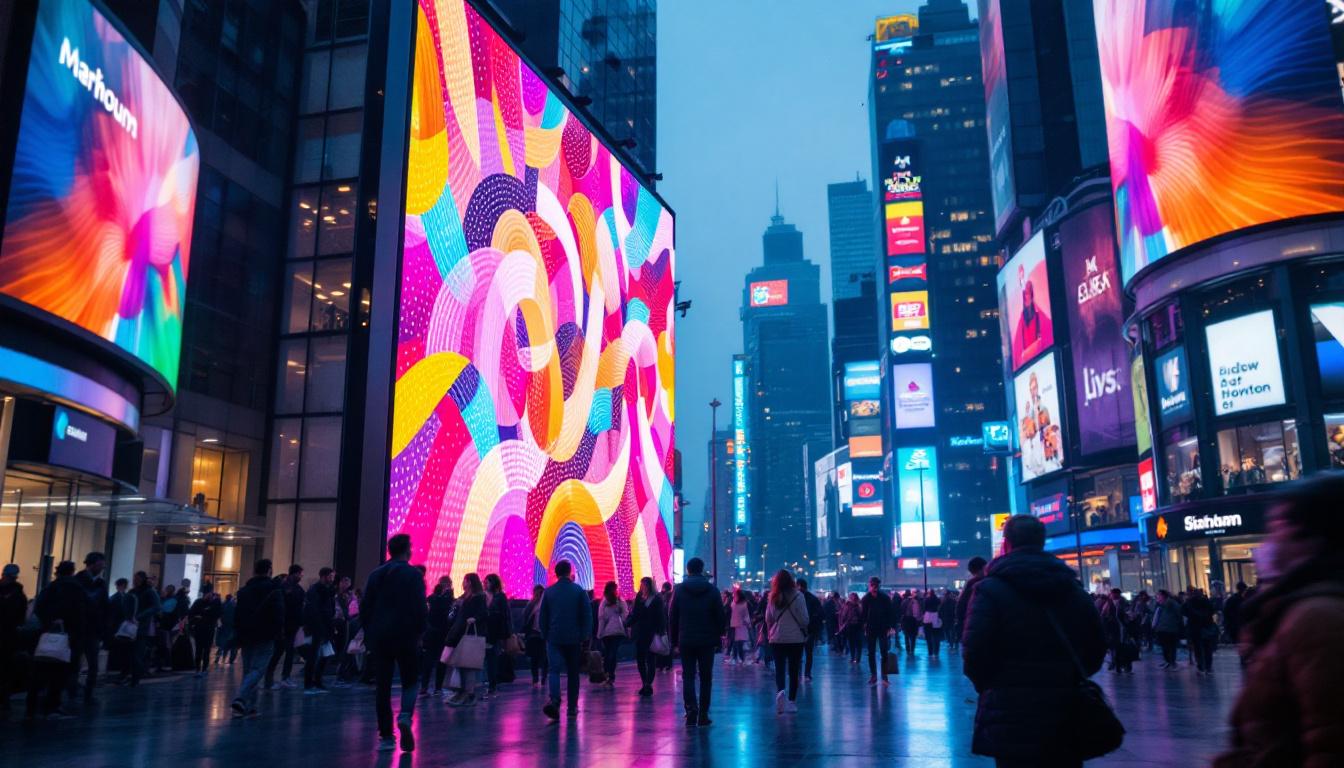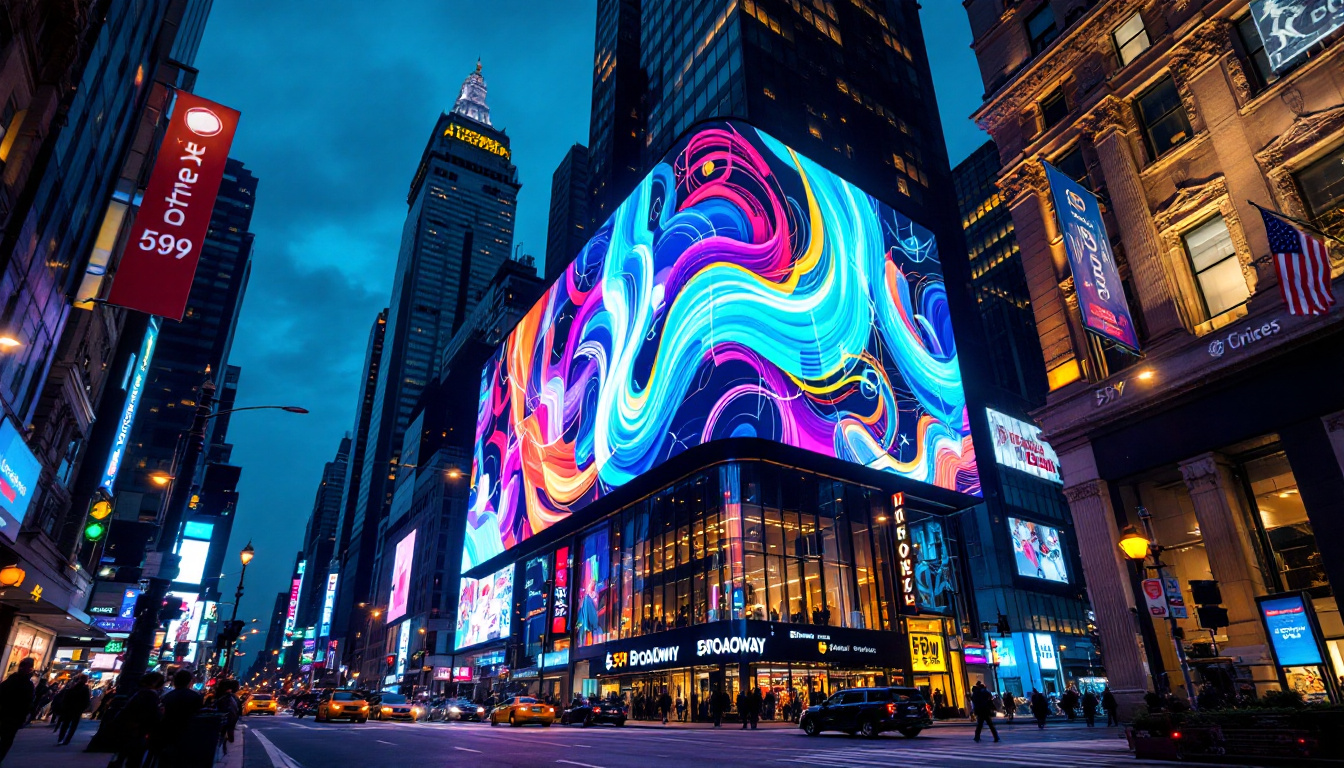
In the rapidly evolving world of digital technology, LED displays have become a cornerstone of modern visual communication. From towering billboards in Times Square to the sleek screens on smartphones and televisions, LED technology powers a vast array of devices that shape how information and entertainment are presented. This article delves into the fundamentals of LED displays, exploring their technology, types, applications, and the future trends that are set to redefine visual experiences.
Understanding the Basics of LED Technology
LED stands for Light Emitting Diode, a semiconductor device that emits light when an electric current passes through it. Unlike traditional incandescent bulbs, LEDs produce light through electroluminescence, a process that is highly efficient and generates less heat. This fundamental characteristic makes LEDs ideal for display technologies, where brightness, energy efficiency, and longevity are crucial. Additionally, the durability of LEDs contributes to their widespread adoption, as they are less prone to breakage compared to fragile incandescent bulbs, making them a reliable choice for both residential and commercial lighting solutions.
The core component of any LED display is the tiny diode that emits light in specific colors—primarily red, green, and blue. By combining these primary colors at varying intensities, LED displays can produce a broad spectrum of colors, enabling vibrant and dynamic images. This versatility not only enhances visual experiences but also allows for innovative applications in art installations and interactive displays, where color manipulation can evoke emotions and engage audiences in unique ways.
How LED Displays Work
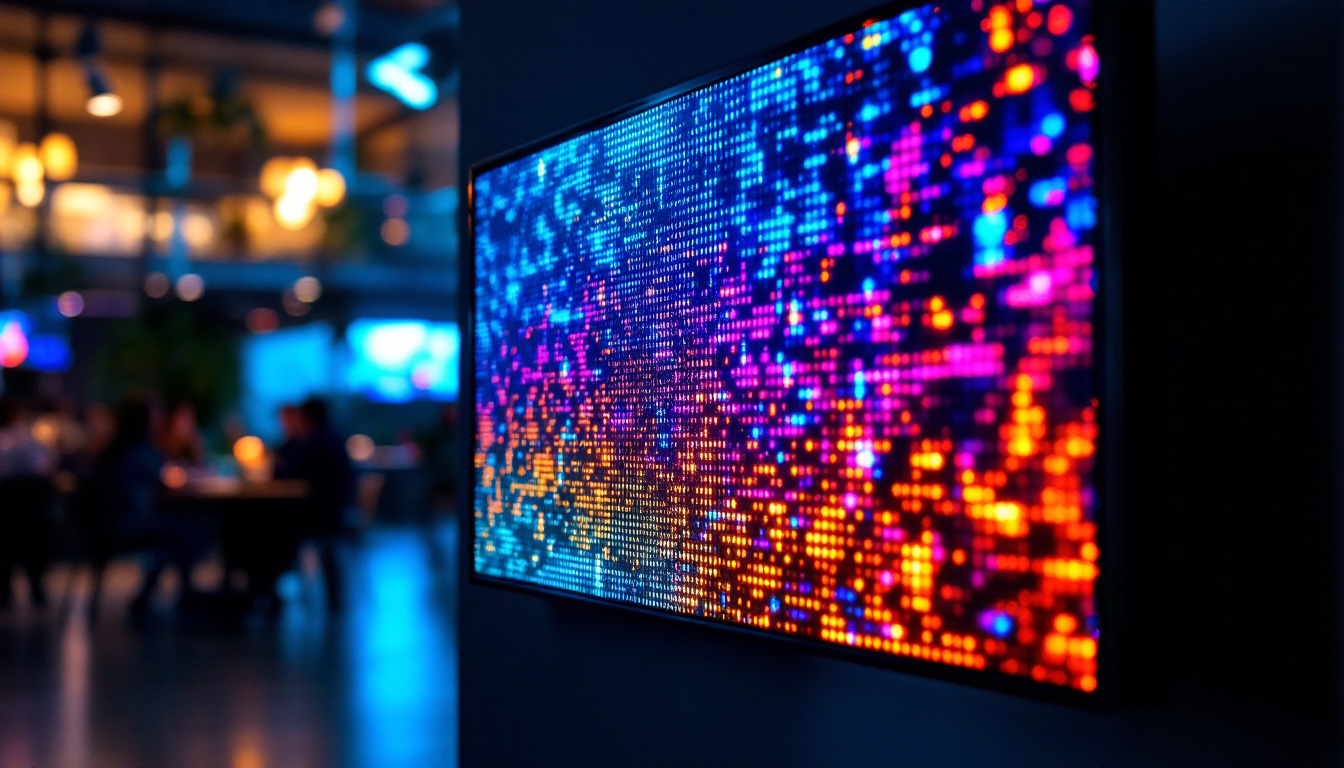
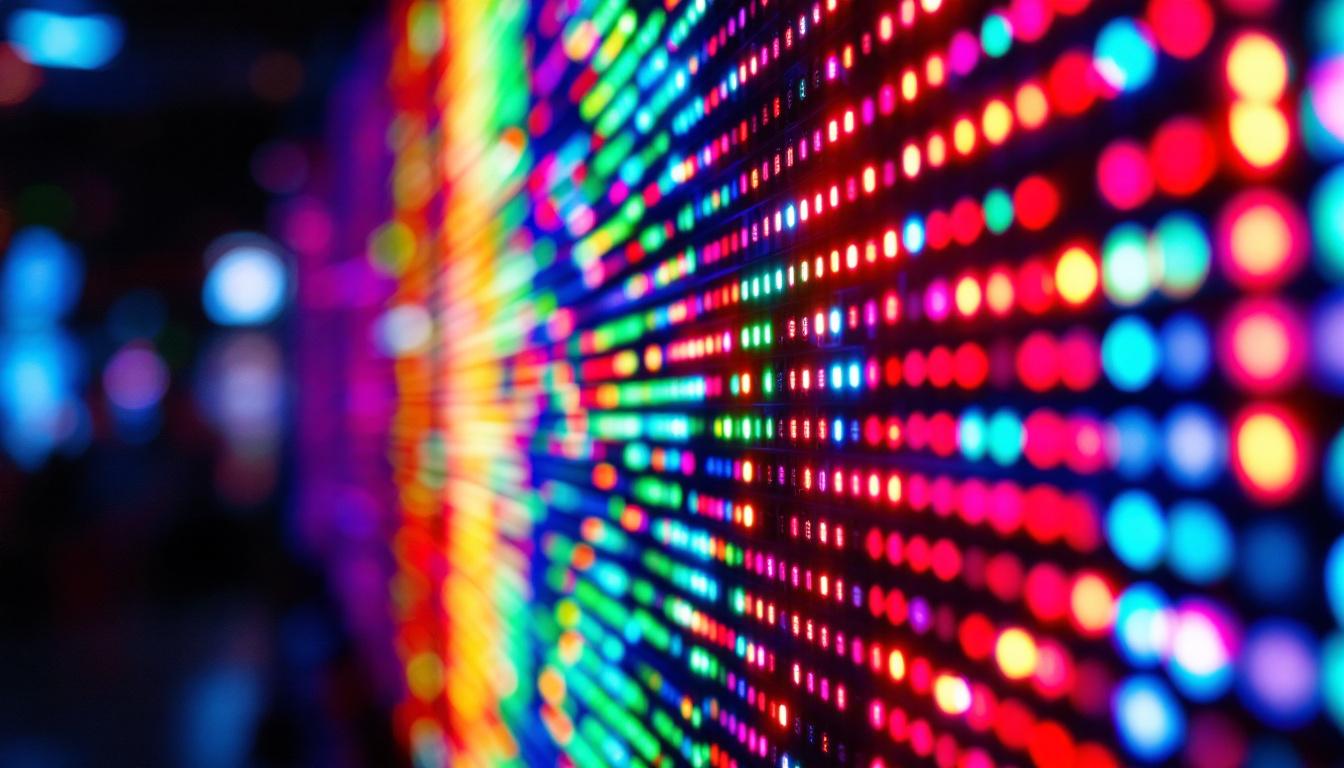
At the heart of an LED display is a matrix of individual LEDs arranged in pixels. Each pixel typically consists of three sub-pixels—red, green, and blue—that work together to create the desired color through additive color mixing. When electric current is applied to these sub-pixels, they emit light at different intensities, allowing the display to render detailed images and videos. This pixel arrangement is crucial for achieving high resolution and sharpness in images, making LED displays particularly favored in environments where clarity is paramount, such as in medical imaging and high-definition television screens.
The control system behind the display modulates the current to each LED, adjusting brightness and color in real-time. This precise control enables LED displays to deliver high contrast ratios and vivid colors, making them suitable for a wide range of applications, from outdoor advertising to indoor video walls. Furthermore, advancements in LED technology have led to the development of smart displays that can adapt to ambient lighting conditions, ensuring optimal visibility and color accuracy regardless of the environment. As a result, LED technology continues to evolve, paving the way for even more innovative uses in fields such as automotive lighting, architectural illumination, and wearable technology.
Types of LED Displays
LED displays come in various forms, each tailored to specific use cases and environments. Understanding these types helps in selecting the right technology for a given application.
1. Direct View LED Displays
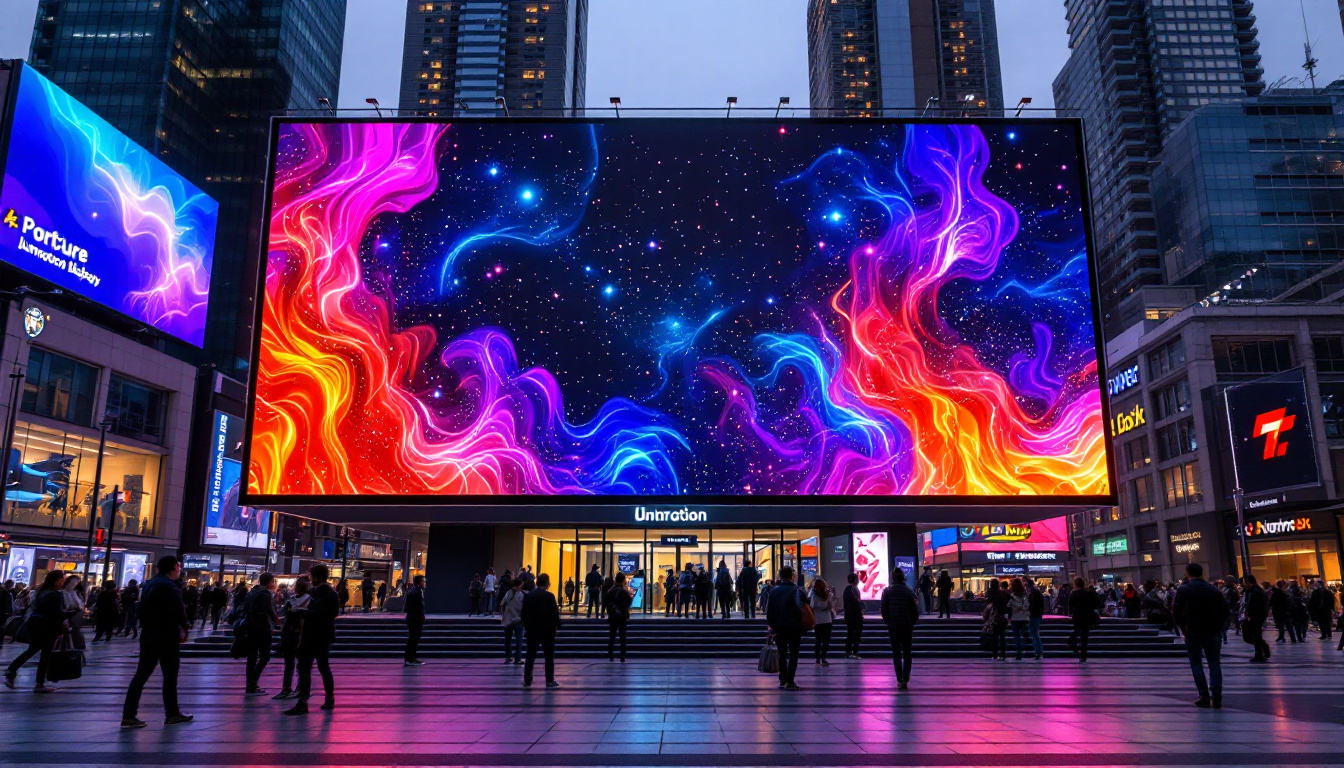
Direct View LED (DVLED) displays are composed of individual LEDs that are visible to the naked eye, forming the pixels of the screen. These displays are known for their exceptional brightness and are commonly used in outdoor environments such as stadiums, billboards, and public information displays. Their high luminance enables visibility even under direct sunlight, a critical feature for outdoor applications.
One of the key advantages of DVLED displays is their scalability. They can be built in virtually any size and shape, making them highly versatile for large-format installations. Additionally, their modular design allows for easy maintenance and upgrades.
2. LED-backlit LCD Displays
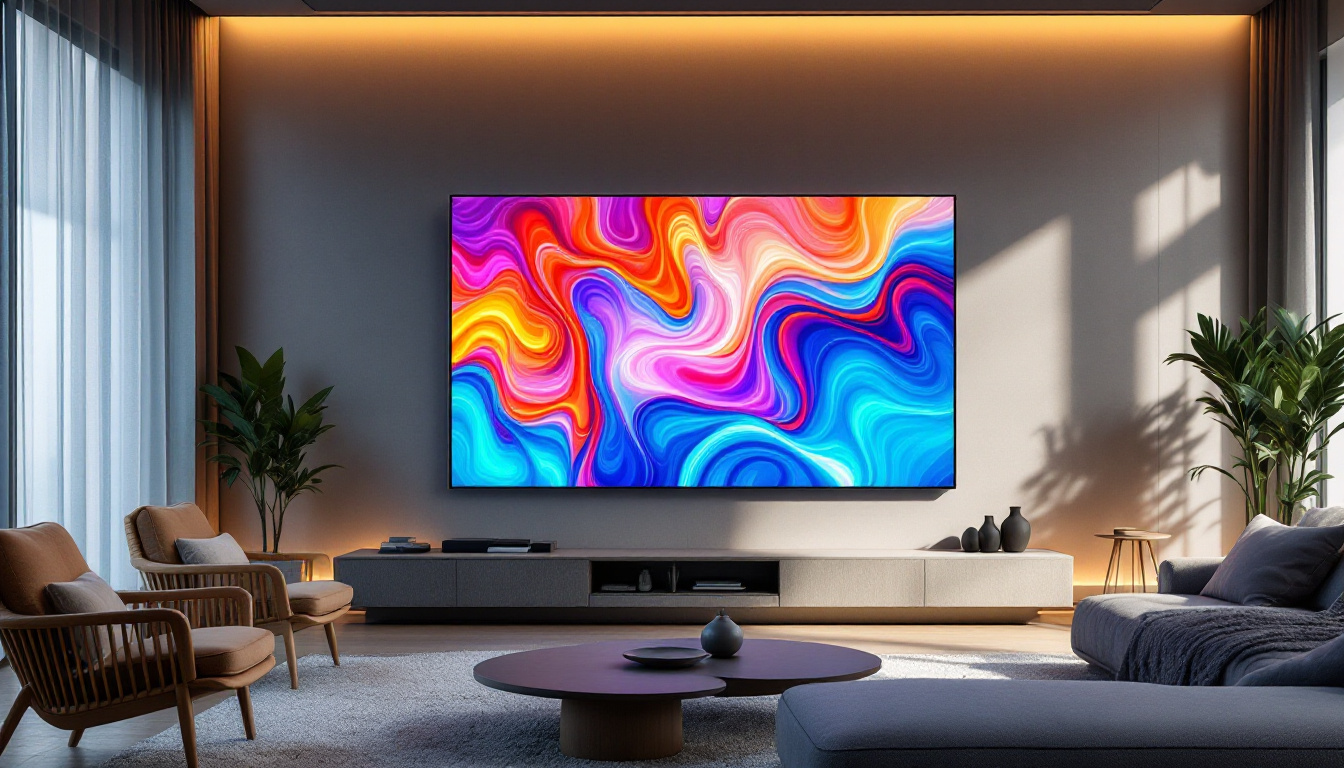
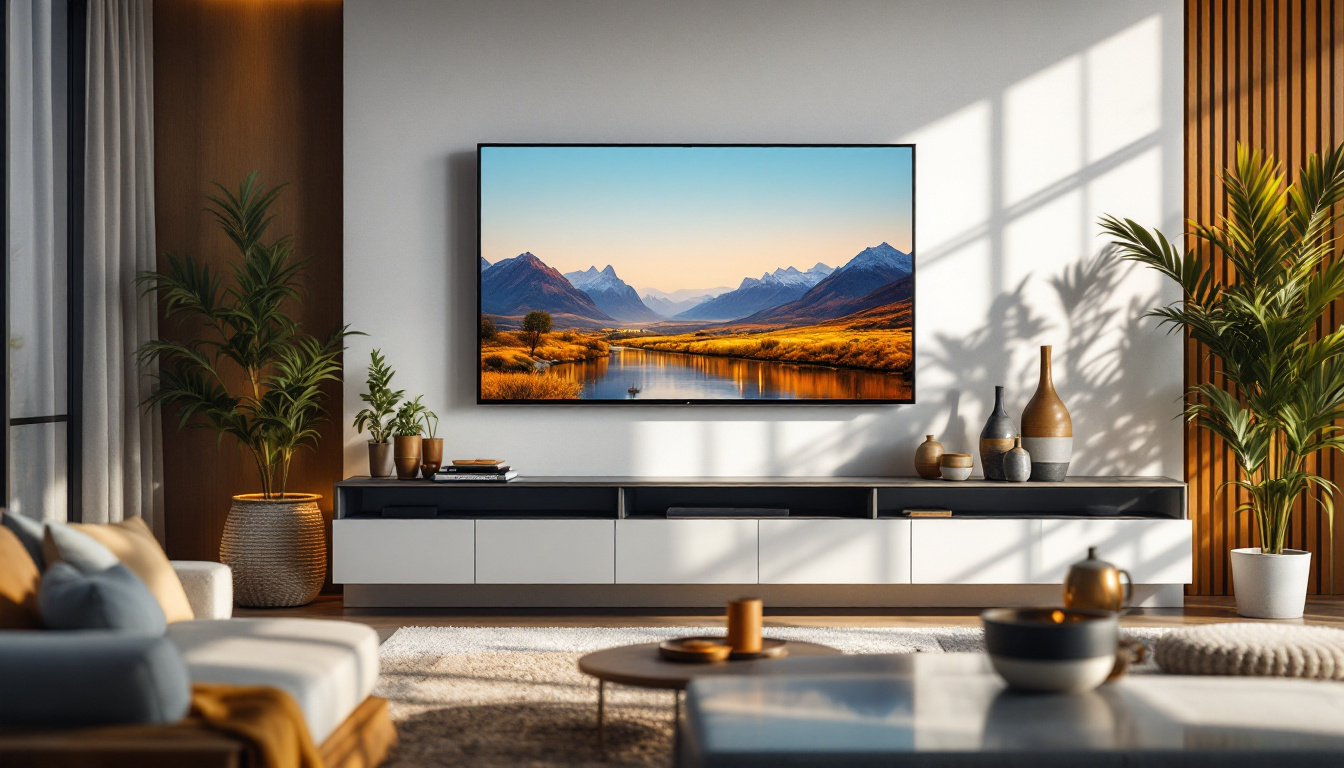
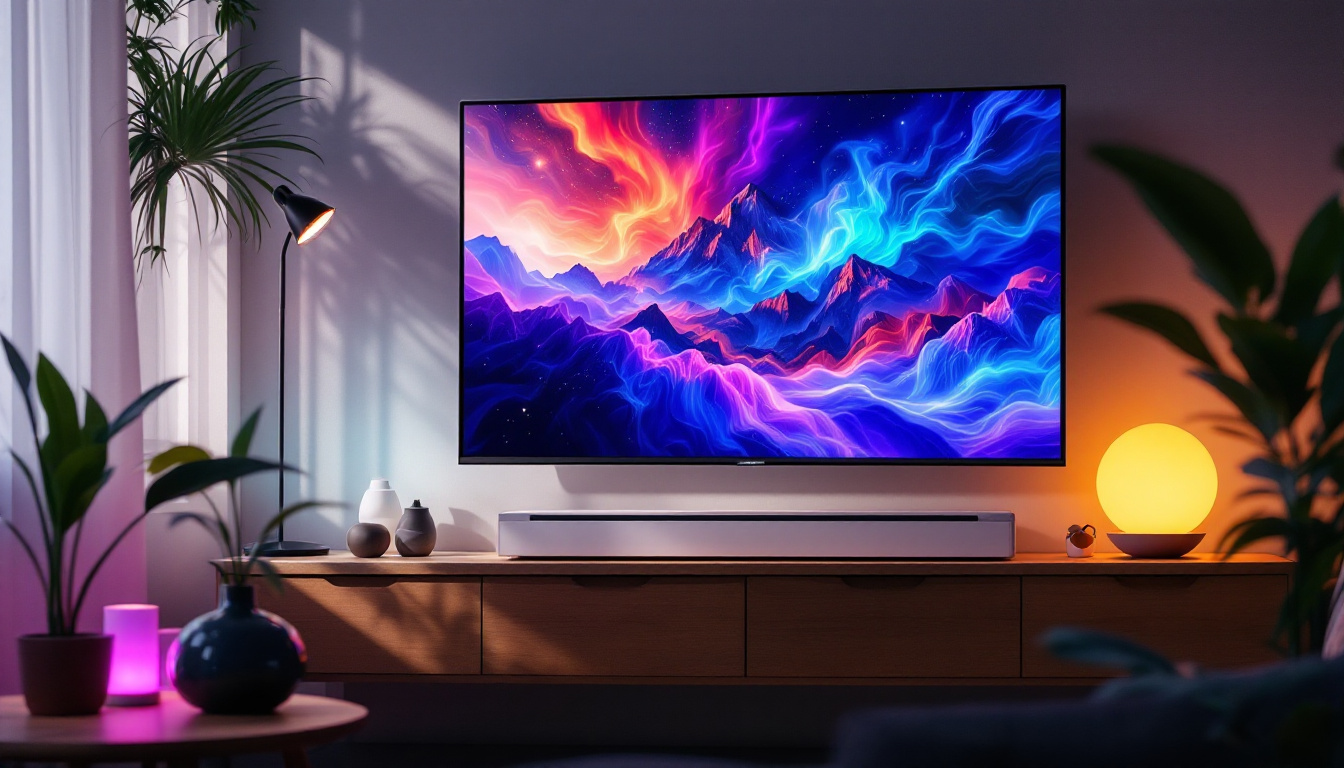
LED-backlit LCDs combine traditional liquid crystal display technology with LED backlighting. In this configuration, LEDs provide the light source behind the LCD panel, improving brightness and color accuracy compared to older CCFL (cold cathode fluorescent lamp) backlights. This technology is prevalent in consumer electronics such as televisions, computer monitors, and smartphones.
While not true LED displays in the sense of direct emission, LED-backlit LCDs offer a cost-effective way to leverage LED advantages like energy efficiency and improved color gamut without the complexity of direct-view LED matrices.
3. OLED Displays
Organic Light Emitting Diode (OLED) displays represent a different approach, where organic compounds emit light when electrically stimulated. Each pixel in an OLED display is self-illuminating, eliminating the need for a separate backlight. This results in deeper blacks, higher contrast ratios, and thinner display panels.
Though technically distinct from traditional LEDs, OLED technology is often discussed alongside LED displays due to its similar principles and applications. OLEDs are widely used in high-end smartphones, televisions, and wearable devices.
Key Advantages of LED Displays
LED displays have surged in popularity due to their numerous benefits over traditional display technologies. These advantages have driven widespread adoption across industries and applications.
Energy Efficiency and Longevity
One of the most significant benefits of LED technology is its energy efficiency. LEDs consume substantially less power than incandescent or fluorescent lighting, which translates to lower operational costs and reduced environmental impact. For example, a typical LED display can use up to 75% less energy than a comparable LCD display with CCFL backlighting.
In addition to energy savings, LEDs boast impressive lifespans. Many LED displays are rated to operate for over 100,000 hours before significant brightness degradation occurs. This longevity reduces maintenance costs and downtime, especially important for large-scale installations.
Brightness and Visibility
LED displays excel in brightness, with some outdoor models capable of producing over 5,000 nits (a measure of luminance). This high brightness ensures clear visibility in direct sunlight and challenging lighting conditions, making LEDs ideal for outdoor advertising, transportation hubs, and sports arenas.
Moreover, LED displays offer wide viewing angles, ensuring that images remain vibrant and consistent even when viewed from extreme angles. This feature enhances the audience experience in public spaces and retail environments.
Design Flexibility and Scalability
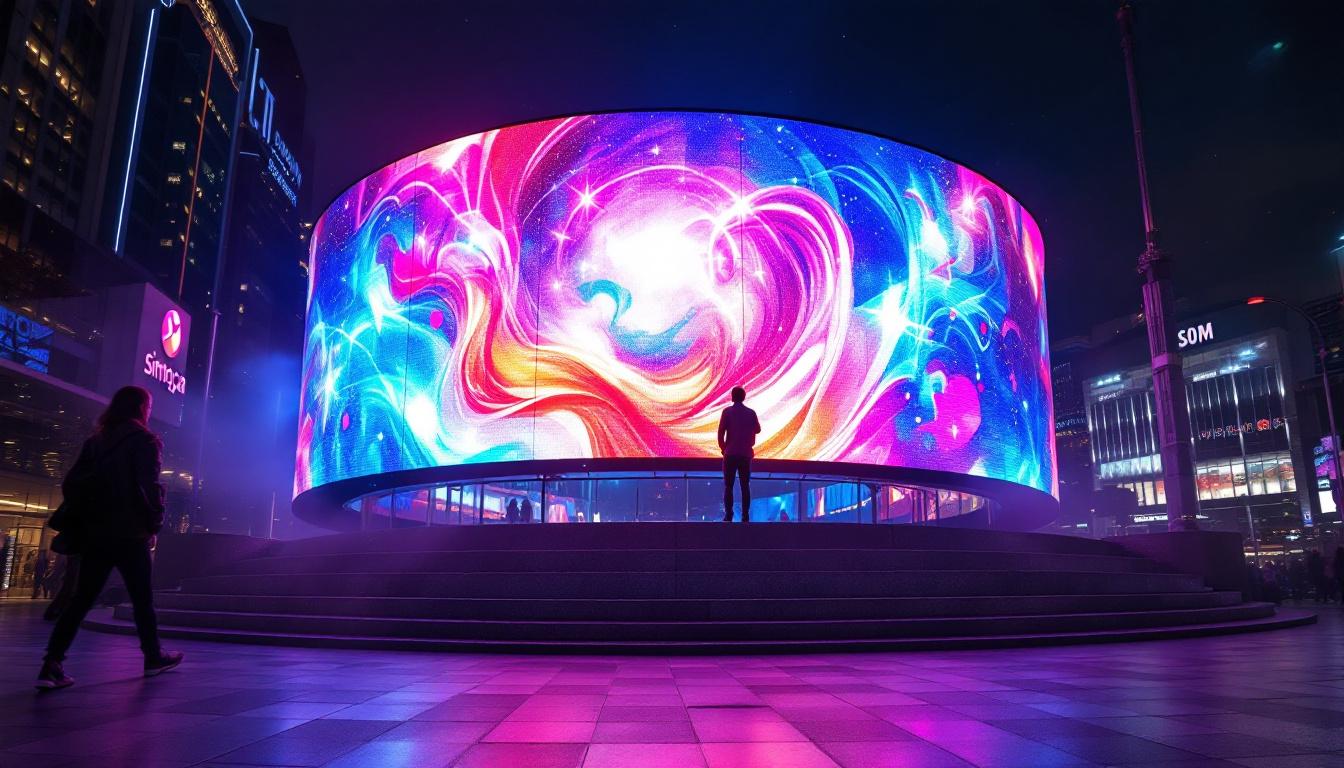
The modular nature of LED display panels allows for remarkable design flexibility. Panels can be combined to create seamless large-format screens of virtually any size or shape. Curved, cylindrical, and irregularly shaped displays are achievable, opening creative possibilities for architects and designers.
This scalability also simplifies installation and maintenance. Individual modules can be replaced or upgraded without dismantling the entire display, reducing service interruptions and costs.
Applications of LED Displays Across Industries
LED displays have permeated numerous sectors, transforming how information is conveyed and experiences are crafted. Their versatility and performance make them indispensable in many contexts.
Advertising and Outdoor Signage
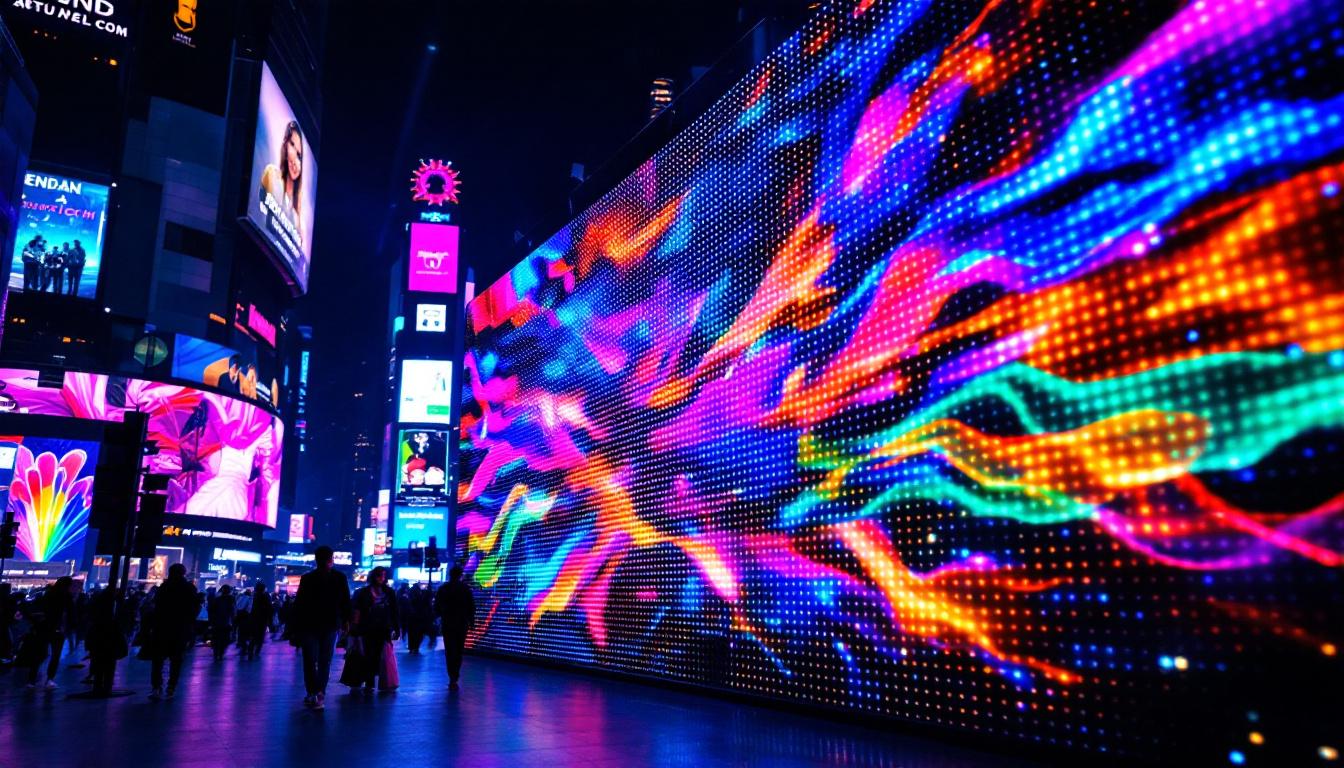
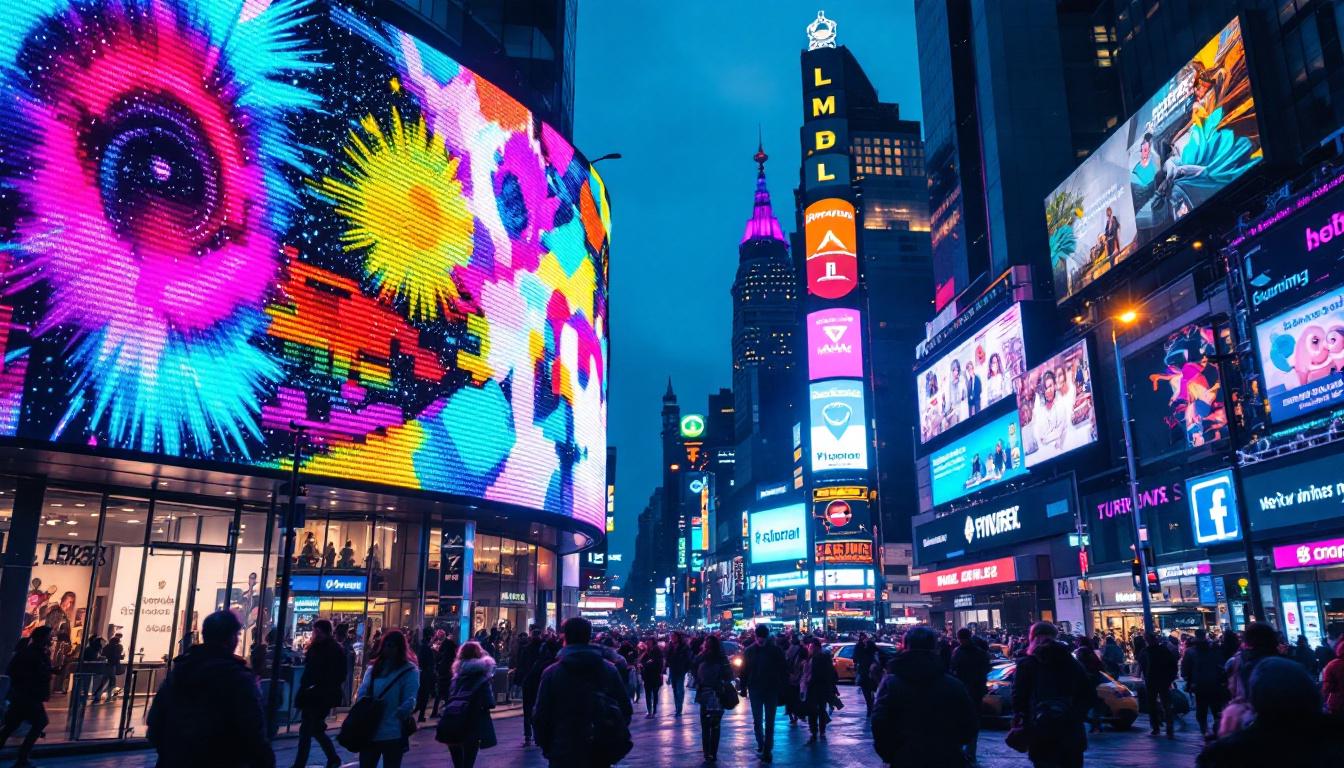
Perhaps the most visible application of LED displays is in advertising. Digital billboards powered by LED technology have revolutionized the outdoor advertising industry, enabling dynamic content that can be updated in real-time. This capability allows advertisers to tailor messages based on time of day, weather, or audience demographics, increasing engagement and effectiveness.
For example, Times Square in New York City features some of the largest and brightest LED billboards globally, attracting millions of viewers daily. Such installations highlight the impact of LED technology on urban landscapes and marketing strategies.
Sports and Entertainment Venues
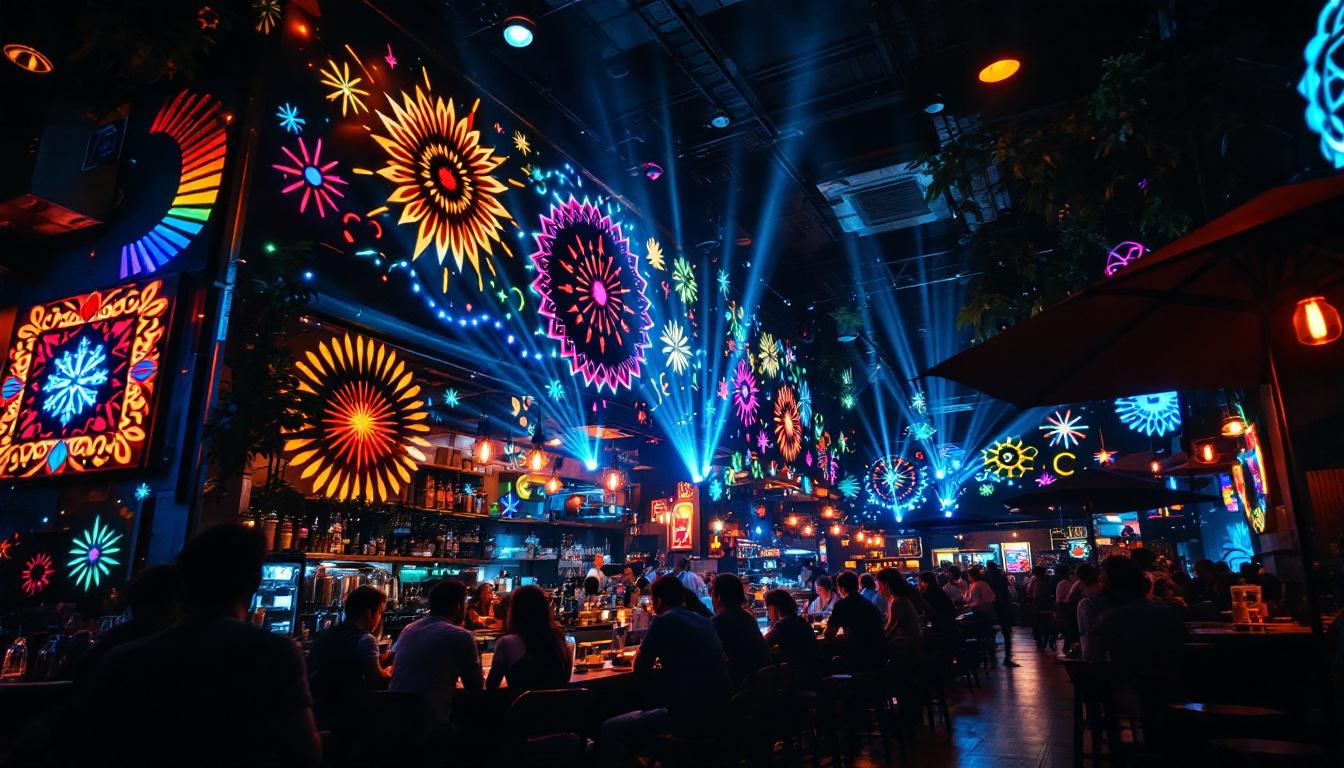
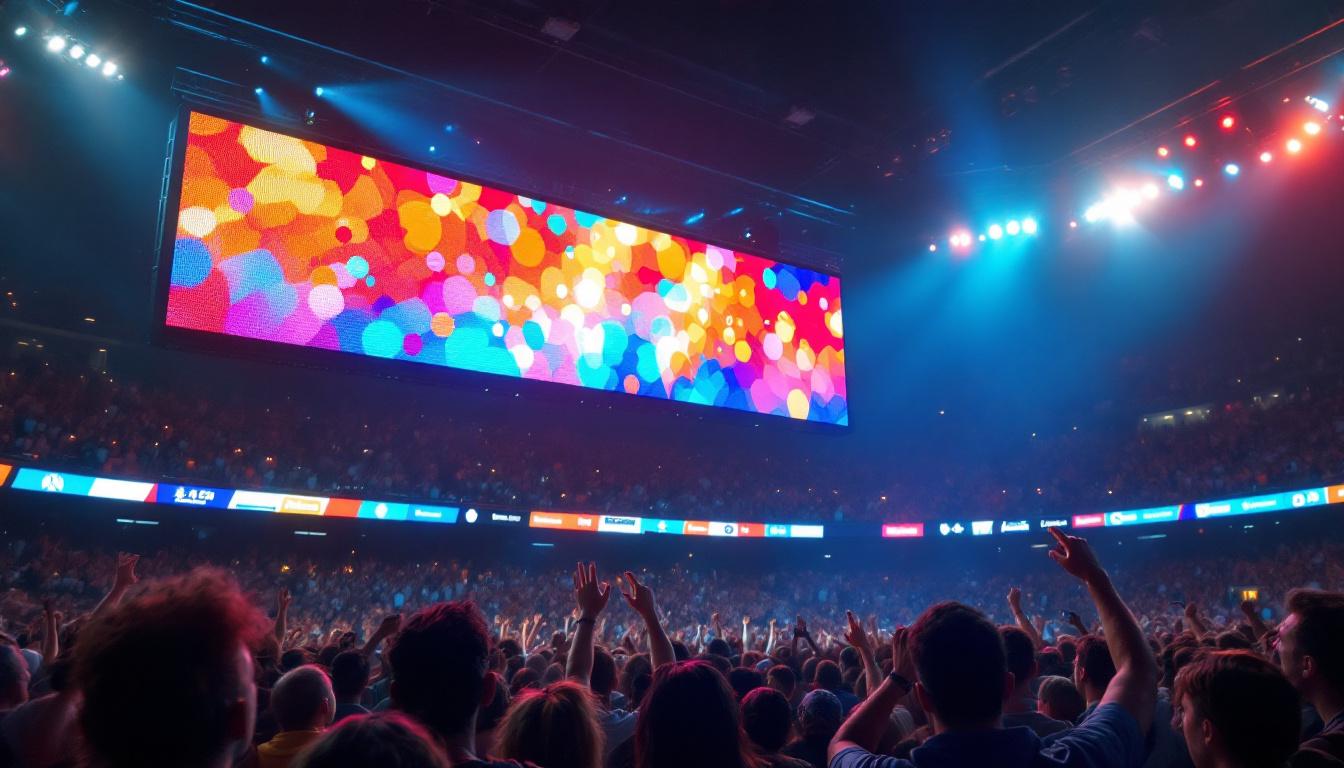
Stadiums and arenas rely heavily on LED displays for scoreboards, video walls, and immersive fan experiences. High-resolution LED screens provide clear visuals to large audiences, enhancing the atmosphere during events. The ability to display instant replays, advertisements, and interactive content adds value for both organizers and spectators.
Additionally, concert stages often incorporate LED walls to deliver stunning visual effects that synchronize with performances, elevating the overall entertainment experience.
Retail and Commercial Spaces
In retail environments, LED displays are used to attract customers, promote products, and create engaging brand experiences. Digital signage can be found in storefront windows, shopping malls, and showrooms, offering dynamic content that adapts to consumer behavior and trends.
Interactive LED displays also enable personalized marketing, where customers can interact with the screen to explore products or receive tailored recommendations, driving sales and customer satisfaction.
Transportation and Public Information
LED displays play a critical role in transportation hubs such as airports, train stations, and bus terminals. They provide real-time information on schedules, delays, and safety announcements, improving passenger experience and operational efficiency.
Moreover, LED technology is used in traffic signals and variable message signs on highways, contributing to road safety and traffic management.
Emerging Trends and the Future of LED Displays
The LED display industry continues to innovate, pushing the boundaries of what is possible in visual technology. Several emerging trends promise to shape the future landscape of LED displays.
MicroLED Technology
MicroLED displays represent the next generation of LED technology, featuring microscopic LEDs that serve as individual pixels. This approach combines the advantages of OLEDs—such as self-emission and high contrast—with the durability and brightness of traditional LEDs.
MicroLEDs offer superior color accuracy, faster response times, and longer lifespans without the burn-in issues associated with OLEDs. While still in the early stages of commercial deployment, MicroLEDs are expected to revolutionize displays in smartphones, televisions, and augmented reality devices.
Flexible and Transparent LED Displays
Advancements in materials and manufacturing have enabled the development of flexible and transparent LED displays. Flexible LEDs can be bent or curved without damage, opening possibilities for wearable devices, foldable screens, and innovative architectural installations.
Transparent LED displays allow images to be shown on glass surfaces without obstructing the view, ideal for retail windows, automotive windshields, and augmented reality applications. These technologies enhance interactivity and aesthetic appeal in various environments.
Integration with Artificial Intelligence and IoT
The convergence of LED displays with artificial intelligence (AI) and the Internet of Things (IoT) is creating smarter, more responsive visual systems. AI algorithms can analyze viewer demographics, behavior, and environmental conditions to optimize content delivery in real-time.
IoT connectivity enables LED displays to interact with other devices and systems, facilitating coordinated messaging, energy management, and predictive maintenance. This integration enhances operational efficiency and user engagement.
Conclusion
LED displays have transformed the way information and entertainment are delivered across diverse sectors. Their combination of brightness, energy efficiency, design flexibility, and durability makes them a preferred choice for applications ranging from outdoor advertising to immersive entertainment experiences.
As technology advances, innovations like MicroLED, flexible displays, and AI integration promise to further elevate the capabilities and applications of LED displays. Understanding the underlying technology and its potential helps businesses, designers, and consumers make informed decisions and embrace the future of digital visual communication.
Explore Cutting-Edge LED Display Solutions with LumenMatrix
Ready to elevate your visual communication with the latest in LED display technology? LumenMatrix is at the forefront of innovation, offering a wide range of LED display modules designed to captivate and engage your audience. Whether you’re looking for an Indoor LED Wall Display, a dynamic Outdoor LED Wall Display, or specialized solutions like Vehicle LED Displays and LED Sports Displays, LumenMatrix has the state-of-the-art products to bring your vision to life. Experience the future of digital signage with our Custom LED Displays, All-in-One LED Displays, and LED Transparent Displays. Check out LumenMatrix LED Display Solutions today and join the revolution in visual storytelling.