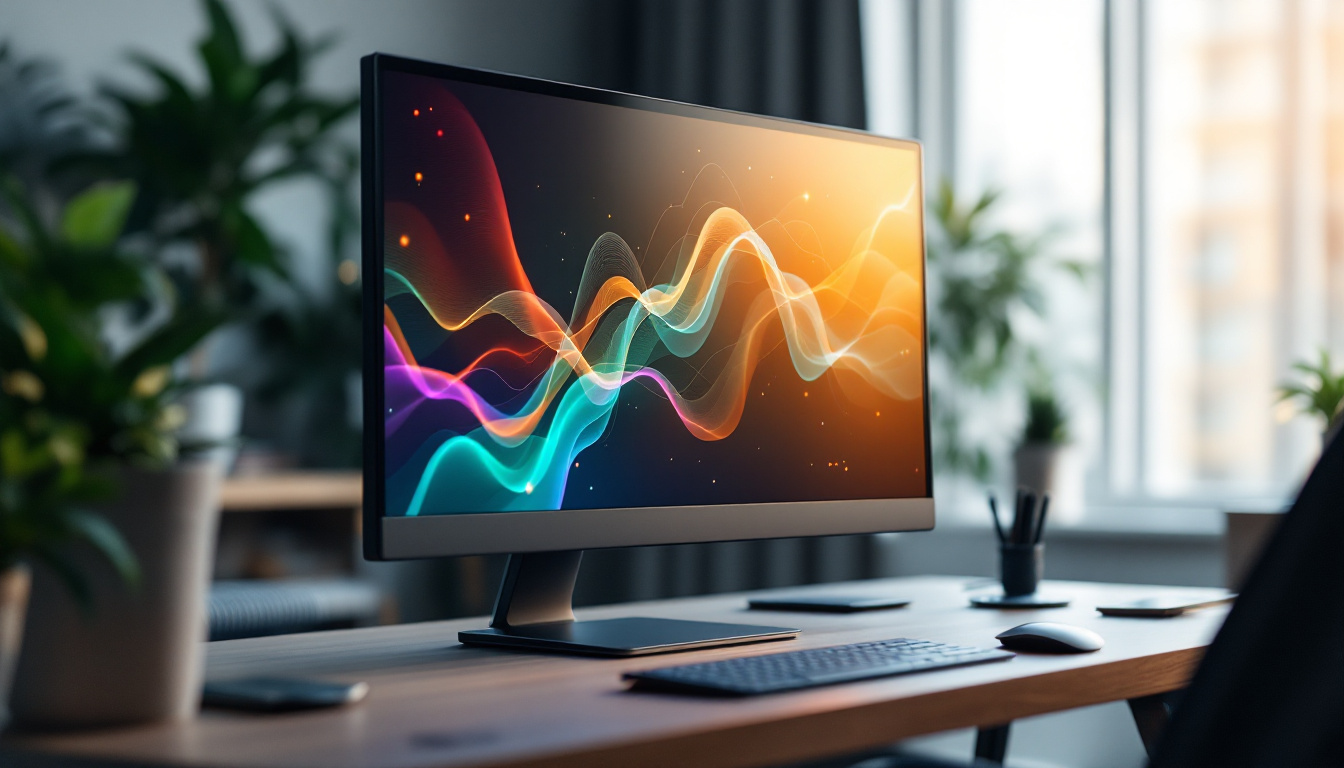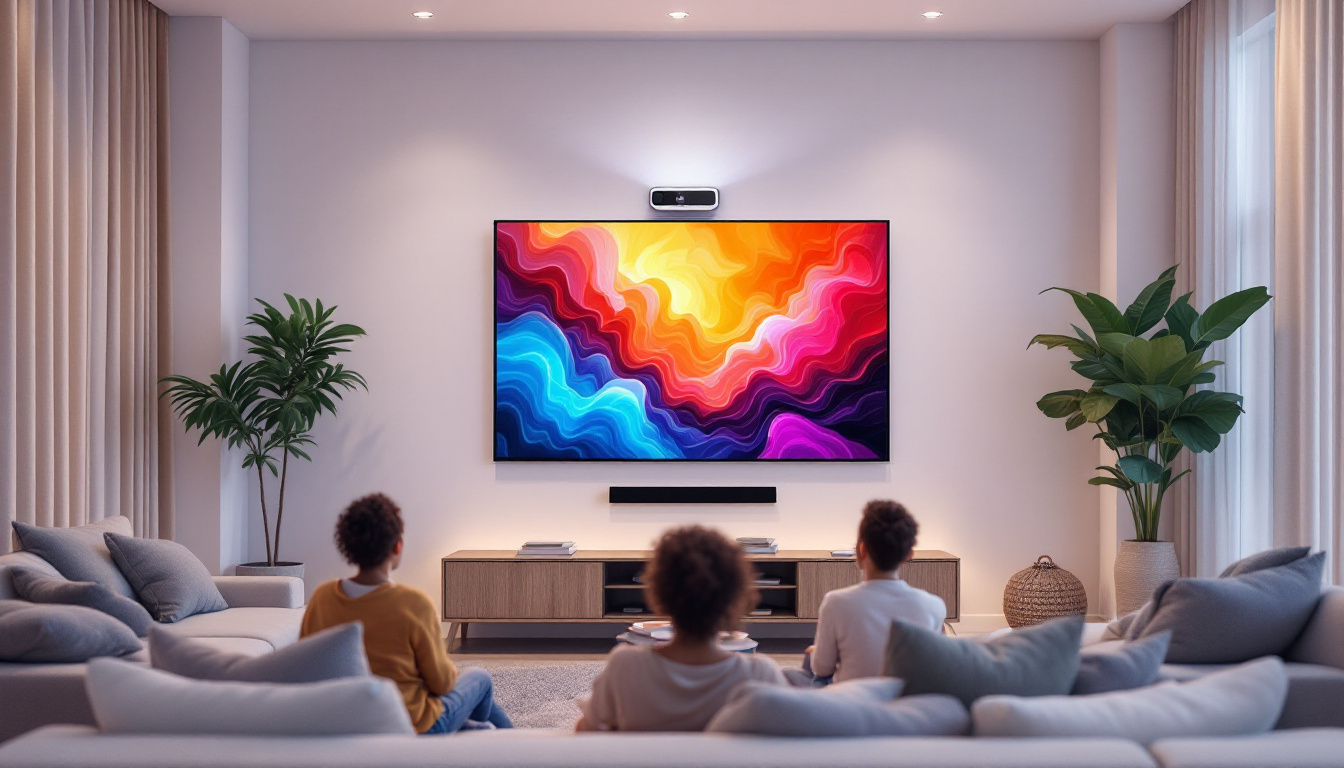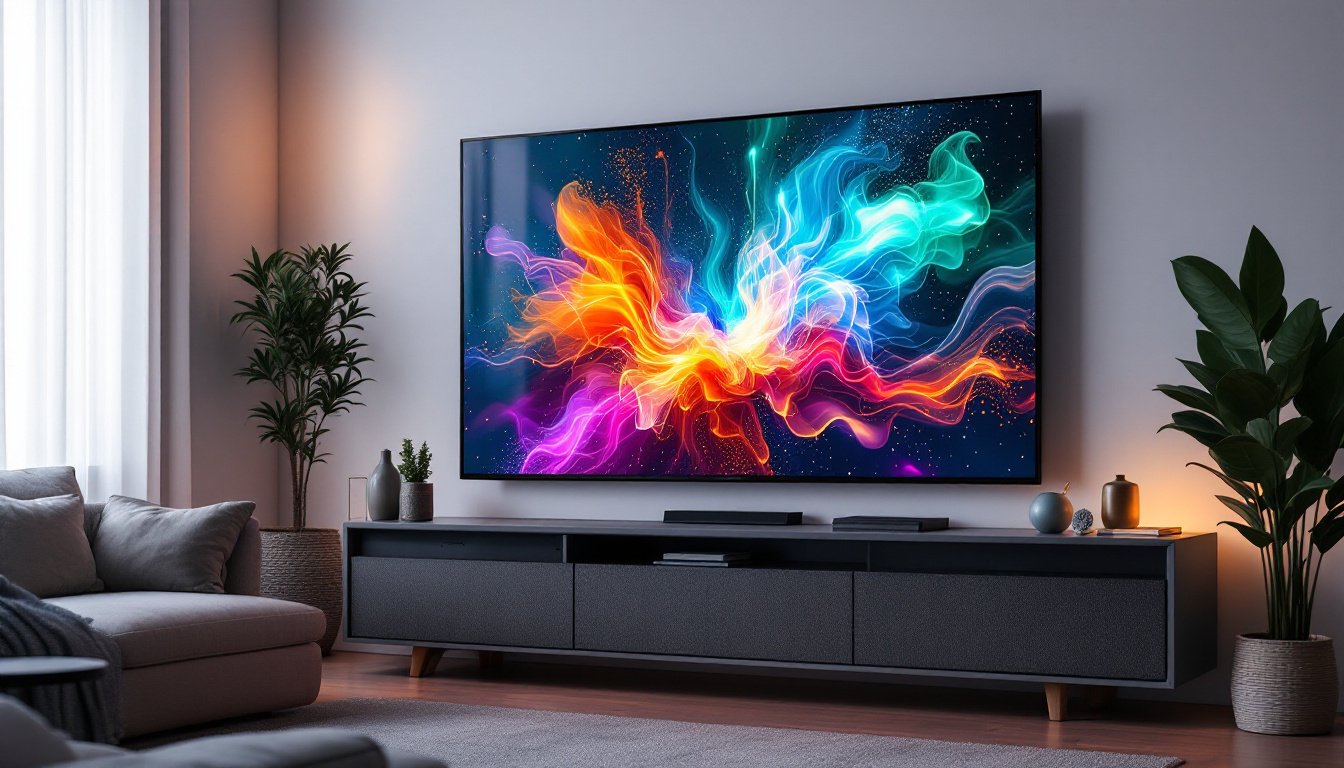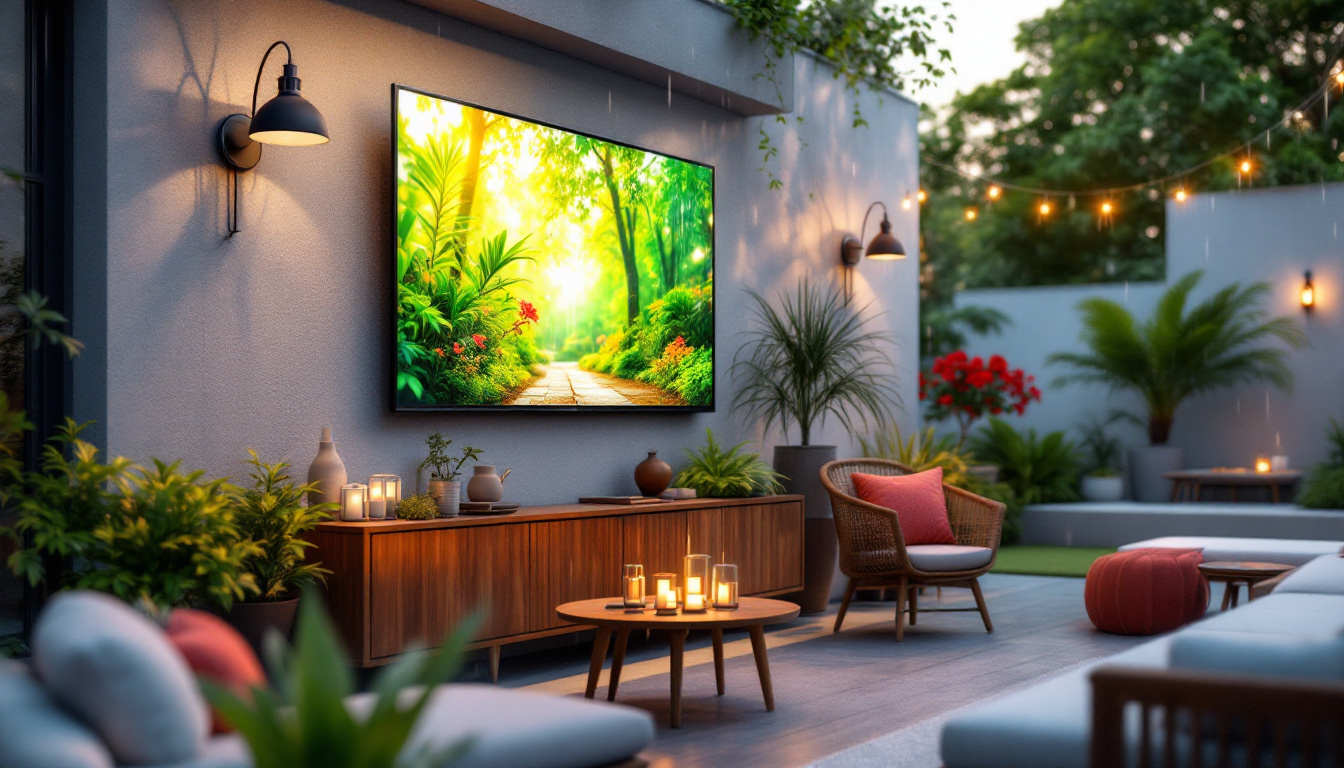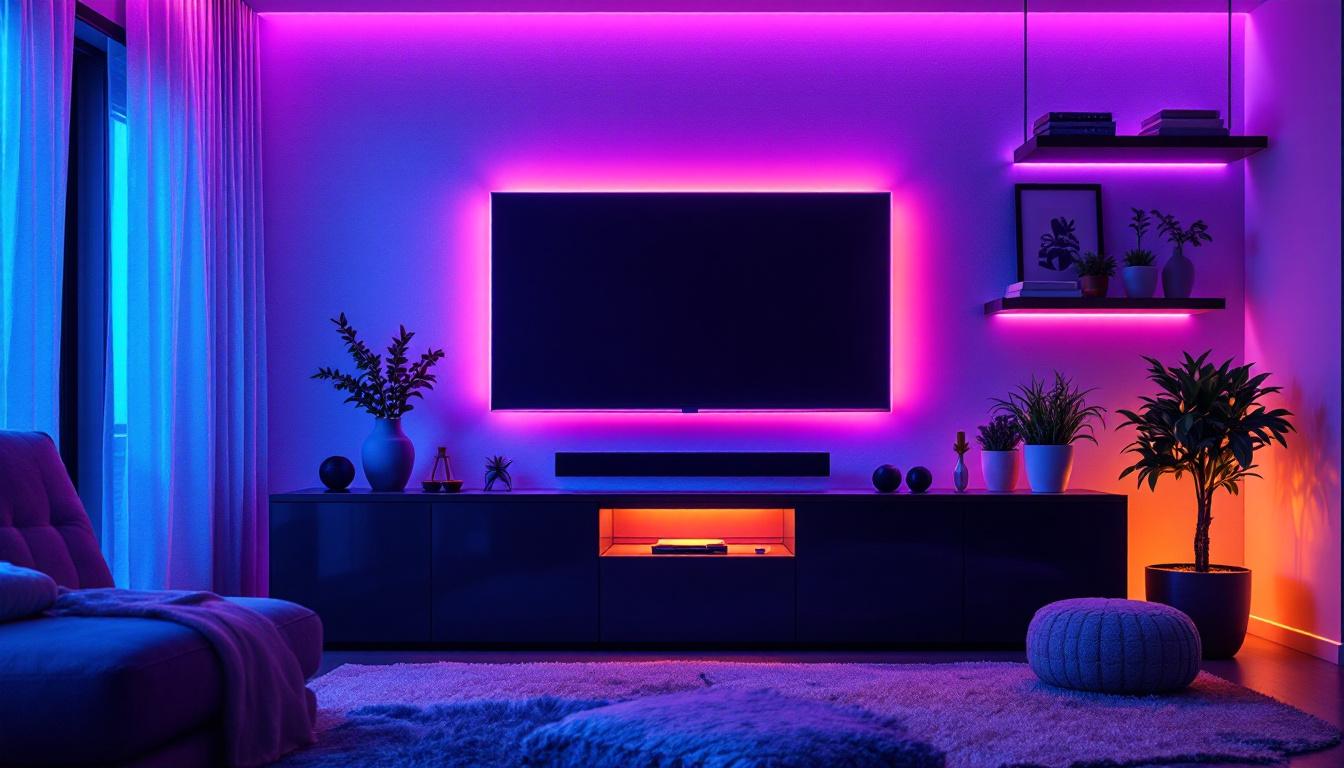
In the world of home entertainment, ambiance plays a crucial role in enhancing the viewing experience. One of the most popular and effective ways to elevate your entertainment center is by incorporating LED lights. These lights not only add a modern aesthetic but also improve visual comfort and immersion. This article delves into the technology behind entertainment center LED lights, explaining how LED displays work, their benefits, and how to choose the right lighting setup for your space.
Understanding LED Technology
Light Emitting Diodes, or LEDs, have revolutionized lighting and display technologies over the past few decades. Unlike traditional incandescent bulbs, LEDs produce light through electroluminescence, a process where electrical energy is converted directly into light. This method is highly efficient, producing less heat and consuming less power. The impact of this efficiency is significant, as it not only reduces energy consumption but also extends the lifespan of the lighting solution, with many LEDs lasting up to 25,000 hours or more compared to the mere 1,000 hours typical of incandescent bulbs.
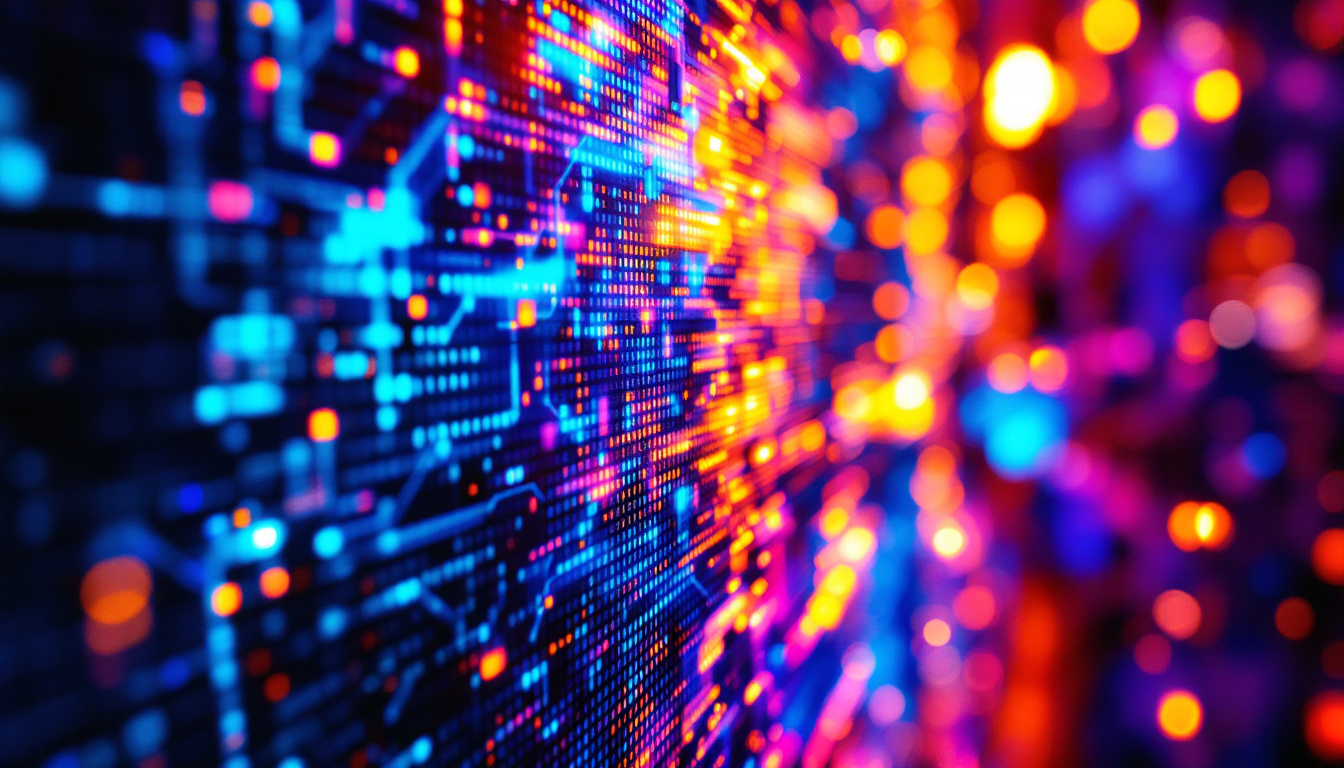
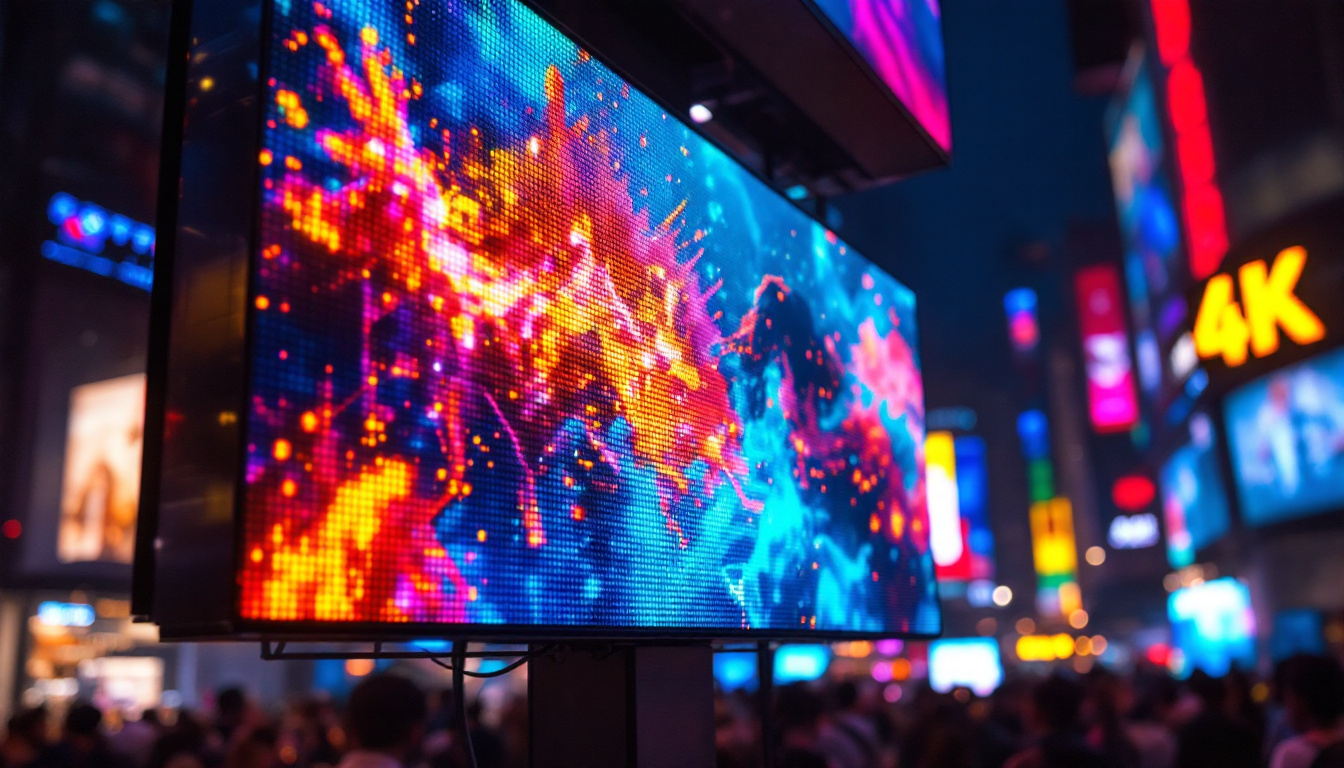
In entertainment centers, LED lights are commonly used in two forms: as backlighting for displays and as decorative ambient lighting. The LED displays themselves are composed of numerous tiny LEDs arranged in a grid, each capable of emitting light in various colors. This configuration allows for vibrant, high-resolution images and dynamic lighting effects. Furthermore, the versatility of LED technology means that it can be integrated into various environments, from home theaters to gaming setups, enhancing the overall experience with customizable lighting that can adapt to different moods and activities.
The Anatomy of an LED Display
At the core of an LED display are individual diodes that emit light when an electric current passes through them. These diodes are grouped into pixels, with each pixel often containing red, green, and blue LEDs. By adjusting the intensity of each color, the display can produce millions of colors, creating vivid and lifelike images. This color mixing is not only crucial for standard video content but also plays a significant role in gaming and virtual reality applications, where immersive visuals are essential for user engagement.
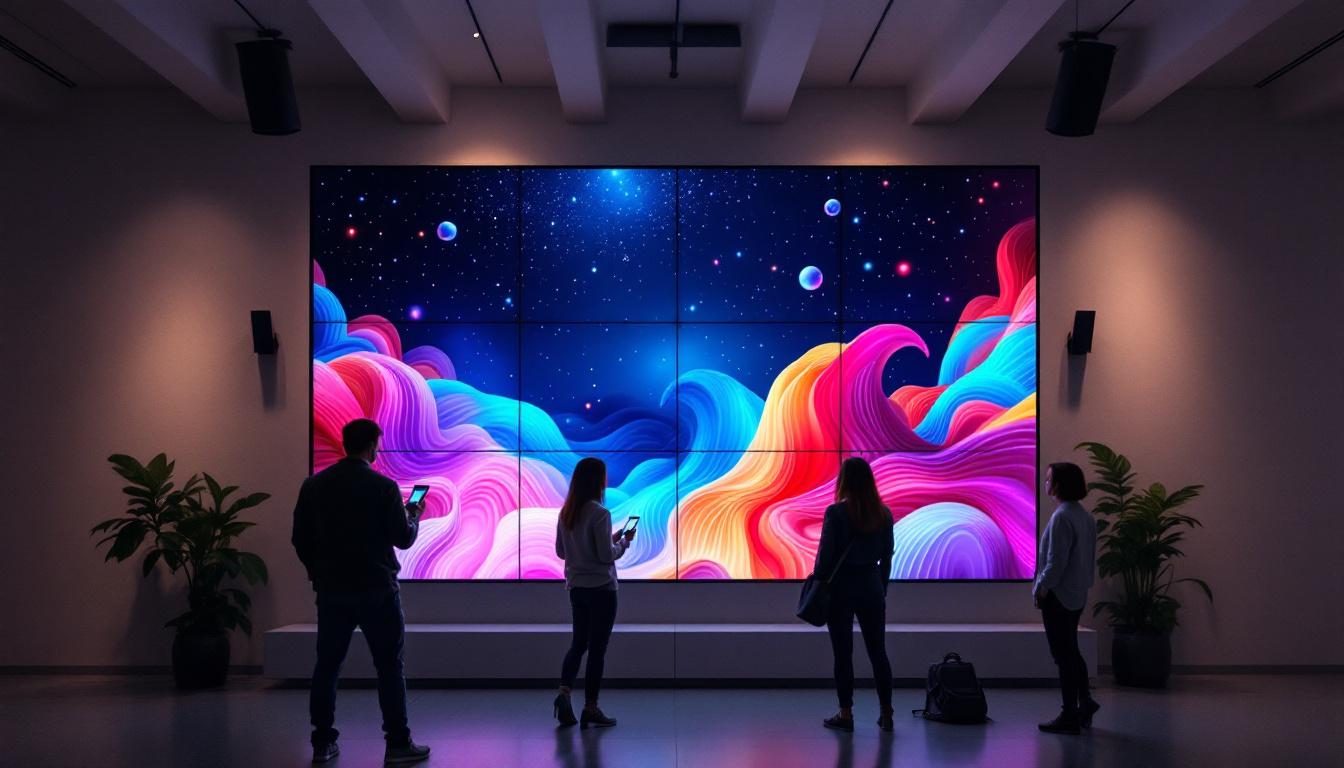
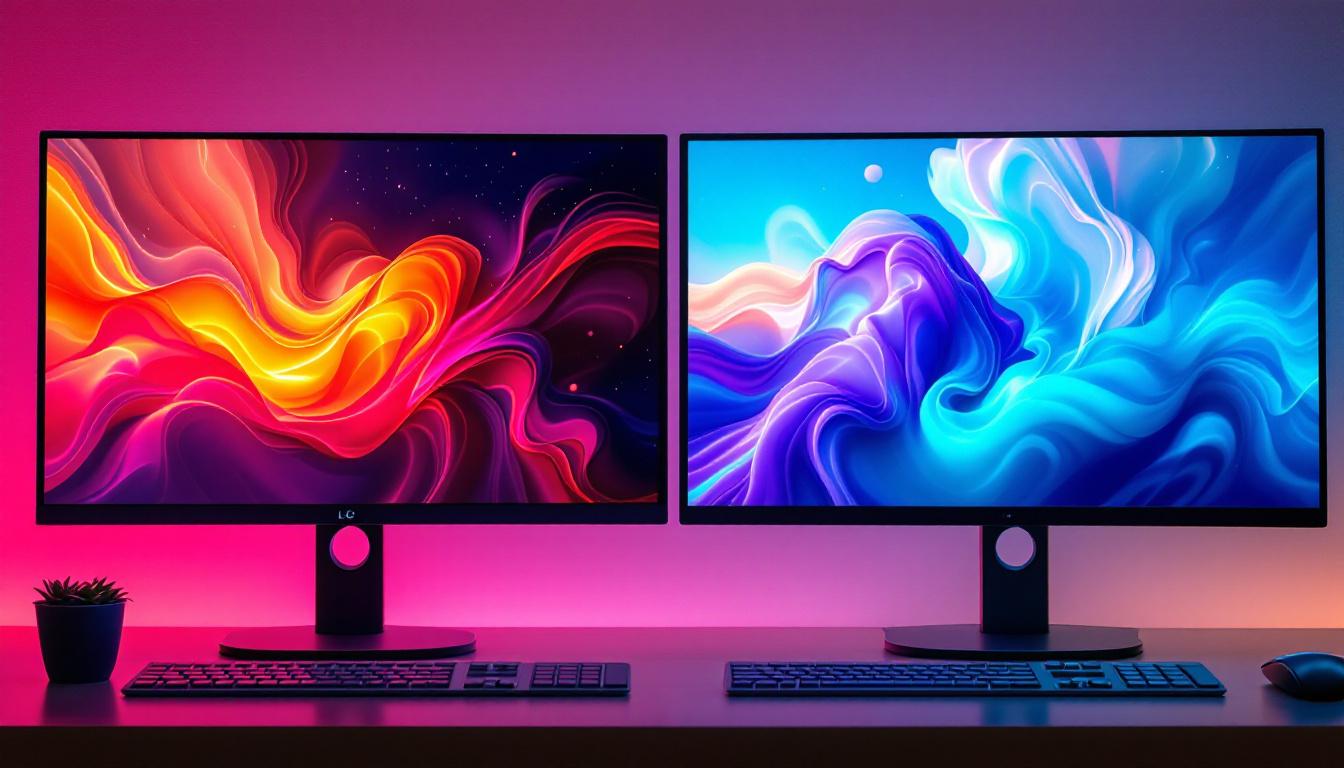
Modern LED displays used in entertainment centers range from small LED strips for accent lighting to large, high-definition LED panels used in televisions and monitors. The quality of an LED display depends on factors such as pixel density, color accuracy, brightness, and refresh rate. High pixel density ensures that images remain sharp and clear, even at close viewing distances, while color accuracy is vital for true-to-life representations of media. Additionally, advancements in LED technology have led to the development of features like HDR (High Dynamic Range), which enhances the contrast and color range of the display, making it possible to experience a more realistic and captivating viewing experience. As a result, consumers are increasingly drawn to LED technology for its ability to deliver stunning visuals that elevate their entertainment experiences to new heights.
Benefits of LED Lighting in Entertainment Centers
Integrating LED lights into an entertainment center offers numerous advantages beyond mere decoration. These benefits contribute to a more enjoyable and comfortable viewing environment.
Enhanced Visual Comfort and Reduced Eye Strain
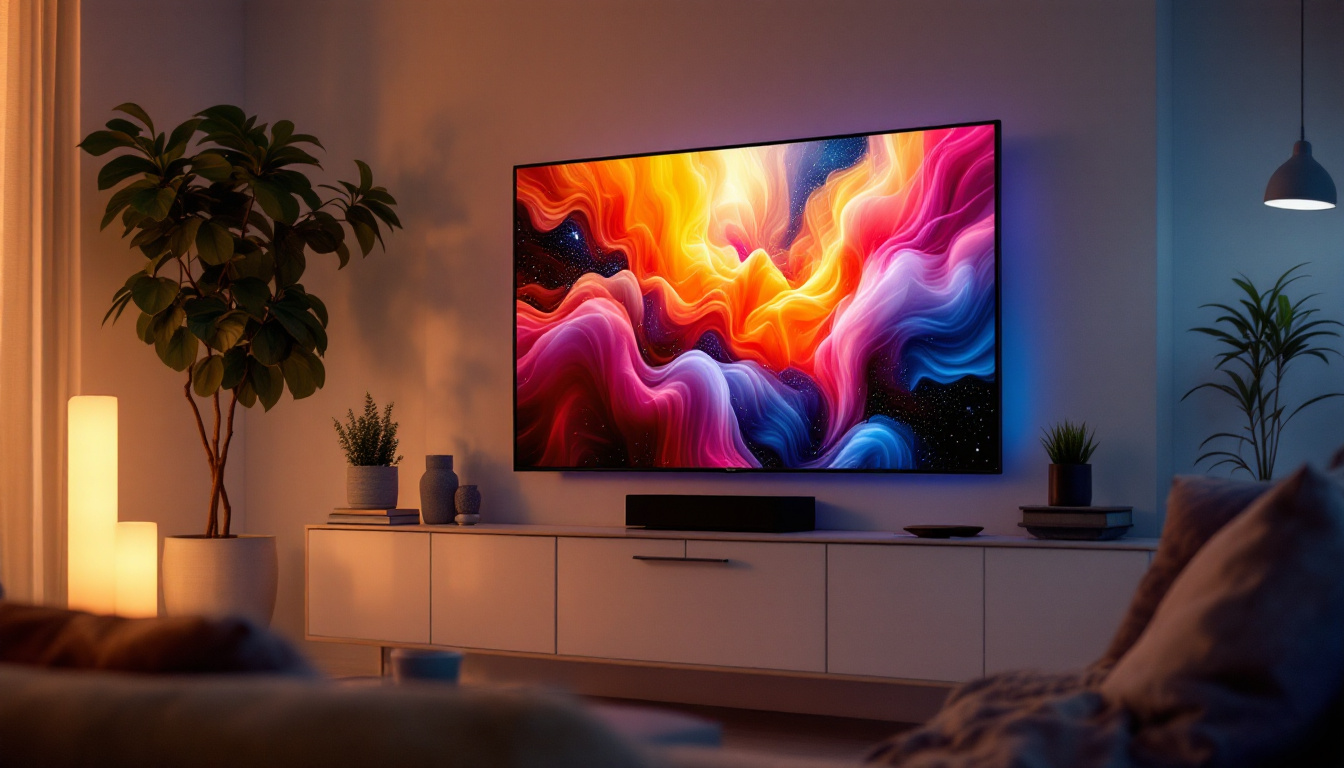
Watching screens in a dark room can cause eye strain due to the stark contrast between the bright screen and the surrounding darkness. LED ambient lighting, such as bias lighting placed behind the TV or monitor, helps balance this contrast. Studies have shown that bias lighting can reduce eye fatigue by providing a soft light source that eases the eyes’ adjustment between the screen and the room.
Improved Aesthetic Appeal
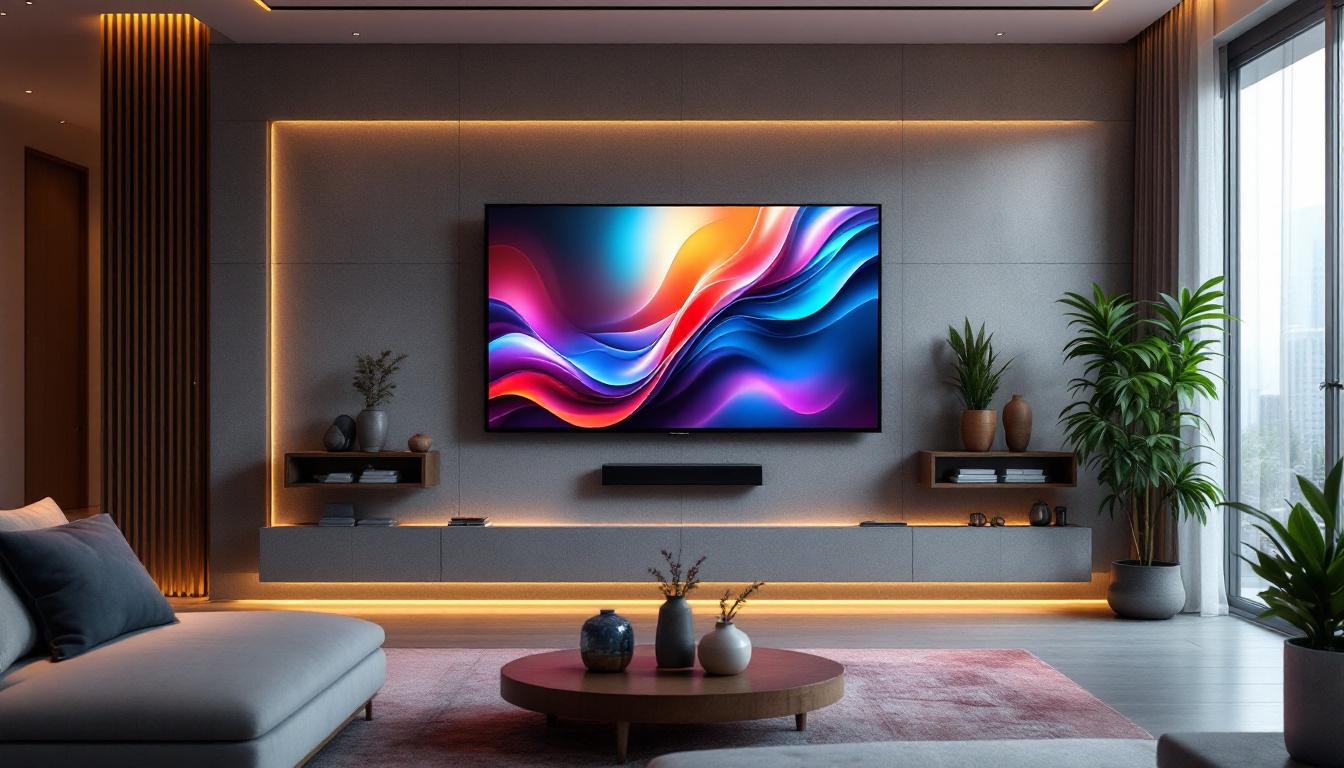
LED lights offer a customizable and modern look that can transform an ordinary entertainment center into a stylish focal point. With RGB LED strips, users can select from millions of colors and dynamic lighting effects, syncing lights with music or on-screen action for an immersive experience. This customization allows homeowners to tailor the lighting to their mood, décor, or specific entertainment content.
Energy Efficiency and Longevity
Compared to traditional lighting options, LEDs consume significantly less energy. This efficiency translates into lower electricity bills and a smaller environmental footprint. Additionally, LEDs have a longer lifespan—often exceeding 25,000 hours—meaning less frequent replacements and maintenance.
Types of LED Lights for Entertainment Centers
Choosing the right type of LED lighting for your entertainment center depends on your goals, budget, and the layout of your space. Below are the most common types used in home entertainment setups.
LED Strips
LED strips are flexible circuit boards embedded with surface-mounted LEDs. They are easy to install and can be cut to size, making them ideal for accent lighting around TV frames, shelves, or cabinetry. Many LED strips come with adhesive backing, simplifying placement without additional hardware.
These strips often feature RGB capabilities, allowing users to select colors via remote control or smartphone apps. Some advanced models support integration with smart home systems and can synchronize with audio or video content.
LED Panels and Light Bars
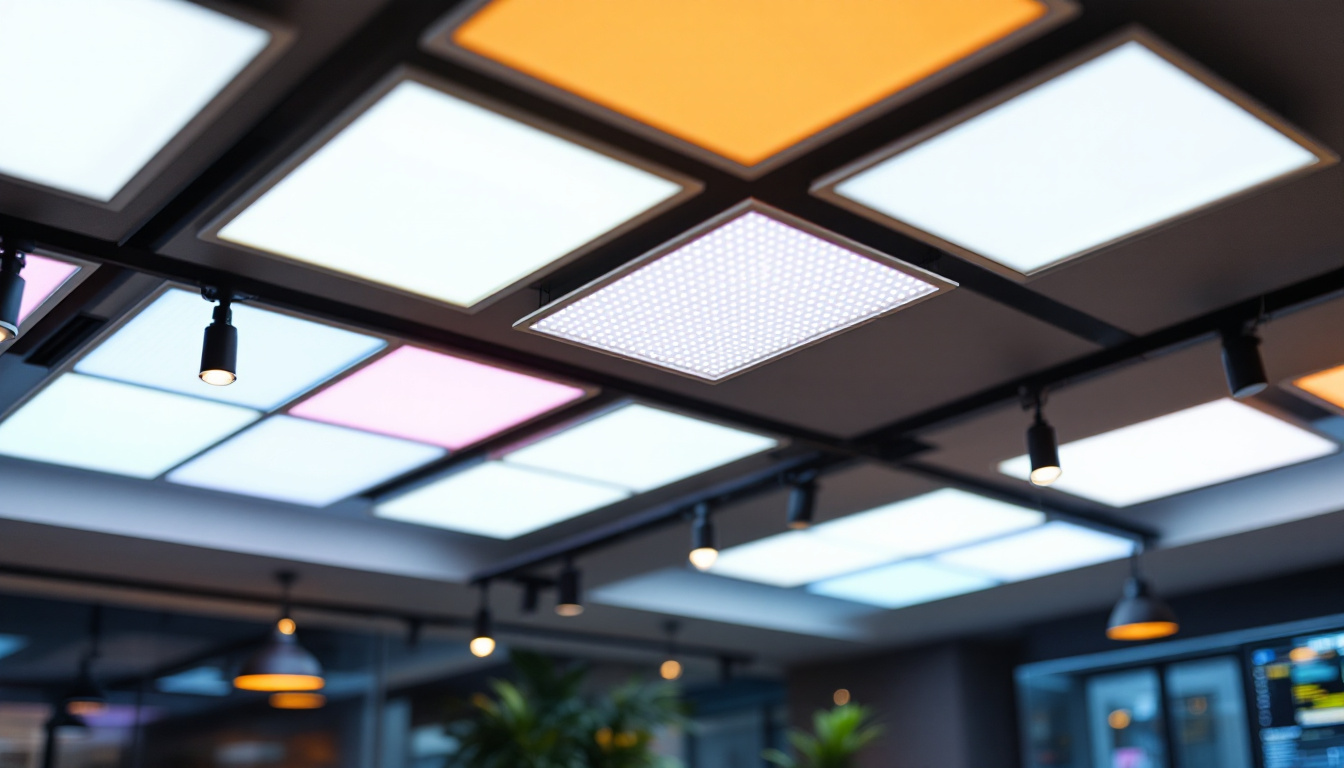
For more uniform lighting, LED panels and light bars provide a steady, diffuse glow. These are commonly used as bias lighting behind TVs or monitors to reduce eye strain. Panels tend to have higher brightness and color accuracy compared to strips, making them suitable for critical viewing environments.
Smart LED Systems
Smart LED lighting systems have gained popularity due to their connectivity and automation features. These systems allow users to control lighting remotely, schedule changes, and integrate with voice assistants like Amazon Alexa or Google Assistant. Some smart LEDs can even react in real-time to on-screen content, enhancing immersion during movies or gaming.
How to Choose the Right LED Lighting for Your Entertainment Center
Selecting the perfect LED lighting setup requires consideration of several factors, including room size, viewing habits, and desired ambiance.
Assess Your Space and Lighting Needs
Begin by evaluating the size and layout of your entertainment area. Larger rooms may benefit from multiple lighting sources to ensure even illumination. Consider where the lights will be installed—behind the TV, under shelves, or inside cabinets—and how they will complement existing décor.
Determine Your Lighting Goals
Are you looking to reduce eye strain, create a dramatic visual effect, or simply add subtle accent lighting? Your primary goal will influence the type and placement of LEDs. For example, bias lighting behind the screen is excellent for eye comfort, while RGB strips around the entertainment center can create dynamic color effects.
Consider Color Temperature and Brightness
Color temperature, measured in Kelvins (K), affects the mood of the room. Warm white (2700K-3000K) creates a cozy atmosphere, while cool white (4000K-6500K) offers a crisp, modern feel. RGB LEDs provide full color control, but it’s important to ensure they can produce accurate whites if you plan to use them for bias lighting.
Brightness should be adjustable to accommodate different activities, from watching movies to casual socializing. Look for dimmable options or systems with multiple brightness settings.
Integration and Control Options
Modern LED lighting systems often come with various control methods, including remote controls, smartphone apps, and voice commands. If you have a smart home setup, choosing LEDs compatible with your ecosystem can simplify management and enhance functionality.
Installation Tips for Optimal Results
Proper installation is key to maximizing the benefits of LED lighting in your entertainment center. Here are some practical tips to ensure a professional finish and effective lighting.
Clean and Prepare Surfaces
Before attaching LED strips or panels, clean the surfaces thoroughly to remove dust and oils. This ensures strong adhesion and prevents lights from falling off over time.
Plan Cable Management
Conceal wires and connectors to maintain a tidy appearance. Use cable clips, raceways, or adhesive-backed channels to route cables neatly along walls or furniture edges.
Test Before Finalizing
Connect and test your LED lights before permanently fixing them in place. This step helps identify any faulty components or positioning issues early on.
Use Appropriate Power Supplies
LED lights require specific voltage and current ratings. Using the correct power supply not only ensures safety but also prolongs the lifespan of your LEDs. For larger installations, consider power supplies with built-in surge protection.
Common Misconceptions About LED Lighting
Despite their popularity, LED lights are sometimes misunderstood. Addressing these misconceptions can help users make informed decisions.
LEDs Are Too Harsh or Bright
While some LEDs can be intense, modern systems offer adjustable brightness and color temperature. Proper placement and dimming options allow for comfortable lighting tailored to any environment.
LED Lighting Is Expensive
Although the initial investment may be higher than traditional bulbs, LEDs save money over time through energy efficiency and reduced replacement costs. Additionally, prices for LED products have decreased significantly in recent years.
LED Lights Are Difficult to Install
Many LED products are designed for easy installation, with adhesive backs and plug-and-play connectors. For complex setups, professional installation is an option, but most users can handle basic installations themselves.
Future Trends in Entertainment Center LED Lighting
The LED lighting industry continues to evolve, bringing innovations that enhance user experience and functionality.
Advanced Synchronization with Media
New technologies enable LED lights to sync seamlessly with movies, games, and music, creating immersive environments. This synchronization is becoming more accessible through software and hardware integration.
Improved Color Accuracy and Brightness
Research into new LED materials and designs is pushing the boundaries of color rendering and brightness levels, making LED displays even more lifelike and vibrant.
Energy Harvesting and Sustainability
Emerging LED systems focus on sustainability, incorporating energy harvesting techniques and recyclable materials to reduce environmental impact.
Conclusion
LED lighting has transformed the way entertainment centers are designed and experienced. From enhancing visual comfort to creating captivating atmospheres, LED lights offer versatile benefits that complement modern home entertainment. Understanding the technology, benefits, and installation considerations empowers homeowners to make informed choices that elevate their viewing spaces. As LED technology continues to advance, the possibilities for creating immersive and energy-efficient entertainment environments will only expand.
Illuminate Your Entertainment Space with LumenMatrix
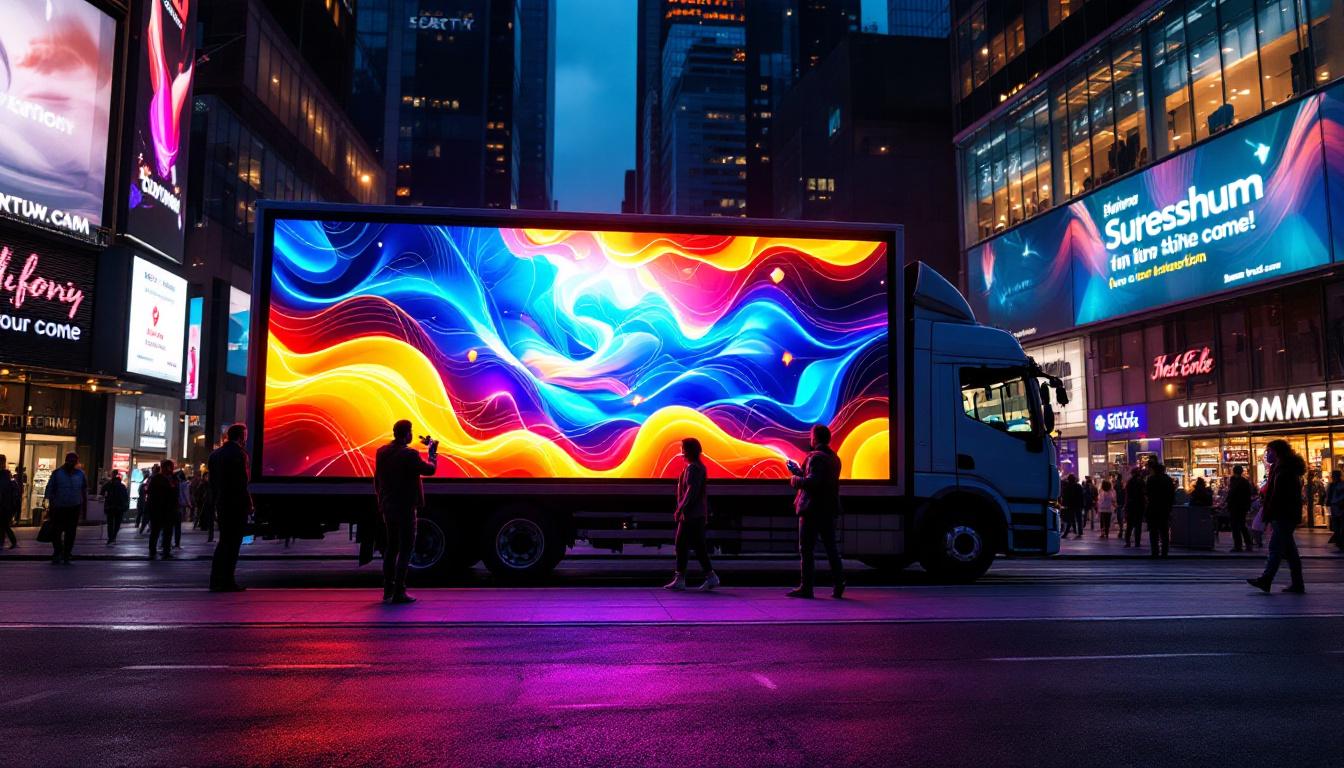
Ready to take your home entertainment to the next level? Discover the innovative LED display solutions from LumenMatrix, where cutting-edge technology meets captivating design. Whether you’re looking for an Indoor LED Wall Display to create the ultimate home theater, an Outdoor LED Wall Display for your backyard cinema, or any of our specialized displays like Vehicle LED, Sports, or Floor LED Displays, LumenMatrix has the perfect solution to transform your space. Elevate your viewing experience and share your message with unparalleled clarity. Check out LumenMatrix LED Display Solutions today and step into the future of visual entertainment.