Power over Ethernet (PoE) technology has revolutionized how LED displays are powered and controlled, enabling streamlined installation and enhanced performance. Among the many tools available to optimize LED display setups, the Poe Color Calculator stands out as an essential resource for designers, engineers, and installers. This article delves into the intricacies of the Poe Color Calculator, explaining its purpose, functionality, and practical applications in LED display projects.
Understanding PoE and Its Role in LED Displays
Before exploring the Poe Color Calculator, it’s important to grasp the fundamentals of Power over Ethernet and its impact on LED display technology. PoE allows electrical power and data to be transmitted over a single Ethernet cable, simplifying wiring requirements and reducing installation costs.
LED displays, particularly those used in commercial signage, digital billboards, and architectural lighting, benefit greatly from PoE. By leveraging PoE, these displays can be powered and controlled remotely without the need for separate power lines. This integration enhances flexibility, reduces maintenance complexity, and supports scalable, modular display configurations.
How PoE Enhances LED Display Installations
Traditional LED display setups often require separate power supplies and extensive cabling, complicating installation and increasing potential points of failure. PoE streamlines this by delivering both power and data through a single cable, which can be especially advantageous in environments where power outlets are scarce or difficult to access.
Moreover, PoE supports intelligent power management, which is critical for LED displays that may vary in brightness and color intensity. This capability ensures that power delivery matches the display’s operational demands, improving energy efficiency and prolonging the lifespan of the LEDs.
In addition to these benefits, PoE technology also enhances the overall aesthetic appeal of installations. With fewer visible wires and cables, the clean and streamlined look of LED displays can be maintained, allowing for a more professional and polished appearance. This is particularly important in high-visibility areas such as shopping malls, airports, and corporate environments, where first impressions matter. Furthermore, the reduced clutter can facilitate easier maintenance and upgrades, as technicians can access the displays without navigating through a maze of cables.
Another significant advantage of using PoE in LED displays is the ability to implement advanced features such as remote monitoring and diagnostics. By integrating PoE with smart technology, operators can monitor the performance of their displays in real-time, receiving alerts for any issues such as power fluctuations or connectivity problems. This proactive approach not only minimizes downtime but also allows for timely interventions, ensuring that displays remain operational and effective in delivering their intended messages.
What is the Poe Color Calculator?
The Poe Color Calculator is a specialized software tool designed to assist professionals in determining the optimal color settings and power requirements for PoE-powered LED displays. It combines color science with electrical engineering principles to provide accurate calculations that inform display configuration and power budgeting.
By inputting specific parameters such as LED type, pixel pitch, resolution, and desired color output, users can generate precise estimates of power consumption and color mixing ratios. This data is crucial for ensuring that the LED display performs as intended, with vibrant colors and reliable operation under PoE constraints. The calculator not only aids in the initial setup but also serves as a valuable resource for ongoing maintenance and adjustments, ensuring that displays remain at peak performance throughout their lifecycle.
Furthermore, the Poe Color Calculator is particularly beneficial in environments where lighting conditions can vary significantly. For instance, in venues such as theaters or outdoor events, the ability to adjust color settings dynamically based on ambient light can dramatically enhance the viewing experience. This adaptability makes the tool indispensable for event planners and AV technicians who need to deliver consistent quality across different settings.
Key Features of the Poe Color Calculator
- Color Mixing Simulation: Models how red, green, and blue LEDs combine to produce a wide range of colors, helping users achieve accurate color reproduction. This feature is especially useful for designers who need to match specific brand colors or create visually striking displays that capture audience attention.
- Power Consumption Estimation: Calculates the expected power draw based on color intensity and display size, ensuring PoE infrastructure can support the load. This capability is vital for project managers who must balance performance with budget constraints, allowing for efficient resource allocation.
- Pixel Configuration Analysis: Assesses how pixel density and arrangement affect overall display brightness and color uniformity. By understanding these dynamics, users can optimize their display layouts to achieve the best visual impact, whether for advertising, art installations, or informational displays.
- User-Friendly Interface: Provides an intuitive platform for inputting variables and visualizing results, facilitating informed decision-making. The interface is designed to cater to both seasoned professionals and newcomers, ensuring that anyone can navigate the complexities of color and power management with ease.
How the Poe Color Calculator Works
The calculator operates by integrating multiple data inputs to simulate the behavior of an LED display under PoE power conditions. Here’s a breakdown of its core functionality:
Input Parameters
Users begin by entering details about the LED modules, including:
- LED Type: Specifies the manufacturer and model, which determines the LED’s luminous intensity and color spectrum.
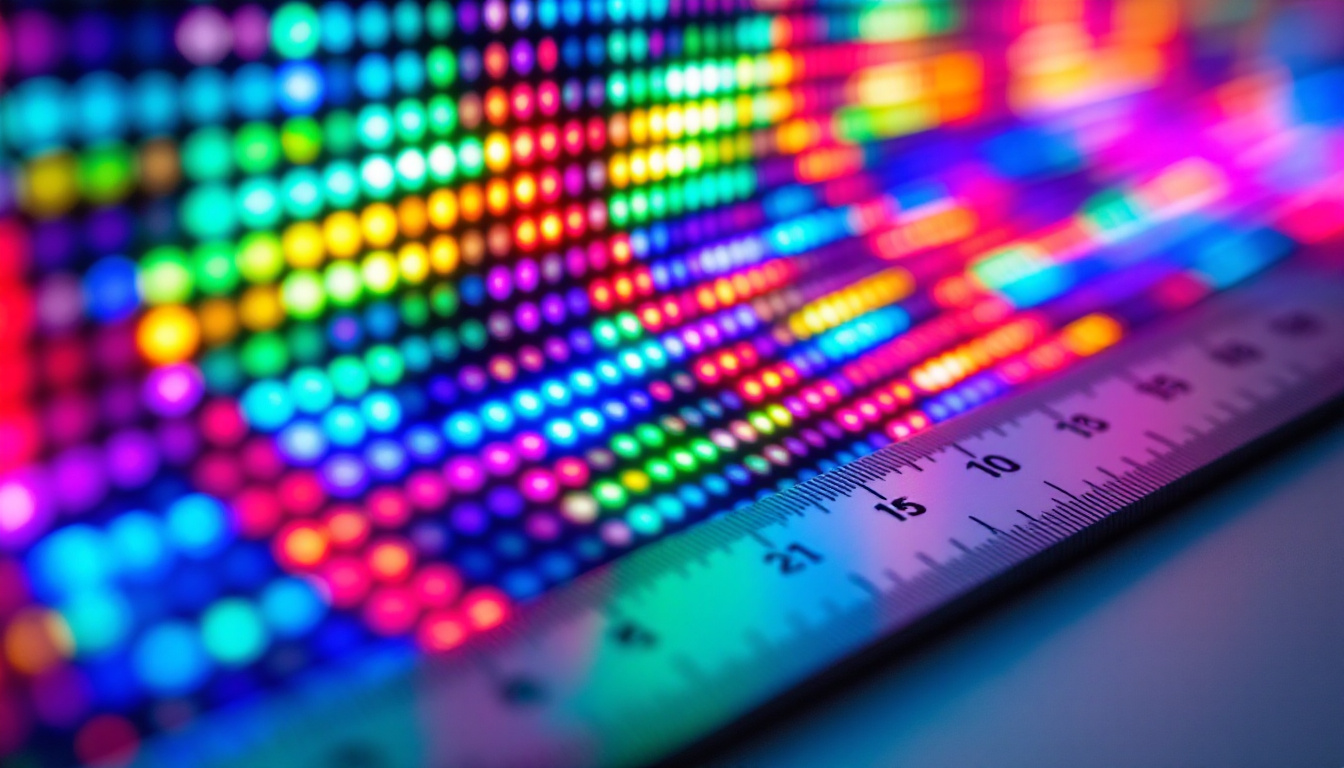
- Pixel Pitch: The distance between adjacent pixels, influencing resolution and viewing distance.
- Display Dimensions: Width and height in pixels or physical units.
- Color Settings: Desired color temperature, brightness levels, and color balance.
In addition to these parameters, users can also input environmental factors such as ambient light conditions and viewing angles. These considerations can significantly affect how colors appear on the display, as external light sources can alter perceived brightness and contrast. By including these variables, the calculator offers a more comprehensive simulation, ensuring that the final output is not only technically accurate but also visually appealing in real-world settings.
Color Mixing Calculations
The calculator uses colorimetric algorithms to simulate how individual red, green, and blue LEDs combine to produce target colors. This process accounts for the spectral power distribution of each LED type and the nonlinear response of human vision to color intensity.
By adjusting the relative intensities of each color channel, the tool helps users identify the optimal settings to achieve accurate and consistent color reproduction across the display. Furthermore, the calculator can provide insights into color gamut coverage, allowing users to see how well their selected LED configuration can reproduce a wide range of colors, which is particularly useful for applications in digital signage and artistic displays where color fidelity is paramount.
Power Budgeting and Load Analysis
Once color settings are established, the calculator estimates the total power consumption of the display. This includes both the static power draw and dynamic variations based on color changes and brightness adjustments.
These calculations are essential for verifying that the PoE infrastructure—such as switches, injectors, and cabling—can safely and efficiently deliver the required power without overheating or voltage drops. Additionally, the tool can simulate various scenarios, such as peak usage during vibrant displays or lower power modes during dimmer settings, helping users to plan for energy efficiency and cost-effectiveness over time. By understanding the power dynamics involved, users can make informed decisions about their PoE setup, ensuring longevity and reliability in their LED installations.
Practical Applications of the Poe Color Calculator
The Poe Color Calculator serves a wide range of professionals involved in LED display projects, from initial design to installation and maintenance. Its practical applications include:
Design Optimization
During the design phase, the calculator enables engineers to simulate different configurations and color schemes, ensuring the display meets aesthetic and functional requirements. This proactive approach reduces costly revisions and improves client satisfaction.
Power Infrastructure Planning
By accurately estimating power needs, the tool assists network engineers in selecting appropriate PoE equipment and cabling. This is particularly important for large-scale installations where power distribution must be carefully managed to prevent failures.
Quality Control and Troubleshooting
Technicians can use the calculator to verify that installed displays conform to expected performance metrics. Discrepancies in color output or power consumption can indicate hardware issues or configuration errors that require attention.
Why Accurate Color and Power Calculations Matter
LED displays are often the centerpiece of advertising campaigns, public information systems, and architectural features. Their visual impact depends heavily on accurate color representation and reliable operation.
Inaccurate color calibration can lead to muted or distorted images, undermining brand messaging and viewer engagement. Similarly, insufficient power provisioning can cause flickering, dimming, or hardware damage, resulting in costly downtime and repairs.
The Poe Color Calculator addresses these challenges by providing a scientific and practical method to balance color fidelity with power efficiency, ensuring that LED displays deliver their intended performance consistently.
Future Trends in PoE and LED Display Technology
As LED technology advances, so too do the capabilities of PoE systems and associated tools like the Poe Color Calculator. Emerging trends include:
Higher Power PoE Standards
New PoE standards such as IEEE 802.3bt (PoE++) support power delivery up to 90 watts per port, enabling brighter and larger LED displays without separate power sources. The calculator is evolving to accommodate these higher power levels and more complex configurations.
Integration with Smart Lighting and IoT
LED displays are increasingly integrated with smart building systems and Internet of Things (IoT) devices. This integration allows dynamic control of display content and lighting conditions based on environmental data, user presence, or time of day. The Poe Color Calculator is adapting to include parameters relevant to these intelligent systems.
Advanced Color Calibration Techniques
Machine learning and sensor feedback are being incorporated into color calibration processes, enabling real-time adjustments for ambient lighting and display aging. Future versions of the Poe Color Calculator may integrate these capabilities to enhance accuracy and user convenience.
Conclusion
The Poe Color Calculator is an indispensable tool for anyone involved in the design, installation, or maintenance of PoE-powered LED displays. By combining detailed color science with power consumption analysis, it ensures that LED displays achieve optimal visual performance while operating safely within PoE power limits.
Understanding how to leverage this calculator not only improves project outcomes but also contributes to more sustainable and efficient LED display solutions. As PoE and LED technologies continue to evolve, tools like the Poe Color Calculator will remain at the forefront of innovation, helping professionals deliver stunning, reliable visual experiences.
Discover LumenMatrix’s Advanced LED Solutions
Ready to take your LED display projects to the next level? Explore LumenMatrix’s comprehensive range of innovative LED display solutions, designed to bring your visual communications to life. From vibrant Indoor and Outdoor LED Wall Displays to dynamic Vehicle and Sports Displays, LumenMatrix offers an array of options to suit any application. Whether you’re looking for a Custom LED Display, an All-in-One solution, or the sleek aesthetics of a Transparent Display, LumenMatrix is committed to enhancing your brand’s visibility and audience engagement. Check out LumenMatrix LED Display Solutions today and experience the future of visual storytelling.