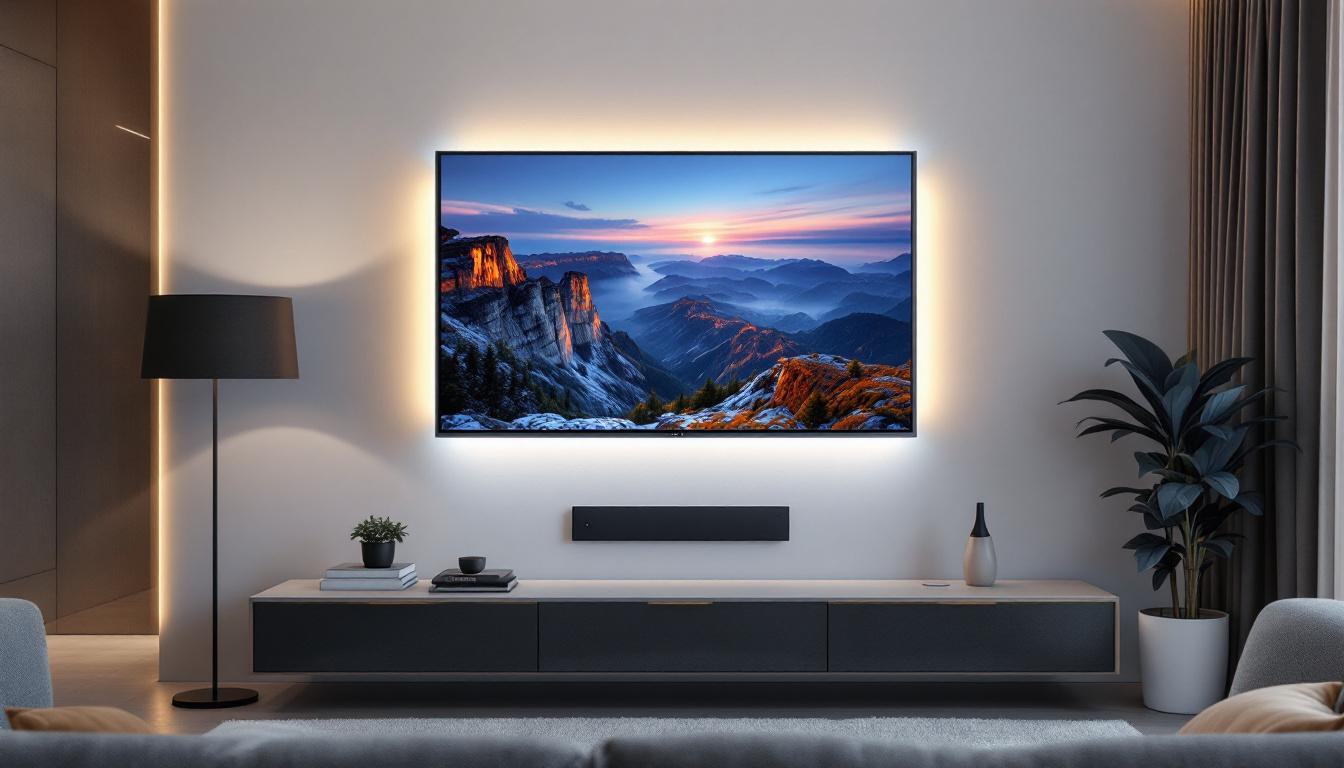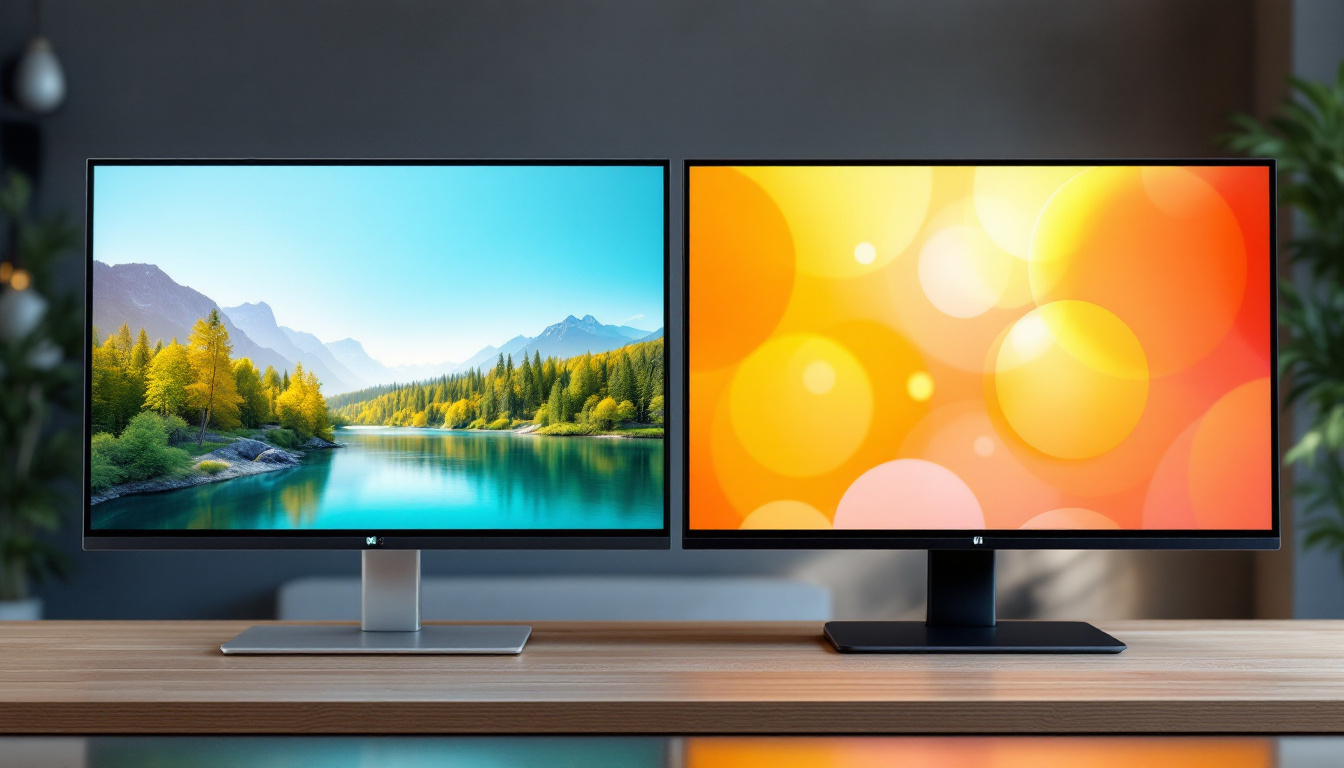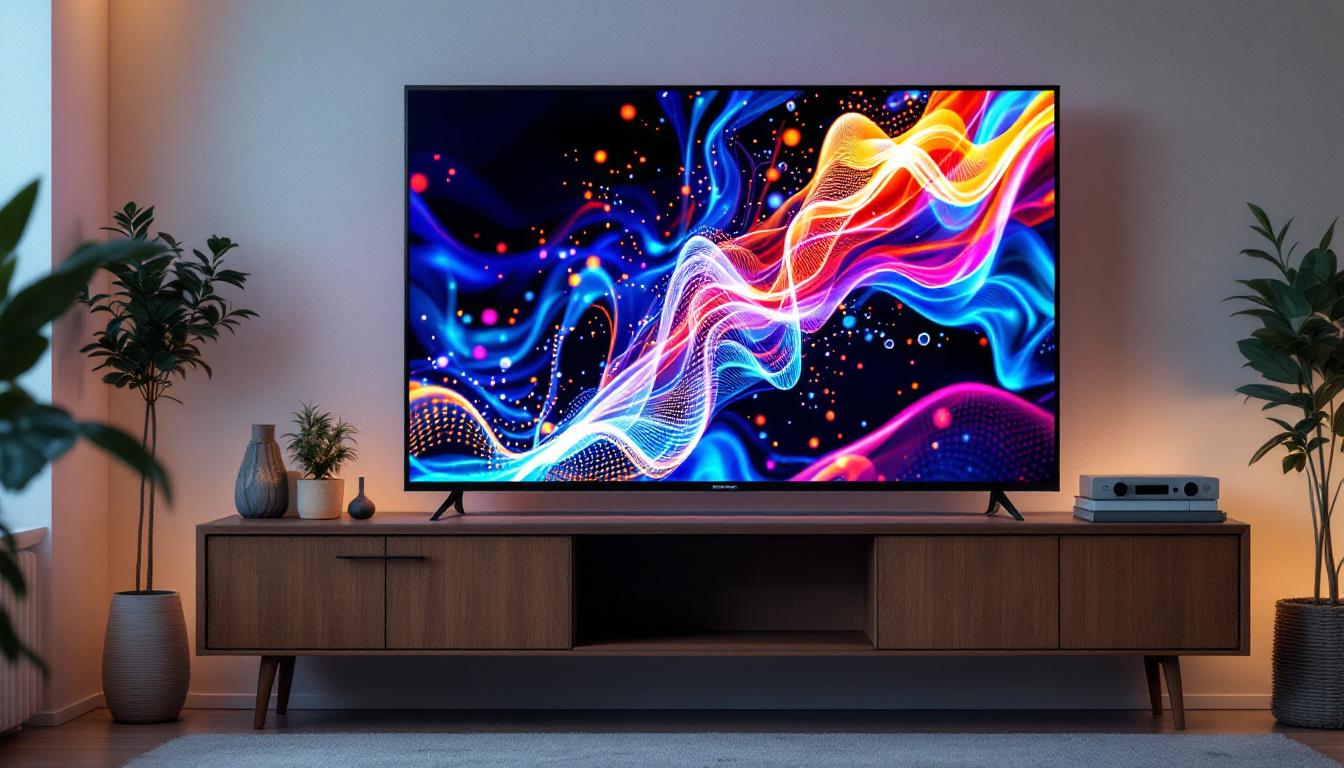
In the rapidly evolving world of television technology, LED displays have become the industry standard, offering consumers vibrant colors, sharp images, and energy efficiency. However, the term “LED TV” can be somewhat misleading, as it encompasses a variety of panel types and technologies. Understanding how LED displays work, their advantages and limitations, and the differences between various LED panel technologies can empower buyers to make informed decisions when selecting their next television.
Understanding LED Display Technology
What Does LED Mean in Televisions?
LED stands for Light Emitting Diode, a semiconductor device that emits light when an electric current passes through it. In the context of televisions, LED refers to the type of backlighting used in LCD (Liquid Crystal Display) panels. Unlike older LCD TVs that used cold cathode fluorescent lamps (CCFL) for backlighting, modern LED TVs use arrays of LEDs to illuminate the screen.
This distinction is crucial because the actual image is produced by the LCD panel, which manipulates light to create colors and images. The LEDs serve as the light source behind or around the screen, enabling thinner designs, better energy efficiency, and improved picture quality compared to CCFL-backlit LCDs.
How LED Backlighting Works
In an LED TV, the LCD panel itself does not emit light. Instead, the LEDs provide the necessary illumination. The liquid crystals in the panel act as shutters, controlling how much light passes through each pixel. By adjusting the orientation of these crystals, the TV can display different colors and brightness levels.
There are two primary types of LED backlighting used in televisions: edge-lit and full-array. Edge-lit LED TVs position LEDs along the edges of the screen, which then distribute light across the panel using light guides. Full-array LED TVs have LEDs placed directly behind the entire screen, allowing for more precise control of brightness and contrast.
Types of LED Panels and Their Impact on Picture Quality
Edge-Lit LED Panels
Edge-lit LED TVs are generally thinner and more affordable, making them popular in budget and mid-range models. The LEDs placed around the edges illuminate the screen, but because the light has to be spread evenly, it can sometimes result in less uniform brightness and contrast.
While edge-lit technology enables sleek designs, it often struggles with local dimming—the ability to dim specific parts of the screen to enhance contrast. This limitation can lead to issues such as light bleeding, where bright areas bleed into dark parts, reducing the overall picture quality, especially in scenes with high contrast.
Full-Array LED Panels
Full-array LED TVs feature a grid of LEDs directly behind the LCD panel, allowing for more precise control of lighting zones. This design supports advanced local dimming, where individual zones can be dimmed or brightened independently, resulting in deeper blacks and more vibrant colors.
This technology is particularly beneficial for HDR (High Dynamic Range) content, which requires a wide range of brightness levels to display details in both dark and bright scenes. Full-array panels tend to be thicker and more expensive but offer superior picture quality compared to edge-lit models.
Mini-LED: The Next Step in LED Technology
Mini-LED technology represents a significant advancement in LED backlighting. By using thousands of tiny LEDs instead of hundreds, mini-LED TVs achieve even finer local dimming control, higher peak brightness, and improved contrast ratios.
For example, some premium mini-LED TVs feature over 10,000 dimming zones, enabling precise lighting control that rivals OLED displays in terms of black levels and contrast. This technology is becoming increasingly common in high-end television models, offering a compelling alternative to OLED for consumers seeking bright rooms compatibility and longevity.
Comparing LED Panels to Other Display Technologies
LED vs. OLED
OLED (Organic Light Emitting Diode) displays differ fundamentally from LED-backlit LCDs. Each pixel in an OLED panel emits its own light, allowing for perfect black levels since individual pixels can be turned off completely. This results in exceptional contrast and color accuracy.
However, OLED TVs tend to be more expensive and can suffer from potential burn-in issues with static images. LED TVs, especially those with mini-LED backlighting, offer higher peak brightness, making them better suited for well-lit environments. The choice between LED and OLED often depends on viewing conditions, budget, and personal preferences regarding picture characteristics.
LED vs. QLED
QLED (Quantum Dot LED) is a marketing term primarily used by certain manufacturers to describe LED TVs enhanced with quantum dot technology. Quantum dots are microscopic semiconductor particles that emit precise colors when illuminated by the LED backlight, resulting in a wider color gamut and improved brightness.
QLED TVs are essentially LED-backlit LCD panels with quantum dot filters, combining the benefits of LED backlighting with enhanced color performance. They typically use full-array or edge-lit LED backlighting and can be found in a range of price points. For consumers seeking vibrant colors and high brightness, QLED TVs are a strong contender in the LED category.
Key Performance Metrics for LED Television Panels
Brightness and Contrast
Brightness is measured in nits, with modern LED TVs capable of reaching 500 to over 2,000 nits, depending on the model and backlighting technology. Higher brightness levels improve visibility in bright rooms and enhance HDR performance.
Contrast ratio refers to the difference between the darkest black and the brightest white a TV can display. Full-array LED TVs with local dimming and mini-LED models offer higher contrast ratios by effectively controlling backlight zones, resulting in richer, more detailed images.
Color Accuracy and Gamut
Color accuracy is critical for delivering lifelike images. Advanced LED TVs utilize quantum dots or other color enhancement technologies to expand the color gamut, covering a larger portion of the DCI-P3 or Rec. 2020 color spaces used in modern content.
Professional calibration can further improve color accuracy, but many high-end LED TVs come factory-calibrated to meet industry standards, ensuring vibrant and true-to-life colors out of the box.
Viewing Angles
One of the traditional drawbacks of LED LCD panels is limited viewing angles. Colors and contrast can degrade when viewed from the side, especially on VA (Vertical Alignment) panels commonly used in LED TVs.
IPS (In-Plane Switching) panels offer better viewing angles but typically have lower contrast than VA panels. Some manufacturers use advanced panel technologies and anti-reflective coatings to mitigate viewing angle issues, but this remains an important consideration depending on room layout and seating arrangements.
Energy Efficiency and Environmental Considerations
Energy Consumption of LED TVs
LED TVs are generally more energy-efficient than older CCFL-backlit LCDs and plasma TVs. The use of LEDs allows for lower power consumption, especially when combined with features like automatic brightness control and local dimming.
According to the U.S. Department of Energy, modern LED TVs consume between 30 to 100 watts depending on size and brightness settings, significantly less than plasma TVs, which could consume upwards of 200 watts. This efficiency translates into lower electricity bills and reduced environmental impact.
Environmental Impact of LED Panels
While LED TVs are more energy-efficient during use, the manufacturing and disposal processes involve materials that require careful handling. LEDs contain semiconductor materials, and the LCD panels use liquid crystals and glass, which must be recycled responsibly to minimize environmental harm.
Many manufacturers have initiated recycling programs and are working to reduce hazardous substances in their products. Consumers can contribute by recycling old televisions through certified e-waste programs.
Choosing the Right LED Television Panel for Your Needs
Assessing Your Viewing Environment
When selecting an LED TV, consider the lighting conditions of your viewing space. For bright rooms with lots of ambient light, full-array or mini-LED TVs with high peak brightness and anti-reflective coatings perform best. Edge-lit models may struggle to maintain contrast in such environments.
If the room is darker, edge-lit LED TVs can still provide a satisfying viewing experience at a lower cost. OLED TVs remain the gold standard for dark-room viewing but come at a premium price.
Budget Considerations
Price is a significant factor in choosing an LED TV. Entry-level models typically use edge-lit panels without local dimming, offering decent performance for casual viewers. Mid-range TVs often feature full-array backlighting with local dimming and sometimes quantum dot technology, balancing cost and quality.
High-end models with mini-LED backlighting and advanced processing deliver the best picture quality but can be substantially more expensive. Consumers should weigh the benefits of enhanced picture quality against their budget constraints.
Additional Features to Look For
Beyond panel technology, other features can enhance the viewing experience. Support for HDR formats like HDR10, Dolby Vision, and HLG ensures compatibility with the latest content. Smart TV capabilities, refresh rates, and gaming features such as variable refresh rate (VRR) and low input lag may also influence the decision.
Connectivity options, including HDMI 2.1 ports, are increasingly important for future-proofing, especially for gamers and users who plan to connect multiple devices.
Conclusion
LED display technology has transformed the television industry, offering consumers a range of options that balance picture quality, energy efficiency, and affordability. Understanding the nuances between edge-lit, full-array, and mini-LED panels, as well as how LED compares to other technologies like OLED and QLED, is essential for making an informed purchase.
As LED technology continues to advance, with innovations like mini-LED backlighting and quantum dot enhancements, the gap between LED and other premium display technologies narrows. Ultimately, the best LED television panel depends on individual preferences, viewing conditions, and budget, but with the knowledge of how these panels work, consumers can confidently navigate the market and enjoy an immersive viewing experience.
Explore the Future of Visual Experience with LumenMatrix
Ready to take your viewing experience to the next level? LumenMatrix is at the forefront of LED display innovation, offering a wide array of solutions that cater to any need—from Indoor and Outdoor LED Wall Displays to specialized options like Vehicle LED Displays and LED Sports Displays. Our mission is to revolutionize visual communication, ensuring your message is not just seen but truly experienced. Don’t just watch the future unfold; be a part of it. Check out LumenMatrix LED Display Solutions today and see the difference cutting-edge technology can make.