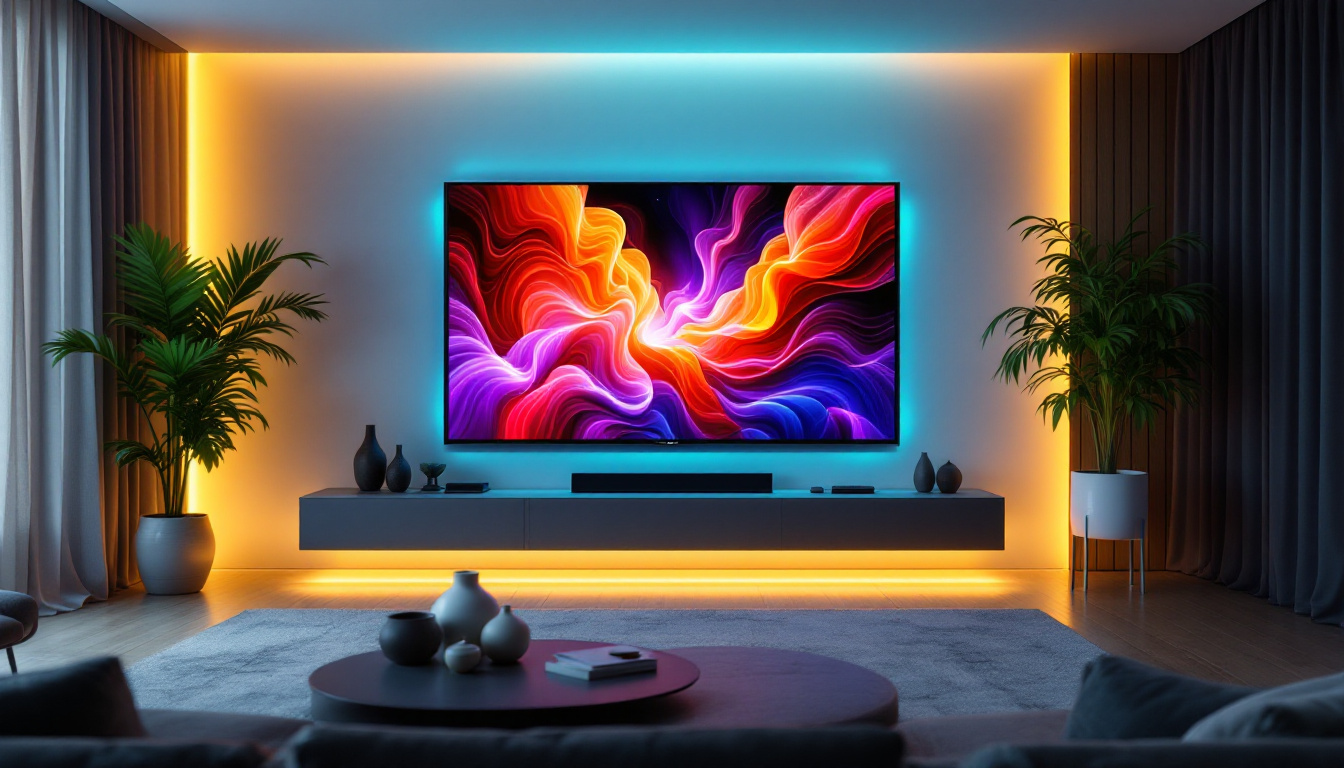
Projecting images onto walls has become an increasingly popular way to create dynamic visual experiences in homes, offices, and public spaces. Whether for entertainment, advertising, or presentations, understanding the technology behind image projection is essential for achieving the best results. Among the various methods available, LED displays have emerged as a leading solution due to their brightness, clarity, and versatility.
This article explores how to project images on walls using LED display technology, explaining its advantages, setup considerations, and practical tips for optimal performance.
Understanding LED Display Technology
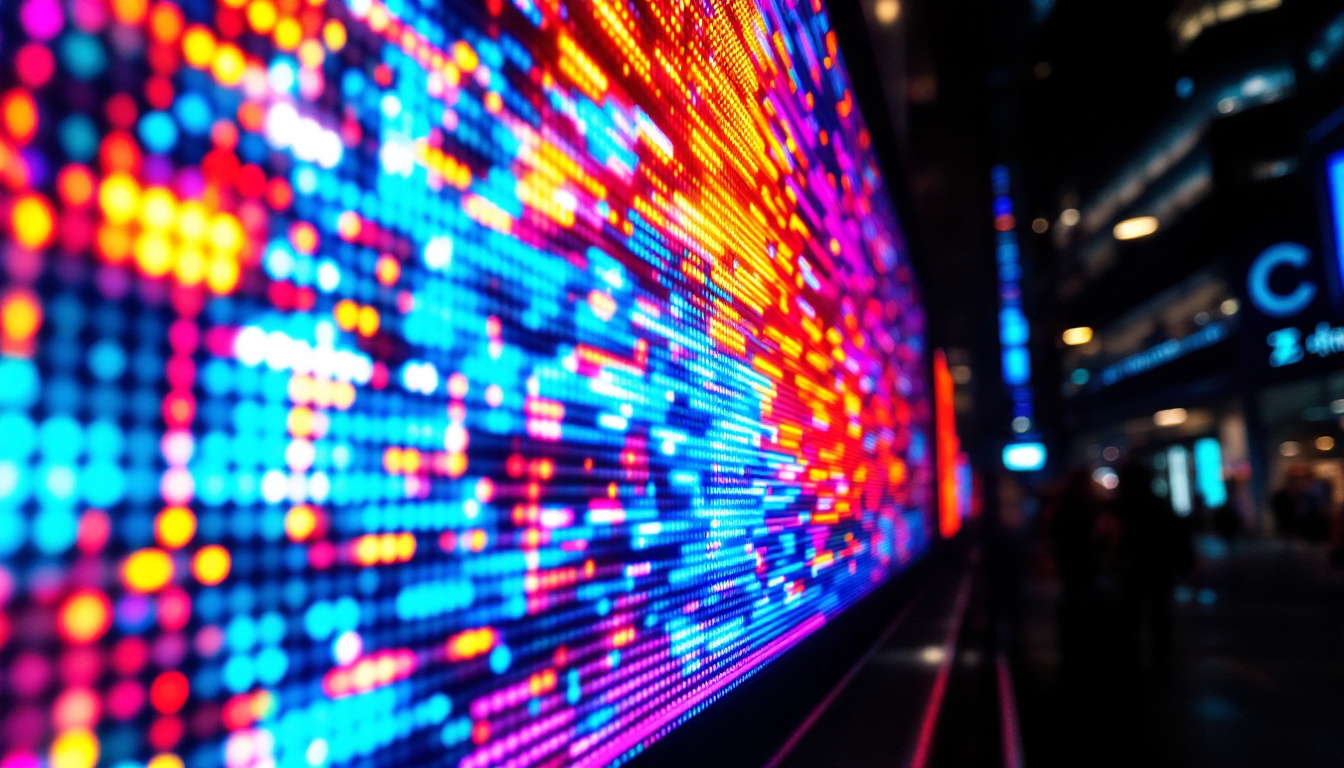
LED (Light Emitting Diode) displays are composed of numerous tiny LEDs that emit light individually to form images. Unlike traditional projectors that rely on a lens to cast an image onto a surface, LED displays are self-illuminating panels that can be mounted directly onto walls or structures.
This fundamental difference means LED displays do not require a dark room or a projection distance, making them highly adaptable for various environments. The technology has evolved rapidly, with modern LED panels offering high resolution, vibrant colors, and energy efficiency. In addition to their versatility, LED displays are increasingly being integrated with smart technology, allowing for interactive features such as touch responsiveness and connectivity with other digital devices. This integration enhances user engagement, making LED displays ideal for educational settings, retail environments, and public information systems.
How LED Displays Work
Each pixel in an LED display consists of red, green, and blue LEDs. By adjusting the intensity of these LEDs, the display can produce a full spectrum of colors. The panels are arranged in a grid, and the image is rendered by controlling each pixel individually. This pixel-level control allows for stunning visual effects, such as smooth gradients and dynamic animations, which are particularly appealing in advertising and entertainment contexts.
LED displays can be configured in various sizes and shapes, from small indoor screens to massive outdoor billboards. This modularity allows for customized installations that fit specific wall dimensions and viewing requirements. Furthermore, advancements in flexible LED technology have led to the creation of curved and even transparent displays, opening new possibilities for creative design in architecture and event staging. These innovations not only enhance aesthetic appeal but also provide new ways to convey messages and engage audiences in unique environments.
Advantages Over Traditional Projection Methods
Traditional projectors rely on light bulbs and lenses to project images onto a surface, which can be affected by ambient light, distance, and surface texture. In contrast, LED displays provide consistent brightness and color accuracy regardless of room lighting conditions. This reliability makes them particularly suitable for environments where lighting cannot be controlled, such as trade shows or outdoor events.
Additionally, LED displays offer higher contrast ratios and longer lifespan compared to projector lamps, which typically require replacement every few thousand hours. This makes LED displays a cost-effective and low-maintenance option for long-term use. Moreover, the energy efficiency of LED technology contributes to lower operational costs, as they consume significantly less power than traditional projection systems. As sustainability becomes a priority for many organizations, the reduced carbon footprint of LED displays further enhances their appeal, making them a responsible choice for modern visual communication needs.
Choosing the Right LED Display for Wall Projection
Selecting the appropriate LED display depends on several factors including the intended use, environment, and budget. Understanding these elements ensures that the chosen solution delivers the desired visual impact and functionality.
Indoor vs. Outdoor LED Displays
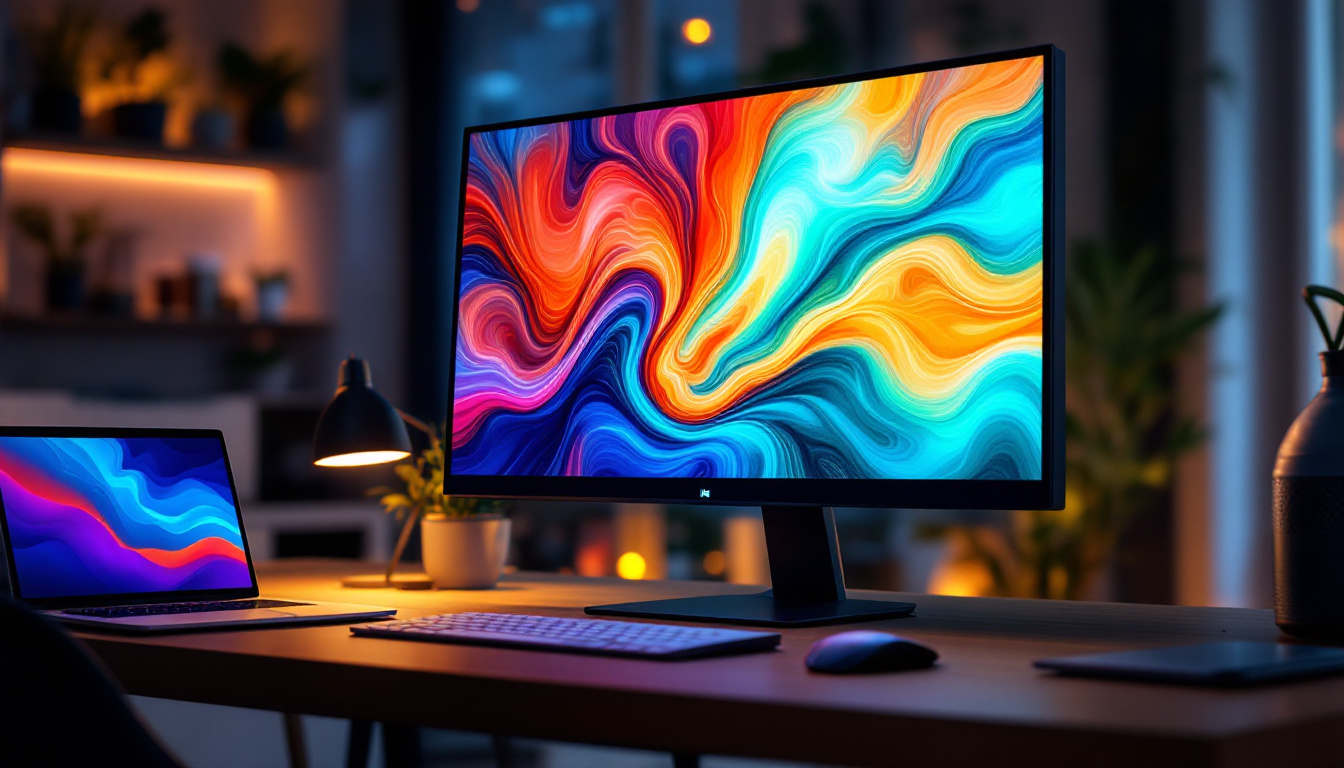
Indoor LED displays are designed for controlled environments and typically have higher pixel density, resulting in sharper images at close viewing distances. They are ideal for conference rooms, retail spaces, and home theaters. The vibrant colors and high contrast ratios of indoor displays can enhance presentations and create immersive experiences, making them perfect for showcasing products or engaging audiences in a corporate setting.
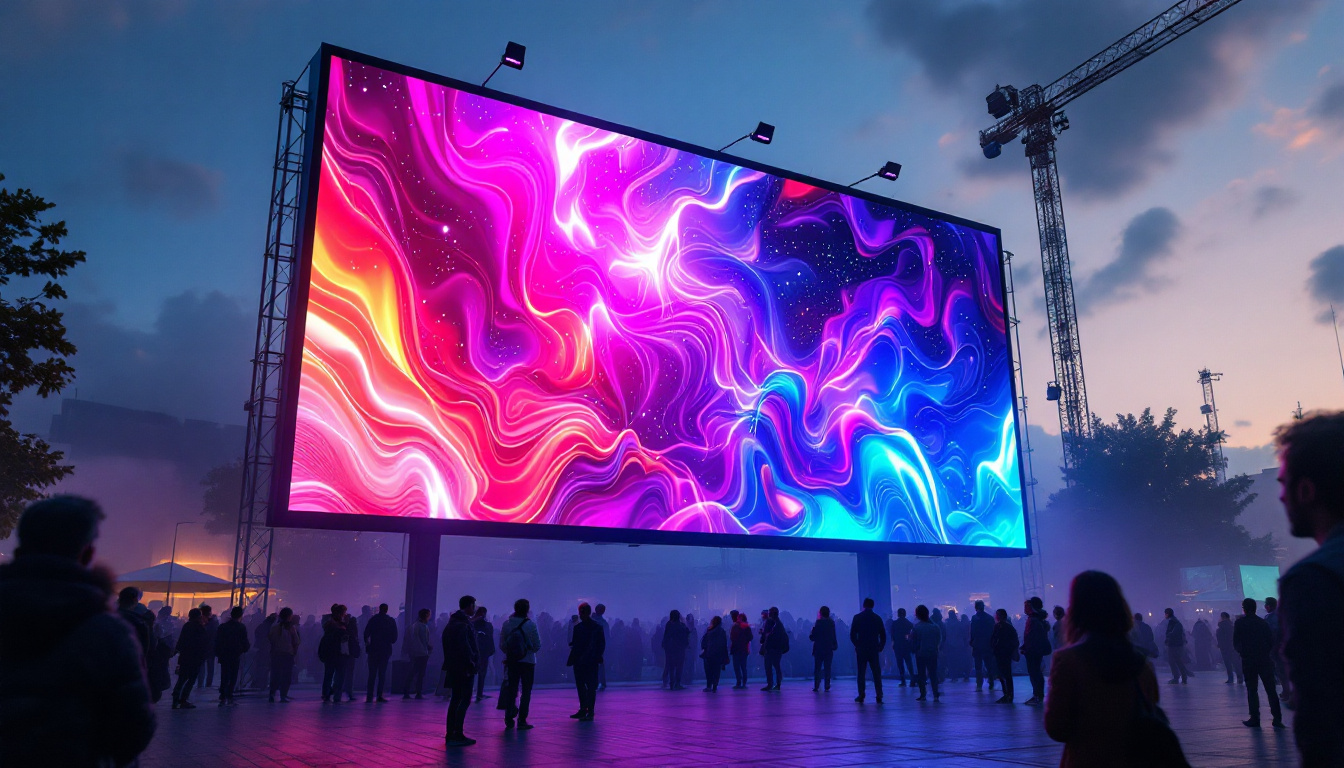
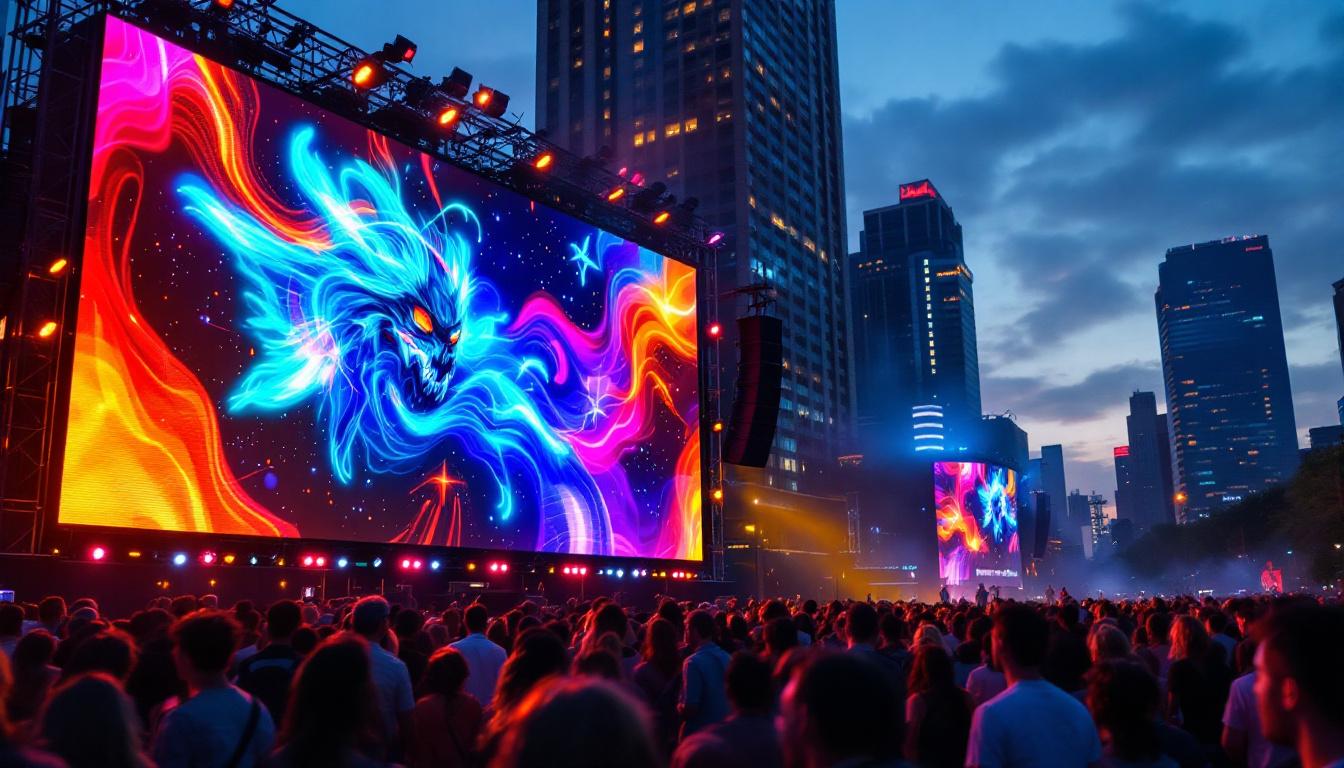
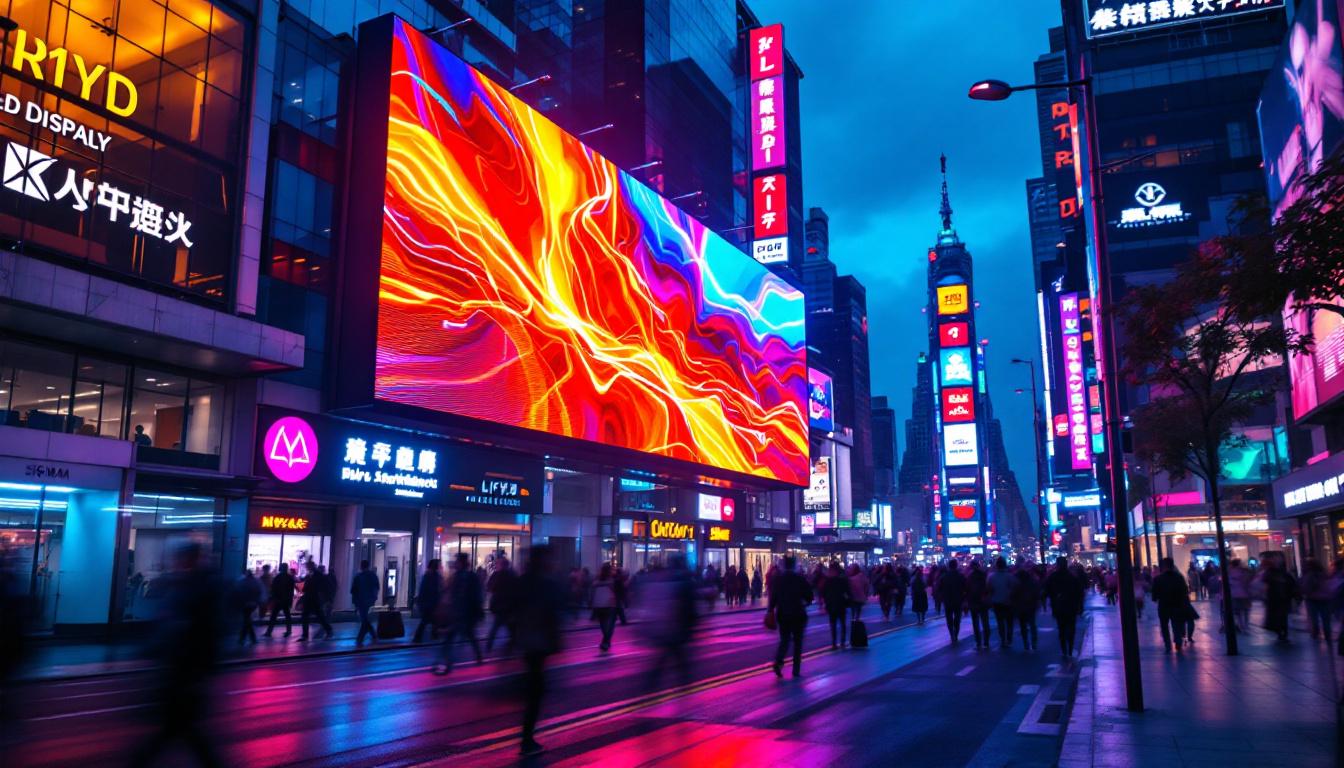
Outdoor LED displays, on the other hand, are built to withstand weather conditions and offer higher brightness levels to combat sunlight glare. These are commonly used for advertising on building facades, public events, and stadiums. The durability of outdoor displays is crucial, as they often feature protective coatings and robust housings to resist rain, wind, and extreme temperatures, ensuring that the content remains visible and impactful regardless of the weather.
Resolution and Pixel Pitch
Resolution refers to the number of pixels in the display, while pixel pitch is the distance between the centers of two adjacent pixels. A smaller pixel pitch means higher resolution and finer image detail, which is crucial for close viewing. This is particularly important in environments where detailed graphics or text are displayed, such as in control rooms or high-end retail environments.
For wall projections viewed from a short distance, such as in a living room or office, a pixel pitch of 1.5mm to 3mm is recommended. Larger pixel pitches (4mm and above) are suitable for bigger displays viewed from farther away. Additionally, understanding the resolution requirements based on the content type—whether it’s video, images, or text—can significantly influence the overall effectiveness of the display in conveying the intended message.
Size and Aspect Ratio Considerations
The physical size of the LED display should complement the wall space and viewing distance. Oversized displays may overwhelm a small room, while undersized ones can fail to deliver the desired impact. It’s essential to consider not only the dimensions of the display but also the layout of the room, including seating arrangements and focal points, to ensure an optimal viewing experience.
Aspect ratio—the proportional relationship between width and height—should match the content format. Common aspect ratios include 16:9 for videos and presentations, and 4:3 for traditional displays. Custom aspect ratios are possible with modular LED panels. Moreover, understanding the content that will be displayed can guide the choice of aspect ratio; for instance, if the primary use is for cinematic presentations, a wider aspect ratio may enhance the viewing experience, whereas a more square format might be better suited for digital signage or informational displays.
Installation and Setup Best Practices
Proper installation is key to maximizing the performance and longevity of an LED display. This section outlines essential steps and considerations for a successful setup.
Wall Preparation and Mounting
The wall surface must be structurally sound and capable of supporting the weight of the LED panels. Reinforcement may be necessary for older or weaker walls.
Mounting systems vary from fixed frames to adjustable brackets, allowing for precise alignment and easy maintenance access. Professional installation is recommended to ensure safety and optimal positioning.
Power and Connectivity Requirements
LED displays require a stable power supply with adequate capacity to handle peak consumption. It is important to plan for power outlets and cable management to avoid clutter and hazards.
Connectivity options include HDMI, DisplayPort, and specialized LED control systems. Wireless solutions are emerging but wired connections remain the most reliable for high-resolution content transmission.
Calibration and Content Optimization
After installation, calibration ensures accurate color reproduction and brightness uniformity across the display. Calibration tools and software can adjust settings based on ambient lighting and viewing angles.
Content should be tailored to the display’s resolution and aspect ratio to avoid distortion or pixelation. Using high-quality images and videos enhances the viewing experience.
Applications and Use Cases of LED Wall Projection
LED displays have transformed the way images are projected onto walls, enabling a wide range of applications across industries.
Corporate and Educational Environments
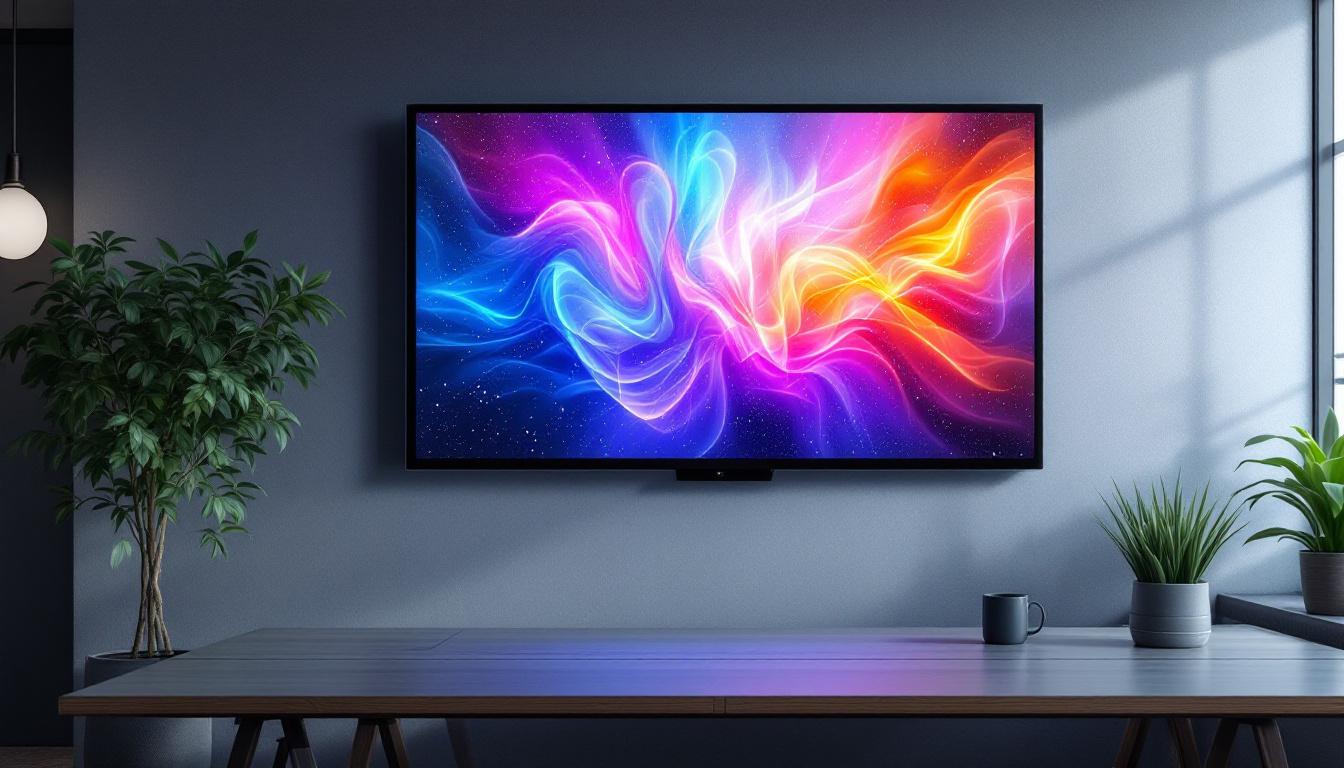
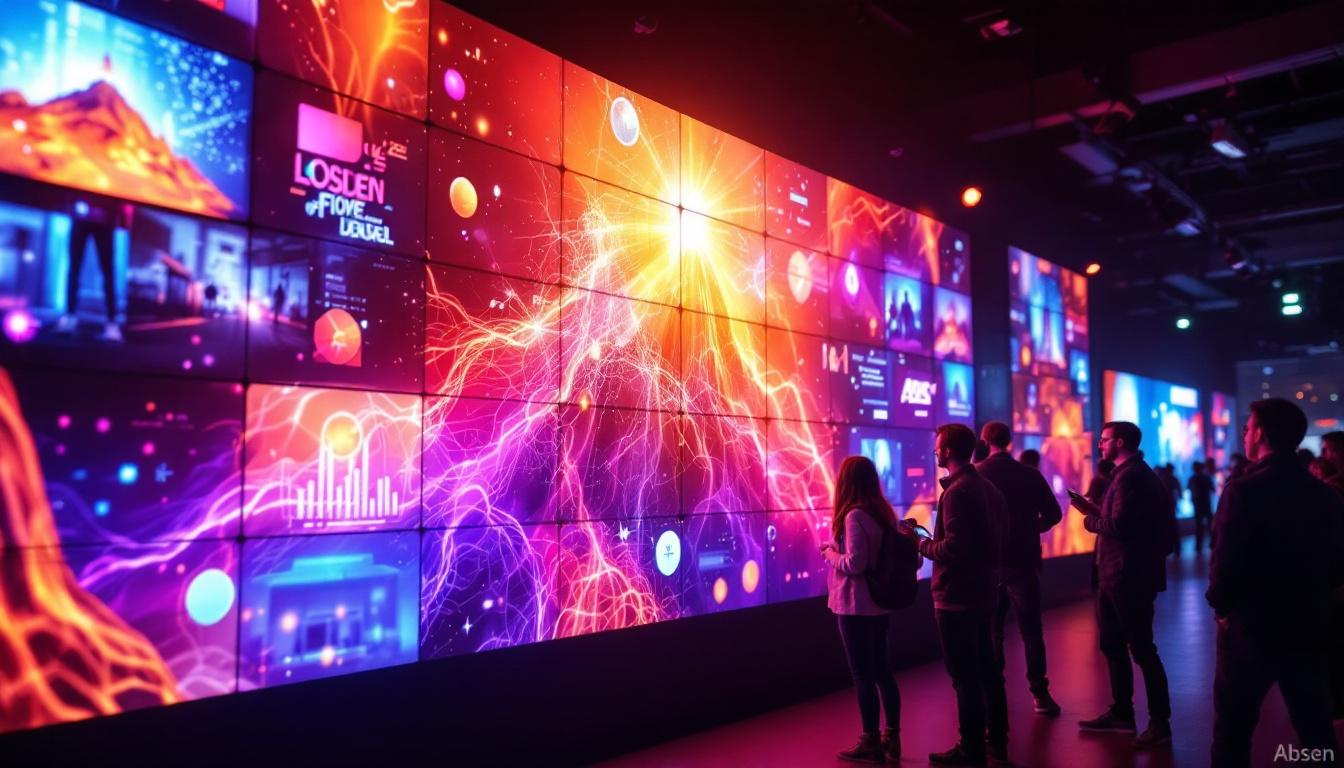
In corporate settings, LED walls are used for presentations, video conferencing, and digital signage. Their clarity and brightness improve communication and engagement during meetings and events.
Educational institutions leverage LED displays for interactive learning, virtual classrooms, and campus information boards, enhancing both teaching and student experience.
Entertainment and Home Use
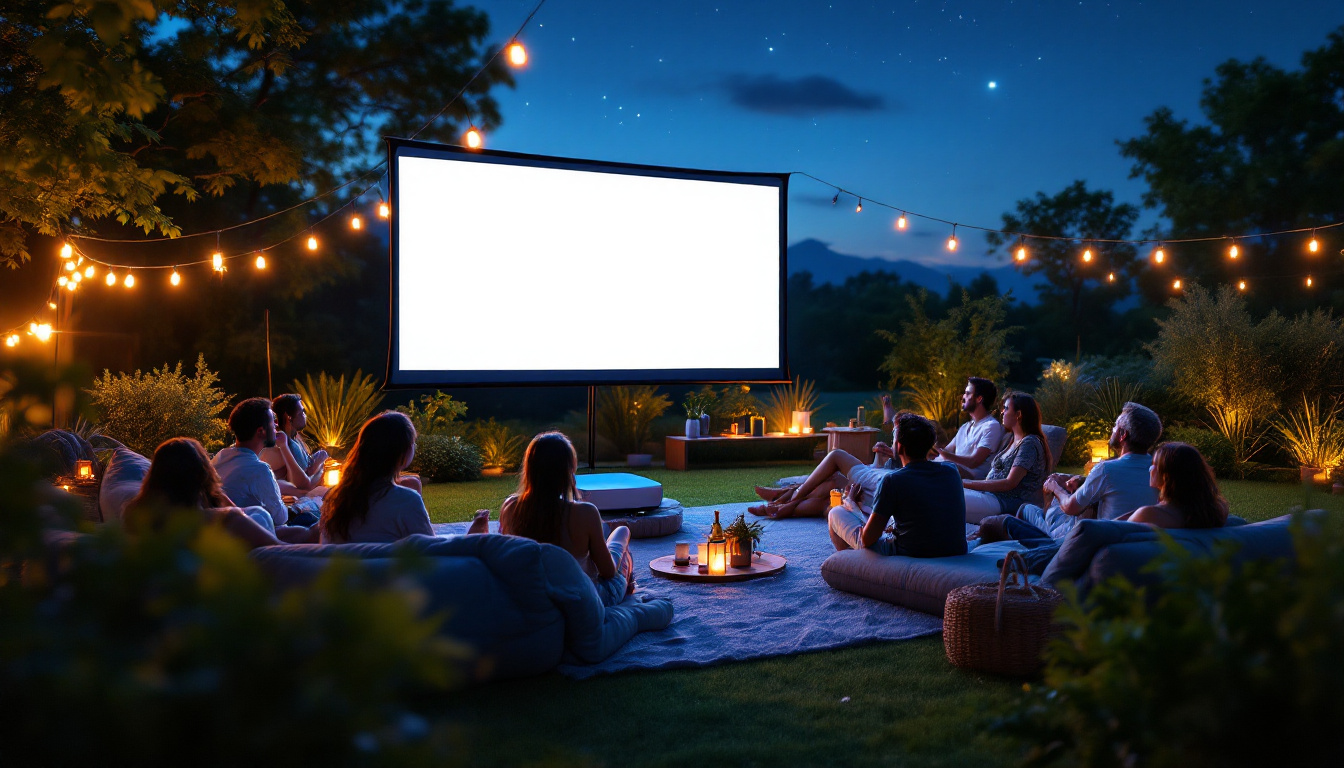
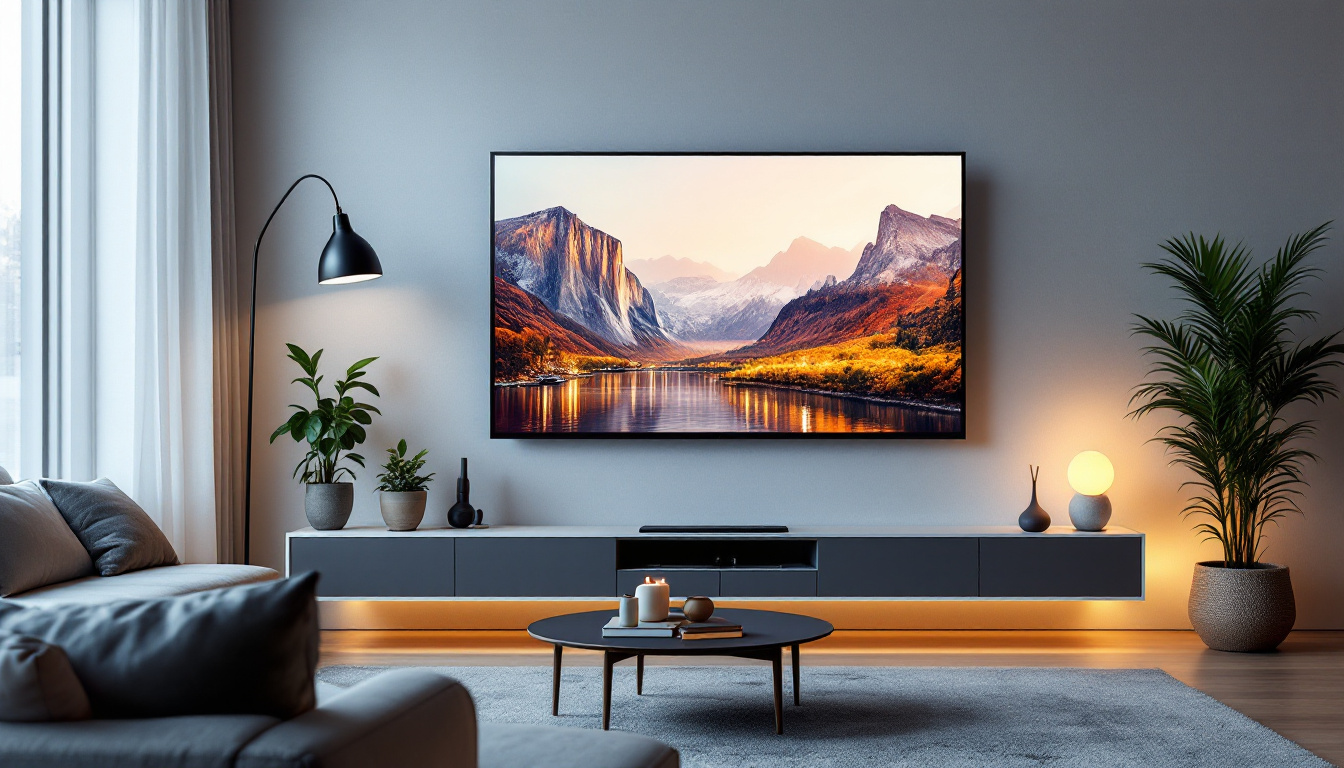
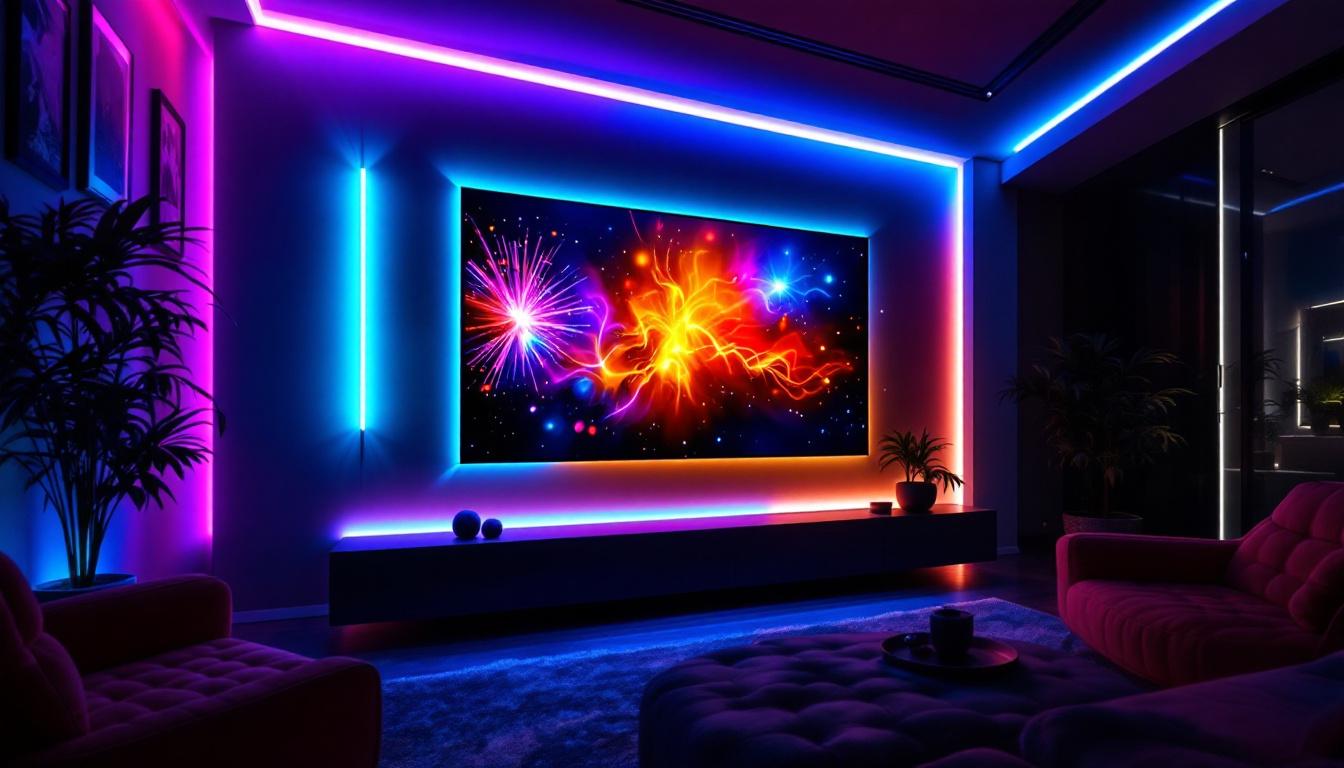
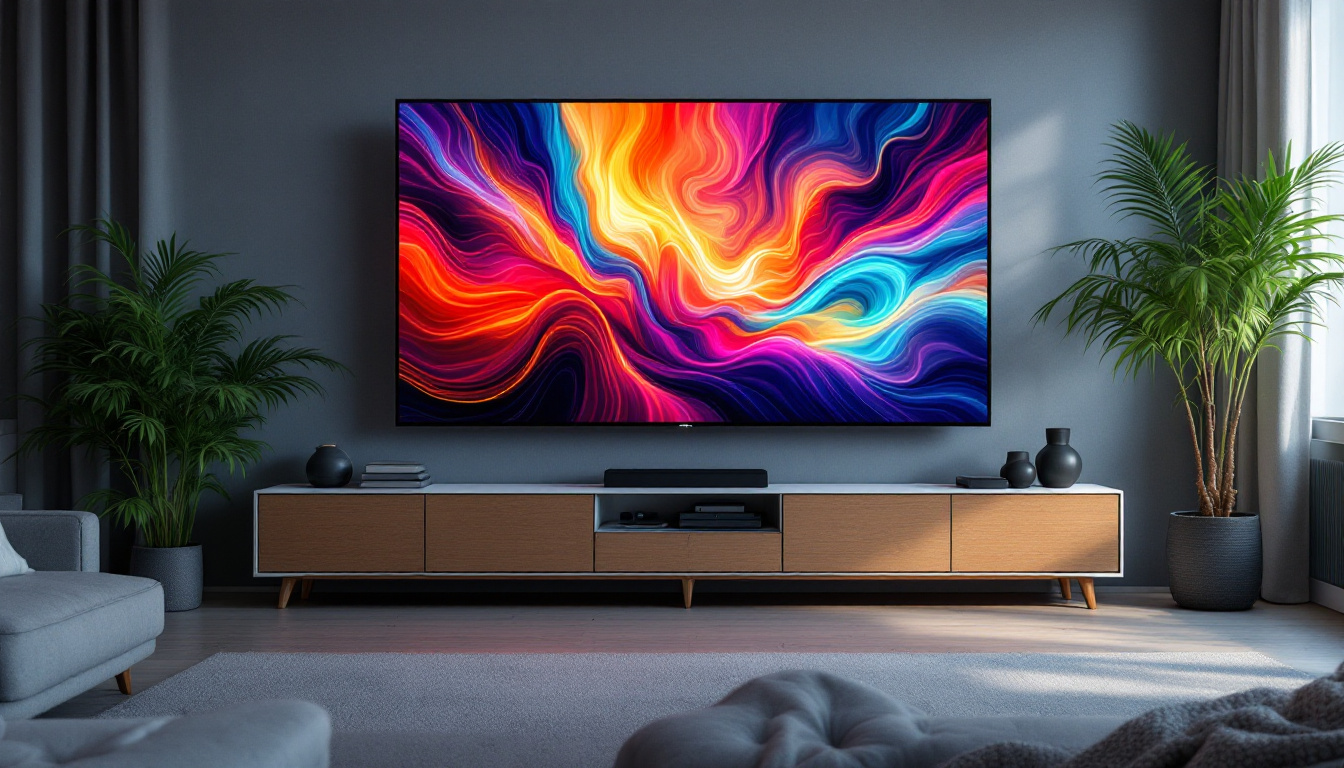
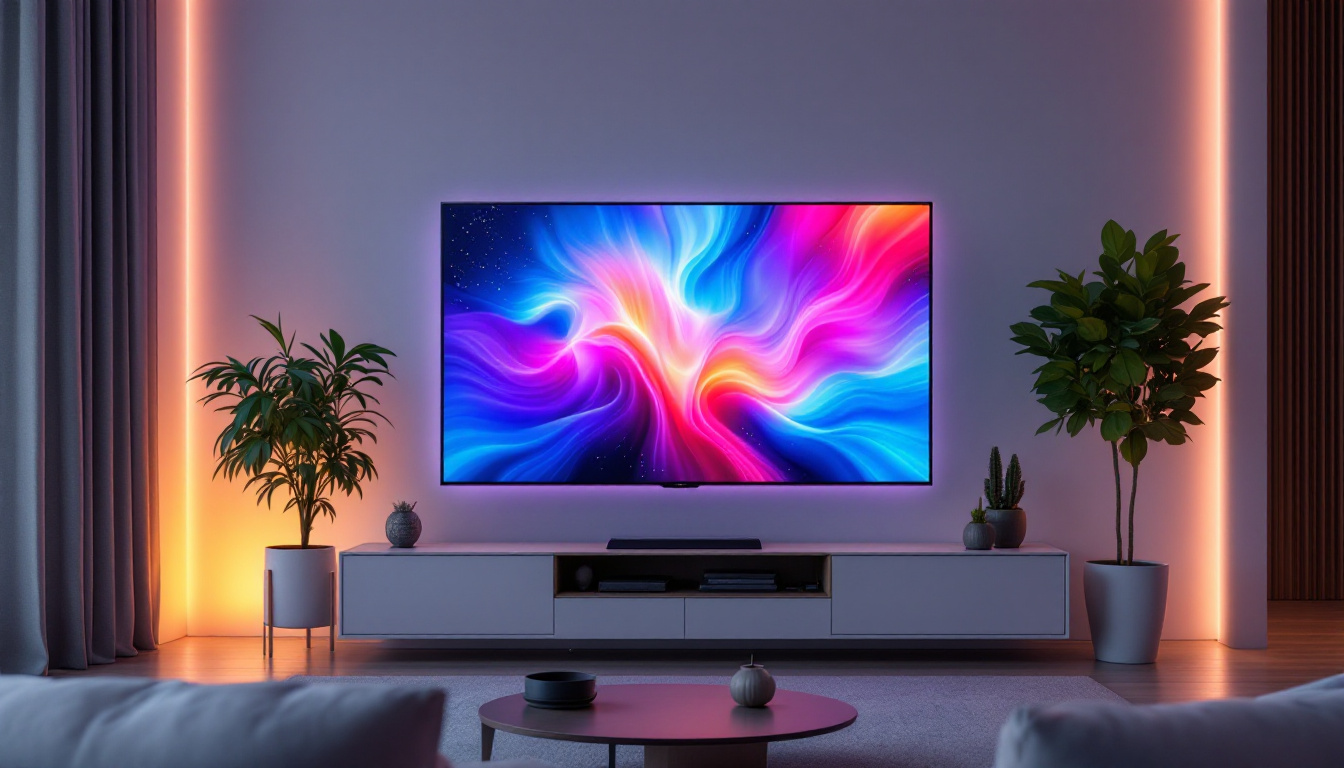
Home theaters and gaming setups benefit from LED walls that provide immersive visuals with vibrant colors and high contrast. Unlike traditional projectors, LED displays do not require darkened rooms, offering greater flexibility.
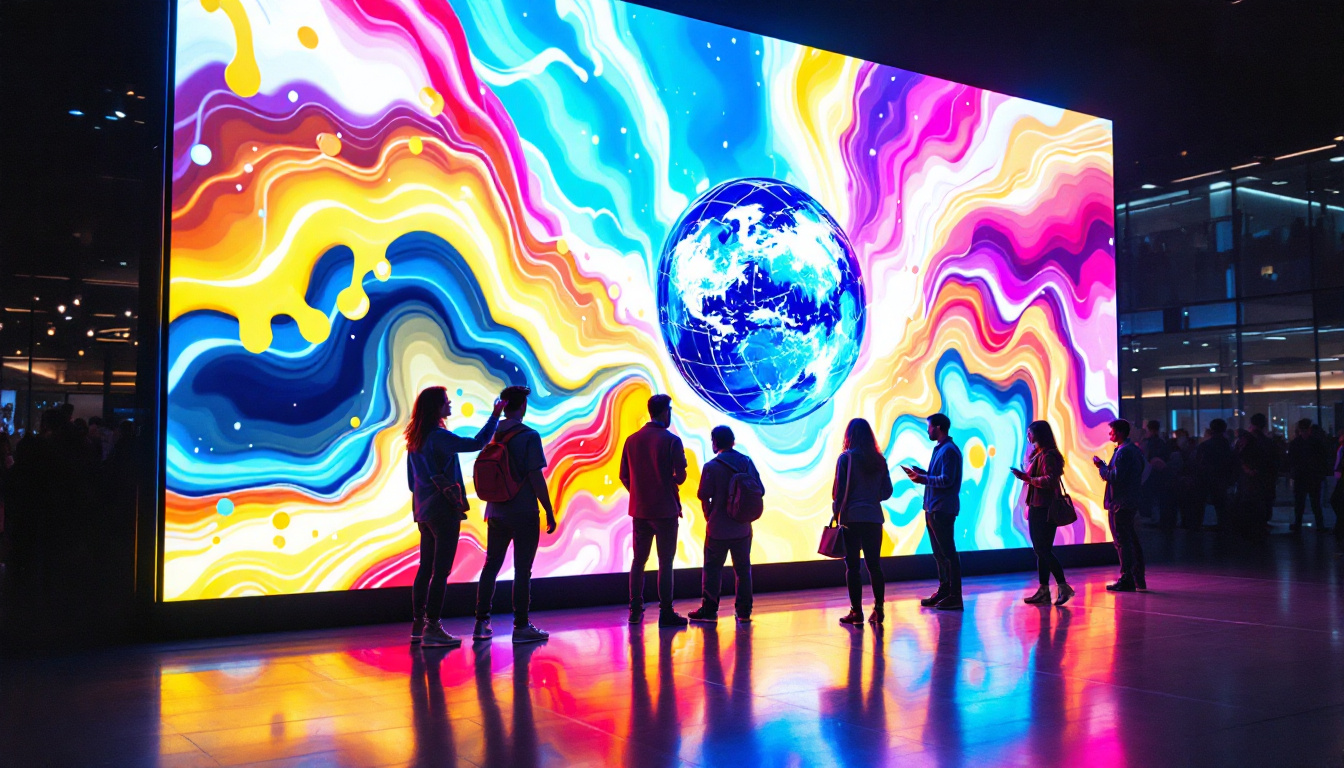
Live concerts and theaters use large LED walls as dynamic backdrops, creating visually stunning environments that captivate audiences.
Advertising and Public Displays
Outdoor LED walls dominate urban landscapes as digital billboards and event screens. Their ability to display bright, eye-catching content in any weather condition makes them invaluable for marketing and public information.
Retail stores use indoor LED displays to attract customers with promotional content and interactive advertisements, driving sales and brand awareness.
Maintenance and Troubleshooting Tips
Maintaining an LED display ensures consistent performance and extends its lifespan. Regular care and prompt troubleshooting can prevent costly repairs.
Cleaning and Environmental Care
Dust and debris can accumulate on LED panels, affecting brightness and image quality. Use soft, dry cloths or specialized cleaning tools to gently clean the surface. Avoid harsh chemicals that could damage the LEDs.
Ensure proper ventilation around the display to prevent overheating, especially in enclosed spaces.
Common Issues and Solutions
Dead pixels, flickering, or color inconsistencies may occur due to hardware faults or connection problems. Running diagnostic software can help identify issues.
Loose cables or power fluctuations are frequent causes of display malfunctions. Regularly inspect connections and use surge protectors to safeguard the system.
Future Trends in LED Wall Projection
The LED display industry continues to innovate, promising exciting developments that will further enhance wall projection capabilities.
MicroLED and MiniLED Technologies
MicroLED and MiniLED represent the next generation of LED technology, offering even higher resolution, improved brightness, and better energy efficiency. These advancements will make LED walls more accessible for smaller spaces and consumer markets.
Flexible and Transparent LED Panels
Flexible LED panels allow for curved or irregular wall installations, expanding creative possibilities. Transparent LED displays enable images to be projected without obstructing views, ideal for retail windows and architectural features.
Integration with Smart Systems
Integration with IoT and smart home systems will allow LED wall displays to adapt dynamically based on user preferences, ambient conditions, and content scheduling, creating personalized and interactive experiences.
Conclusion
Projecting images on walls using LED displays offers a versatile and high-quality solution for a variety of applications. Understanding the technology, selecting the right components, and following best practices for installation and maintenance are crucial for achieving optimal results.
As LED display technology advances, its role in transforming visual communication and entertainment will only grow, making it an essential tool for businesses, educators, and consumers alike.
Discover LumenMatrix LED Display Solutions
Ready to elevate your visual experience with the latest in LED display technology? LumenMatrix offers a comprehensive range of innovative LED display solutions tailored to your needs. From captivating Indoor and Outdoor LED Wall Displays to dynamic Vehicle and Sports LED Displays, our products are designed to make your brand shine. Explore our versatile LED Poster Displays, immersive Floor LED Displays, and the sleek All-in-One LED Display options. For those seeking a unique touch, our Custom LED Display and LED Transparent Display options are perfect for creating a truly memorable visual impact. Embrace the future of visual communication with LumenMatrix and let us help you engage your audience like never before. Check out LumenMatrix LED Display Solutions and transform your space today.