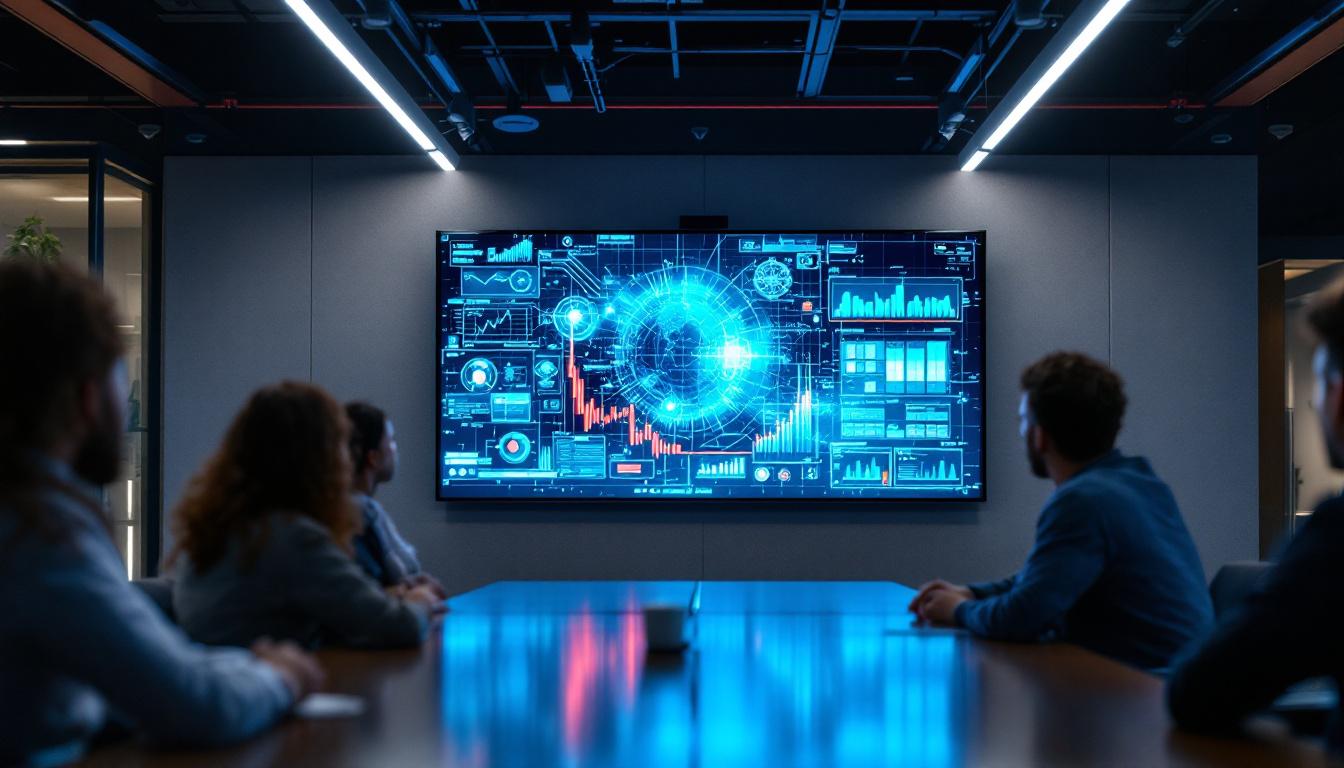
Conference Room TV Setup: LED Display Explained
In today’s fast-paced business environment, the conference room is more than just a space for meetings—it’s a hub for collaboration, presentations, and decision-making. Central to this dynamic environment is the display technology used to share information effectively. LED displays have emerged as a leading choice for conference room TVs, offering superior image quality, scalability, and versatility. This article explores the ins and outs of LED display technology for conference rooms, helping decision-makers understand why and how to implement these systems for maximum impact.
Understanding LED Display Technology
What is an LED Display?
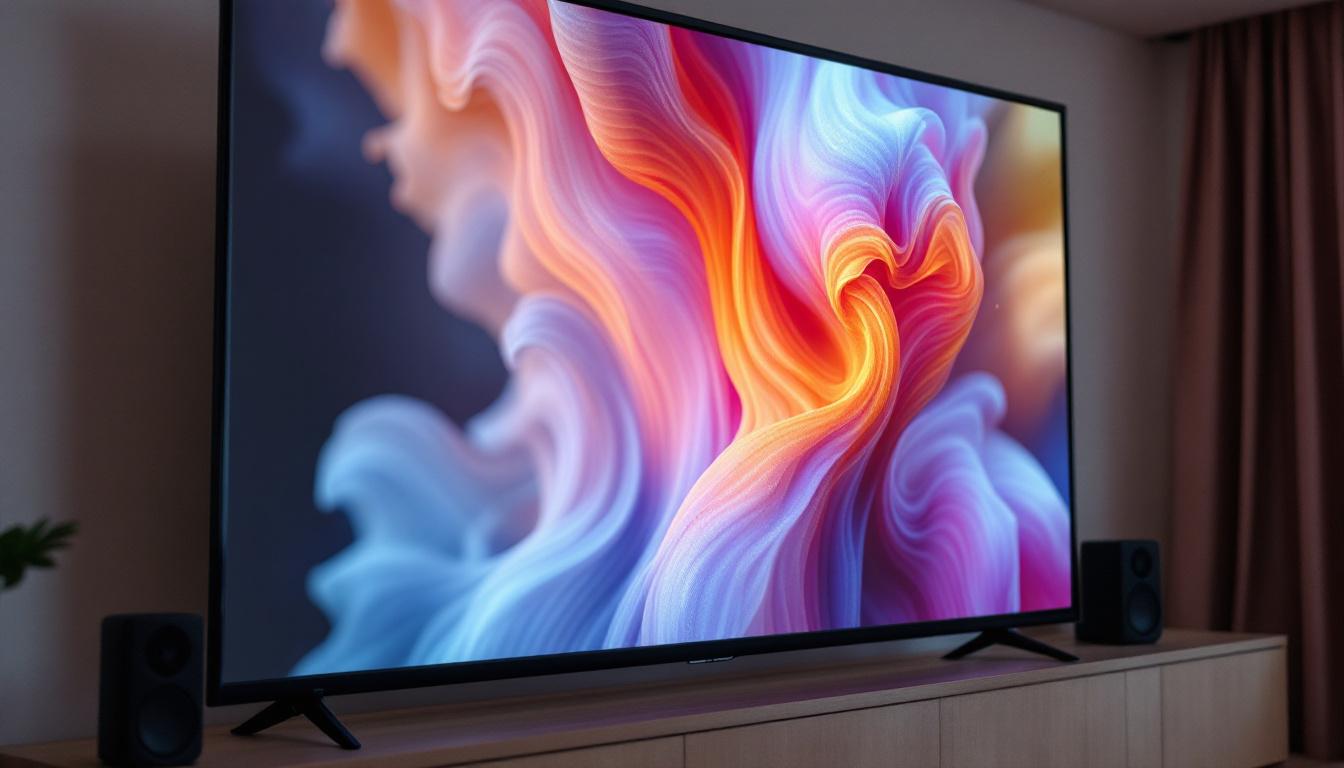
LED stands for Light Emitting Diode, a semiconductor device that emits light when an electric current passes through it. Unlike traditional LCD TVs that use a backlight, LED displays use an array of tiny LEDs to produce images. This technology can be implemented in two primary ways: direct-view LED panels and LED-backlit LCD screens.
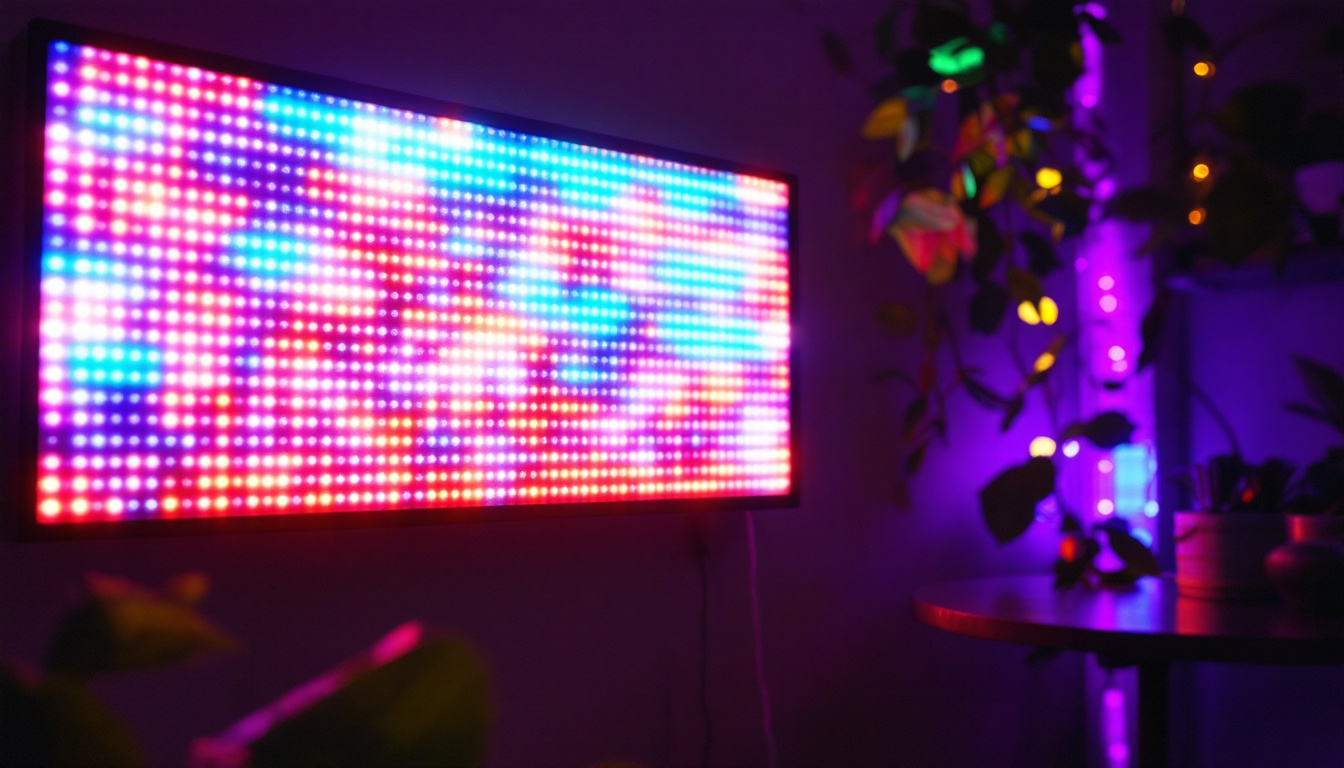
Direct-view LED displays consist of thousands of individual LEDs arranged in a grid, each acting as a single pixel. This setup allows for vibrant colors, deep blacks, and high contrast ratios. LED-backlit LCD TVs, on the other hand, use LEDs only as a backlight behind an LCD panel, improving brightness and energy efficiency compared to older CCFL-backlit LCDs. The versatility of LED technology has led to its widespread adoption in various applications, from large outdoor billboards to small handheld devices, showcasing its adaptability and effectiveness in delivering high-quality visual content.
Why LED Over Other Display Technologies?
LED displays offer several advantages over traditional LCD and plasma screens, making them ideal for conference rooms:
- Brightness and Visibility: LED displays provide superior brightness levels, ensuring clear visibility even in well-lit rooms. This is crucial in conference settings where ambient light can vary.
- Color Accuracy and Contrast: The ability to produce true blacks and vibrant colors enhances the clarity of presentations, videos, and detailed graphics.
- Longevity and Durability: LEDs have a longer lifespan and are more energy-efficient, reducing maintenance and operational costs.
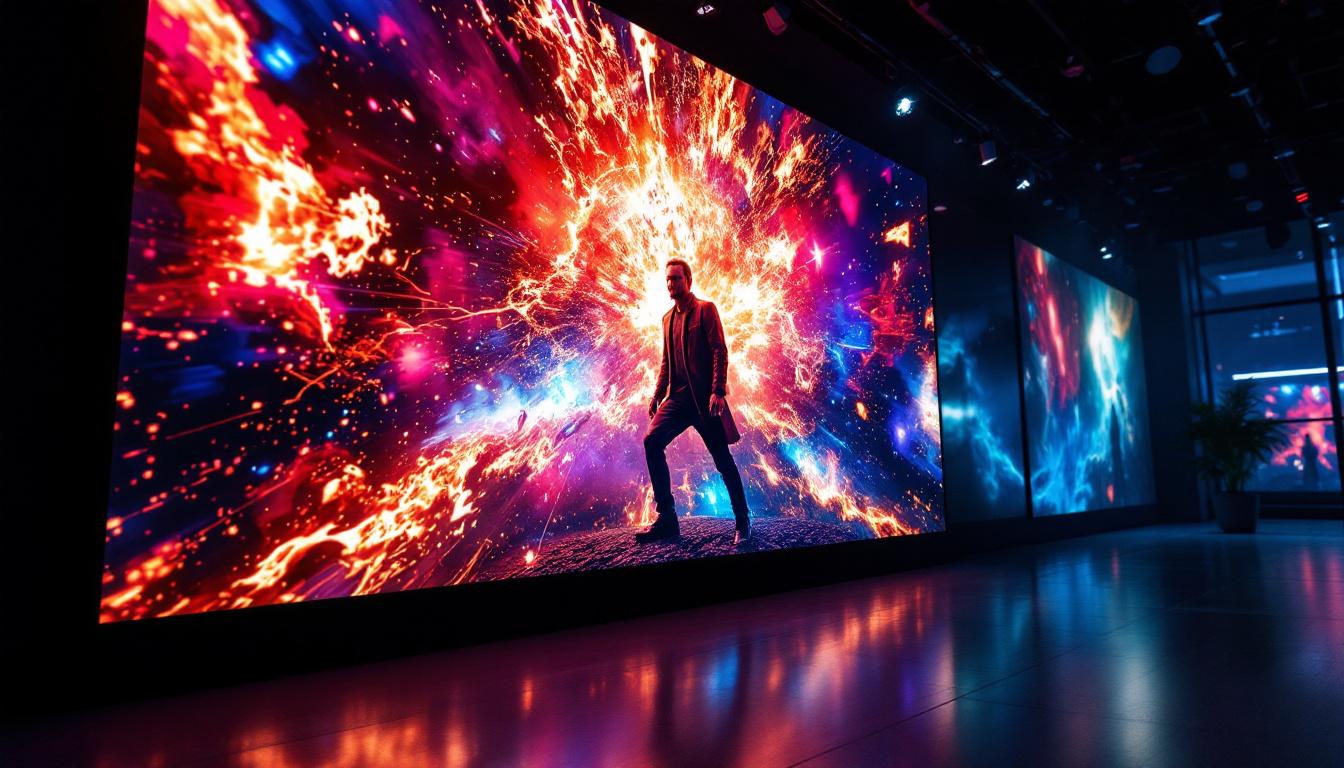
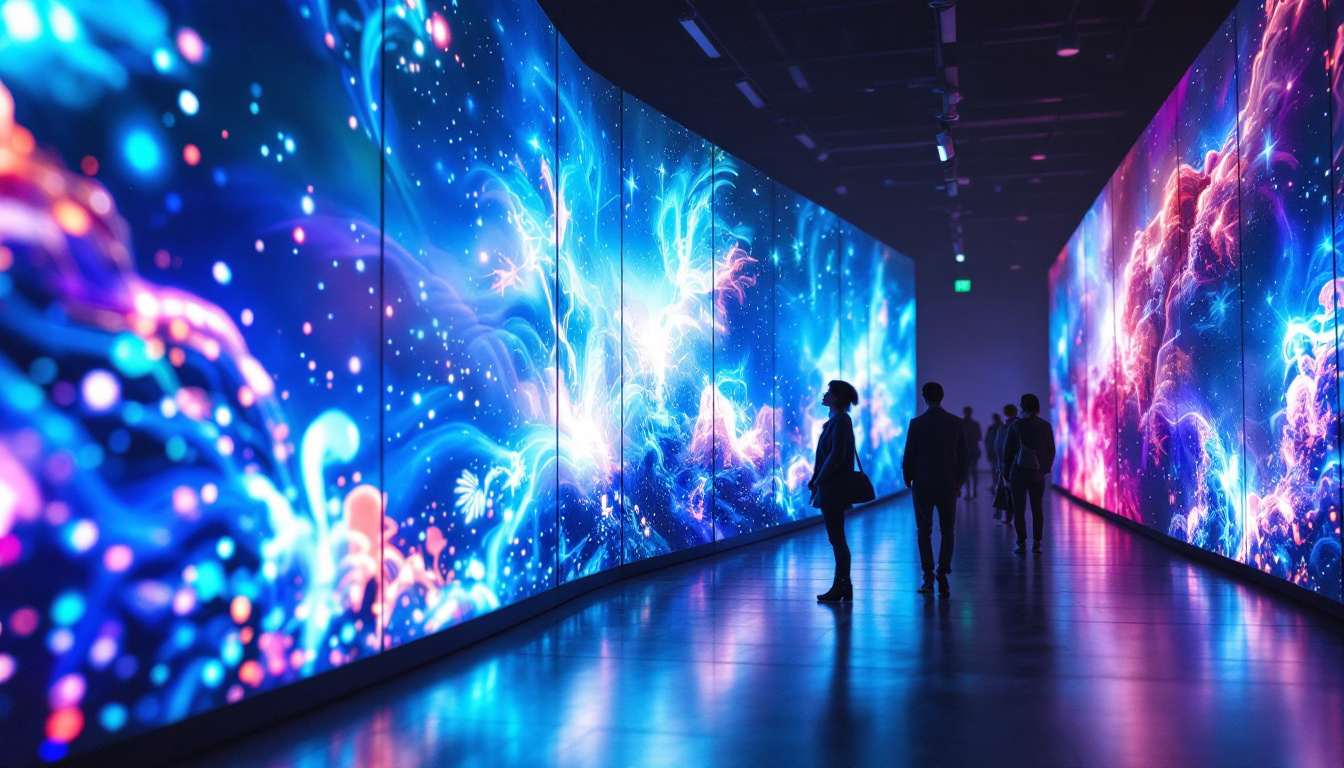
- Scalability: Direct-view LED displays can be customized to virtually any size, from small screens to massive video walls, accommodating various room sizes and layouts.
In addition to these benefits, LED technology is also highly adaptable to different environments. For instance, outdoor LED displays are designed to withstand harsh weather conditions, featuring protective coatings and enhanced brightness to combat sunlight. This makes them perfect for advertising and public information displays in urban settings. Meanwhile, indoor LED screens can be fine-tuned for pixel density, ensuring that even close-up viewers enjoy a crisp, clear image. Furthermore, the modular nature of direct-view LED technology allows for seamless integration into existing architectural designs, providing a modern aesthetic that complements various interior styles.
Another noteworthy aspect of LED displays is their capability for dynamic content delivery. With advancements in software and connectivity, these displays can easily be integrated with content management systems, enabling real-time updates and interactive features. This is particularly beneficial in corporate environments where timely information dissemination is critical. Whether it’s showcasing live data, engaging presentations, or even interactive touch capabilities, LED technology enhances the overall experience for both presenters and audiences alike, making meetings more engaging and productive.
Key Considerations for Conference Room LED TV Setup
Room Size and Viewing Distance
The size of the conference room and the typical viewing distance are critical factors when selecting an LED display. A screen that is too small will strain viewers’ eyes, while an excessively large screen can overwhelm the space and cause discomfort.
Industry guidelines suggest that the optimal screen size should be approximately one-third to one-half of the viewing distance. For example, if the farthest viewer is 15 feet away, a screen size between 75 and 100 inches diagonal is recommended. LED displays can be tailored to these dimensions, especially with modular direct-view panels. It’s also essential to consider the layout of the room; for instance, if the seating is arranged in a U-shape or classroom style, the viewing angles can vary significantly, necessitating a larger screen or multiple displays to ensure everyone has a clear view.
Moreover, ambient lighting plays a crucial role in the effectiveness of the display. Rooms with large windows may require screens with higher brightness levels to combat glare and reflections, ensuring that presentations remain visible and engaging. Understanding how natural light interacts with the display can help in selecting the right screen technology and placement, enhancing the overall viewing experience.
Resolution and Pixel Pitch
Resolution determines the clarity and detail of the image displayed. For conference rooms, Full HD (1920×1080) is often the minimum standard, but 4K UHD (3840×2160) is becoming increasingly popular due to the rise of high-resolution content and detailed presentations.
Pixel pitch—the distance between individual LEDs—is a vital specification for direct-view LED displays. A smaller pixel pitch means higher resolution and sharper images, which is essential for close viewing distances typical in conference rooms. For example, pixel pitches between 1.2mm and 2.5mm are common in indoor conference room setups, balancing cost and image quality. Additionally, as more companies adopt high-definition video conferencing and utilize graphics-heavy presentations, investing in displays with superior pixel density can significantly enhance communication and collaboration, allowing for clearer visuals and more impactful information sharing.
Furthermore, it’s important to consider the content that will be displayed. If the conference room is frequently used for showcasing intricate designs or detailed data visualizations, opting for a higher resolution display can make a substantial difference in how effectively that information is conveyed. The ability to zoom in on graphs or images without losing clarity can greatly enhance discussions and decision-making processes.
Connectivity and Integration
Modern conference rooms require seamless integration with various devices and platforms. LED TVs should support multiple input options such as HDMI, DisplayPort, USB-C, and wireless casting technologies like Miracast or AirPlay.
Additionally, compatibility with video conferencing systems, collaboration software, and control systems is crucial. Many LED displays now come with smart features or can be paired with external media players and control hubs to streamline meeting workflows. The ability to connect to cloud-based applications and share screens wirelessly can significantly enhance productivity, allowing for quick transitions between different presenters and content types.
Moreover, considering the future-proofing of technology is vital. As conference room needs evolve, having a display that can adapt to new technologies and standards will save costs and reduce the need for frequent upgrades. Integrating with IoT devices and smart technology can also enhance the overall functionality of the conference room, creating a more dynamic and interactive environment for all participants.
Installation and Setup Best Practices
Mounting and Placement
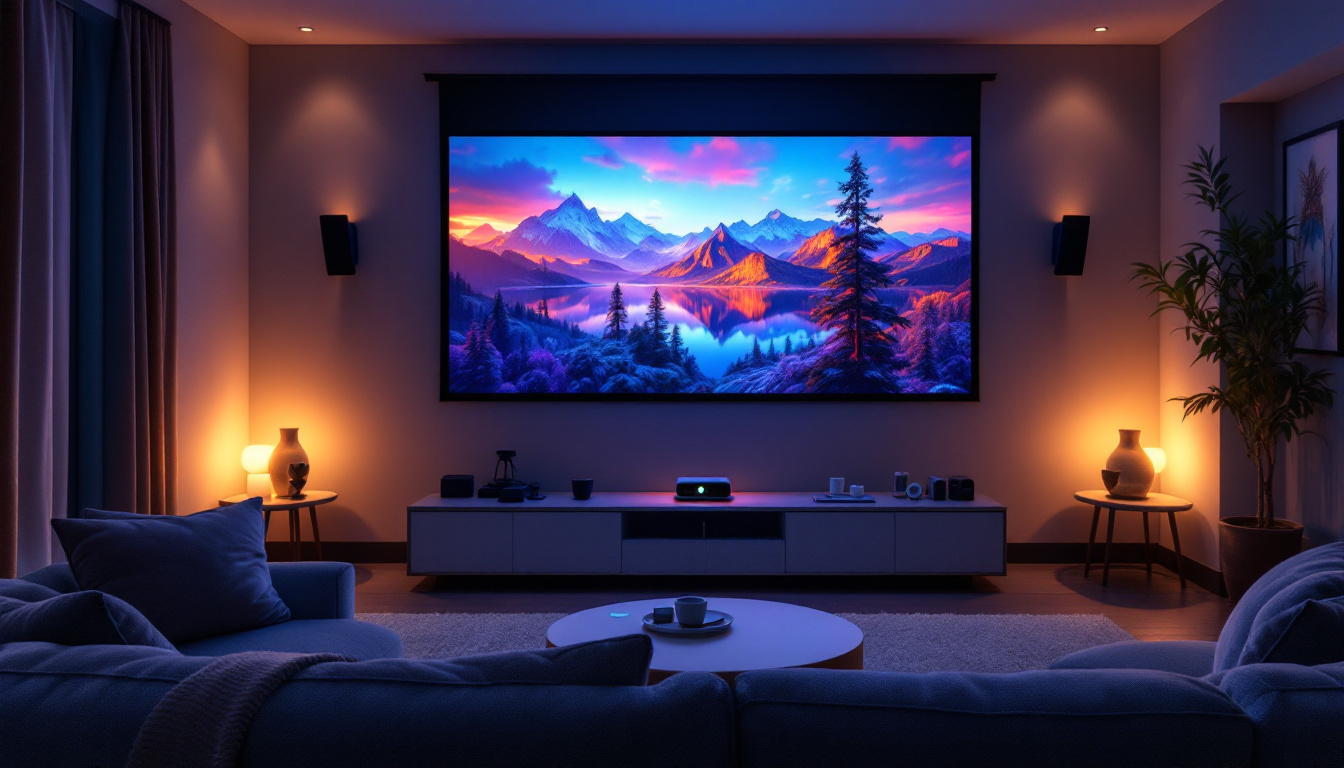
Proper mounting is essential for both functionality and aesthetics. LED TVs should be installed at eye level for seated participants to prevent neck strain and ensure comfortable viewing. Wall mounting is common, but freestanding mounts or motorized lifts can provide flexibility in multi-use rooms.
Consideration should also be given to ambient lighting. LED displays perform well in bright environments, but glare from windows or overhead lights can affect visibility. Using anti-glare coatings or positioning the screen away from direct light sources helps maintain image quality.
Calibration and Color Management
Calibrating the LED display ensures accurate color reproduction and brightness levels. Professional calibration tools and software can adjust settings to match the room’s lighting conditions and the content being displayed.
Regular calibration is recommended, especially for direct-view LED video walls, as LED brightness can degrade over time. Maintaining consistent image quality enhances the professionalism and effectiveness of presentations.
Audio Considerations
While LED displays often include built-in speakers, these may not suffice for larger rooms or presentations requiring clear audio. Integrating external sound systems or conference room audio solutions ensures that all participants can hear clearly, complementing the visual experience.
Advantages of LED Displays in Conference Rooms
Enhanced Collaboration and Engagement
High-quality visuals foster better engagement during meetings. LED displays enable crisp presentations, detailed data visualization, and immersive video conferencing experiences. This clarity helps teams communicate ideas more effectively and make informed decisions.
Future-Proofing Your Conference Room
Investing in LED technology prepares conference rooms for evolving business needs. As remote work and hybrid meetings become standard, having a display that supports high-resolution video and multiple input options ensures compatibility with emerging collaboration tools.
Energy Efficiency and Cost Savings
LED displays consume less power than older display technologies, reducing energy costs over time. Their longer lifespan also means fewer replacements and less downtime, contributing to lower total cost of ownership.
Common Challenges and How to Overcome Them
Initial Cost and Budgeting
LED displays, particularly direct-view models, can have higher upfront costs compared to traditional TVs. However, the benefits in durability, image quality, and scalability often justify the investment.
To manage budgets, organizations can consider hybrid setups, such as LED-backlit LCD TVs for smaller rooms, or phased installations for larger video walls. Leasing options and vendor financing may also help spread costs.
Technical Complexity
Installing and maintaining LED video walls requires technical expertise. Partnering with experienced AV integrators ensures proper setup, calibration, and ongoing support. Training IT staff on basic troubleshooting can minimize disruptions.
Content Management
Displaying content effectively on large LED screens requires appropriate software solutions. Content management systems (CMS) designed for digital signage can schedule, format, and distribute content seamlessly, enhancing the meeting experience.
Case Studies: LED Displays Transforming Conference Rooms
Global Consulting Firm Enhances Client Presentations
A global consulting firm upgraded its main conference room with a 120-inch direct-view LED display featuring a 1.5mm pixel pitch. The installation improved visibility for detailed financial models and interactive dashboards, leading to more engaging client meetings and faster decision-making.
Tech Startup Implements Scalable Video Wall
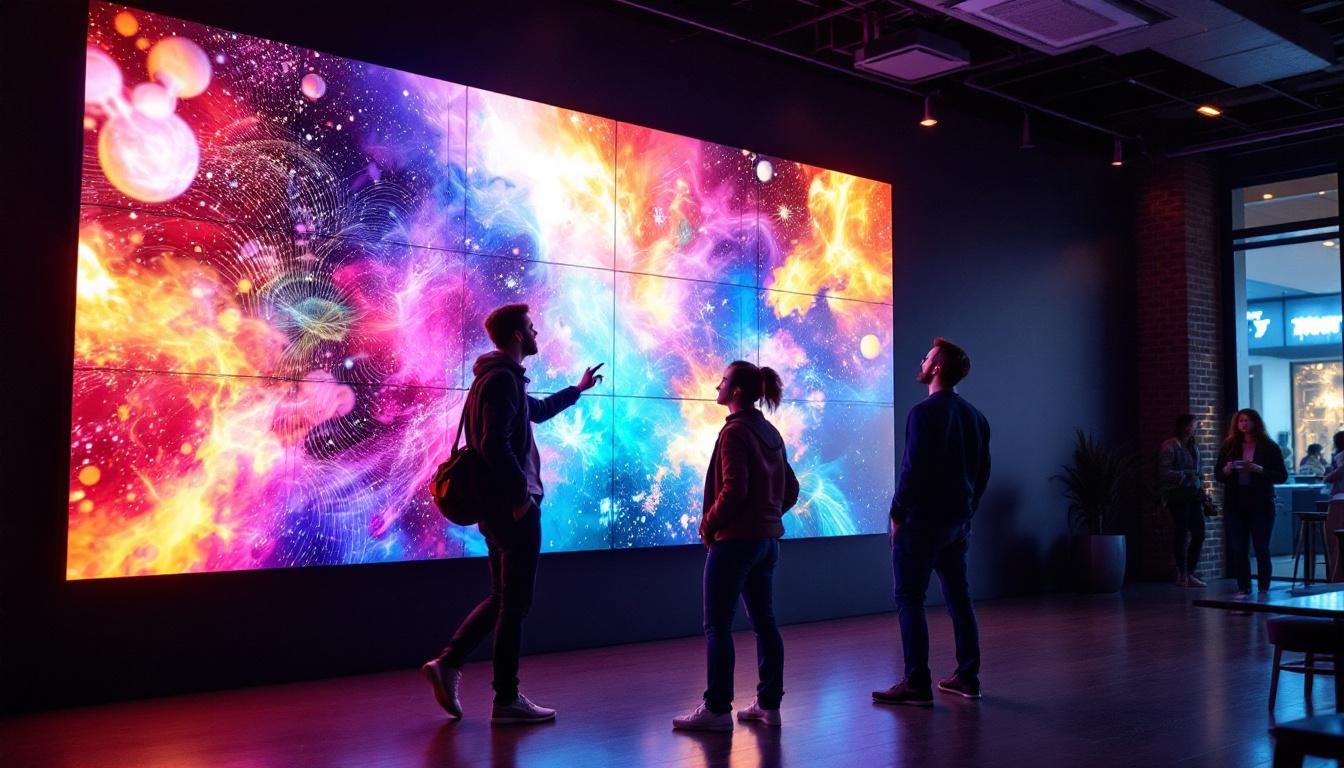
A rapidly growing tech startup installed a modular LED video wall in its collaboration space. The scalable design allows the company to expand the display as the team grows. Integration with wireless casting and video conferencing platforms supports their agile work style and remote collaboration.
Conclusion: Making the Right Choice for Your Conference Room
Choosing the right TV setup for a conference room is a strategic decision that impacts communication, collaboration, and productivity. LED displays stand out as a versatile and future-ready solution, offering exceptional image quality, durability, and adaptability to various room sizes and use cases.
By carefully considering factors such as room dimensions, resolution needs, connectivity, and budget, organizations can select an LED display setup that enhances every meeting experience. Partnering with experienced AV professionals ensures a smooth installation and ongoing support, maximizing the return on investment.
As businesses continue to embrace digital transformation, investing in high-quality LED display technology is a step toward creating conference rooms that inspire innovation and drive success.
Discover LumenMatrix’s Advanced LED Display Solutions
Ready to elevate your conference room with the latest in LED display technology? LumenMatrix offers a comprehensive range of innovative LED display modules tailored to meet your specific needs. From Indoor LED Wall Displays that bring presentations to life to Outdoor LED Wall Displays that withstand the elements, our solutions are designed to captivate and engage. Experience the difference with our Vehicle LED Displays, LED Poster Displays, and more, all crafted to revolutionize visual communication and enhance your brand’s visibility. Don’t just share your message—make it resonate with clarity and impact. Check out LumenMatrix LED Display Solutions today and transform your conference room into a hub of innovation and success.