In today’s fast-paced world, visual technology plays a pivotal role in business presentations, events, and entertainment. Projectors have long been a staple for displaying images and videos to large audiences, but the rise of LED displays has introduced new possibilities and considerations. For organizations and individuals looking to rent projectors or LED display solutions, understanding the differences, advantages, and practical applications of each technology is essential to making an informed decision.
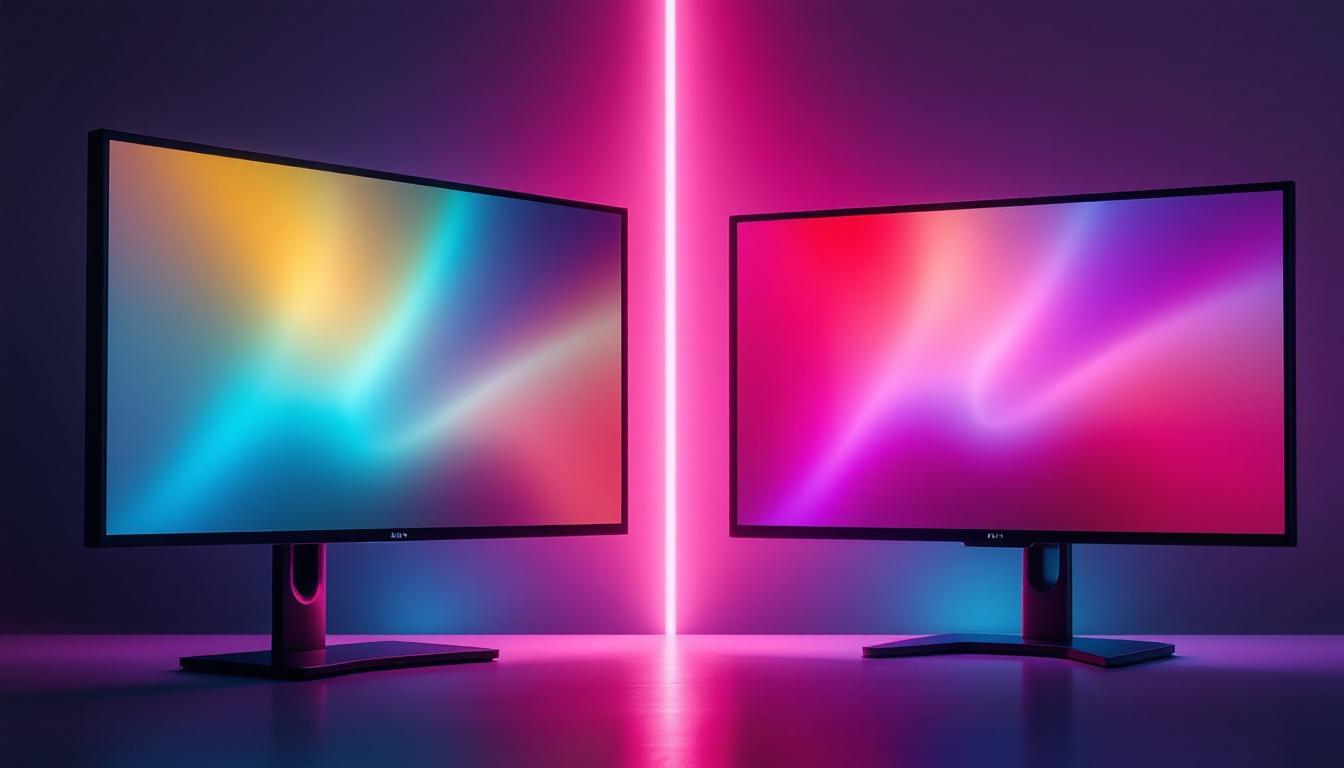
Understanding the Basics: Projectors vs. LED Displays
What Are Projectors?
Projectors are devices that cast images or videos onto a flat surface, typically a screen or wall, by shining light through a lens system. Traditional projectors use lamps or lasers as light sources and can vary widely in terms of brightness, resolution, and portability. They have been widely used in classrooms, conference rooms, cinemas, and outdoor events.
Modern projectors often employ LED technology as their light source, offering longer lifespan and more energy efficiency compared to conventional lamps. However, the term “projector” generally refers to the device that projects the image rather than the screen or display itself.
One of the key advantages of projectors is their ability to create large images, making them ideal for presentations and cinematic experiences. With the right setup, a projector can display images that are several feet wide, allowing for an immersive viewing experience that is hard to replicate with smaller screens. Additionally, many projectors offer features such as keystone correction and zoom capabilities, which help in adjusting the image to fit various screen sizes and shapes. This flexibility makes them a popular choice for both professional and home theater setups.
What Are LED Displays?
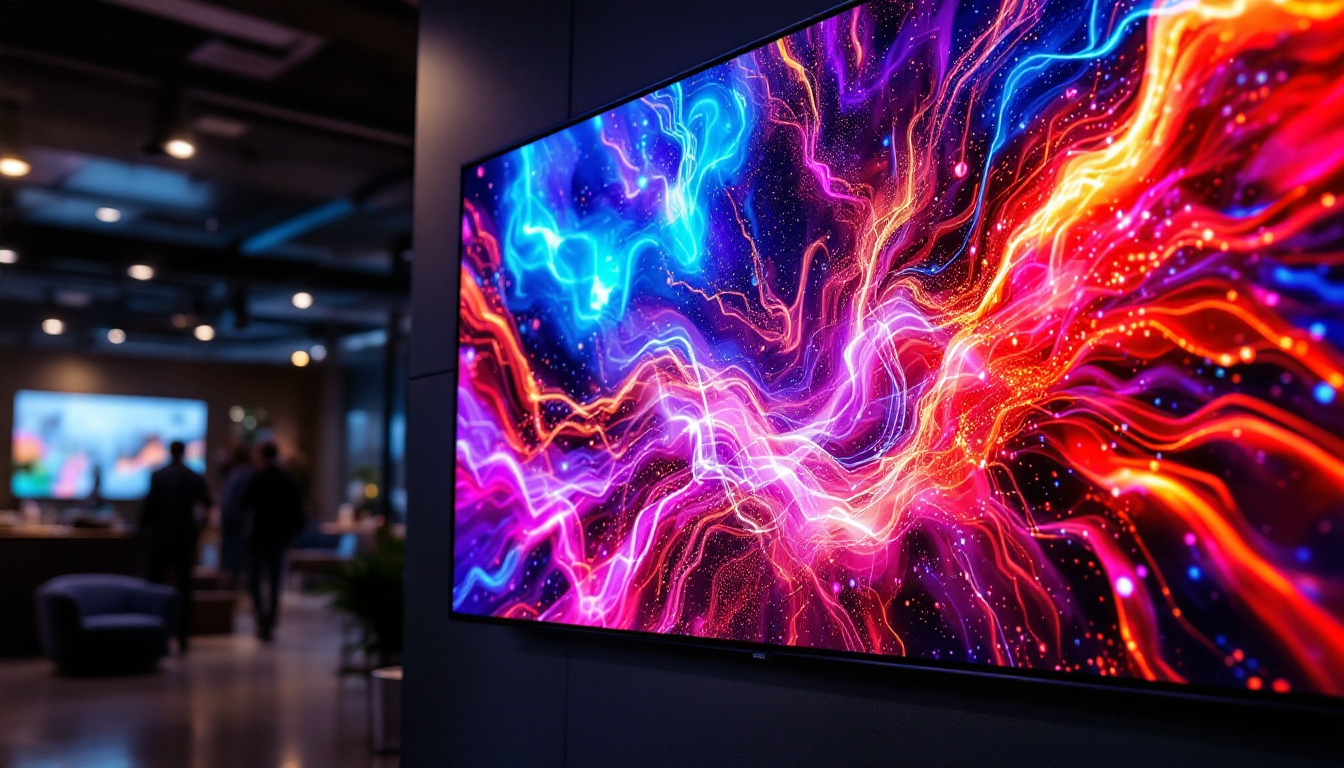
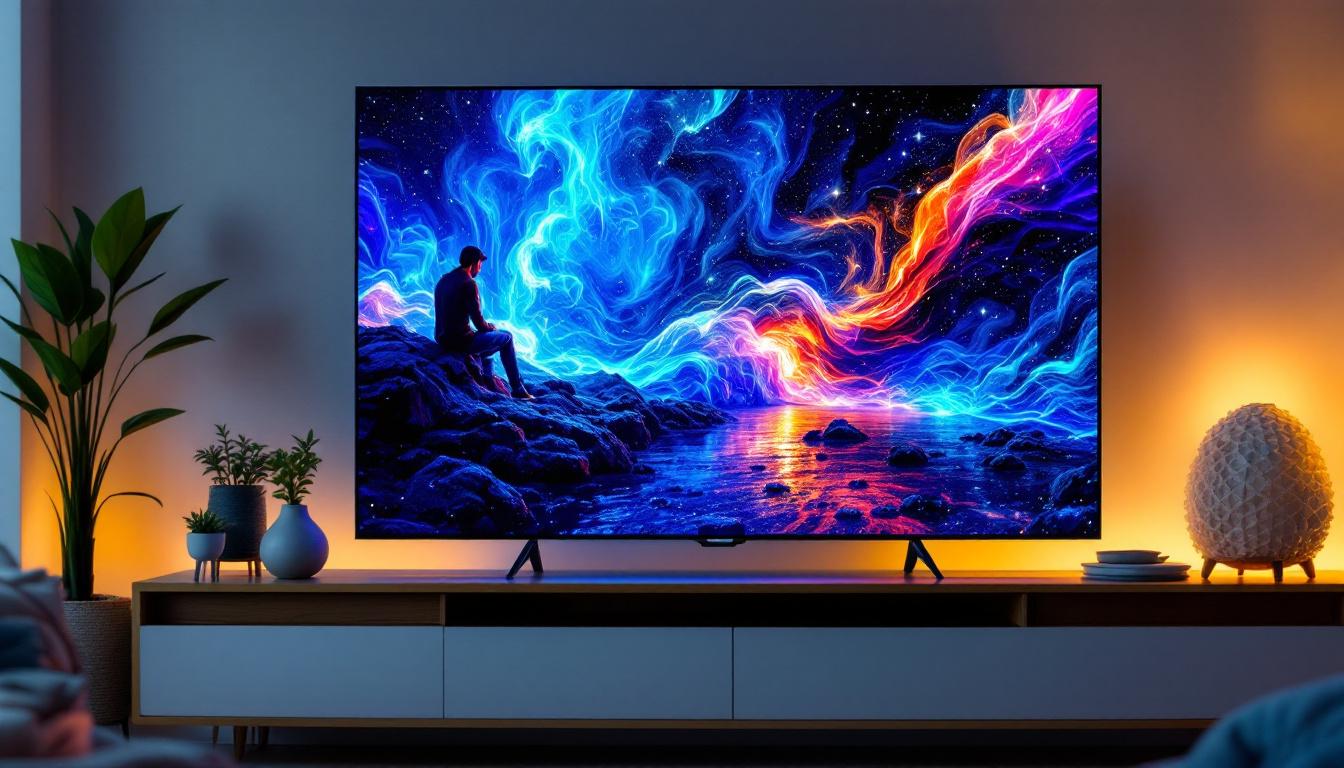
LED displays, on the other hand, are composed of thousands to millions of light-emitting diodes (LEDs) arranged in a grid to form a screen. Unlike projectors, LED displays produce their own light and do not require an external surface to display images. This self-illuminating capability allows LED displays to deliver bright, vibrant visuals even in well-lit environments.
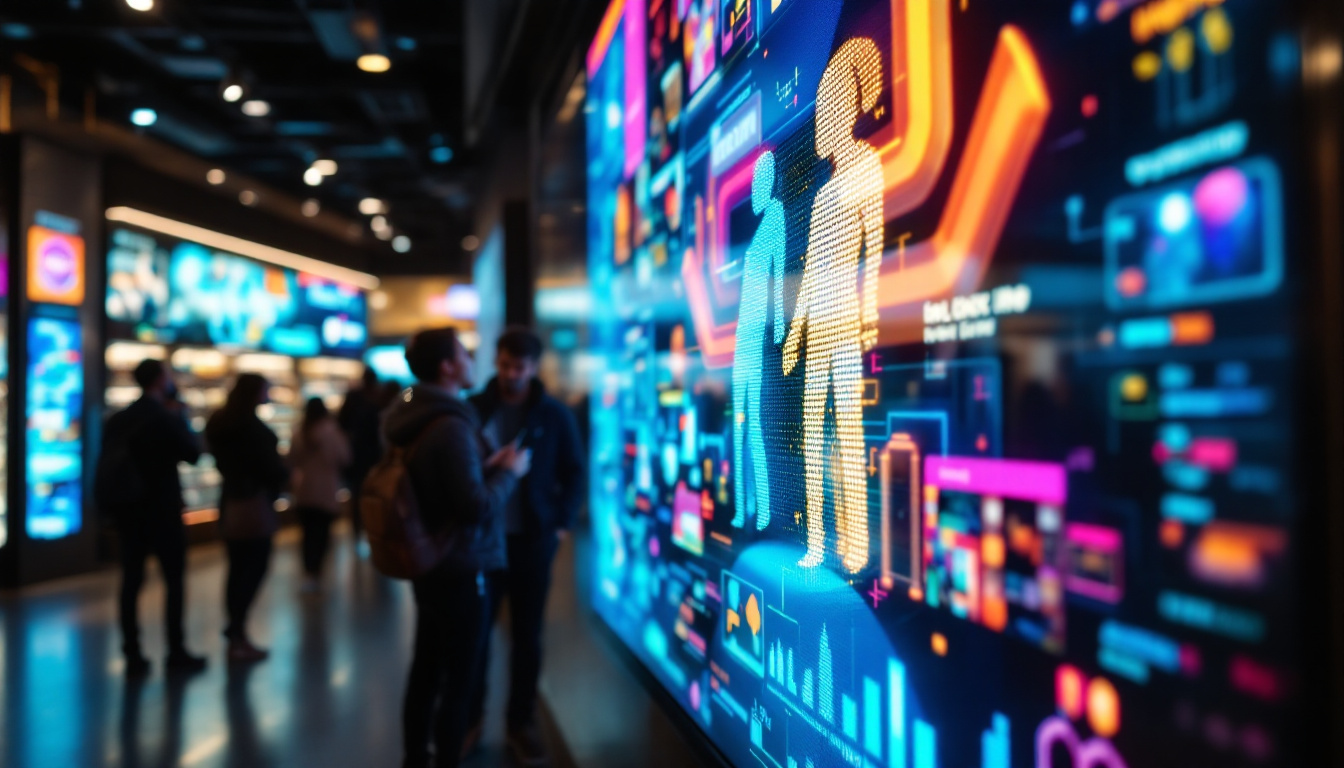
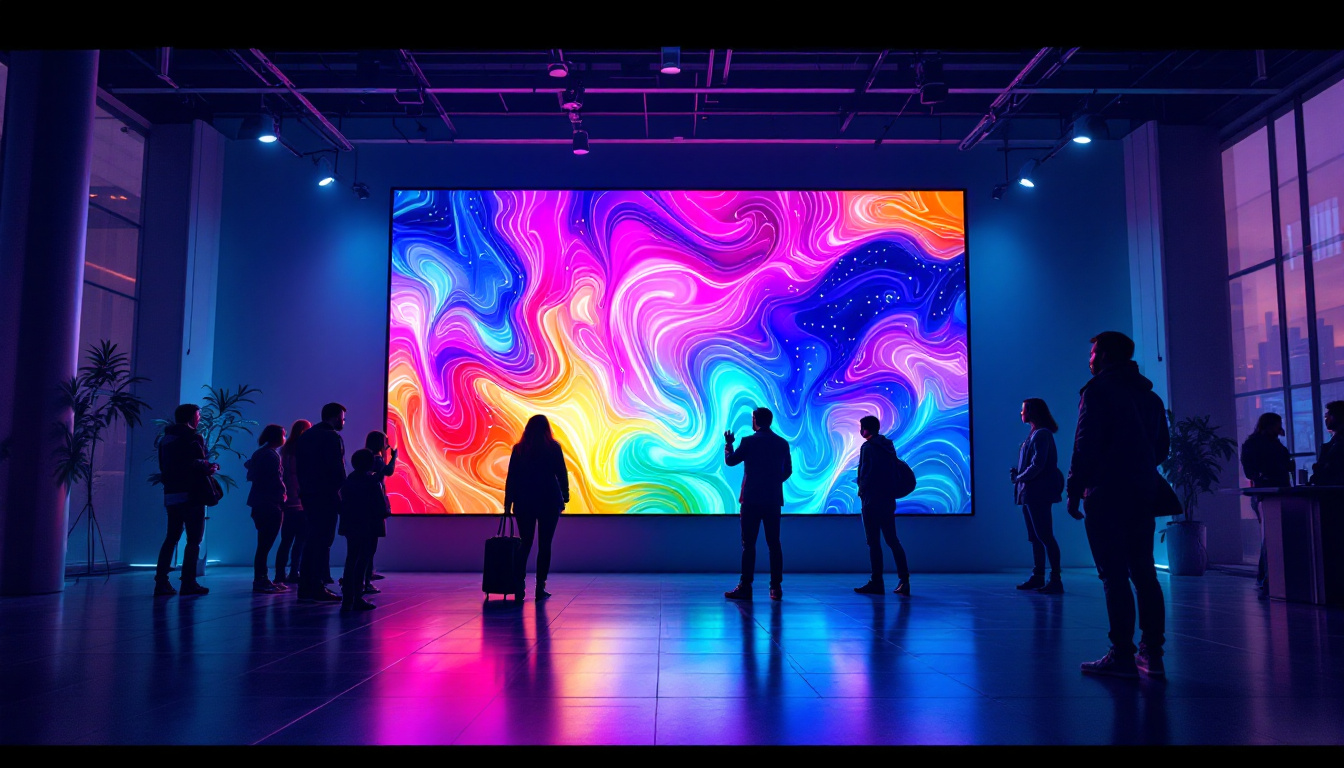
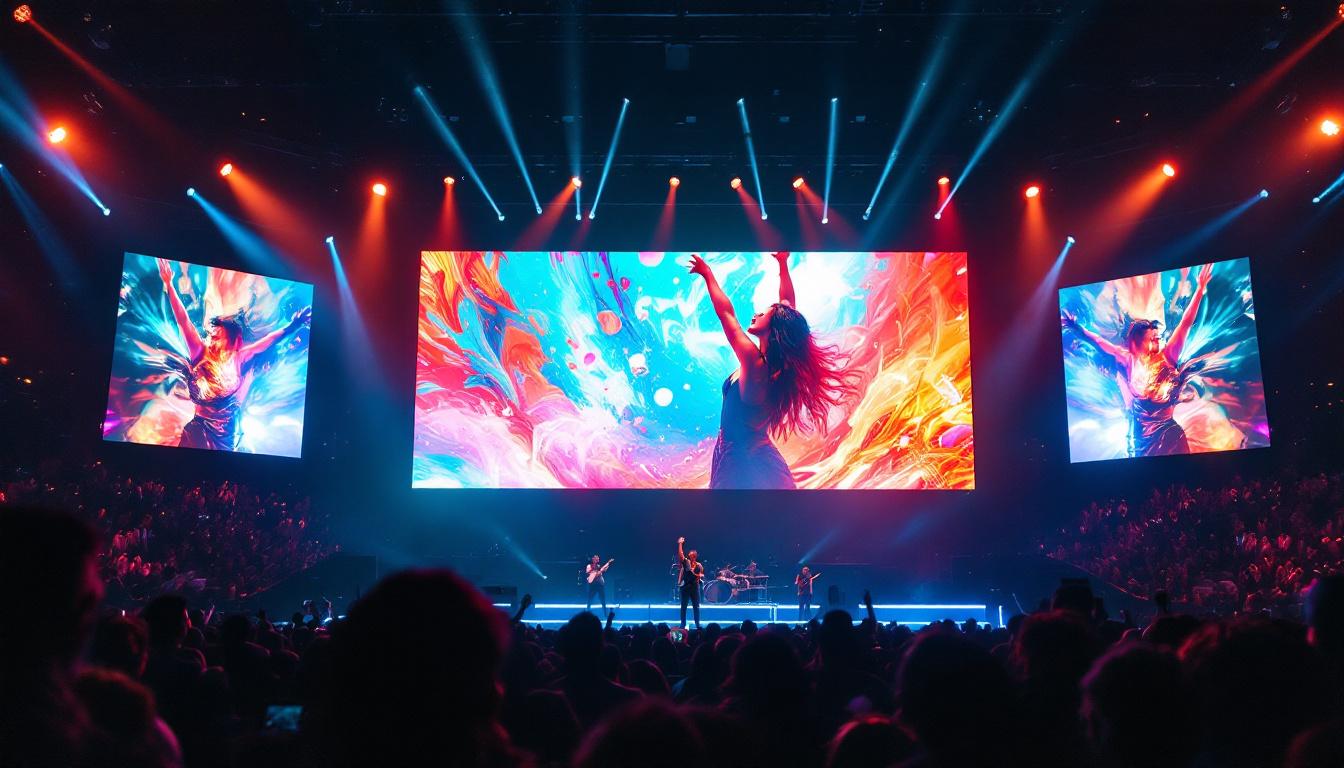
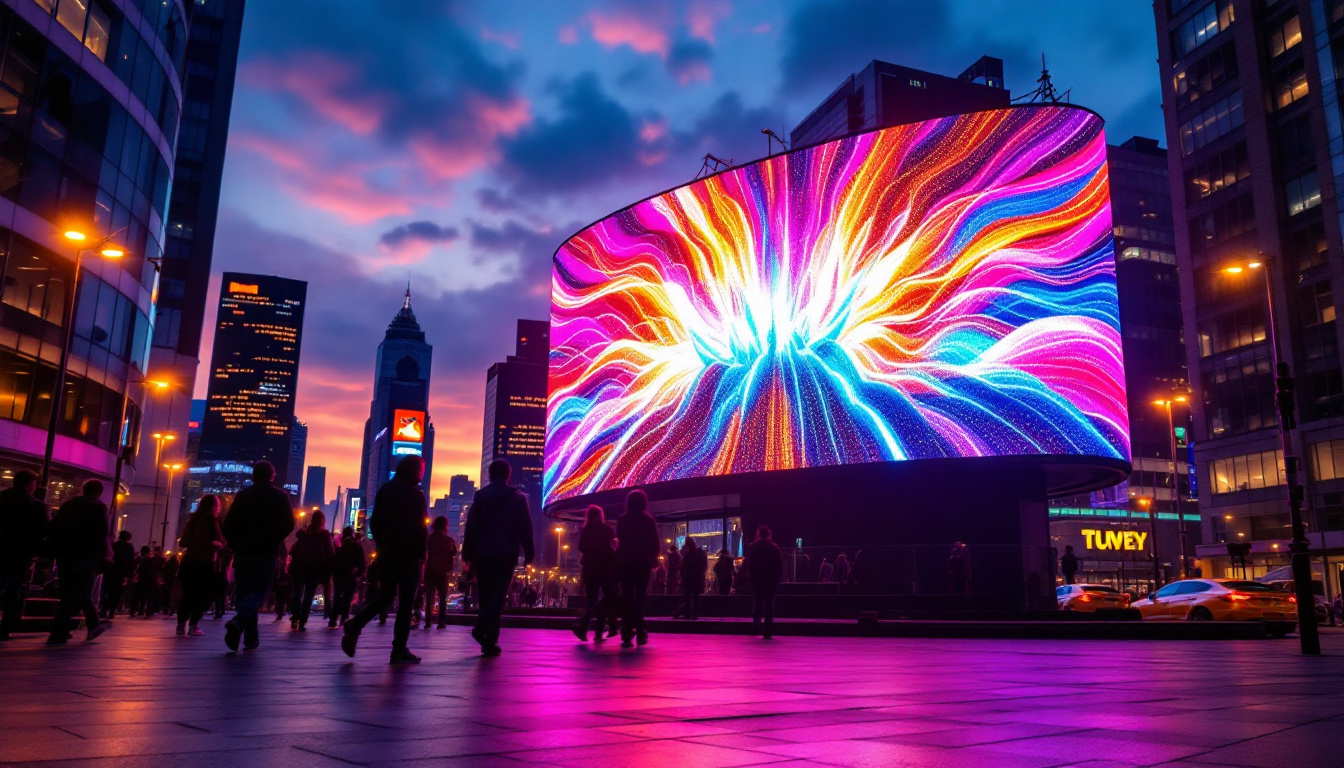
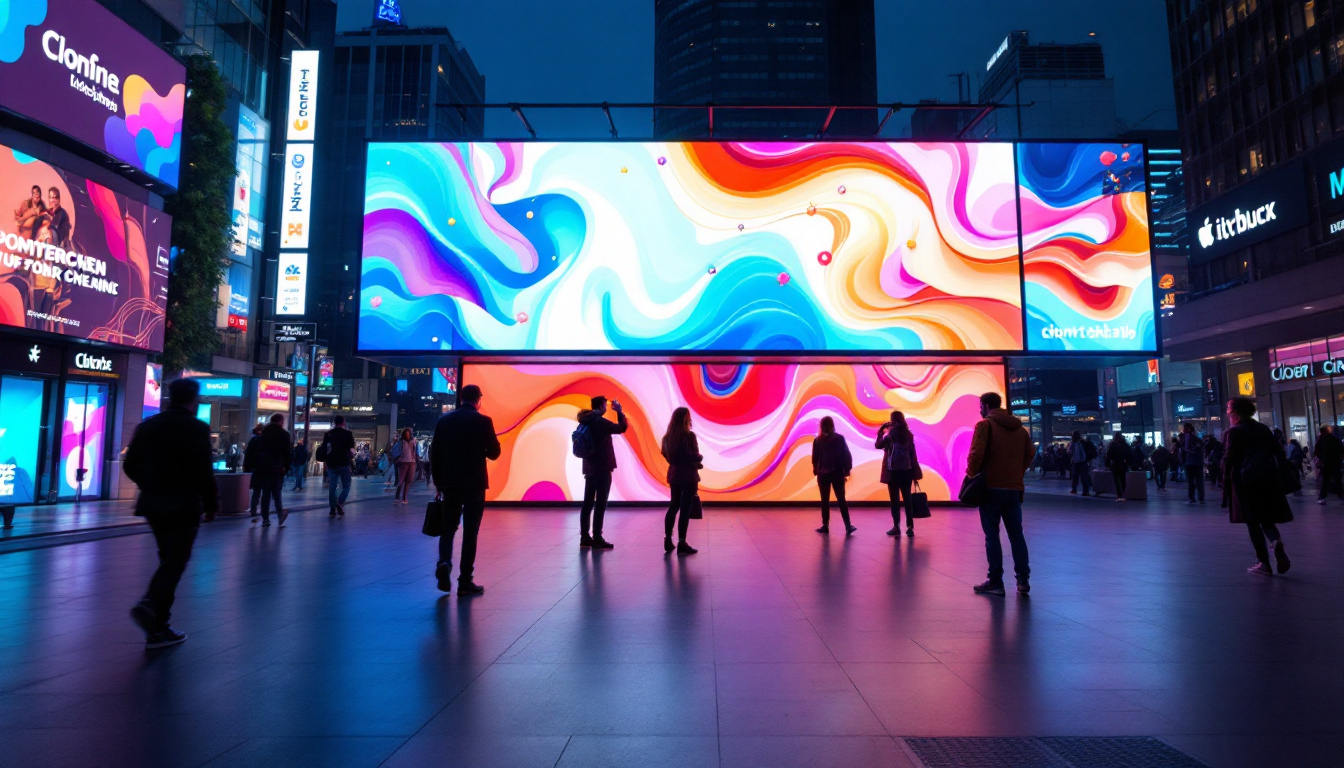
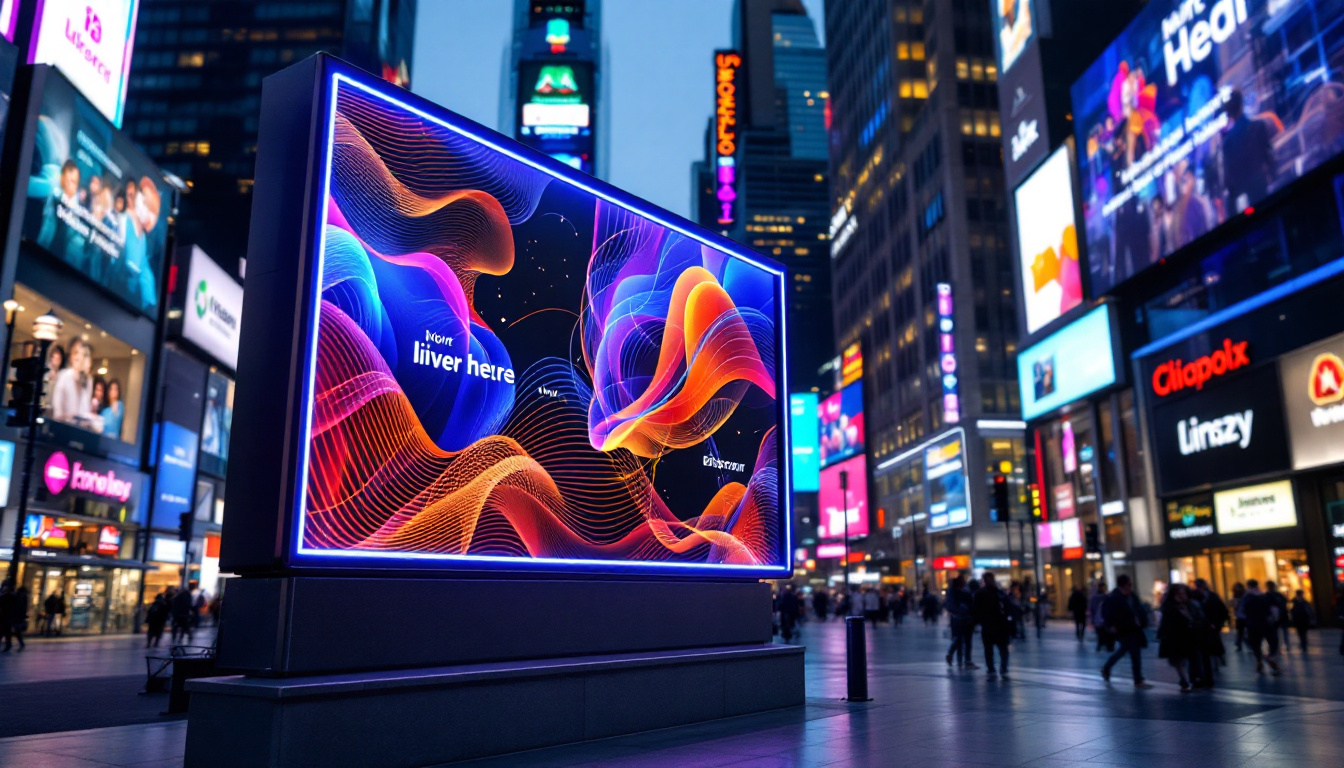
LED screens come in various forms, including indoor and outdoor panels, flexible displays, and large-format video walls. They are commonly used for advertising billboards, concert backdrops, sports arenas, and corporate events.
Moreover, LED technology has advanced significantly, leading to innovations such as high dynamic range (HDR) and ultra-high-definition (UHD) displays, which enhance color accuracy and detail. This makes LED displays particularly appealing for applications where visual quality is paramount, such as digital signage and broadcast media. Additionally, the modular nature of LED displays allows for creative configurations, enabling designers to create unique shapes and sizes that can fit various architectural environments. This adaptability has made LED displays a favored choice for modern art installations and interactive exhibits, further blurring the lines between technology and artistic expression.
Why Renting Projectors and LED Displays Makes Sense
Cost Efficiency and Flexibility
Purchasing high-quality projectors or LED displays can be a significant investment, often costing thousands or tens of thousands of dollars. For businesses or event organizers that require these technologies only occasionally, renting offers a cost-effective alternative. Renting allows access to the latest equipment without the burden of maintenance, storage, or depreciation.
Moreover, renting provides flexibility in choosing the right technology for each specific event or venue. For example, a company might rent a high-lumen projector for a dimly lit conference room but opt for an LED display for an outdoor event where ambient light would wash out a projected image.
Access to Cutting-Edge Technology
Technology in the display industry evolves rapidly. Renting ensures that users can access the latest models with improved brightness, resolution, and features without committing to outdated equipment. Rental companies often maintain a wide inventory of devices, including 4K projectors and high-resolution LED panels, enabling clients to tailor their visual experience to their needs.
Key Considerations When Renting Projectors
Brightness and Ambient Light Conditions
One of the most critical factors when selecting a projector is its brightness, measured in lumens. The brightness required depends largely on the ambient lighting of the venue. For example, a projector with 2,500 lumens may suffice in a darkened room, but outdoor or brightly lit environments might require 5,000 lumens or more.
LED projectors tend to offer better longevity and consistent brightness over time compared to traditional lamp-based models. When renting, it’s important to specify the environment so that rental providers can recommend the appropriate projector.
Resolution and Image Quality
Resolution determines the clarity and detail of the projected image. Common resolutions include HD (1280×720), Full HD (1920×1080), and 4K Ultra HD (3840×2160). Higher resolutions are essential for presentations involving detailed graphics, videos, or text.
When renting, consider the content type and viewing distance. For large venues or audiences, higher resolution projectors ensure the image remains sharp and legible even from the back rows.
Portability and Setup
Depending on the event, portability might be a major consideration. Compact, lightweight projectors are easier to transport and set up, making them ideal for traveling professionals or multi-location events. Rental companies often provide additional accessories such as tripods, screens, and cables to facilitate quick installation.
Key Considerations When Renting LED Displays
Pixel Pitch and Viewing Distance
Pixel pitch refers to the distance between the centers of adjacent LEDs on the display, typically measured in millimeters. It directly affects the resolution and clarity of the image. A smaller pixel pitch means higher resolution and is suitable for close viewing distances, while a larger pixel pitch is acceptable for displays viewed from afar.
For example, an LED display with a 2.5mm pixel pitch is ideal for indoor events where viewers are close, whereas a 10mm pixel pitch might be sufficient for outdoor advertising seen from a distance.
Brightness and Environmental Adaptability
LED displays are known for their high brightness levels, often exceeding 5,000 nits, which makes them visible even in direct sunlight. This makes LED screens particularly advantageous for outdoor events, concerts, and sports arenas where ambient light is a challenge.
When renting LED displays, it’s important to specify whether the installation is indoor or outdoor, as outdoor LED panels are designed to withstand weather conditions and have different brightness and durability standards.
Modularity and Size Customization
One of the strengths of LED displays is their modular design. Rental providers can assemble panels to create custom-sized screens that fit the venue perfectly, whether it’s a small stage backdrop or a massive video wall spanning several meters.
This flexibility enables event planners to create immersive visual experiences tailored to their audience and space constraints.
Comparing LED Displays and Projectors for Rental Use
Advantages of Renting Projectors
- Cost-Effective for Short-Term Use: Projectors generally have a lower rental cost compared to large LED displays, making them suitable for budget-conscious events.
- Large Image Size: Projectors can produce very large images, especially when paired with appropriate screens, ideal for auditoriums and theaters.
- Portability: Many projectors are lightweight and easy to transport, facilitating quick setup in multiple locations.
Advantages of Renting LED Displays
- Superior Brightness and Visibility: LED displays maintain image clarity in bright environments, including outdoor settings.
- Vibrant Colors and Contrast: Self-illuminating LEDs provide vivid colors and deep blacks, enhancing viewer engagement.
- Durability and Weather Resistance: Outdoor LED panels are built to withstand harsh conditions, making them reliable for extended events.
- Customizable Size and Shape: Modular design allows for tailored screen dimensions and creative configurations.
Limitations to Consider
While LED displays offer many advantages, they typically come with higher rental costs and require more complex setup and power requirements. Projectors may struggle in bright environments and require a suitable projection surface, which can limit their versatility.
Practical Tips for Renting the Right Visual Equipment
Assess Your Venue and Audience
Understanding the size, lighting conditions, and viewing distance of your venue will guide the choice between a projector and an LED display. For example, a small indoor meeting room with controlled lighting might be best served by a projector, while a large outdoor festival would benefit from an LED screen.
Consult with Rental Professionals
Reputable rental companies offer expert advice and can tailor solutions based on your event’s specific needs. They can help determine the appropriate brightness, resolution, and screen size, ensuring optimal visual impact.
Consider Additional Equipment and Services
Beyond the display technology itself, consider what accessories or services you might need. This could include mounting hardware, sound systems, technical support, or content management systems. Many rental providers offer comprehensive packages that simplify event production.
Plan for Installation and Dismantling Time
Both projectors and LED displays require setup and teardown time. LED displays, especially large modular walls, may need more labor and time to assemble. Ensure your event schedule accommodates these logistics to avoid last-minute issues.
Conclusion: Making an Informed Choice
Renting projectors and LED displays presents a practical solution for delivering high-impact visuals without the upfront investment of purchasing equipment. Understanding the fundamental differences between projection and LED technologies, along with the specific requirements of your event, empowers you to select the best option.
Whether prioritizing cost efficiency, image quality, brightness, or flexibility, rental services provide access to cutting-edge equipment tailored to your needs. By carefully evaluating venue conditions, audience expectations, and technical specifications, event planners and businesses can create memorable visual experiences that engage and inspire.
As LED technology continues to advance and become more accessible, its role in rental visual solutions is expanding. However, projectors remain a valuable and versatile tool, especially for indoor and budget-conscious applications. Ultimately, the choice between renting projectors or LED displays hinges on the unique demands of each project, making professional consultation and thorough planning indispensable.
Discover LumenMatrix’s Innovative LED Solutions
Ready to elevate your visual presentations and events with the latest in LED technology? Look no further than LumenMatrix, a pioneer in crafting exceptional LED display modules designed to captivate and engage your audience. From versatile Indoor and Outdoor LED Wall Displays to dynamic Vehicle and Sports LED Displays, and even Custom and All-in-One solutions, LumenMatrix has the perfect fit for your unique needs. Experience the revolution in visual communication and make your message resonate with unparalleled clarity. Check out LumenMatrix LED Display Solutions today and transform your visual storytelling.