In the rapidly evolving world of digital technology, LED displays have become a cornerstone of visual communication. From vibrant billboards in bustling city centers to the sleek screens of modern smartphones, LED displays are everywhere. But what exactly makes these displays so effective, and how do they work? This article delves into the fundamentals of LED display technology, exploring its types, applications, advantages, and future trends.
Understanding LED Display Technology
LED stands for Light Emitting Diode, a semiconductor device that emits light when an electric current passes through it. Unlike traditional display technologies that rely on backlighting or liquid crystals, LED displays produce their own light, resulting in brighter images and better contrast. This self-illuminating property not only enhances the viewing experience in bright environments but also contributes to energy efficiency, making LED displays a popular choice for both consumers and businesses alike.
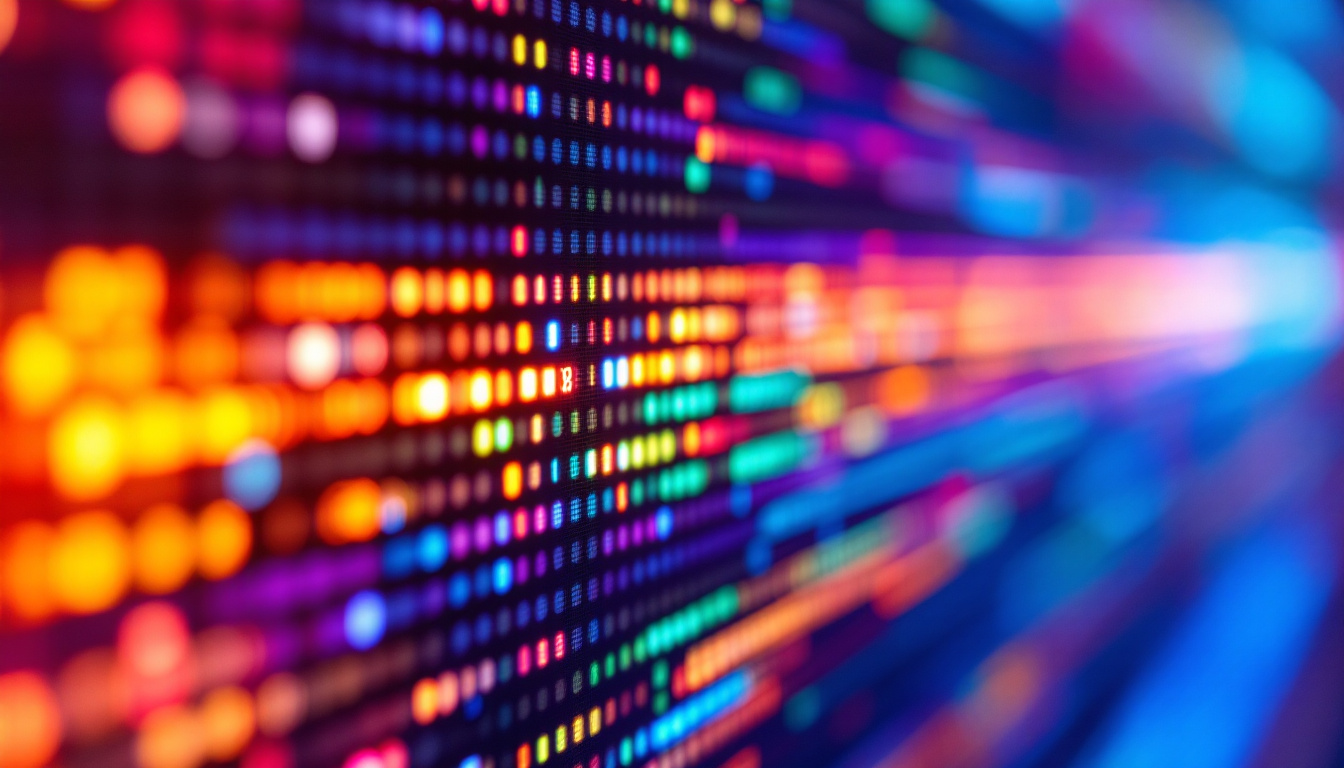
The core component of an LED display is the tiny diode that emits light in specific colors—typically red, green, and blue (RGB). By combining these primary colors at varying intensities, LED displays can produce a wide spectrum of colors, enabling vivid and dynamic visuals. This color mixing capability allows for the creation of stunning graphics and videos that can capture the attention of audiences in various settings, from concert stages to sports arenas.
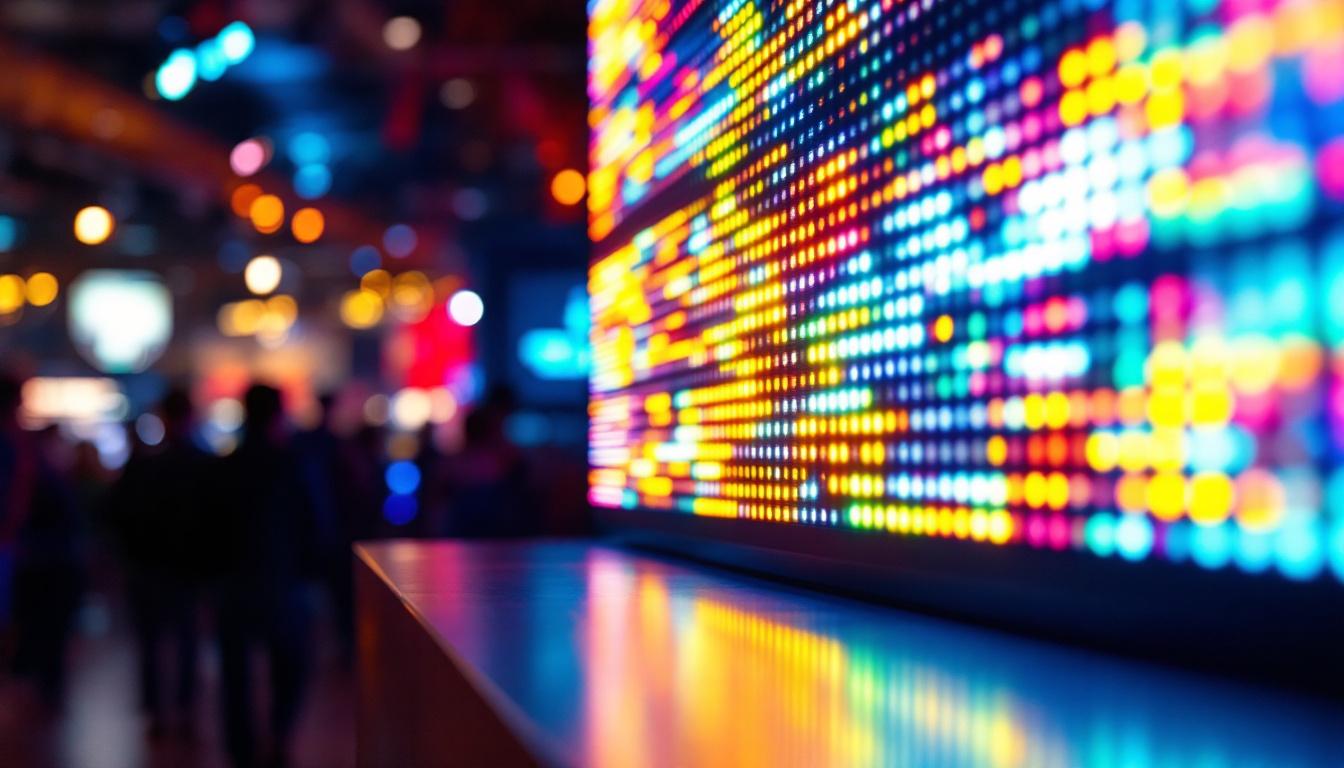
Modern LED displays are composed of thousands to millions of these tiny diodes arranged in a matrix. Each diode acts as a pixel or part of a pixel, and by controlling the brightness of each diode, the display can render detailed images and videos with remarkable clarity. Furthermore, advancements in technology have led to the development of high-definition (HD) and ultra-high-definition (UHD) LED displays, which boast even higher pixel densities and sharper images, making them ideal for professional applications such as broadcasting and digital signage.
The Evolution of LED Displays
Initially, LED technology was used for simple indicator lights and numeric displays. However, advances in semiconductor manufacturing and miniaturization have transformed LEDs into the foundation for large-scale, high-resolution displays. The development of surface-mount technology (SMT) allowed LEDs to be placed closely together, improving pixel density and image quality. This shift not only enhanced the visual appeal of displays but also paved the way for innovations like flexible LED screens, which can be bent or shaped to fit unique architectural designs.
Today’s LED displays range from small wearable screens to massive outdoor billboards spanning thousands of square feet. This versatility is a testament to the adaptability and scalability of LED technology. Moreover, the integration of smart technology into LED displays has revolutionized their functionality. Many modern displays now come equipped with sensors and connectivity features, allowing for real-time content updates and interactive experiences. This has opened up new avenues for advertising and entertainment, enabling businesses to engage with their audiences in innovative ways that were previously unimaginable.
Types of LED Displays
LED displays come in various forms, each suited to different applications and environments. Understanding these types helps in selecting the right display for a specific need.
1. Direct View LED Displays
Direct View LED (DVLED) displays consist of LEDs arranged on a flat panel that emits light directly towards the viewer. These displays are known for their exceptional brightness and color accuracy, making them ideal for both indoor and outdoor use.
DVLED displays are commonly used in stadiums, concert venues, retail signage, and public transportation hubs. Their modular design allows for flexible sizing and shapes, from small digital signs to giant video walls.
2. LED Backlit LCD Displays
Many modern LCD screens use LED backlighting to illuminate the liquid crystal layer. While the LEDs themselves do not form the image, they provide a more energy-efficient and brighter light source compared to older fluorescent backlights.
This hybrid approach is prevalent in televisions, computer monitors, and smartphones, offering improved contrast and color performance without the cost of a full LED matrix.
3. OLED and MicroLED Displays
Organic LED (OLED) and MicroLED technologies represent advanced forms of LED displays. OLEDs use organic compounds that emit light when electrically stimulated, allowing for thinner, flexible screens with excellent contrast ratios.
MicroLED displays, on the other hand, use microscopic LEDs to create pixels, combining the brightness and longevity of traditional LEDs with the color accuracy of OLEDs. Though still emerging, MicroLED promises to revolutionize display technology with superior performance and energy efficiency.
Applications of LED Displays
The versatility of LED displays has led to their adoption across numerous industries, each leveraging the technology’s unique benefits.
Advertising and Public Information
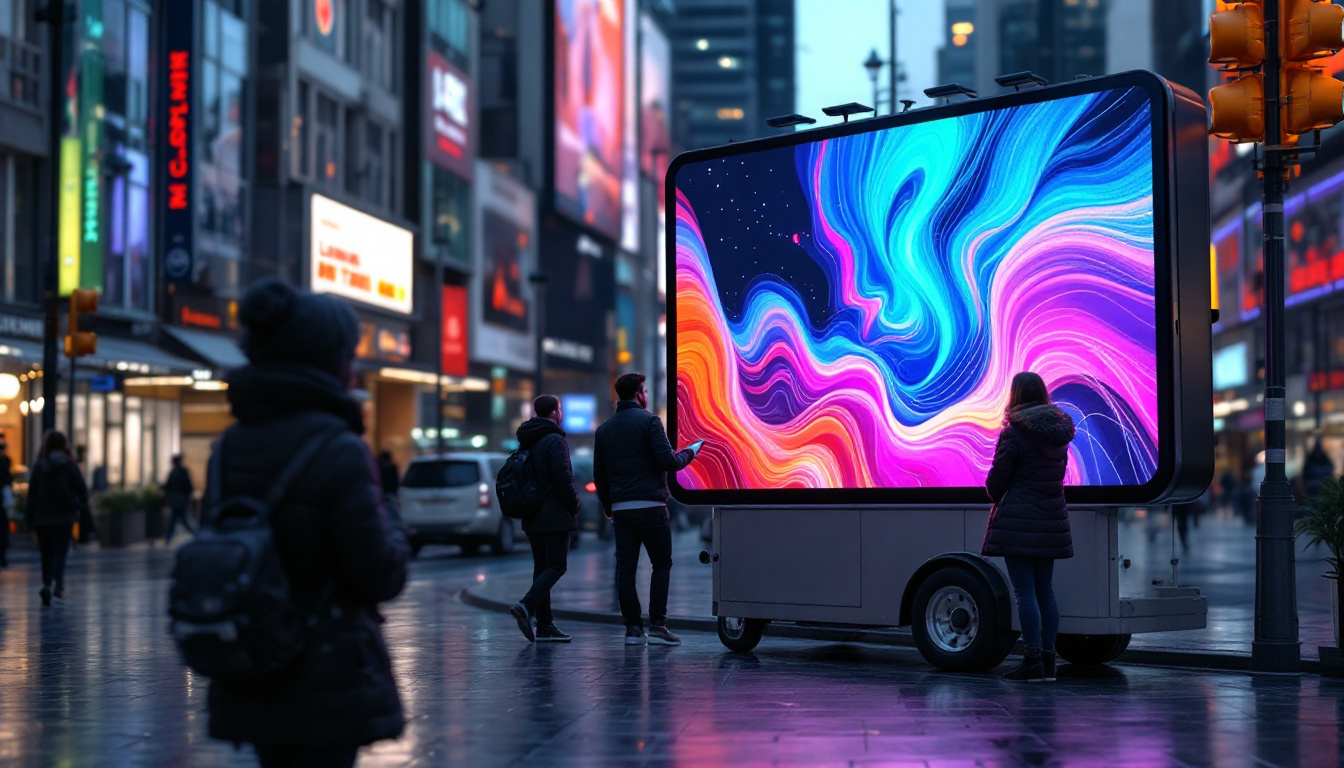
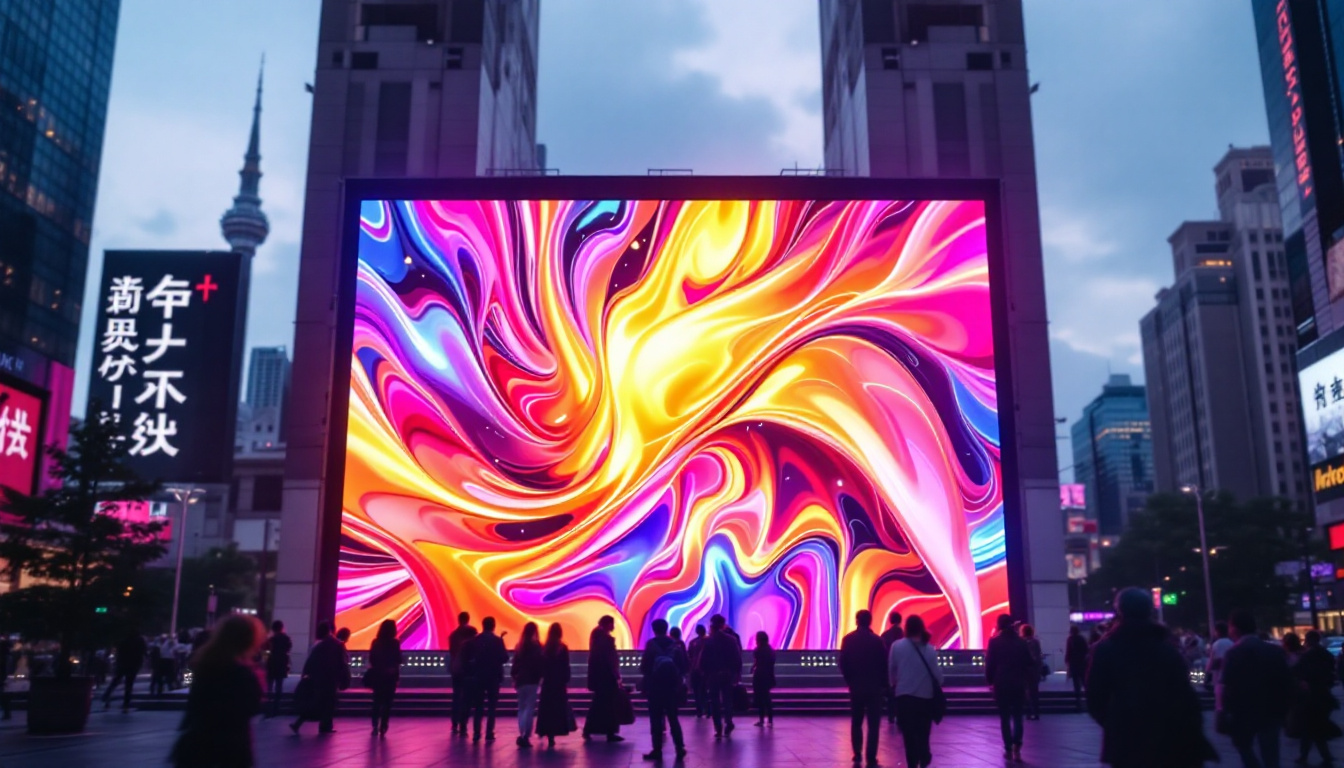
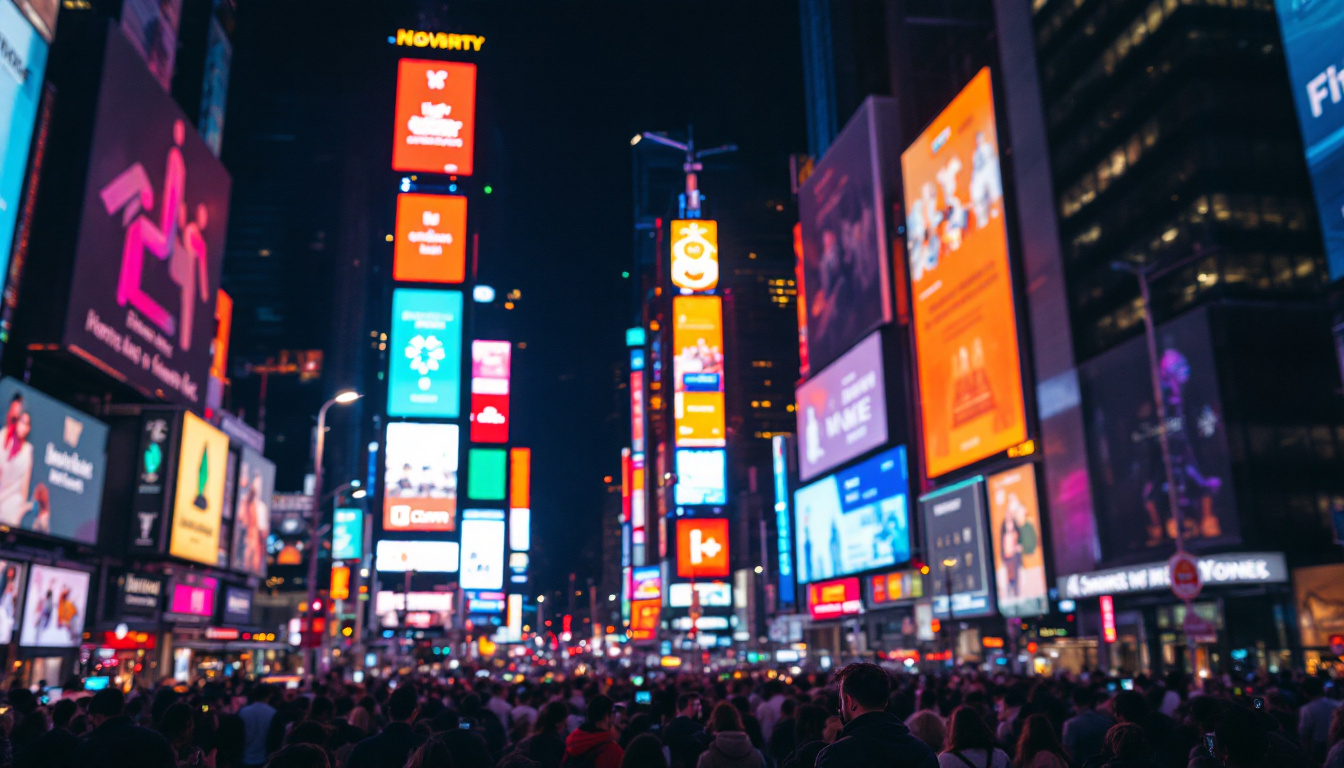
One of the most visible uses of LED displays is in outdoor advertising. Digital billboards equipped with LED panels can display dynamic content that captures attention more effectively than static signs. According to a 2023 report by the Outdoor Advertising Association of America, digital billboards have increased engagement rates by up to 30% compared to traditional billboards.
Beyond advertising, LED displays are widely used for public information systems, such as transit schedules, emergency alerts, and event announcements. Their high brightness ensures visibility even in direct sunlight, making them reliable in diverse conditions.
Entertainment and Sports Venues
LED displays have transformed the spectator experience in arenas and stadiums. Large-scale LED video walls provide live action replays, interactive content, and immersive visuals that enhance engagement. For example, the AT&T Stadium in Texas features one of the largest LED displays in the world, measuring over 11,000 square feet.
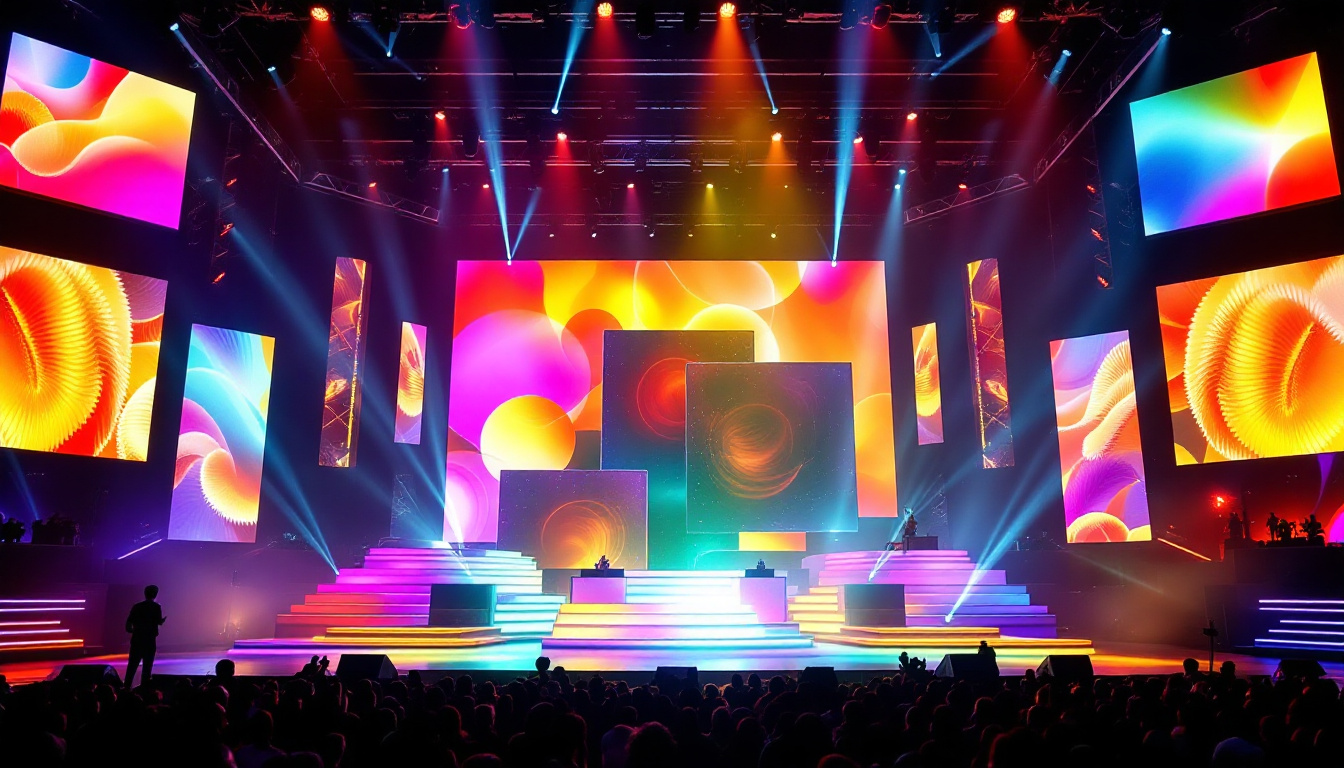
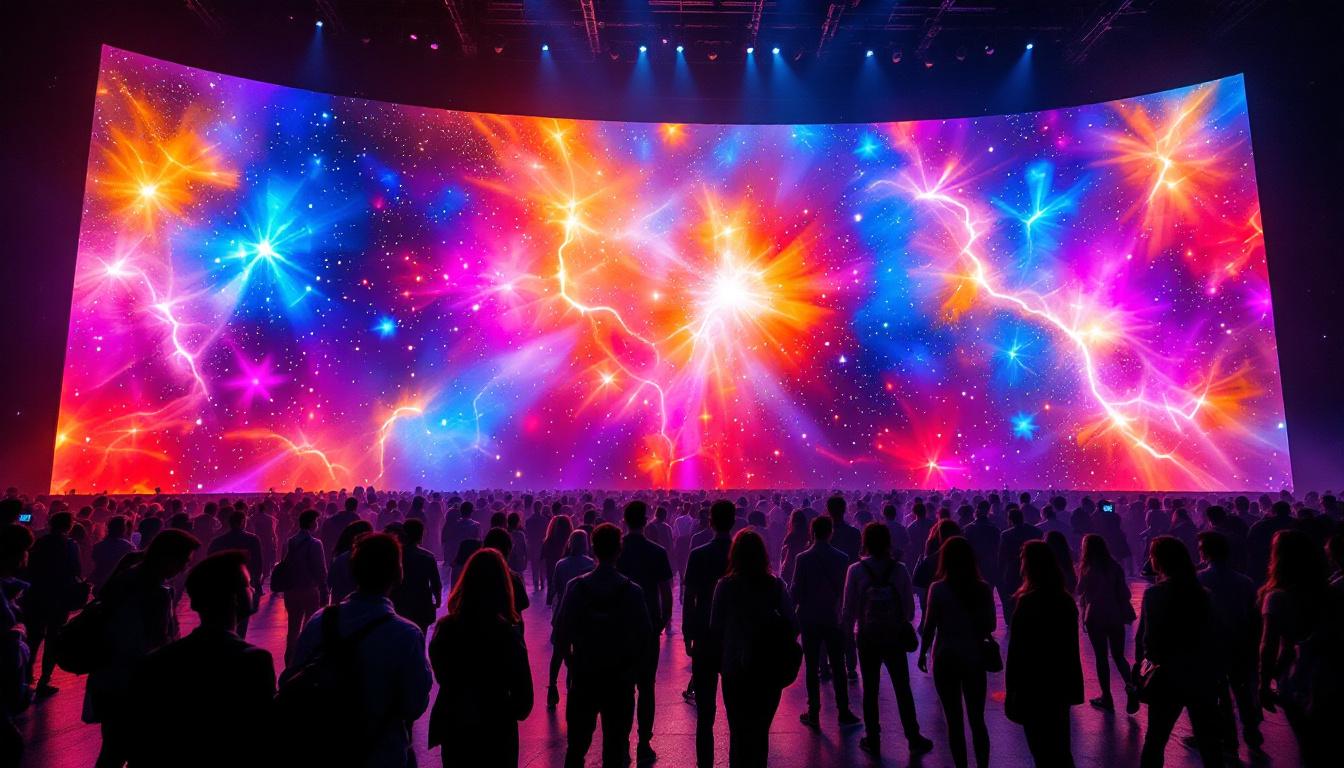
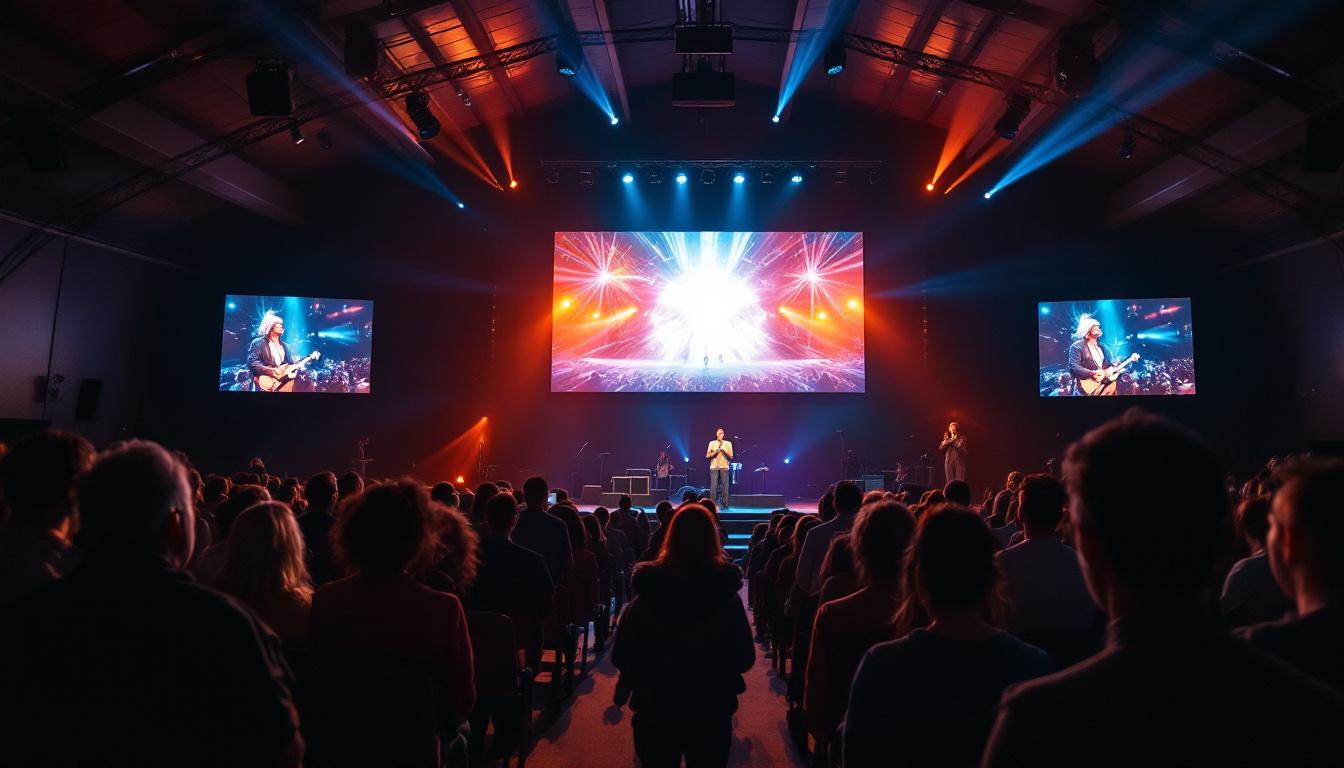
Concerts and festivals also utilize LED screens to deliver vibrant backdrops and visual effects, synchronized with performances to create memorable experiences.
Retail and Corporate Environments
Retailers use LED displays to showcase products, promotions, and branding messages dynamically. Interactive LED screens in stores can engage customers and influence buying decisions by providing tailored content.
In corporate settings, LED video walls are popular for conference rooms, lobbies, and control centers. They facilitate presentations, data visualization, and collaborative work, improving communication and decision-making.
Transportation and Infrastructure
LED displays are integral to modern transportation systems. Airports, train stations, and bus terminals rely on LED signage to provide real-time updates and guidance to travelers. The durability and energy efficiency of LED technology make it well-suited for these high-traffic environments.
Additionally, LED traffic signals and variable message signs contribute to road safety and traffic management worldwide.
Advantages of LED Displays
Several factors contribute to the widespread adoption of LED display technology, making it a preferred choice across many sectors.
High Brightness and Visibility
LED displays can achieve brightness levels exceeding 5,000 nits, far surpassing traditional LCD screens. This makes them highly visible even in direct sunlight, a crucial feature for outdoor applications.
The ability to adjust brightness dynamically also helps reduce eye strain and conserve energy during low-light conditions.
Energy Efficiency and Longevity
LEDs consume significantly less power than conventional lighting and display technologies. This energy efficiency translates into lower operating costs and a reduced environmental footprint.
Moreover, LEDs have a long operational lifespan, often exceeding 100,000 hours, which minimizes maintenance and replacement expenses.
Superior Color Accuracy and Contrast
Because LEDs emit light directly, they offer better color saturation and deeper blacks compared to backlit LCDs. This results in sharper images with high contrast ratios, enhancing the viewer’s experience.
Design Flexibility and Scalability
LED displays can be manufactured in various shapes and sizes, from small wearable devices to massive outdoor screens. Their modular nature allows for easy expansion or reconfiguration, accommodating changing needs.
Additionally, flexible and transparent LED panels are emerging, enabling innovative design possibilities in architecture and product design.
Challenges and Considerations
Despite their many advantages, LED displays also present certain challenges that users and manufacturers must address.
Initial Cost
High-quality LED displays, especially large-scale installations, can involve significant upfront investment. While operational savings often offset these costs over time, budget constraints may limit adoption in some cases.
Heat Management
LEDs generate heat during operation, which can affect performance and lifespan if not properly managed. Effective cooling solutions are essential, particularly for dense, high-brightness displays.
Environmental Impact
While LEDs are more energy-efficient than many alternatives, their production involves rare earth elements and other materials with environmental considerations. Responsible sourcing and recycling programs are vital to minimizing ecological impact.
Pixel Pitch and Viewing Distance
The pixel pitch—the distance between individual LEDs—determines the display’s resolution and optimal viewing distance. Choosing the right pixel pitch is crucial to ensure image clarity without unnecessary cost.
The Future of LED Display Technology
Innovation in LED technology continues to accelerate, promising exciting developments in the years ahead.
MicroLED and Beyond
MicroLED technology is poised to revolutionize displays by combining the brightness and efficiency of traditional LEDs with the color fidelity and flexibility of OLEDs. Early adopters are already integrating MicroLED screens into premium TVs and commercial displays, with wider adoption expected as manufacturing processes mature.
Flexible and Transparent Displays
Advances in materials science are enabling LED displays that bend, fold, or even become transparent. These innovations open new possibilities for wearable devices, automotive displays, and architectural applications, blending seamlessly into everyday environments.
Integration with Smart Technologies
LED displays are increasingly integrated with sensors, artificial intelligence, and the Internet of Things (IoT). This integration allows for adaptive content, personalized advertising, and interactive experiences that respond to user behavior and environmental conditions.
Conclusion
LED display technology has transformed the way information and entertainment are delivered across the globe. Its unique combination of brightness, efficiency, and flexibility makes it an indispensable tool in advertising, entertainment, transportation, and beyond.
As technology advances, the capabilities and applications of LED displays will continue to expand, offering richer visual experiences and new opportunities for innovation. Understanding the fundamentals of LED displays equips businesses and consumers alike to make informed decisions and harness the full potential of this dynamic technology.
Discover LumenMatrix’s Innovative LED Solutions
Ready to elevate your visual communication with the latest in LED technology? LumenMatrix is at the forefront of creating immersive and engaging visual experiences. Whether you’re looking for Indoor LED Wall Displays, Outdoor LED Wall Displays, or specialized solutions like Vehicle LED Displays, LED Sports Displays, and even Custom LED Displays, LumenMatrix has a solution tailored to your needs. Embrace the future of digital signage with our All-in-One LED Displays, LED Transparent Displays, and more. Check out LumenMatrix LED Display Solutions today and transform the way you connect with your audience.