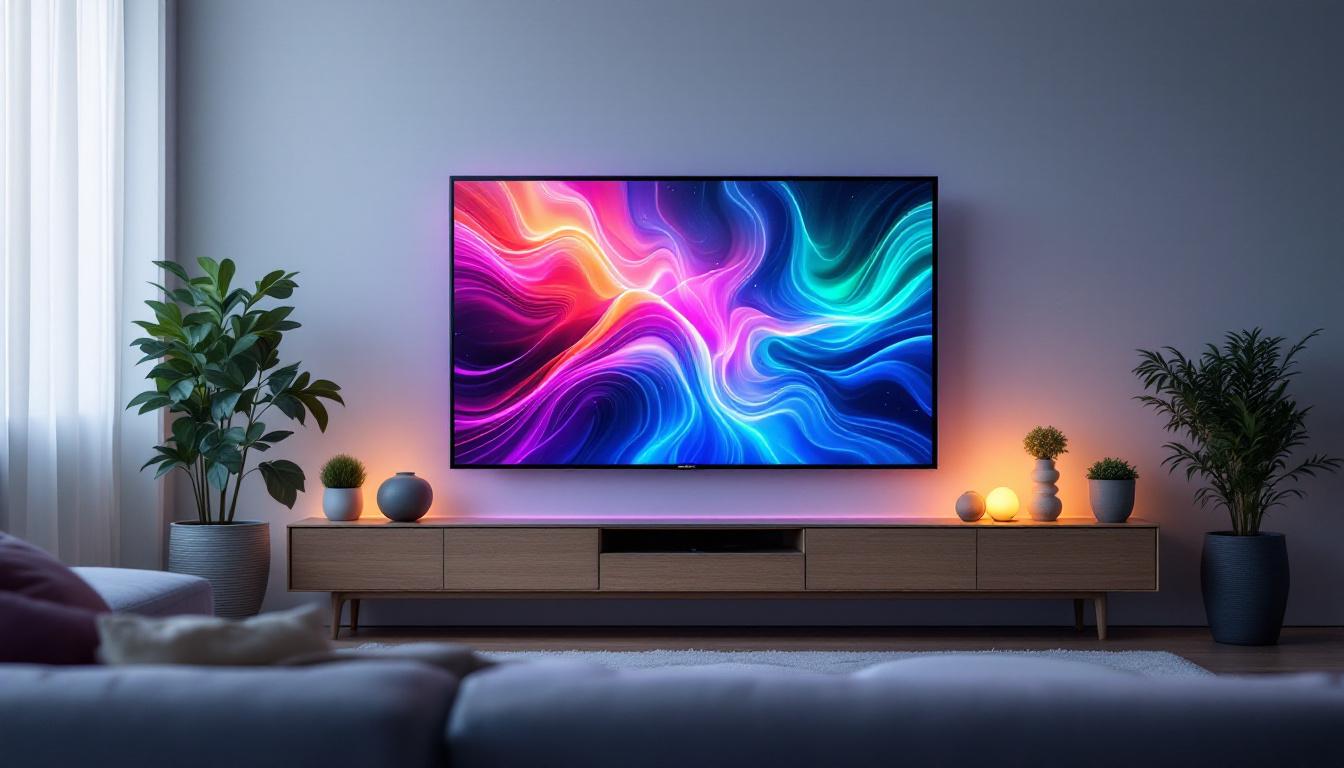
In recent years, the convergence of smart technology and display innovation has transformed the way people interact with televisions. Among these advancements, smart touch screen TVs equipped with LED displays have emerged as a compelling choice for users seeking an immersive, interactive, and visually stunning experience. This article delves into the technology behind LED displays in smart touch screen TVs, exploring how they work, their benefits, and what consumers should consider when choosing one.
Understanding LED Display Technology
What is an LED Display?
LED stands for Light Emitting Diode, a semiconductor device that emits light when an electric current passes through it. In the context of television displays, an LED display is a type of LCD (Liquid Crystal Display) screen that uses LEDs as a backlight source. This is a significant evolution from older LCD TVs that relied on cold cathode fluorescent lamps (CCFLs) for backlighting.
The LED backlighting enhances brightness, contrast, and energy efficiency, making it the preferred technology for modern TVs. Unlike OLED (Organic LED) displays, which use organic compounds to emit light individually on each pixel, LED TVs rely on an array of LEDs positioned behind or around the LCD panel to illuminate the screen. This technology not only improves the viewing experience but also contributes to the longevity of the display, as LEDs typically have a longer lifespan compared to traditional backlighting methods. As a result, consumers can enjoy vibrant colors and sharp images for years without the need for frequent replacements.
Types of LED Backlighting
There are two primary types of LED backlighting used in smart touch screen TVs: edge-lit and full-array. Edge-lit LED TVs have LEDs positioned along the edges of the screen, which direct light across the display using light guides. This design allows for thinner and lighter TVs but can sometimes result in uneven brightness or less precise local dimming. Additionally, edge-lit displays may struggle with uniformity in darker scenes, as the light may not be distributed evenly across the screen, leading to potential discrepancies in picture quality.
Full-array LED TVs, on the other hand, feature LEDs spread evenly behind the entire screen. This arrangement supports advanced local dimming, where specific zones of LEDs can be dimmed or brightened independently, enhancing contrast and black levels. Full-array LED TVs generally offer better picture quality, though they tend to be thicker and more expensive. The local dimming capability allows these displays to achieve deeper blacks and more vibrant colors, making them ideal for watching movies or playing video games in dimly lit environments. Furthermore, many full-array models now incorporate HDR (High Dynamic Range) technology, which further elevates the viewing experience by expanding the range of colors and brightness levels, allowing for more realistic and immersive images.
The Role of Touch Screen Technology in Smart TVs
How Touch Screens Work on TVs
Touch screen technology in TVs enables users to interact directly with the display, bypassing traditional remote controls. This feature is especially useful in smart TVs, which function as multimedia hubs, allowing access to apps, streaming services, web browsing, and even video conferencing.
Most smart touch screen TVs use capacitive touch technology, similar to smartphones and tablets. This system detects the electrical properties of the human finger to register touch inputs. Capacitive touch screens are highly responsive and support multi-touch gestures, making navigation intuitive and seamless.
Benefits of Touch Screen Smart TVs
Integrating touch capabilities into smart TVs offers several advantages. First, it simplifies user interaction by allowing direct control over apps and settings without the need for a remote. This can be particularly beneficial in environments like kitchens or conference rooms, where quick access is essential.
Additionally, touch screen TVs support interactive applications, including educational software, gaming, and collaborative tools. For businesses and educational institutions, this transforms the TV into a dynamic presentation and communication device. For home users, it enhances entertainment options and accessibility.
Why LED Displays are Ideal for Smart Touch Screen TVs
Brightness and Visibility
LED displays are known for their high brightness levels, which is crucial for touch screen TVs that may be used in well-lit rooms or commercial spaces. Bright screens ensure that content remains clear and readable even under strong ambient light conditions. This is particularly important for touch interactions, where users need to see precisely what they are selecting or manipulating.
Energy Efficiency and Longevity
Compared to older CCFL-backlit LCDs, LED displays consume significantly less power. This energy efficiency translates into lower electricity bills and a reduced environmental footprint. Moreover, LEDs have a longer lifespan, often exceeding 50,000 hours of use, which means the TV maintains consistent performance over many years.
Color Accuracy and Contrast
Modern LED TVs, especially those with full-array backlighting and local dimming, offer superior color accuracy and deeper contrast ratios. These attributes are essential for delivering vivid images and enhancing the overall viewing experience. For touch screen TVs, where users might engage with detailed content such as presentations, artwork, or high-definition videos, accurate color reproduction is a critical factor.
Key Features to Consider When Buying a Smart Touch Screen LED TV
Screen Size and Resolution
The size of the TV screen should match the intended viewing environment. For personal use in bedrooms or small living rooms, screens between 32 and 55 inches are common. Larger screens, ranging from 65 inches and above, are suitable for spacious living areas or conference rooms.
Resolution is equally important. While Full HD (1080p) remains popular, 4K Ultra HD (3840 x 2160 pixels) has become the standard for new models, offering four times the pixel count and sharper images. Some premium models even support 8K resolution, though content availability is limited at this stage.
Touch Responsiveness and Interface
Not all touch screen TVs are created equal. When selecting a model, consider the responsiveness of the touch interface. A lag-free, accurate touch experience is essential for smooth navigation and usability. Additionally, the operating system and user interface should be intuitive, supporting a wide range of apps and services.
Connectivity Options
Smart TVs rely heavily on connectivity to access streaming services, apps, and external devices. Look for models with multiple HDMI ports, USB inputs, Bluetooth, and Wi-Fi support. Some TVs also offer Ethernet ports for more stable internet connections. Compatibility with voice assistants like Alexa, Google Assistant, or Siri can further enhance the smart experience.
Durability and Build Quality
Since touch screen TVs involve direct physical interaction, build quality is crucial. The screen should be resistant to fingerprints, smudges, and scratches. Some models feature reinforced glass or anti-glare coatings to improve durability and viewing comfort.
Popular Use Cases for Smart Touch Screen LED TVs
Home Entertainment and Smart Living
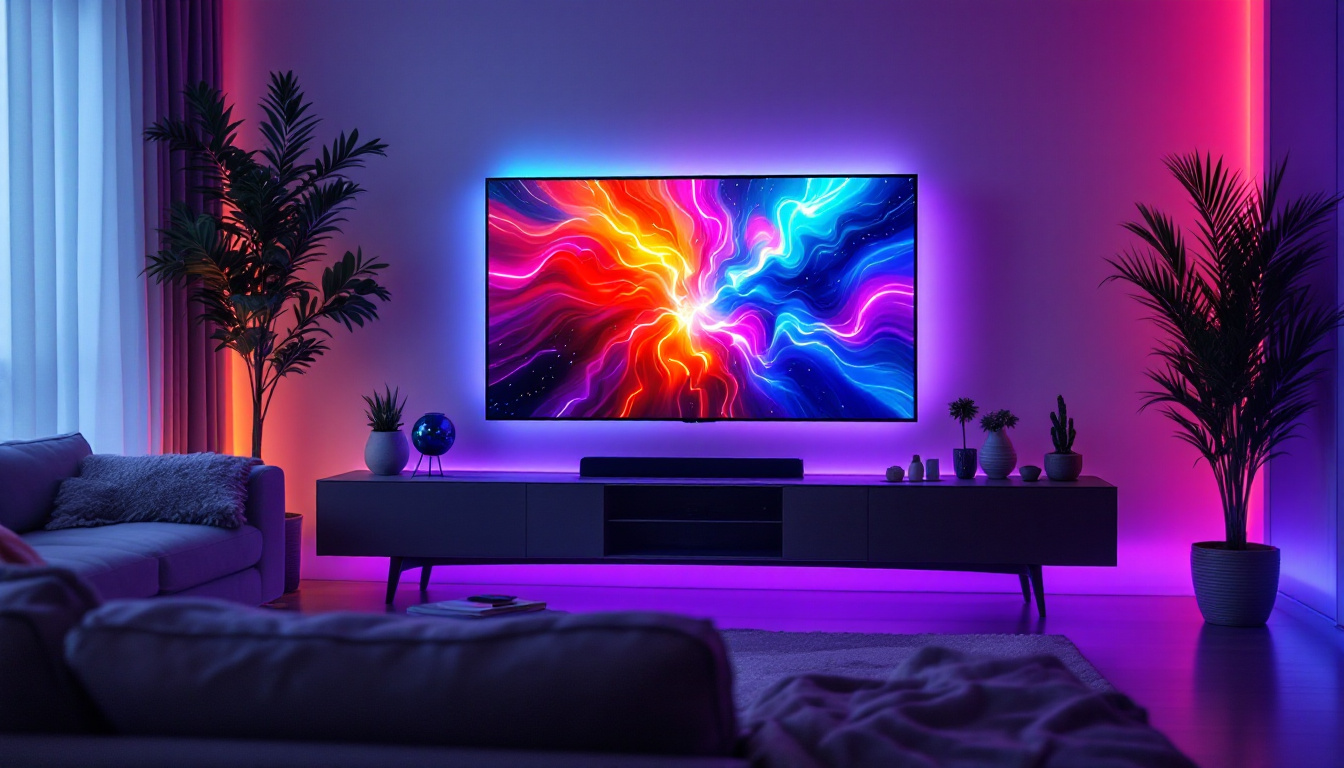
In residential settings, smart touch screen TVs serve as entertainment centers, combining streaming, gaming, and interactive features. Touch controls make it easier for all family members, including children and elderly users, to operate the TV without complicated remotes.
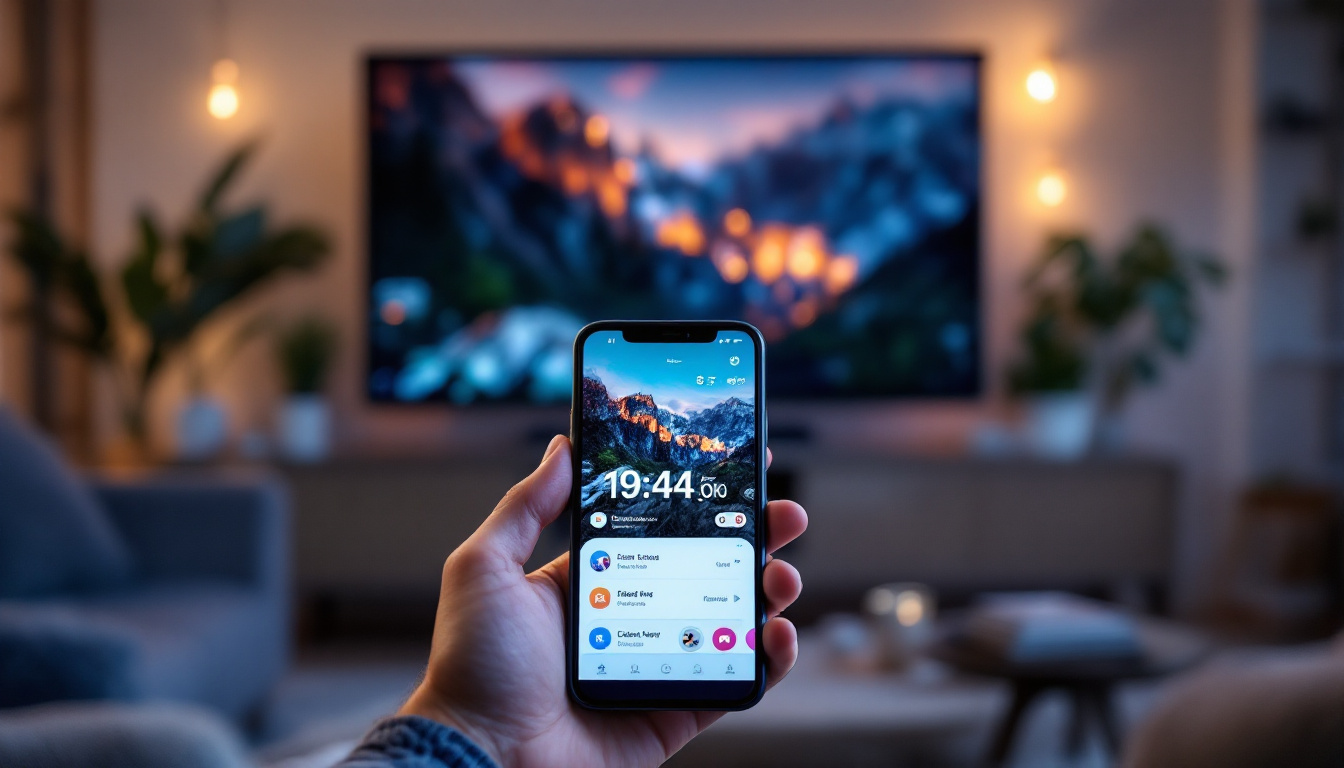
Integration with smart home ecosystems allows these TVs to function as control panels for lighting, security cameras, and other connected devices, enhancing convenience and automation.
Education and Remote Learning
Schools and universities increasingly adopt smart touch screen TVs as interactive whiteboards and learning tools. The ability to write, draw, and manipulate content directly on the screen fosters engagement and collaboration among students and teachers.
During the rise of remote learning, these TVs have proven valuable for video conferencing and multimedia presentations, supporting a hybrid educational environment.
Business and Collaboration
In corporate environments, smart touch screen TVs facilitate meetings, presentations, and brainstorming sessions. They enable real-time annotation, screen sharing, and video conferencing, streamlining communication and decision-making.
Many models come with software tailored for business use, including compatibility with Microsoft Teams, Zoom, and other collaboration platforms.
Future Trends in Smart Touch Screen LED TVs
Mini-LED and Micro-LED Technologies
Emerging display technologies like Mini-LED and Micro-LED promise to elevate LED TV performance further. Mini-LEDs use thousands of tiny LEDs for backlighting, allowing for more precise local dimming and improved contrast. Micro-LEDs, which are self-emissive like OLEDs but with inorganic materials, offer exceptional brightness, color accuracy, and durability.
These advancements are expected to become more accessible in the coming years, enhancing the quality and efficiency of smart touch screen TVs.
Enhanced AI and Voice Integration
Artificial intelligence is increasingly integrated into smart TVs, enabling personalized content recommendations, voice control, and adaptive picture settings. Future models will likely feature more sophisticated AI capabilities, making interaction with the TV even more seamless and intuitive.
Flexible and Transparent Displays
Innovations in display materials may lead to flexible or transparent smart touch screen TVs, opening new possibilities for design and functionality. Imagine TVs that can be rolled up for storage or integrated into windows and mirrors, blending technology seamlessly into living and working spaces.
Conclusion
Smart touch screen TVs with LED displays represent a significant leap in home entertainment and interactive technology. Their combination of vivid visuals, responsive touch interfaces, and smart capabilities caters to a broad spectrum of users—from casual viewers and gamers to educators and business professionals.
Understanding the underlying LED technology, touch screen functionality, and key features helps consumers make informed decisions when selecting a TV that fits their needs. As display technology continues to evolve, these devices will only become more versatile, powerful, and integral to daily life.
Whether upgrading a home theater system or outfitting a conference room, smart touch screen LED TVs offer a compelling blend of innovation, convenience, and performance that is hard to match.
Discover LumenMatrix’s Innovative LED Displays
Ready to experience the future of smart touch screen TVs and LED display technology? LumenMatrix is at the forefront of creating immersive visual experiences that bring your content to life. From the comfort of your home to the buzz of a busy commercial setting, our comprehensive range of LED display solutions, including Indoor and Outdoor LED Wall Displays, Vehicle LED Displays, and even Custom LED Displays, are designed to meet your every need. Elevate your viewing experience and engage with your audience like never before. Check out LumenMatrix LED Display Solutions today and transform your visual communication.