In the rapidly evolving world of display technology, Micro-LED has emerged as one of the most promising innovations, poised to redefine how screens are designed and experienced. From smartphones and televisions to augmented reality devices, Micro-LED offers a combination of superior image quality, energy efficiency, and durability that could surpass existing display technologies like OLED and LCD.
This article delves into what Micro-LED technology is, how it works, its advantages and challenges, and the potential impact it holds for the future of display devices.
Understanding Micro-LED Technology
What is Micro-LED?
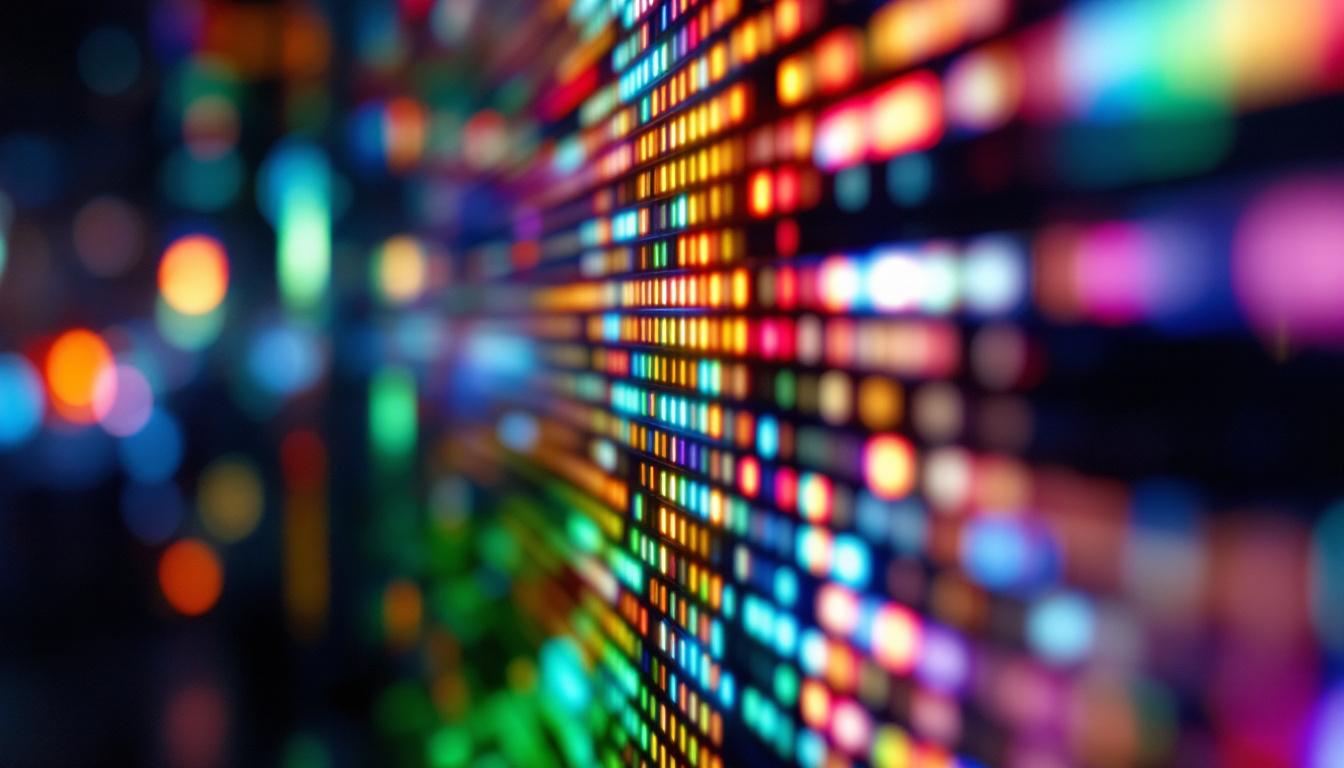
Micro-LED is a type of emissive display technology that uses microscopic light-emitting diodes (LEDs) to form individual pixels. Unlike traditional LED displays that use a backlight to illuminate pixels, Micro-LEDs are self-emissive, meaning each tiny LED produces its own light. This fundamental difference allows for higher contrast ratios, deeper blacks, and more vibrant colors.
The “micro” prefix refers to the size of the LEDs, which are typically less than 100 micrometers in diameter. This miniaturization enables extremely high pixel densities, making Micro-LED ideal for high-resolution displays in compact devices. The potential applications for Micro-LED technology are vast, ranging from smartphones and tablets to large-scale displays for public venues. As the technology matures, we may even see it integrated into wearable devices, offering users an immersive experience without sacrificing battery life.
How Does Micro-LED Work?
Each Micro-LED functions as a single pixel or subpixel, emitting red, green, or blue light when an electrical current passes through it. By controlling the intensity of these tiny LEDs, the display can produce a full spectrum of colors and dynamic images. This precise control over individual pixels enables not only stunning visuals but also the ability to create displays that can adapt to various lighting conditions, enhancing visibility in both bright and dim environments.
Unlike LCDs, which rely on liquid crystals to modulate light from a backlight, Micro-LEDs do not require any backlighting or color filters. This direct emission of light leads to improved brightness, lower power consumption, and faster response times. Furthermore, the durability of Micro-LEDs contributes to their longevity, as they are less susceptible to the degradation that can affect other technologies, such as OLEDs, over time. This resilience makes Micro-LEDs an attractive option for both consumer electronics and professional applications where reliability is paramount.
Comparison with Other Display Technologies
Micro-LED is often compared to OLED (Organic Light Emitting Diode) and LCD (Liquid Crystal Display) technologies, which dominate the current market.
- LCD: Uses a backlight and liquid crystals to produce images. While LCDs are cost-effective and widely used, they struggle with contrast ratios and viewing angles.
- OLED: Self-emissive like Micro-LED, OLEDs offer excellent contrast and color accuracy. However, they suffer from issues like burn-in and limited brightness.
- Micro-LED: Combines the best of both worlds — the brightness and durability of LEDs with the self-emissive, high-contrast benefits of OLEDs, but without many of their drawbacks.
In addition to these comparisons, Micro-LED technology also presents significant advantages in terms of scalability. Because Micro-LEDs can be manufactured in a modular fashion, they can be easily adapted to create displays of various sizes and shapes. This flexibility opens up exciting possibilities for innovative display designs, such as curved screens or even transparent displays that can blend seamlessly into their environments. As manufacturers continue to explore the potential of Micro-LEDs, we may witness a shift in how we interact with visual content, paving the way for a new era of display technology.
Advantages of Micro-LED Displays
Superior Brightness and Contrast
One of the standout features of Micro-LED displays is their exceptional brightness. Micro-LEDs can achieve luminance levels exceeding 1,000 nits, and in some prototypes, even surpass 5,000 nits. This makes them ideal for use in bright environments where traditional OLEDs might struggle. The ability to maintain clarity and vibrancy in direct sunlight or well-lit rooms opens up new possibilities for outdoor displays, digital signage, and even augmented reality applications.
Because each pixel emits its own light and can be turned off completely, Micro-LED displays deliver true blacks and infinite contrast ratios. This results in stunning image quality with vibrant colors and deep shadows. The pixel-level control also allows for advanced HDR (High Dynamic Range) capabilities, enhancing the viewing experience by providing a broader spectrum of colors and brightness levels. As a result, content creators can produce more immersive and visually striking media, elevating everything from cinematic films to video games.
Energy Efficiency
Micro-LED displays are more energy-efficient than LCD and OLED counterparts. Since there is no backlight (as in LCDs) and no organic materials that degrade over time (as in OLEDs), Micro-LEDs consume less power to achieve the same or better brightness levels. This efficiency is particularly important for mobile devices, where battery life is a critical factor. Early tests suggest that Micro-LED smartphones could offer significantly longer screen-on times compared to OLED devices. This not only benefits users with extended usage but also contributes to a more sustainable technology ecosystem by reducing overall energy consumption.
Moreover, the energy savings extend beyond personal devices. In large-scale applications such as commercial displays or public installations, the reduced power requirements can lead to substantial cost savings over time. Businesses can benefit from lower electricity bills while also minimizing their carbon footprint, aligning with global efforts to promote environmentally friendly technologies. As energy efficiency becomes a priority in tech development, Micro-LEDs position themselves as a forward-thinking solution.
Longevity and Durability
Unlike OLED displays, which use organic compounds that can degrade and cause burn-in over time, Micro-LEDs are made from inorganic materials such as gallium nitride. This makes them far more resistant to screen burn-in and degradation. The longevity of Micro-LED technology means that consumers can expect their displays to maintain performance and visual quality over a much longer lifespan, reducing the frequency of replacements and contributing to less electronic waste.
Additionally, Micro-LEDs are more robust and less prone to damage from moisture or oxygen exposure, contributing to longer-lasting displays with consistent performance. This durability makes them suitable for a wider range of environments, from high-humidity areas to outdoor settings where traditional displays might falter. As a result, industries such as automotive, aerospace, and even healthcare are exploring Micro-LED technology for applications that require reliable and resilient display solutions.
Faster Response Times and Better Viewing Angles
Micro-LED displays offer ultra-fast response times, making them ideal for applications requiring smooth motion rendering, such as gaming and virtual reality. Their self-emissive nature also ensures wide viewing angles without color shifting or brightness loss, enhancing the user experience in multi-viewer environments. This characteristic is particularly beneficial for collaborative workspaces and home entertainment systems where multiple viewers may be watching from different angles.
Furthermore, the rapid refresh rates of Micro-LED technology can significantly reduce motion blur, providing a clearer and more enjoyable experience during fast-paced action scenes or competitive gaming. As the demand for high-performance displays continues to grow, especially in the realms of esports and immersive media, Micro-LEDs are poised to become a preferred choice for both consumers and professionals seeking the ultimate visual experience.
Challenges in Micro-LED Manufacturing
Complexity of Mass Production
Despite its advantages, Micro-LED technology faces significant manufacturing challenges. The process involves precisely placing millions of microscopic LEDs onto a display substrate, which requires advanced pick-and-place equipment and extremely high accuracy.
Current production yields are relatively low, and the cost of manufacturing remains high compared to established OLED and LCD processes. Scaling up to mass production for consumer electronics is a major hurdle that companies are actively working to overcome.
Defect Management and Repair
Because each pixel consists of individual LEDs, even a small number of defective LEDs can impact display quality. Developing efficient methods for detecting and repairing defective pixels is critical for ensuring high-quality displays.
Innovations such as redundancy in pixel design and automated repair techniques are being explored to address these issues, but they add complexity and cost to the manufacturing process.
Color Uniformity and Calibration
Achieving consistent color and brightness across millions of tiny LEDs is technically challenging. Variations in LED size, material composition, and electrical characteristics can lead to color shifts or uneven brightness.
Advanced calibration techniques and real-time compensation algorithms are necessary to maintain uniform image quality, adding another layer of complexity to Micro-LED display production.
Applications and Future Prospects of Micro-LED
Consumer Electronics
Micro-LED technology is gaining traction in high-end consumer electronics, particularly in premium televisions and wearable devices. For example, several major manufacturers have showcased Micro-LED TVs that offer unparalleled picture quality and brightness.
Smartwatches and augmented reality (AR) glasses also stand to benefit from Micro-LED’s compact size, efficiency, and brightness, enabling longer battery life and more vivid displays in small form factors.
Commercial and Industrial Uses
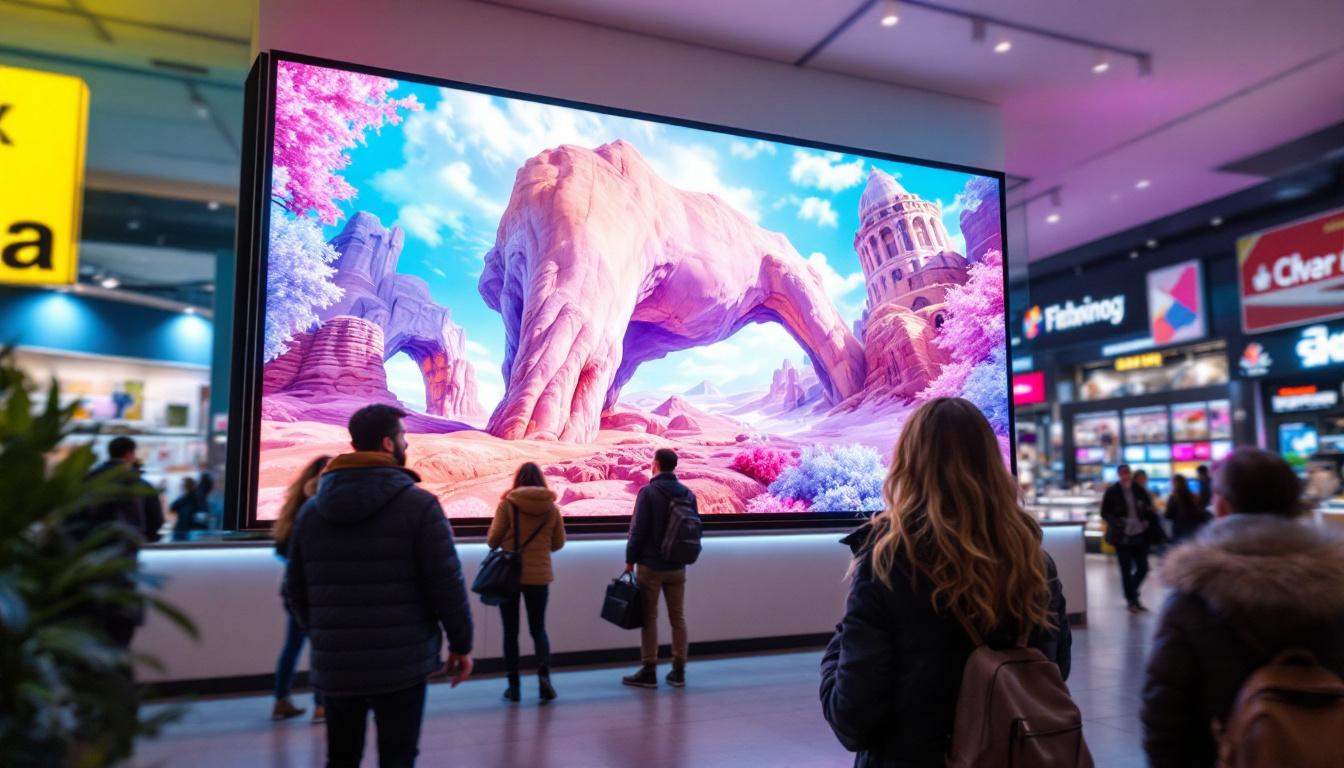
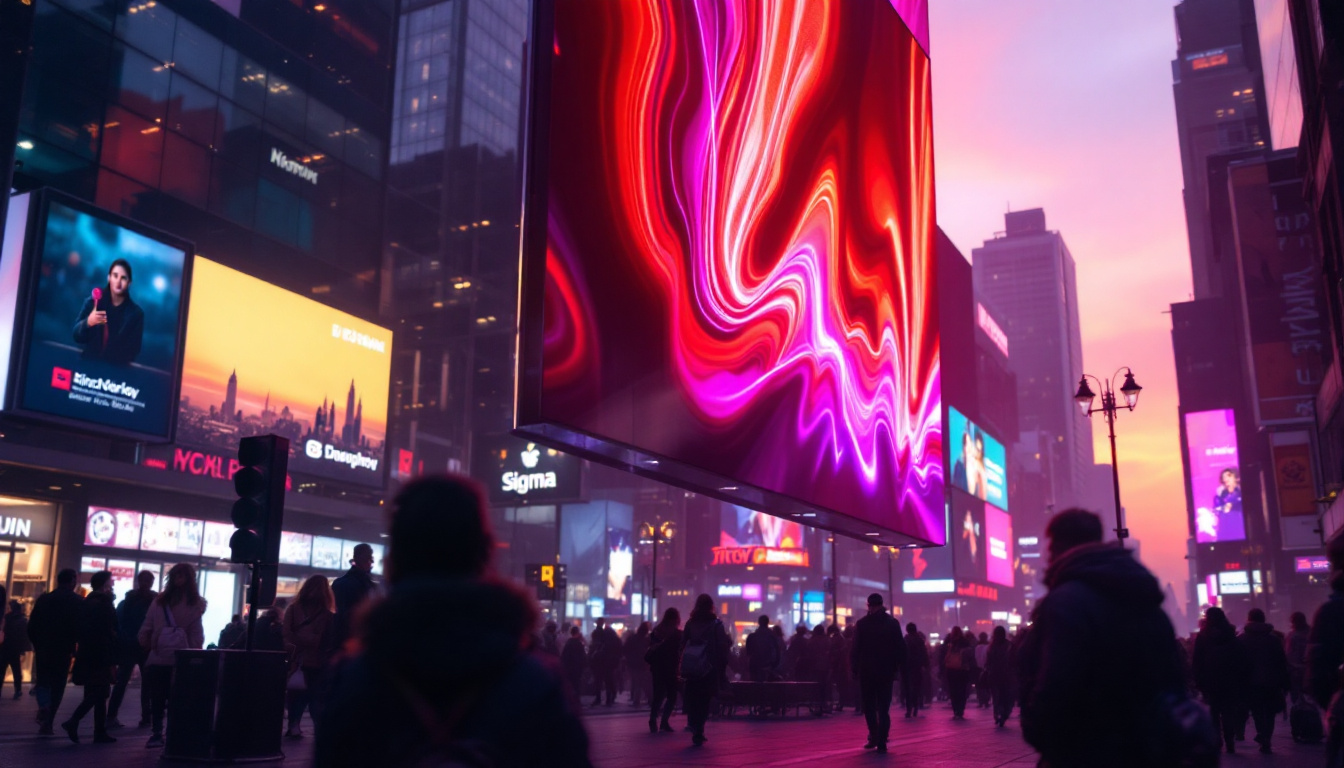
Beyond consumer devices, Micro-LEDs are well-suited for commercial applications such as digital signage, outdoor displays, and automotive dashboards. Their high brightness and durability make them ideal for environments with challenging lighting conditions.
In automotive, Micro-LED can enhance heads-up displays (HUDs) and infotainment systems, improving safety and user experience through clearer, more responsive visuals.
Emerging Technologies and Innovations
Researchers are exploring novel applications of Micro-LED technology, including flexible and transparent displays, which could revolutionize wearable devices, smart windows, and even foldable smartphones.
Integration with quantum dot technology is also being investigated to further enhance color accuracy and efficiency, potentially creating displays that surpass current standards in every measurable metric.
Conclusion: The Future of Display Technology
Micro-LED represents a significant leap forward in display technology, promising unparalleled image quality, energy efficiency, and durability. While manufacturing challenges remain, ongoing advancements in materials science, precision engineering, and automation are steadily paving the way for widespread adoption.
As Micro-LED technology matures, it is poised to become the new standard for premium displays across a broad range of applications, from smartphones and TVs to AR devices and automotive systems. For consumers and industries alike, this means brighter, sharper, and more reliable displays that enhance how we interact with digital content.
Keeping an eye on the developments in Micro-LED technology is essential for anyone interested in the future of visual technology, as it holds the potential to transform the way screens are made and experienced worldwide.
Explore the Future of Displays with LumenMatrix
As you consider the exciting advancements in Micro-LED technology and its transformative impact on the future of displays, LumenMatrix invites you to experience the pinnacle of LED display innovation. Our comprehensive range of solutions, from Indoor and Outdoor LED Wall Displays to specialized options like Vehicle and Sports Displays, are designed to bring your visual communications to life. Whether you’re looking to captivate audiences with a Custom LED Display or enhance your space with a state-of-the-art Transparent Display, LumenMatrix is at the forefront of creating immersive experiences. Check out LumenMatrix LED Display Solutions and join us in shaping the future of digital engagement.