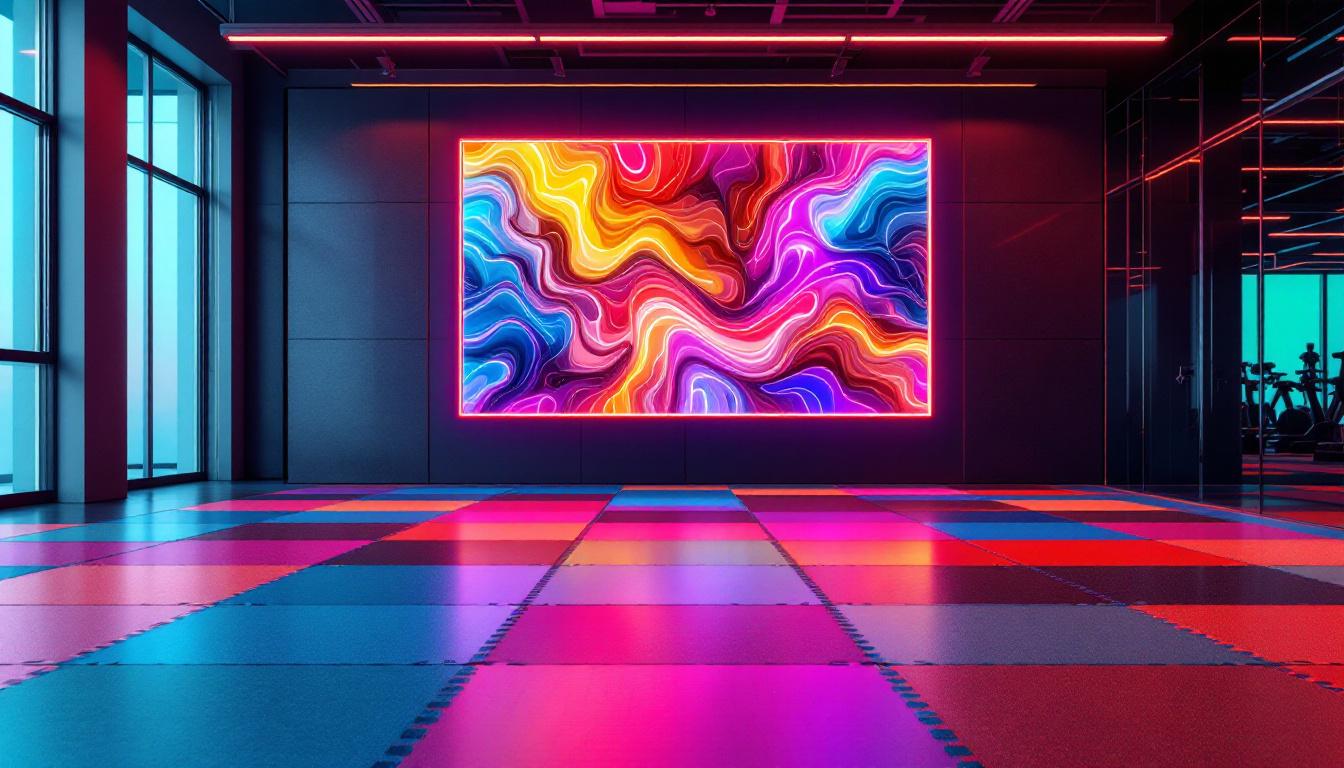
In the evolving landscape of fitness centers and sports facilities, the integration of technology with traditional gym infrastructure is reshaping user experiences. One of the most innovative advancements is the incorporation of LED displays into interlocking gym flooring systems. This fusion not only enhances the aesthetic appeal of workout spaces but also introduces dynamic functionality that benefits gym owners, trainers, and users alike.
This article delves into the concept of interlocking gym flooring with LED display technology, exploring its design, benefits, applications, and considerations for installation. Whether you are a gym owner looking to upgrade your facility or a sports technology enthusiast, understanding this cutting-edge solution will provide valuable insights into the future of fitness environments.
Understanding Interlocking Gym Flooring
What Is Interlocking Gym Flooring?
Interlocking gym flooring consists of modular tiles designed to fit together seamlessly, creating a durable and versatile surface suitable for various physical activities. These tiles are typically made from materials such as rubber, foam, or vinyl, chosen for their shock absorption, slip resistance, and ease of maintenance.
The interlocking mechanism allows for quick installation and removal, making it ideal for temporary setups or spaces requiring frequent reconfiguration. This adaptability is particularly beneficial in multi-purpose gyms, event venues, and home fitness areas. Additionally, the variety of thicknesses available ensures that users can select the right level of cushioning for their specific activities, whether it’s high-impact aerobics or gentle yoga sessions.
Key Features and Benefits
Interlocking gym flooring offers several advantages over traditional flooring options:
- Durability: High-quality materials withstand heavy foot traffic and equipment impact.
- Safety: Enhanced grip and cushioning reduce injury risks during workouts.
- Customization: Tiles can be arranged in various patterns and colors to match branding or design themes.
- Maintenance: Easy to clean and replace individual tiles if damaged.
- Portability: Ideal for temporary setups or mobile fitness events.
Moreover, interlocking gym flooring is not only functional but also aesthetically pleasing. With a wide range of colors and textures available, gym owners can create an inviting atmosphere that motivates users. The ability to personalize the flooring can enhance the overall experience, making workouts more enjoyable and encouraging regular attendance. Furthermore, many interlocking tiles are designed to be eco-friendly, made from recycled materials, which appeals to environmentally conscious consumers who want to make sustainable choices in their fitness environments.
Another significant advantage of interlocking gym flooring is its sound-dampening properties. The materials used can significantly reduce noise levels, which is particularly important in busy gym settings where multiple classes or activities occur simultaneously. This feature not only enhances the workout experience but also helps maintain a more peaceful environment, allowing individuals to focus on their fitness goals without the distraction of echoing sounds. As such, interlocking gym flooring is an excellent investment for both commercial and home gym setups, combining functionality with an appealing design.
Integrating LED Displays into Interlocking Flooring
The Concept of LED-Embedded Flooring
LED-embedded flooring integrates light-emitting diode (LED) technology directly into the surface tiles. Unlike traditional gym floors, these tiles feature embedded LED panels or strips capable of displaying colors, patterns, or even interactive content. The result is a visually dynamic floor that can transform the ambiance and functionality of a fitness space.
These LED systems are designed to be robust and withstand the mechanical stresses of gym environments, including heavy weights, foot traffic, and cleaning processes.
Technical Design and Components
LED interlocking tiles typically consist of several layers:
- Surface Layer: A durable, non-slip top layer that protects the LEDs and provides a safe workout surface.
- LED Matrix: An array of LEDs arranged to display images, animations, or colors.
- Control Unit: Embedded electronics that manage LED operation, often connected wirelessly or via wired networks to a central controller.
- Power Supply: Integrated or external power sources designed to ensure consistent illumination.
- Interlocking Edges: Engineered to maintain seamless connections and electrical continuity between tiles.
Advanced models incorporate sensors to detect pressure or motion, enabling interactive features such as step tracking, game-like workouts, or real-time feedback.
Applications and Advantages of LED Interlocking Gym Flooring
Enhancing User Engagement and Motivation
One of the most significant benefits of LED gym flooring is its ability to engage users through visual stimuli. Bright colors, dynamic patterns, and interactive displays can motivate individuals during workouts, making exercise more enjoyable and less monotonous.
For example, fitness classes can use the floor to guide participants through routines, highlight target zones for exercises, or display motivational messages. This interactive environment encourages adherence to fitness programs and can improve overall workout effectiveness.
Versatility in Training and Rehabilitation
LED flooring systems can be programmed for various training modalities, including agility drills, balance exercises, and coordination tasks. By illuminating specific areas or creating moving targets, trainers can design customized workouts that challenge different physical skills.
In rehabilitation settings, LED floors assist therapists by providing visual cues for patients recovering from injuries, helping them regain mobility and confidence through guided movements.
Branding and Aesthetic Appeal
For commercial gyms and sports arenas, LED flooring offers a unique branding opportunity. Custom logos, color schemes, and thematic animations can be displayed, reinforcing brand identity and creating a memorable environment for clients.
Moreover, the aesthetic transformation provided by LED floors can attract new members and elevate the perceived value of the facility.
Event and Entertainment Integration
Beyond fitness, LED interlocking flooring is increasingly used in events and entertainment venues. From dance floors to interactive exhibition spaces, the technology supports creative applications that captivate audiences and enhance experiences.
In sports arenas, LED floors can display scores, highlight players, or create immersive pre-game shows, adding a new dimension to spectator engagement.
Installation and Maintenance Considerations
Planning and Site Preparation
Installing LED interlocking flooring requires careful planning to ensure compatibility with existing infrastructure. Key considerations include:
- Subfloor Condition: The surface must be level, clean, and capable of supporting the flooring system.
- Power and Data Access: Adequate electrical outlets and network connections are essential for LED operation.
- Environmental Factors: Temperature, humidity, and exposure to moisture can affect system performance and longevity.
Working with experienced installers and manufacturers is crucial to address these factors effectively.
Installation Process
The modular nature of interlocking tiles simplifies installation, but integrating LEDs adds complexity. Typically, the process involves:
- Laying the base tiles with embedded LED components carefully aligned.
- Connecting power and control units, ensuring secure electrical and data links between tiles.
- Testing the system for uniform illumination and responsiveness.
- Applying protective coatings or surface treatments if specified.
Installation times vary based on floor size and system complexity but generally range from a few hours for small areas to several days for large facilities.
Maintenance and Longevity
Maintaining LED interlocking gym flooring involves routine cleaning, system diagnostics, and occasional repairs. Key tips include:
- Using non-abrasive cleaning agents to protect the surface and LED components.
- Regularly inspecting tiles for damage or wear, especially at connection points.
- Updating software and firmware to maintain functionality and security.
- Replacing individual tiles or LED modules as needed without disrupting the entire floor.
With proper care, LED flooring systems can last 7 to 10 years or more, depending on usage intensity and environmental conditions.
Cost and ROI Analysis
Initial Investment
The upfront cost of LED interlocking gym flooring is higher than traditional flooring due to the embedded technology and installation requirements. Prices typically range from $50 to $150 per square foot, influenced by factors such as tile quality, LED resolution, and system complexity.
While this may seem substantial, the value added through enhanced user experience, branding, and multifunctionality often justifies the investment.
Return on Investment (ROI)
Gyms and sports facilities can realize ROI through various channels:
- Increased Membership: Attractive and innovative environments draw more clients.
- Premium Pricing: Facilities can charge higher fees for enhanced amenities.
- Event Hosting: Versatile spaces can be rented for special events, generating additional revenue.
- Energy Efficiency: Modern LED systems consume minimal power, reducing operational costs compared to other lighting solutions.
Moreover, the flexibility of interlocking tiles allows for future upgrades or reconfiguration, protecting the initial investment against obsolescence.
Future Trends and Innovations
Advancements in Interactive Technology
Emerging developments in sensor integration, artificial intelligence, and augmented reality are poised to further enhance LED gym flooring. Future systems may offer personalized workout guidance, real-time performance analytics, and immersive virtual training environments.
Sustainability and Eco-Friendly Materials
As environmental concerns grow, manufacturers are exploring sustainable materials and energy-efficient designs. Recyclable tiles, low-power LEDs, and smart energy management systems will contribute to greener fitness facilities.
Integration with Wearables and Apps
Seamless connectivity between LED flooring and wearable devices or mobile apps will enable comprehensive fitness tracking and customized coaching, creating a holistic user experience.
Conclusion
Interlocking gym flooring with integrated LED displays represents a significant leap forward in fitness facility design. By combining durability, safety, and technological innovation, these systems offer unparalleled opportunities to engage users, enhance training, and elevate brand identity.
While the initial investment is considerable, the long-term benefits in user satisfaction, operational versatility, and revenue generation make LED interlocking flooring a compelling choice for forward-thinking gym owners and sports venue managers.
As technology continues to evolve, the fusion of smart surfaces and fitness environments will redefine how people train, recover, and connect in physical spaces, making LED interlocking gym flooring a cornerstone of the modern athletic experience.
Discover the Future of Fitness with LumenMatrix
Ready to elevate your fitness facility with the latest in LED technology? LumenMatrix is at the forefront of creating immersive environments that inspire and motivate. From vibrant Floor LED Displays to captivating Indoor and Outdoor LED Wall Displays, our solutions are designed to transform your space and engage your clientele. Experience the intersection of design and innovation with LumenMatrix’s comprehensive range of LED display modules. Check out LumenMatrix LED Display Solutions today and step into the future of fitness and visual communication.