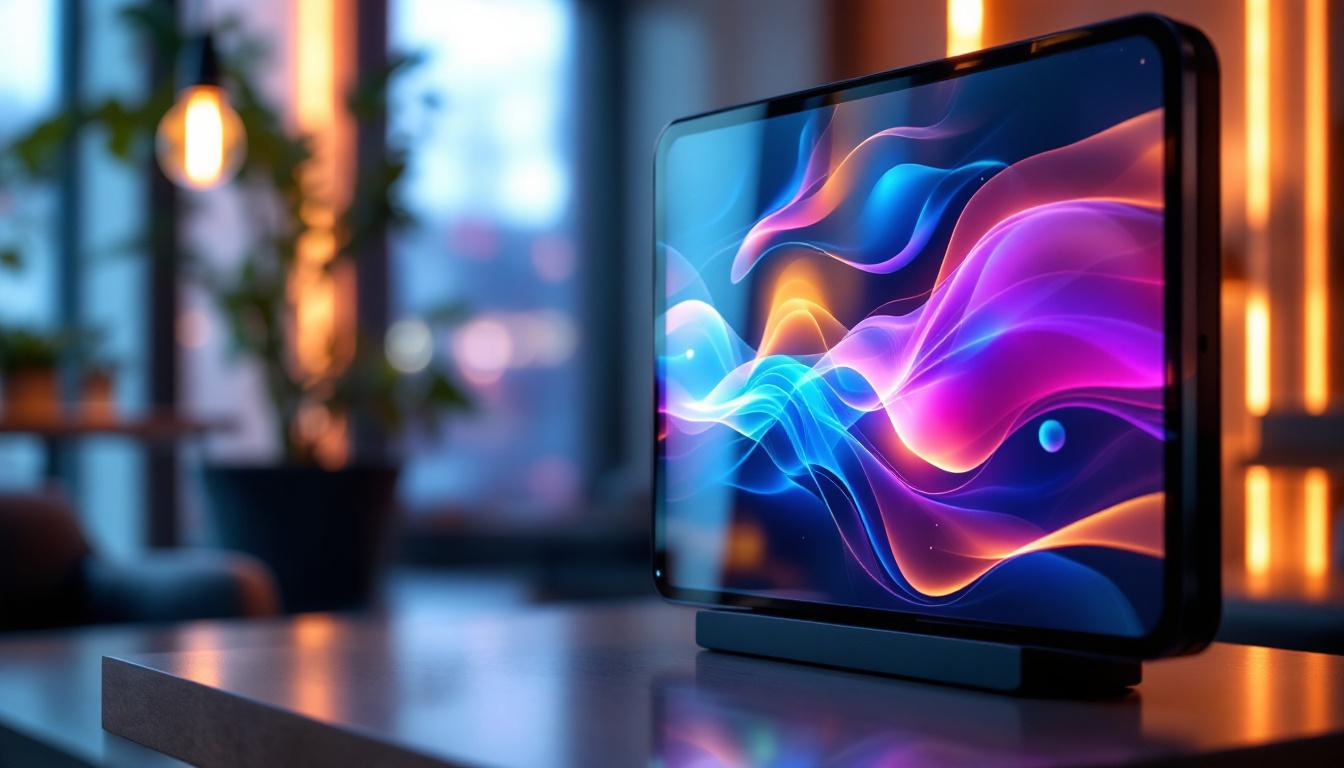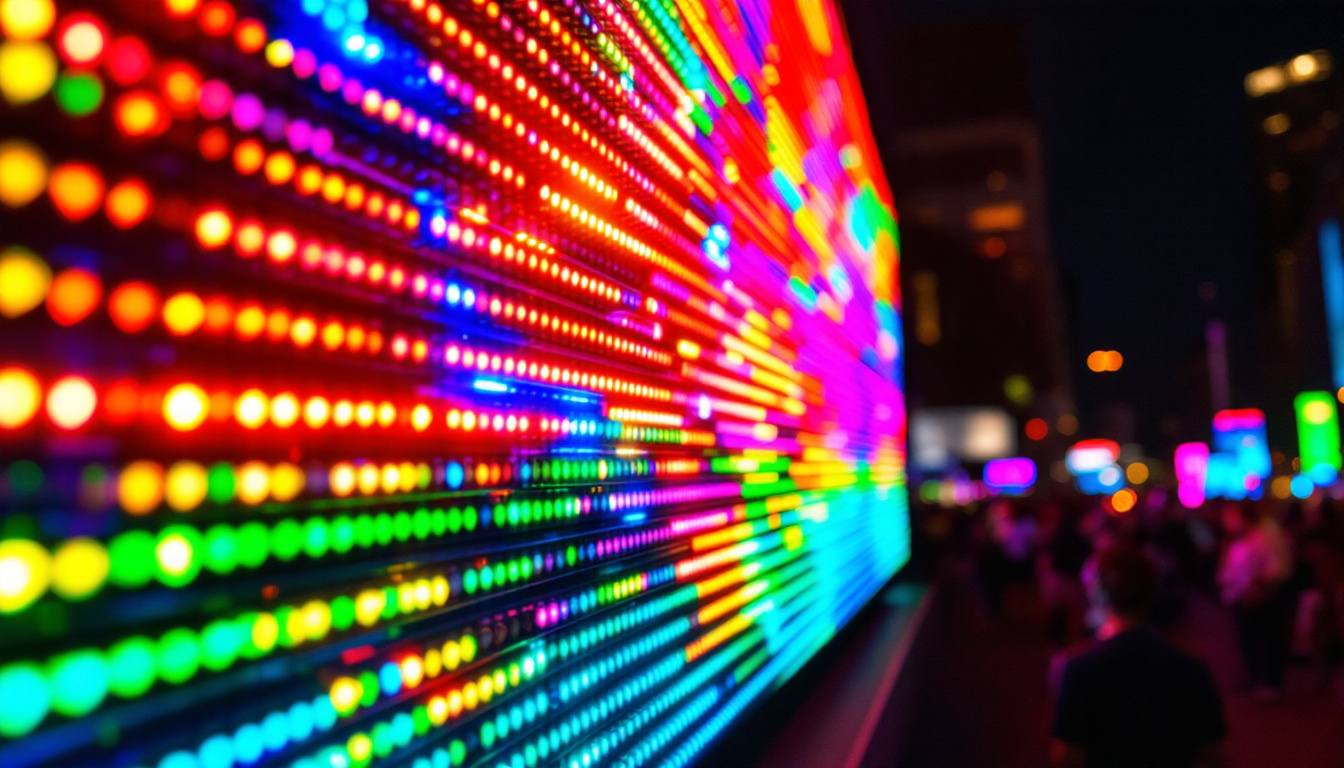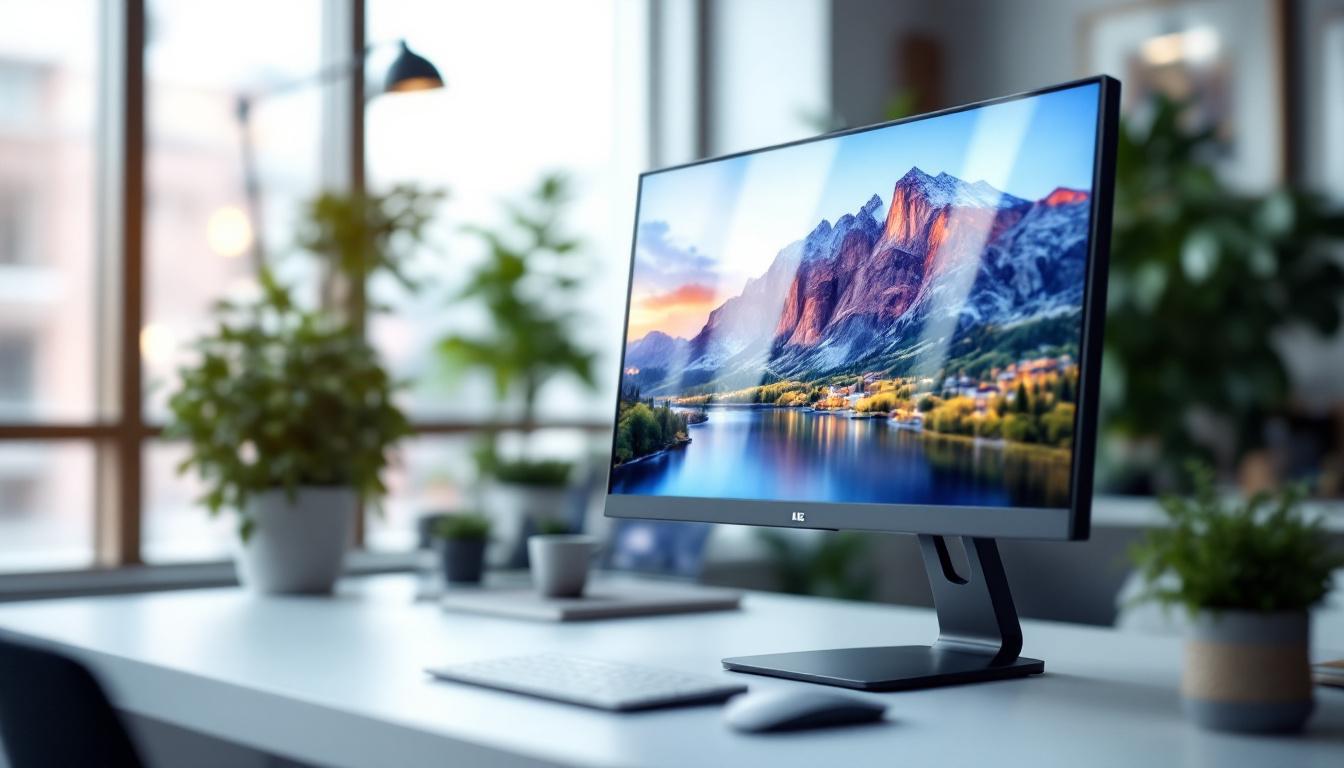
In today’s digital world, the computer monitor is an essential interface between users and their devices. Among the various display technologies available, LED displays have become the dominant choice for both consumers and professionals. But what exactly is an LED display, and why has it become so popular? This article delves into the technology behind LED displays, their advantages, types, and how they compare to other display technologies. Whether you’re a casual user, a gamer, or a creative professional, understanding LED displays can help you make informed decisions when selecting a monitor.
Understanding LED Display Technology
What Does LED Stand For?
LED stands for Light Emitting Diode. In the context of computer monitors, LED refers to the type of backlighting used in LCD (Liquid Crystal Display) panels. Contrary to what some might assume, LED displays are not a separate type of panel technology but rather an LCD screen illuminated by LEDs instead of older fluorescent tubes.
Traditional LCD monitors used Cold Cathode Fluorescent Lamps (CCFL) for backlighting, which were bulkier, consumed more power, and offered less precise brightness control. LED backlighting replaced CCFLs, allowing for thinner, more energy-efficient, and brighter displays.
How Do LED Displays Work?
At its core, an LED display consists of a liquid crystal panel that controls the passage of light to create images. The LEDs serve as the light source behind this panel. When electricity passes through the LEDs, they emit light, which then passes through the liquid crystals and color filters to produce the final image on the screen.
There are two main types of LED backlighting: edge-lit and direct-lit (or full-array). Edge-lit LED displays position LEDs along the edges of the screen, using light guides to distribute illumination evenly. Direct-lit LED displays place LEDs directly behind the screen in a grid pattern, allowing for better local dimming and contrast.
Types of LED Displays in Computer Monitors
Edge-Lit LED Monitors
Edge-lit LED monitors are designed with LEDs placed around the edges of the screen. This design allows manufacturers to create ultra-thin monitors, which are highly desirable for sleek desktop setups and portability. However, because the light must be spread across the entire screen, brightness and contrast can sometimes be uneven.
Edge-lit displays are common in budget and mid-range monitors, offering a good balance between cost, thickness, and image quality. They are ideal for general office use, web browsing, and media consumption where extreme contrast is not critical.
Direct-Lit and Full-Array LED Monitors
Direct-lit LED monitors have LEDs placed behind the entire screen area. Full-array LED monitors take this a step further by incorporating local dimming zones, which can selectively dim or brighten specific areas of the screen. This capability significantly improves contrast ratios and black levels, making images appear more vivid and lifelike.
Full-array LED monitors are favored in professional environments such as photo and video editing, where color accuracy and contrast are paramount. They also enhance gaming experiences by providing deeper blacks and reduced halo effects around bright objects on dark backgrounds.
Mini-LED and Micro-LED: The Next Generation
Recent advancements in LED technology have introduced mini-LED and micro-LED displays. Mini-LEDs use thousands of tiny LEDs for backlighting, allowing for even more precise local dimming and improved contrast. This technology bridges the gap between traditional LED and OLED displays, offering exceptional brightness and color performance without the burn-in risks associated with OLED.
Micro-LED is an emerging technology where each pixel is a microscopic LED that emits its own light, eliminating the need for backlighting altogether. This results in superior brightness, contrast, and energy efficiency. While still expensive and primarily found in high-end commercial displays, micro-LED holds great promise for the future of computer monitors.
Advantages of LED Displays Over Other Technologies
Energy Efficiency and Environmental Impact
One of the most significant benefits of LED-backlit monitors is their energy efficiency. LEDs consume less power compared to CCFL backlights and other older display technologies. According to the U.S. Department of Energy, LED displays can reduce energy consumption by up to 40% compared to CCFL-lit LCDs.
This energy efficiency not only lowers electricity bills but also reduces the environmental footprint of electronic devices. As sustainability becomes a priority for consumers and manufacturers alike, LED technology aligns well with green initiatives.
Improved Brightness and Color Accuracy
LED backlighting allows for higher brightness levels and better color reproduction compared to older LCD monitors. This is particularly important for tasks requiring precise color accuracy, such as graphic design, video editing, and photography.
Additionally, LED displays can achieve wider color gamuts, supporting standards like sRGB, Adobe RGB, and DCI-P3. These wider gamuts enable monitors to display more vivid and true-to-life colors, enhancing the overall viewing experience.
Thinner and Lighter Designs
The compact size of LEDs enables the production of thinner and lighter monitors. This has led to the widespread adoption of slim bezel designs and ultra-thin profiles, which are aesthetically pleasing and save desk space.
The portability of LED-backlit monitors also benefits users who frequently move their setups or use portable monitors alongside laptops.
Longer Lifespan and Durability
LEDs generally have a longer lifespan than CCFL backlights, often rated at 30,000 to 50,000 hours or more. This durability means users can expect their monitors to maintain brightness and color consistency over many years.
Additionally, LEDs are more resistant to shock and vibration, making LED monitors more robust for various environments, including offices, studios, and even industrial settings.
Comparing LED Displays with OLED and Other Technologies
LED vs. OLED
Organic Light Emitting Diode (OLED) displays differ fundamentally from LED-backlit LCDs. OLED pixels emit their own light, allowing for true blacks and infinite contrast ratios because pixels can be turned off completely. This results in stunning image quality, especially in dark scenes.
However, OLED monitors tend to be more expensive and have potential issues such as burn-in and shorter lifespans compared to LED displays. For users who prioritize brightness and longevity, LED monitors remain a compelling choice.
LED vs. IPS and TN Panels
It’s important to note that LED refers to the backlighting method, while IPS (In-Plane Switching) and TN (Twisted Nematic) refer to the LCD panel types. IPS panels offer superior color accuracy and wider viewing angles, making them ideal for creative professionals. TN panels, on the other hand, are known for faster response times, favored by competitive gamers.
Many LED-backlit monitors use IPS panels to combine the benefits of LED backlighting with excellent image quality. When choosing a monitor, considering both the panel type and backlighting technology is essential to match your specific needs.
Factors to Consider When Choosing an LED Monitor
Resolution and Screen Size
Resolution determines the clarity and detail of the images displayed. Common resolutions include Full HD (1920×1080), Quad HD (2560×1440), and 4K UHD (3840×2160). Higher resolutions provide sharper images but require more powerful graphics hardware to run smoothly.
Screen size preferences vary depending on use cases. For office work and casual use, 24 to 27 inches is typical, while gamers and professionals may prefer larger screens for immersive experiences and multitasking.
Refresh Rate and Response Time
For gamers and video editors, refresh rate and response time are critical. Refresh rate, measured in hertz (Hz), indicates how many times the screen updates per second. Higher refresh rates (120Hz, 144Hz, or even 240Hz) provide smoother motion and reduce motion blur.
Response time measures how quickly pixels change from one color to another. Lower response times (1-5 milliseconds) reduce ghosting and improve visual clarity during fast-moving scenes.
Color Accuracy and Calibration
Color accuracy is vital for professionals working with digital content. Look for monitors that cover a high percentage of color spaces such as Adobe RGB or DCI-P3 and support hardware calibration. Some monitors come factory-calibrated to ensure out-of-the-box accuracy.
Connectivity and Additional Features
Modern LED monitors offer a variety of connectivity options including HDMI, DisplayPort, USB-C, and Thunderbolt. USB-C and Thunderbolt ports are especially useful for users who want to connect laptops and peripherals with a single cable that also delivers power.
Additional features like HDR support, built-in speakers, adjustable stands, and blue light filters can enhance user comfort and experience.
The Future of LED Displays in Computing
LED display technology continues to evolve rapidly. Mini-LED and micro-LED innovations are pushing the boundaries of brightness, contrast, and energy efficiency. These advancements are expected to become more affordable and widespread in the coming years, bringing professional-grade display quality to mainstream users.
Moreover, integration with emerging technologies such as HDR (High Dynamic Range) and adaptive sync standards like NVIDIA G-Sync and AMD FreeSync is enhancing the visual experience for gamers and content creators alike.
As remote work and digital content consumption grow, the demand for high-quality, energy-efficient, and visually impressive monitors will only increase. LED displays are well-positioned to meet these needs, combining performance, affordability, and sustainability.
Conclusion
LED displays have revolutionized the computer monitor market by offering a perfect blend of efficiency, image quality, and design flexibility. Understanding the nuances of LED technology—from backlighting types to panel characteristics—empowers users to select monitors that best suit their needs, whether for professional work, gaming, or everyday use.
With ongoing innovations like mini-LED and micro-LED, the future of LED displays looks bright, promising even more vivid colors, deeper contrasts, and thinner, more energy-efficient devices. As technology advances, staying informed about these developments will help consumers and professionals alike make the best choices for their digital environments.
Discover the Future of LED Displays with LumenMatrix
As you consider upgrading your digital environment, LumenMatrix invites you to experience the forefront of LED display technology. Our innovative solutions, from Indoor and Outdoor LED Wall Displays to specialized options like Vehicle LED Displays and LED Sports Displays, are designed to transform your visual communication and captivate your audience. Embrace the future with our cutting-edge LED display modules that promise to elevate your brand visibility and create immersive visual experiences. Check out LumenMatrix LED Display Solutions and join us in revolutionizing the way we see the world.