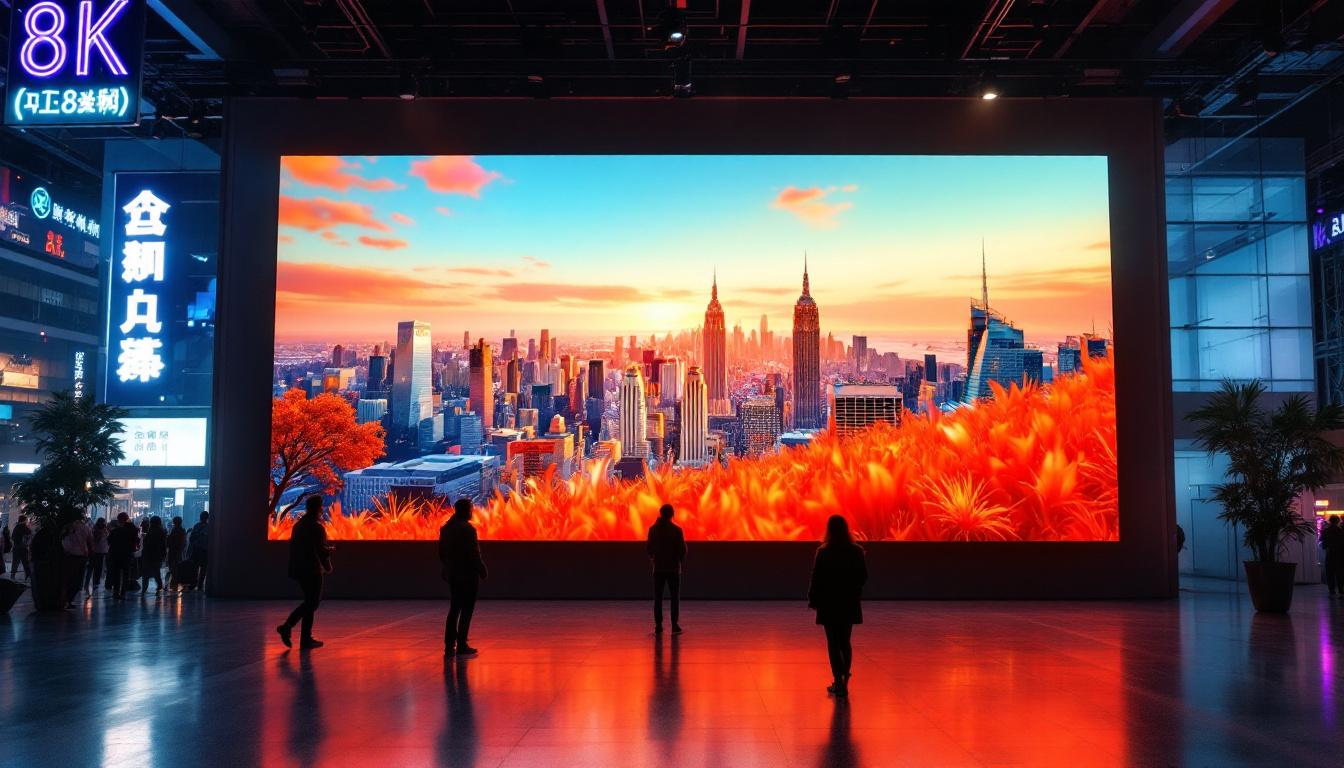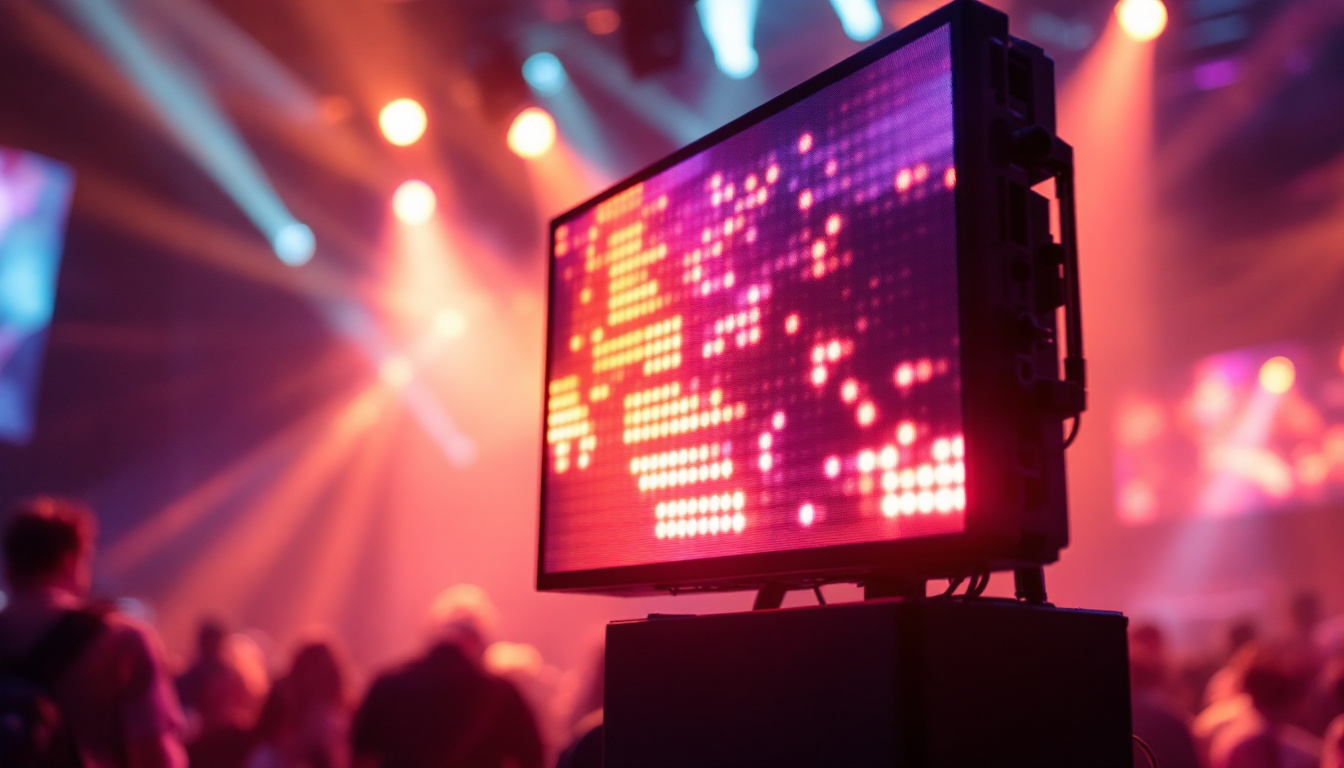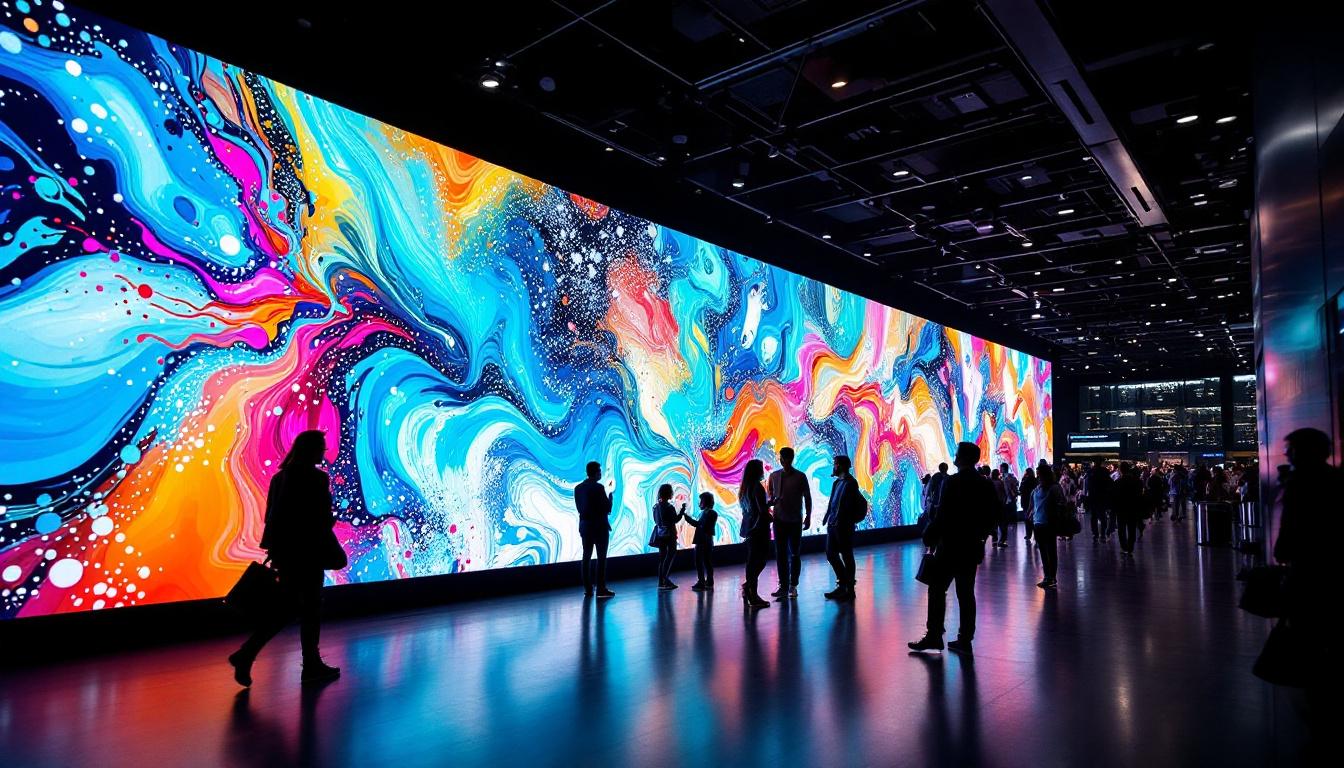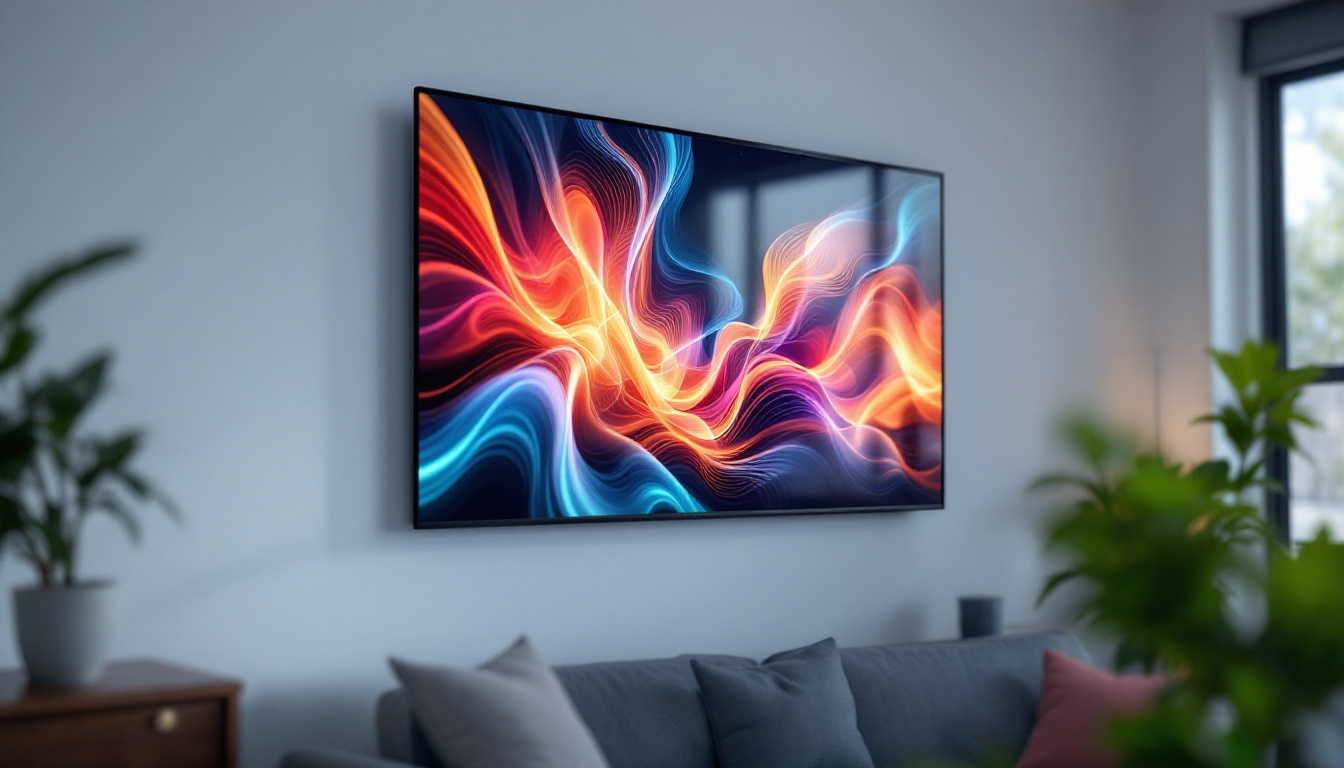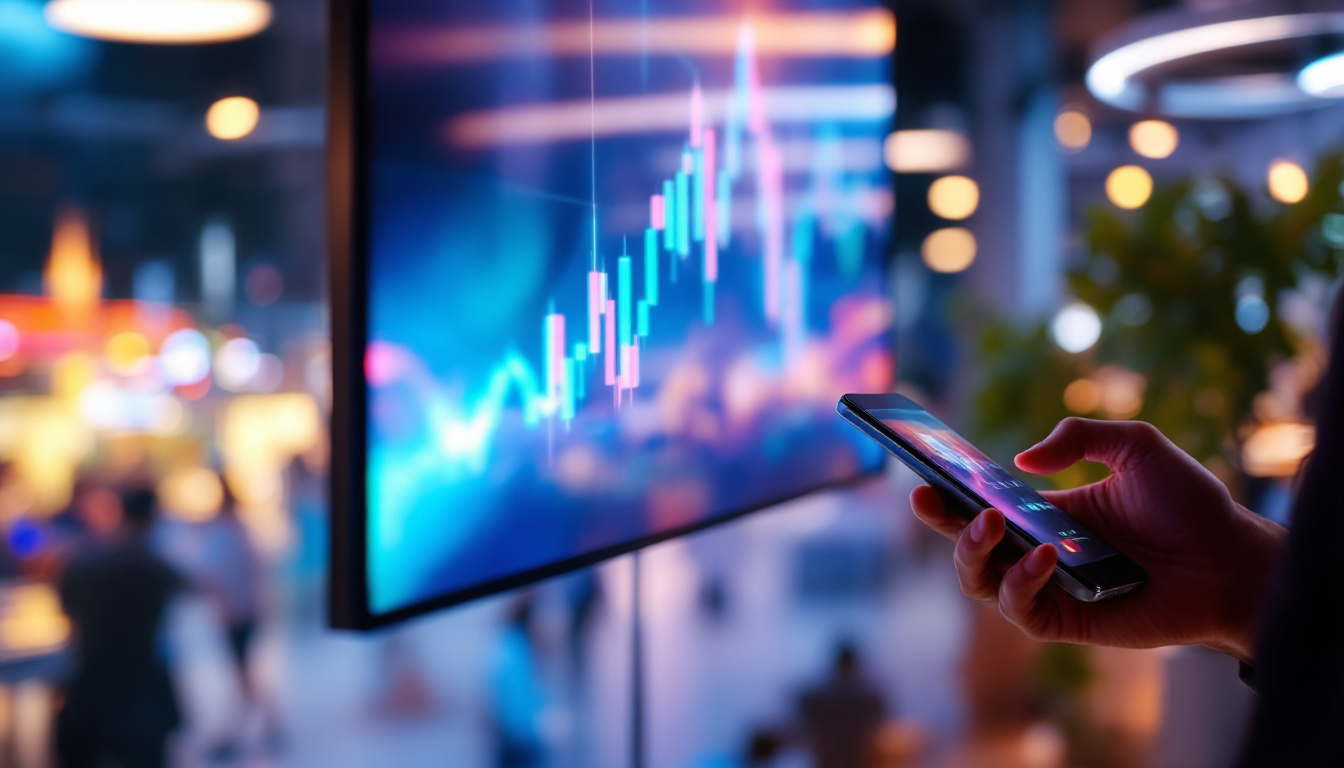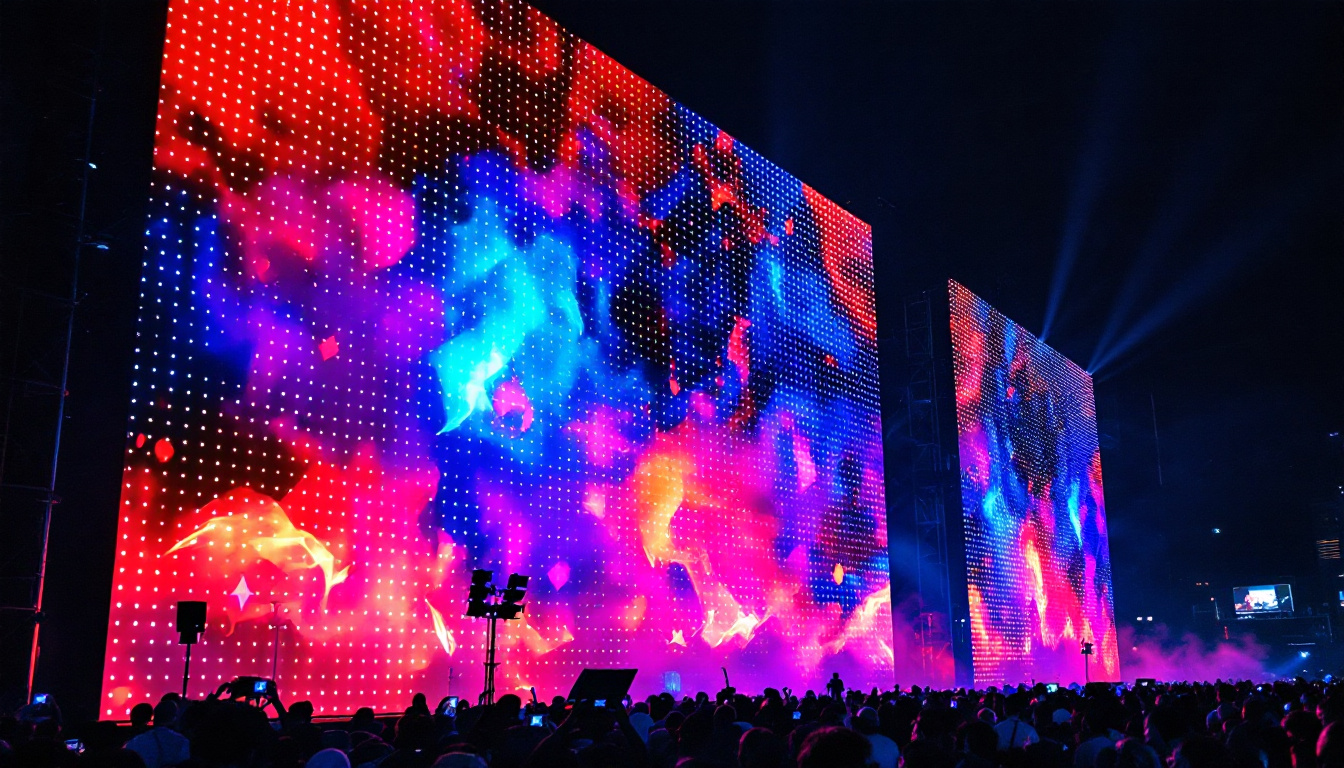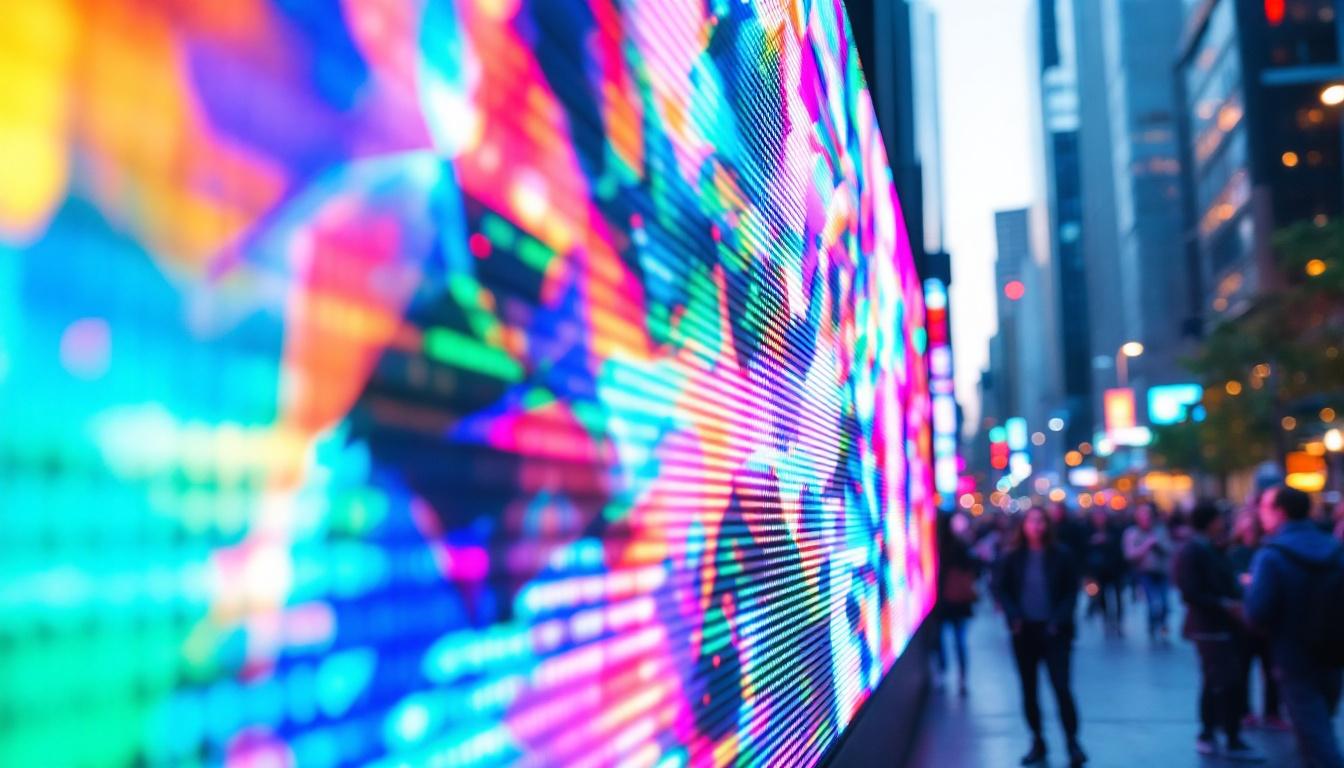
In today’s rapidly evolving digital landscape, LED displays have become a cornerstone technology for communication, advertising, and entertainment. From massive stadium screens to sleek indoor signage, LED displays offer unparalleled brightness, energy efficiency, and versatility. This article explores the fundamentals of LED display technology, its applications, advantages, and the future trends shaping the industry.
Understanding LED Display Technology
LED, or Light Emitting Diode, displays are composed of tiny semiconductor devices that emit light when an electric current passes through them. Unlike traditional display technologies such as LCD or plasma, LEDs generate their own light, which results in higher brightness and better contrast ratios. This self-illuminating characteristic not only enhances visibility in various lighting conditions but also contributes to energy efficiency, making LED displays a popular choice for both commercial and residential applications.
The basic building block of an LED display is the pixel, which typically consists of three sub-pixels: red, green, and blue (RGB). By varying the intensity of each sub-pixel, LED displays can produce a wide spectrum of colors, enabling vivid and dynamic images. This color mixing capability allows for the creation of lifelike visuals, making LED displays a preferred option for everything from digital billboards to high-definition televisions.
Types of LED Displays
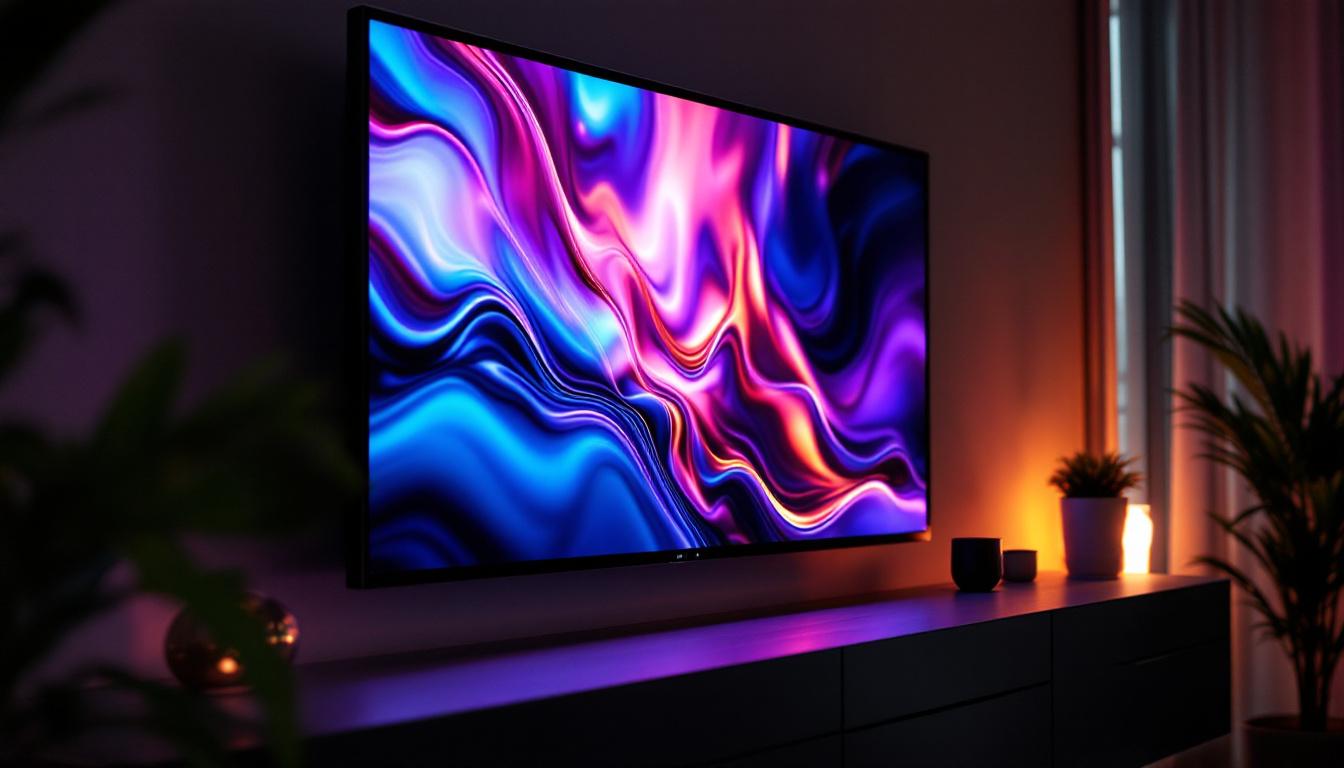
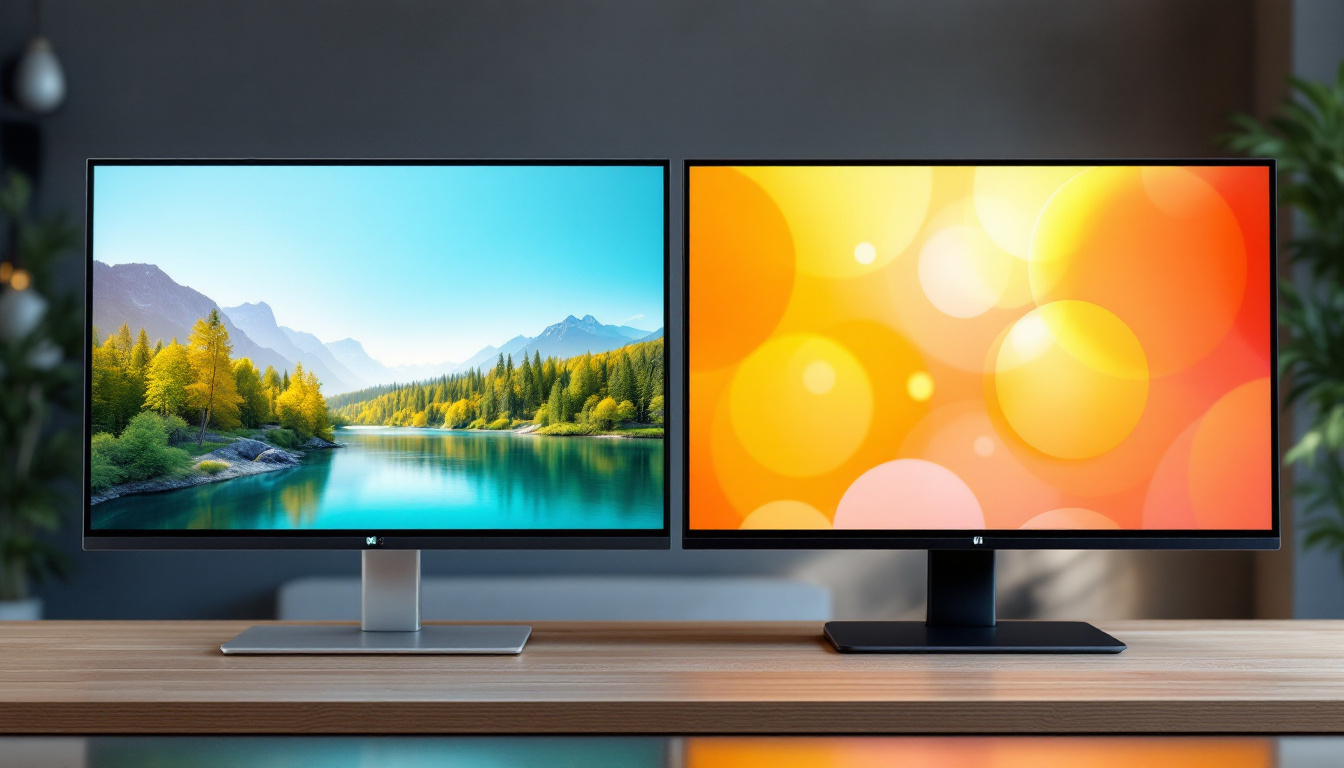
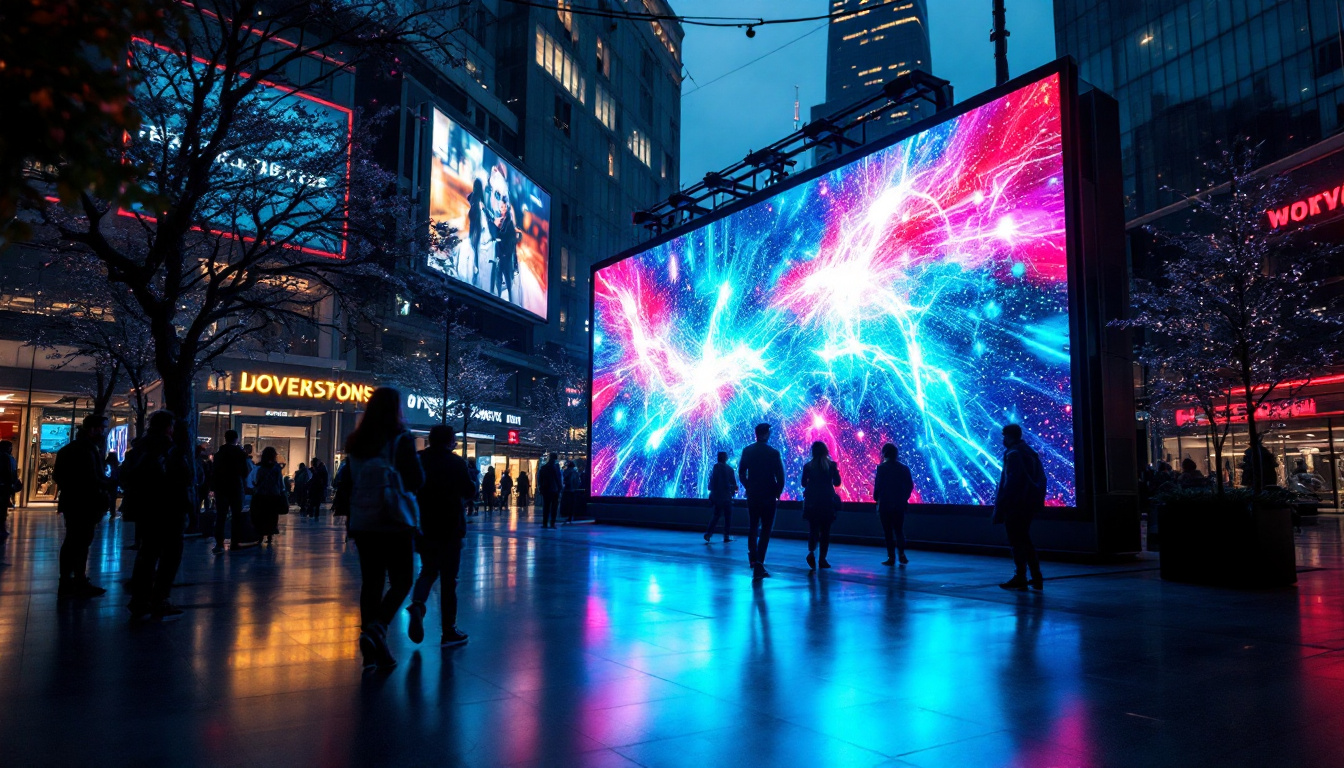
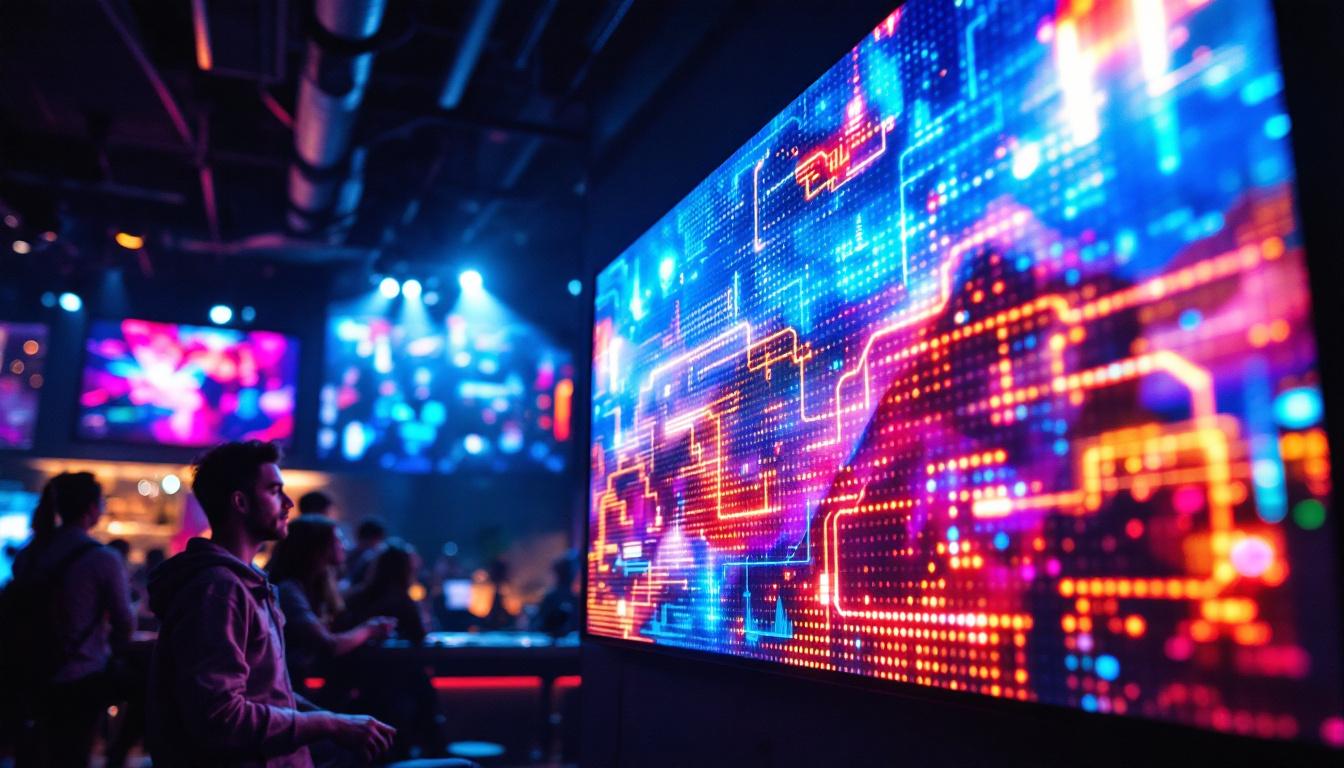
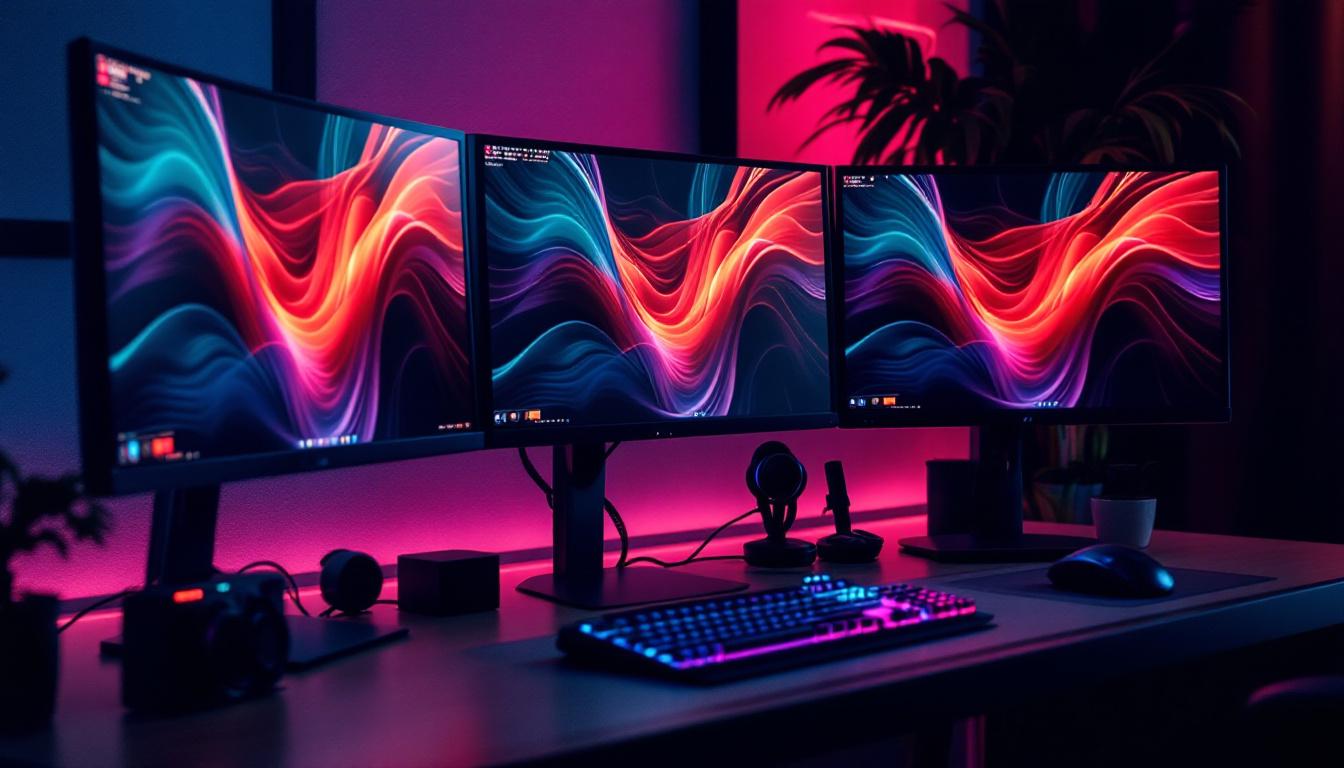
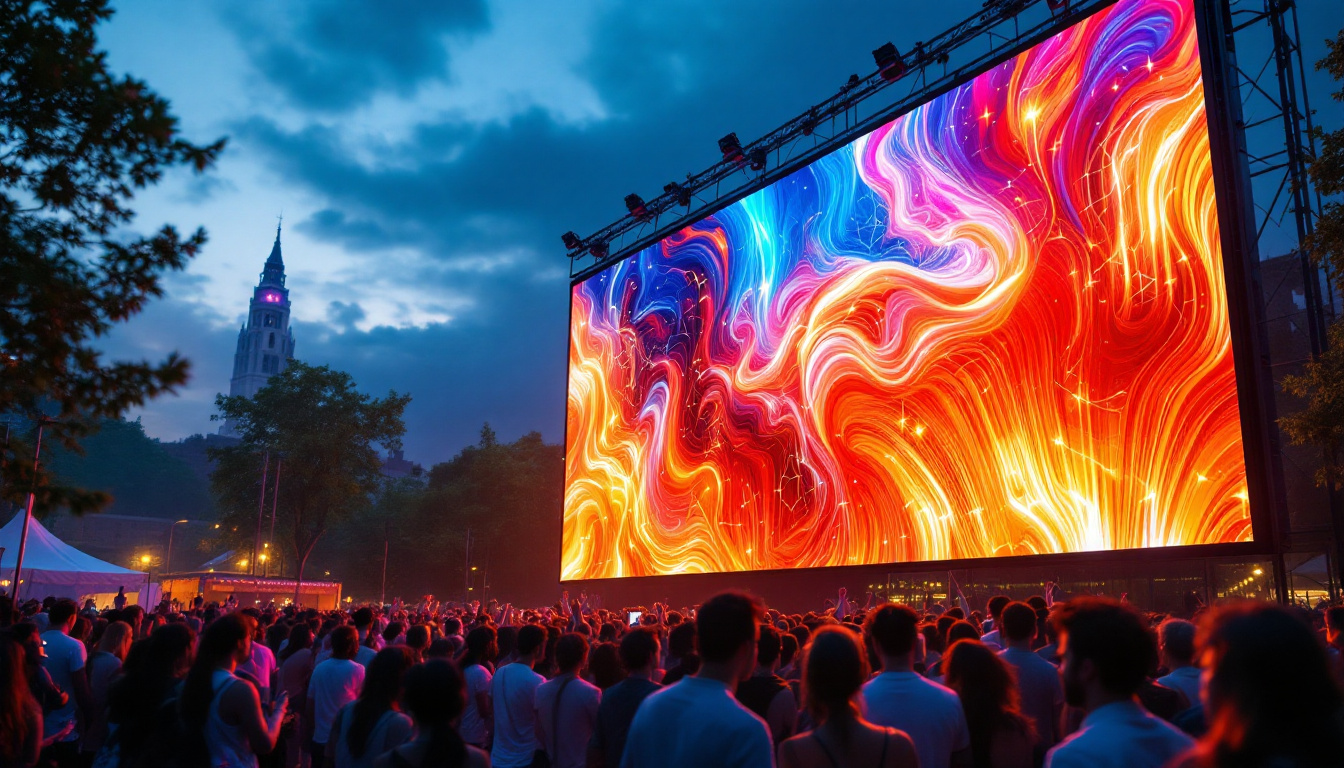
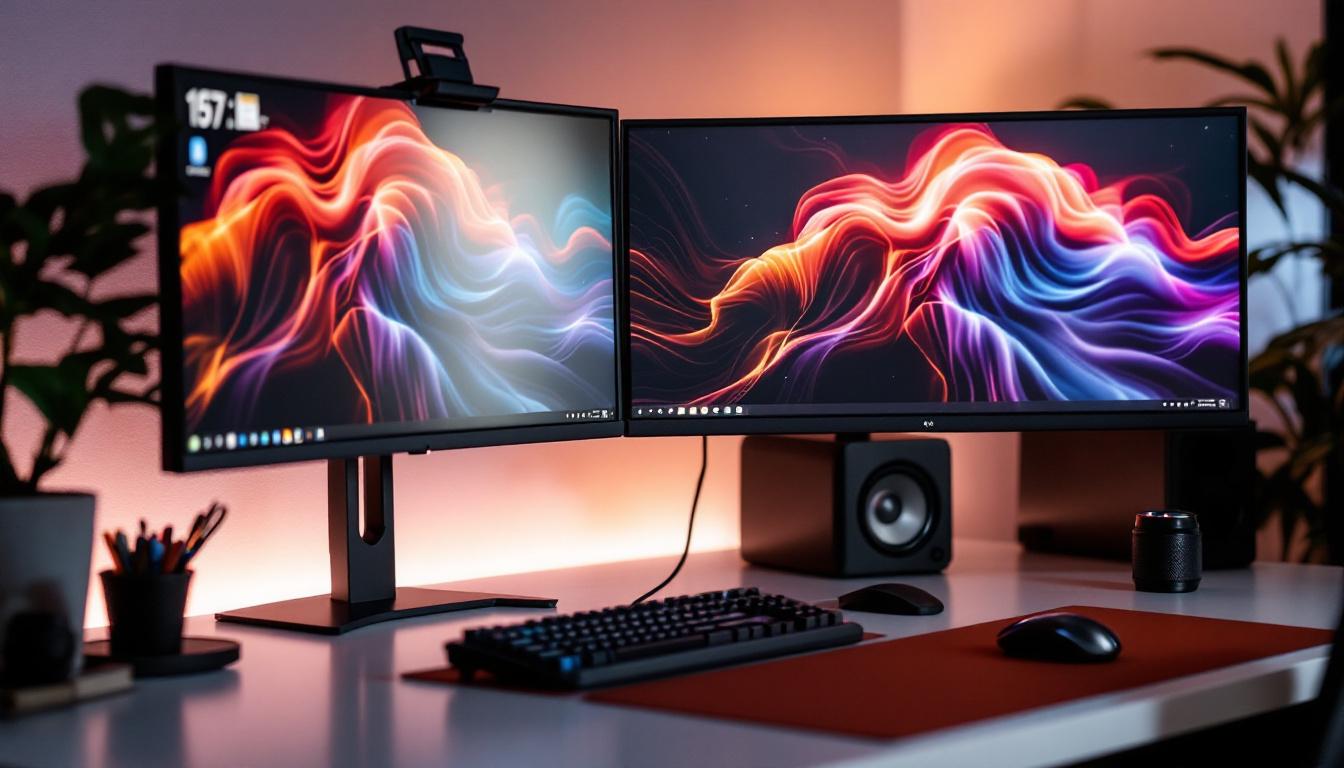
There are primarily two types of LED displays: direct view LED displays and LED-backlit LCD displays. Direct view LED displays use LEDs as the actual pixels, making them ideal for large-scale outdoor and indoor screens. These displays are often used in venues such as stadiums, concert halls, and public squares, where their brightness and clarity can capture the attention of large audiences. LED-backlit LCD displays, on the other hand, use LEDs as a backlight source behind an LCD panel, common in televisions and computer monitors. This technology allows for thinner designs and improved color accuracy compared to traditional CCFL backlighting.
Within direct view LED displays, further classifications exist based on pixel pitch—the distance between adjacent pixels. Smaller pixel pitches (e.g., 1.2mm to 2.5mm) are suited for close viewing distances such as indoor environments, while larger pixel pitches (e.g., 4mm to 10mm or more) are used for outdoor signage where viewers are farther away. The choice of pixel pitch is crucial, as it directly affects the display’s resolution and the overall visual experience. For example, a display with a smaller pixel pitch can deliver sharper images, making it ideal for applications like control rooms or retail displays where detail is paramount.
How LED Displays Work
Each LED pixel emits light independently, which allows for precise control over brightness and color. When combined in large matrices, these pixels create images and videos with high resolution and clarity. The display’s controller processes input signals—such as video from a computer or media player—and translates them into electrical signals that drive the LEDs. This intricate process ensures that the images displayed are not only vibrant but also responsive to real-time changes in input, making LED displays suitable for dynamic content like advertisements and live broadcasts.
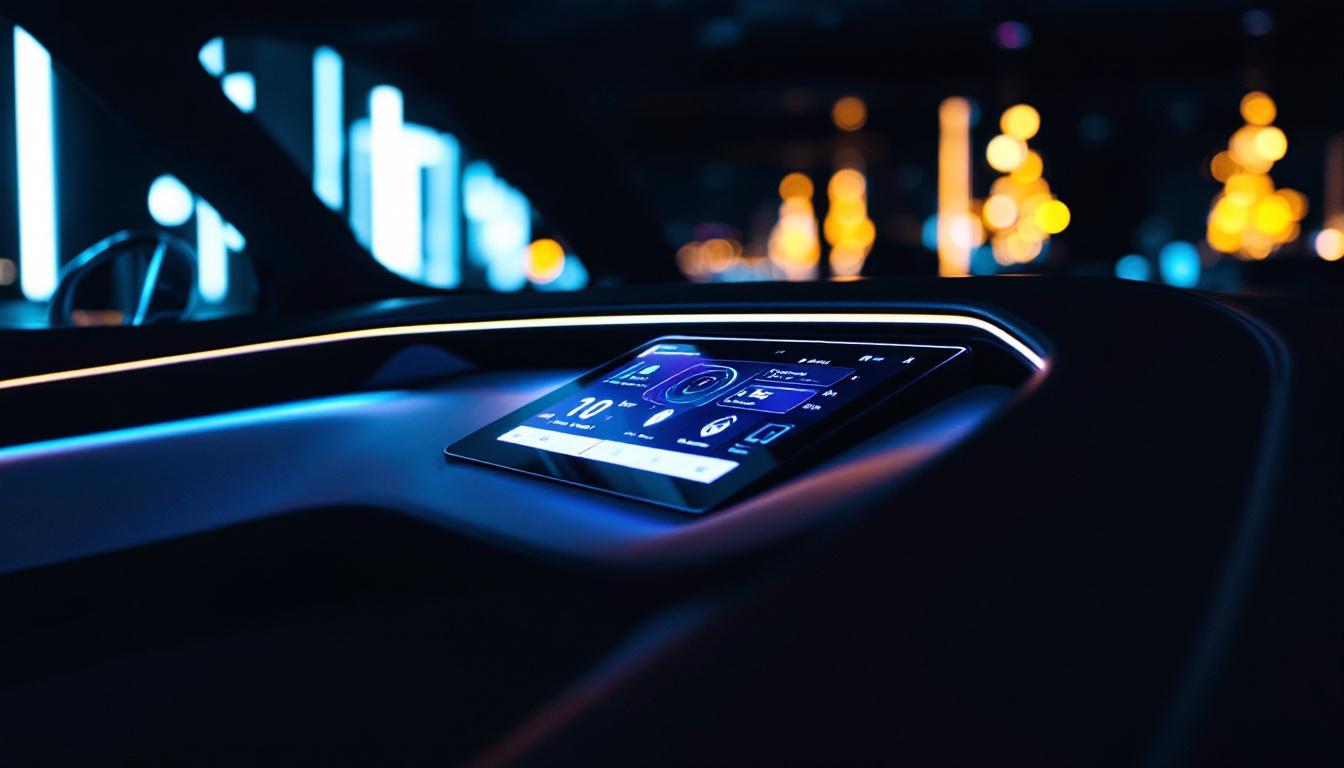
Modern LED displays often incorporate advanced features like automatic brightness adjustment based on ambient light, color calibration, and real-time diagnostics to maintain optimal performance and longevity. These enhancements are particularly beneficial in environments where lighting conditions can vary significantly, such as outdoor settings where sunlight can affect visibility. Additionally, many LED displays now support smart connectivity options, allowing for seamless integration with mobile devices and content management systems, which further elevates their functionality and user experience. The evolution of LED technology continues to push the boundaries of what is possible in display solutions, paving the way for innovations in augmented reality and immersive experiences.
Applications of LED Displays
LED displays have revolutionized visual communication across numerous industries. Their adaptability and performance make them suitable for a wide range of applications.
Advertising and Digital Signage
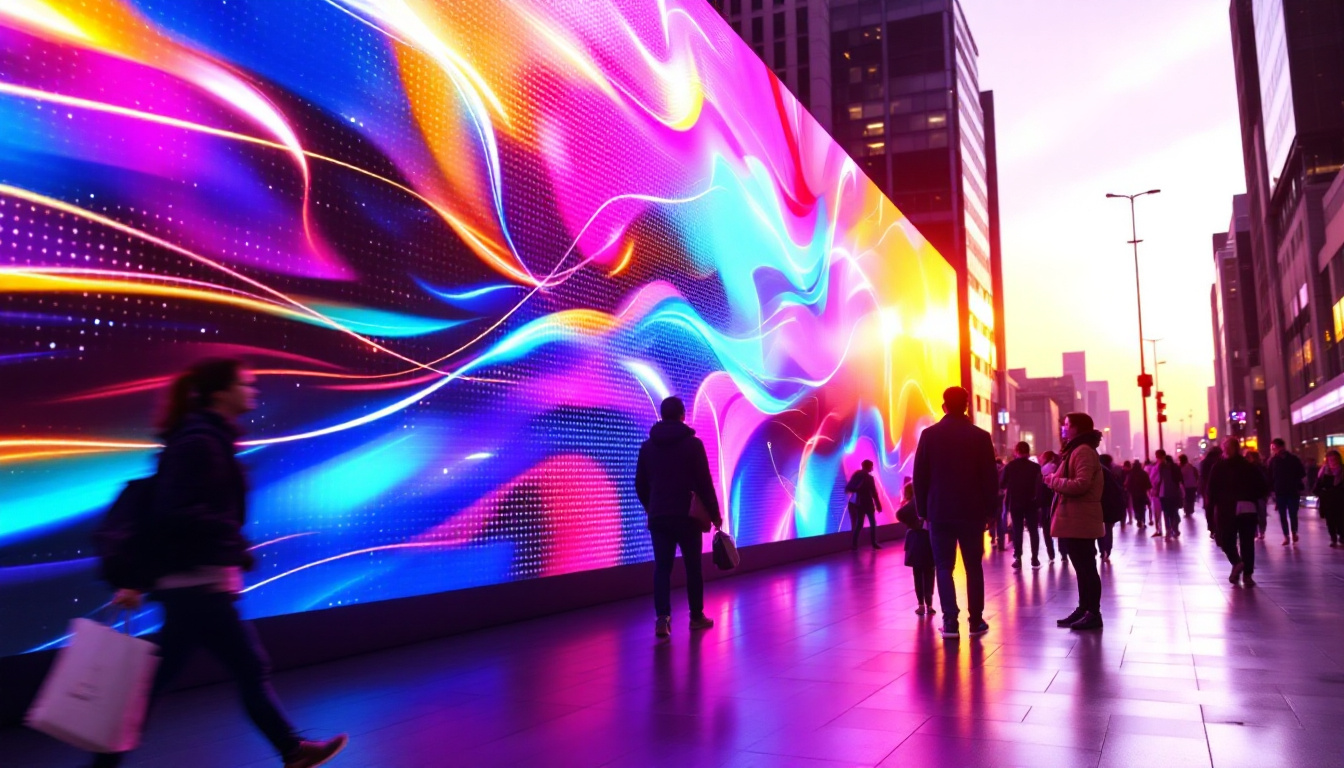
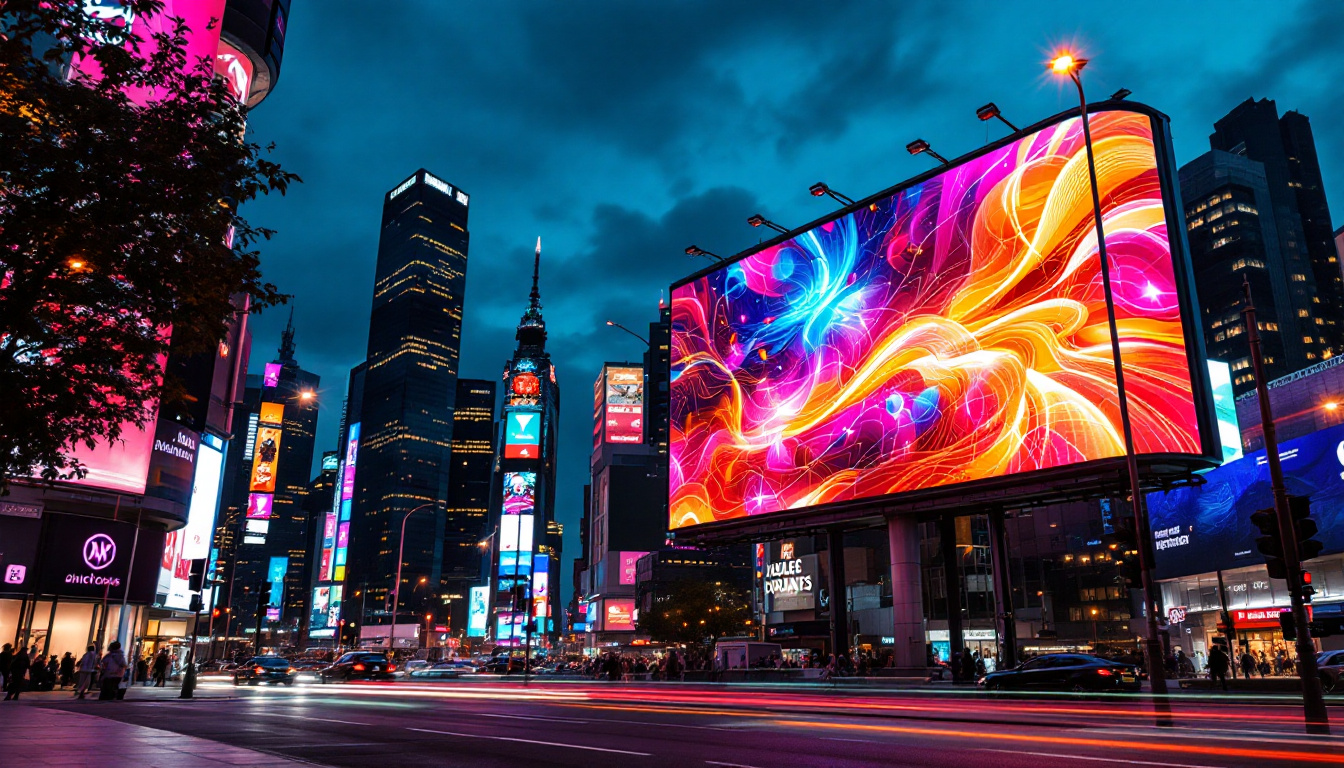
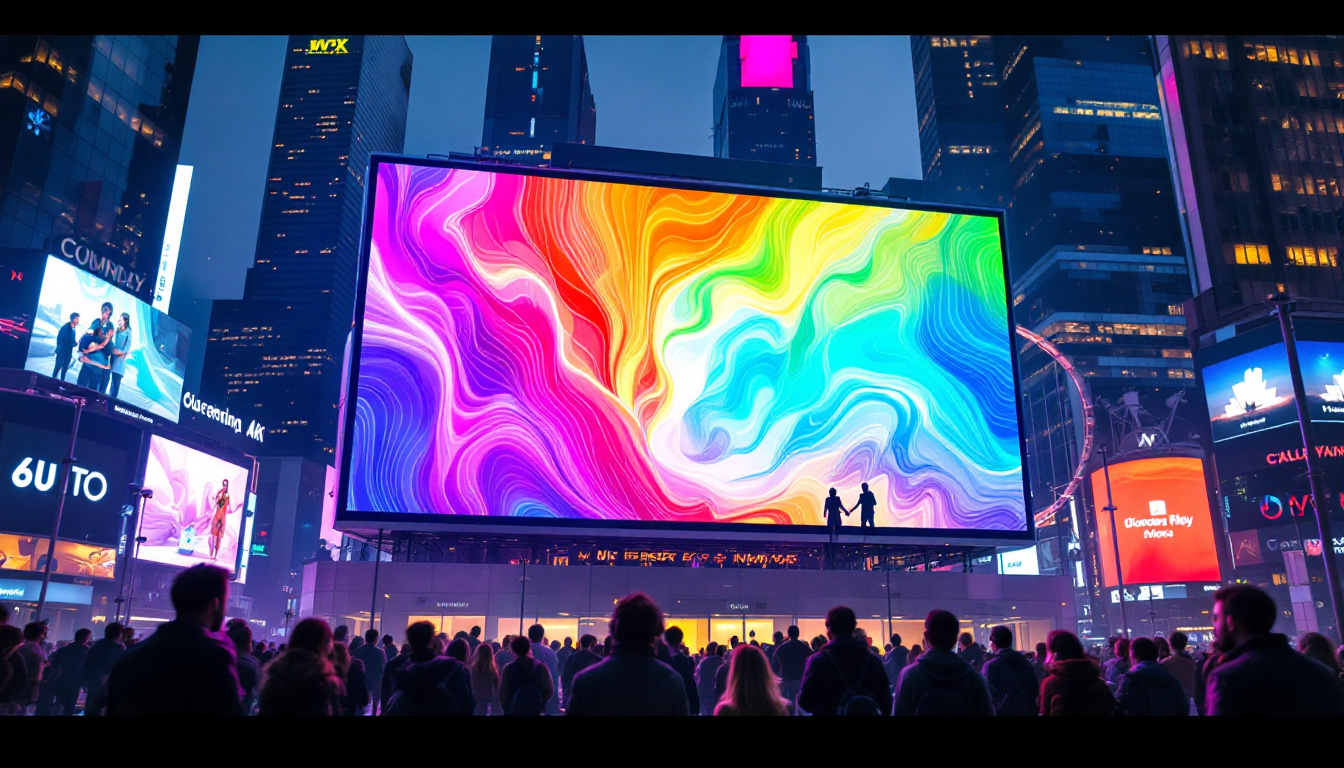
One of the most prominent uses of LED displays is in advertising. Billboards, retail storefronts, and transit hubs utilize LED screens to capture attention with bright, dynamic content. According to a 2023 report by Grand View Research, the global digital signage market is expected to reach $31.7 billion by 2028, with LED displays accounting for a significant share due to their superior visibility and energy efficiency.
Retailers use LED displays to promote products, announce sales, and enhance the customer experience. The ability to update content remotely and instantly makes LED signage highly flexible and cost-effective compared to traditional static signs.
Entertainment and Sports Venues
Stadiums and concert arenas rely heavily on large LED screens to provide spectators with close-up views, replays, and interactive content. For example, the AT&T Stadium in Texas features a center-hung LED display measuring over 160 feet wide, delivering crystal-clear images visible from every seat.
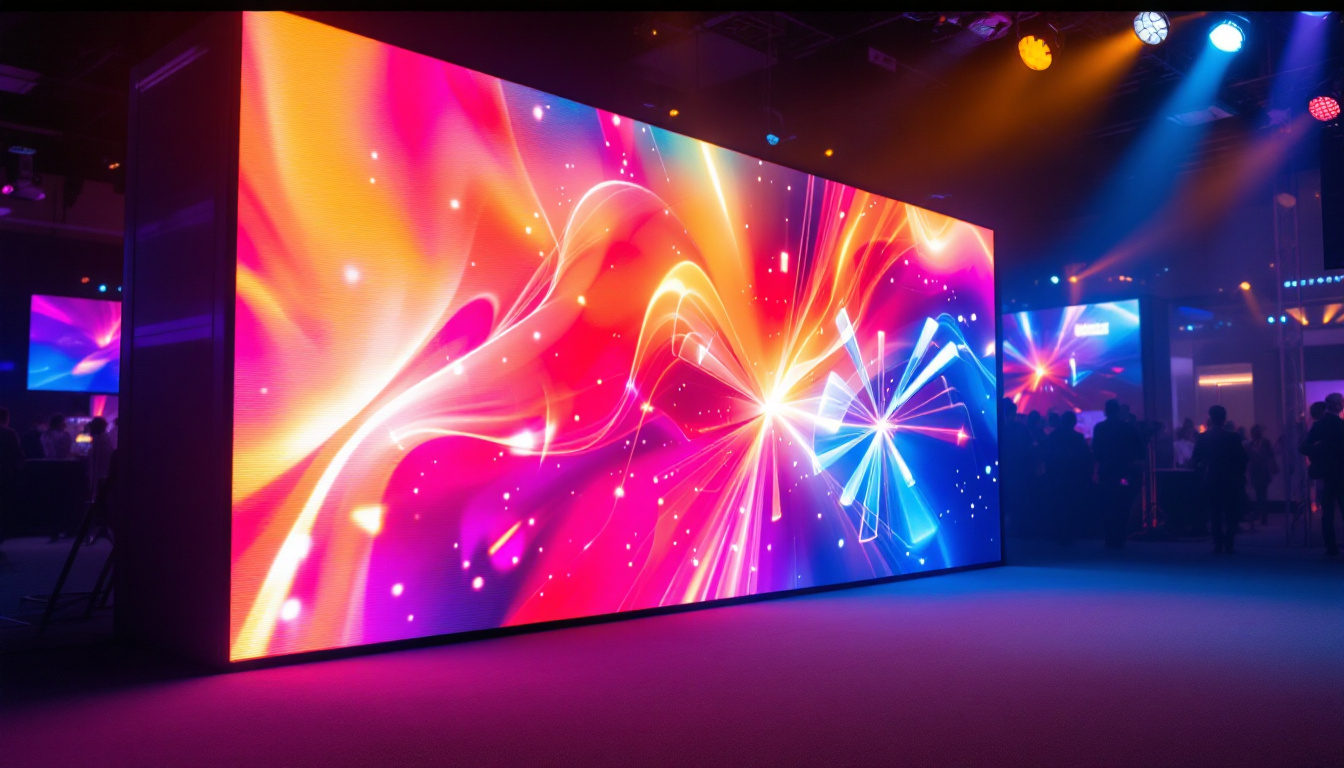
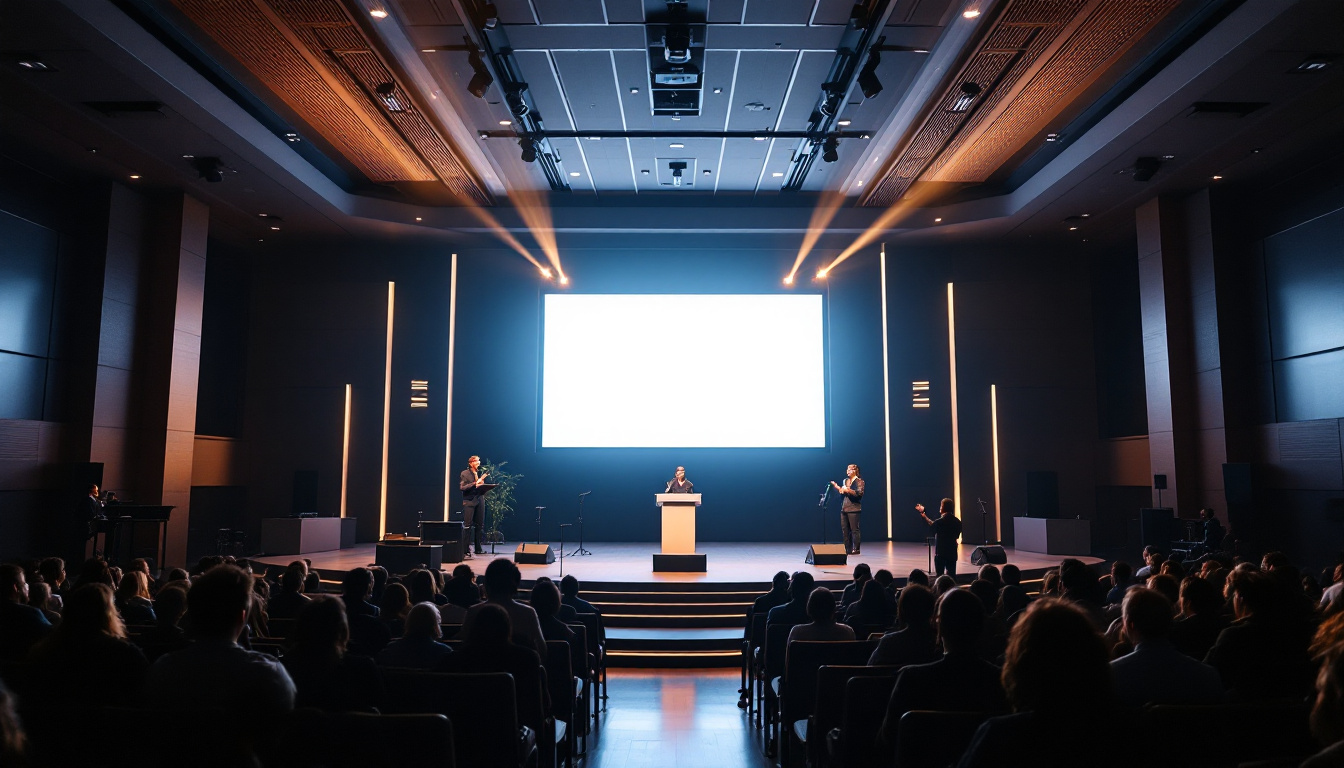
In theaters and event spaces, LED walls create immersive backdrops and dynamic lighting effects that enhance performances. The seamless scalability of LED panels allows for custom configurations tailored to venue size and design.
Corporate and Educational Environments
Corporate offices and educational institutions increasingly incorporate LED displays for presentations, video conferencing, and digital information boards. The high brightness and wide viewing angles of LED screens ensure clear visibility even in well-lit rooms.
Interactive LED displays with touch capabilities are also gaining traction, facilitating collaborative work and engaging learning experiences.
Transportation and Public Information
Airports, train stations, and bus terminals use LED displays to provide real-time schedules, alerts, and wayfinding information. The durability and weather resistance of outdoor LED displays make them ideal for these high-traffic environments.
Advantages of LED Displays Over Other Technologies
LED displays offer several key benefits that have driven their widespread adoption across various sectors.
Brightness and Visibility
LED displays can achieve brightness levels exceeding 5,000 nits, making them easily readable even in direct sunlight. This is a significant advantage over LCD and plasma displays, which often struggle with glare and limited brightness outdoors.
Energy Efficiency
Compared to older technologies like neon or incandescent lighting, LEDs consume far less power. Advances in LED driver circuits and materials have further improved energy efficiency, reducing operational costs and environmental impact.
Longevity and Durability
LEDs have a long operational lifespan, often exceeding 100,000 hours, which translates to many years of continuous use. Their solid-state nature makes them resistant to shock and vibration, ideal for outdoor and mobile applications.
Flexibility and Scalability
LED panels can be assembled into virtually any size or shape, enabling creative and customized display solutions. This modularity simplifies installation and maintenance, as individual panels can be replaced without affecting the entire display.
Color Accuracy and Contrast
Because LEDs emit light directly, they offer superior contrast ratios and color saturation compared to backlit LCDs. This results in more vivid and lifelike images, enhancing viewer engagement.
Key Considerations When Choosing an LED Display
Selecting the right LED display involves evaluating several technical and practical factors to ensure optimal performance and return on investment.
Pixel Pitch and Resolution
Pixel pitch directly influences image sharpness and viewing distance. For indoor applications where viewers are close, a pixel pitch below 2.5mm is recommended to avoid visible pixelation. Outdoor displays can have larger pixel pitches since viewers are typically farther away.
Brightness and Environmental Conditions
Consider the ambient lighting conditions where the display will be installed. Outdoor screens require higher brightness and weatherproofing features, including IP-rated enclosures to protect against dust and moisture.
Refresh Rate and Viewing Angle
A high refresh rate (above 3,000 Hz) is essential for smooth video playback and reducing flicker, especially in broadcast environments. Wide viewing angles ensure consistent image quality from different vantage points.
Installation and Maintenance
Evaluate the ease of installation, including mounting options and access for maintenance. Some LED displays offer front-serviceability, allowing technicians to perform repairs without dismantling the entire unit.
Control Systems and Connectivity
Modern LED displays support various input sources such as HDMI, DVI, and network streaming. Integration with content management systems enables remote updates and scheduling, which is critical for dynamic advertising and information displays.
The Future of LED Display Technology
The LED display industry continues to innovate, driven by demands for higher resolution, greater energy efficiency, and enhanced interactivity.
MicroLED and MiniLED Advances
MicroLED technology, featuring microscopic LEDs smaller than 100 microns, promises even higher resolution and contrast with lower power consumption. While still emerging, MicroLED displays are expected to revolutionize premium TVs and wearable devices.
MiniLED backlighting, which uses thousands of tiny LEDs behind LCD panels, improves local dimming and contrast, bridging the gap between traditional LED and OLED displays.
Flexible and Transparent LED Displays
Flexible LED panels enable curved and foldable screens, opening new possibilities for design and portability. Transparent LED displays, which allow viewers to see through the screen, are gaining traction in retail and architectural applications for augmented reality experiences.
Artificial Intelligence and Smart Displays
Integration of AI and IoT technologies allows LED displays to adapt content dynamically based on audience demographics, weather, or time of day. Smart displays can also interact with mobile devices, creating personalized and immersive engagements.
Conclusion
LED display technology has transformed how businesses and organizations communicate visually. Its combination of brightness, energy efficiency, durability, and flexibility makes it an ideal solution for a diverse range of applications. As innovations like MicroLED and smart interactivity continue to evolve, LED displays will remain at the forefront of digital signage and visual media.
For companies seeking to leverage LED displays, understanding the technical aspects and application requirements is crucial to selecting the right solution. With the right investment, LED displays can significantly enhance brand visibility, audience engagement, and operational efficiency.
Discover LumenMatrix’s Innovative LED Display Solutions
Ready to elevate your visual communication strategy with the latest in LED technology? Explore LumenMatrix’s comprehensive range of LED display solutions, designed to captivate your audience and amplify your message. From stunning Indoor and Outdoor LED Wall Displays to versatile Vehicle and Sports LED Displays, LumenMatrix offers tailored options to fit any application. Experience the future of digital signage with our Custom, All-in-One, and Transparent LED Displays. Check out LumenMatrix LED Display Solutions today and transform your space into a dynamic visual experience.