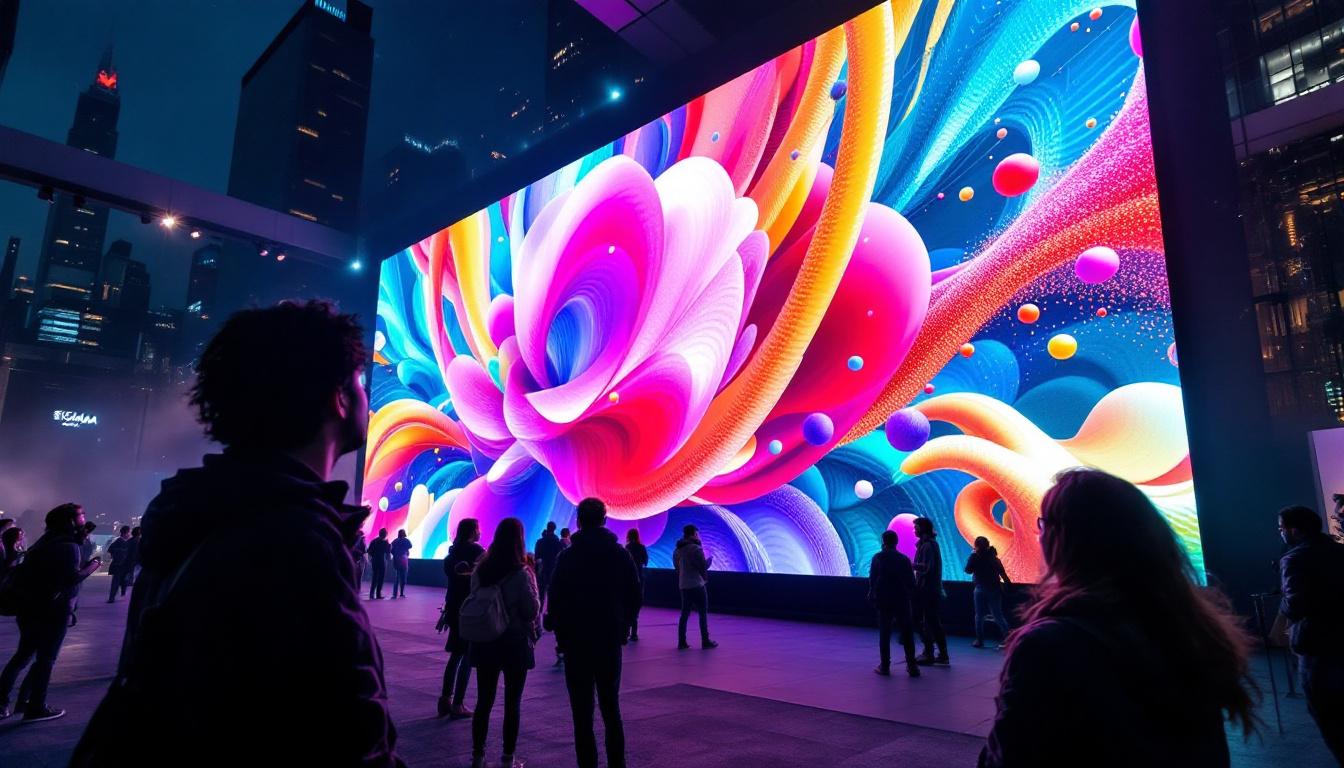
Outdoor entertainment and advertising have evolved dramatically over the past decade, with LED display technology leading the charge. Whether for concerts, sporting events, public announcements, or outdoor movie nights, the choice of display technology can make or break the viewing experience. Among the various options available, outdoor projection screens and LED displays stand out as popular solutions, each with unique advantages and challenges.
This article delves into the world of outdoor projection screens and LED displays, explaining how LED technology works, its benefits, and why it has become a preferred choice for many outdoor applications. By understanding the nuances of LED displays compared to traditional projection screens, event organizers, advertisers, and venue managers can make informed decisions that maximize impact and engagement.
Understanding Outdoor Projection Screens
What Are Outdoor Projection Screens?
Outdoor projection screens are specially designed surfaces that reflect projected images or videos from a projector, making them visible to an audience in open-air environments. These screens are typically made from durable, weather-resistant materials that can withstand wind, rain, and sunlight exposure. They range from inflatable screens used for casual movie nights to fixed-frame screens installed in stadiums or parks.
Projection screens offer a cost-effective solution for large-scale displays, especially when paired with high-lumen projectors capable of overcoming ambient light. However, they rely heavily on external light sources and environmental conditions, which can affect image quality and visibility.
Limitations of Outdoor Projection Screens
While outdoor projection screens have been a staple for decades, they come with inherent limitations. The biggest challenge is ambient light interference. Daytime use is often impractical without extremely powerful projectors, which can be costly and require significant power. Even at night, factors like streetlights or moonlight can reduce image contrast.
Additionally, projection screens require precise alignment between the projector and screen. Any misalignment can cause image distortion or blurriness. Weather conditions such as wind can also pose challenges, as screens may sway or become unstable, impacting the viewing experience.
Introduction to LED Displays
What Is an LED Display?
LED (Light Emitting Diode) displays are digital screens composed of thousands to millions of tiny LEDs that emit light independently. Unlike projection screens, LED displays generate their own light, making them self-illuminating. This characteristic allows for vibrant, high-contrast images visible even in direct sunlight.
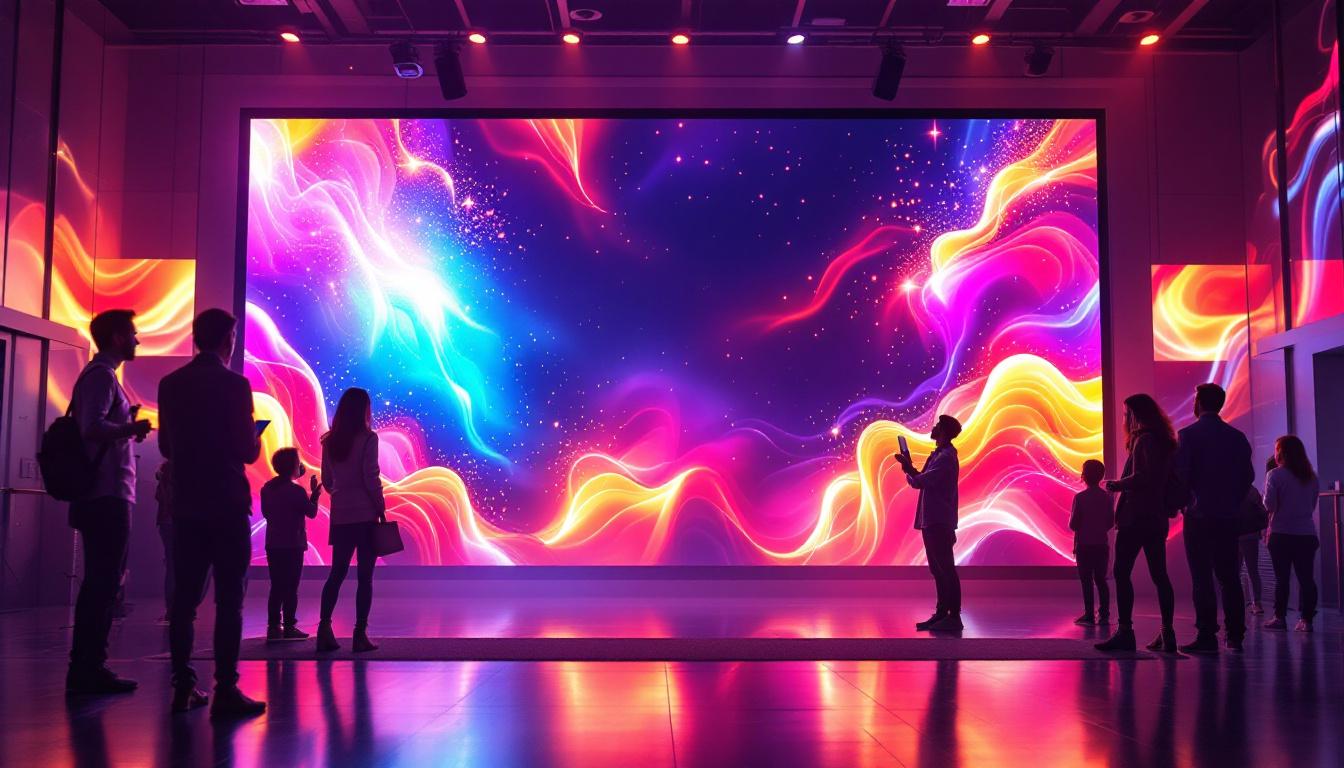
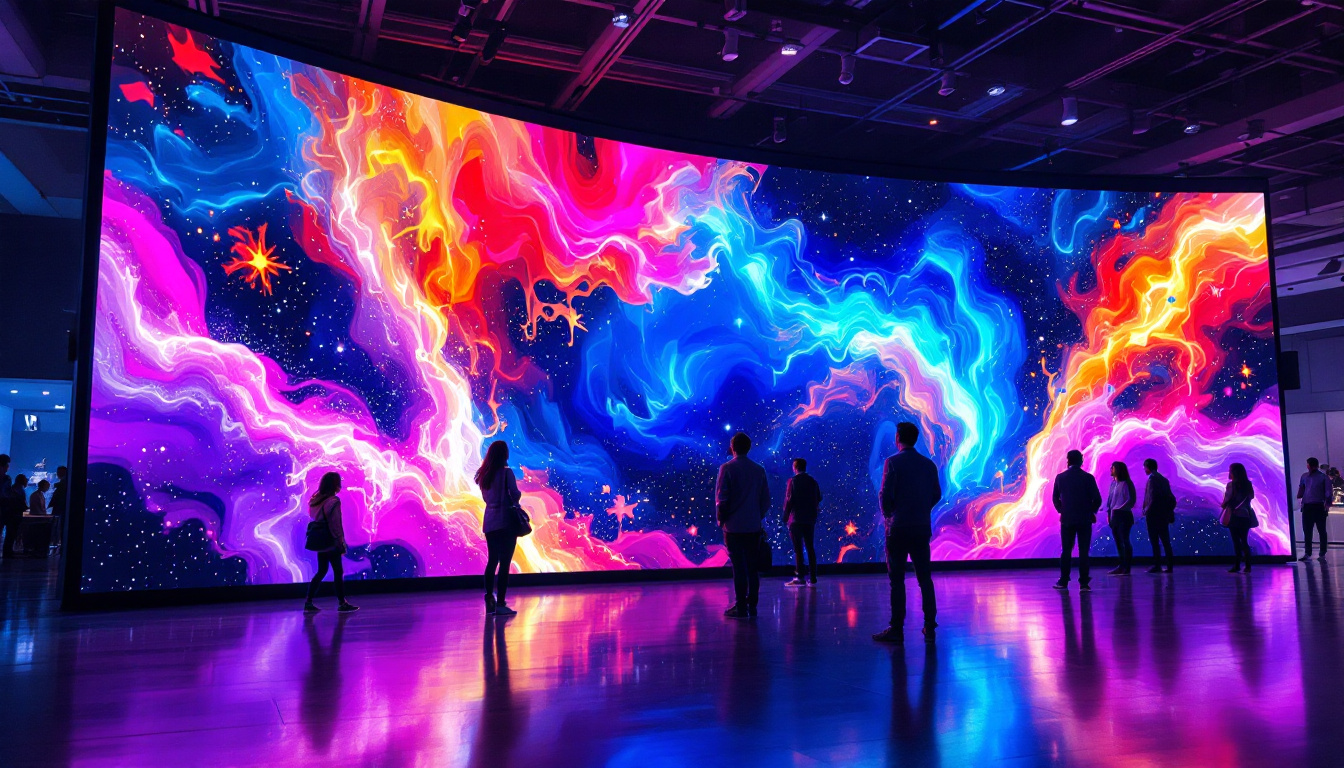
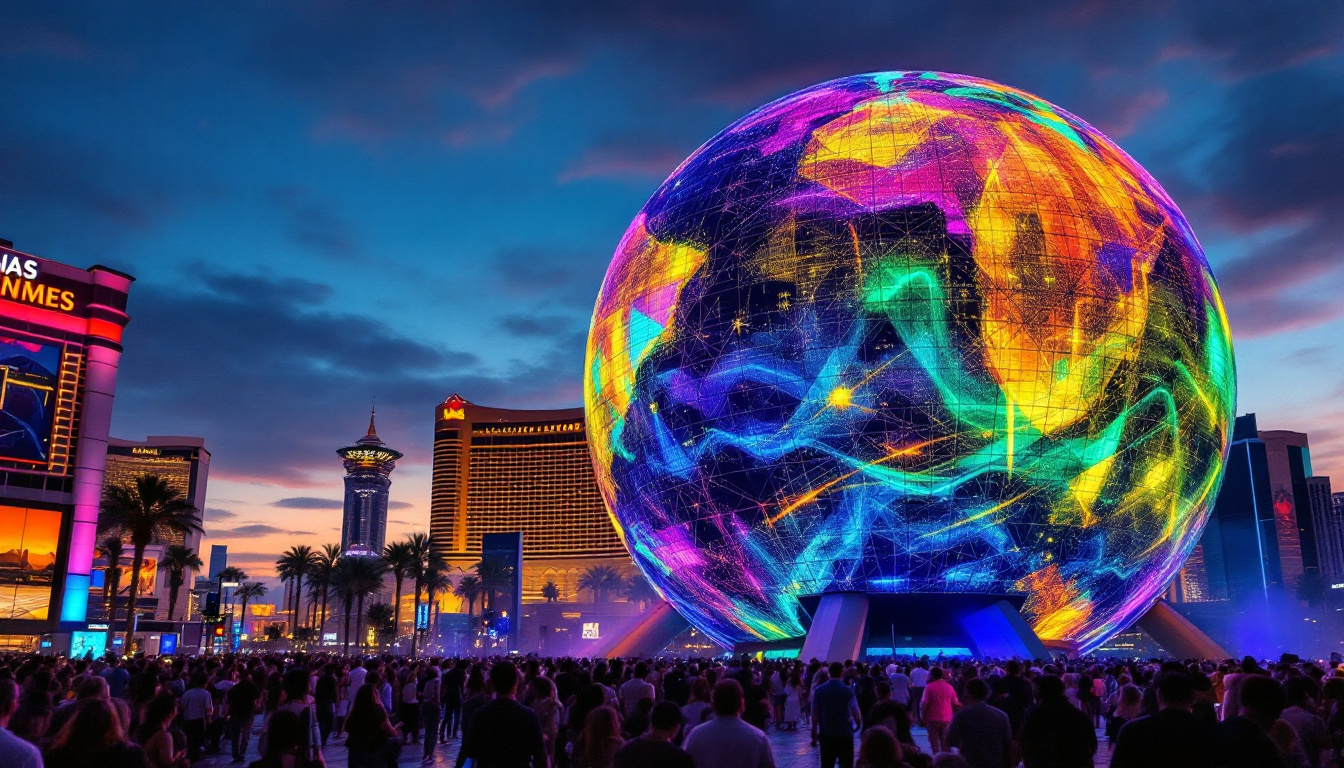
LED displays come in various forms, including video walls, billboards, and modular panels that can be assembled into custom sizes and shapes. The technology has advanced rapidly, with modern outdoor LED displays offering resolutions and brightness levels suitable for everything from small events to massive stadium installations.
How LED Displays Work
Each pixel on an LED display consists of red, green, and blue diodes. By varying the intensity of each diode, the display can produce a full spectrum of colors. The LEDs are controlled by sophisticated electronics that manage brightness, color accuracy, and refresh rates to deliver smooth, dynamic visuals.
Outdoor LED displays are designed with weatherproof casings and cooling systems to ensure durability and consistent performance under harsh environmental conditions. They also feature high brightness ratings, often exceeding 5,000 nits, to maintain visibility even in bright daylight.
Advantages of LED Displays Over Traditional Outdoor Projection Screens
Superior Visibility and Brightness
One of the most significant advantages of LED displays is their exceptional brightness. Unlike projection screens that depend on external light sources, LED displays emit their own light, enabling clear visibility in broad daylight. This makes them ideal for outdoor advertising, sports arenas, and public events where ambient light cannot be controlled.
For example, a typical outdoor LED display can achieve brightness levels of 5,000 to 8,000 nits, whereas projectors struggle to compete in environments with more than 1,000 lux of ambient light. This difference ensures that images remain sharp and vibrant regardless of the time of day or weather conditions.
Durability and Weather Resistance
Outdoor LED displays are built to endure extreme weather conditions, including rain, snow, heat, and wind. Their IP65 or higher ratings mean they are dust-tight and protected against water jets, making them reliable for year-round outdoor use. In contrast, projection screens require additional protective measures and may suffer damage or deformation over time.
Moreover, LED modules are modular and easy to replace if damaged, reducing maintenance costs and downtime. This modularity also allows for flexible screen sizes and shapes, accommodating diverse event requirements.
Energy Efficiency and Longevity
Modern LED displays are energy-efficient compared to high-lumen projectors needed for outdoor projection screens. While projectors consume significant power and generate heat, LED displays use less electricity relative to their brightness output. This efficiency translates to lower operating costs and a smaller environmental footprint.
Additionally, LEDs have a long lifespan, often exceeding 100,000 hours of operation before brightness diminishes significantly. This longevity reduces the need for frequent replacements, making LED displays a cost-effective investment over time.
Enhanced Image Quality and Flexibility
LED displays offer superior image quality with high resolution, excellent color accuracy, and fast refresh rates, which are crucial for displaying videos, animations, and live feeds. They also support dynamic content changes in real-time, enabling interactive and engaging experiences that projection screens cannot match.
Furthermore, LED displays can be integrated with advanced control systems, allowing remote content management and synchronization across multiple screens. This capability is particularly valuable for large-scale events and advertising campaigns requiring consistent messaging across different locations.
Applications of Outdoor LED Displays
Sports and Entertainment Venues
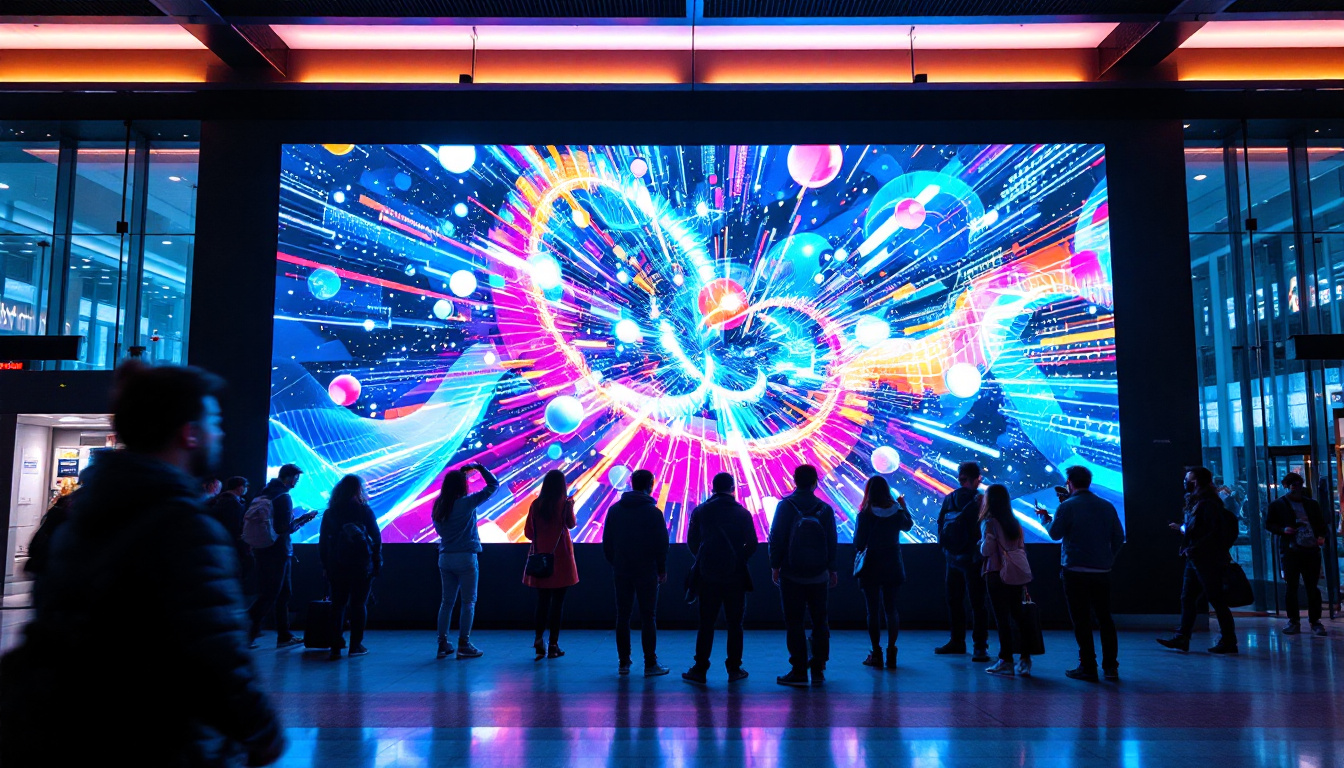
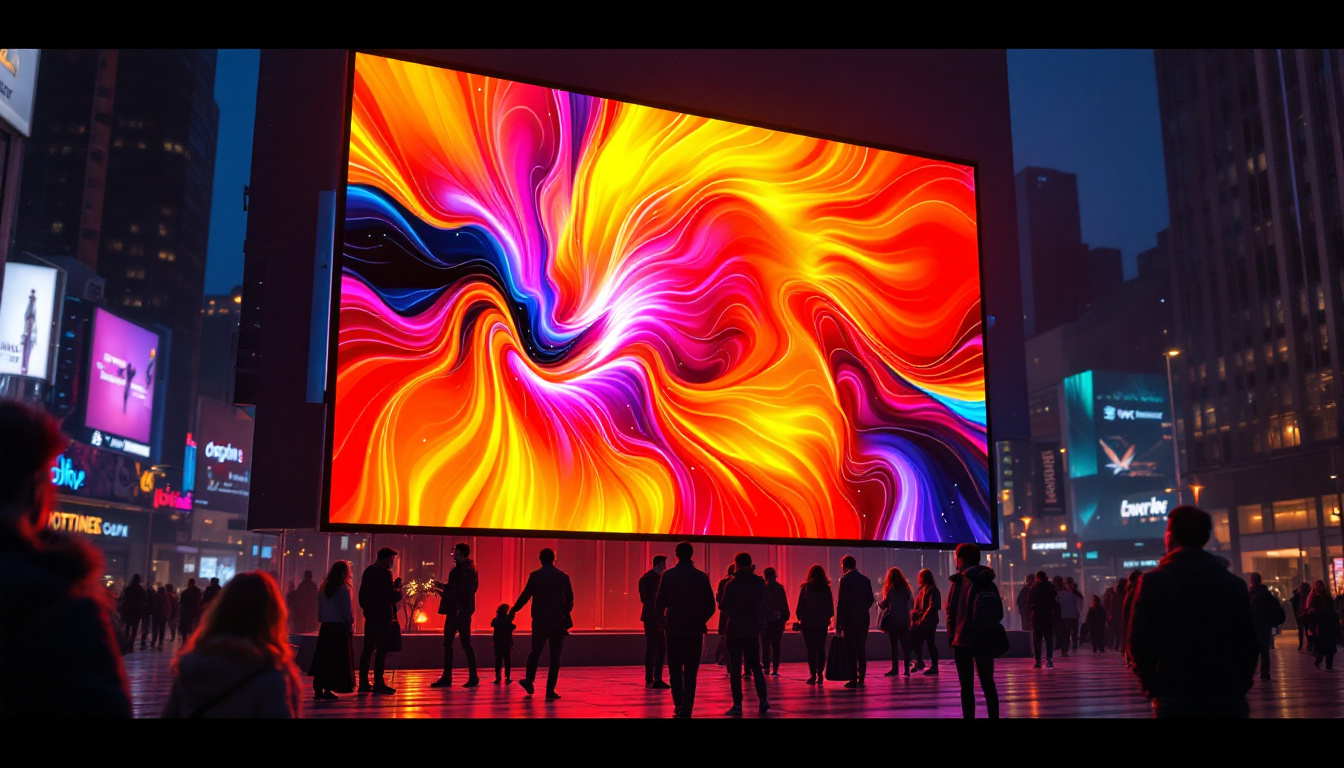
Stadiums and arenas worldwide are increasingly adopting LED displays for scoreboards, advertising, and live event broadcasting. The ability to deliver bright, clear images visible from every seat enhances the spectator experience and opens new revenue streams through targeted advertising.
For instance, during major events like the FIFA World Cup or the Olympics, LED displays are used extensively to provide instant replays, player stats, and interactive fan engagement, demonstrating their versatility and impact.
Outdoor Advertising and Digital Billboards
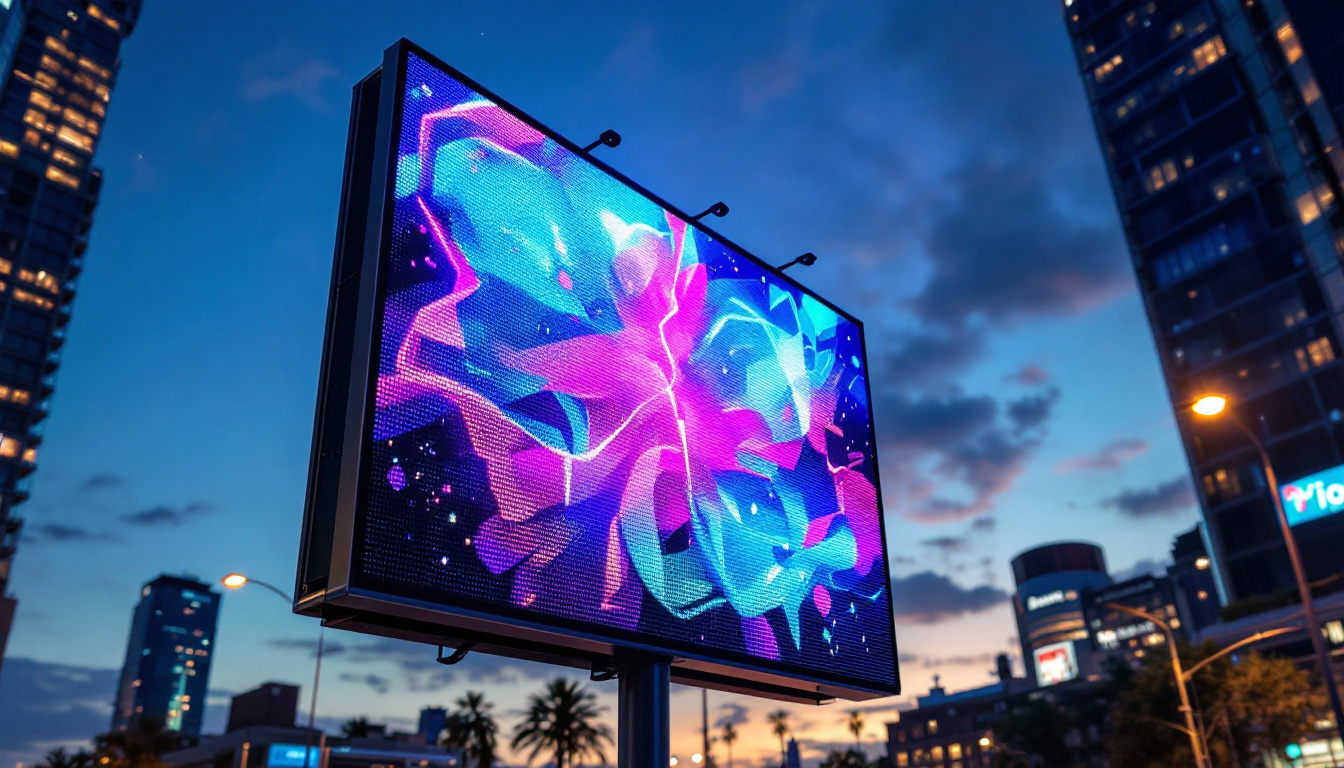
Digital billboards featuring LED technology have transformed the advertising landscape. According to industry reports, the global digital out-of-home advertising market is expected to grow at a CAGR of over 10% through 2027, driven largely by LED display adoption.
LED billboards offer advertisers the flexibility to update content remotely and schedule ads based on time of day or audience demographics. Their high visibility ensures messages reach a broad audience, maximizing return on investment.
Public Events and Community Engagement
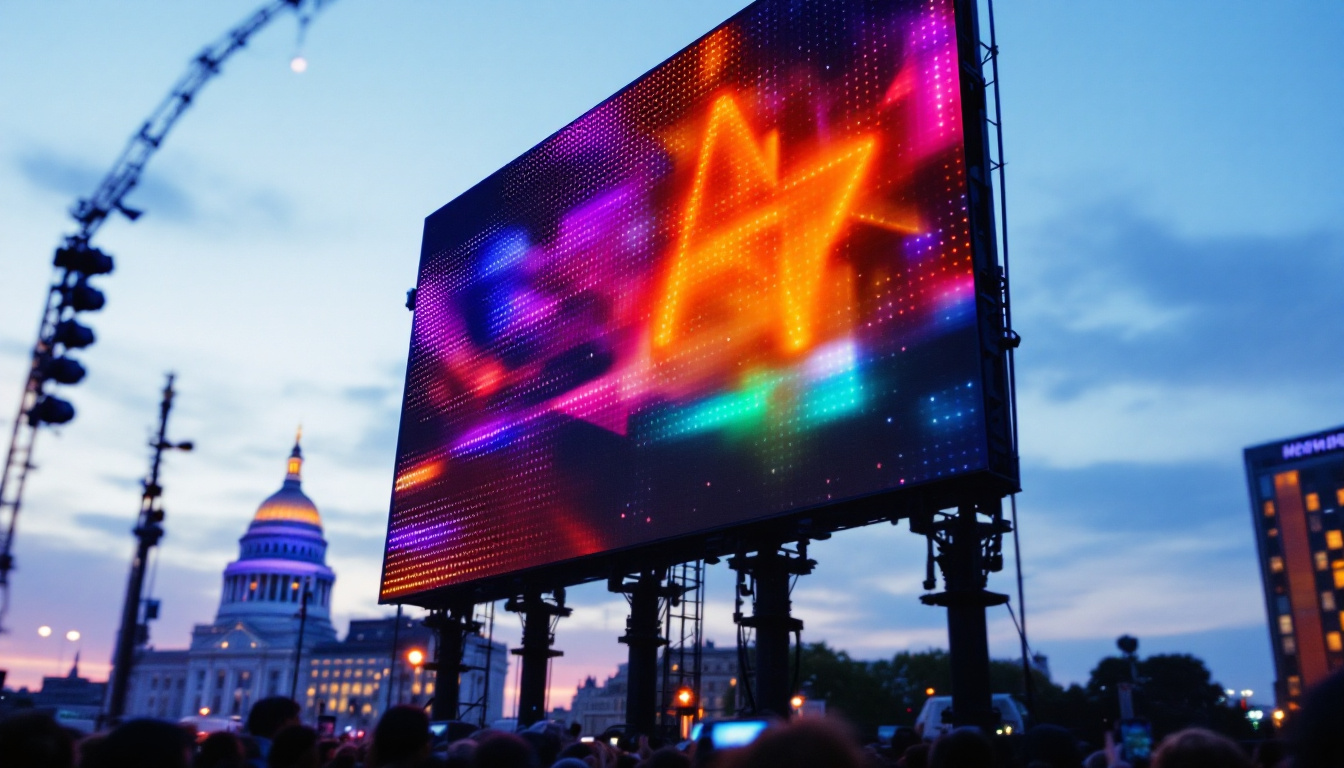
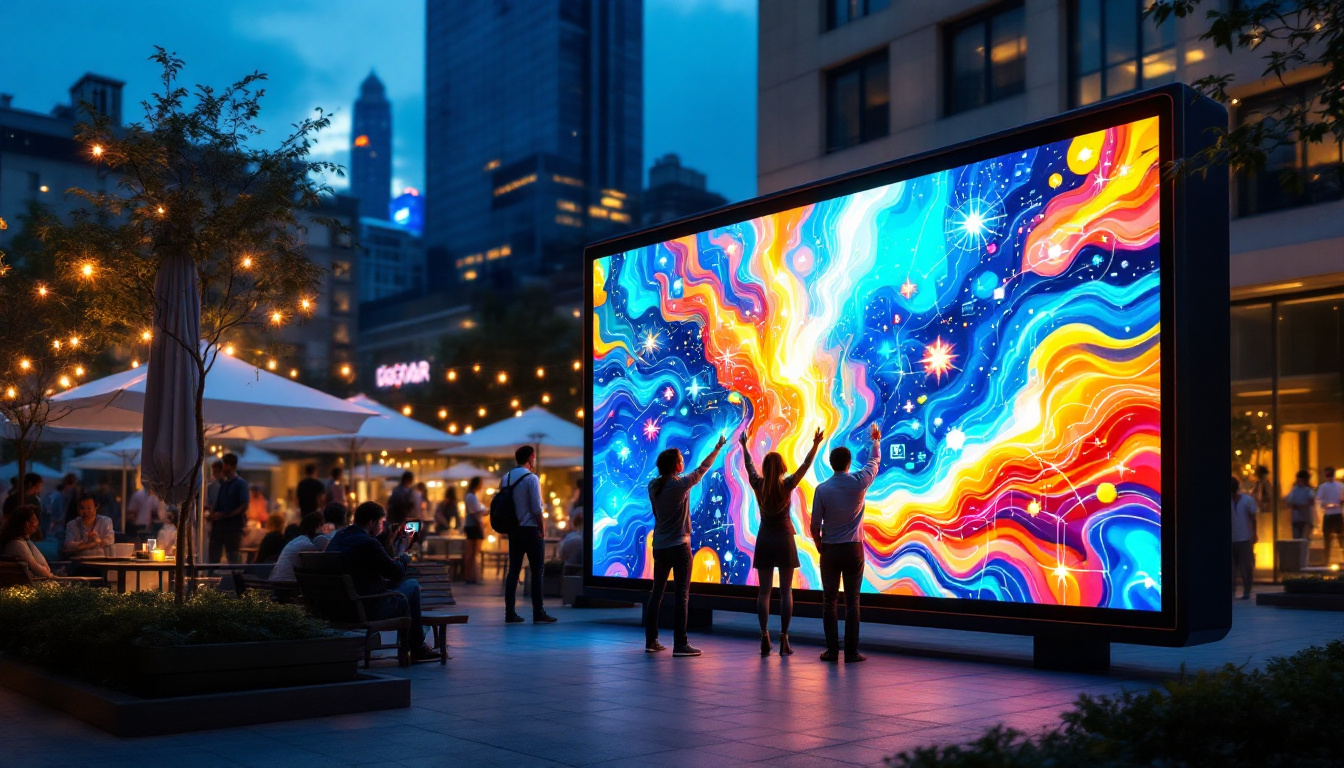
Outdoor LED displays are increasingly used for community events, festivals, and public information dissemination. Their ability to display live video feeds, announcements, and emergency alerts makes them invaluable tools for civic engagement and safety.
For example, during outdoor concerts or movie nights in parks, LED screens provide clear visuals that enhance audience enjoyment. In emergencies, these displays can broadcast critical information quickly and effectively to large crowds.
Choosing Between Outdoor Projection Screens and LED Displays
Cost Considerations
Initial investment is a key factor when deciding between outdoor projection screens and LED displays. Projection setups generally have lower upfront costs, especially for temporary or occasional use. However, the total cost of ownership should consider projector maintenance, lamp replacements, and potential weather-related damages.
LED displays require a higher initial investment but offer lower maintenance costs and longer service life. For venues or advertisers planning frequent or long-term outdoor displays, the cost benefits of LED technology become apparent over time.
Event Requirements and Environmental Factors
The nature of the event and environmental conditions heavily influence the choice of display technology. For nighttime events in controlled lighting environments, projection screens can be effective and economical. Conversely, for daytime events or locations with high ambient light, LED displays provide unmatched visibility and reliability.
Additionally, considerations such as screen size, portability, and installation complexity should be evaluated. LED displays offer modularity and scalability, while projection screens may be easier to set up for short-term use.
Content and Audience Engagement
For dynamic content that requires frequent updates, live video, or interactive elements, LED displays are superior. Their ability to deliver high-resolution, vibrant visuals enhances audience engagement and allows for creative content strategies.
Projection screens, while suitable for static or pre-recorded content, lack the flexibility and brightness needed for high-impact outdoor presentations in challenging lighting conditions.
Future Trends in Outdoor Display Technology
Advancements in LED Technology
LED technology continues to evolve, with innovations such as microLED and miniLED promising even higher resolution, improved energy efficiency, and thinner form factors. These advancements will further enhance the capabilities of outdoor displays, making them more versatile and cost-effective.
Integration with AI and IoT technologies is also on the horizon, enabling smarter content delivery, audience analytics, and automated maintenance alerts.
Hybrid Solutions and Emerging Alternatives
Emerging hybrid solutions combine projection and LED technologies to leverage the strengths of both. For example, projection mapping onto LED surfaces can create immersive visual experiences for events and advertising.
Other alternatives, such as laser displays and OLED panels, are being explored for outdoor use, but LED remains the dominant technology due to its proven performance and scalability.
Conclusion
Outdoor projection screens and LED displays each have distinct roles in the realm of outdoor visual media. While projection screens offer cost-effective solutions for specific scenarios, LED displays provide superior brightness, durability, and flexibility that meet the demands of modern outdoor environments.
For event organizers, advertisers, and venue operators seeking impactful, reliable, and engaging outdoor displays, investing in LED technology is often the most prudent choice. As LED technology continues to advance, its applications and benefits will only expand, shaping the future of outdoor entertainment and communication.
Illuminate Your Space with LumenMatrix
Ready to elevate your outdoor visual experience with unparalleled brightness, durability, and flexibility? LumenMatrix is at the forefront of LED display innovation, offering a wide array of solutions tailored to your unique needs. From vibrant Outdoor LED Wall Displays to dynamic Vehicle LED Displays and beyond, our technology is designed to captivate and engage your audience like never before. Discover the transformative power of our LED display modules and join the revolution in visual communication. Check out LumenMatrix LED Display Solutions today and see your vision come to life in brilliant clarity.