In recent years, LED technology has revolutionized the lighting industry, offering energy-efficient, durable, and versatile solutions for both residential and commercial spaces. Among the many applications of LED lighting, LED can lights have become particularly popular due to their sleek design and excellent performance. This article delves into the world of LED can lights, explaining what they are, how LED displays work, and what makes the best LED can lights stand out in today’s market.
Understanding LED Can Lights
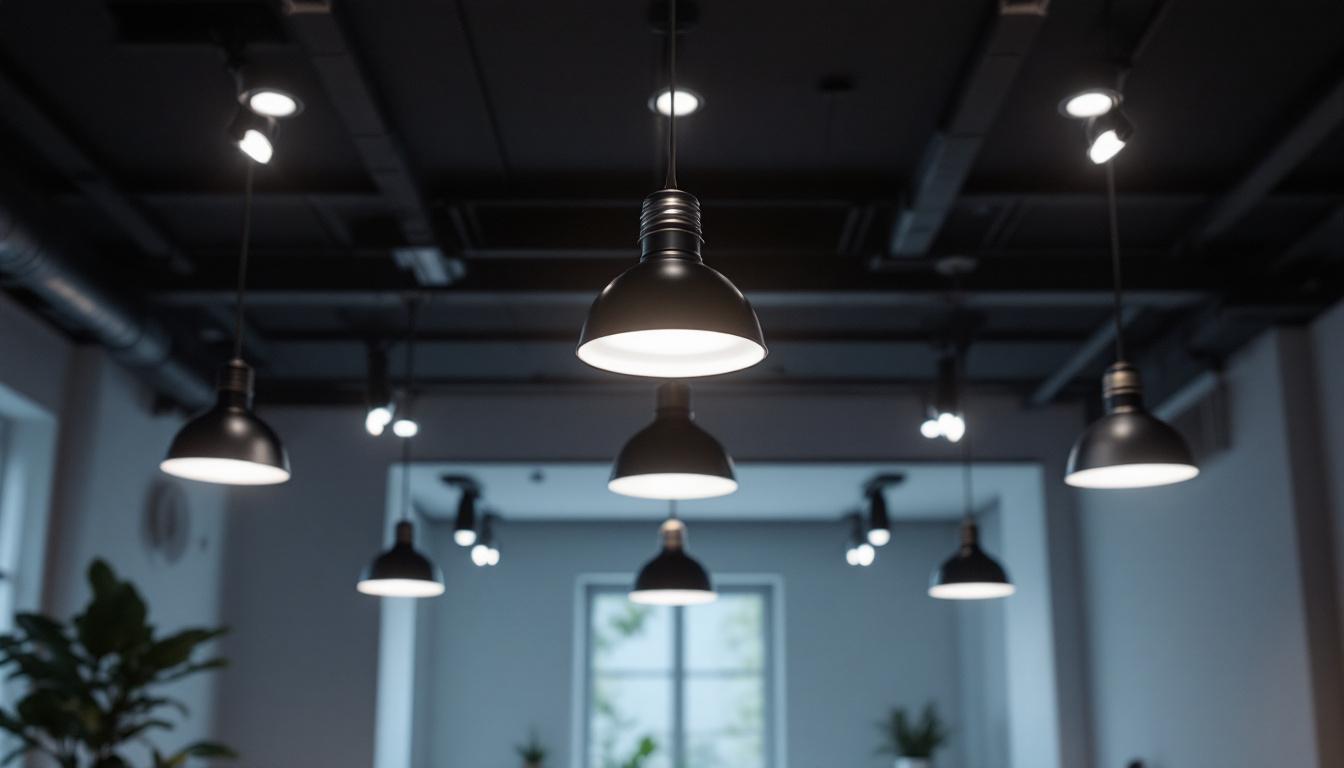
LED can lights, often referred to as recessed lights or downlights, are lighting fixtures installed into hollow openings in ceilings. When installed, they appear as if light is shining from a hole in the ceiling, concentrating the light in a downward direction. This design makes them ideal for modern spaces where a clean, unobtrusive lighting solution is desired.
Unlike traditional incandescent or fluorescent can lights, LED can lights use light-emitting diodes (LEDs) as their light source. LEDs are semiconductor devices that emit light when an electric current passes through them. This technology offers several advantages, including lower energy consumption, longer lifespan, and reduced heat output.
The Components of LED Can Lights
Typically, an LED can light consists of three main components: the housing, the trim, and the LED module. The housing is the recessed fixture installed into the ceiling, designed to hold the light securely. The trim is the visible part that frames the light and can come in various styles and finishes to complement interior designs. The LED module contains the LED chips and the driver, which regulates the power supplied to the LEDs.
Modern LED can lights often include dimmable features and color temperature options, allowing users to customize the ambiance according to their needs. Some advanced models also incorporate smart technology, enabling remote control and integration with home automation systems.
The Science Behind LED Displays
To understand LED can lights fully, it’s important to explore the basics of LED displays and how LEDs produce light. LED displays are electronic visual displays that use light-emitting diodes to present information. While LED can lights are not displays in the conventional sense, they rely on similar technology principles.
How LEDs Produce Light
LEDs generate light through a process called electroluminescence. When a voltage is applied across the semiconductor material inside the LED, electrons recombine with electron holes, releasing energy in the form of photons—this is visible light. The color of the light depends on the materials used in the semiconductor.
This process is highly efficient compared to incandescent bulbs, which produce light by heating a filament, wasting much of the energy as heat. LEDs convert most of the energy directly into light, resulting in higher luminous efficacy and lower energy consumption.
LED Display Technology and Its Relevance
LED displays are commonly used in televisions, computer monitors, digital billboards, and smartphone screens. These displays consist of thousands or millions of tiny LEDs arranged in a grid. Each LED can emit light independently, allowing for vibrant colors and high contrast ratios.
While LED can lights do not display images, the technology behind LED displays highlights the versatility and scalability of LEDs. The same principles that allow for bright, colorful displays also enable LED can lights to produce consistent, high-quality illumination in various settings.
Key Features of the Best LED Can Lights
Choosing the best LED can lights involves evaluating several factors that affect performance, aesthetics, and energy efficiency. Below are the key features to consider when selecting LED can lights for your space.
Energy Efficiency and Lifespan
One of the primary reasons homeowners and businesses switch to LED can lights is their superior energy efficiency. On average, LED can lights consume up to 75% less energy than traditional incandescent or halogen bulbs. This reduction translates into significant savings on electricity bills over time.
Moreover, LED can lights boast impressive lifespans, often lasting 25,000 to 50,000 hours or more. This longevity reduces maintenance costs and the inconvenience of frequent replacements, especially in commercial settings where lighting is used extensively.
Color Temperature and Light Quality
Color temperature, measured in Kelvins (K), describes the appearance of the light emitted by the LED. Warm white light (2700K–3000K) creates a cozy, inviting atmosphere, ideal for living rooms and bedrooms. Neutral white (3500K–4100K) offers a balanced, natural light suitable for kitchens and workspaces. Cool white (5000K–6500K) provides bright, daylight-like illumination, perfect for offices and retail environments.
High-quality LED can lights also provide excellent color rendering index (CRI), which measures how accurately colors appear under the light. A CRI of 80 or above is recommended for most indoor applications, ensuring colors look vibrant and true to life.
Dimmability and Smart Controls
Dimmable LED can lights offer greater control over lighting levels, enabling users to adjust brightness according to mood or task requirements. This feature also contributes to additional energy savings and extends the lifespan of the LEDs.
Smart LED can lights take this a step further by integrating with home automation systems and voice assistants. Users can schedule lighting, change color temperatures, and control lights remotely via smartphone apps, enhancing convenience and customization.
Installation and Compatibility
Ease of installation is another important consideration. Many LED can lights come with retrofit kits designed to fit into existing recessed housings, simplifying upgrades from older lighting technologies. New construction housings are also available for fresh installations.
Compatibility with existing dimmers and electrical systems is crucial to avoid flickering or reduced performance. It is advisable to check manufacturer specifications and, if necessary, consult with an electrician to ensure proper installation.
Top LED Can Light Models in 2024
The market for LED can lights has expanded significantly, with numerous brands offering a variety of models tailored to different needs. Below are some of the top-rated LED can lights based on performance, customer reviews, and expert evaluations.
Philips Hue White and Color Ambiance Downlight
Philips Hue is a leader in smart lighting, and their White and Color Ambiance Downlight combines the benefits of LED efficiency with advanced smart features. This model offers a full spectrum of colors and tunable white light, controlled via the Hue app or voice assistants. It is dimmable and integrates seamlessly with smart home systems.
Ideal for those seeking customizable ambiance and smart home compatibility, the Philips Hue downlight is a premium option with a price to match.
Lithonia Lighting 6-Inch LED Recessed Downlight
Lithonia Lighting’s 6-inch LED recessed downlight is known for its reliability and energy efficiency. With a color temperature of 3000K and a high CRI of 90, it delivers warm, natural light suitable for most residential and commercial spaces. It features a dimmable driver and is compatible with most standard housings.
This model is favored for its balance of quality, affordability, and ease of installation.
Halo RL560WH LED Retrofit Downlight
The Halo RL560WH is a popular retrofit option designed for quick installation into existing 5- or 6-inch housings. It offers a bright 800-lumen output with a color temperature of 2700K, producing warm white light. Its dimmable driver ensures smooth brightness control, and the trim design minimizes glare.
It is widely used in both residential and hospitality settings due to its performance and cost-effectiveness.
Commercial Electric 4-Inch LED Recessed Downlight
For smaller spaces or accent lighting, the Commercial Electric 4-inch LED recessed downlight is a solid choice. It features a 500-lumen output and a 3000K color temperature, providing warm, inviting light. Its compact size makes it suitable for kitchens, bathrooms, and hallways.
This model is appreciated for its affordability and consistent performance.
Benefits of Switching to LED Can Lights
Transitioning to LED can lights offers numerous advantages beyond energy savings. These benefits contribute to improved comfort, safety, and environmental responsibility.
Enhanced Energy Savings and Environmental Impact
LED can lights consume significantly less electricity than traditional lighting options, reducing greenhouse gas emissions associated with power generation. According to the U.S. Department of Energy, widespread adoption of LED lighting could save about 348 terawatt-hours of electricity annually by 2027, equivalent to the output of 44 large power plants.
Lower energy consumption also means reduced utility bills, making LED can lights a cost-effective investment over time.
Improved Light Quality and Comfort
LED can lights provide consistent, flicker-free illumination that reduces eye strain and enhances visual comfort. Their ability to offer various color temperatures allows users to tailor lighting to specific activities, whether it’s relaxing, reading, or working.
Additionally, LEDs produce minimal heat compared to incandescent bulbs, contributing to a cooler indoor environment and reducing air conditioning costs.
Durability and Safety
LED can lights are more durable than traditional bulbs because they have no fragile filaments and are resistant to shock and vibration. This robustness makes them suitable for high-traffic areas and commercial applications.
Furthermore, LEDs operate at lower temperatures, reducing the risk of burns or fire hazards. They also contain no hazardous materials like mercury, which is present in some fluorescent bulbs, making disposal safer and more environmentally friendly.
Choosing the Right LED Can Lights for Your Space
With so many options available, selecting the right LED can lights can be overwhelming. Here are some practical tips to help guide your decision.
Assess Your Lighting Needs
Consider the purpose of the lighting in each room. For ambient lighting, choose LED can lights with wider beam angles and softer color temperatures. Task lighting requires brighter, focused illumination, while accent lighting benefits from adjustable or directional fixtures.
Determine Size and Placement
Standard can light sizes range from 4 to 6 inches in diameter. Larger fixtures provide broader light coverage but may be less suitable for small rooms or low ceilings. Proper spacing ensures even illumination and avoids dark spots or glare.
Check Compatibility and Installation Requirements
Verify that the LED can lights you select are compatible with your existing housings or electrical systems. If installing new housings, consider insulation contact (IC) ratings, which indicate whether the fixture can safely be covered with insulation. This is important for energy efficiency and fire safety.
Prioritize Quality and Warranty
Investing in high-quality LED can lights from reputable manufacturers ensures better performance and reliability. Look for products with certifications such as ENERGY STAR and DLC (DesignLights Consortium), which indicate energy efficiency and quality standards. Additionally, a solid warranty provides peace of mind against defects or premature failure.
Conclusion
LED can lights represent a sophisticated and efficient lighting solution that combines modern aesthetics with cutting-edge technology. Understanding the fundamentals of LED technology and display principles helps appreciate why LED can lights outperform traditional lighting options in energy efficiency, longevity, and light quality.
By considering key features such as color temperature, dimmability, installation ease, and smart capabilities, consumers can select the best LED can lights tailored to their specific needs. Whether upgrading a home, office, or commercial space, LED can lights offer a compelling blend of performance, style, and sustainability that makes them an excellent choice for contemporary lighting design.
Illuminate Your Space with LumenMatrix
Ready to elevate your lighting experience with the latest in LED technology? LumenMatrix is at the forefront of innovation, offering a wide array of LED display modules tailored to your unique needs. From enhancing brand visibility with our Indoor and Outdoor LED Wall Displays to creating dynamic environments with our Floor and Custom LED Displays, we have the solutions to transform your space. Experience the revolution in visual communication and captivate your audience with LumenMatrix. Check out LumenMatrix LED Display Solutions today and see the difference for yourself.