In today’s visually driven world, the demand for high-quality display technology has never been greater. Whether it’s for home entertainment, professional design, or digital signage, consumers and businesses alike seek displays that deliver stunning clarity, vibrant colors, and reliable performance. Among the various display technologies available, LED displays have emerged as a leading choice, especially when paired with HD and 4K resolutions and optimized for light backgrounds.
This article delves into the intricacies of Light Background HD 4K LED displays, explaining what makes them stand out, how they work, and why they are becoming the preferred option in multiple applications. From technical foundations to practical benefits, this comprehensive guide will help you understand the technology behind these displays and how to choose the right one for your needs.
Understanding LED Display Technology
What Is an LED Display?
LED stands for Light Emitting Diode, a semiconductor device that emits light when an electric current passes through it. LED displays use an array of these tiny diodes as pixels to create images. Unlike traditional LCDs that rely on a backlight, LED displays can be either direct-emission or use LEDs as backlighting sources, resulting in better brightness, contrast, and energy efficiency.
There are two primary types of LED displays: direct-view LED and LED-backlit LCD. Direct-view LED displays consist of individual LEDs that form the image directly, commonly used in large outdoor screens and digital billboards. LED-backlit LCDs, on the other hand, use LEDs to illuminate an LCD panel, which modulates the light to produce images. This latter type is prevalent in consumer TVs, monitors, and laptops.
Why 4K Resolution Matters
4K resolution refers to a display resolution of approximately 3840 x 2160 pixels, offering four times the pixel count of Full HD (1920 x 1080). This increase in pixel density results in sharper images, finer details, and a more immersive viewing experience. For LED displays, especially those designed for close viewing distances, 4K resolution enhances clarity and reduces visible pixelation.
Incorporating 4K resolution into LED displays is particularly beneficial for applications such as professional photo and video editing, medical imaging, and high-end home theaters, where image fidelity is paramount. The combination of LED technology with 4K resolution ensures that colors remain vivid and details crisp, even on light backgrounds where subtle nuances might otherwise be lost.
The Role of Light Backgrounds in LED Displays
Why Light Backgrounds Are Challenging
Light backgrounds, such as white or pastel shades, can pose challenges for display technology. On such backgrounds, maintaining contrast and color accuracy is critical to prevent images from appearing washed out or dull. This is especially true for LED displays, where the brightness and color calibration must be finely tuned to preserve the integrity of the image.
For example, in user interfaces, websites, or digital signage that predominantly use light backgrounds, the display must ensure that text and graphics remain legible and vibrant. Poor handling of light backgrounds can lead to eye strain, reduced readability, and an overall subpar user experience.
How LED Displays Optimize for Light Backgrounds
Modern LED displays employ several techniques to optimize performance on light backgrounds. One key factor is high brightness capability. LEDs can achieve higher luminance levels compared to other display types, which helps maintain contrast even when displaying bright backgrounds.
Another important aspect is advanced color calibration. Manufacturers use sophisticated algorithms and hardware calibration tools to ensure that colors remain accurate and consistent across the entire brightness spectrum. This includes maintaining deep blacks and vibrant colors alongside bright whites, which is essential for light background content.
Additionally, technologies such as local dimming in LED-backlit LCDs help improve contrast by selectively dimming parts of the screen that should appear darker, enhancing the overall visual depth without compromising the brightness of light areas.
Benefits of Light Background HD 4K LED Displays
Enhanced Visual Clarity and Detail
The combination of LED technology with HD and 4K resolutions delivers exceptional visual clarity. On light backgrounds, this means that even the smallest text and intricate graphics remain sharp and easy to read. This is particularly advantageous in professional environments such as graphic design studios, where precision is crucial.
Improved Color Accuracy and Vibrancy
LED displays are known for their wide color gamut and ability to reproduce vivid colors. When paired with proper calibration, they can render light backgrounds without color distortion, ensuring that whites are pure and colors are true to life. This accuracy is vital for industries like photography, video production, and advertising, where color fidelity impacts the final output quality.
Reduced Eye Strain and Better Viewing Comfort
High-quality LED displays with optimized light background performance help reduce eye strain by maintaining consistent brightness and contrast levels. Flicker-free technology and blue light reduction features further contribute to comfortable long-term viewing, which is essential for users who spend extended hours in front of screens.
Energy Efficiency and Longevity
Compared to older display technologies, LED displays are more energy-efficient, consuming less power while delivering higher brightness. This efficiency translates into cost savings over time and a smaller environmental footprint. Additionally, LEDs have a longer lifespan, reducing the need for frequent replacements and maintenance.
Applications of Light Background HD 4K LED Displays
Professional and Creative Workspaces
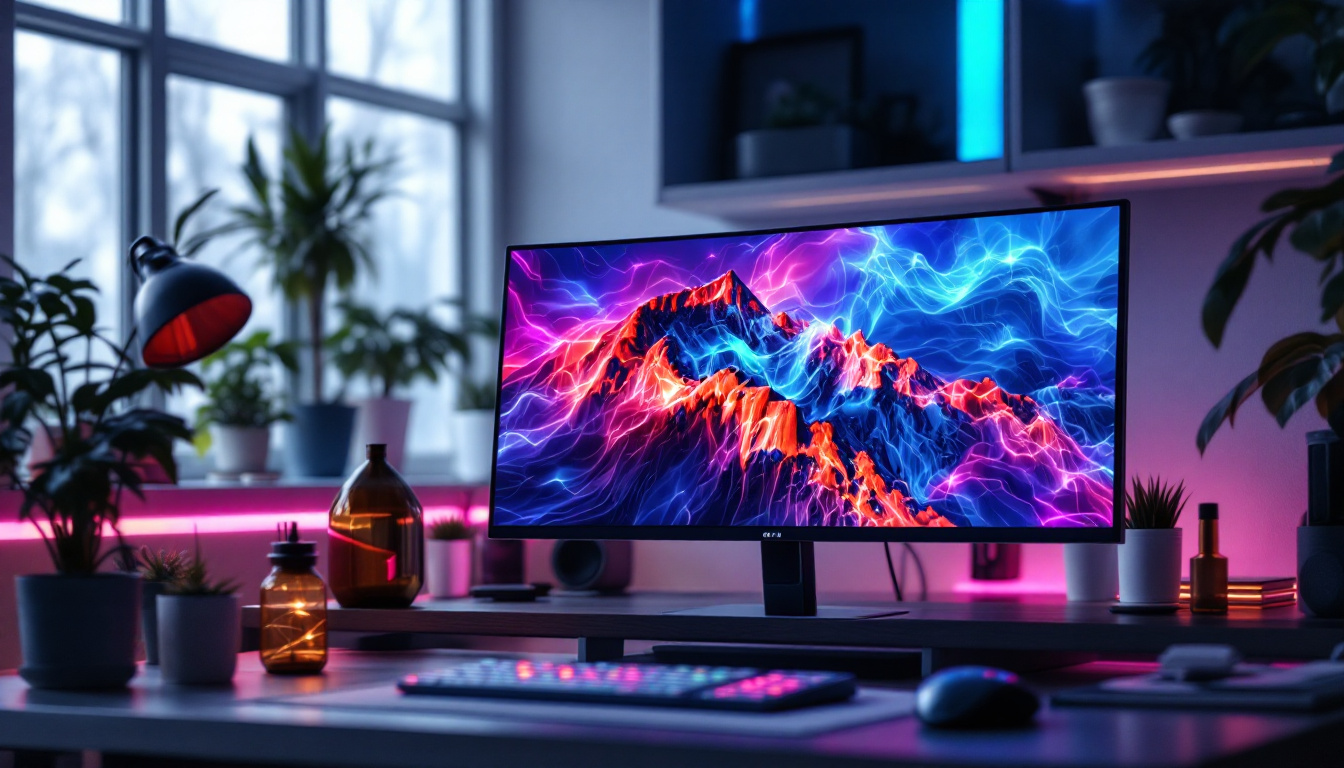
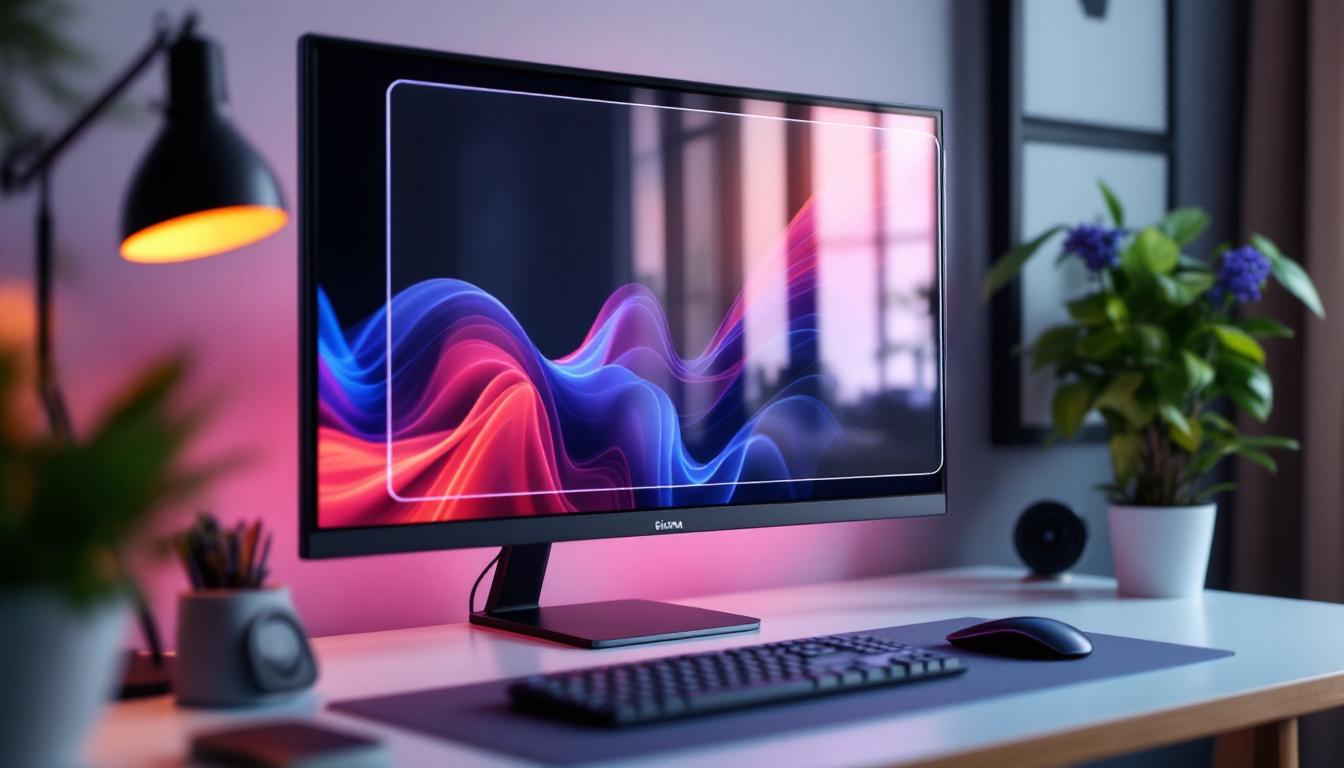
Designers, photographers, and video editors benefit immensely from LED displays that support 4K resolution and handle light backgrounds effectively. Accurate color reproduction and sharp detail are essential for editing tasks, and the ability to display light-themed interfaces without loss of quality improves workflow efficiency.
Corporate and Educational Environments
In offices and classrooms, presentations and digital content often use light backgrounds for readability. LED displays with HD and 4K capabilities ensure that slides, documents, and educational materials are clear and engaging. Their brightness and contrast also make them suitable for rooms with varying lighting conditions.
Retail and Digital Signage
Retailers and advertisers use LED displays to attract customers with bright, eye-catching visuals. Light backgrounds are common in branding and promotional content, and LED displays ensure these visuals remain vibrant and readable even in brightly lit environments. The scalability of LED technology also allows for large-format displays that maintain quality across vast surfaces.
Home Entertainment
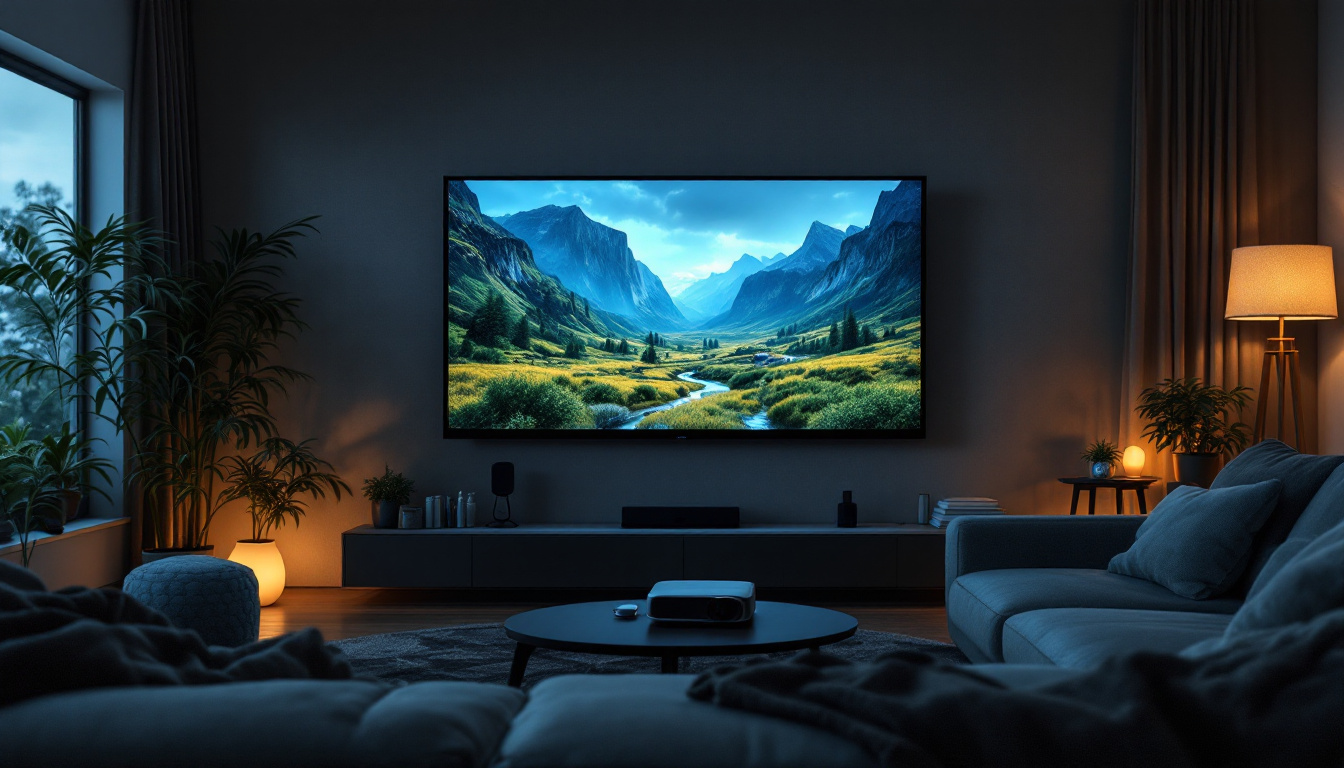
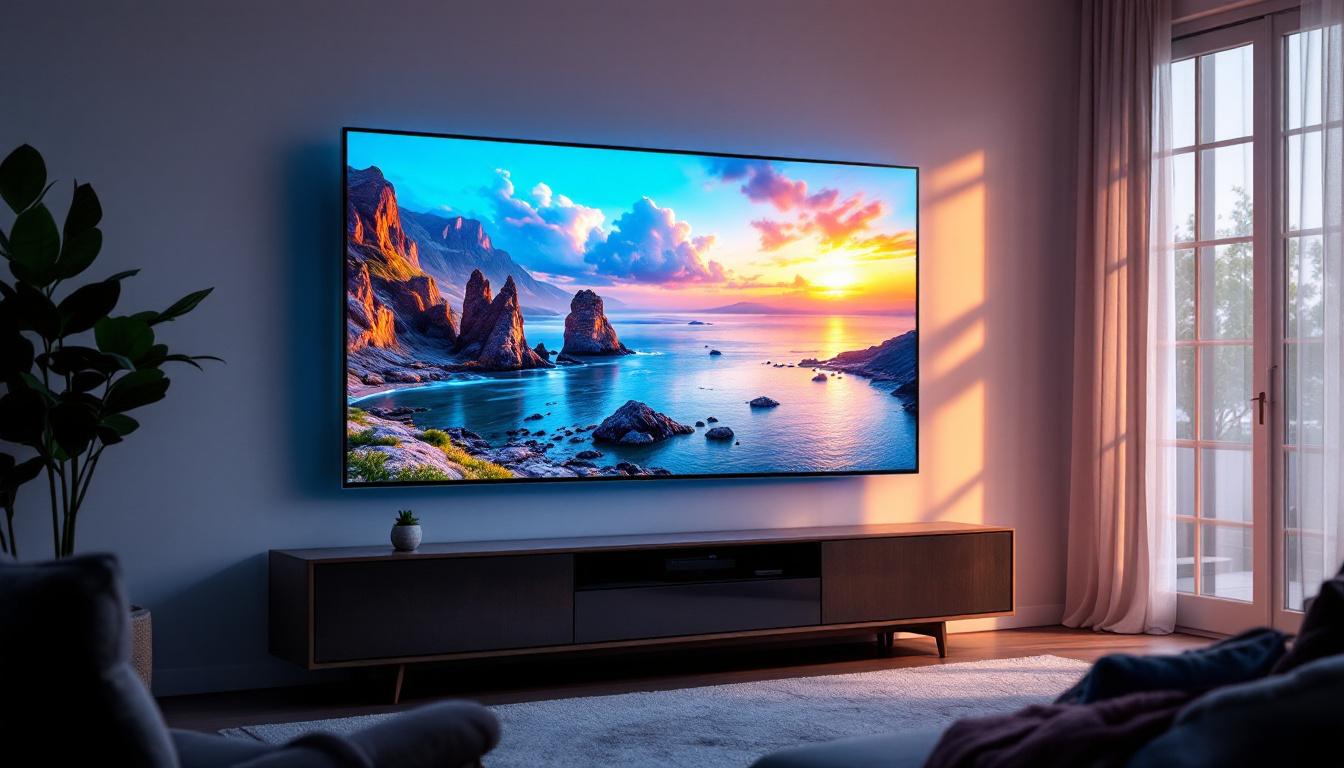
For consumers, LED TVs and monitors with 4K resolution and excellent light background handling deliver immersive viewing experiences. Whether watching movies, gaming, or browsing the web, users enjoy crisp images, accurate colors, and comfortable viewing conditions. The technology also supports HDR (High Dynamic Range), further enhancing picture quality.
Choosing the Right Light Background HD 4K LED Display
Consider the Display Type
When selecting a display, it’s important to differentiate between direct-view LED and LED-backlit LCD. Direct-view LED displays offer superior brightness and are ideal for large-scale installations, but they tend to be more expensive. LED-backlit LCDs are more common for consumer devices and provide excellent performance for most indoor applications.
Check Brightness and Contrast Specifications
Look for displays with high brightness levels (measured in nits) to ensure good visibility on light backgrounds. A brightness of 400 nits or higher is generally recommended for indoor environments. Contrast ratio is equally important; higher contrast ratios mean better differentiation between light and dark areas, enhancing image depth.
Evaluate Color Accuracy and Calibration Features
Displays that support wide color gamuts such as DCI-P3 or Adobe RGB are preferable for professional use. Some models come factory-calibrated or offer hardware calibration tools, which help maintain color accuracy over time. These features are crucial for tasks that demand precise color representation.
Consider Viewing Angles and Screen Coatings
Wide viewing angles ensure that the image quality remains consistent when viewed from different positions, which is important for collaborative environments. Anti-reflective coatings can reduce glare, improving visibility on light backgrounds, especially in brightly lit rooms.
Assess Connectivity and Additional Features
Modern LED displays come with multiple input options such as HDMI 2.1, DisplayPort, and USB-C, enabling compatibility with a wide range of devices. Features like HDR support, low blue light modes, and flicker-free technology enhance the overall user experience.
Future Trends in LED Display Technology
Mini-LED and Micro-LED Innovations
Emerging technologies like Mini-LED and Micro-LED are pushing the boundaries of LED display performance. Mini-LED uses thousands of tiny LEDs for backlighting, allowing for more precise local dimming and improved contrast on light backgrounds. Micro-LED, which involves microscopic LEDs forming the actual pixels, promises even higher brightness, better energy efficiency, and longer lifespans.
Integration with Smart Technologies
LED displays are increasingly integrated with smart features, including AI-driven image optimization, voice control, and IoT connectivity. These advancements enable displays to adapt dynamically to ambient lighting conditions and user preferences, enhancing the viewing experience on light backgrounds.
Environmental and Sustainability Considerations
Manufacturers are focusing on eco-friendly materials and energy-saving designs to reduce the environmental impact of LED displays. Advances in recycling and sustainable production methods are expected to become standard in the industry.
Conclusion
Light Background HD 4K LED displays represent a convergence of cutting-edge technology designed to meet the demands of modern visual experiences. By combining the superior brightness and color capabilities of LED technology with the sharpness of 4K resolution, these displays excel at rendering light backgrounds with clarity and vibrancy.
Whether for professional use, corporate settings, retail signage, or home entertainment, understanding the features and benefits of these displays is essential for making informed purchasing decisions. As LED technology continues to evolve, users can expect even more impressive performance, energy efficiency, and versatility in the years to come.
Investing in a high-quality Light Background HD 4K LED display ensures not only stunning visuals but also a future-proof solution that adapts to the growing needs of digital content consumption.
Discover LumenMatrix’s Advanced LED Display Solutions
Ready to elevate your visual experience with the latest in LED display technology? Look no further than LumenMatrix, where innovation meets excellence. Our comprehensive range of LED display solutions, from vibrant Indoor and Outdoor LED Wall Displays to dynamic Vehicle and Sports LED Displays, is designed to bring your content to life. Whether you’re looking to create an immersive home entertainment system or seeking to boost your brand’s visibility with captivating digital signage, LumenMatrix has the cutting-edge technology to make it happen. Check out LumenMatrix LED Display Solutions today and join the revolution in visual communication.