In the rapidly evolving world of display technology, understanding the differences between OLED and LED displays is essential for consumers, designers, and tech enthusiasts alike. Both OLED (Organic Light Emitting Diode) and LED (Light Emitting Diode) displays have transformed how we view digital content, but their underlying technologies and performance characteristics vary significantly. This article provides a comprehensive explanation of LED displays, a detailed demonstration of OLED technology, and a comparison to help you make informed decisions when selecting display devices.
Understanding LED Display Technology
LED displays have become ubiquitous in modern electronics, from television screens and computer monitors to large-scale advertising billboards. At their core, LED displays use light-emitting diodes as a backlighting source to illuminate pixels on an LCD (Liquid Crystal Display) panel. This combination allows for bright, energy-efficient screens with vibrant colors. The versatility of LED technology has also paved the way for innovations in various fields, including automotive displays, smart home devices, and even wearable technology, showcasing its adaptability and relevance in today’s digital landscape.
How LED Displays Work
Traditional LED displays are essentially LCD panels lit from behind by an array of LEDs. The LCD layer contains liquid crystals that modulate light passing through them to create images. The LEDs provide the necessary illumination, and by controlling the brightness of individual LEDs or groups of LEDs, the display can produce varying levels of contrast and color. This intricate process involves complex circuitry and software algorithms that ensure the colors are accurately represented, making LED displays a marvel of modern engineering.
There are two main types of LED backlighting: edge-lit and full-array. Edge-lit LED displays position LEDs along the edges of the screen, using light guides to distribute illumination. This design allows for thinner screens but can lead to uneven brightness. Full-array LED displays place LEDs directly behind the LCD panel in a grid pattern, enabling local dimming—turning off specific LEDs to enhance contrast and black levels. The advancements in full-array technology have significantly improved the viewing experience, allowing for deeper blacks and more vibrant colors, which are particularly noticeable in high-definition content.
Advantages of LED Displays
LED displays offer several benefits that have contributed to their widespread adoption. They are generally more energy-efficient than older CCFL (Cold Cathode Fluorescent Lamp) backlit LCDs, provide higher brightness levels suitable for well-lit environments, and tend to have longer lifespans. Additionally, LED technology enables thinner and lighter displays, which is critical for mobile devices and slim televisions. The ability to produce a wide color gamut has also made LED displays a preferred choice for photographers and graphic designers who require precise color accuracy in their work. Furthermore, the durability of LED technology means that displays can withstand harsher conditions, making them ideal for outdoor use, such as in stadiums or public transport systems.
Limitations of LED Displays
Despite their advantages, LED displays have inherent limitations. Since the LCD layer blocks light to create images, achieving true blacks is challenging; even with local dimming, some light bleed can occur, reducing contrast. Viewing angles are often narrower compared to OLED displays, and response times can be slower, which may affect fast-moving images in gaming or sports. Additionally, the manufacturing process of LED displays can lead to variations in color and brightness across different units, which may be a concern for consumers seeking uniformity in multi-display setups. As technology progresses, researchers are exploring new materials and methods to overcome these challenges, potentially leading to the next generation of display technologies that could further enhance visual experiences.
OLED Technology: A Demonstration of Innovation
Organic Light Emitting Diode (OLED) technology represents a significant leap forward in display innovation. Unlike LED displays that rely on backlighting, OLED screens generate light at the pixel level, allowing for unprecedented control over image quality.
How OLED Displays Work
OLED displays consist of thin layers of organic compounds that emit light when an electric current passes through them. Each pixel in an OLED panel is a tiny light source capable of producing its own light and color. This self-emissive property means OLED displays do not require a separate backlight, enabling deeper blacks and higher contrast ratios.
The organic materials used in OLEDs are sandwiched between two electrodes and deposited on a substrate. When voltage is applied, electrons and holes recombine in the organic layer, releasing energy in the form of photons—visible light. This process allows for highly flexible and thin display panels, which can be curved or even folded.
Key Advantages of OLED Displays
One of the most notable benefits of OLED technology is its ability to produce perfect blacks. Since pixels can be turned off completely, OLED displays achieve infinite contrast ratios, resulting in more vibrant and lifelike images. Additionally, OLEDs offer wider viewing angles without color distortion and faster response times, making them ideal for high-definition video and gaming.
OLED displays also tend to consume less power when displaying darker images, as black pixels are essentially off. This efficiency can extend battery life in devices like smartphones and laptops. Furthermore, the flexibility of OLED panels has spurred innovation in foldable smartphones, wearable devices, and ultra-thin televisions.
Challenges and Considerations with OLED
Despite their impressive qualities, OLED displays face challenges related to longevity and cost. Organic materials can degrade over time, leading to issues like burn-in, where static images leave permanent marks on the screen. Manufacturers have implemented various techniques to mitigate this, such as pixel shifting and screen savers.
Cost is another factor; OLED panels are generally more expensive to produce than LED-backlit LCDs, which can affect the price of consumer electronics. However, advances in manufacturing processes and economies of scale are gradually narrowing this gap.
Comparing OLED and LED Displays: What You Need to Know
Choosing between OLED and LED displays depends on several factors, including usage scenarios, budget, and personal preferences. Understanding the strengths and weaknesses of each technology can help guide your decision.
Image Quality and Contrast
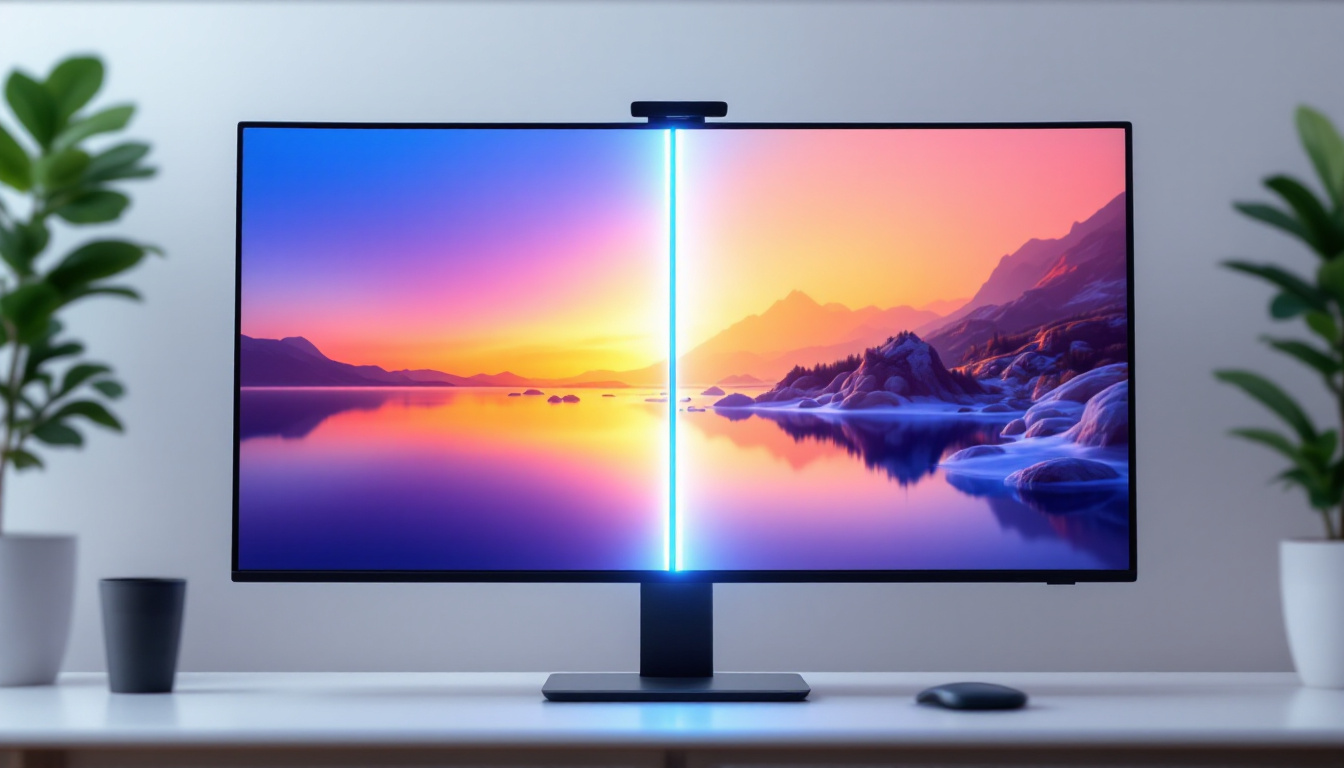
OLED displays excel in image quality, with superior contrast ratios and deeper blacks due to their self-emissive pixels. LED displays, even with local dimming, cannot match the perfect black levels of OLEDs because of the backlight’s inherent light bleed. For viewers prioritizing cinematic visuals and color accuracy, OLED is often the preferred choice.
Brightness and Outdoor Use
LED displays typically achieve higher peak brightness levels, making them better suited for brightly lit environments or outdoor use. OLED screens can struggle in direct sunlight due to lower maximum brightness, although recent advancements have improved their performance in this area.
Durability and Lifespan
LED displays generally have longer lifespans and are less susceptible to burn-in compared to OLEDs. For applications requiring static images or prolonged display of logos, LED may be more reliable. However, modern OLED panels have improved significantly, with manufacturers offering warranties that address burn-in concerns.
Viewing Angles and Response Times
OLED displays provide wider viewing angles and faster response times, reducing motion blur and color shifting when viewed from different perspectives. This makes them ideal for gaming, sports, and multi-viewer environments. LED displays can exhibit color distortion and slower pixel response, which may impact visual experience in these scenarios.
Energy Efficiency
Energy consumption varies depending on the content displayed. OLEDs are more efficient when showing darker images, as pixels are turned off, while LED displays maintain a constant backlight brightness. For predominantly bright content, LED displays may consume less power. This distinction is important for mobile devices where battery life is a priority.
Practical Applications and Industry Trends
Both OLED and LED technologies continue to evolve and find applications across various industries. Understanding their current and emerging uses provides insight into future display trends.
Consumer Electronics
OLED displays dominate the premium smartphone and television markets, with brands like Samsung, LG, and Sony offering flagship devices featuring OLED panels. The technology’s superior image quality and design flexibility appeal to consumers seeking the best visual experience. Meanwhile, LED-backlit LCDs remain popular in budget and mid-range devices due to their cost-effectiveness.
Commercial and Industrial Displays
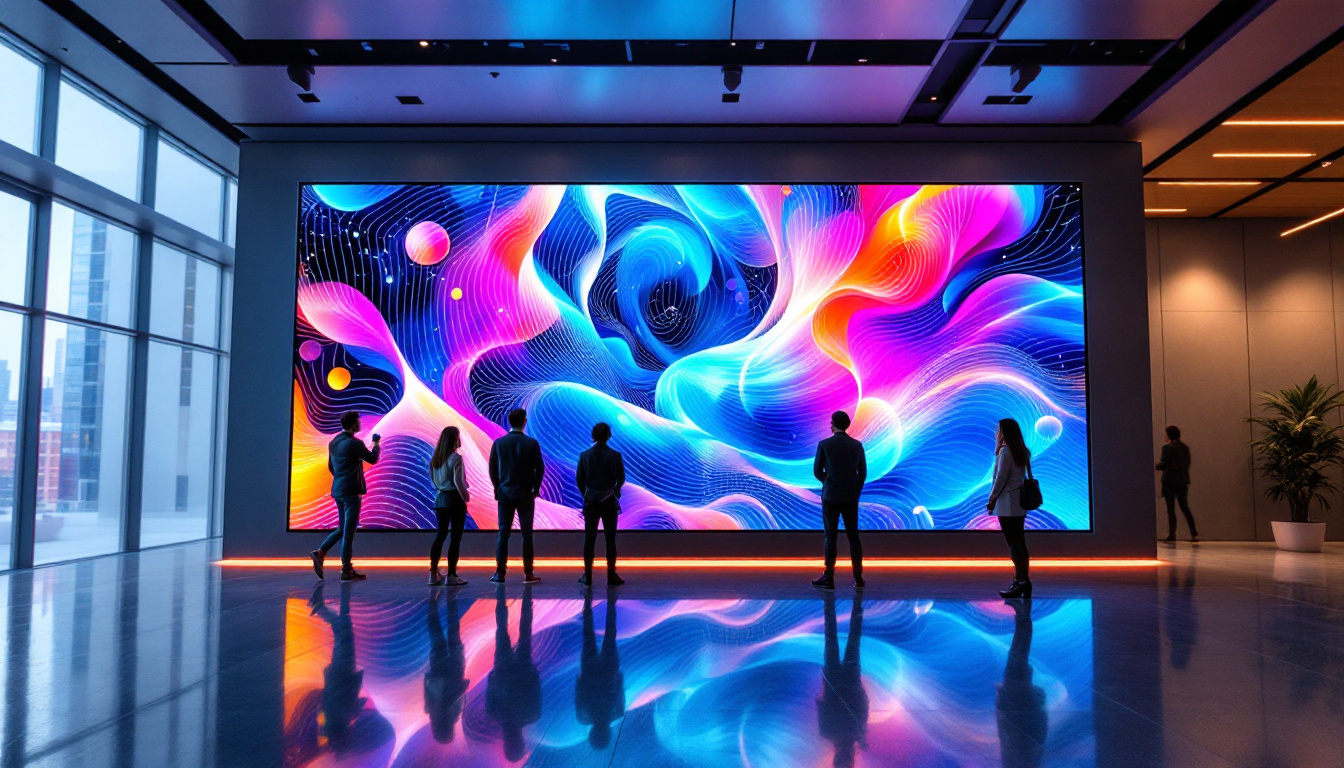
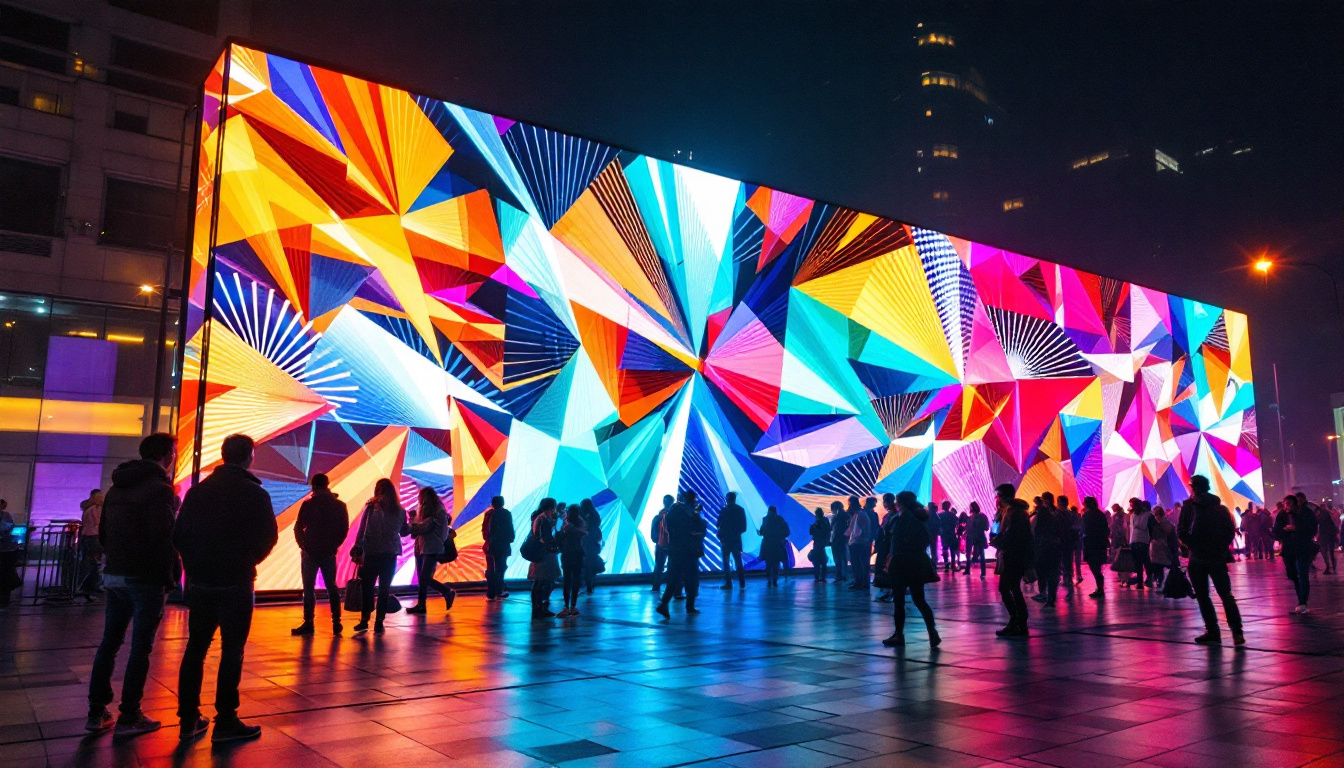
LED displays are widely used in large-format signage, digital billboards, and video walls due to their high brightness and scalability. Full-color LED panels can be assembled into massive screens visible from great distances, making them ideal for stadiums, transportation hubs, and retail environments.
OLED technology is gradually entering commercial spaces, especially where high resolution and image quality are paramount, such as in luxury retail displays and art installations. However, cost and durability considerations currently limit widespread adoption in these sectors.
Emerging Technologies and Innovations
Recent advancements include flexible and transparent OLED displays, enabling new form factors like foldable smartphones and heads-up displays in vehicles. Researchers are also exploring microLED technology, which combines the self-emissive benefits of OLED with the brightness and longevity of traditional LEDs, potentially offering the best of both worlds.
Conclusion: Making the Right Choice for Your Needs
Both OLED and LED display technologies have distinct advantages that cater to different user needs. OLED excels in delivering stunning image quality, perfect blacks, and design versatility, making it the top choice for high-end consumer electronics and immersive viewing experiences. LED displays, with their superior brightness, durability, and cost-effectiveness, remain indispensable for large-scale commercial applications and budget-conscious consumers.
When selecting a display, consider factors such as viewing environment, usage patterns, budget, and desired image quality. Staying informed about ongoing technological developments will also help you anticipate future trends and make choices that align with your long-term needs.
As display technologies continue to advance, the line between OLED and LED performance is expected to blur, offering consumers increasingly sophisticated options. Understanding the fundamental differences and capabilities of each technology ensures that you remain empowered to select the best display for your unique requirements.
Discover Cutting-Edge LED Displays with LumenMatrix
Ready to elevate your visual experience with the latest in LED display technology? Look no further than LumenMatrix, a pioneer in crafting LED display modules that bring your content to life. Whether you’re in need of an Indoor LED Wall Display for a corporate event, an Outdoor LED Wall Display for advertising, or any of our other innovative solutions like Vehicle LED Displays and LED Sports Displays, LumenMatrix has you covered. Embrace the future of visual communication and captivate your audience with unparalleled clarity and impact. Check out LumenMatrix LED Display Solutions today and see the difference for yourself.