In today’s fast-paced digital world, interactive display solutions have become essential tools for communication, education, advertising, and entertainment. Among these technologies, LED displays stand out due to their vibrant visuals, energy efficiency, and adaptability across various environments. This article delves into the intricacies of LED displays, exploring their technology, applications, benefits, and future trends to provide a comprehensive understanding for businesses, educators, and tech enthusiasts alike.
Understanding LED Display Technology
What is an LED Display?
LED stands for Light Emitting Diode, a semiconductor device that emits light when an electric current passes through it. An LED display is a flat panel that uses an array of these tiny LEDs to create images, videos, and text. Unlike traditional LCD or plasma screens, LED displays use these diodes as individual pixels, which can be controlled to produce bright, high-contrast visuals.
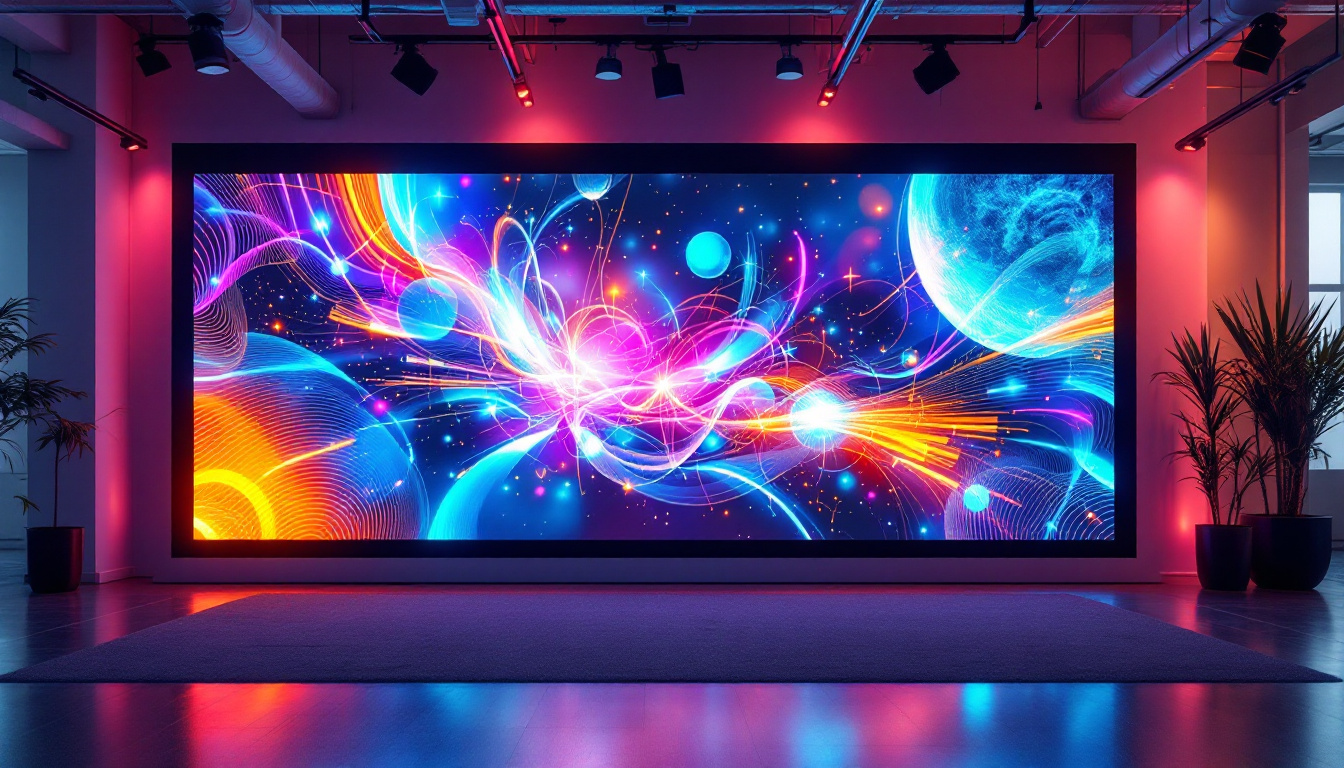
LED displays come in various forms, including indoor and outdoor screens, video walls, and digital signage. The technology behind them involves arranging thousands or even millions of tiny LEDs in a grid, each capable of emitting red, green, and blue light. By adjusting the intensity of each LED, the display can render millions of colors, resulting in crisp and vivid images. This capability makes LED displays particularly popular in environments where visibility is crucial, such as concerts, sporting events, and advertising, where they can capture attention even in bright daylight.
Furthermore, the longevity and durability of LED technology contribute to its appeal. Unlike traditional display technologies, LEDs have a significantly longer operational life, often exceeding 100,000 hours, which means they require less frequent replacement. This longevity translates into lower maintenance costs and a reduced environmental impact, making LED displays a more sustainable choice for businesses and organizations looking to minimize their carbon footprint.
Types of LED Displays
There are primarily two types of LED displays: Direct View LED (DVLED) and LED-backlit LCD. Direct View LED displays use LEDs as the light source and image pixels themselves, offering exceptional brightness and contrast. These are commonly used for large-scale applications like stadium screens and billboards. The modular nature of DVLED technology allows for seamless integration into various shapes and sizes, enabling creative installations that can adapt to any space, from massive outdoor displays to intricate indoor designs.
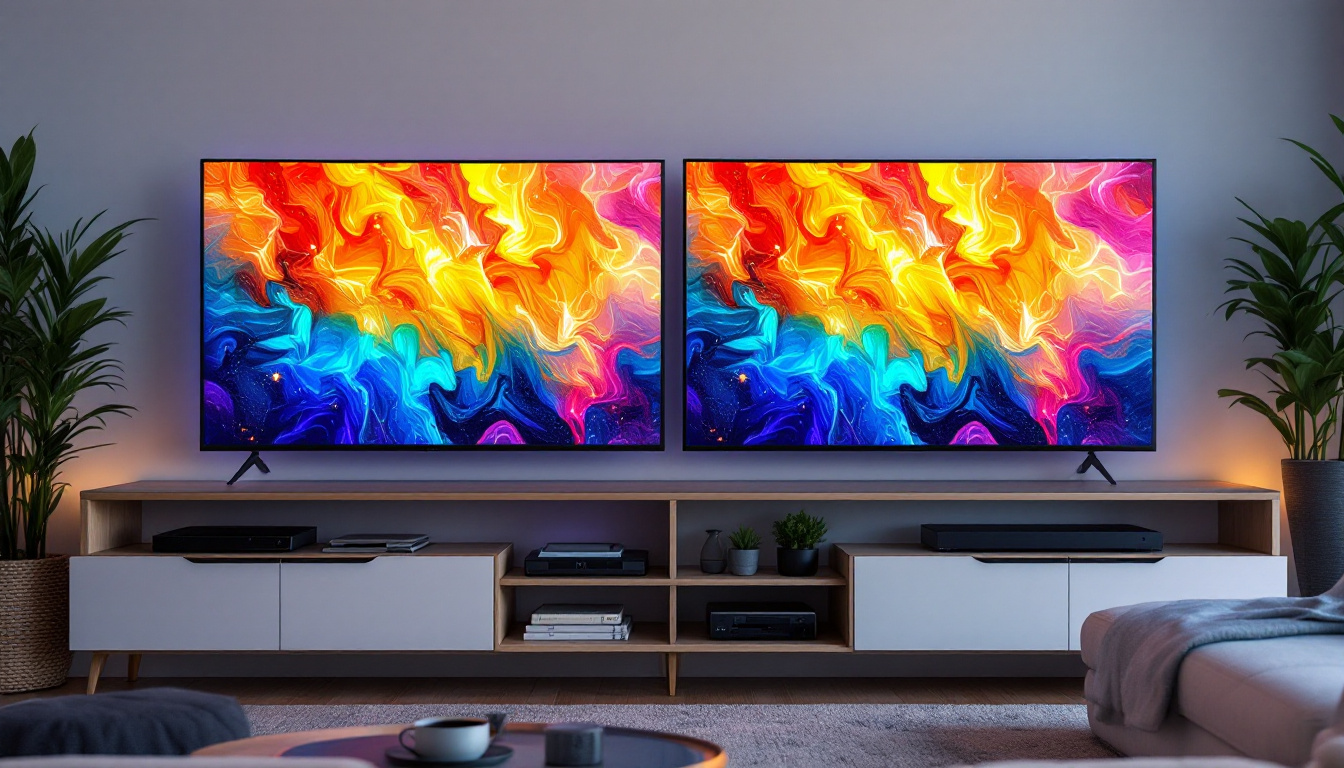
In contrast, LED-backlit LCDs use LEDs to illuminate an LCD panel, improving brightness and energy efficiency over older CCFL-backlit LCDs. While these are prevalent in consumer electronics such as TVs and monitors, the term “LED display” typically refers to Direct View LED technology in professional and commercial contexts. The advancements in LED-backlit technology have also led to innovations such as local dimming, which enhances contrast ratios by allowing specific areas of the screen to dim independently, resulting in deeper blacks and more vibrant colors. This feature is particularly beneficial for viewing high-definition content, where detail and clarity are paramount.
Key Features and Advantages of LED Displays
Brightness and Visibility
One of the most significant advantages of LED displays is their superior brightness. LEDs can achieve brightness levels of up to 5,000 nits or more, making them easily visible even in direct sunlight. This feature is particularly important for outdoor signage, where ambient light can wash out less luminous displays.
Moreover, LED displays offer excellent viewing angles, often exceeding 160 degrees horizontally and vertically. This ensures that content is visible and clear from almost any position, which is crucial in public spaces and large venues.
Energy Efficiency and Longevity
LED technology is renowned for its energy efficiency compared to traditional display technologies. LEDs consume less power while delivering brighter images, which translates to lower operating costs and reduced environmental impact. For instance, a typical LED display can use up to 50% less energy than a comparable LCD screen.
Additionally, LEDs have a long operational lifespan, often exceeding 100,000 hours. This durability minimizes maintenance and replacement costs, making LED displays a cost-effective investment over time.
Flexibility and Customization
LED displays are highly versatile and can be customized to fit various sizes and shapes. They can be configured as single large panels, modular video walls, curved displays, or even flexible screens that wrap around surfaces. This adaptability allows businesses and organizations to create immersive environments tailored to their specific needs.
Furthermore, pixel pitch—the distance between individual LEDs—can be adjusted to balance resolution and viewing distance. Smaller pixel pitches provide higher resolution suitable for close-up viewing, while larger pitches are ideal for distant audiences.
Applications of Interactive LED Display Solutions
Corporate and Educational Environments
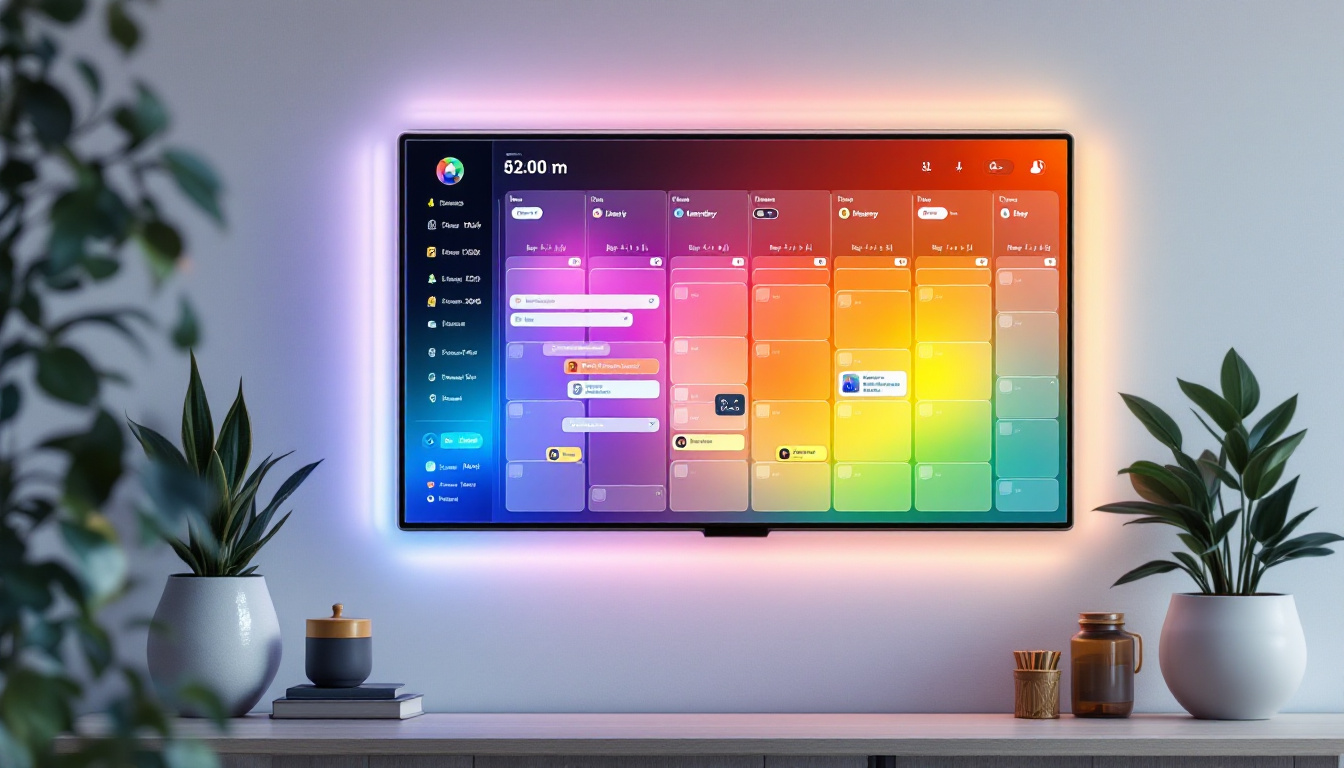
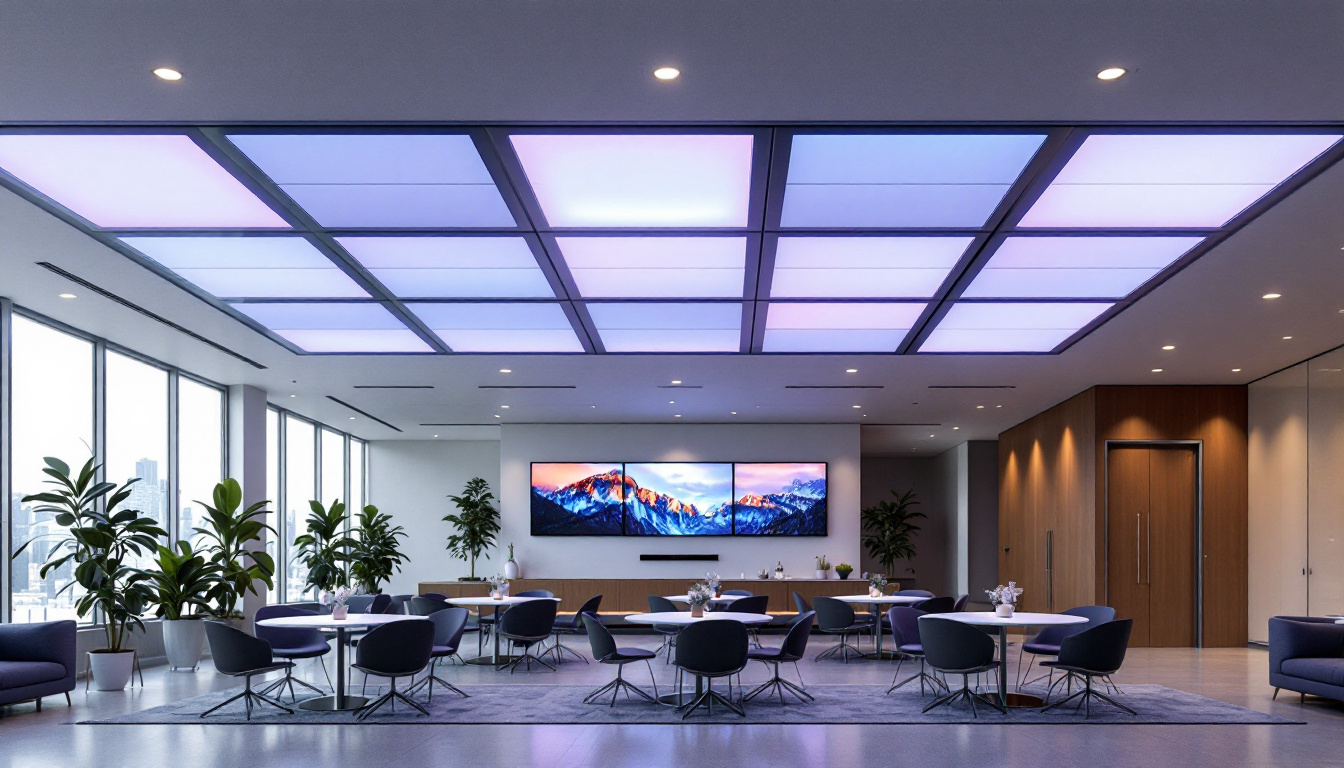
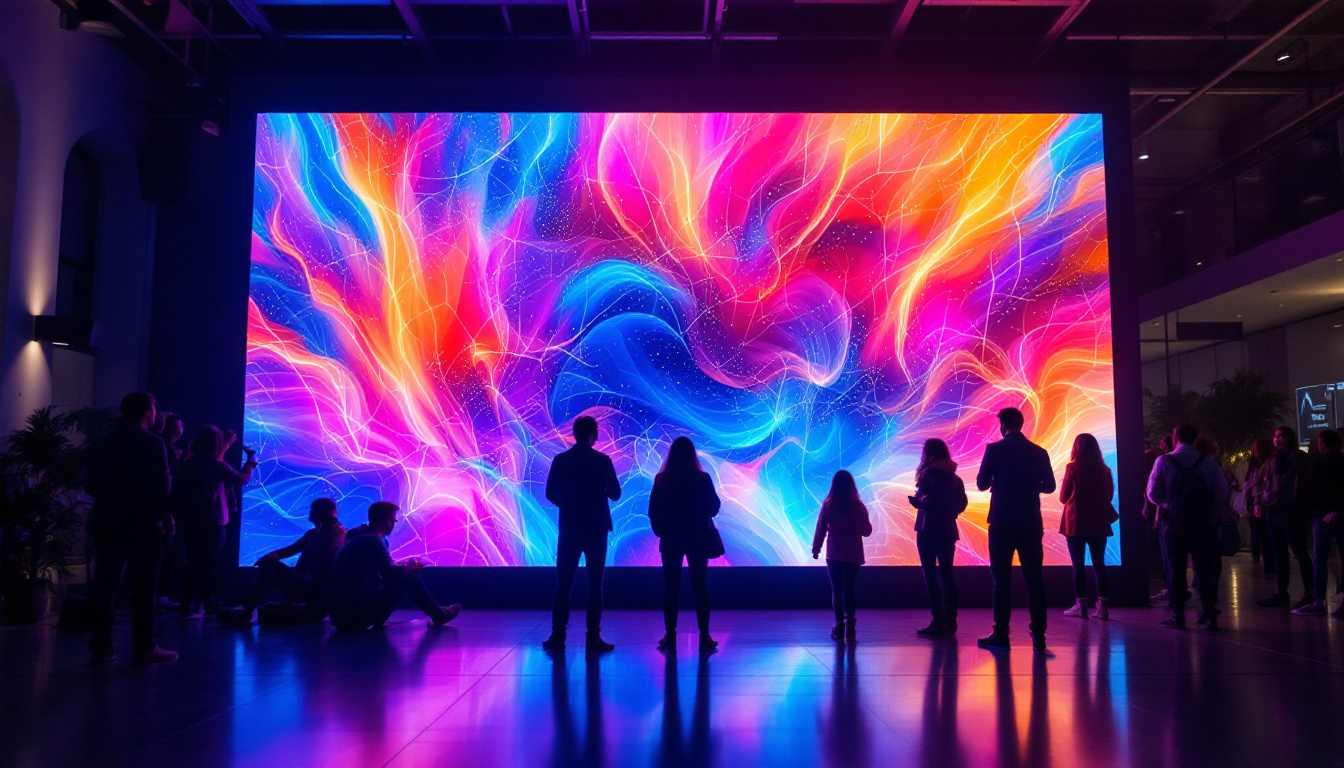
In corporate settings, LED displays are transforming meeting rooms, auditoriums, and lobbies into interactive hubs. High-resolution LED video walls facilitate dynamic presentations, video conferencing, and digital signage, enhancing communication and engagement among employees and visitors.
Educational institutions are also leveraging LED displays to create interactive classrooms and lecture halls. These displays support multimedia content, real-time collaboration, and interactive lessons, fostering a more engaging learning experience. For example, universities are increasingly adopting LED video walls for large lecture theatres, enabling clear visibility of complex visuals and data.
Retail and Advertising
Retailers use LED displays to captivate customers with vibrant, eye-catching advertisements and promotional content. Digital signage powered by LED technology allows for real-time updates, targeted messaging, and interactive features such as touchscreens or motion sensors. This dynamic approach enhances customer engagement and drives sales.
Outdoor LED billboards are a staple in urban advertising, offering unparalleled visibility and flexibility. Brands can instantly update campaigns to reflect promotions, events, or seasonal themes, ensuring their message remains relevant and impactful.
Entertainment and Events
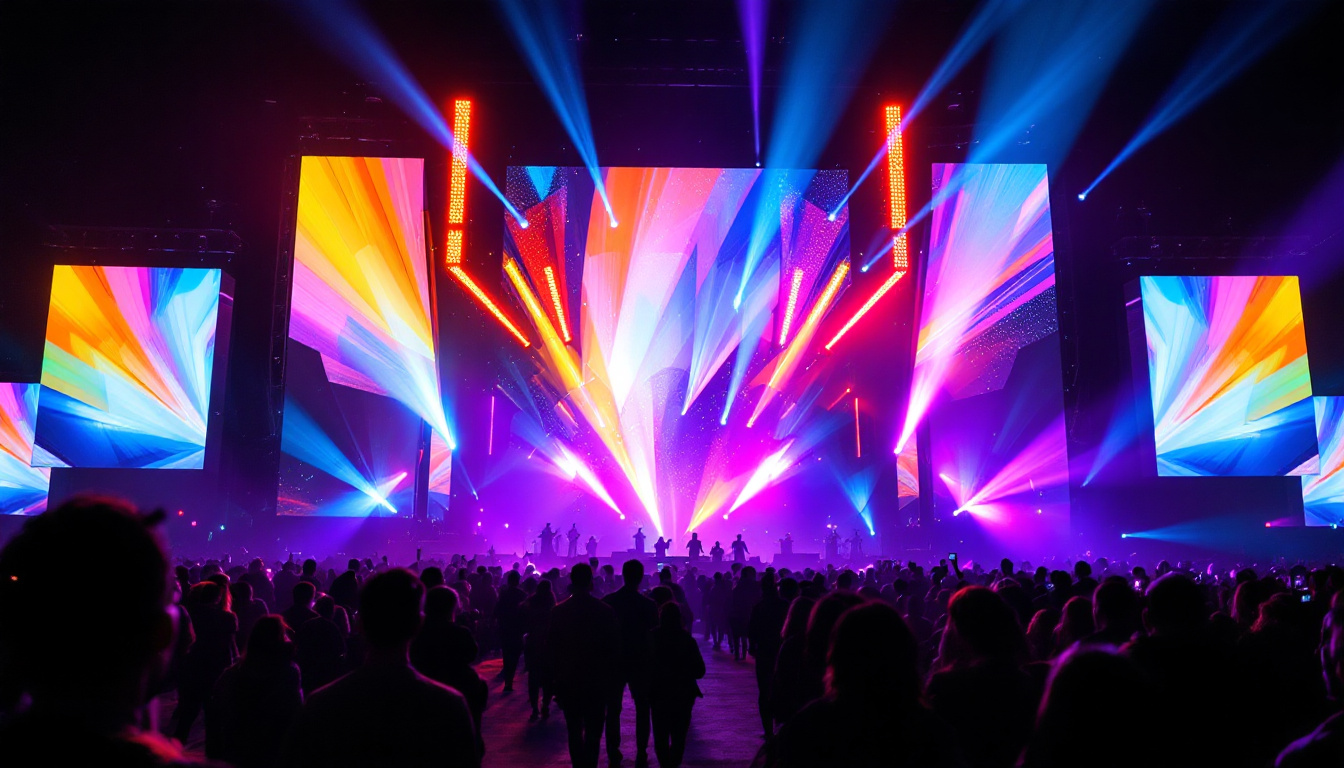
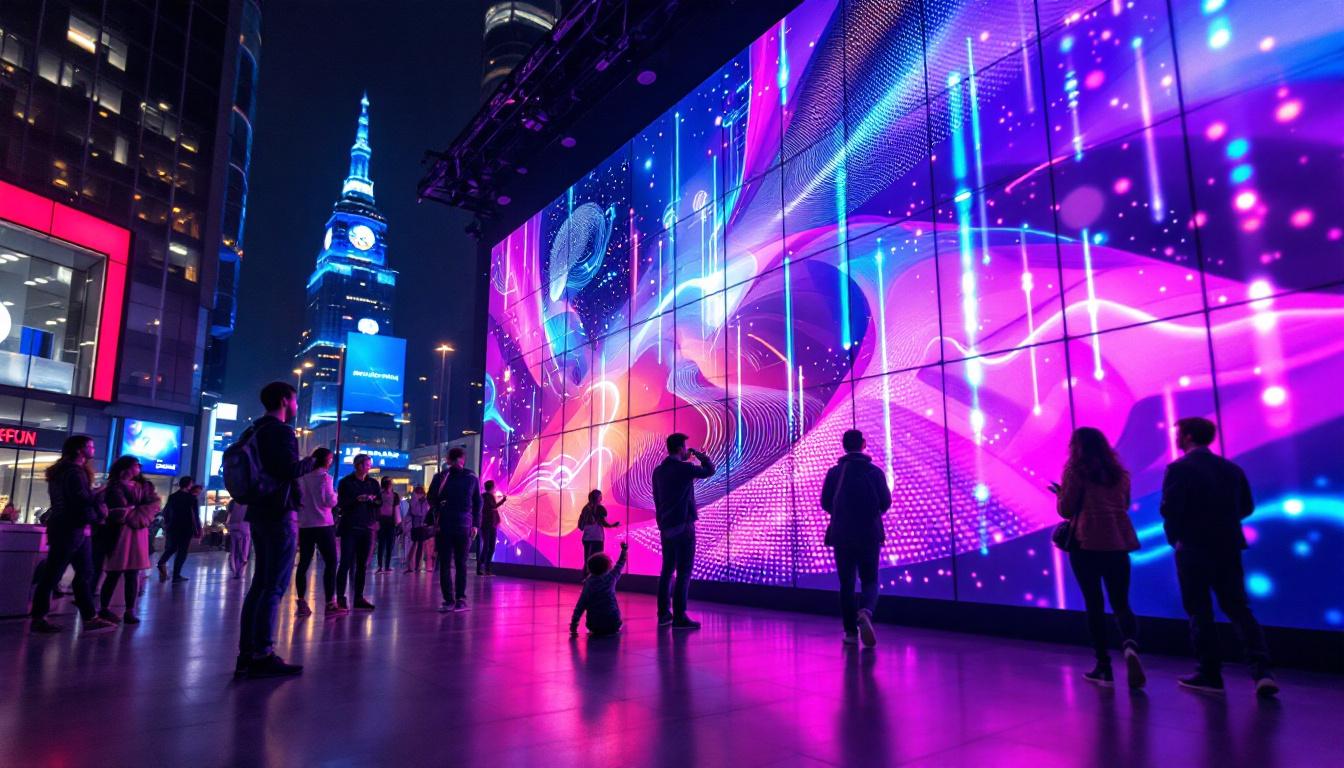
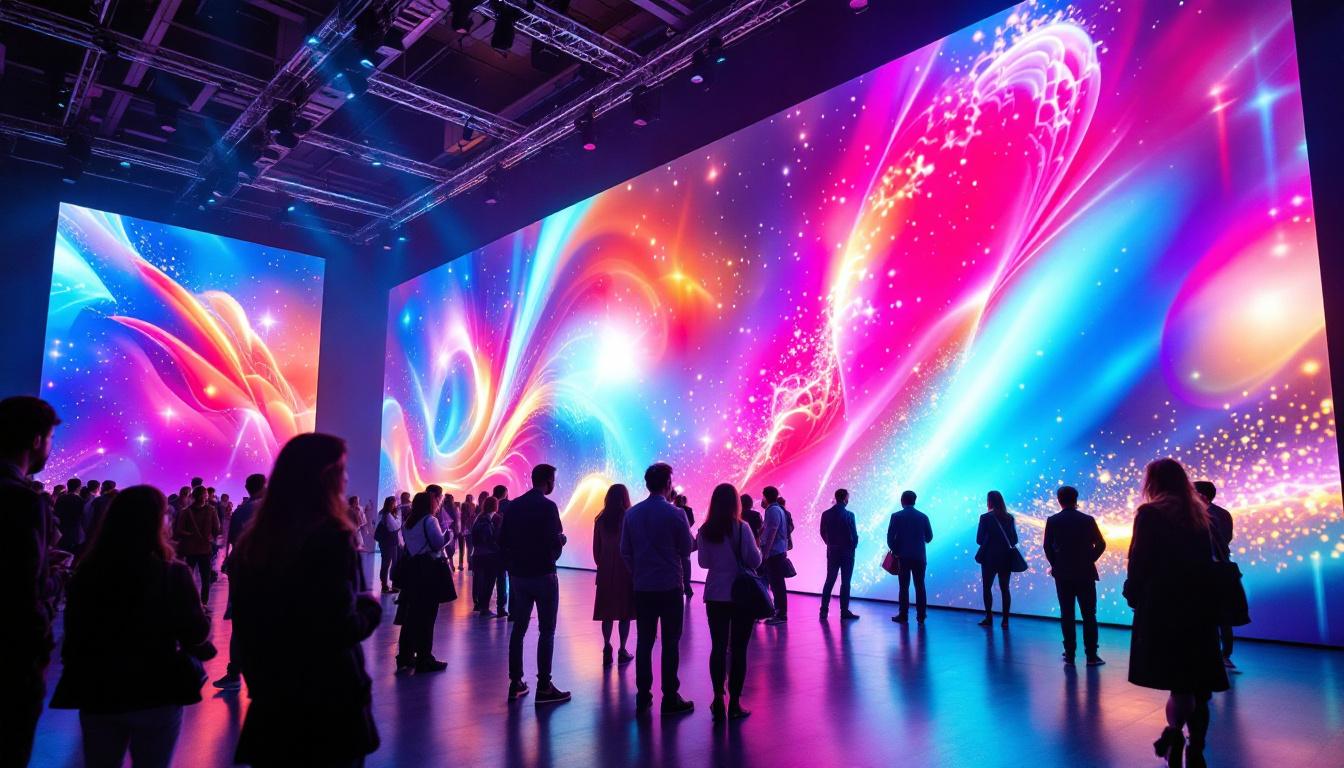
LED displays play a pivotal role in concerts, sports events, and exhibitions. Massive LED video walls and stage backdrops create immersive visual experiences that captivate audiences. Their ability to display high-definition video, animations, and live feeds enhances the overall event atmosphere.
Furthermore, interactive LED floors and walls are gaining popularity in museums and theme parks, providing visitors with engaging, sensory-rich environments. These installations combine LED technology with motion tracking and interactive software to create memorable experiences.
Interactive Capabilities and Integration
Touch and Gesture Interaction
Modern LED displays often incorporate touch and gesture recognition technologies, transforming passive screens into interactive interfaces. Capacitive touch overlays enable multi-touch functionality, allowing users to manipulate content directly on the screen. This feature is invaluable in collaborative workspaces, retail kiosks, and educational settings.
Gesture control systems use cameras and sensors to detect hand movements, enabling touchless interaction. This technology is particularly relevant in public spaces where hygiene is a concern, offering intuitive navigation without physical contact.
Software and Connectivity
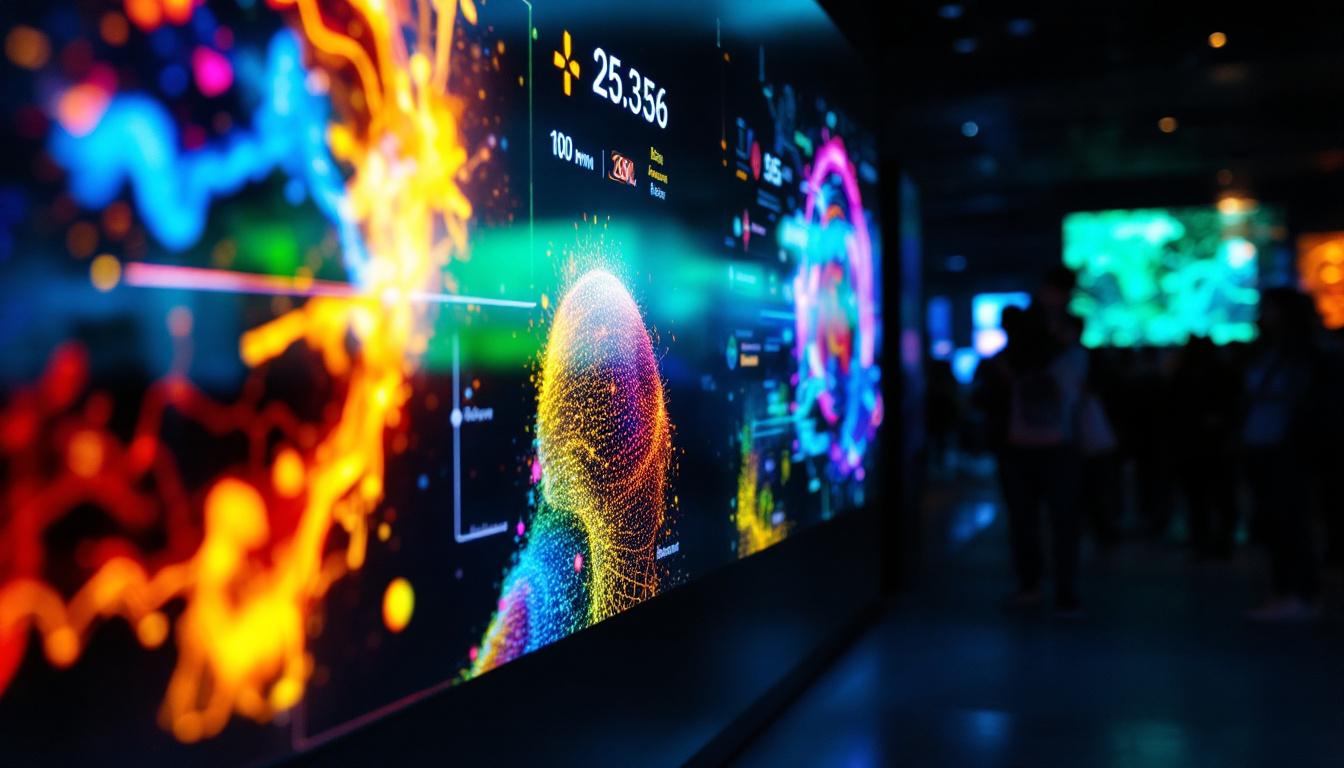
Interactive LED displays are typically integrated with advanced software platforms that manage content scheduling, playback, and analytics. Cloud-based solutions allow remote control and updates, streamlining operations for multi-location deployments.
Connectivity options such as HDMI, USB, Wi-Fi, and Ethernet ensure compatibility with various devices and networks. Integration with Internet of Things (IoT) systems and artificial intelligence (AI) further enhances interactivity, enabling personalized content delivery and data-driven insights.
Challenges and Considerations When Choosing LED Displays
Initial Investment and Installation
While LED displays offer long-term savings, the initial cost can be significant, especially for large or high-resolution installations. Budgeting for quality components, professional installation, and calibration is essential to maximize performance and longevity.
Installation complexity varies depending on the display size, location, and mounting requirements. Outdoor displays require weatherproofing and robust enclosures, while indoor setups may demand precise alignment and integration with existing AV systems.
Maintenance and Environmental Factors
LED displays require regular maintenance to ensure optimal performance. This includes cleaning, firmware updates, and periodic inspections of power supplies and connections. Outdoor displays are subject to environmental stresses such as temperature fluctuations, humidity, and exposure to dust or pollutants, necessitating durable materials and protective measures.
Choosing a reputable manufacturer and service provider can mitigate many of these challenges. Additionally, understanding the specific operational environment helps in selecting the appropriate display type and features.
The Future of Interactive LED Display Solutions
Advancements in MicroLED and MiniLED Technologies
Emerging technologies like MicroLED and MiniLED promise to revolutionize the LED display market. MicroLED displays use microscopic LEDs to achieve even higher resolution, better color accuracy, and improved energy efficiency. These displays are thinner, lighter, and offer faster response times, making them ideal for next-generation devices and large-scale installations.
MiniLED technology, which employs smaller LEDs as backlighting for LCD panels, enhances contrast and brightness while reducing blooming effects. Both technologies are expected to bridge the gap between OLED and traditional LED displays, offering new possibilities for interactive solutions.
Integration with Augmented Reality (AR) and Artificial Intelligence (AI)
Future interactive LED displays will increasingly integrate AR and AI to create immersive and intelligent environments. AR overlays can provide contextual information, virtual objects, and interactive elements layered over physical displays, enhancing user engagement.
AI-driven content management systems will personalize displays based on audience demographics, behavior, and preferences, optimizing communication effectiveness. These advancements will make LED displays not just visual tools but dynamic platforms for interaction and data exchange.
Conclusion
LED display technology has transformed the landscape of interactive display solutions, offering unparalleled brightness, energy efficiency, and versatility. From corporate boardrooms and classrooms to bustling retail environments and large-scale entertainment venues, LED displays are redefining how information and experiences are delivered.
Understanding the different types of LED displays, their advantages, and application possibilities empowers organizations to make informed decisions tailored to their unique needs. As technology continues to evolve with innovations like MicroLED, MiniLED, AR, and AI integration, the future of interactive LED displays promises even more dynamic and engaging experiences.
Investing in LED display solutions today not only enhances communication and engagement but also positions businesses and institutions at the forefront of digital innovation.
Discover LumenMatrix’s Innovative LED Display Solutions
Ready to elevate your space with the latest in LED display technology? LumenMatrix is at the forefront of creating immersive visual experiences that captivate and engage. Whether you’re looking to enhance your corporate environment, retail space, or entertainment venue, our extensive range of LED display modules—including Indoor and Outdoor LED Wall Displays, Vehicle LED Displays, LED Poster Displays, Sports and Floor LED Displays, Custom configurations, All-in-One solutions, and LED Transparent Displays—has you covered. Experience the future of visual communication today and check out LumenMatrix LED Display Solutions to see how we can help you make a lasting impression.