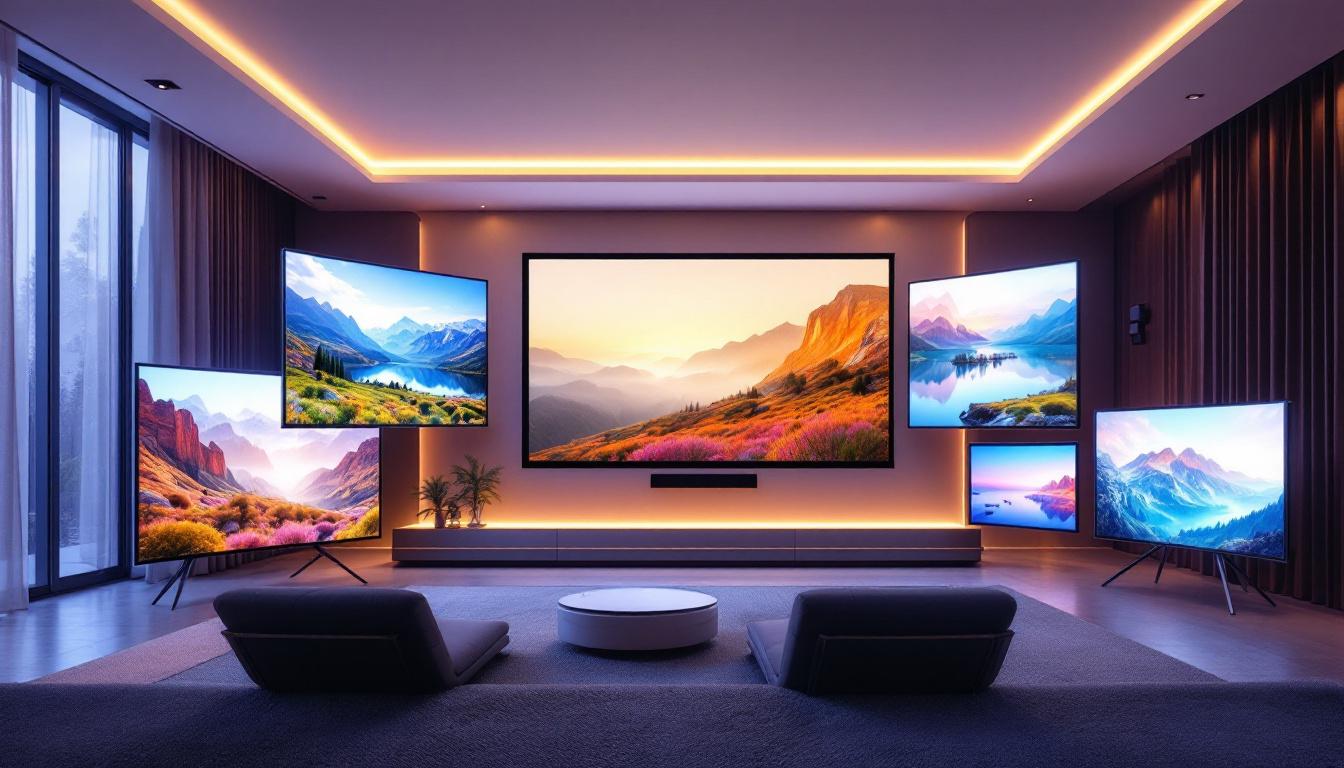
In the rapidly evolving world of visual technology, understanding projector screen dimensions and LED displays is crucial for both consumers and professionals. Whether setting up a home theater, designing a conference room, or planning a large-scale event, knowing the right screen size and display technology can dramatically impact the viewing experience. This article delves deep into the intricacies of projector screen dimensions and explains the role of LED displays, offering a comprehensive guide for making informed decisions.
Understanding Projector Screen Dimensions
Projector screens come in a variety of sizes and aspect ratios, each tailored to different environments and purposes. The dimensions of a projector screen are typically measured diagonally, similar to TVs and monitors, but the width and height depend on the aspect ratio chosen. This measurement is crucial for ensuring that the screen fits well within the intended space and provides the best viewing experience for the audience.
Common Aspect Ratios Explained
The aspect ratio is the proportional relationship between the width and height of the screen. The two most common aspect ratios for projector screens are 4:3 and 16:9, though others exist for specialized uses. Understanding these ratios is essential for selecting the right screen for your specific needs, whether for business presentations, educational purposes, or home entertainment.
4:3 is a traditional aspect ratio often used for presentations and older video content. It is closer to a square shape, making it ideal for displaying documents, slides, and classic television content. This format is particularly useful in educational settings where PowerPoint presentations and similar content are prevalent, allowing for clear visibility of text and images without cropping important information.
16:9 is the standard for modern widescreen video, including HDTV broadcasts, streaming services, and most contemporary films. This ratio offers a wider, more cinematic experience, making it the preferred choice for home theaters and entertainment venues. The immersive quality of a 16:9 screen enhances the viewing experience, especially for action-packed films and sports events, where the wider field of view can make a significant difference in engagement and enjoyment.
How to Calculate Screen Dimensions
To determine the width and height of a projector screen from its diagonal measurement, use the aspect ratio formulas. For a 16:9 screen, the width is approximately 87% of the diagonal, and the height is about 49% of the diagonal. For example, a 100-inch diagonal 16:9 screen would have a width of roughly 87 inches and a height of 49 inches. This calculation is vital for ensuring that the projector’s throw distance and lens specifications align with the screen size, allowing for optimal image quality.
Knowing these dimensions helps in planning the placement of the projector and seating arrangements to ensure optimal viewing angles and comfort. Additionally, it is important to consider the room’s lighting conditions, as ambient light can significantly affect the visibility of the projected image. For instance, a larger screen in a well-lit room may require a higher lumen output from the projector to maintain image clarity. Understanding these factors will help create an effective setup that maximizes the potential of both the projector and the screen.
Exploring 100-Inch Projector Screen Dimensions
A 100-inch projector screen is a popular size for both home theaters and professional settings. It strikes a balance between immersive viewing and practical room fit, making it a versatile choice.
Dimensions for a 100-Inch Screen at Different Aspect Ratios
At 16:9, a 100-inch screen measures approximately 87 inches wide by 49 inches high (about 7.25 feet by 4 feet). This size is ideal for widescreen movies, gaming, and HD content, providing a cinematic experience without overwhelming most rooms.
For 4:3 aspect ratio, the same 100-inch diagonal translates to roughly 80 inches wide by 60 inches high (6.7 feet by 5 feet). This taller screen is better suited for presentations and classic video formats but may feel less immersive for modern media.
Choosing the Right Screen Size for Your Space
When selecting a 100-inch screen, consider the room size and seating distance. The Society of Motion Picture and Television Engineers (SMPTE) recommends a viewing distance of 1.5 to 2.5 times the screen diagonal for optimal clarity and comfort. For a 100-inch screen, this means sitting approximately 12.5 to 20.5 feet away.
Additionally, room lighting, projector brightness, and screen material all influence the perceived image quality on a 100-inch screen. Balancing these factors ensures the best viewing experience.
The Role of LED Displays in Modern Projection
While traditional projector screens rely on projected light reflecting off a surface, LED displays represent a fundamentally different technology. Understanding how LED displays compare to projector screens is essential for those considering alternatives or enhancements to their visual setups.
What Are LED Displays?
LED (Light Emitting Diode) displays consist of an array of tiny LEDs that emit light directly to form images. Unlike projectors, which require a separate light source and screen, LED displays are self-illuminating and can produce vibrant colors and high contrast ratios.
LED technology has advanced significantly, enabling large-format displays suitable for indoor and outdoor use, from digital signage to massive video walls in stadiums and concert venues.
Advantages of LED Displays Over Traditional Projector Screens
LED displays offer several benefits:
- Brightness: LED displays can achieve much higher brightness levels, making them ideal for environments with ambient light where projectors might struggle.
- Color Accuracy and Contrast: LEDs provide superior color reproduction and deeper blacks, enhancing image quality.
- Durability: LED panels are robust and less susceptible to damage compared to projector screens, which can wrinkle or tear.
- Installation Flexibility: LED displays can be built in custom sizes and shapes, allowing for creative and modular setups.
Limitations and Considerations
Despite their advantages, LED displays have some drawbacks:
- Cost: High-quality LED displays are generally more expensive upfront than projector setups, especially for very large screen sizes.
- Pixel Density: For extremely close viewing distances, LED pixel pitch (the distance between LEDs) must be very fine to avoid visible pixelation, which can increase costs.
- Power Consumption: LED displays consume more power than projectors, which may be a consideration for energy-conscious users.
Integrating Projector Screens and LED Displays: Choosing the Best Solution
Deciding between a traditional projector screen and an LED display depends on multiple factors, including budget, environment, content type, and intended use.
Use Cases Favoring Projector Screens
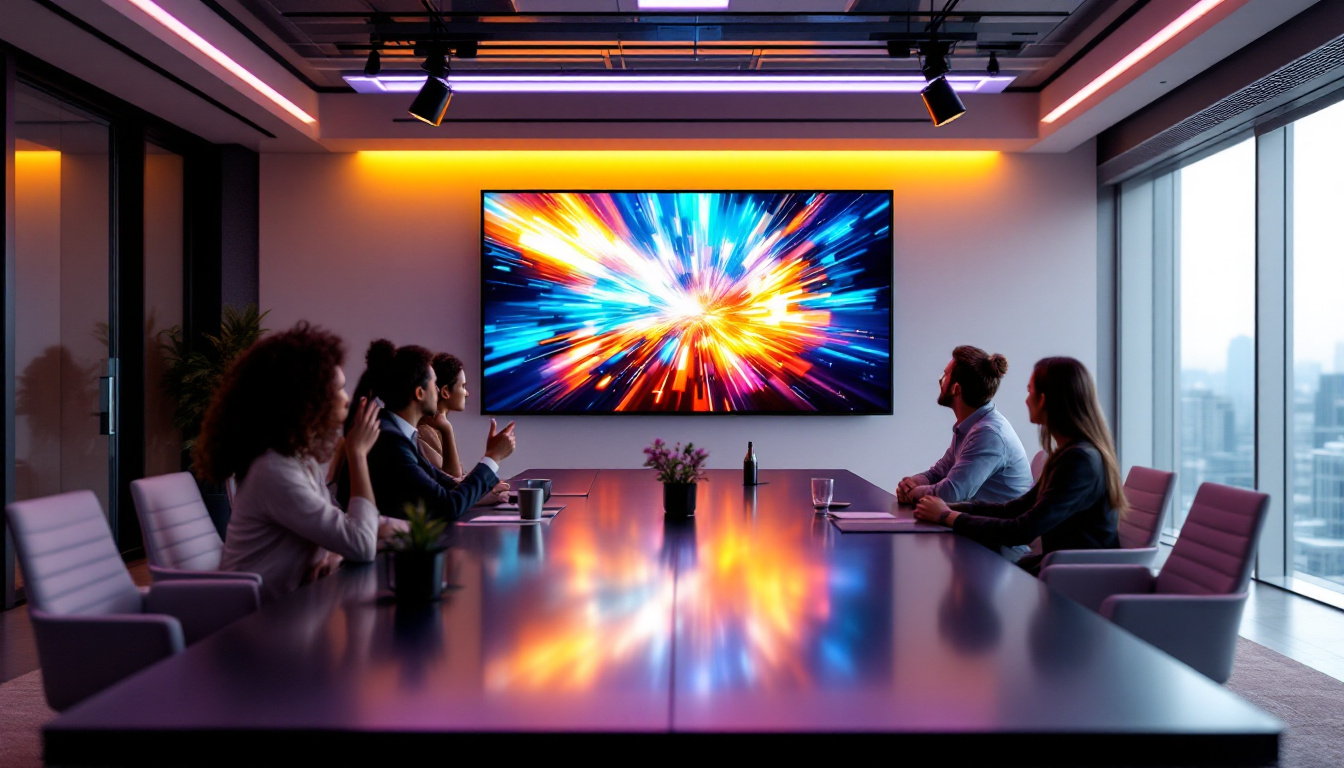
Projector screens remain popular for home theaters, classrooms, and conference rooms where moderate ambient light control is possible, and budgets are constrained. They offer large image sizes at a relatively low cost and are compatible with a wide range of projectors and content sources.
Moreover, the portability of projector screens makes them suitable for temporary setups and events.
When to Opt for LED Displays
LED displays are ideal for environments with high ambient light, such as trade shows, outdoor venues, and brightly lit commercial spaces. Their vibrant image quality and durability make them suitable for long-term installations and dynamic content delivery.
Additionally, LED video walls can be customized to fit unique architectural spaces, providing a modern and impactful visual experience.
Hybrid Solutions
Some venues combine both technologies, using projector screens for certain events and LED displays for others. This approach maximizes flexibility and ensures optimal image quality across different scenarios.
Key Factors to Consider When Selecting Screen Dimensions and Display Technology
Choosing the right screen size and display technology involves balancing several important factors to meet specific needs.
Room Size and Seating Arrangement
The dimensions of the room and the distance between the screen and viewers are fundamental in determining the appropriate screen size. Oversized screens in small rooms can cause eye strain, while undersized screens in large spaces reduce engagement.
Content Type and Resolution
The nature of the content—whether movies, presentations, gaming, or digital signage—affects the choice of aspect ratio and display technology. High-resolution content benefits from higher pixel density displays, while simpler content may not require such specifications.
Ambient Lighting Conditions
Lighting plays a significant role in image clarity. Projectors perform best in darker environments, whereas LED displays maintain visibility in bright conditions. Selecting the right technology depends on the typical lighting environment of the space.
Budget and Maintenance
Initial investment and ongoing maintenance costs should be considered. Projector screens generally have lower upfront costs but may require bulb replacements and calibration. LED displays, while pricier, often have longer lifespans and lower maintenance needs.
Future Trends in Projector Screens and LED Displays
The visual technology landscape continues to evolve, driven by innovations in display resolution, brightness, and interactivity.
Advancements in Screen Materials
New screen materials with enhanced gain and ambient light rejection are improving projector screen performance, making them more versatile in varied lighting conditions.
MicroLED and MiniLED Technologies
Emerging MicroLED and MiniLED displays offer higher brightness, better energy efficiency, and finer pixel pitches, potentially bridging the gap between traditional LED displays and projectors.
Integration with Smart Technologies
Smart projectors and LED displays with integrated AI and IoT capabilities are enabling automated calibration, content management, and interactive features, enhancing user experience and operational efficiency.
Conclusion
Understanding 100-inch projector screen dimensions and the fundamentals of LED displays is essential for selecting the right visual solution. Each technology offers distinct advantages and challenges, and the best choice depends on specific use cases, environmental factors, and budget considerations.
As display technologies continue to advance, users can expect more options that combine the immersive qualities of large screens with the vividness and flexibility of LED displays. Making informed decisions today ensures a superior viewing experience for years to come.
Discover LumenMatrix’s Advanced LED Display Solutions
Ready to elevate your visual experience with cutting-edge technology? LumenMatrix offers a comprehensive range of LED display solutions tailored to meet your specific needs. From immersive Indoor and Outdoor LED Wall Displays to dynamic Vehicle and Sports LED Displays, our innovative products are designed to captivate your audience and amplify your message. Explore our versatile LED Poster Displays, interactive Floor LED Displays, and the revolutionary All-in-One and Transparent LED Displays. Join the visual revolution and check out LumenMatrix LED Display Solutions today to transform your space into a vibrant hub of engagement.