In the rapidly evolving world of digital signage and display technology, circular LED displays have emerged as a distinctive and versatile option. Unlike traditional rectangular LED screens, circular LED displays offer unique aesthetic appeal and functional advantages, making them increasingly popular in advertising, events, architecture, and public information systems. This article delves into the technology behind circular LED displays, their applications, benefits, and what sets them apart in the LED display market.
Understanding Circular LED Displays: Technology and Design
At its core, a circular LED display is an array of light-emitting diodes arranged in a circular pattern rather than the conventional rectangular grid. This design innovation requires specialized engineering to ensure uniform brightness, color accuracy, and seamless image rendering on a non-rectangular surface. The aesthetic appeal of circular displays often enhances the visual experience, making them a popular choice for artistic installations and modern advertising.
How Circular LED Displays Work
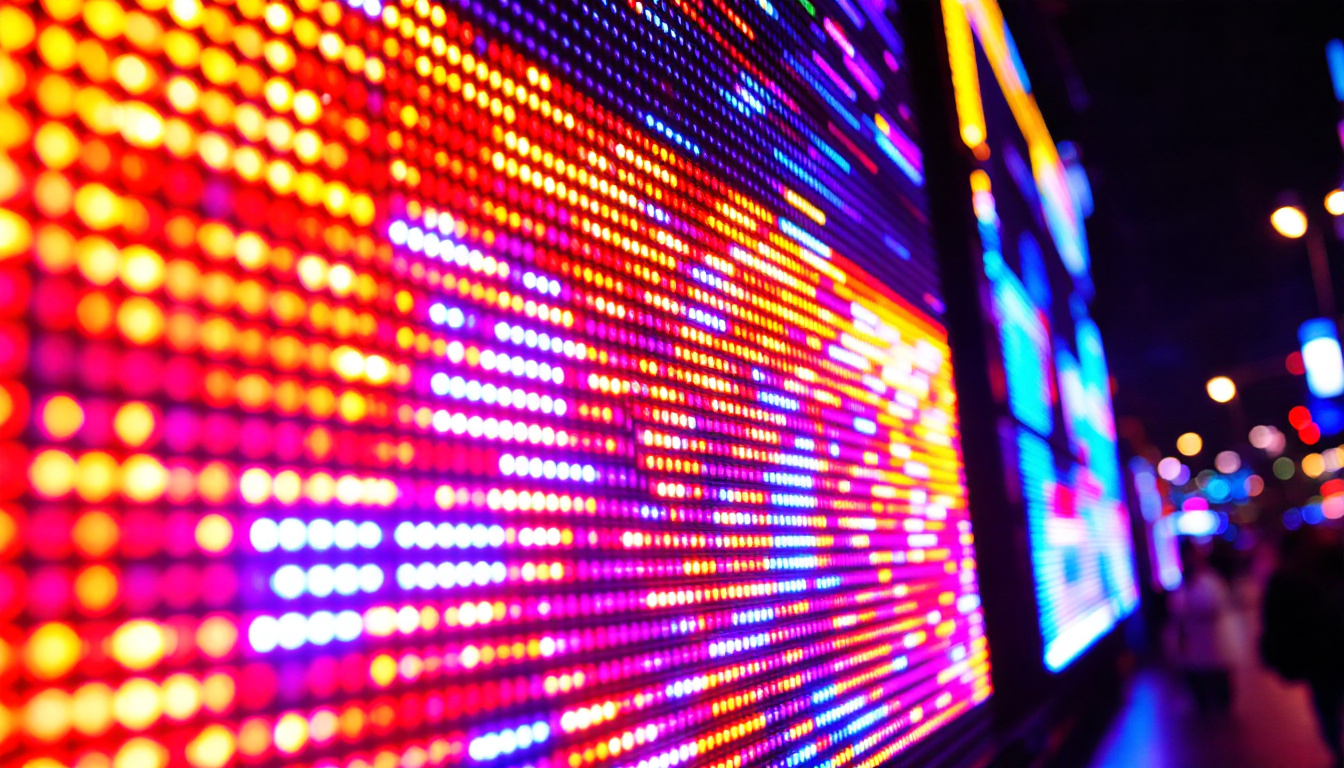
LED displays function by illuminating tiny diodes that emit light in various colors, typically red, green, and blue (RGB). These diodes combine to produce millions of colors and high-resolution images. In circular LED displays, the LEDs are mounted on a curved or circular circuit board, allowing the display to form a perfect circle or ring. The technology behind these displays also includes advanced control systems that manage the brightness and color of each individual LED, ensuring that the entire display maintains a cohesive look, regardless of the viewing angle.
One of the main challenges in circular LED display design is maintaining consistent pixel pitch—the distance between the centers of adjacent LEDs—around the curve. Engineers use flexible printed circuit boards (PCBs) or segmented panels that fit together seamlessly to create the circular shape without distortion or gaps. Additionally, the software that drives these displays is crucial; it must be capable of rendering graphics that are optimized for circular geometry, allowing for dynamic content that can rotate or animate fluidly around the display.
Types of Circular LED Displays
Circular LED displays come in various forms, including:
- Fixed Circular Displays: These are rigid, often used in permanent installations such as clocks, architectural features, or brand logos. Their durability makes them suitable for outdoor environments, where they can withstand various weather conditions while providing consistent performance.
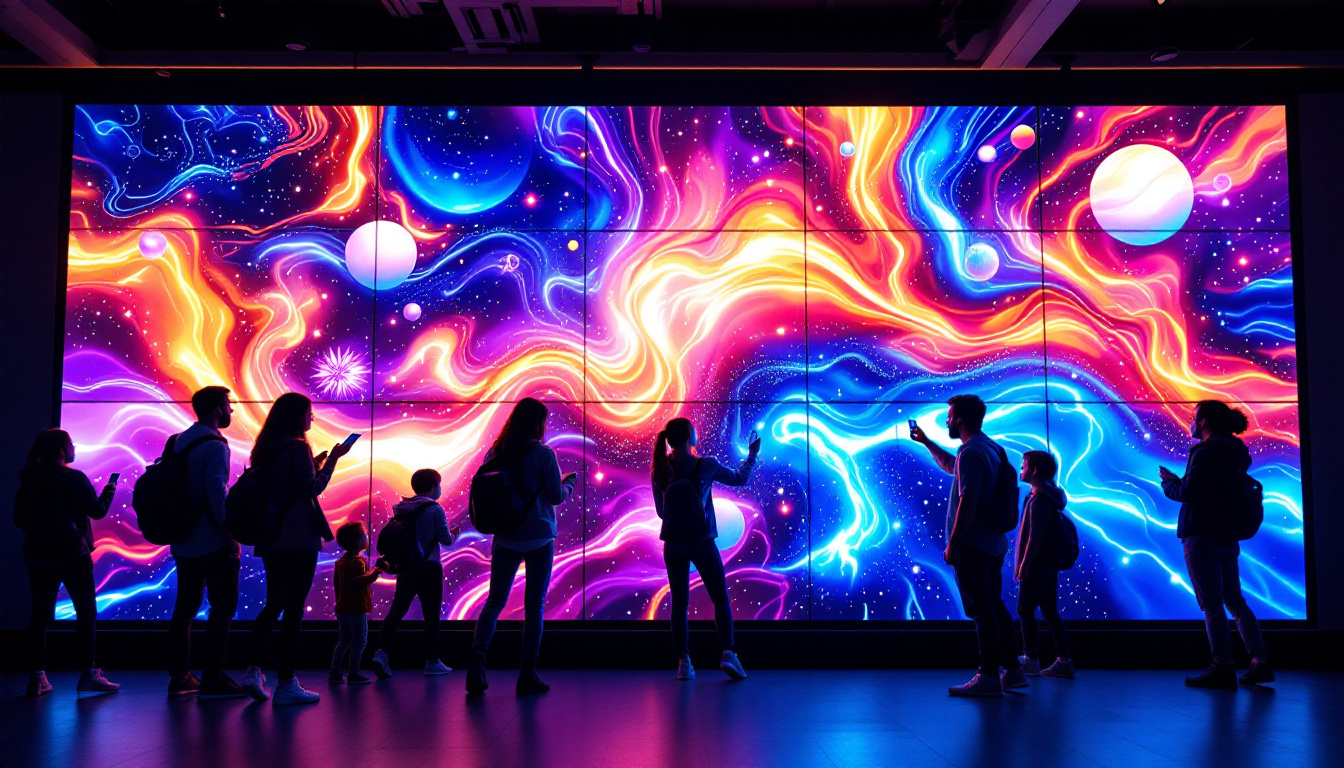
- Flexible and Modular Circular Displays: Made from smaller segments or flexible materials, these can be assembled into different sizes and shapes, ideal for custom installations and events. Their versatility allows for creative applications, such as immersive environments in exhibitions or concerts, where the display can adapt to the theme and layout of the space.
- Transparent Circular LED Displays: Combining circular design with transparency, these displays are used in storefront windows or glass facades, allowing light and visibility through the display. This innovative approach not only enhances advertising but also maintains the aesthetic integrity of the architecture, making them a favorite among modern retailers looking to attract attention without compromising the view.
Moreover, circular LED displays are increasingly being integrated with smart technology, enabling features such as interactivity and real-time data visualization. This allows businesses and artists to engage their audiences in new and exciting ways, transforming traditional advertising into a more immersive experience. As technology continues to evolve, we can expect to see even more innovative applications for circular LED displays, pushing the boundaries of design and functionality in various industries.
Applications of Circular LED Displays
The unique shape and eye-catching design of circular LED displays have opened up new possibilities across multiple industries. Their versatility and visual appeal make them highly effective for communication and branding.
Advertising and Marketing
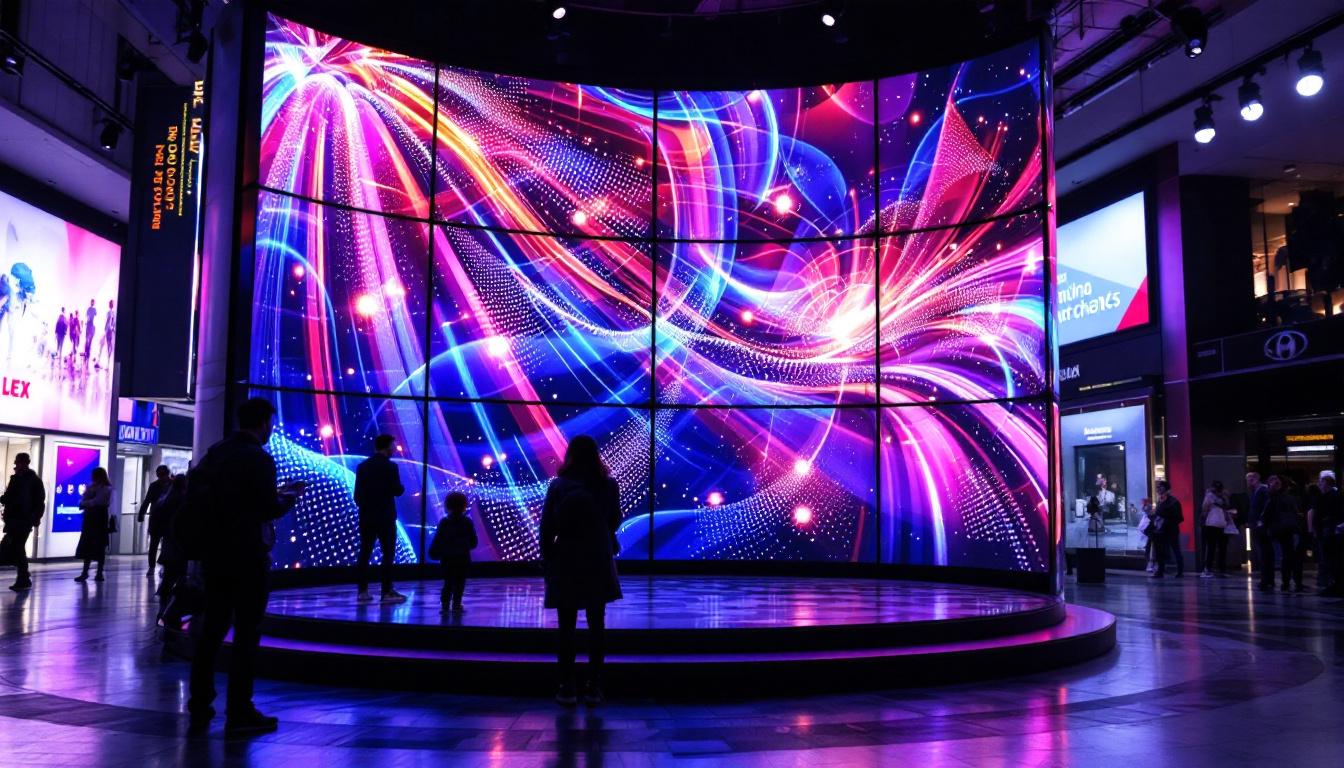
Circular LED displays are increasingly used in advertising to capture attention in crowded environments. Their unconventional shape naturally draws the eye, making them perfect for retail stores, shopping malls, and transportation hubs. For example, a circular LED display suspended from a mall ceiling can showcase dynamic promotions, logos, or event information, standing out amid traditional rectangular screens.
Brands leverage circular LED displays to create memorable visual experiences. The ability to display animations, videos, and real-time data in a circular format allows marketers to innovate beyond standard banner ads and digital posters.
Public Information and Transportation
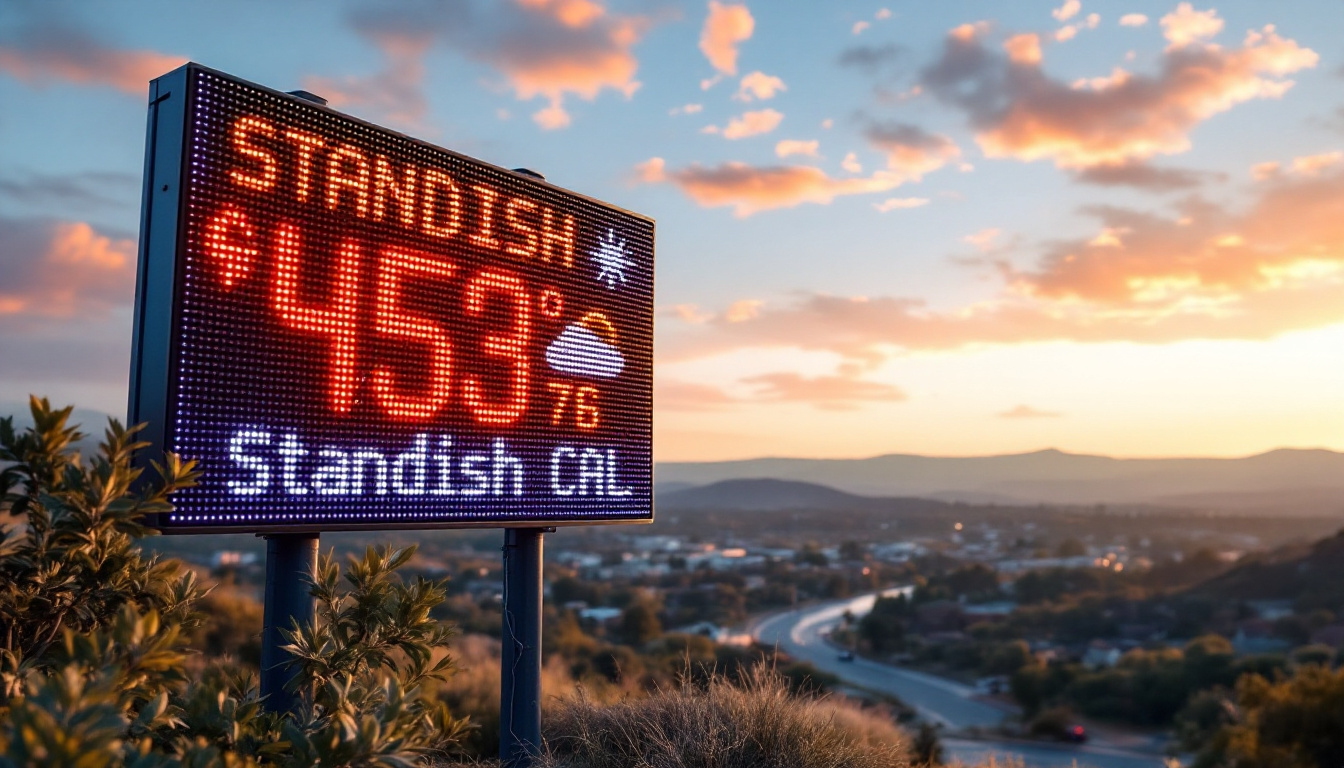
In public spaces such as airports, train stations, and city centers, circular LED displays are used to present time, weather updates, and transit schedules. Their shape is particularly suited for clock displays or countdown timers, where the circular form complements the content naturally.
For example, many modern airports use circular LED clocks integrated with flight information, combining functionality with design. These displays enhance user experience by providing clear, visually appealing information at a glance.
Events and Entertainment
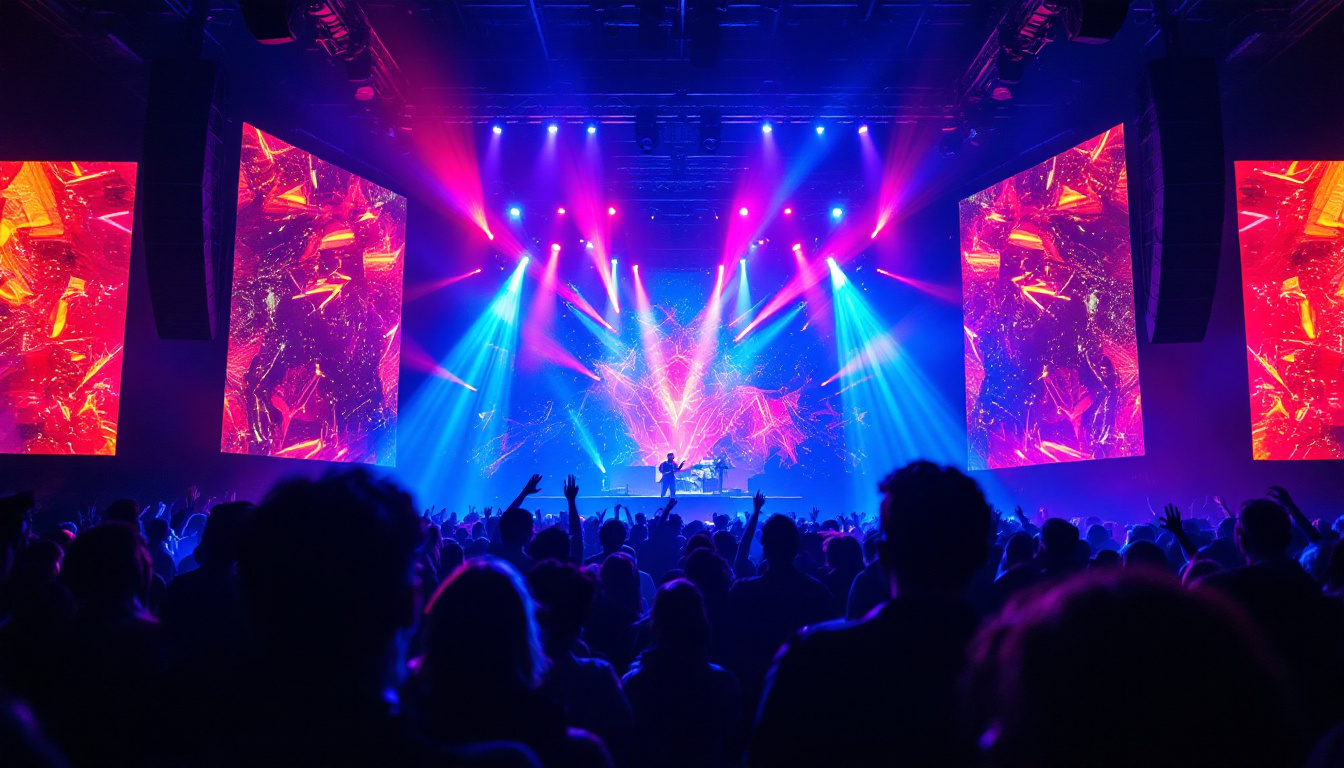
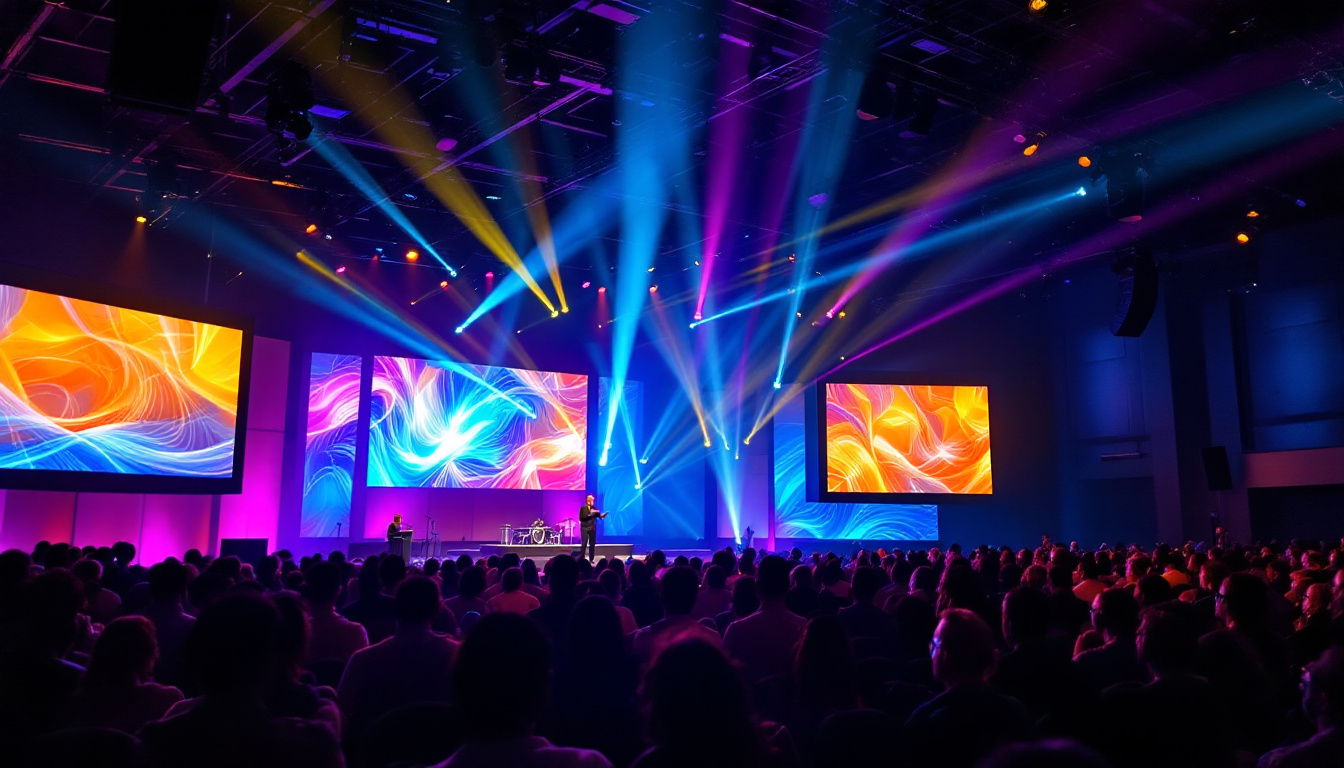
Concerts, festivals, and corporate events often incorporate circular LED displays into stage design and lighting setups. Their ability to be customized in size and brightness makes them ideal for immersive visual effects and branding opportunities.
Additionally, circular LED rings can be used as interactive installations or photo backdrops, adding an element of engagement and modernity to events. Their dynamic capabilities enable synchronized light shows and animations that enhance the atmosphere.
Architectural Integration
Architects and designers integrate circular LED displays into building facades, interior decor, and public art installations. These displays can serve both decorative and informational purposes, blending technology with aesthetics.
For instance, a circular LED display embedded in a building’s lobby ceiling can create a captivating centerpiece that changes with seasons or events, while also providing useful information like news or announcements.
Advantages of Circular LED Displays Over Traditional Displays
Circular LED displays offer several benefits that distinguish them from conventional rectangular LED screens. These advantages contribute to their growing popularity in various sectors.
Unique Visual Appeal
The circular shape is inherently more eye-catching and less common than rectangular screens, making it an excellent choice for brands and venues seeking to differentiate themselves. The symmetry and smooth curves of circular displays create a modern and sophisticated look that can enhance brand perception.
Enhanced Brand Recognition
Using circular LED displays allows brands to present logos and messages in a format that aligns with their visual identity, especially for companies with circular logos or products. This alignment strengthens brand recognition and recall among consumers.
Flexible Installation Options
Because circular LED displays can be modular or flexible, they can be installed in spaces where traditional screens would be impractical. They can wrap around columns, hang from ceilings, or be embedded in curved architectural elements, offering creative freedom in design and placement.
Improved User Engagement
The novelty and aesthetic of circular LED displays naturally attract more attention, increasing the likelihood that viewers will engage with the content. This is particularly valuable in advertising and public information contexts where grabbing attention quickly is crucial.
Technical Considerations and Challenges
While circular LED displays offer many benefits, there are technical aspects and challenges that designers and users should consider to ensure optimal performance.
Pixel Density and Resolution
Achieving high resolution on a circular display can be more complex than on a rectangular one. The curved layout requires careful mapping of pixels to avoid distortion, especially for detailed images or text. Designers must balance pixel pitch and display size to maintain clarity.
Manufacturing Complexity
The production of circular LED displays often involves custom components and assembly processes, which can increase costs compared to standard rectangular panels. Flexible PCBs and specialized mounting hardware add to the complexity.
Content Creation and Formatting
Content for circular LED displays needs to be designed specifically for the shape. Traditional video or graphic content must be adapted or created from scratch to fit the circular format without losing impact or readability. This requires specialized software and creative expertise.
Maintenance and Durability
Depending on the installation environment, circular LED displays may face challenges related to weatherproofing, heat dissipation, and mechanical stress, especially for outdoor or suspended applications. Ensuring durability and ease of maintenance is critical for long-term performance.
Future Trends and Innovations in Circular LED Displays
The LED display industry continues to innovate, and circular LED displays are no exception. Emerging technologies and design trends are shaping the future of these displays.
Higher Resolution and Miniaturization
Advancements in micro-LED technology promise even higher pixel density and improved image quality for circular displays. Smaller LEDs allow for finer pixel pitch, enabling sharper visuals and more detailed content.
Interactive and Smart Displays
Integration with sensors and interactive technologies is becoming more common. Circular LED displays equipped with touch or gesture recognition can offer dynamic user experiences in retail, museums, and public spaces.
Energy Efficiency and Sustainability
New materials and power management techniques are enhancing the energy efficiency of LED displays. Circular displays designed with sustainability in mind reduce operational costs and environmental impact, aligning with growing eco-conscious trends.
Augmented Reality and Circular Displays
Combining circular LED displays with augmented reality (AR) technologies can create immersive environments where digital content interacts seamlessly with physical spaces, opening new possibilities for advertising, education, and entertainment.
Conclusion
Circular LED displays represent a compelling evolution in digital signage, combining technological innovation with creative design. Their unique shape offers distinct advantages in visual appeal, brand engagement, and installation flexibility, making them suitable for a wide range of applications from advertising to architecture.
While there are technical and production challenges to consider, ongoing advancements in LED technology and content design continue to expand the potential of circular LED displays. As industries seek more engaging and memorable ways to communicate, circular LED displays stand out as a powerful tool to captivate audiences and enhance environments.
Discover the Future of LED Displays with LumenMatrix
Ready to elevate your visual communication with the innovative circular LED displays? LumenMatrix is at the forefront of LED display technology, offering a wide array of solutions that bring your brand to life. From mesmerizing Indoor and Outdoor LED Wall Displays to dynamic Vehicle and Sports LED Displays, and even customizable options like Floor and All-in-One LED Displays, we have the technology to transform your space. Experience the revolution in digital signage and create unforgettable visual experiences with LumenMatrix. Check out LumenMatrix LED Display Solutions today and see your vision come to light.