When it comes to selecting the perfect LED display for a home theater, conference room, or digital signage, understanding the size of the screen is crucial. One common measurement that often causes confusion is the conversion between inches and feet, especially when dealing with large displays like a 122-inch LED screen. This article unpacks the meaning of 122 inches in feet and delves into the world of LED displays, exploring their technology, applications, and why size matters.
Converting 122 Inches to Feet: A Simple Guide
Before diving into the specifics of LED displays, it’s important to clarify what 122 inches means in feet. Inches and feet are both units of length commonly used in the United States and other countries that follow the imperial system. One foot equals 12 inches.
How Many Feet Are in 122 Inches?
To convert inches to feet, divide the number of inches by 12:
122 inches ÷ 12 = 10.1667 feet
This means that a 122-inch screen measures approximately 10 feet and 2 inches diagonally. This is a substantial size for an LED display, making it ideal for environments where a large viewing area is necessary. In fact, displays of this size are often used in commercial settings such as retail stores, trade shows, and sports arenas, where visibility from a distance is crucial.
Why Understanding Screen Size Matters
Screen size is more than just a number; it impacts viewing experience, installation space, and even the type of content displayed. For example, a 122-inch LED display offers a much more immersive experience compared to smaller screens, especially in settings like home theaters or large conference rooms.
Knowing the exact size in feet helps with planning room layouts, ensuring proper viewing distances, and selecting compatible mounts or stands. It also assists in understanding the physical footprint of the display, which is critical for logistics and installation. Additionally, larger screens can enhance the impact of visual presentations, making them more engaging and effective for audiences. The ability to showcase detailed graphics or videos on a larger scale can significantly improve communication in business meetings or educational settings, where clarity and visibility are paramount.
Furthermore, when considering the installation of a large LED display, it’s essential to think about the ambient lighting conditions of the space. A 122-inch screen can produce vibrant colors and sharp images, but the effectiveness of the display can be diminished in overly bright environments. Therefore, understanding the size and placement of the screen can help in choosing the right location, ensuring that the display performs optimally and that viewers can enjoy the content without distractions or glare.
The Technology Behind LED Displays
LED displays have revolutionized the way we consume visual content, offering bright, vibrant images with energy efficiency and durability. Understanding the technology behind these displays provides insight into why size and resolution matter. The evolution of LED technology has also led to innovations in display applications, from advertising to entertainment, making them a staple in modern visual communication.
What Is an LED Display?
LED stands for Light Emitting Diode. An LED display uses an array of tiny LEDs to create images by emitting light directly. This contrasts with LCD (Liquid Crystal Display) screens, which use a backlight to illuminate pixels. The direct emission of light from LEDs enables quicker response times and enhances the overall viewing experience, especially for fast-moving content such as sports or action-packed films.
Because LEDs emit their own light, LED displays can achieve higher brightness levels and better contrast ratios. This makes them particularly effective in environments with high ambient light, such as outdoor advertising or brightly lit conference rooms. The ability to maintain color accuracy and vibrancy in various lighting conditions is a significant advantage, allowing for consistent visual performance regardless of the setting.
Types of LED Displays
There are two primary types of LED displays:
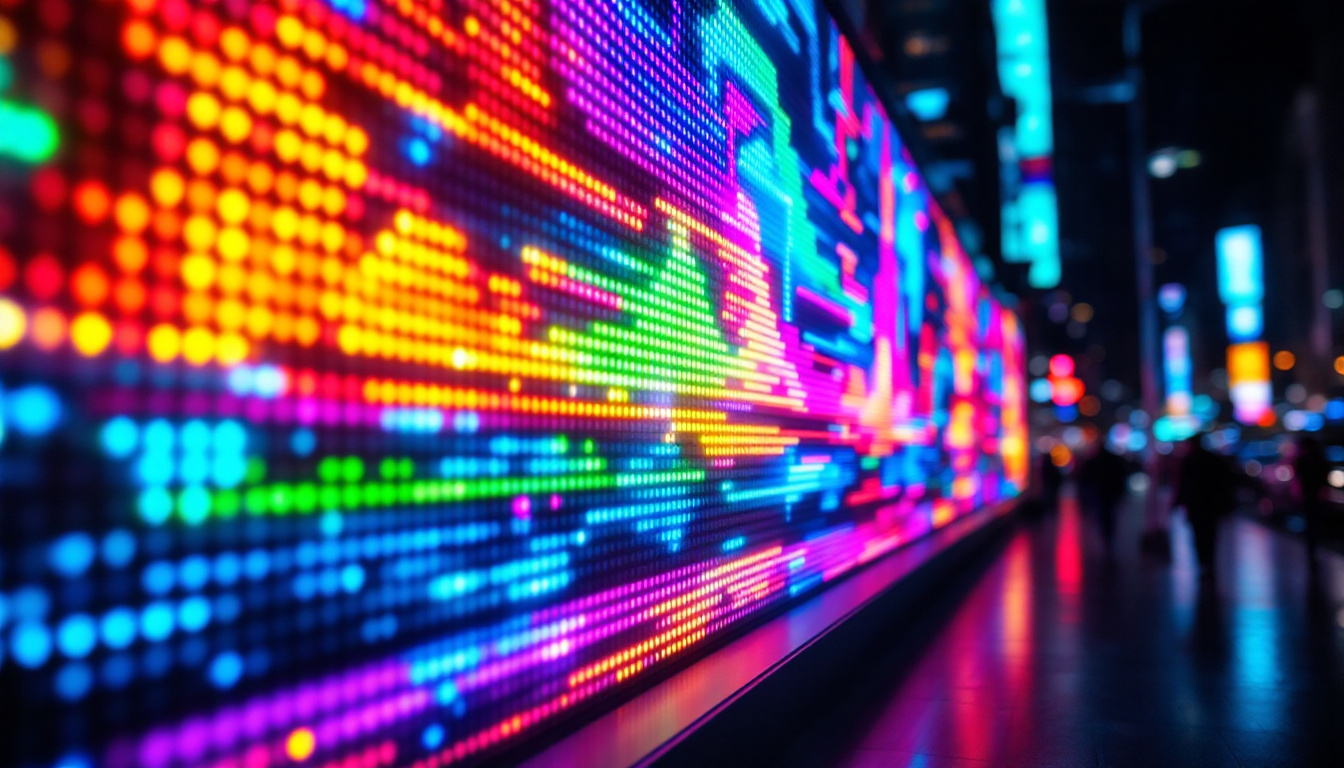
- Direct View LED (DVLED): These displays use individual LEDs as pixels, allowing for extremely bright and vivid images. They are often used in large-scale applications like stadium screens and outdoor billboards. The modular nature of DVLED technology also allows for seamless integration into various shapes and sizes, making it ideal for creative installations and immersive environments.
- LED-Backlit LCD: These are traditional LCD screens that use LEDs as a backlight source. They are common in consumer electronics like televisions and computer monitors. While they may not match the brightness of DVLED displays, advancements in LED backlighting techniques, such as local dimming, have significantly improved their performance, enhancing contrast and color depth.
A 122-inch LED display typically refers to a direct view LED panel or a large LED-backlit LCD, depending on the application. The choice between these types often depends on factors such as viewing distance, intended use, and budget. For instance, direct view LED displays are favored for large venues due to their superior brightness and resolution capabilities, while LED-backlit LCDs are more prevalent in home settings where cost-effectiveness and space considerations play a crucial role.
Moreover, the advancements in LED technology have led to the development of new features such as flexible displays and transparent screens. Flexible LED displays can be bent and shaped to fit unconventional spaces, opening up new possibilities for creative advertising and artistic installations. Transparent LED screens, on the other hand, allow for a unique blend of digital content with the physical environment, offering innovative solutions for retail and architectural applications. These emerging technologies continue to push the boundaries of what LED displays can achieve, making them an exciting area of exploration in the world of visual media.
Applications of a 122-Inch LED Display
A 122-inch LED display is a versatile tool that can be used in various settings. Its size and clarity make it suitable for both professional and personal environments.
Home Theater and Entertainment
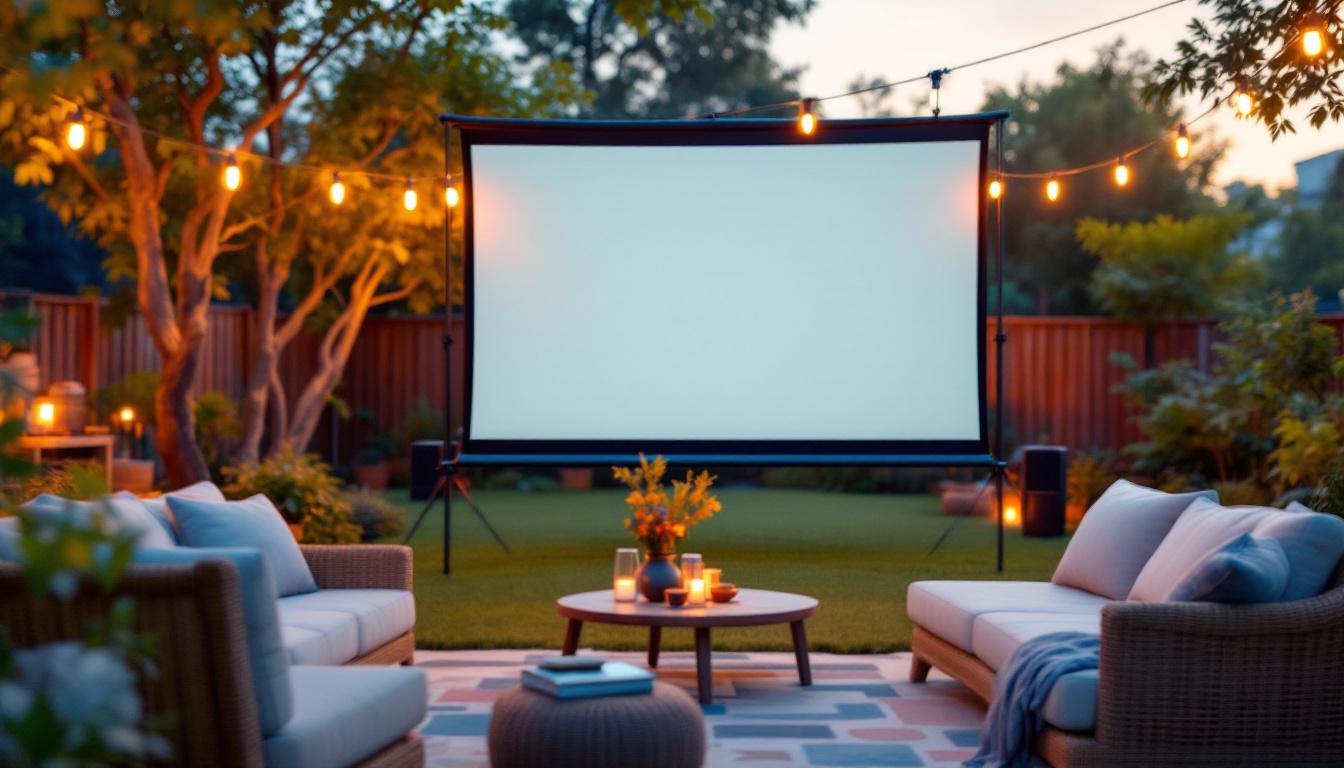
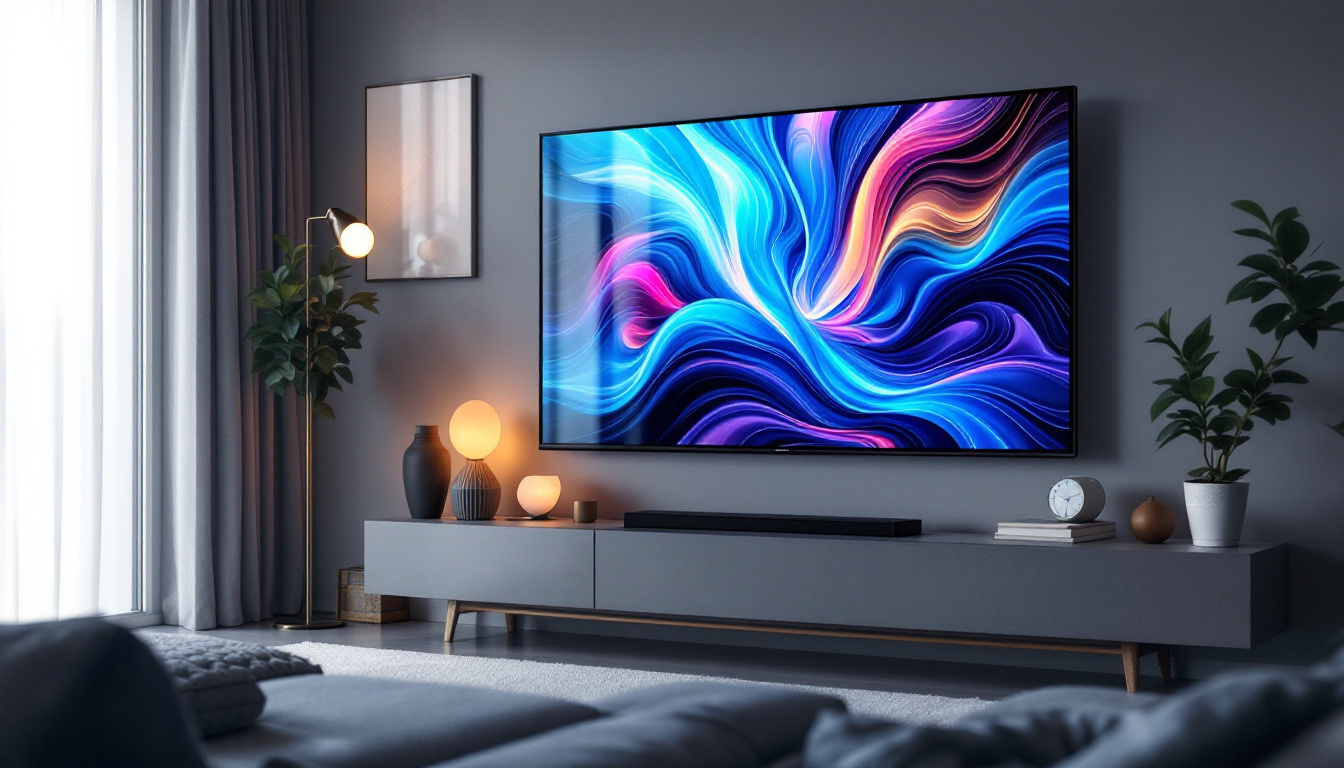
For home theater enthusiasts, a 122-inch screen offers a cinematic experience without the need for a projector. The large size allows viewers to enjoy movies, sports, and gaming with stunning detail and vibrant colors.
When planning a home theater with a 122-inch LED display, consider the viewing distance. Experts recommend sitting approximately 1.5 to 2.5 times the diagonal screen size away for optimal viewing. For a 122-inch screen, this translates to about 15 to 25 feet.
Corporate and Educational Settings
In corporate boardrooms and educational institutions, large LED displays enhance presentations and collaborative work. A 122-inch screen ensures that content is visible to everyone in the room, improving engagement and communication.
LED displays in these settings often support high resolutions and connectivity options, allowing seamless integration with laptops, video conferencing systems, and other digital tools.
Public and Outdoor Advertising
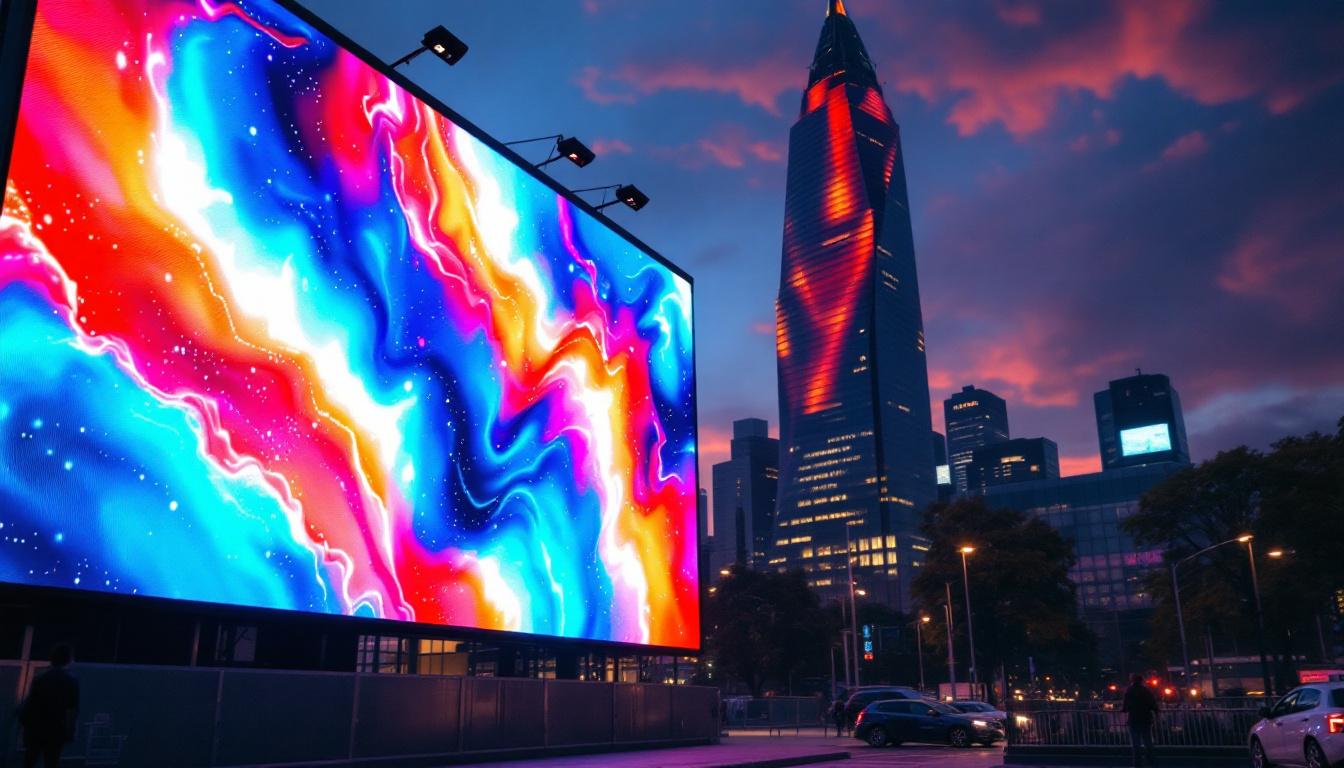
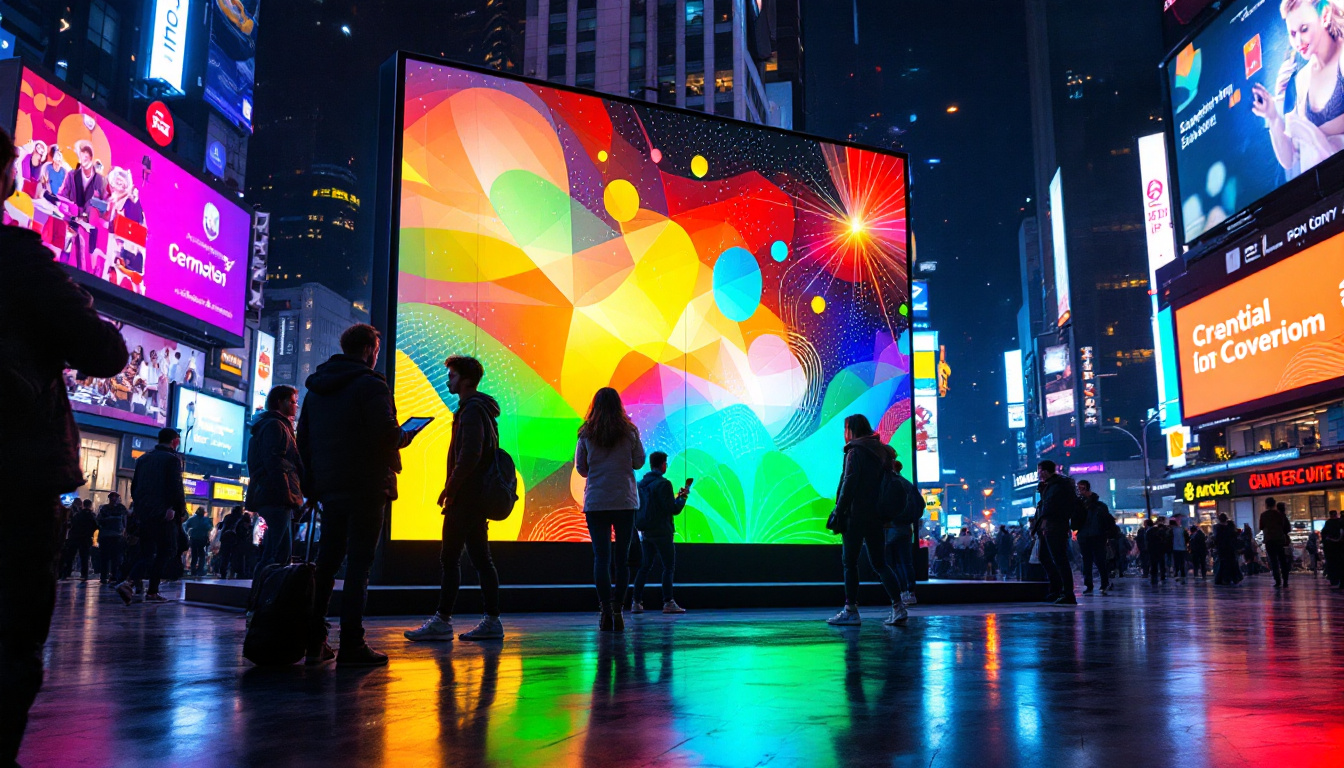
Outdoor LED displays benefit from their brightness and durability. A 122-inch LED billboard can attract attention in busy urban areas, displaying advertisements, announcements, or event information clearly even in direct sunlight.
These displays are designed to withstand weather conditions and operate continuously, making them a reliable choice for marketers and city planners.
Choosing the Right 122-Inch LED Display
Selecting the perfect LED display involves more than just size. Factors such as resolution, pixel pitch, brightness, and connectivity play vital roles in determining the quality and suitability of the display.
Resolution and Pixel Pitch
Resolution refers to the number of pixels on the screen, which affects image clarity. For a 122-inch display, a higher resolution like 4K (3840 x 2160 pixels) is ideal to maintain sharpness at close viewing distances.
Pixel pitch is the distance between individual pixels, measured in millimeters. A smaller pixel pitch means higher pixel density and better image quality. For indoor displays, a pixel pitch of 1.5mm to 2.5mm is common, while outdoor displays may have larger pitches due to viewing distance.
Brightness and Contrast
Brightness is measured in nits, and higher values ensure visibility in bright environments. Indoor LED displays typically range from 600 to 1,500 nits, while outdoor displays can exceed 5,000 nits.
Contrast ratio affects the depth of blacks and the vibrancy of colors. LED displays generally offer excellent contrast, especially compared to traditional LCDs.
Connectivity and Features
Modern LED displays come equipped with multiple input options such as HDMI, DisplayPort, USB, and wireless connectivity. Features like built-in speakers, smart OS capabilities, and remote management enhance usability.
When choosing a 122-inch LED display, consider the compatibility with existing devices and the ease of content management.
Installation and Maintenance Considerations
Installing a large LED display like a 122-inch screen requires careful planning to ensure safety, optimal performance, and longevity.
Space and Mounting
Given its size—over 10 feet diagonally—the display needs adequate wall space or a sturdy stand. Professional installation is recommended to handle the weight and secure mounting.
Consider the viewing angles and ambient lighting to position the display for the best experience.
Power and Cooling
LED displays consume varying amounts of power depending on brightness and size. Ensure that the electrical setup can handle the load safely.
Proper ventilation and cooling systems prevent overheating, which can degrade performance and reduce the lifespan of the display.
Maintenance and Durability
LED displays are known for their durability, but regular maintenance such as cleaning and software updates is essential. For outdoor displays, weatherproofing and protection against dust and moisture are critical.
Many manufacturers offer warranties and service plans to keep the display running smoothly.
Conclusion: The Impact of a 122-Inch LED Display
A 122-inch LED display, measuring just over 10 feet diagonally, represents a significant investment in visual technology. Its size offers immersive viewing experiences, whether for entertainment, professional presentations, or advertising.
Understanding the conversion from inches to feet helps in planning and installation, while knowledge of LED technology ensures that the right display is chosen for the intended environment. With the right features, installation, and maintenance, a 122-inch LED display can transform any space into a dynamic visual hub.
As LED technology continues to evolve, larger and more advanced displays will become increasingly accessible, making it easier than ever to bring stunning visuals to life on a grand scale.
Explore Cutting-Edge LED Displays with LumenMatrix
Ready to elevate your visual experience with a grand-scale LED display? LumenMatrix, a leader in innovative LED display technology, offers a diverse range of solutions tailored to meet your needs. From immersive Indoor and Outdoor LED Wall Displays to dynamic Vehicle and Sports LED Displays, each product is designed to captivate and engage your audience. Discover the transformative power of LED displays and how LumenMatrix can help you communicate with impact. Check out LumenMatrix LED Display Solutions today and step into the future of visual storytelling.