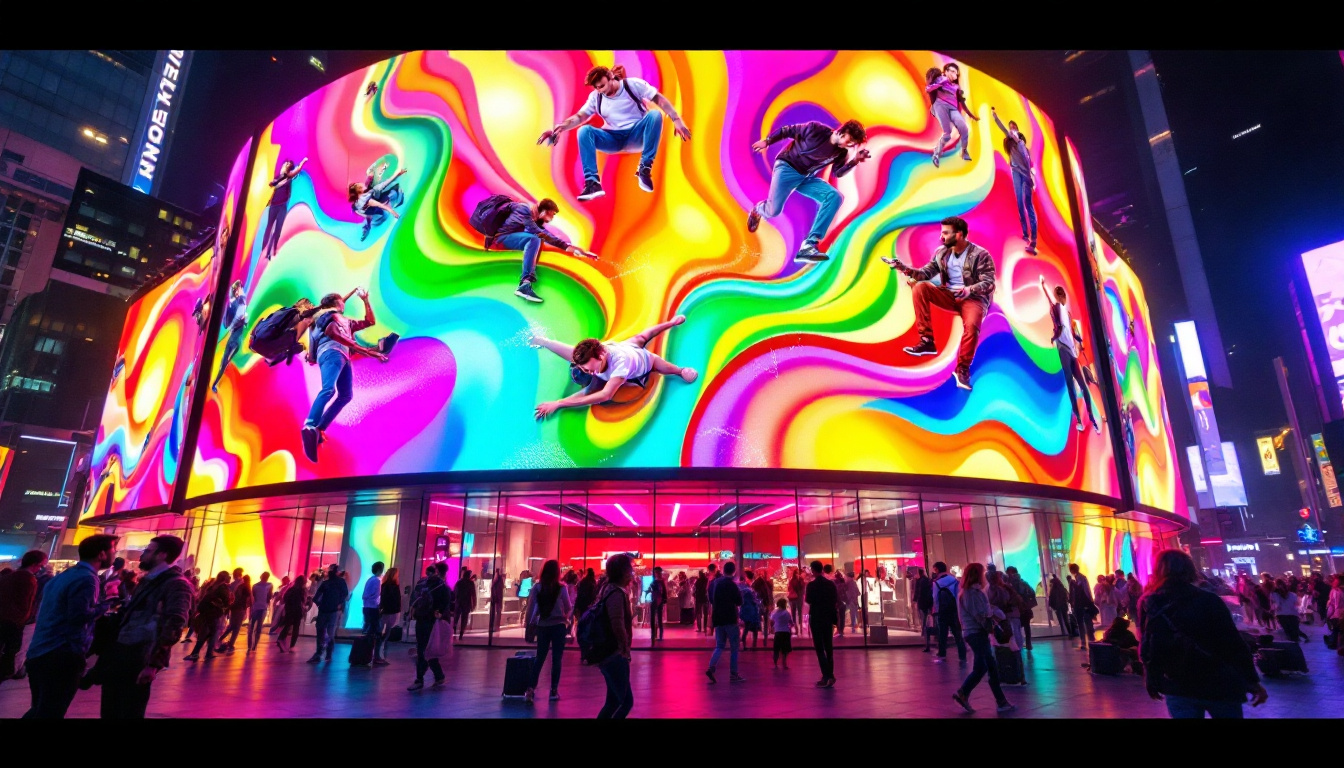
When it comes to understanding screen sizes, especially for LED displays, it’s common to encounter measurements in inches. However, converting these measurements into feet can provide a clearer perspective on the actual size, particularly for large-format displays used in commercial or home settings. This article explores the conversion of 137 inches to feet and delves into the details of LED displays, helping readers grasp the significance of size, resolution, and application.
Converting 137 Inches to Feet: The Basics
Understanding the size of an LED display is fundamental when planning for installation, viewing distance, or spatial arrangement. Inches and feet are both units of length commonly used in the United States, but feet often provide a more intuitive sense of scale for larger objects.
To convert inches to feet, the standard conversion factor is:
1 foot = 12 inches
Therefore, to convert 137 inches to feet, divide 137 by 12:
137 inches ÷ 12 = 11.4167 feet
This means a 137-inch LED display measures approximately 11 feet and 5 inches diagonally.
Why Convert Inches to Feet?
While inches are precise and useful for smaller measurements, feet offer a better grasp of larger dimensions. For instance, when visualizing a 137-inch display, saying it is over 11 feet diagonally helps in understanding the scale of the screen in a room or venue. This is particularly important for event planners, digital signage professionals, and consumers evaluating the space required for installation.
Moreover, converting measurements from inches to feet can simplify discussions about layout and design. For example, when arranging furniture or other elements around a large display, knowing that it’s roughly 11 feet allows for easier calculations regarding spacing and arrangement. This conversion can also aid in ensuring that the display is positioned at an optimal height for viewing, which is crucial for both aesthetic appeal and functionality.
Additionally, in contexts such as sports venues or auditoriums, understanding dimensions in feet can enhance the planning process. It allows for better communication among teams involved in the setup, from technical staff to designers, ensuring that everyone has a clear picture of the space being utilized. This clarity can lead to more effective use of space, ultimately resulting in a more engaging experience for viewers.
Understanding LED Display Sizes and Their Impact
LED displays have become ubiquitous in advertising, entertainment, and information dissemination. Their sizes can range from small indoor panels to massive outdoor billboards. The size of the display directly influences viewing experience, installation requirements, and cost.
Diagonal Measurement vs. Actual Dimensions
Screen sizes are typically measured diagonally from one corner to the opposite corner. For a 137-inch LED display, this diagonal measurement is about 11.4 feet, but the actual width and height depend on the aspect ratio of the screen.
Most LED displays use a 16:9 aspect ratio, which is standard for HDTVs and many digital screens. To calculate the width and height:
- Width = Diagonal ÷ √(1 + (height/width)²)
- Height = Width × (height/width)
For a 16:9 screen, the height-to-width ratio is 9/16 or 0.5625. Using this, the width and height of a 137-inch display are approximately:
- Width ≈ 11.4 ft ÷ √(1 + 0.5625²) ≈ 9.96 feet
- Height ≈ 9.96 ft × 0.5625 ≈ 5.6 feet
This means the display is roughly 10 feet wide and 5.6 feet tall, providing a clearer picture of its physical footprint.
Importance of Size in Viewing Experience
The size of an LED display affects how viewers perceive content. Larger screens are better suited for audiences at a distance, such as in stadiums, conference halls, or outdoor advertising. The 137-inch size offers a balance between visibility and space requirements, making it ideal for medium to large venues.
Moreover, the viewing distance plays a crucial role. A general rule of thumb is that the optimal viewing distance is about 1.5 to 2.5 times the diagonal screen size. For a 137-inch display, this translates to approximately 17 to 28 feet. Sitting within this range ensures viewers experience sharp images without strain.
In addition to the physical dimensions, the pixel pitch of an LED display also significantly impacts the viewing experience. Pixel pitch refers to the distance between the centers of two adjacent pixels, and it directly influences the resolution and clarity of the image. A smaller pixel pitch results in higher resolution, making it suitable for close viewing distances, such as in retail environments or trade shows. Conversely, larger pixel pitches are more appropriate for outdoor displays viewed from a distance, where high resolution is less critical. Understanding both size and pixel pitch allows businesses to make informed decisions about which LED display best suits their needs.
Furthermore, the installation environment can dictate the optimal size for an LED display. For instance, in a brightly lit area, a larger display may be necessary to ensure visibility against competing light sources. Additionally, the layout of the venue can influence how the display is perceived; for example, a display mounted high on a wall may require a larger size to be effectively viewed from below. These considerations highlight the importance of not only the size of the display but also its placement and the surrounding environment in delivering an impactful visual experience.
LED Technology: What Makes These Displays Stand Out?
LED (Light Emitting Diode) technology has revolutionized display screens due to its brightness, energy efficiency, and durability. Understanding the technology behind LED displays helps in appreciating why size and resolution matter.
How LED Displays Work
LED displays consist of numerous tiny light-emitting diodes arranged in a grid. Each diode can emit light of varying color and intensity, enabling the display to produce vibrant images and videos. Unlike traditional LCD screens that require backlighting, LEDs are self-illuminating, which results in better contrast and energy savings.
There are two main types of LED displays:
- Direct View LED (DV-LED): Uses individual LEDs as pixels, ideal for large outdoor or indoor screens.
- LED-backlit LCD: Uses LEDs as a backlight source for an LCD panel, common in consumer televisions.
Resolution and Pixel Pitch
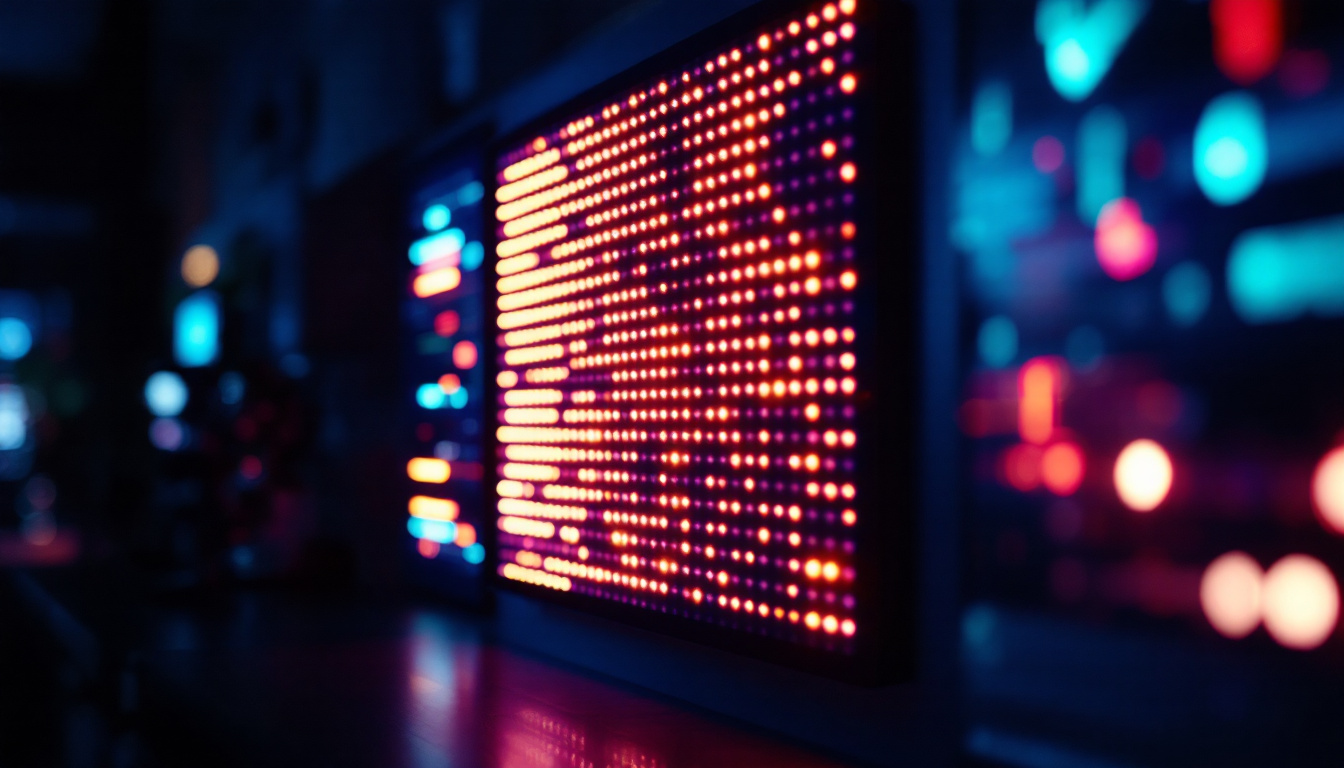
The resolution of an LED display refers to the number of pixels it contains, which directly impacts image clarity. Pixel pitch, the distance between the centers of two adjacent pixels, is a critical factor in determining resolution and viewing distance suitability.
For a 137-inch LED display, pixel pitch varies depending on the intended use. For indoor applications, a smaller pixel pitch (e.g., 1.5mm to 3mm) offers high resolution and crisp images at close viewing distances. Outdoor displays typically have larger pixel pitches (e.g., 6mm to 10mm) to accommodate longer viewing distances and environmental durability.
Applications of a 137-Inch LED Display
Displays of this size are versatile and can be found in various settings, each leveraging the size and technology for different purposes.
Corporate and Conference Use
In corporate environments, a 137-inch LED display provides an impressive visual platform for presentations, video conferencing, and digital signage. Its size allows for clear visibility even in large meeting rooms or auditoriums, enhancing communication and engagement.
Entertainment and Home Theater
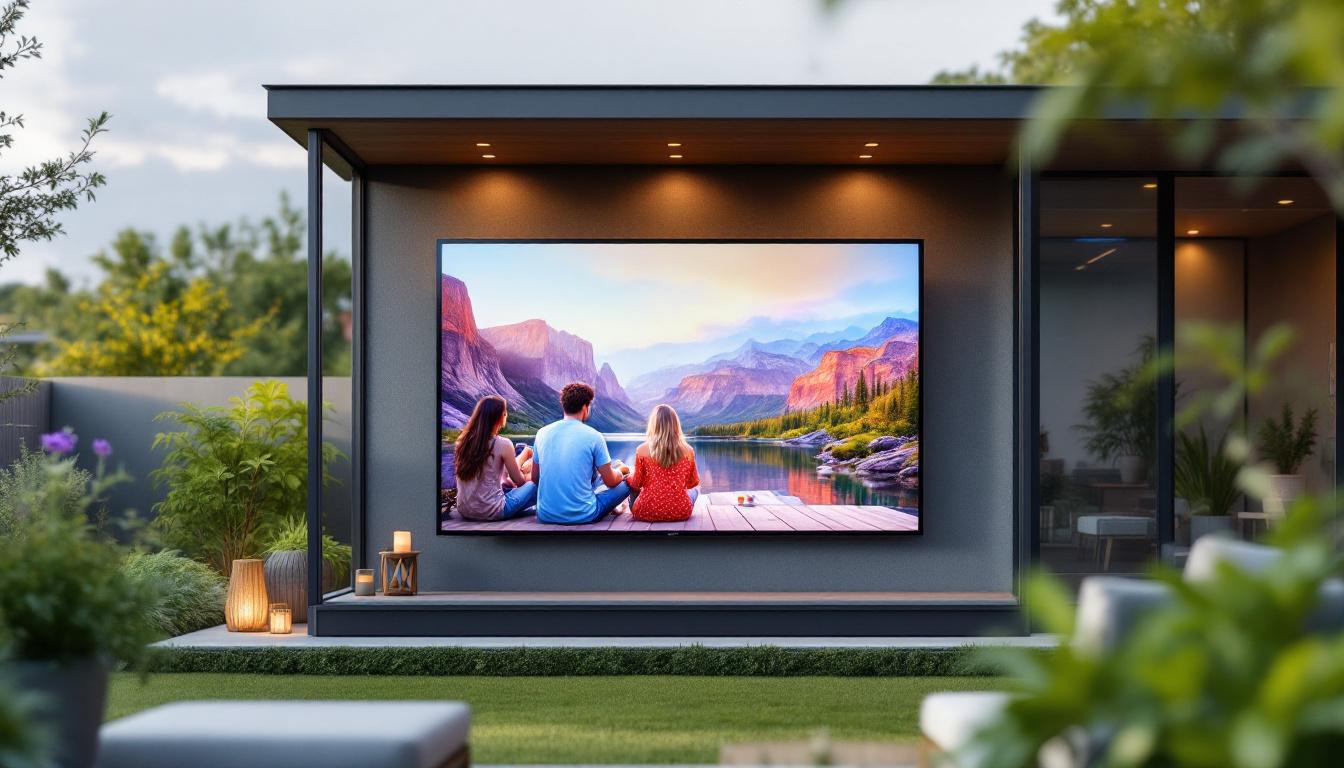
Home theater enthusiasts seeking a cinematic experience may opt for a 137-inch LED display as a centerpiece. This size delivers immersive visuals that rival commercial cinemas, especially when paired with high dynamic range (HDR) content and surround sound systems.
Retail and Advertising
Retailers and advertisers use large LED displays to capture attention and convey messages dynamically. A 137-inch screen is large enough to be eye-catching without overwhelming the space, making it suitable for storefronts, malls, and event spaces.
Considerations When Choosing a 137-Inch LED Display
Selecting the right LED display involves more than just size. Several factors must be considered to ensure optimal performance and value.
Space and Installation Requirements
Given its size—approximately 10 feet wide by 5.6 feet tall—a 137-inch LED display requires adequate wall space or mounting infrastructure. Additionally, weight and ventilation considerations are crucial, especially for indoor installations to prevent overheating.
Brightness and Ambient Lighting
LED displays are known for their high brightness levels, which is essential for visibility in well-lit environments. However, the brightness must be adjustable to prevent eye strain in darker settings. For outdoor use, displays need to be bright enough to overcome sunlight glare, often exceeding 5,000 nits.
Connectivity and Content Management
Modern LED displays support various input sources and content management systems. Ensuring compatibility with existing hardware and software simplifies operation and content updates. Features like remote control, scheduling, and real-time data integration add significant value.
Future Trends in LED Display Technology
The LED display industry continues to evolve rapidly, driven by advancements in materials, manufacturing, and digital technology.
MicroLED and MiniLED Innovations
Emerging technologies such as MicroLED and MiniLED promise even higher resolution, better color accuracy, and improved energy efficiency. These innovations could lead to thinner, lighter displays with enhanced durability, expanding the possibilities for large-format screens like the 137-inch model.
Flexible and Transparent Displays
Flexible LED panels and transparent displays are gaining traction, allowing for creative installations that blend seamlessly with architecture. These technologies open new avenues for advertising, art, and interactive experiences.
Integration with Smart Technologies
Integration with Internet of Things (IoT) devices and artificial intelligence (AI) enables LED displays to provide personalized content, real-time analytics, and interactive capabilities. This trend enhances user engagement and operational efficiency.
Conclusion
Converting 137 inches to feet reveals that such an LED display spans over 11 feet diagonally, making it a substantial visual asset for various applications. Understanding the dimensions, technology, and practical considerations of LED displays empowers consumers and professionals to make informed decisions. Whether for corporate presentations, home theaters, or advertising, a 137-inch LED display offers a compelling combination of size, clarity, and versatility.
As LED technology advances, these large-format displays will continue to evolve, offering brighter, sharper, and more interactive experiences. Keeping abreast of these developments ensures that investments in LED displays remain relevant and impactful in a rapidly changing digital landscape.
Explore Cutting-Edge LED Displays with LumenMatrix
Ready to elevate your visual experience with a display that combines size, clarity, and versatility? LumenMatrix is at the forefront of LED display innovation, offering a wide range of solutions tailored to your needs. From captivating Indoor and Outdoor LED Wall Displays to dynamic Vehicle and Sports LED Displays, our technology is designed to revolutionize visual communication. Discover how our LED Poster Displays, Floor LEDs, Custom configurations, and All-in-One solutions can transform your space and engage your audience. Don’t miss the opportunity to create unforgettable visual experiences. Check out LumenMatrix LED Display Solutions today and see your message come to life with unparalleled impact.