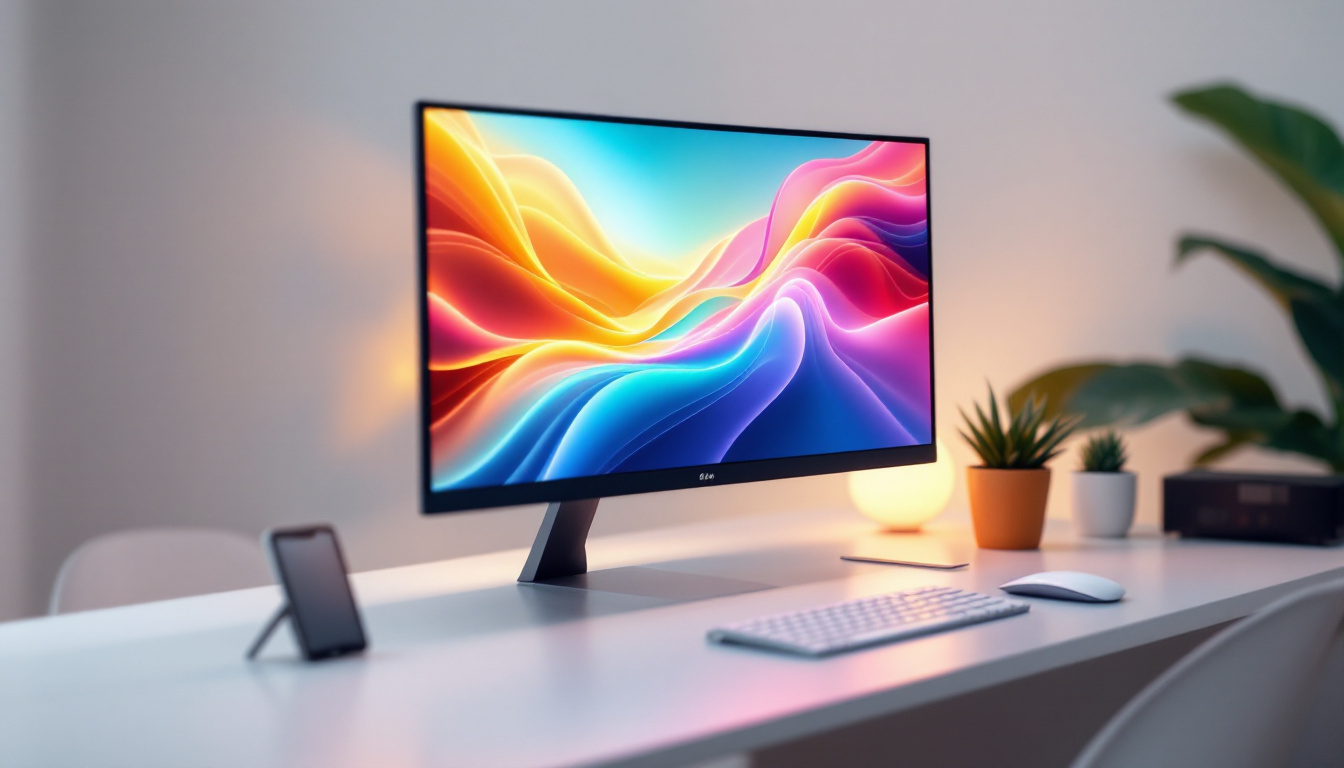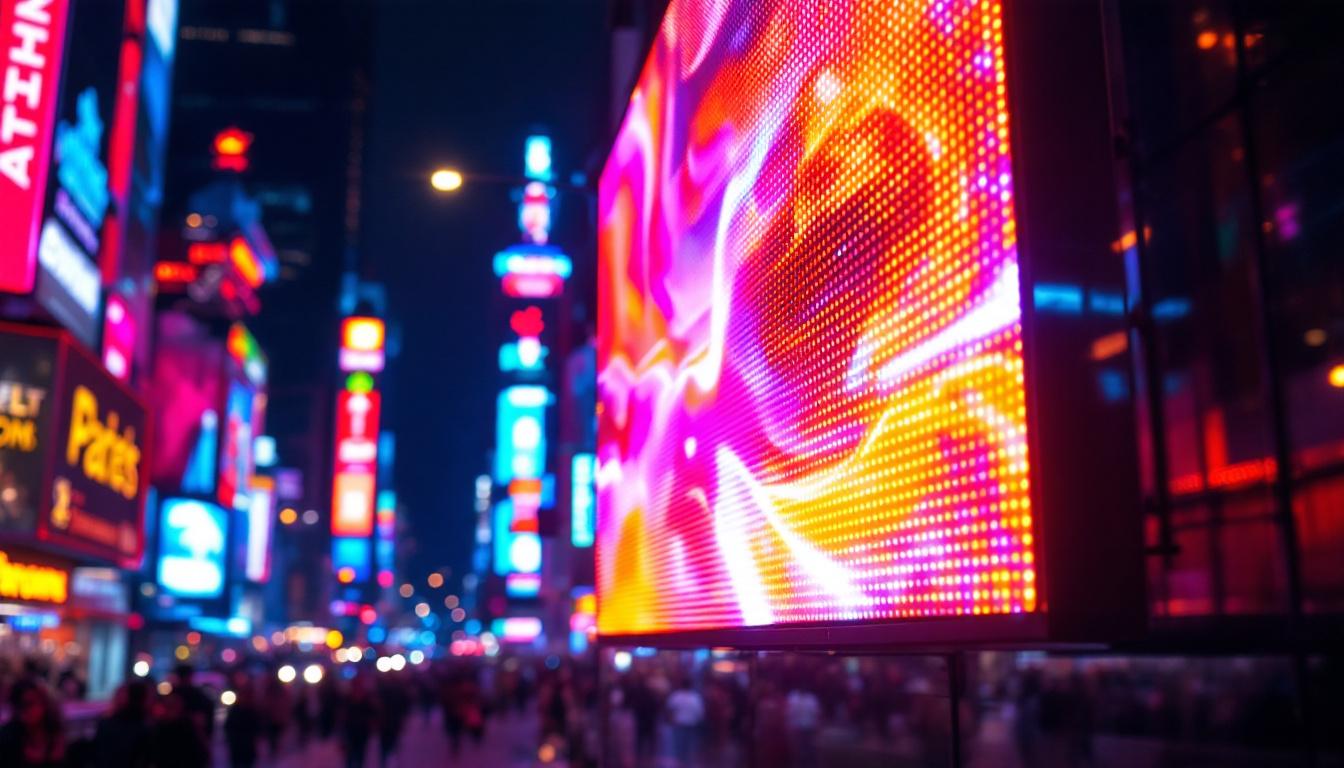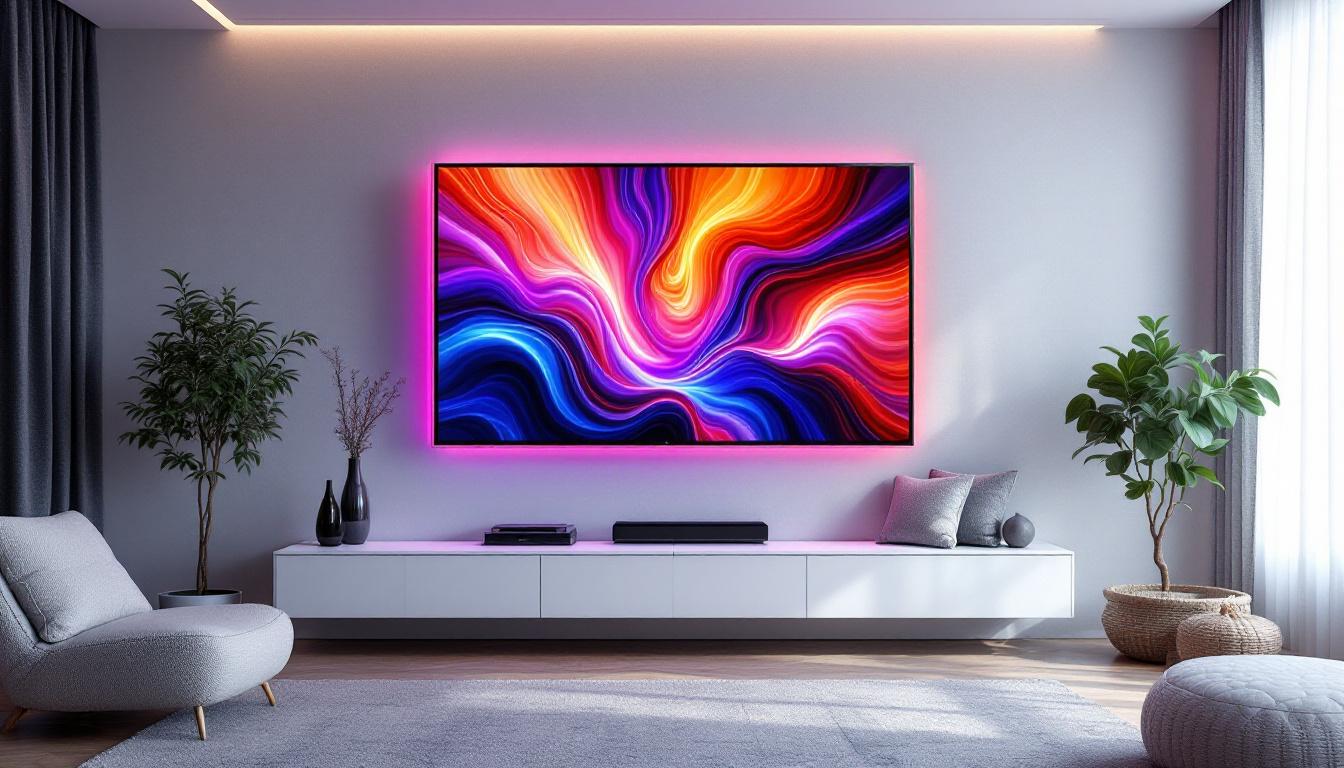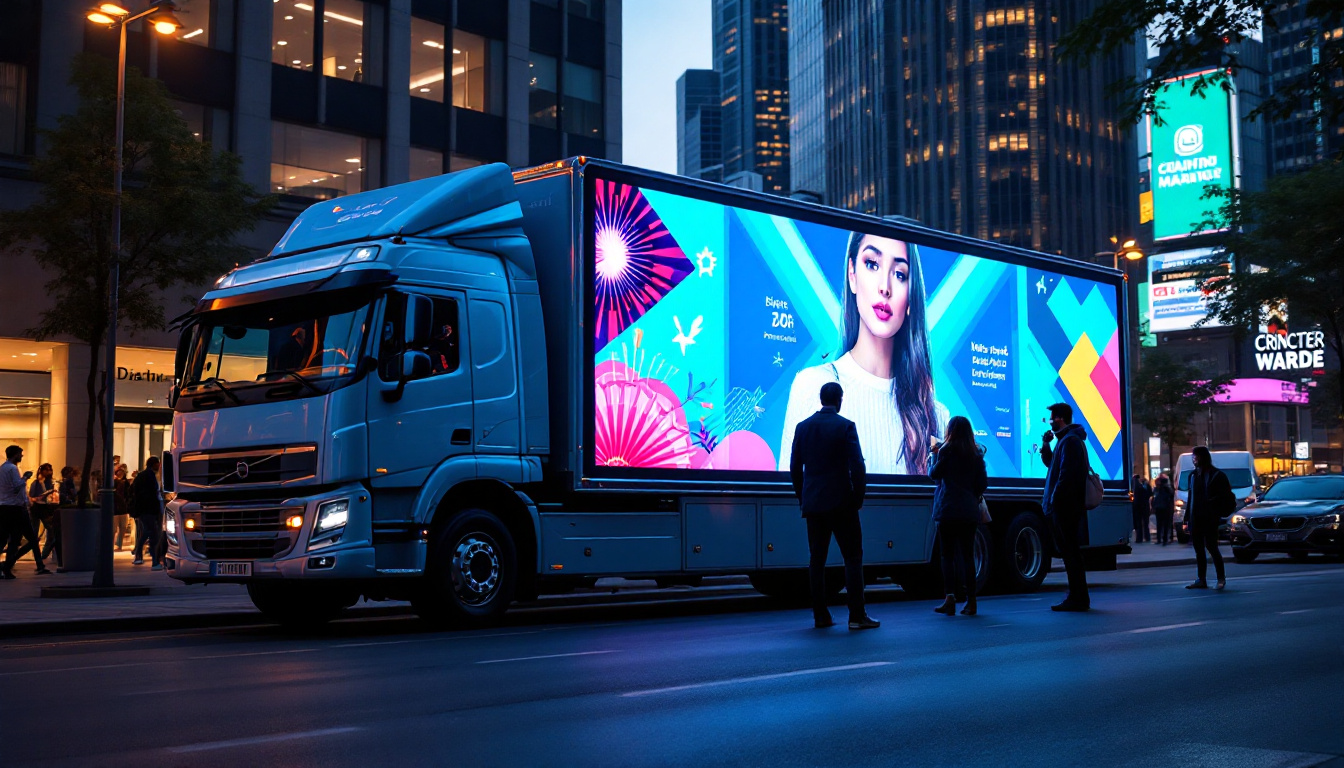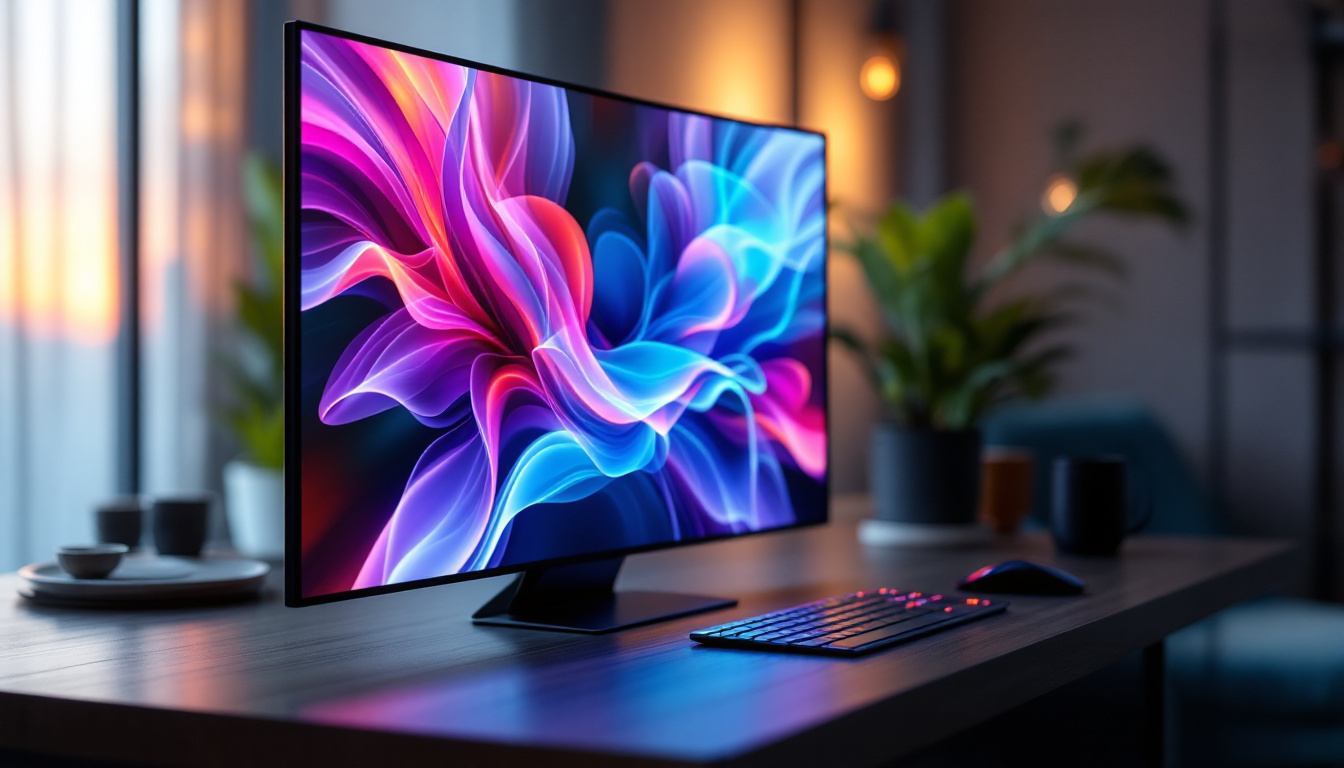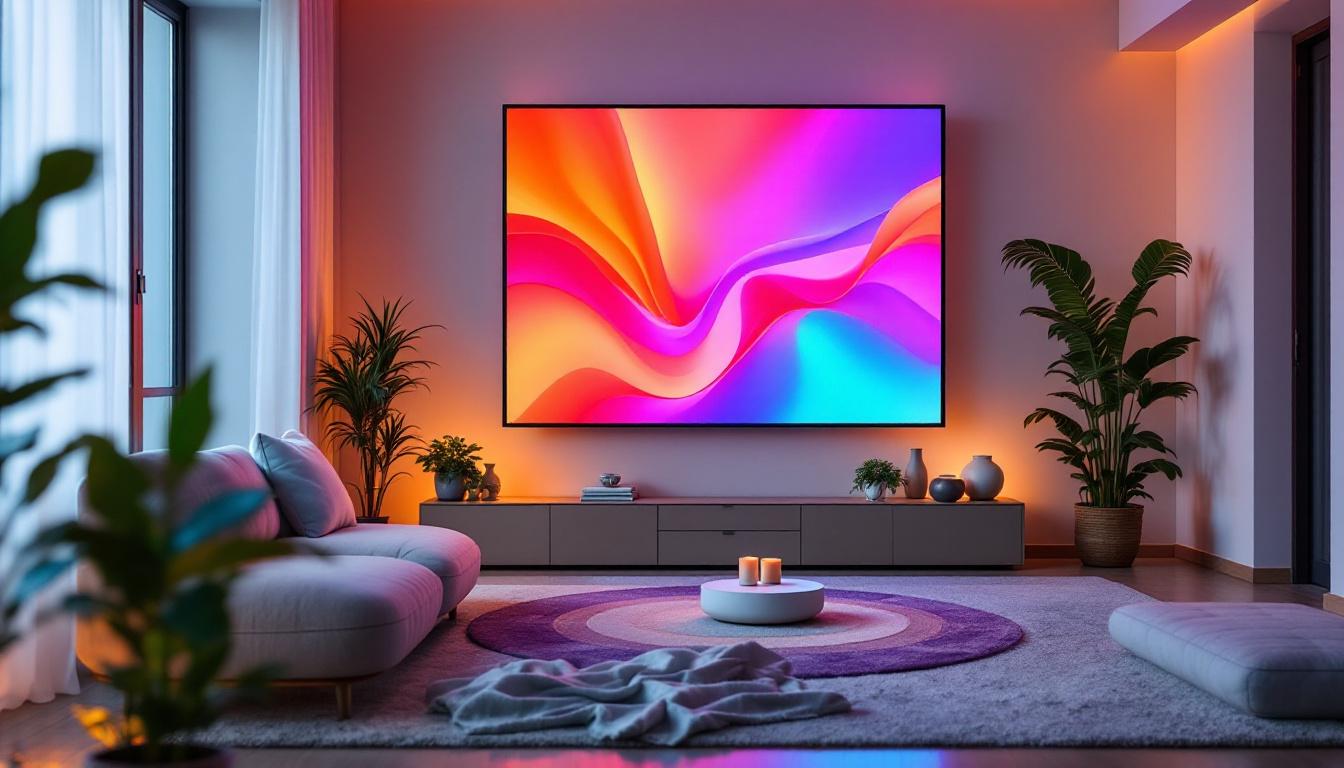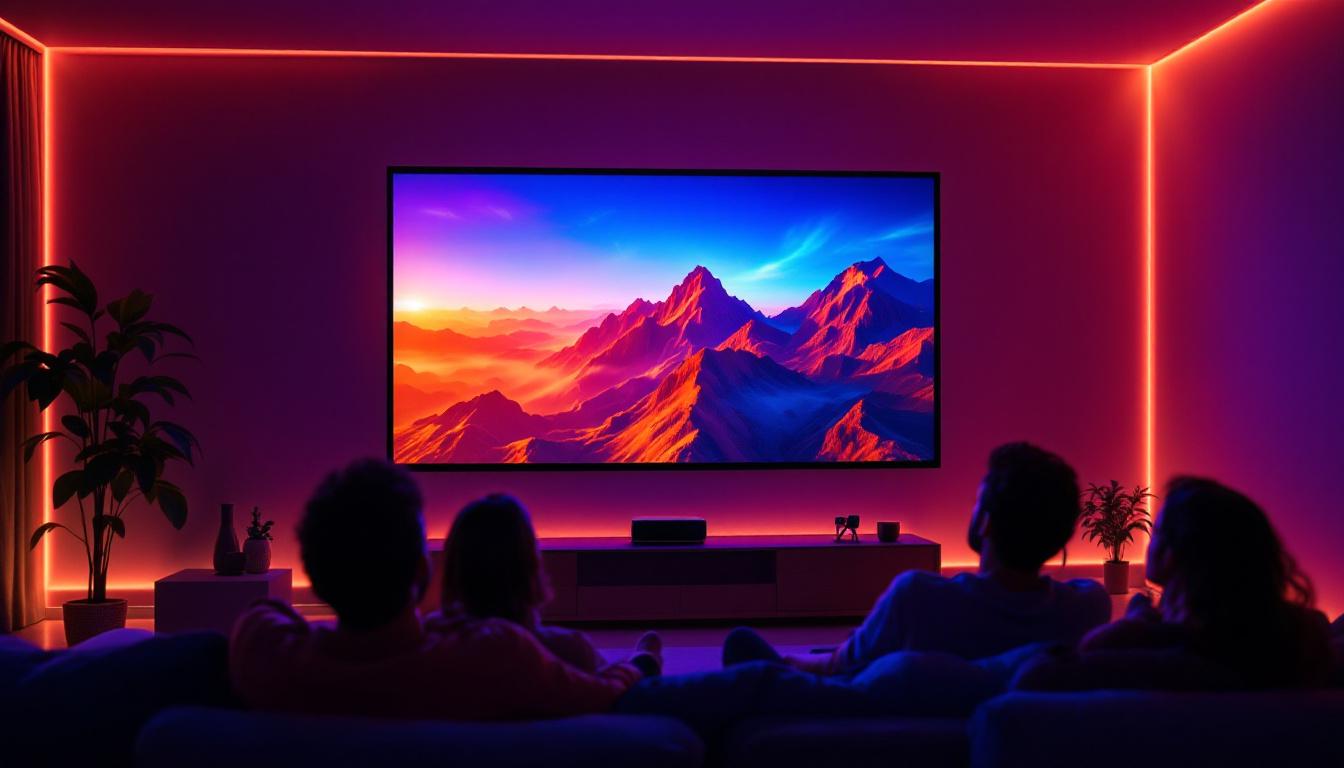
Choosing the right projector screen size is crucial for creating an immersive viewing experience, whether for home theaters, conference rooms, or classrooms. Among the various aspect ratios available, the 16:9 format has become the industry standard, especially for HD content and LED displays. This article explores the nuances of 16:9 projector screen sizes, how they relate to LED display technology, and practical considerations to help you make an informed decision.
Understanding the 16:9 Aspect Ratio
The 16:9 aspect ratio, also known as widescreen format, represents the proportional relationship between the width and height of a screen. Specifically, for every 16 units of width, there are 9 units of height. This ratio has been widely adopted for HDTV broadcasts, Blu-ray movies, and most modern video content, making it the preferred choice for projector screens.
One of the key reasons for the popularity of 16:9 is its compatibility with high-definition content. Since most HD videos are produced in this ratio, using a 16:9 screen ensures that the image fills the screen without black bars or distortion. This is particularly important for LED displays and projectors, which aim to deliver sharp, vibrant visuals.
Why 16:9 Matters for LED Displays
LED displays, known for their brightness and color accuracy, are increasingly used as projector screens or even as direct display surfaces. The 16:9 aspect ratio aligns perfectly with the native resolution of many LED panels, such as 1920×1080 pixels (Full HD) and 3840×2160 pixels (4K UHD). This alignment minimizes image scaling and preserves picture quality.
Moreover, LED technology offers advantages over traditional projection methods, including higher brightness levels, better contrast ratios, and longer lifespan. When paired with a 16:9 screen, these features enhance the viewing experience, whether in brightly lit environments or dark home theaters.
Common 16:9 Projector Screen Sizes and Their Applications
Projector screens come in a variety of sizes, and selecting the right one depends on the room size, projector capabilities, and intended use. Below are some of the most common 16:9 screen sizes, along with practical examples of where they are best suited.
80-Inch Diagonal (69.7″ x 39.2″)
The 80-inch diagonal screen is a popular choice for small to medium-sized rooms, such as bedrooms or small conference rooms. Its dimensions offer a comfortable viewing experience for audiences sitting approximately 8 to 12 feet away.
This size is ideal for casual movie watching, gaming, or presentations where space is limited. Additionally, many consumer-grade LED projectors are optimized for this screen size, ensuring crisp images without excessive brightness requirements.
100-Inch Diagonal (87.2″ x 49.0″)
The 100-inch screen is often considered the sweet spot for home theaters and mid-sized meeting rooms. It provides a cinematic feel without overwhelming the space, making it suitable for groups of 10 to 20 people.
In corporate settings, this size works well for presentations and video conferencing, especially when paired with high-lumen LED projectors that maintain image clarity even in ambient light. The 100-inch screen also supports 4K content effectively, taking full advantage of LED display capabilities.
120-Inch Diagonal (104.6″ x 58.8″)
For larger rooms or dedicated home theaters, the 120-inch screen offers an immersive experience akin to commercial cinemas. This size is perfect for audiences of 20 or more, providing a wide field of view and enhanced detail visibility.
LED displays at this scale require careful calibration to maintain brightness uniformity and color accuracy. However, advancements in LED panel technology have made it easier to achieve consistent performance across large 16:9 screens.
150-Inch Diagonal and Beyond
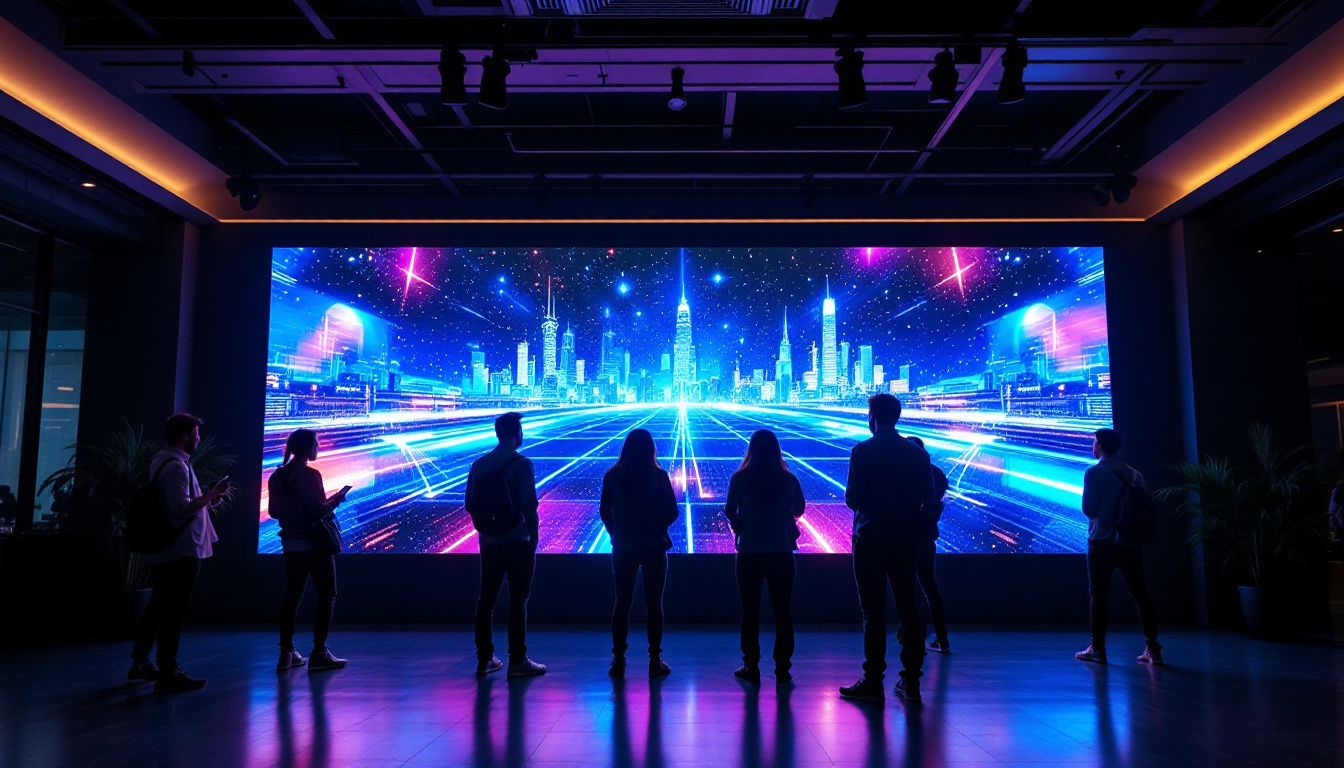
Screen sizes of 150 inches or larger are typically used in auditoriums, large conference halls, or event venues. These massive screens demand high-output LED projectors or modular LED display walls to ensure image quality and brightness.
While these setups involve higher costs and installation complexity, they deliver unparalleled visual impact, making them ideal for keynote presentations, live events, and large-scale entertainment.
Calculating the Ideal Screen Size for Your Space
Determining the optimal 16:9 projector screen size involves balancing several factors, including viewing distance, projector brightness, and room dimensions. A widely accepted guideline is the “1.5 to 2.5 times the screen diagonal” rule for viewing distance.
For example, if you have a 100-inch screen, the ideal seating distance ranges from 12.5 feet (1.5 x 100 inches) to about 20.8 feet (2.5 x 100 inches). Sitting too close can cause eye strain, while sitting too far reduces immersion and detail perception.
Brightness and Ambient Light Considerations
LED projectors and displays are known for their high brightness levels, measured in lumens. However, ambient light in the room can significantly affect image visibility. For rooms with substantial natural or artificial light, a larger screen paired with a high-lumen LED projector is recommended to maintain image clarity.
Screen gain, which measures the reflectivity of the screen surface, also plays a role. Higher gain screens reflect more light, enhancing brightness but potentially reducing viewing angles. Choosing a screen with appropriate gain for your environment ensures optimal performance.
Room Size and Layout
Physical constraints such as wall space and ceiling height limit the maximum screen size. Additionally, the projector’s throw distance—the distance between the projector and the screen—must be compatible with the chosen screen size.
Short-throw and ultra-short-throw LED projectors have gained popularity for their ability to project large images from minimal distances, making them suitable for smaller rooms or spaces where mounting options are limited.
LED Display Technology in Projector Screens
While traditional projector screens are passive surfaces reflecting projected light, LED displays represent an active technology where each pixel emits its own light. This fundamental difference brings several advantages and considerations.
Advantages of LED Displays for Projection
LED displays offer superior brightness, often exceeding 1,000 nits, which allows for clear images even in well-lit environments. Their high contrast ratios produce deeper blacks and more vibrant colors compared to standard projection screens.
Furthermore, LED displays do not require a separate projector unit, reducing setup complexity and maintenance. Their modular design allows for custom sizes and shapes, including seamless 16:9 configurations tailored to specific spaces.
Resolution and Pixel Pitch
The resolution of an LED display is determined by the number of pixels and the pixel pitch—the distance between individual LED clusters. Smaller pixel pitches result in higher resolution and sharper images, essential for close viewing distances.
For example, a 16:9 LED display with a 1.5mm pixel pitch can deliver near-4K resolution on a 100-inch screen, suitable for detailed presentations and high-definition video playback.
Installation and Cost Factors
Despite their benefits, LED displays typically come with higher upfront costs compared to traditional projector setups. Installation requires professional calibration and structural support, especially for large screens.
However, the long-term benefits, including lower maintenance, longer lifespan, and superior image quality, often justify the investment for commercial venues, corporate environments, and high-end home theaters.
Choosing Between a Traditional Projector Screen and an LED Display
Deciding whether to use a traditional projector screen or an LED display depends on budget, room conditions, and intended use. Each option has its strengths and trade-offs.
When to Choose a Traditional 16:9 Projector Screen
Traditional screens paired with projectors remain a cost-effective solution for many users. They offer flexibility in screen size and portability, making them suitable for temporary setups or multi-purpose rooms.
If ambient light can be controlled and the viewing distance is moderate, a high-quality 16:9 screen with a compatible projector can deliver excellent image quality without the higher expense of LED displays.
When to Opt for an LED Display
LED displays are ideal for environments where ambient light cannot be fully controlled, or where maximum brightness and color fidelity are paramount. They are also preferred for permanent installations requiring minimal maintenance.
Businesses hosting frequent presentations, event venues, and luxury home theaters benefit from the consistent performance and visual impact of LED displays configured in the 16:9 aspect ratio.
Future Trends in 16:9 Projector Screens and LED Technology
The evolution of display technology continues to influence projector screen design and performance. Emerging trends promise even more immersive and flexible viewing experiences.
MicroLED and MiniLED Innovations
MicroLED and MiniLED technologies are advancing the capabilities of LED displays by offering higher pixel densities, improved energy efficiency, and better color accuracy. These developments will enable more compact 16:9 screens with near-perfect image quality.
Integration with Smart Home and IoT
Smart projector screens and LED displays are increasingly integrated with home automation systems, allowing users to control screen size, brightness, and content through voice commands or mobile apps. This integration enhances convenience and user experience.
Flexible and Transparent Displays
Research into flexible and transparent LED displays may soon allow 16:9 screens to be installed on unconventional surfaces, such as curved walls or windows, expanding design possibilities for both commercial and residential spaces.
Conclusion
The 16:9 aspect ratio remains the dominant standard for projector screens, perfectly complementing the native resolutions of modern LED displays and HD content. Understanding the various screen sizes, from 80 inches to over 150 inches, and their appropriate applications is essential for optimizing your viewing environment.
LED display technology offers significant advantages in brightness, color accuracy, and durability, making it a compelling choice for permanent installations and challenging lighting conditions. However, traditional projector screens continue to provide flexible and cost-effective solutions for many users.
By carefully considering room size, viewing distance, ambient light, and budget, you can select the ideal 16:9 projector screen or LED display that delivers an exceptional visual experience tailored to your needs.
Discover LumenMatrix LED Display Solutions
Ready to elevate your visual experience with the perfect 16:9 LED display? LumenMatrix, a pioneer in LED display technology, offers a wide array of innovative solutions tailored to your specific needs. From breathtaking Indoor LED Wall Displays to dynamic Outdoor LED Wall Displays, and from versatile Vehicle LED Displays to engaging LED Sports Displays, LumenMatrix has the cutting-edge technology to bring your content to life. Embrace the future of visual communication with our Custom LED Displays, All-in-One LED Displays, and LED Transparent Displays. Check out LumenMatrix LED Display Solutions today and transform your space into a captivating visual journey.