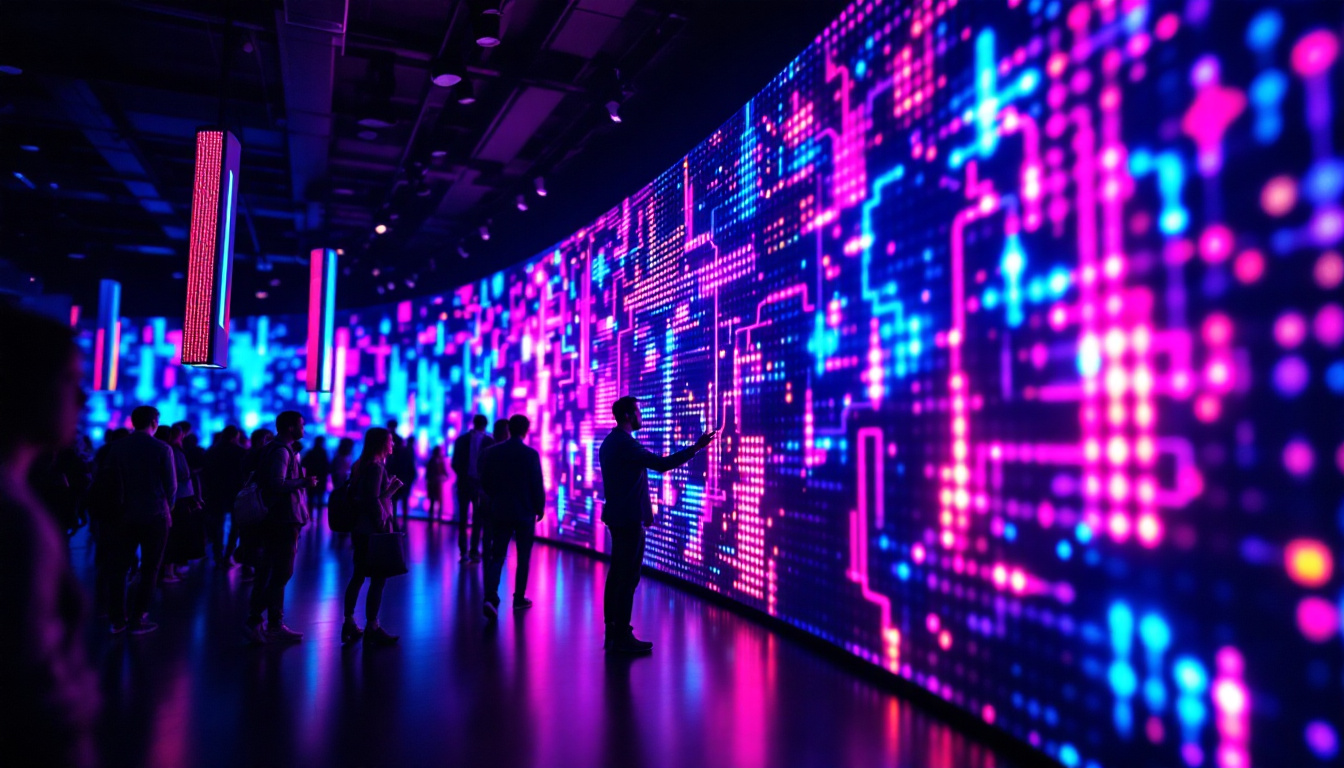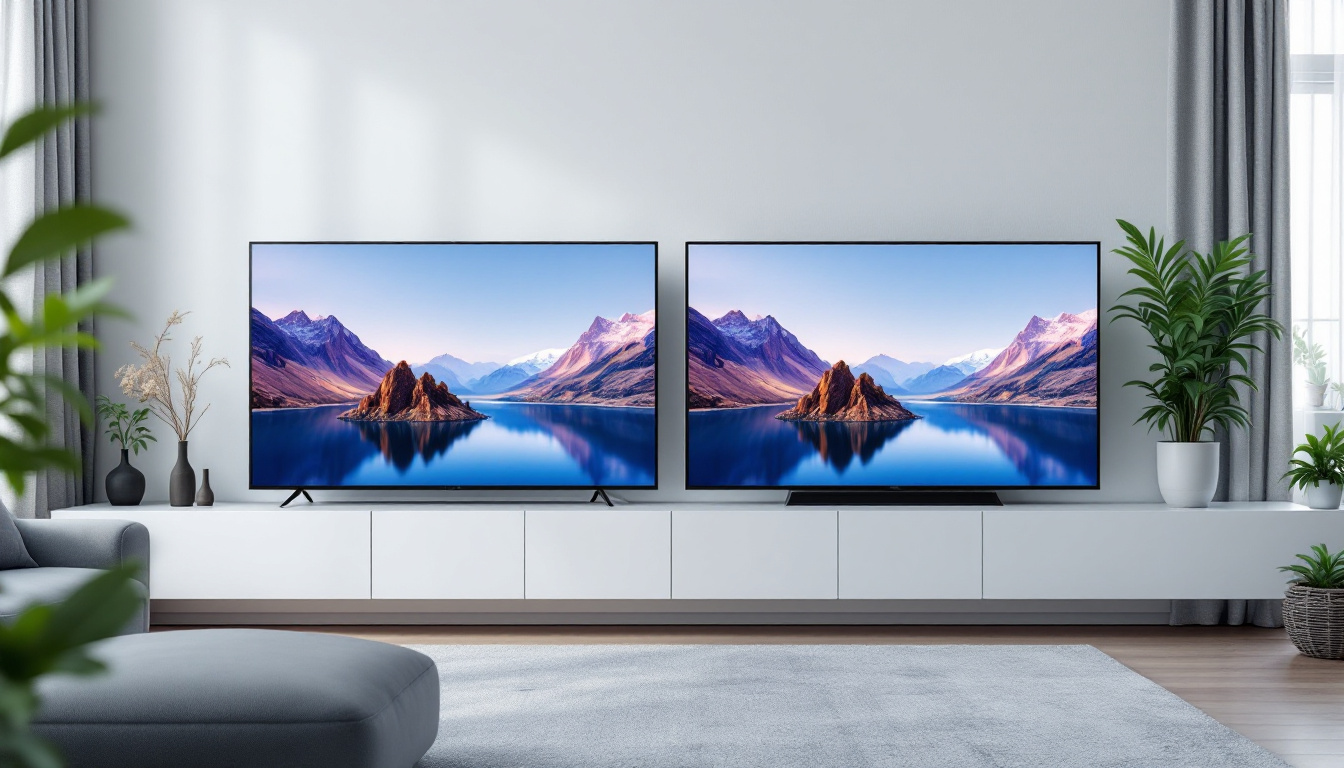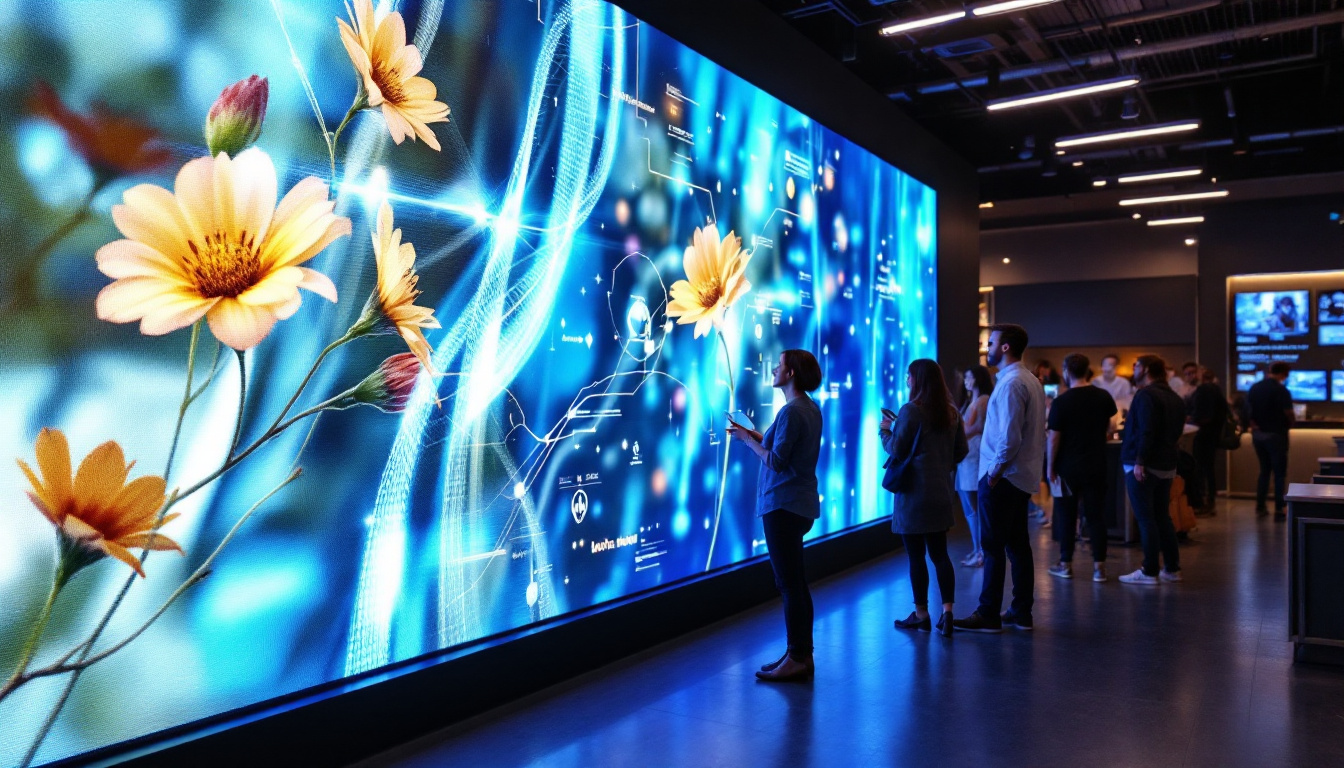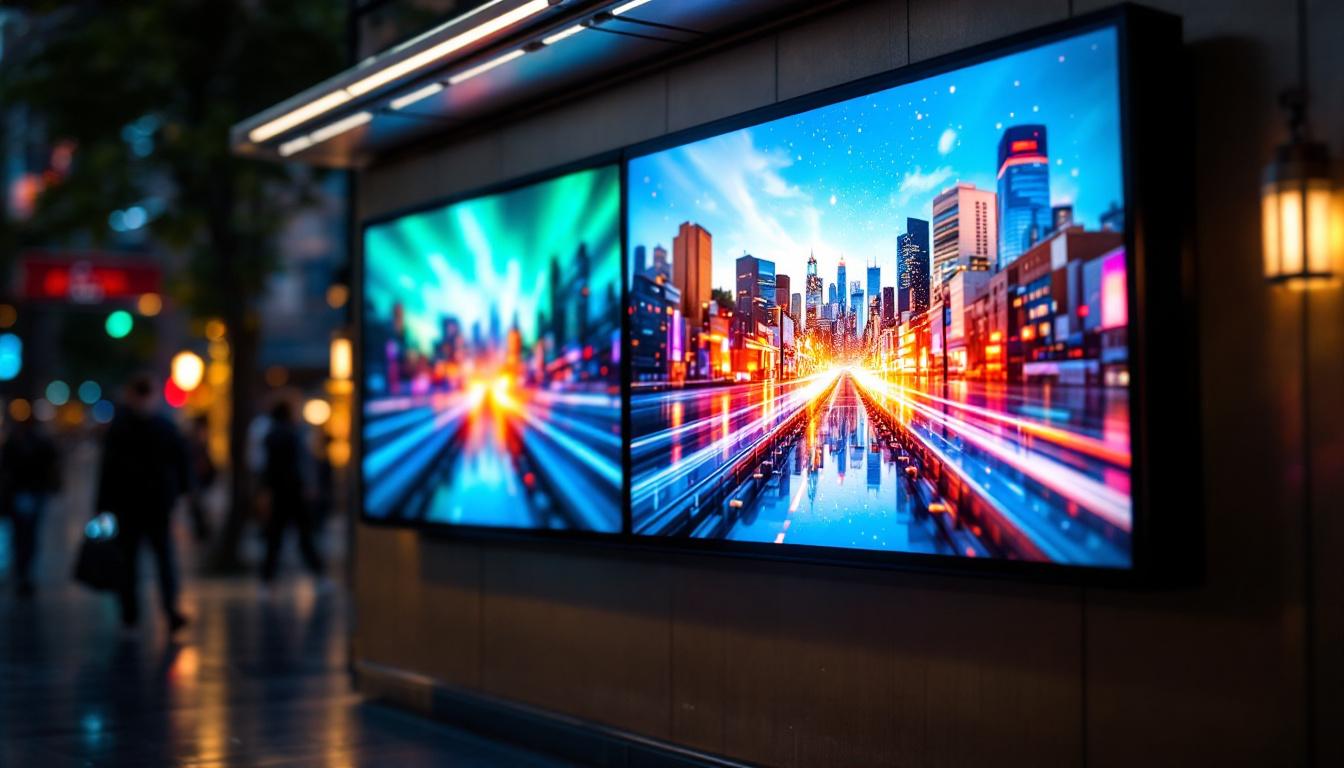
In an era dominated by digital innovation, the ability to display multiple video streams simultaneously on a single screen has become a game-changer for various industries. Whether it’s in advertising, live events, control rooms, or retail environments, showing two videos in one screen using LED display technology offers dynamic visual storytelling and enhanced viewer engagement. This article delves into the technical and practical aspects of this capability, explaining how LED displays manage dual video content, the benefits, challenges, and real-world applications.
Understanding LED Display Technology
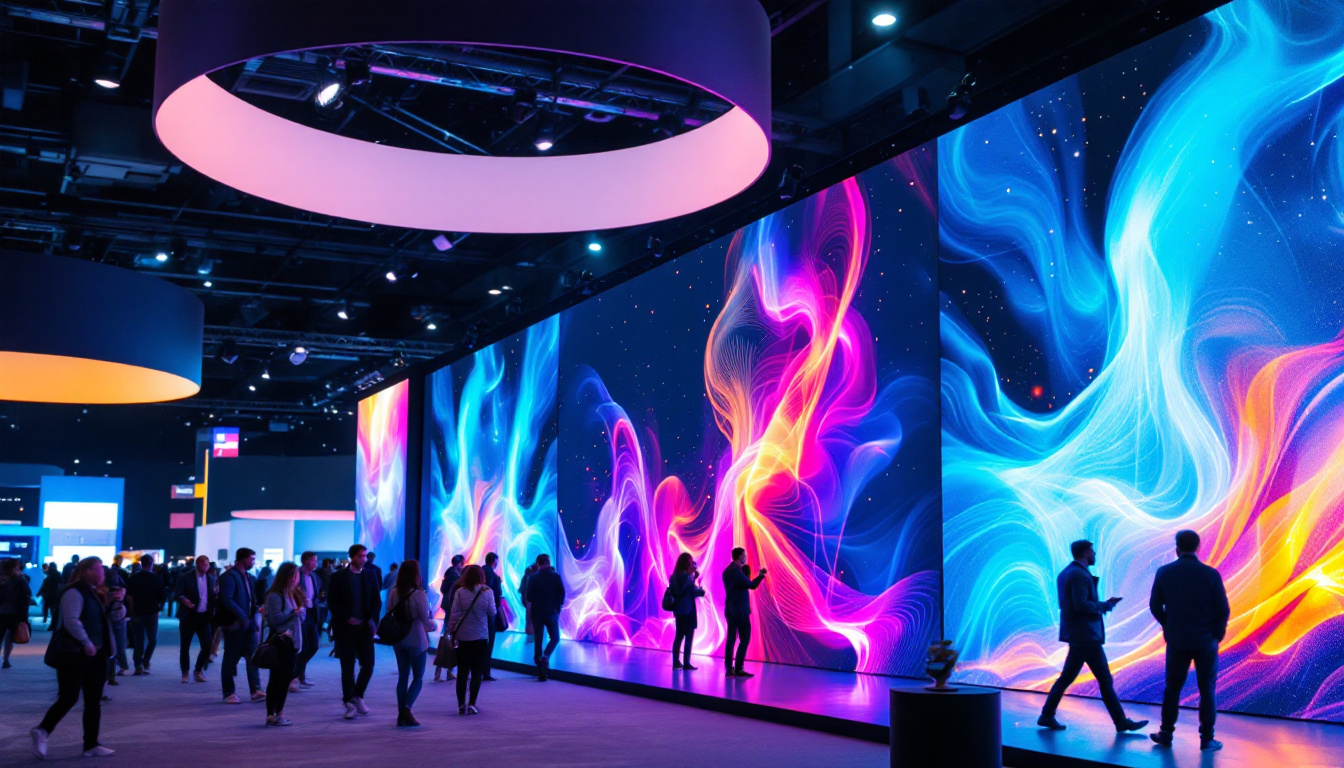
LED (Light Emitting Diode) displays have revolutionized the way visuals are presented in both indoor and outdoor settings. Unlike traditional LCD or projection screens, LED displays consist of thousands to millions of tiny LEDs that emit light directly, resulting in brighter images, higher contrast ratios, and superior color accuracy. This makes them ideal for large-scale displays where clarity and vibrancy are essential.
Modern LED panels are modular and scalable, allowing for customization in size and resolution. This flexibility is crucial when integrating multiple video sources into a single display area. The concept of showing two videos on one screen leverages the high pixel density and advanced processing capabilities of LED systems to partition the screen space effectively.
How LED Displays Handle Multiple Video Inputs
At the core of displaying two videos simultaneously is the video processor or video wall controller. These devices can accept multiple video inputs—such as HDMI, DisplayPort, or SDI—and split the display into zones or windows. Each zone can be assigned a different video source, enabling seamless playback of two independent videos side by side, stacked vertically, or in picture-in-picture configurations.
Advanced video processors support real-time scaling, cropping, and image enhancement to ensure that each video fits perfectly within its designated area without distortion. Additionally, synchronization features prevent lag or tearing, which is critical for live broadcasts or interactive applications.
Benefits of Displaying Two Videos on One LED Screen
The ability to showcase two videos simultaneously on one LED screen offers several strategic advantages across various sectors. Understanding these benefits helps businesses and event organizers make informed decisions about their display solutions.
Enhanced Storytelling and Engagement
Displaying two videos side by side allows for comparative storytelling, where related content can be shown simultaneously to provide context or contrast. For example, in retail, a brand might display a product demo alongside customer testimonials, creating a more compelling narrative that captures consumer interest.
In live events, dual video feeds can show different camera angles or behind-the-scenes footage alongside the main event, enriching the viewer experience and keeping audiences engaged longer.
Maximized Use of Screen Real Estate
LED displays represent a significant investment, and maximizing their utility is paramount. By splitting the screen to show two videos, organizations can deliver more content without needing additional screens. This is particularly beneficial in environments with limited space, such as control rooms, transportation hubs, or retail storefronts.
Furthermore, this approach reduces hardware complexity and operational costs by consolidating multiple displays into one versatile unit.
Improved Operational Efficiency
For industries like security and traffic management, displaying two video streams simultaneously—such as live surveillance footage alongside real-time data or maps—enhances situational awareness and decision-making speed. Operators can monitor multiple inputs without switching screens, reducing the risk of missing critical information.
Technical Considerations for Dual Video LED Displays
While the concept of displaying two videos on one LED screen is straightforward, executing it effectively requires attention to several technical factors. These considerations ensure optimal performance, image quality, and user experience.
Resolution and Pixel Density
The resolution of the LED display determines how clear and detailed each video will appear. When splitting the screen into two video zones, each zone effectively receives half (or a portion) of the total pixel count. Therefore, a high-resolution LED display is essential to maintain image clarity for both videos.
For example, a 4K LED screen (3840 x 2160 pixels) divided into two equal halves will provide each video with approximately 1920 x 2160 pixels, which is still Full HD quality. Lower resolution displays might struggle to deliver sharp images when split, leading to pixelation or reduced viewer satisfaction.
Brightness and Color Uniformity
LED displays are prized for their brightness and color fidelity, but these attributes must be consistent across the entire screen to avoid distracting visual discrepancies between the two videos. Uniform brightness and color calibration are crucial, especially when videos have different content types or lighting conditions.
Manufacturers often provide calibration tools and software to maintain uniformity, which is particularly important in professional settings like broadcast studios or corporate presentations.
Latency and Synchronization
When displaying two video streams, especially live feeds, synchronization is key. Any latency difference between the two videos can disrupt the viewer’s experience and cause confusion. High-quality video processors minimize latency and ensure that both videos play in perfect sync.
In interactive applications, such as control rooms or gaming arenas, latency can impact operational effectiveness or user immersion, making this a critical technical requirement.
Applications of Dual Video LED Displays
The capability to display two videos on one LED screen finds utility across a wide range of industries. Below are some notable examples illustrating the versatility and impact of this technology.
Advertising and Retail
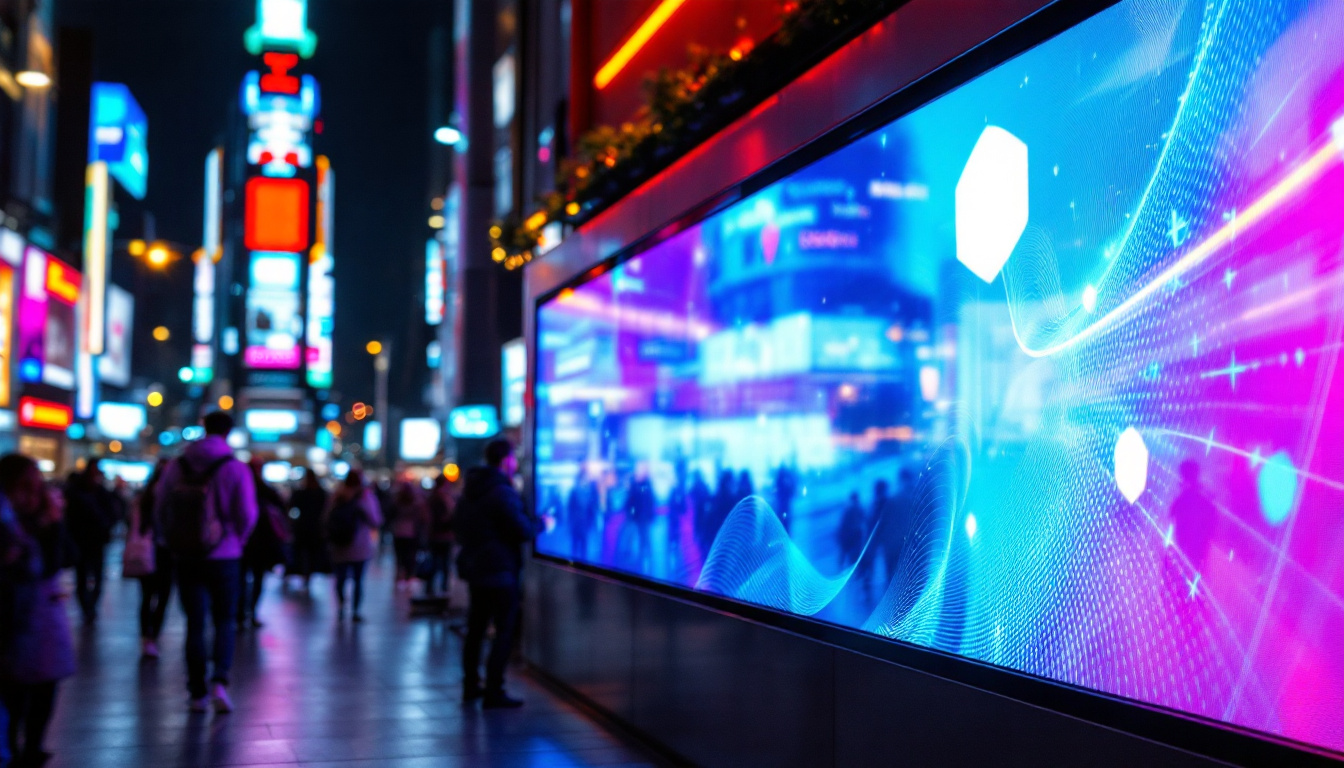
In retail environments, LED displays are increasingly used to attract customers and promote products. By showing two videos simultaneously, retailers can showcase a product’s features on one side while displaying promotional offers or brand stories on the other. This dual approach captures attention and conveys more information within the same visual space.
According to a 2023 report by Grand View Research, the global digital signage market is expected to reach $31.71 billion by 2028, driven by innovations like multi-video displays that enhance shopper engagement and conversion rates.
Live Events and Entertainment
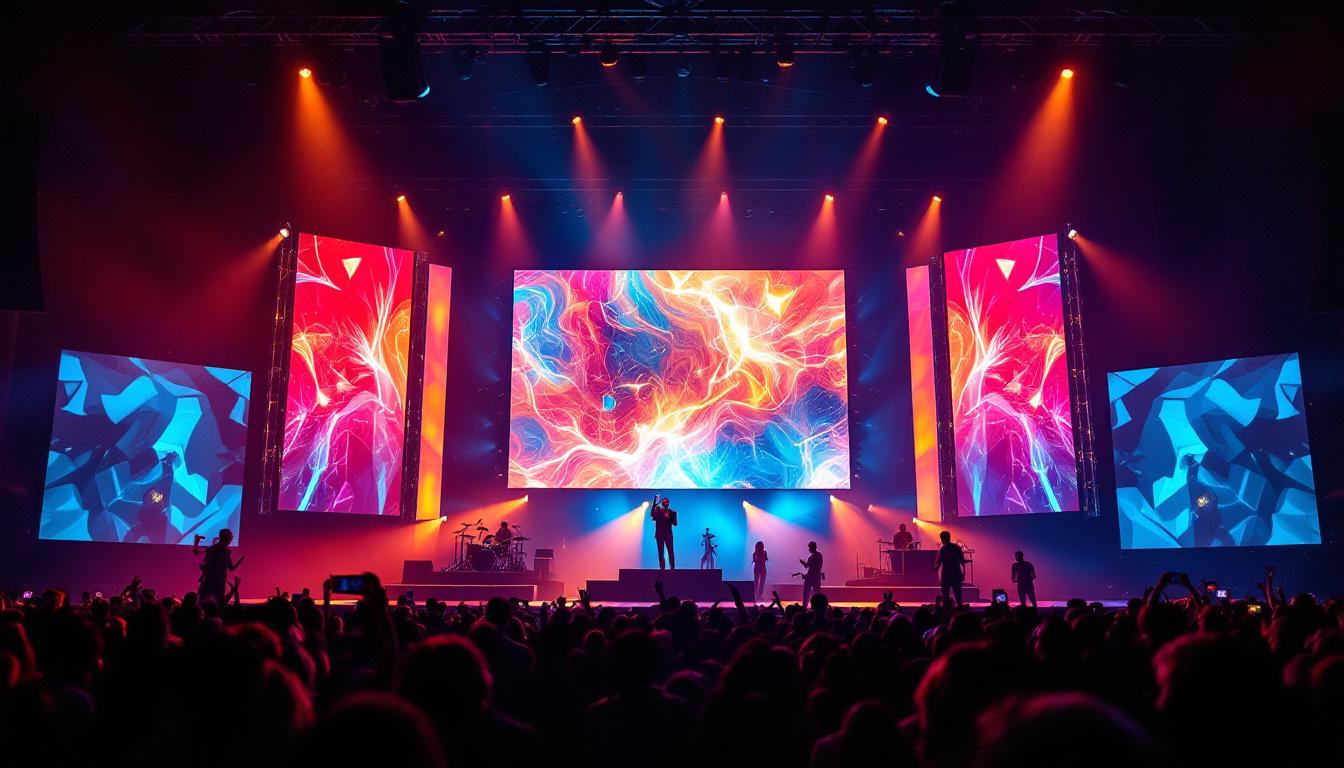
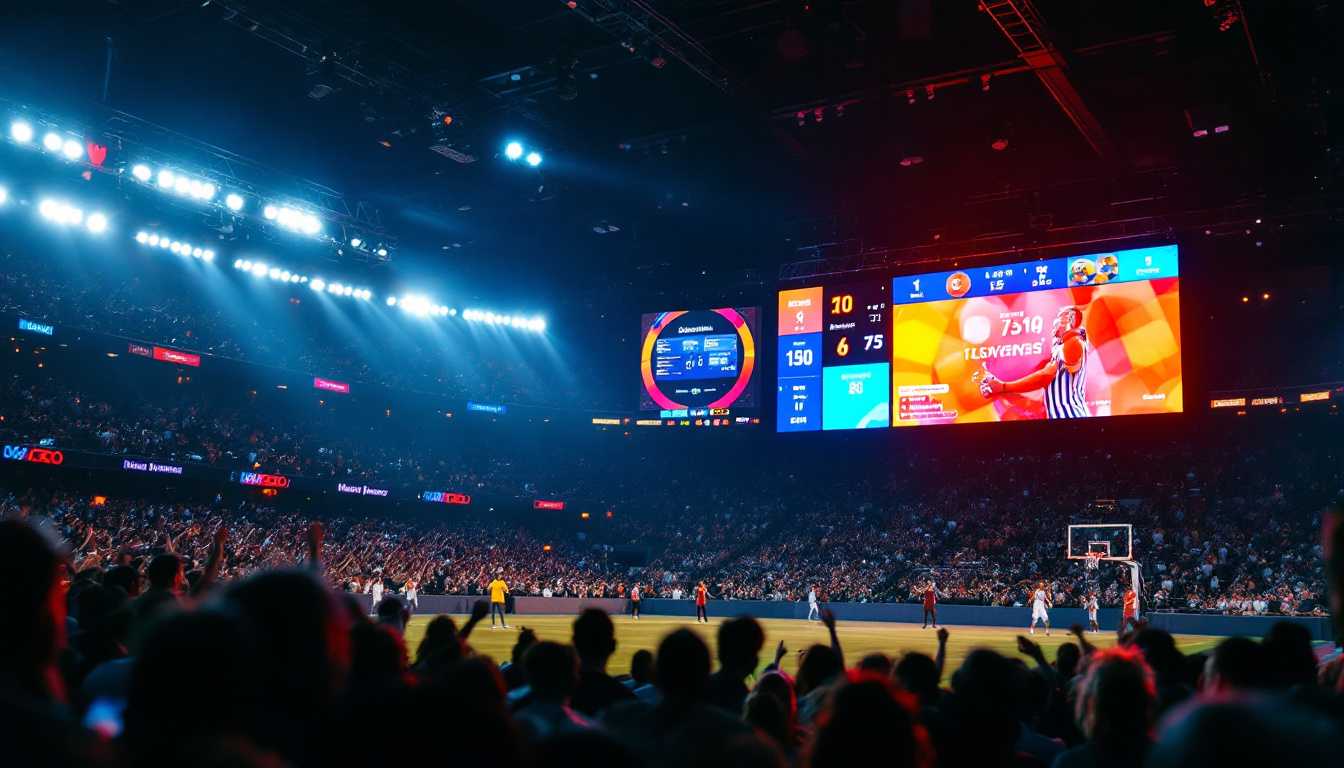
Concerts, sports arenas, and theaters utilize large LED screens to provide immersive experiences. Dual video displays allow event organizers to show the main action alongside supplementary content such as statistics, audience reactions, or sponsor messages. This layered presentation enriches the event atmosphere and offers fans a more comprehensive viewing experience.
Control Rooms and Command Centers
Control rooms for utilities, transportation, and emergency services benefit greatly from dual video LED displays. Operators can monitor live video feeds from different cameras or locations while simultaneously viewing maps, data dashboards, or communication channels. This consolidated view enhances situational awareness and facilitates rapid response.
Corporate and Educational Settings
In corporate boardrooms or educational institutions, dual video displays support multitasking and interactive presentations. For instance, a presenter might show a video demonstration alongside a PowerPoint slide deck, or compare two training videos side by side. This capability fosters better understanding and engagement among audiences.
Challenges and Solutions in Implementing Dual Video LED Displays
Despite the advantages, deploying LED displays that show two videos simultaneously involves challenges that must be addressed to ensure success.
Content Management Complexity
Managing multiple video sources requires sophisticated content management systems (CMS) that can schedule, switch, and synchronize videos seamlessly. Without proper CMS integration, operators may struggle to maintain smooth playback or update content dynamically.
Modern CMS platforms offer user-friendly interfaces and automation features that simplify multi-video content management, reducing the need for technical expertise.
Cost Considerations
High-resolution LED displays and advanced video processors represent a significant investment. Additionally, the complexity of installation and calibration can increase upfront costs. However, the long-term benefits—such as reduced hardware needs and enhanced engagement—often justify the expenditure.
Leasing options and modular LED panels have emerged as cost-effective solutions, allowing organizations to scale their display capabilities according to budget and needs.
Technical Support and Maintenance
Maintaining uniform brightness, color accuracy, and synchronization requires ongoing technical support. LED modules may degrade over time, and software updates are necessary to keep video processors functioning optimally.
Partnering with experienced LED display providers who offer comprehensive maintenance services ensures sustained performance and reduces downtime.
Future Trends in Multi-Video LED Displays
The technology behind LED displays continues to evolve rapidly, promising even more advanced multi-video capabilities in the near future.
Higher Resolutions and Pixel Densities
As 8K and beyond resolutions become more accessible, LED displays will be able to show multiple ultra-high-definition videos simultaneously without compromising quality. This will open new possibilities for detailed visual presentations in fields like medical imaging, simulation, and immersive entertainment.
AI-Driven Content Optimization
Artificial intelligence is beginning to play a role in content management, enabling dynamic adjustment of video layouts, brightness, and color based on viewer behavior and environmental conditions. AI can also automate the selection and sequencing of dual video content to maximize impact.
Interactive and Touch-Enabled LED Displays
Future LED screens may incorporate touch and gesture controls, allowing users to interact with multiple video streams directly on the screen. This will be particularly valuable in retail, education, and corporate training environments, where engagement and interactivity are key.
Conclusion
Displaying two videos on one LED screen is a powerful feature that enhances communication, engagement, and operational efficiency across numerous industries. By leveraging advanced LED technology, high-resolution displays, and sophisticated video processors, organizations can deliver compelling dual-video content that captivates audiences and maximizes screen utility.
While challenges exist—such as content management complexity and cost—ongoing innovations and professional support services are making dual video LED displays more accessible and effective than ever. As the technology advances, the possibilities for multi-video presentations will continue to expand, driving new levels of creativity and functionality in digital displays.
For businesses and event organizers looking to elevate their visual communications, understanding and implementing dual video LED displays is an investment that promises significant returns in audience engagement and message delivery.
Discover LumenMatrix’s Advanced LED Display Solutions
Ready to transform your visual presentations with the power of dual video LED displays? LumenMatrix is at the forefront of LED display innovation, offering a wide range of solutions tailored to your needs. From Indoor and Outdoor LED Wall Displays to specialized options like Vehicle, Sports, and Floor LED Displays, our products are designed to captivate your audience and amplify your message. Experience the future of digital signage with our Custom, All-in-One, and Transparent LED Displays. Check out LumenMatrix LED Display Solutions today and see how we can help you create unforgettable visual experiences.