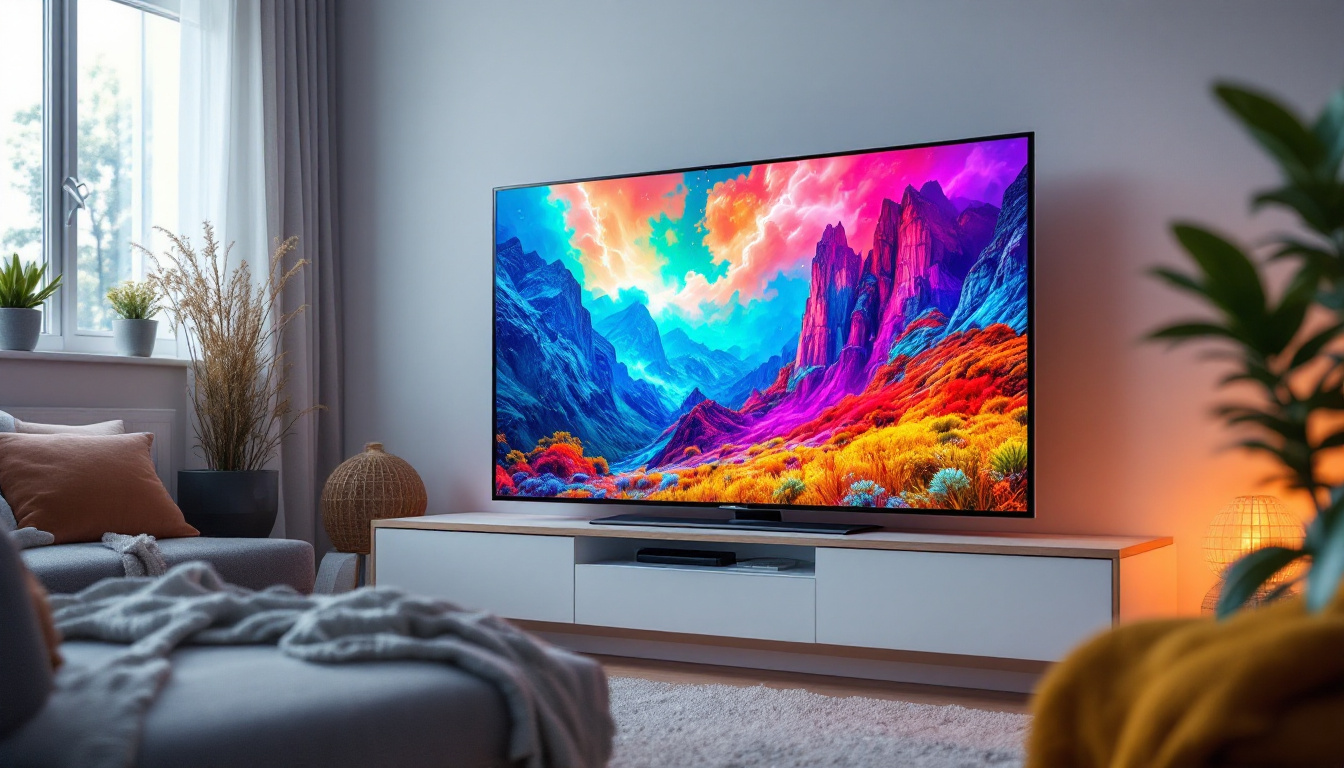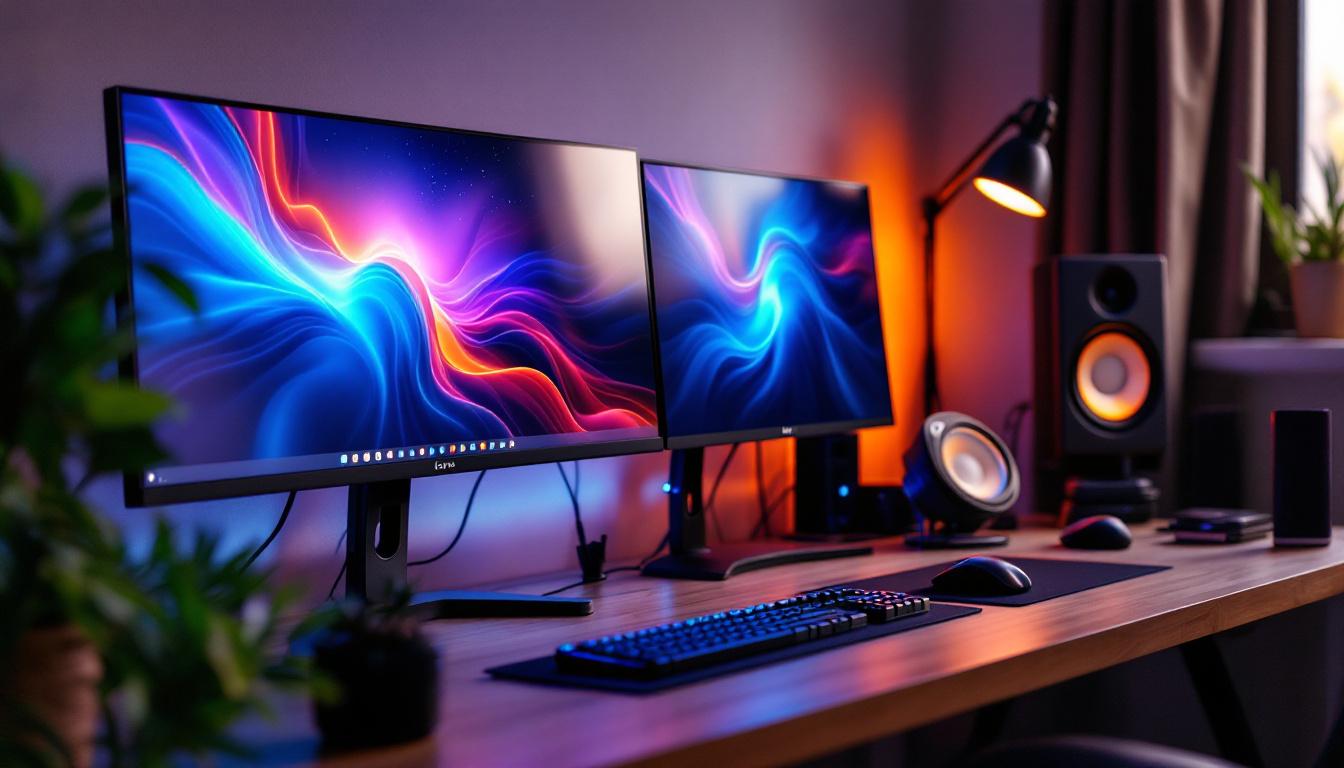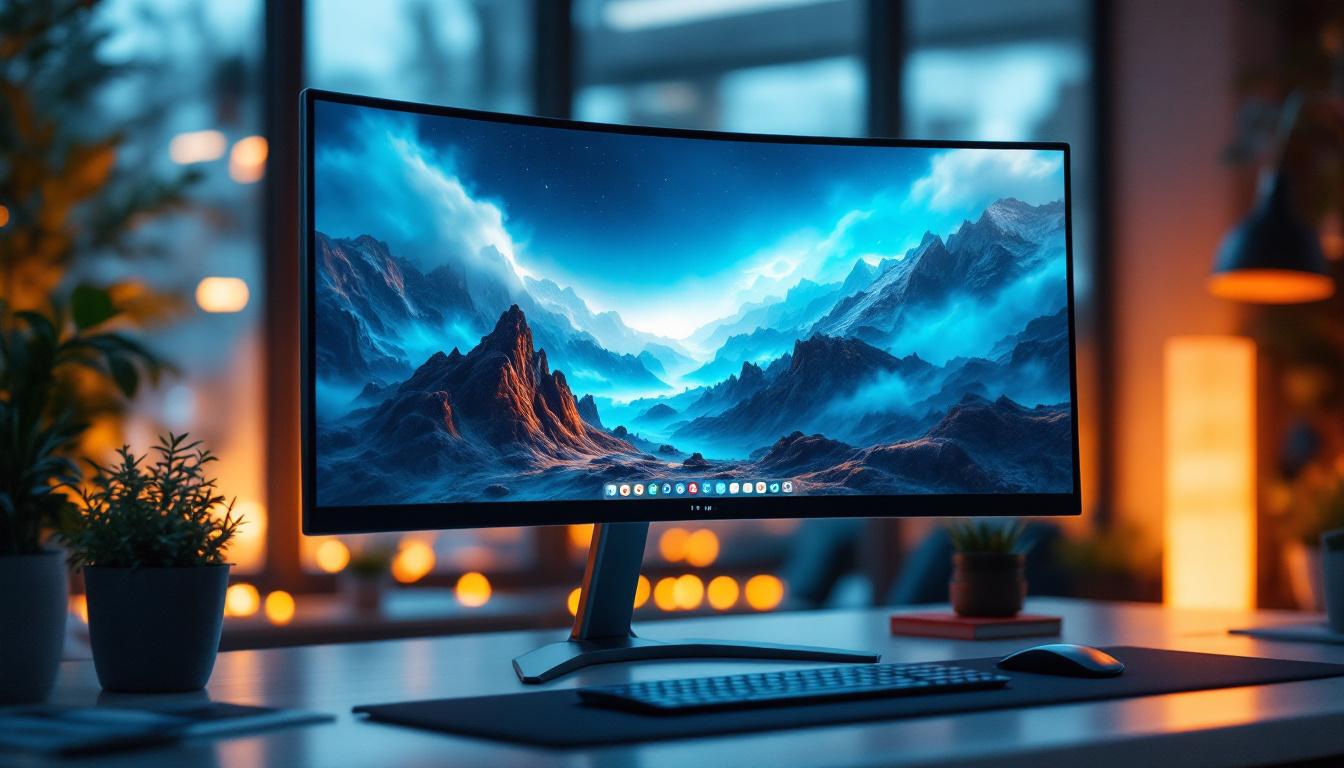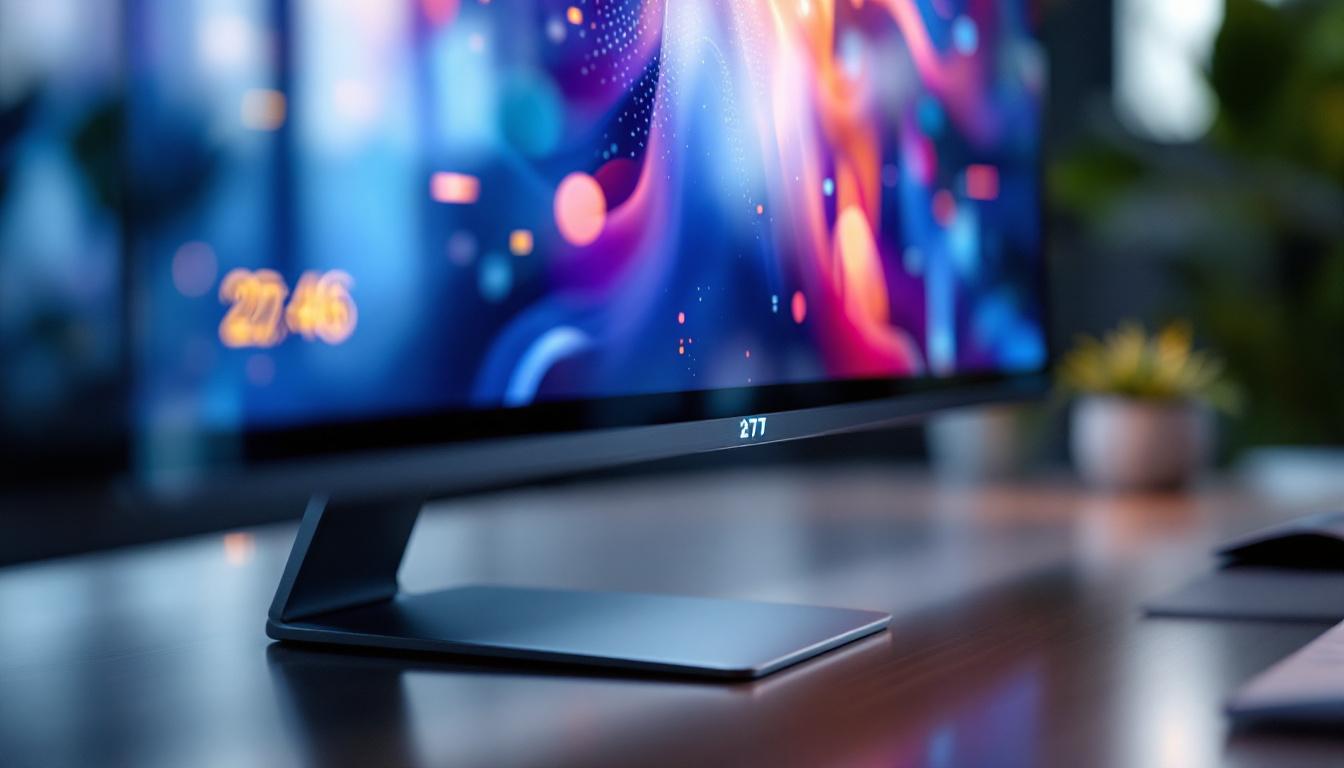
In the rapidly evolving world of display technology, the term “27 Ultra” has been gaining significant attention. Whether you’re a tech enthusiast, a professional in visual media, or simply someone interested in the latest screen innovations, understanding what a 27 Ultra LED display entails is essential. This article delves deep into the technology behind 27 Ultra LED displays, their advantages, applications, and how they compare to other display types.
Understanding the Basics: What is a 27 Ultra LED Display?
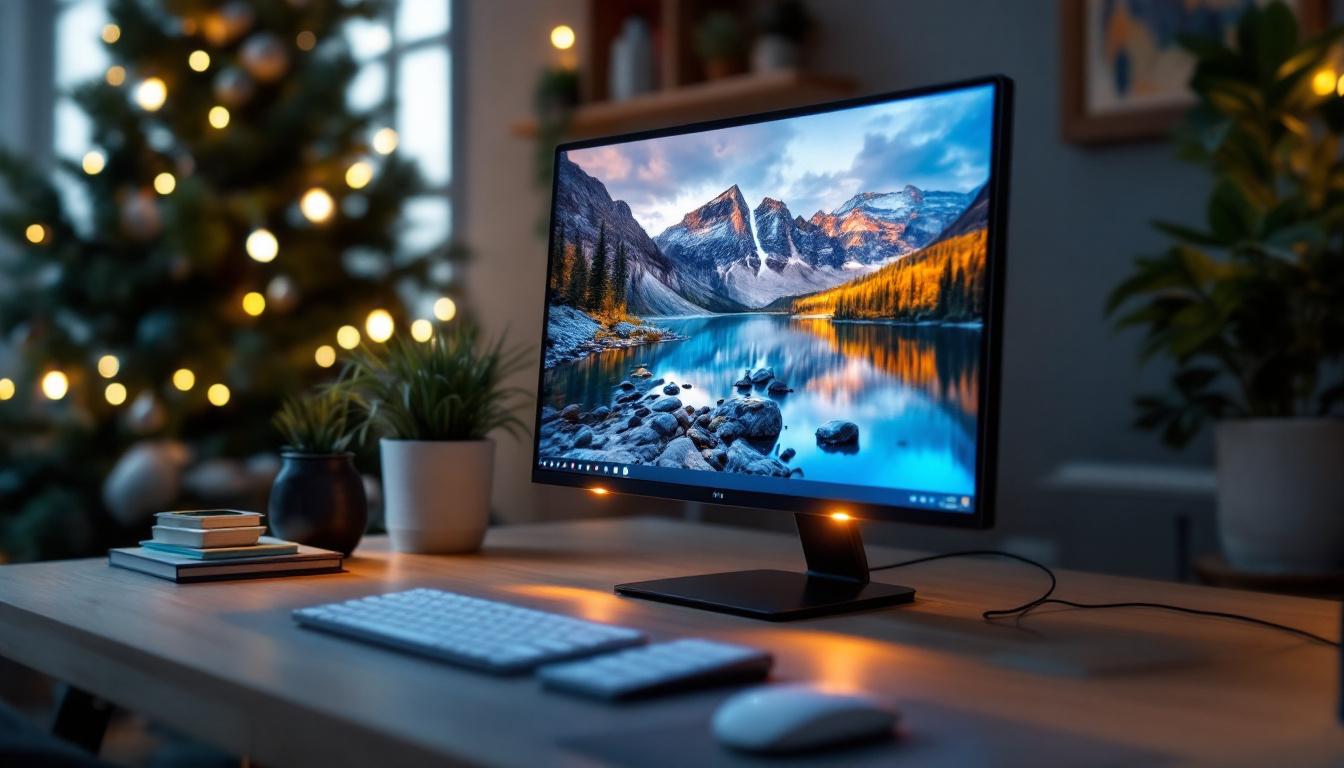
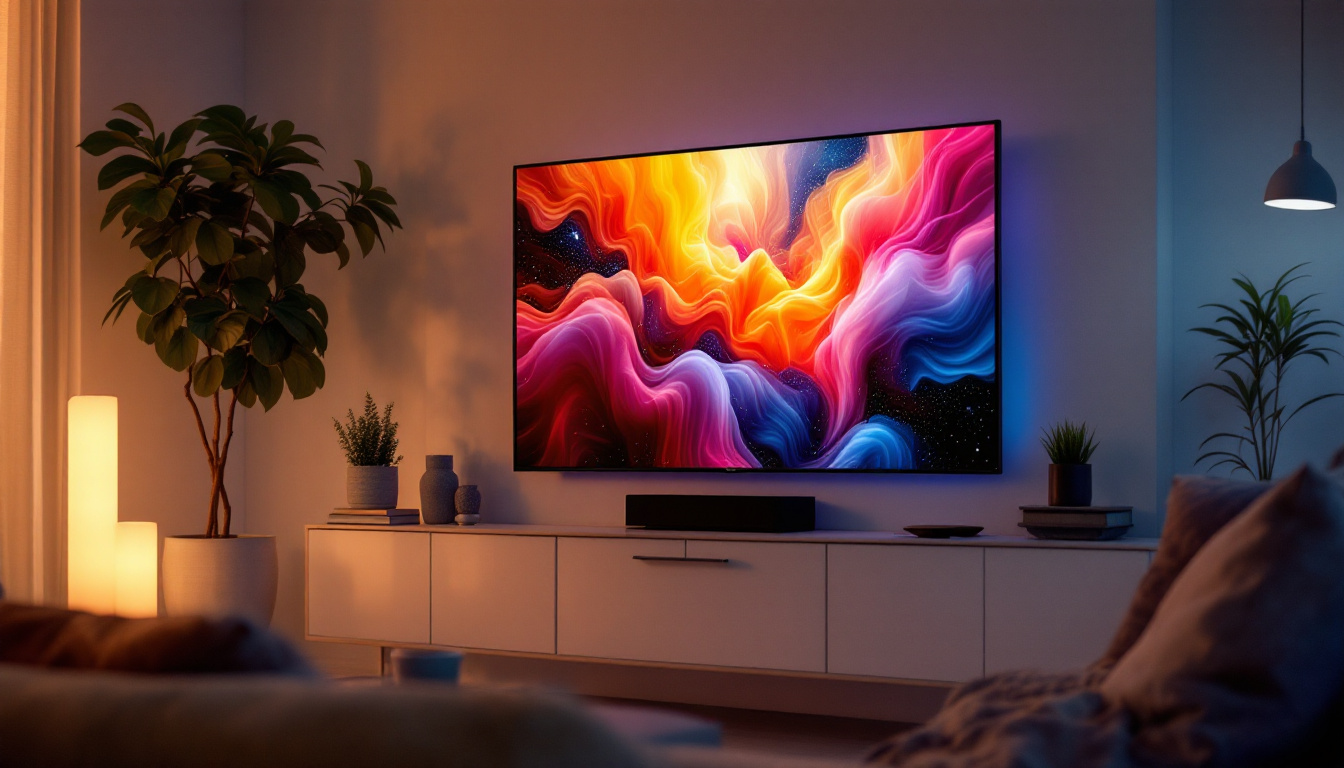
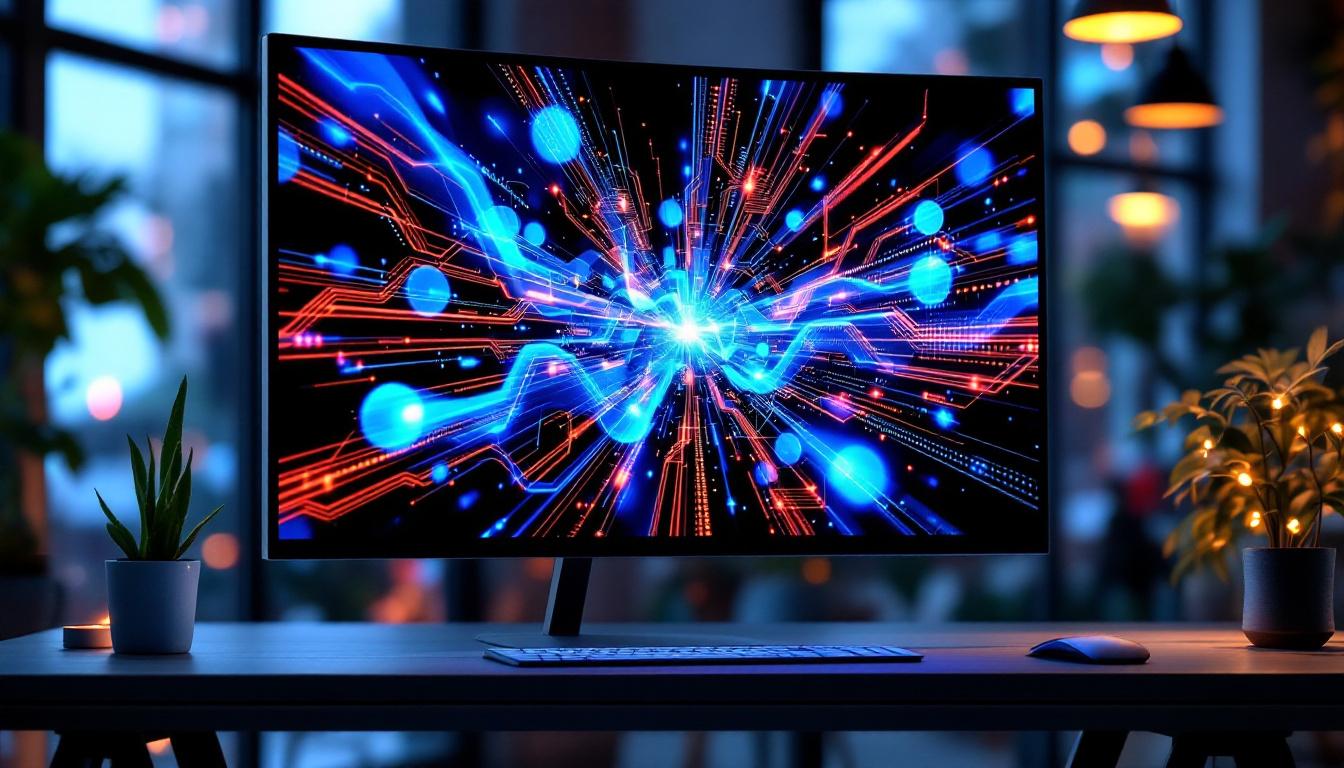
The term “27 Ultra” typically refers to a 27-inch LED display with ultra-high resolution and advanced features designed to deliver exceptional image quality. These displays combine the benefits of LED (Light Emitting Diode) technology with ultra-high-definition (UHD) or even higher resolutions, offering users a visually immersive experience.
LED displays use an array of light-emitting diodes as pixels or backlighting sources. Unlike traditional LCD screens that rely on fluorescent backlighting, LED displays provide better brightness, contrast, and energy efficiency. The “Ultra” in 27 Ultra often signifies ultra HD resolutions such as 4K (3840 x 2160 pixels) or higher, which means more pixels packed into the 27-inch screen, resulting in sharper and more detailed images.
Why 27 Inches?
The 27-inch size strikes a balance between screen real estate and desk space, making it a popular choice for professionals and gamers alike. It offers enough display area for multitasking, detailed design work, and immersive gaming without overwhelming the workspace. The combination of this size with ultra-high resolution ensures that users can enjoy crisp visuals without needing to scale content excessively.
LED vs. Other Display Technologies
LED displays are often compared with OLED (Organic LED) and traditional LCDs. While OLEDs provide superior contrast and color accuracy due to their self-emissive pixels, LED displays are generally more affordable and have longer lifespans. Additionally, LED displays tend to be brighter, which is advantageous in well-lit environments. The 27 Ultra LED displays often use advanced LED backlighting techniques such as local dimming to enhance contrast ratios, bridging the gap between LED and OLED performance.
Key Features of 27 Ultra LED Displays
Ultra-High Resolution and Pixel Density
A defining feature of 27 Ultra LED displays is their ultra-high resolution. Most models offer 4K UHD resolution, which translates to roughly 163 pixels per inch (PPI) on a 27-inch screen. This high pixel density ensures images and text appear sharp and clear, reducing eye strain during prolonged use.
Higher pixel density is particularly beneficial for professionals in graphic design, video editing, and CAD modeling, where precision and detail are paramount. It also enhances the gaming experience by providing more detailed environments and smoother visuals.
High Dynamic Range (HDR) Support
Many 27 Ultra LED displays support HDR, which significantly improves the range of colors and contrast. HDR technology allows displays to show brighter whites and deeper blacks, making images more lifelike. Standards like HDR10 and Dolby Vision are commonly supported, enabling users to enjoy enhanced content from streaming services, games, and professional media.
Color Accuracy and Wide Color Gamut
Color accuracy is critical for creative professionals. 27 Ultra LED displays often come factory-calibrated with color accuracy metrics such as Delta E < 2, ensuring that the colors displayed are true to life. Additionally, these displays typically cover wide color gamuts such as Adobe RGB and DCI-P3, which are essential for print media, photography, and video production.
Refresh Rate and Response Time
While ultra-high resolution is a priority, many 27 Ultra LED displays also offer high refresh rates (120Hz or higher) and low response times (under 5ms). These specifications are particularly important for gamers and video editors, as they reduce motion blur and provide smoother visuals during fast-moving scenes.
Connectivity and Ergonomics
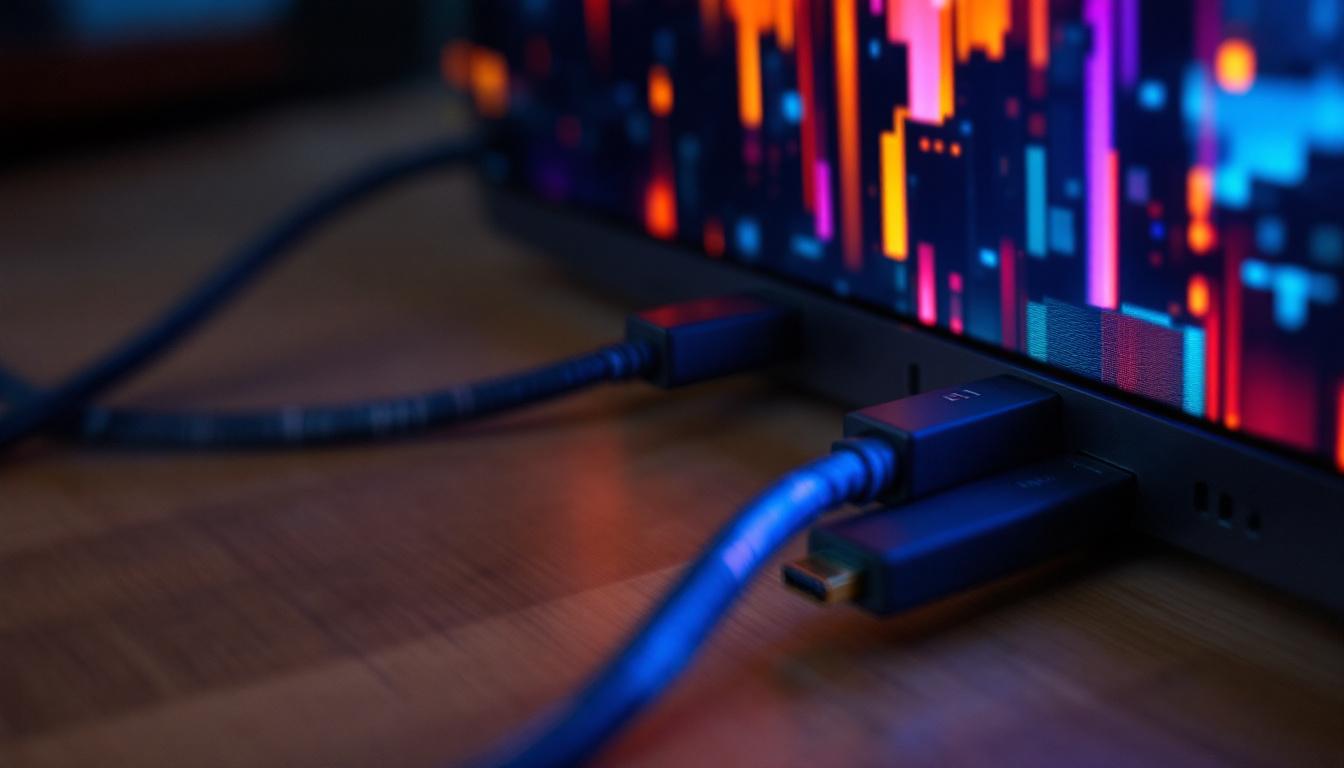
Modern 27 Ultra LED displays come equipped with versatile connectivity options including HDMI 2.1, DisplayPort 1.4, USB-C, and Thunderbolt 3/4. These ports allow seamless connection to a variety of devices such as laptops, desktops, gaming consoles, and professional cameras.
Ergonomics is another important consideration. Adjustable stands that offer height, tilt, swivel, and pivot adjustments ensure users can position the display for optimal comfort, reducing neck and eye strain during long hours of use.
Applications of 27 Ultra LED Displays
Professional Creative Work
For professionals in graphic design, video editing, photography, and 3D modeling, the 27 Ultra LED display is a game-changer. The combination of high resolution, color accuracy, and HDR support allows creatives to work with precision and confidence. The ability to view content in true-to-life colors ensures that final products meet client expectations and industry standards.
For example, video editors working with 4K footage benefit from the native resolution of these displays, as it allows them to see the footage in its original quality without downscaling. Similarly, photographers can edit high-resolution images with greater detail and accuracy.
Gaming and Entertainment
Gamers appreciate 27 Ultra LED displays for their sharp visuals, high refresh rates, and low input lag. The ultra-high resolution enhances the immersive experience, allowing players to see game environments with incredible detail. HDR support adds depth and realism to game graphics, making colors pop and shadows more nuanced.
Streaming movies and shows on a 27 Ultra LED display also provides a cinematic experience at home. The combination of UHD resolution and HDR brings out details and colors that standard displays cannot match.
Office Productivity and Multitasking
In office environments, a 27-inch ultra-high-definition LED display improves productivity by providing ample screen space for multitasking. Users can comfortably open multiple windows side-by-side without sacrificing clarity. Text and spreadsheets appear crisp, reducing eye fatigue during extended work sessions.
Additionally, the energy efficiency of LED technology helps organizations reduce power consumption, contributing to greener workplace practices.
Comparing 27 Ultra LED Displays with Other Popular Options
27 Ultra LED vs. 27-inch OLED Displays
While OLED displays offer superior contrast ratios and perfect blacks due to their self-emissive pixels, they tend to be more expensive and susceptible to burn-in issues. 27 Ultra LED displays, especially those with advanced local dimming, provide excellent contrast and brightness levels at a more affordable price point and with greater longevity.
For users prioritizing brightness and durability, 27 Ultra LED displays are often the better choice. However, for those who demand the absolute best in contrast and color depth, OLED remains a premium option.
27 Ultra LED vs. 32-inch 4K Displays
Choosing between a 27 Ultra LED and a larger 32-inch 4K display depends on workspace constraints and personal preference. While a 32-inch screen offers more physical space, the pixel density is lower compared to a 27-inch 4K display, which means images may appear less sharp.
Users who prefer a sharper image and have limited desk space often favor the 27 Ultra LED. Conversely, those who want a larger viewing area for multitasking or immersive gaming might opt for the 32-inch option.
27 Ultra LED vs. Traditional LCD Displays
Traditional LCD displays with fluorescent backlighting lag behind 27 Ultra LED displays in terms of brightness, contrast, and energy efficiency. LED displays can achieve higher brightness levels and better color reproduction, making them more suitable for professional and entertainment use.
Additionally, LED displays tend to have longer lifespans and thinner profiles, contributing to more modern and sleek setups.
Future Trends and Innovations in 27 Ultra LED Displays
Mini-LED and Micro-LED Backlighting
Emerging technologies such as Mini-LED and Micro-LED are set to revolutionize LED displays further. Mini-LED backlighting uses thousands of tiny LEDs to provide more precise local dimming zones, resulting in improved contrast and HDR performance. Micro-LED, on the other hand, involves self-emissive pixels similar to OLED but with the durability and brightness advantages of LED technology.
Future 27 Ultra LED displays adopting these technologies will offer even better image quality, deeper blacks, and higher brightness levels, pushing the boundaries of what LED displays can achieve.
Higher Refresh Rates and Variable Refresh Rate Technologies
As gaming and professional video editing demand smoother motion and reduced screen tearing, 27 Ultra LED displays are increasingly incorporating higher refresh rates (up to 240Hz) and variable refresh rate technologies such as NVIDIA G-Sync and AMD FreeSync. These features synchronize the display’s refresh rate with the graphics card output, providing a seamless visual experience.
Integration with Smart Technologies
Smart features like built-in voice assistants, ambient light sensors, and adaptive brightness controls are becoming more common. These enhancements improve user convenience and reduce eye strain by automatically adjusting display settings based on environment and usage patterns.
Choosing the Right 27 Ultra LED Display for Your Needs
Assess Your Primary Use Case
Understanding how you intend to use the display is the first step. If you are a creative professional, prioritize color accuracy, wide color gamut, and HDR support. For gaming, focus on refresh rate, response time, and adaptive sync technologies. For office productivity, ergonomic features and connectivity options may take precedence.
Consider Your Budget
27 Ultra LED displays come in a range of prices, from affordable models offering basic UHD resolution to premium displays with extensive color calibration and advanced features. Determine your budget and seek models that offer the best value within that range.
Check Reviews and Manufacturer Support
Reading expert and user reviews can provide insight into real-world performance and reliability. Additionally, consider the manufacturer’s warranty and customer support services, which can be crucial for long-term satisfaction.
Conclusion
The 27 Ultra LED display represents a powerful combination of size, resolution, and advanced LED technology, making it an excellent choice for a wide range of users. From professional creatives demanding color precision to gamers seeking immersive visuals, these displays deliver exceptional performance and versatility.
As display technology continues to advance, the 27 Ultra LED category is poised to incorporate innovations like Mini-LED backlighting and higher refresh rates, ensuring that users will enjoy increasingly vivid and responsive experiences. Choosing the right 27 Ultra LED display involves balancing features, budget, and intended use, but the investment can significantly enhance both productivity and entertainment.
Whether upgrading an existing setup or building a new one, understanding the capabilities and advantages of 27 Ultra LED displays is key to making an informed decision in today’s competitive display market.
Discover the Future of Visual Experience with LumenMatrix
Ready to elevate your visual experience with the latest in LED display technology? Look no further than LumenMatrix, a pioneer in crafting LED display modules that transform any space into a dynamic visual spectacle. Whether you’re looking to enhance your brand’s presence, captivate audiences with an Indoor LED Wall Display, or create an immersive environment with a Custom LED Display, LumenMatrix has the solution. Embrace the future of digital signage and let your message shine with unparalleled clarity and impact. Check out LumenMatrix LED Display Solutions today and step into a world where visual communication is redefined.