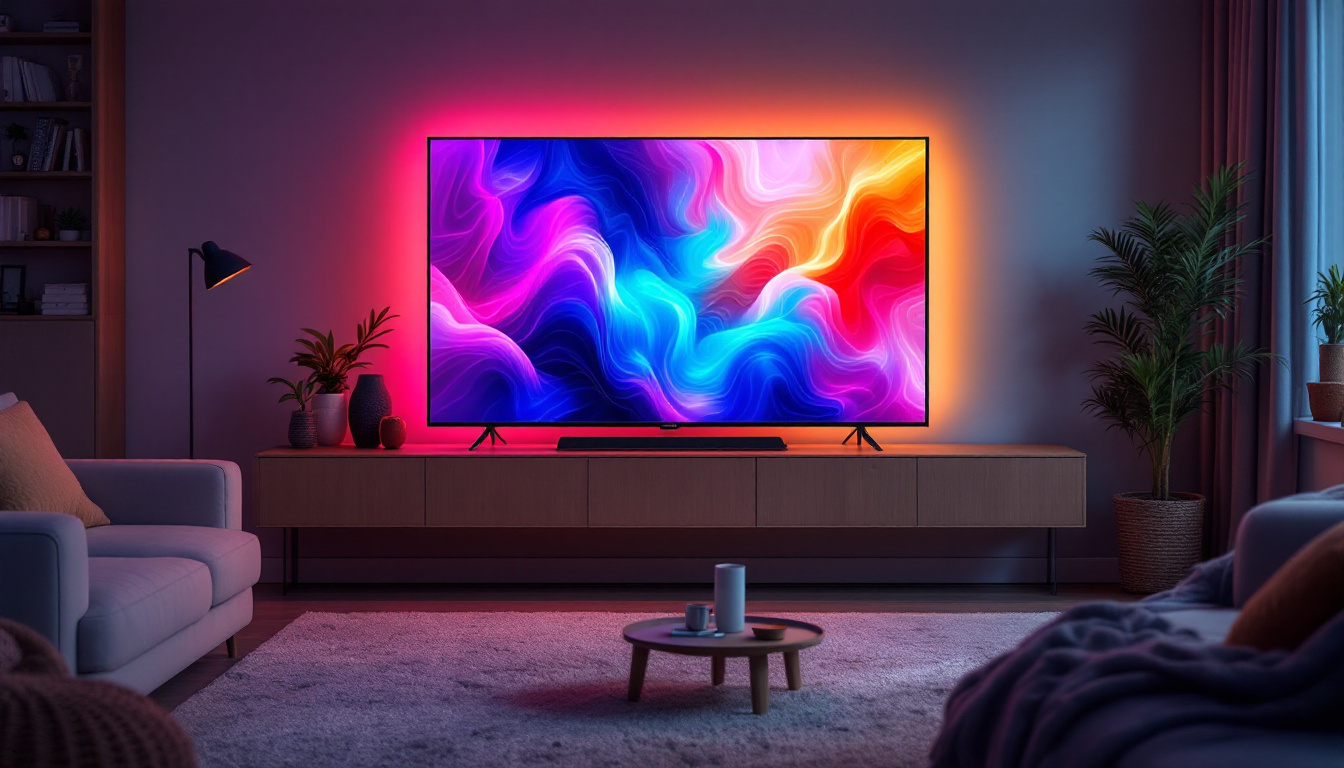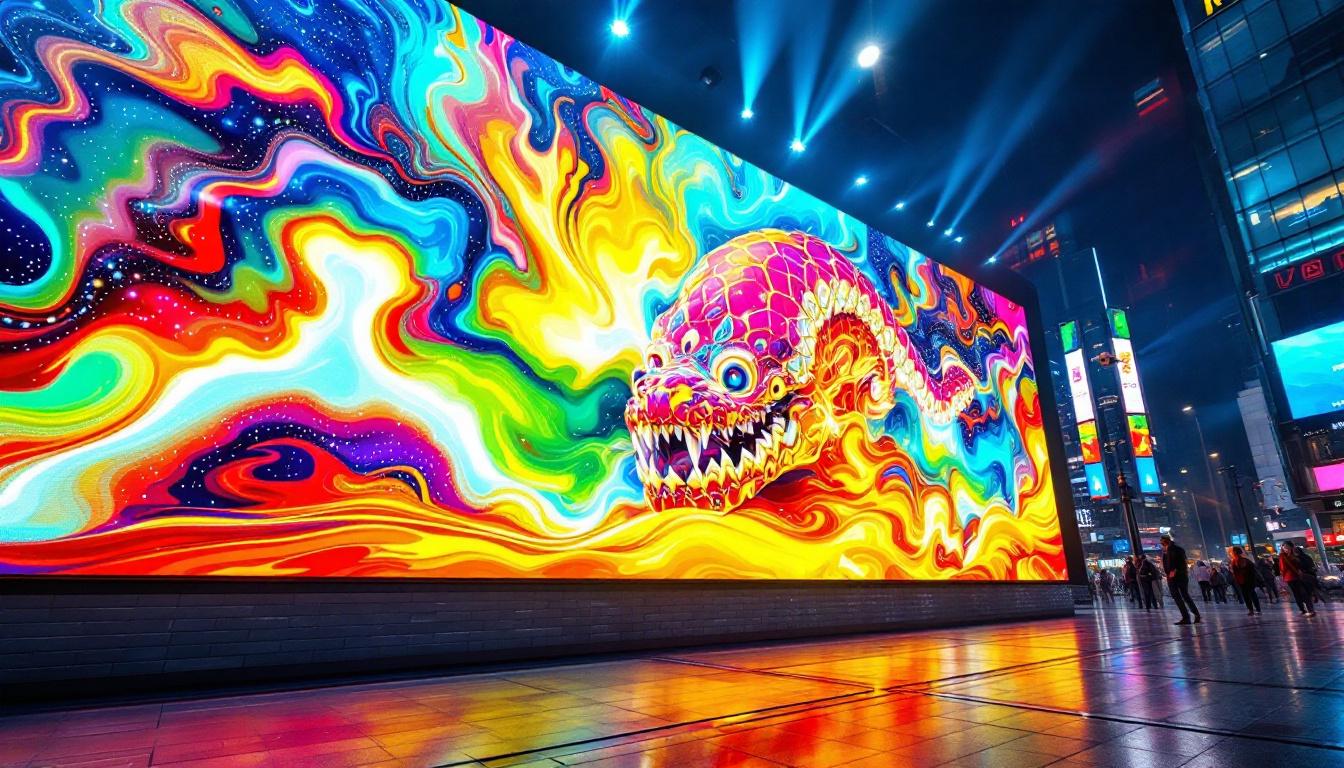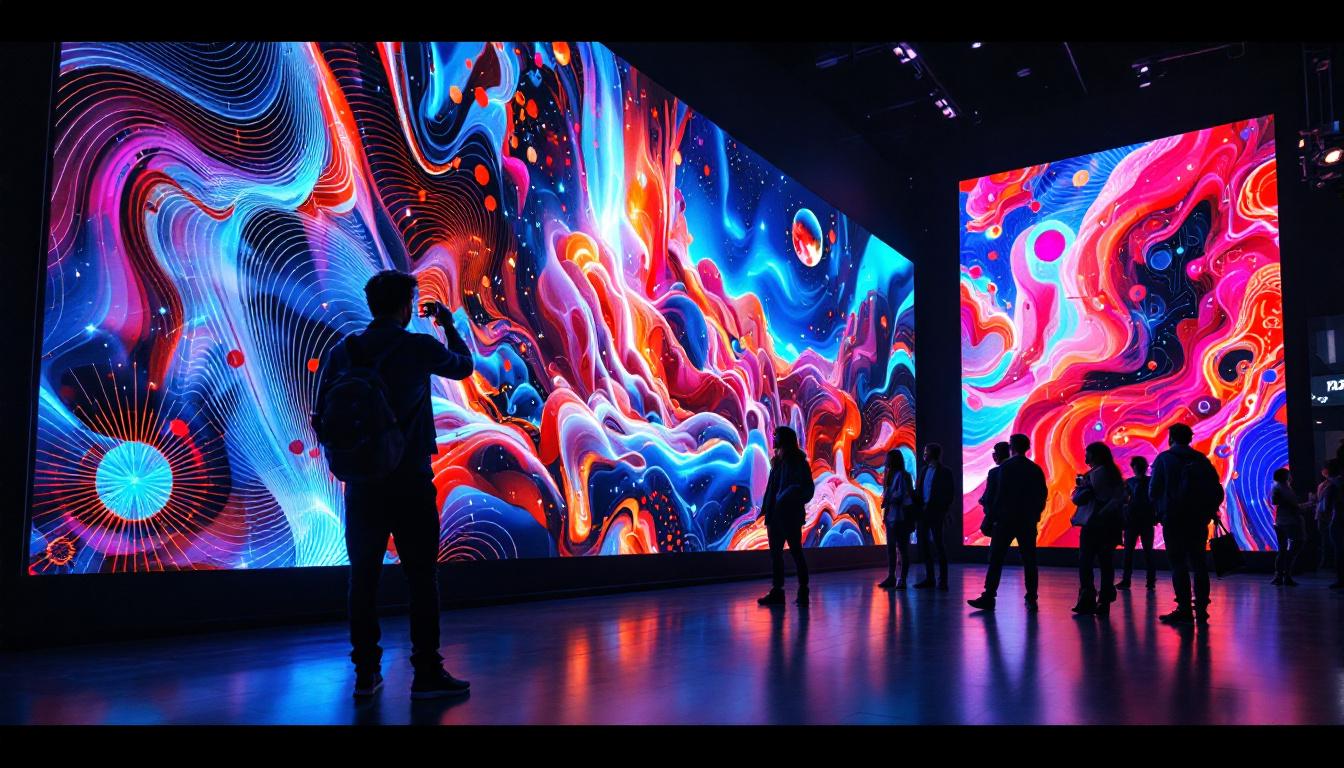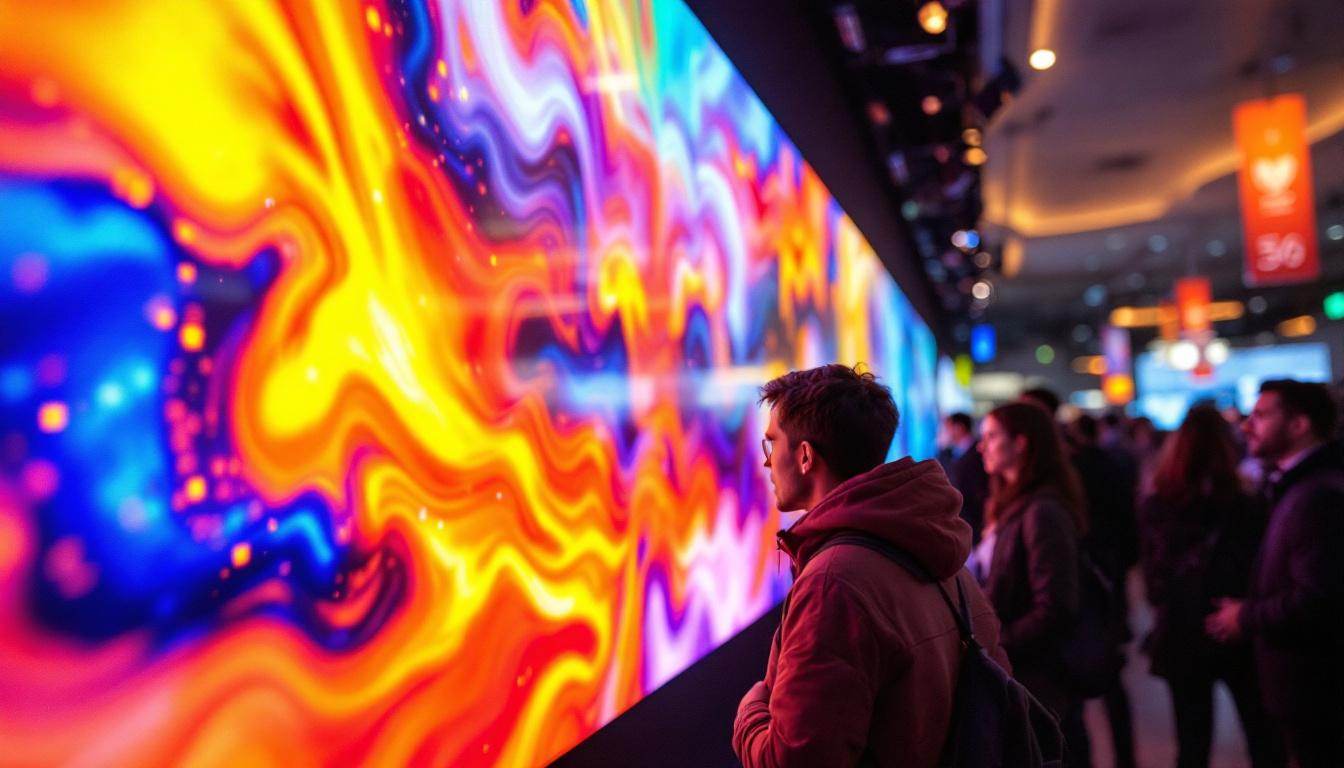
In the rapidly evolving world of digital signage and visual communication, Direct View LED (Light Emitting Diode) displays have emerged as a dominant technology. Their vibrant colors, high brightness, and flexibility make them a preferred choice for a wide range of applications—from stadiums and outdoor billboards to indoor retail spaces and corporate environments. This article delves into the intricacies of Direct View LED displays, explaining how they work, their advantages, and why they are reshaping the landscape of digital displays.
Understanding Direct View LED Displays
What Is a Direct View LED Display?
A Direct View LED display is a type of digital screen that uses individual LED pixels to create images and videos. Unlike traditional LCD or projection-based displays, where light passes through or is reflected by a panel, Direct View LED displays emit light directly from each pixel. This technology allows for exceptional brightness, contrast, and color accuracy, making the images highly visible even under direct sunlight.
Each pixel in a Direct View LED display is composed of multiple tiny LEDs, typically red, green, and blue, which combine to produce a full spectrum of colors. By controlling the intensity of each LED, the display can render detailed and vibrant images. This direct emission of light is what differentiates Direct View LED from other display technologies and contributes to its superior visual performance. Additionally, the durability of LED technology ensures that these displays can withstand various environmental conditions, making them ideal for both indoor and outdoor applications.
How Does It Work?
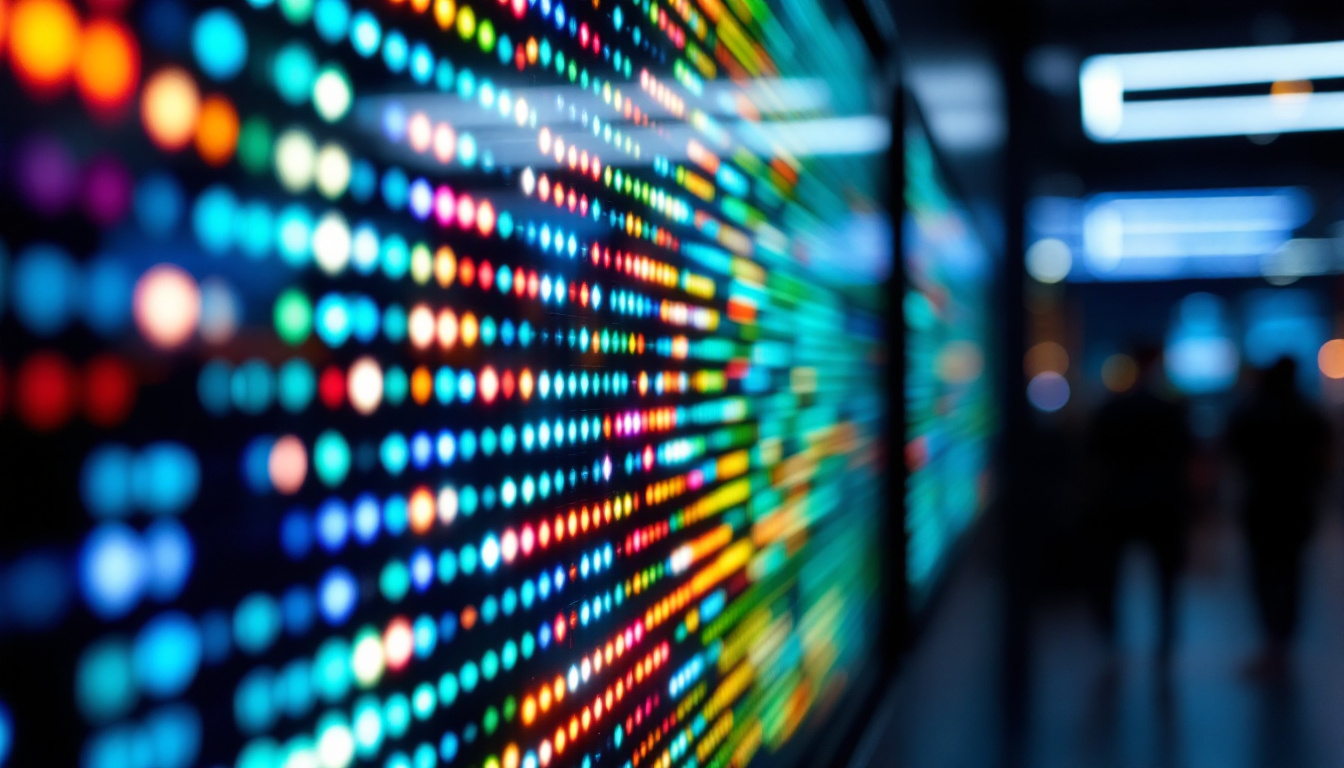
The core principle behind Direct View LED displays is the use of individual LEDs arranged in a grid to form pixels. Each pixel consists of three sub-pixels—red, green, and blue LEDs—that can be independently controlled. By varying the brightness of each sub-pixel, the display produces millions of colors through additive color mixing.
The display is driven by a controller that sends signals to the LEDs, dictating which LEDs should light up and at what intensity. This process happens thousands of times per second, enabling smooth video playback and dynamic content display. The modular design of these displays allows for scalability, meaning panels can be combined seamlessly to create screens of virtually any size. Furthermore, the technology supports high refresh rates, which is crucial for applications such as live sports broadcasting and gaming, where fast-moving images require precise and clear rendering to maintain viewer engagement.
Moreover, Direct View LED displays are increasingly being integrated with smart technology, allowing for real-time content updates and remote management. This capability is particularly beneficial for advertising and public information displays, where timely updates can enhance communication and engagement with the audience. The ability to customize content based on location and time also opens new avenues for targeted marketing, making Direct View LED displays a versatile choice for businesses looking to maximize their visibility and impact.
Key Advantages of Direct View LED Displays
Superior Brightness and Visibility
One of the most significant benefits of Direct View LED technology is its unparalleled brightness. These displays can achieve brightness levels exceeding 5,000 nits, which is several times brighter than typical LCD screens. This makes them ideal for outdoor environments where sunlight can wash out other display types.
High brightness ensures that content remains clear and legible regardless of ambient lighting conditions. For example, sports stadiums use Direct View LED displays to provide real-time scores and replays that remain visible even during bright daytime events.
Exceptional Color Accuracy and Contrast
Direct View LED displays offer a wide color gamut and deep contrast ratios. Because each LED emits light directly, blacks appear truly black rather than the dark gray often seen on LCDs. This results in images with greater depth and realism.
Color accuracy is crucial for applications such as retail advertising and digital art installations, where vibrant and true-to-life visuals can significantly impact viewer engagement and brand perception.
Flexibility and Customization
These displays are highly customizable in terms of size, shape, and resolution. Modular LED panels can be assembled into large video walls or curved surfaces, allowing designers to create unique visual experiences tailored to specific environments.
Moreover, pixel pitch—the distance between individual LEDs—can be adjusted to suit viewing distances. Smaller pixel pitches offer higher resolution for close-up viewing, while larger pitches are suitable for distant viewing scenarios, such as billboards.
Energy Efficiency and Longevity
Compared to other display technologies, Direct View LED displays are energy-efficient, consuming less power for the same brightness levels. Advances in LED technology have also extended the lifespan of these displays, with many rated for 100,000 hours or more of operation.
This durability reduces maintenance costs and downtime, making Direct View LED a cost-effective investment over time, especially for large-scale installations.
Applications of Direct View LED Displays
Outdoor Advertising and Billboards
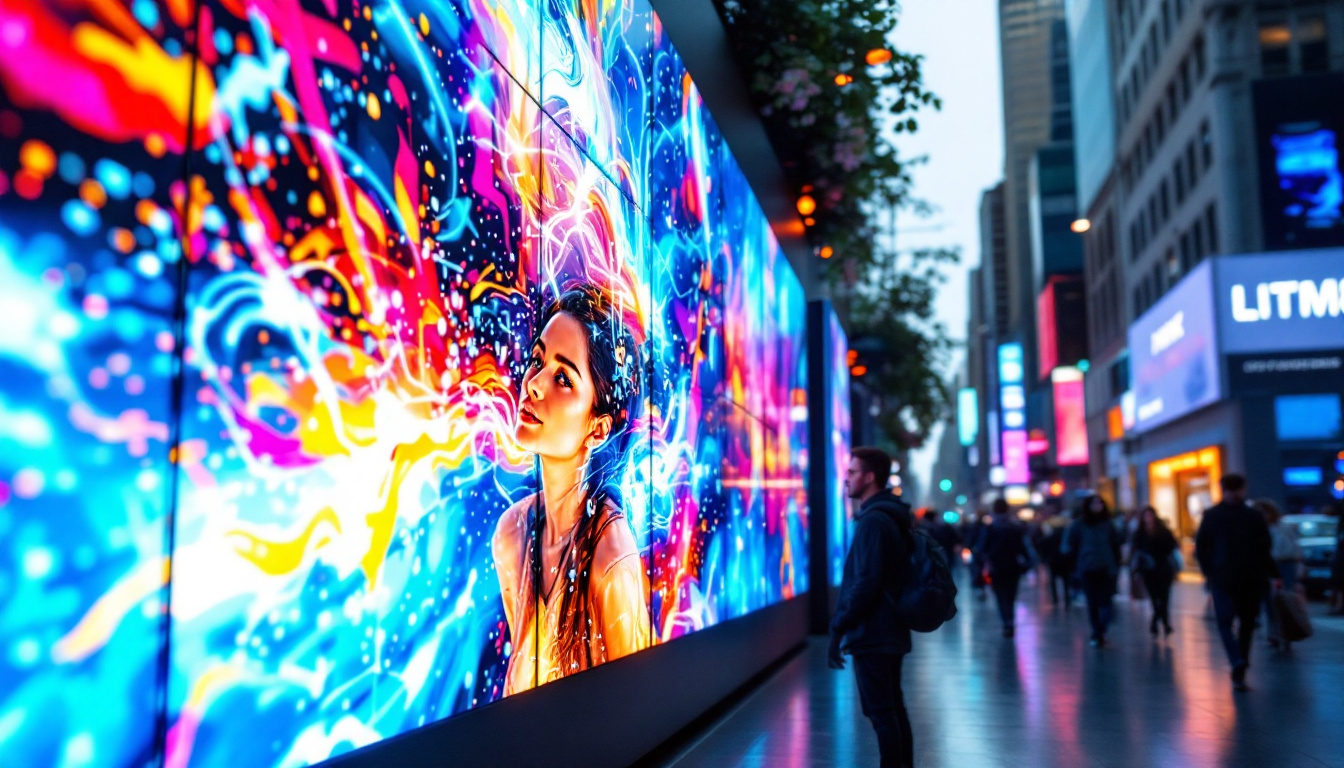
Outdoor digital billboards are among the most common applications of Direct View LED technology. Their ability to maintain visibility in bright sunlight and withstand harsh weather conditions makes them perfect for advertising in urban environments.
According to recent industry reports, the global digital billboard market is expected to grow at a compound annual growth rate (CAGR) of over 10% through 2027, driven largely by the adoption of LED technology. This growth underscores the importance of Direct View LED displays in outdoor advertising strategies.
Sports Arenas and Event Venues
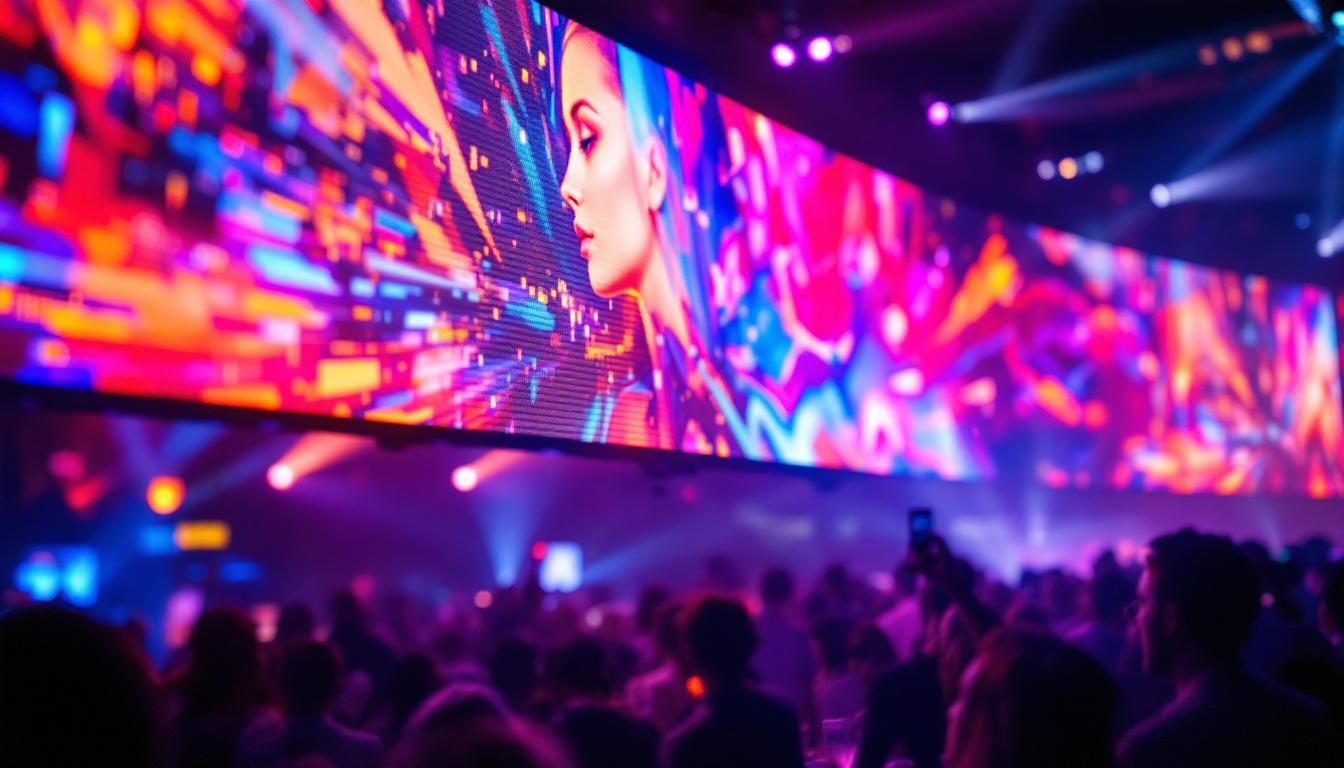
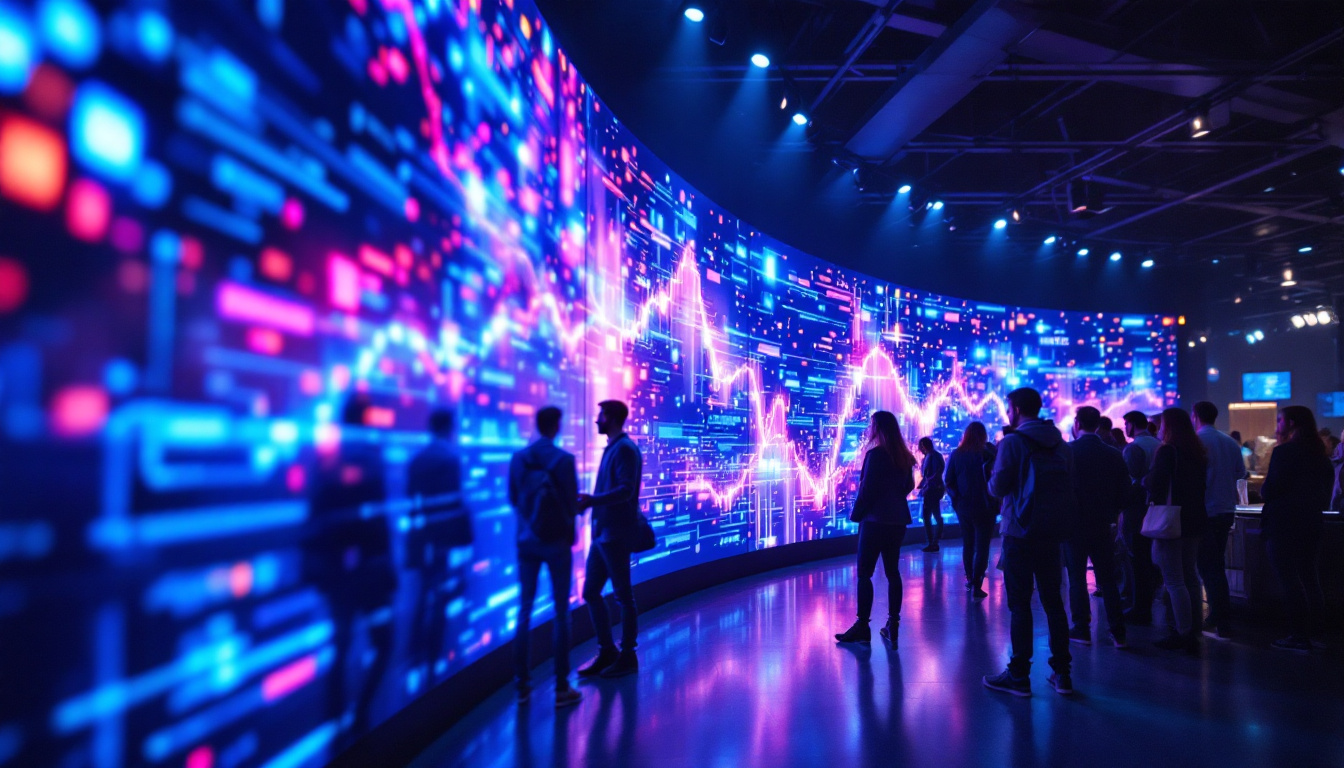
Sports venues utilize large-format Direct View LED screens to enhance the spectator experience. These displays provide live video feeds, instant replays, scores, and interactive content that engage fans and create immersive environments.
For example, the AT&T Stadium in Texas features one of the largest center-hung LED displays in the world, measuring over 160 feet wide. Such installations demonstrate the scalability and impact of Direct View LED technology in large venues.
Retail and Commercial Spaces
Retailers leverage Direct View LED displays to attract customers and promote products with dynamic content. Inside stores, these displays can be used for digital signage, interactive kiosks, and window displays that adapt in real-time to customer behavior and promotions.
In commercial buildings, LED walls serve as focal points in lobbies and conference rooms, delivering corporate messaging, branding, and wayfinding information with high visual appeal.
Transportation Hubs and Public Spaces
Airports, train stations, and other transportation hubs use Direct View LED displays to provide real-time information such as arrivals, departures, and emergency alerts. Their high visibility ensures that travelers can access critical information quickly and easily.
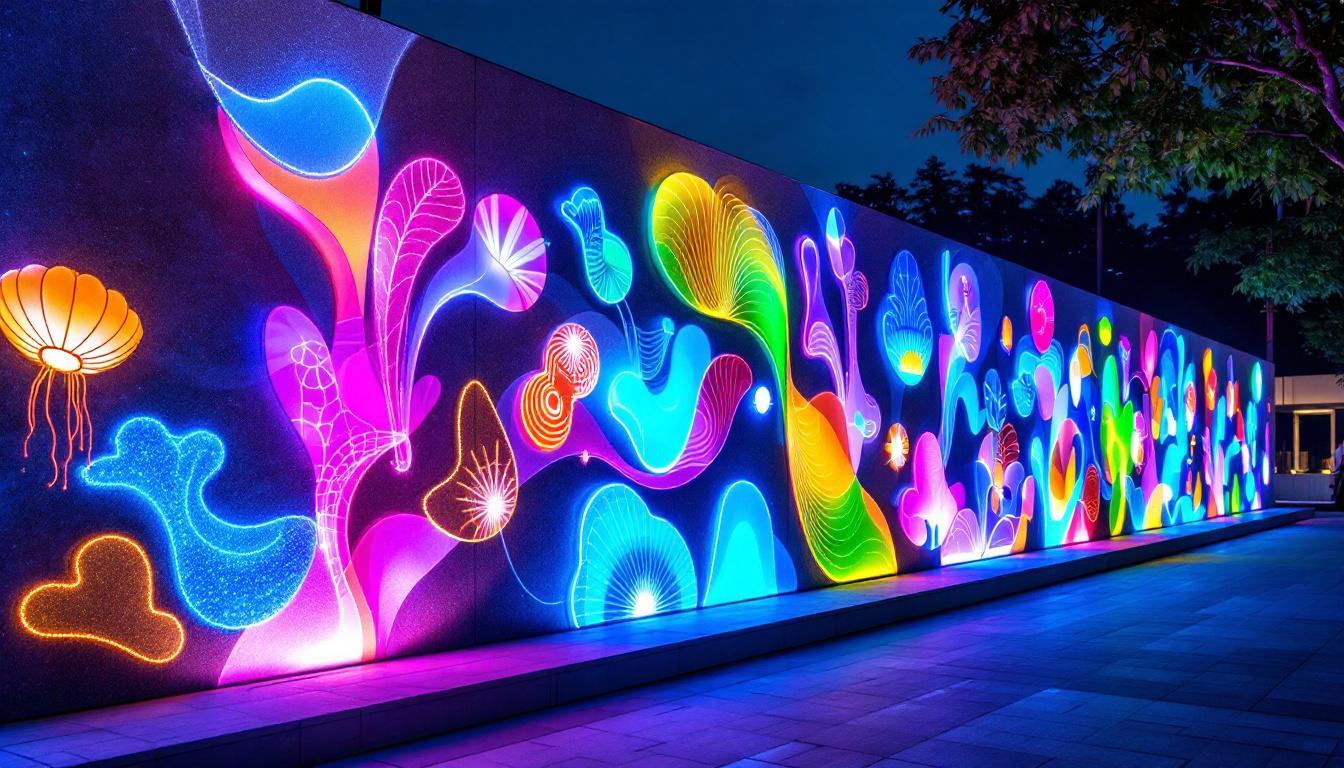
Public spaces also benefit from these displays for art installations, public announcements, and community engagement, transforming urban environments into interactive digital canvases.
Technical Considerations When Choosing a Direct View LED Display
Pixel Pitch and Resolution
Pixel pitch is a fundamental factor in determining the clarity and sharpness of an LED display. It refers to the distance between the centers of adjacent pixels, measured in millimeters. A smaller pixel pitch means higher pixel density and finer image detail.
For indoor applications where viewers are close to the screen, pixel pitches as low as 0.9 mm are available, delivering near-retina quality images. Outdoor displays typically use larger pixel pitches, ranging from 4 mm to 20 mm, optimized for viewing distances of several meters.
Brightness and Contrast Requirements
Assessing the ambient lighting conditions of the installation site is crucial. Outdoor displays require high brightness levels (usually above 5,000 nits) to combat sunlight glare, while indoor displays can operate effectively at lower brightness levels, conserving energy and reducing eye strain.
Contrast ratio also impacts image quality, especially in environments with varying lighting. High contrast ensures that content remains vivid and readable under all conditions.
Installation and Maintenance
Direct View LED displays are often modular, allowing for easier installation and maintenance. However, considerations such as mounting structures, access for repairs, and environmental protection (e.g., waterproofing for outdoor use) must be planned carefully.
Regular maintenance ensures longevity and consistent performance. Many manufacturers offer front-serviceable modules, enabling quick replacement without dismantling the entire display.
Control Systems and Content Management
The display controller and content management system (CMS) play vital roles in the performance of Direct View LED displays. Advanced controllers support high refresh rates, color calibration, and synchronization across multiple panels.
CMS platforms allow users to schedule, update, and monitor content remotely, providing flexibility and efficiency in managing digital signage networks.
The Future of Direct View LED Technology
Emerging Trends and Innovations
Direct View LED technology continues to evolve with innovations such as MicroLED and MiniLED, which offer even higher resolution, improved energy efficiency, and thinner form factors. These advancements are pushing the boundaries of what is possible in display technology.
Flexible and transparent LED displays are also gaining traction, enabling new design possibilities in architecture and consumer electronics. For instance, transparent LED glass panels can transform windows into dynamic screens without obstructing views.
Integration with Smart Technologies
The integration of Direct View LED displays with Internet of Things (IoT) devices and artificial intelligence (AI) is enhancing interactivity and personalization. Smart displays can adapt content based on audience demographics, weather conditions, or real-time data analytics.
This level of customization increases engagement and effectiveness, particularly in advertising and public information systems.
Sustainability Considerations
As environmental concerns grow, manufacturers are focusing on producing more sustainable LED displays. This includes using recyclable materials, reducing power consumption, and extending product lifecycles.
Energy-efficient Direct View LED displays contribute to lower carbon footprints for businesses and public institutions, aligning with global sustainability goals.
Conclusion
Direct View LED displays represent a transformative technology in the realm of digital visual communication. Their ability to deliver bright, vibrant, and flexible content across diverse environments makes them indispensable in today’s digital age. From outdoor advertising and sports arenas to retail and public spaces, these displays enhance engagement, improve information delivery, and create memorable visual experiences.
Understanding the technical aspects, advantages, and applications of Direct View LED displays is essential for businesses and organizations looking to invest in cutting-edge digital signage solutions. As technology advances, the potential for even more innovative and sustainable LED display applications continues to expand, promising a bright future for this dynamic medium.
Explore the Future of Visual Communication with LumenMatrix
Ready to elevate your digital signage and create immersive experiences that captivate and engage? LumenMatrix is at the forefront of LED display innovation, offering a diverse range of solutions tailored to your unique needs. From Indoor and Outdoor LED Walls to specialized displays for vehicles, sports, and even transparent applications, our technology is designed to bring your vision to life with unparalleled clarity and impact. Check out LumenMatrix LED Display Solutions today and join the revolution in visual communication.