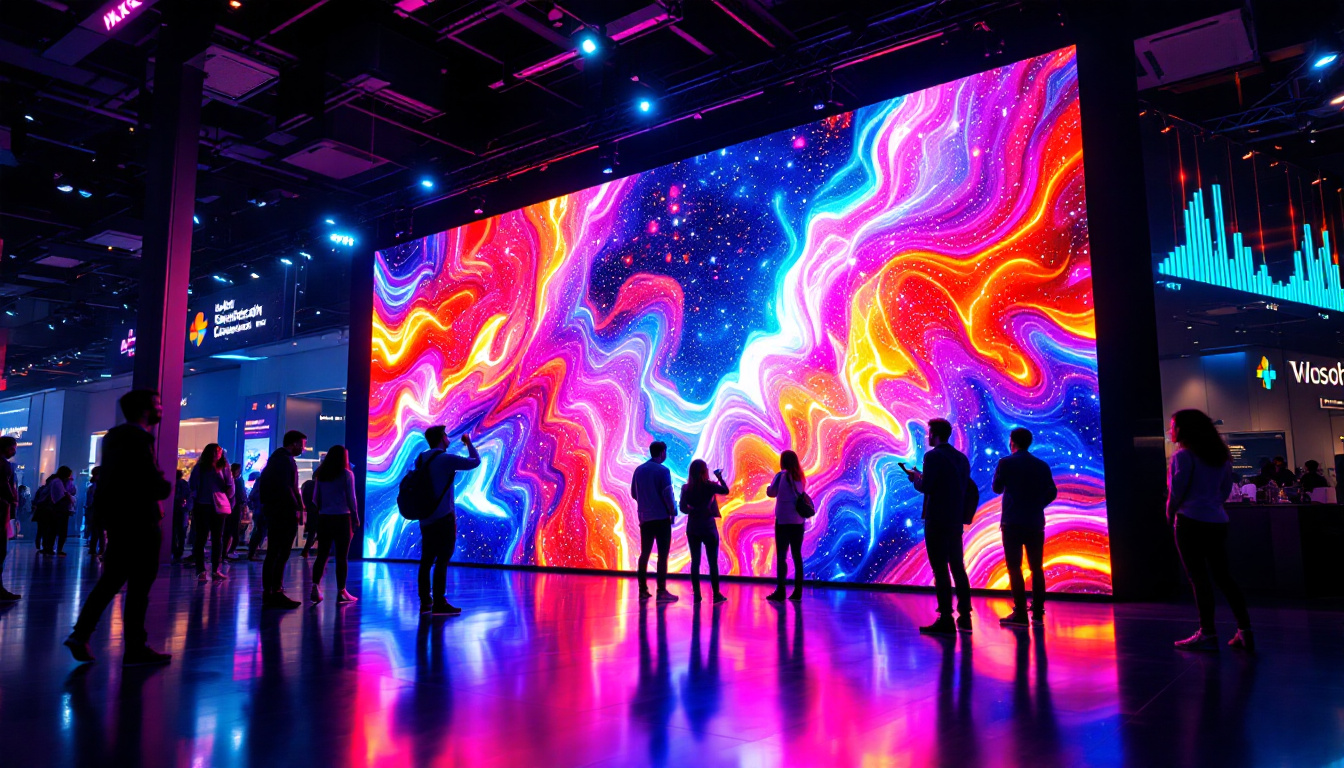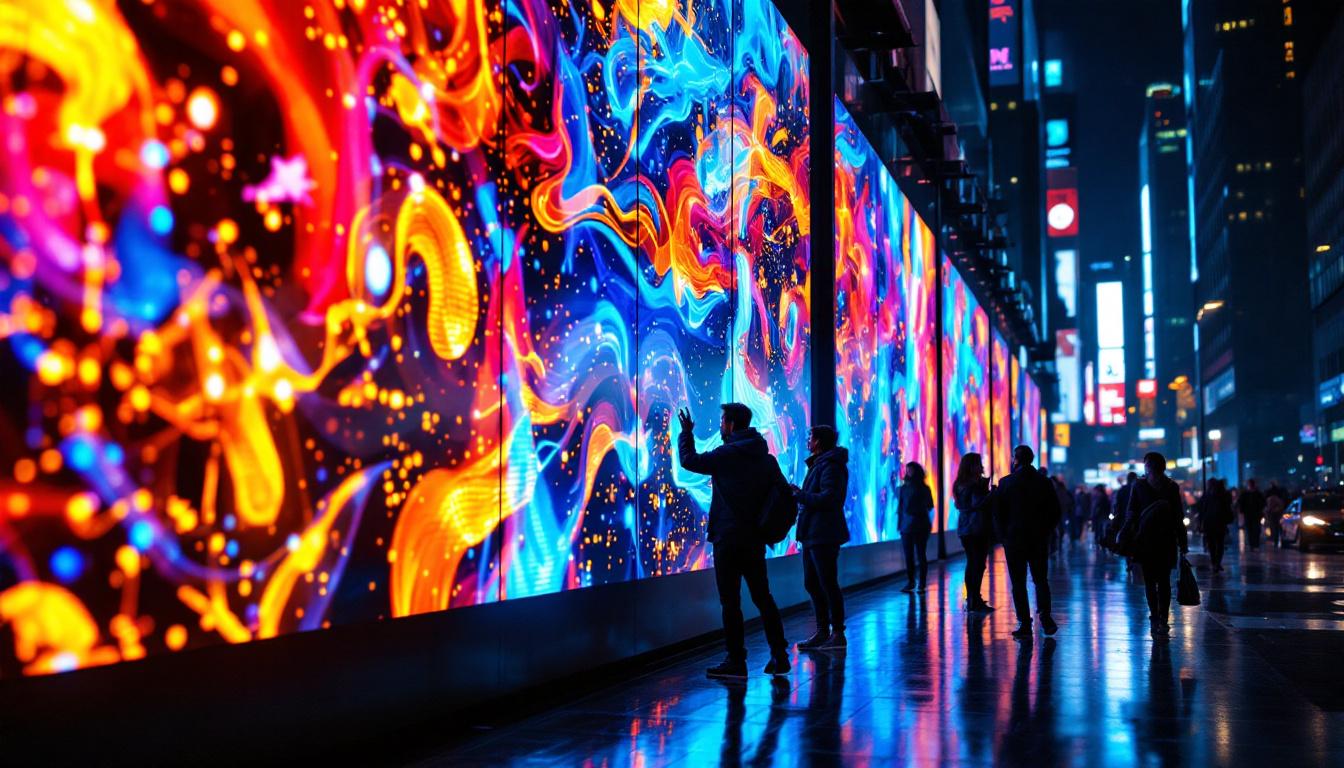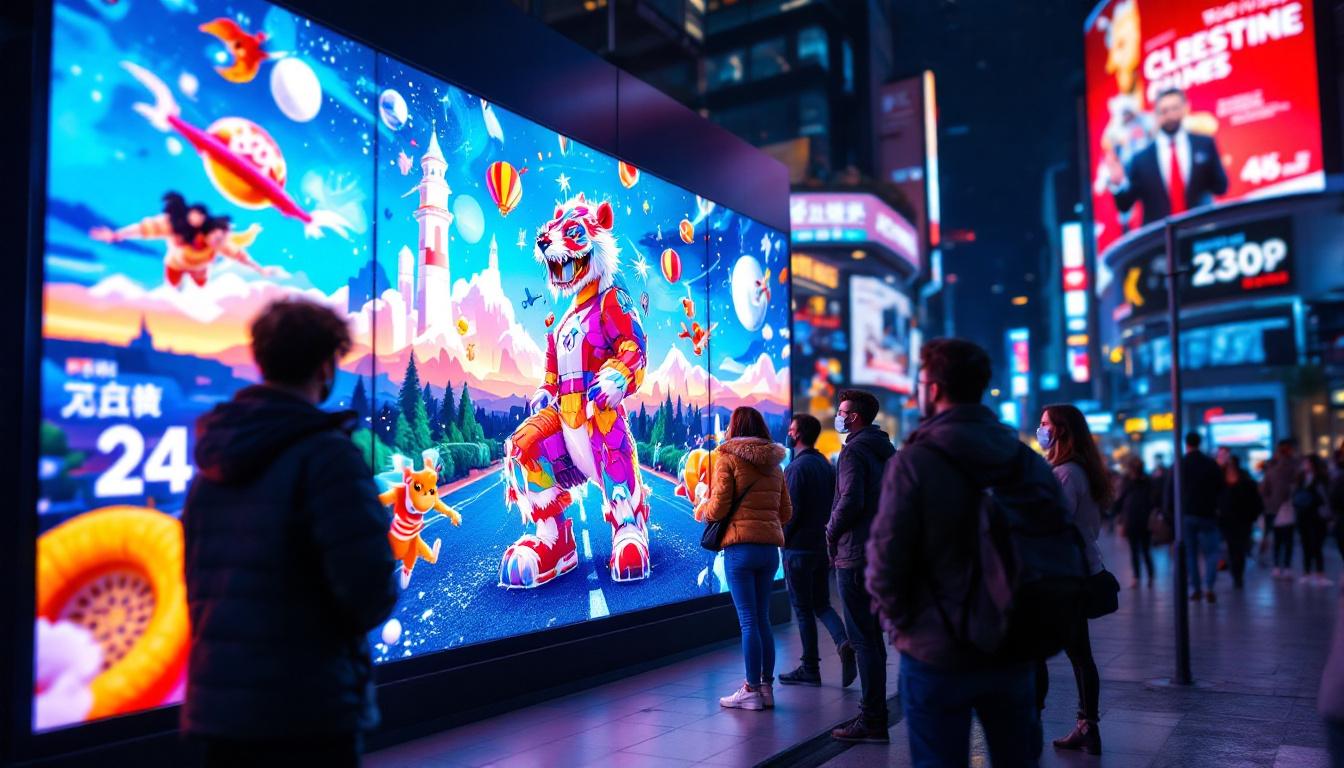
In the rapidly evolving world of digital signage and display technology, LED displays have become a cornerstone for delivering vibrant, high-impact visual content. Among various LED display specifications, the term “3.9 square” often arises, especially in professional and commercial contexts. But what exactly does “3.9 square” mean, and why is it significant in the realm of LED displays? This article delves into the technical and practical aspects of 3.9 square LED displays, exploring their design, applications, and advantages.
Understanding LED Display Basics
Before diving into the specifics of 3.9 square LED displays, it’s essential to understand the fundamental principles of LED display technology. LED stands for Light Emitting Diode, a semiconductor device that emits light when an electric current passes through it. LED displays are composed of thousands, sometimes millions, of these tiny diodes arranged in a grid to form images, videos, or text.
LED displays are widely used for their brightness, energy efficiency, and long lifespan. They outperform traditional LCD and projection displays in outdoor and large-scale applications due to their superior visibility under direct sunlight and in varying weather conditions. Furthermore, the ability to create vibrant colors and deep contrasts makes LED displays a popular choice for advertising, events, and public information systems, where capturing attention is crucial.
What Does “3.9 Square” Mean?
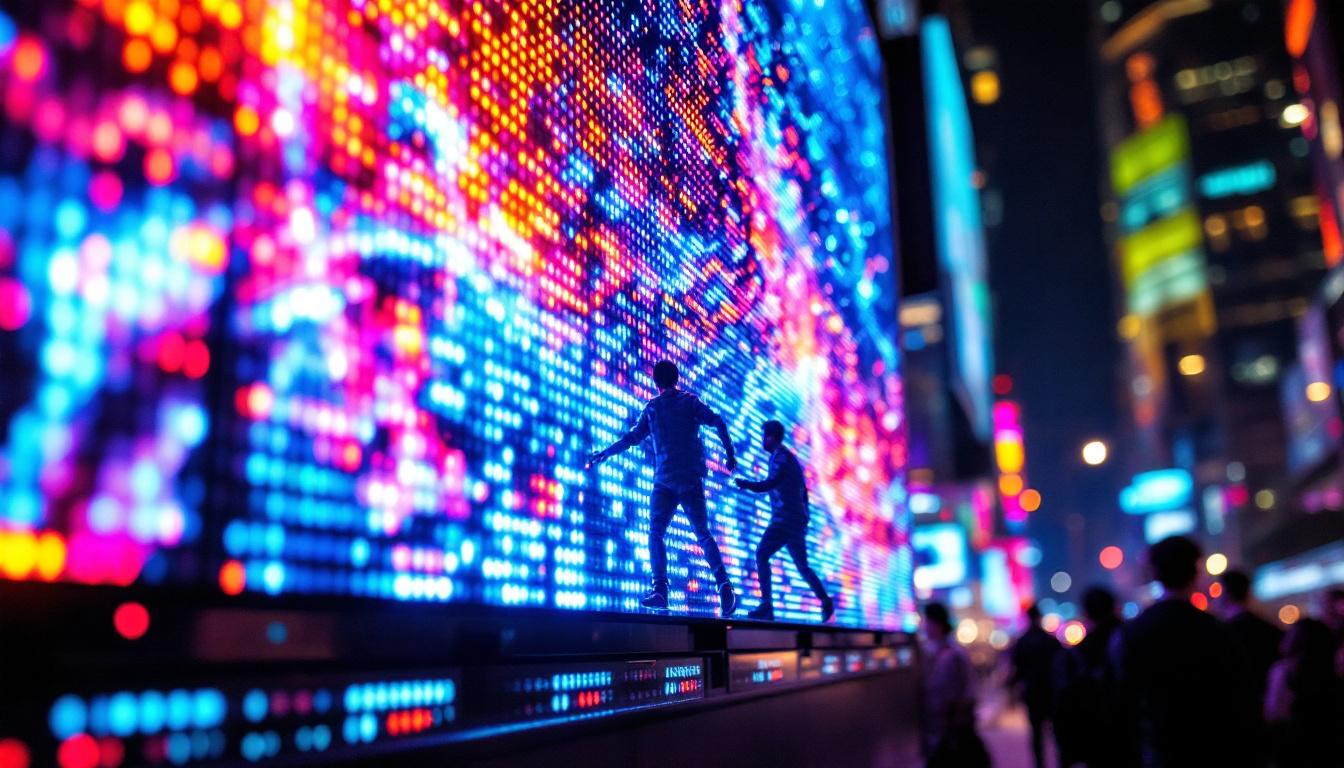
The term “3.9 square” refers primarily to the pixel pitch of the LED display. Pixel pitch is the distance in millimeters between the centers of two adjacent pixels. In this case, a 3.9 mm pixel pitch means that each pixel is spaced 3.9 millimeters apart both horizontally and vertically, forming a square grid.
This measurement is critical because it directly affects the resolution, viewing distance, and overall image quality of the display. A smaller pixel pitch generally means a higher resolution and sharper image, suitable for closer viewing distances. Conversely, a larger pixel pitch is better for displays intended to be viewed from farther away. For instance, a 3.9 mm pixel pitch is often ideal for indoor environments such as shopping malls, airports, and conference centers, where audiences are typically positioned within a short range of the display, allowing for a more immersive visual experience.
Additionally, the choice of pixel pitch can influence the design and installation of the display. A display with a smaller pixel pitch may require more intricate mounting solutions and careful calibration to ensure optimal performance. This can lead to increased costs in both the hardware and installation processes, but the payoff is often seen in the form of enhanced viewer engagement and satisfaction. As technology continues to evolve, manufacturers are developing even finer pixel pitches, pushing the boundaries of what LED displays can achieve in terms of clarity and detail.
The Significance of 3.9 mm Pixel Pitch in LED Displays
Choosing the right pixel pitch is crucial for optimizing the performance of an LED display. The 3.9 mm pixel pitch strikes a balance between image clarity and cost-effectiveness, making it a popular choice in various applications.
Optimal Viewing Distance and Image Quality
One of the most important considerations when selecting an LED display is the optimal viewing distance. For a 3.9 mm pixel pitch, the recommended minimum viewing distance is approximately 4 meters (about 13 feet). At this distance, the human eye perceives the image as smooth and continuous without noticing individual pixels.
This makes 3.9 mm LED displays ideal for medium-range viewing environments such as retail stores, conference rooms, transportation hubs, and outdoor advertising where viewers are neither too close nor too far. In retail settings, for instance, the clarity and vibrancy of the display can significantly enhance customer engagement, drawing attention to promotions and product displays. Similarly, in conference rooms, the ability to present high-quality visuals can improve communication and collaboration among participants, making presentations more impactful and memorable.
Resolution and Display Size
The pixel pitch also influences the maximum resolution achievable on a given display size. For example, a 3.9 mm pitch LED panel measuring 1 meter by 1 meter contains approximately 256 x 256 pixels, resulting in about 65,536 pixels in total.
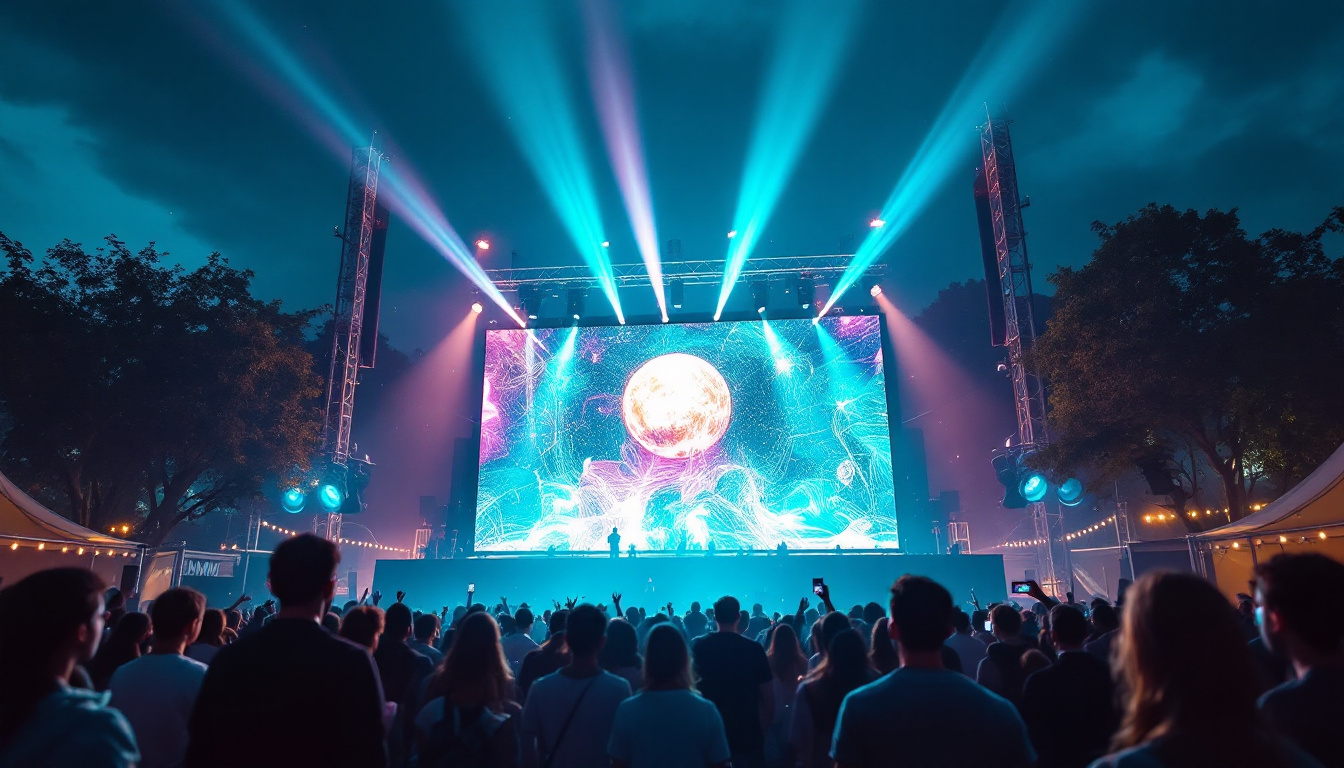
This resolution is sufficient to display detailed images, videos, and text clearly at the recommended viewing distances. It also allows for scalability; multiple panels can be tiled seamlessly to create larger displays without compromising image quality. This modularity is particularly beneficial for events like concerts or trade shows, where large, eye-catching visuals are essential to attract and retain audience attention. The flexibility in configuration enables businesses to adapt their display setups according to specific needs, whether it’s a single large screen or a series of smaller panels arranged in creative layouts.
Cost and Energy Efficiency Considerations
Smaller pixel pitches, such as 1.5 mm or 2.5 mm, offer higher resolution but come with significantly higher costs and energy consumption. The 3.9 mm pitch provides a cost-effective middle ground, delivering good image quality while keeping manufacturing, installation, and operational expenses manageable.
Moreover, LED technology is inherently energy-efficient compared to other display types, and a 3.9 mm pitch display typically consumes less power per unit area than ultra-fine pitch displays, making it attractive for businesses conscious of both budget and sustainability. Additionally, the longevity of LED displays means that the initial investment can be offset by reduced maintenance and replacement costs over time. As companies increasingly prioritize eco-friendly solutions, the energy savings offered by 3.9 mm pixel pitch displays can contribute to a smaller carbon footprint, aligning with corporate sustainability goals and enhancing brand reputation in the eyes of environmentally conscious consumers.
Applications of 3.9 Square LED Displays
The versatility of 3.9 mm pixel pitch LED displays has made them a popular choice across various industries and use cases. Their balance of resolution, size, and cost makes them suitable for both indoor and outdoor environments.
Outdoor Advertising and Digital Billboards
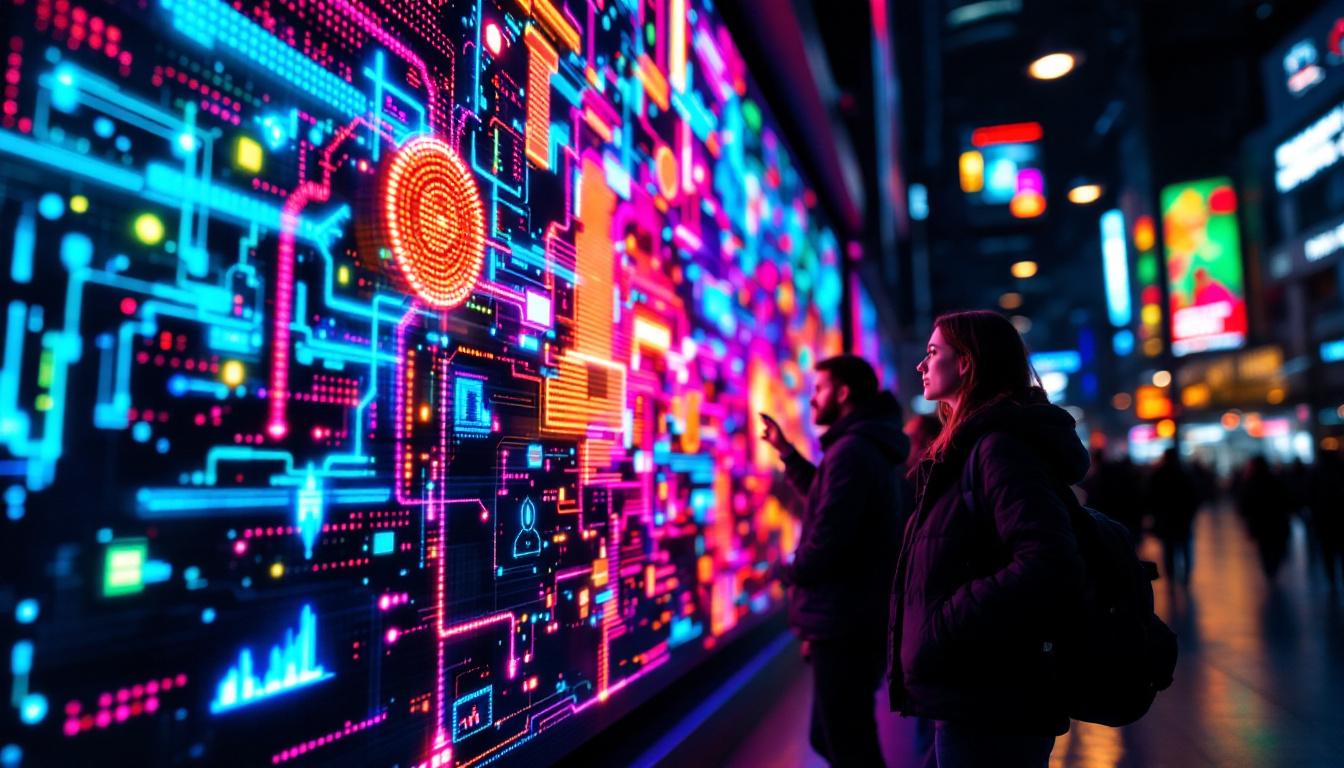
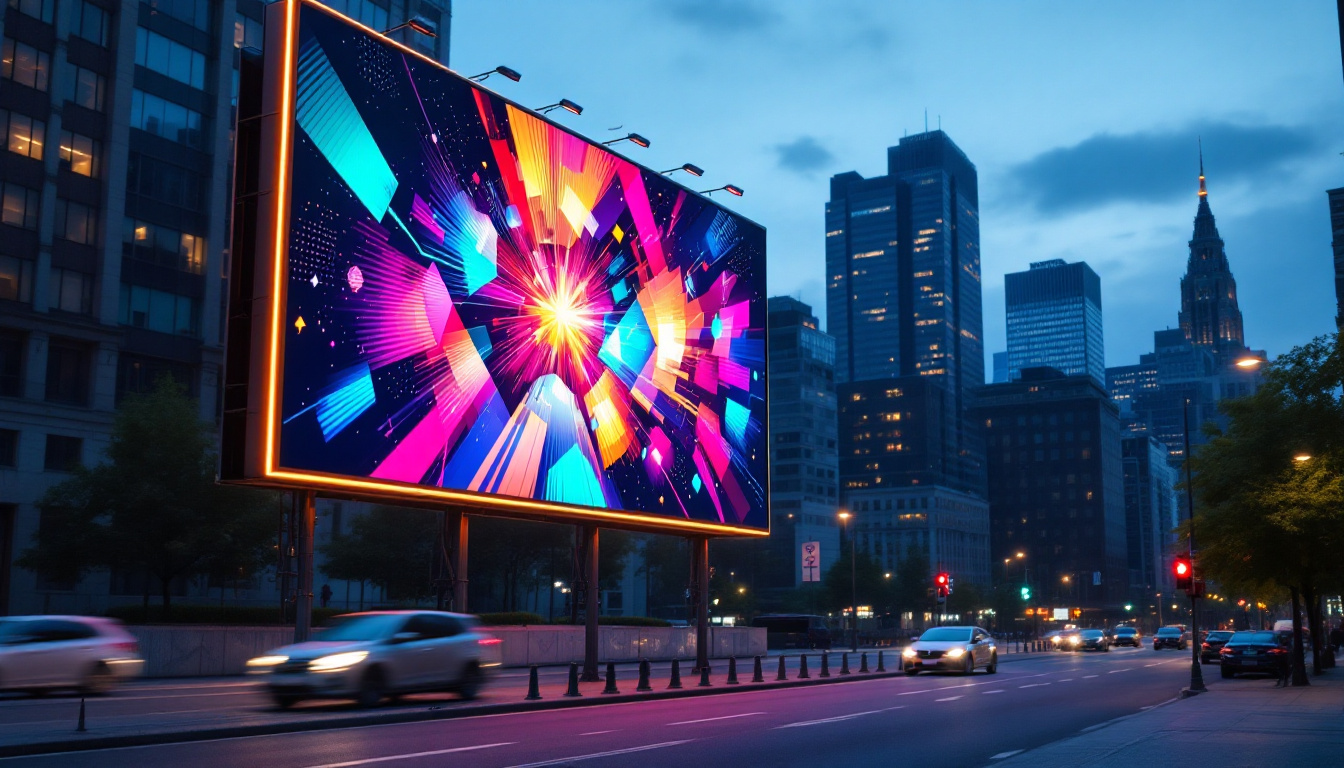
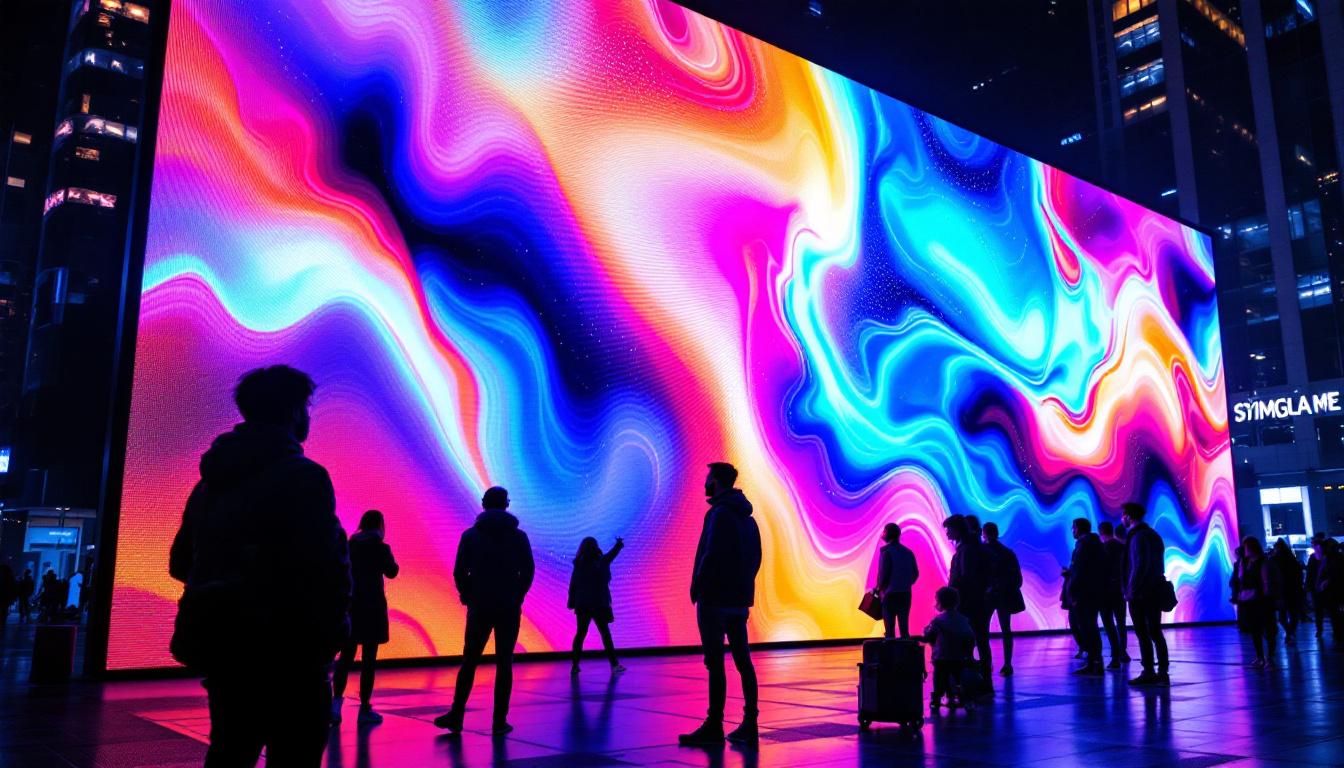
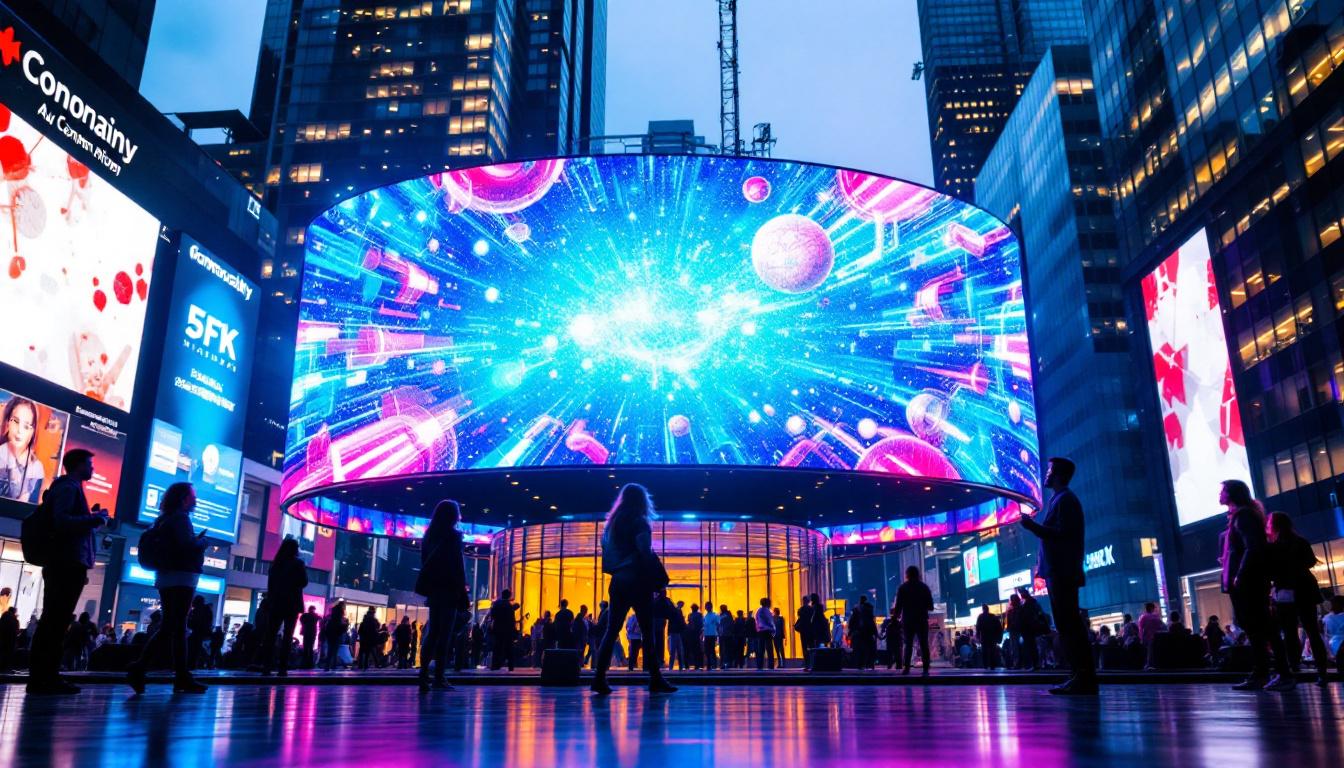
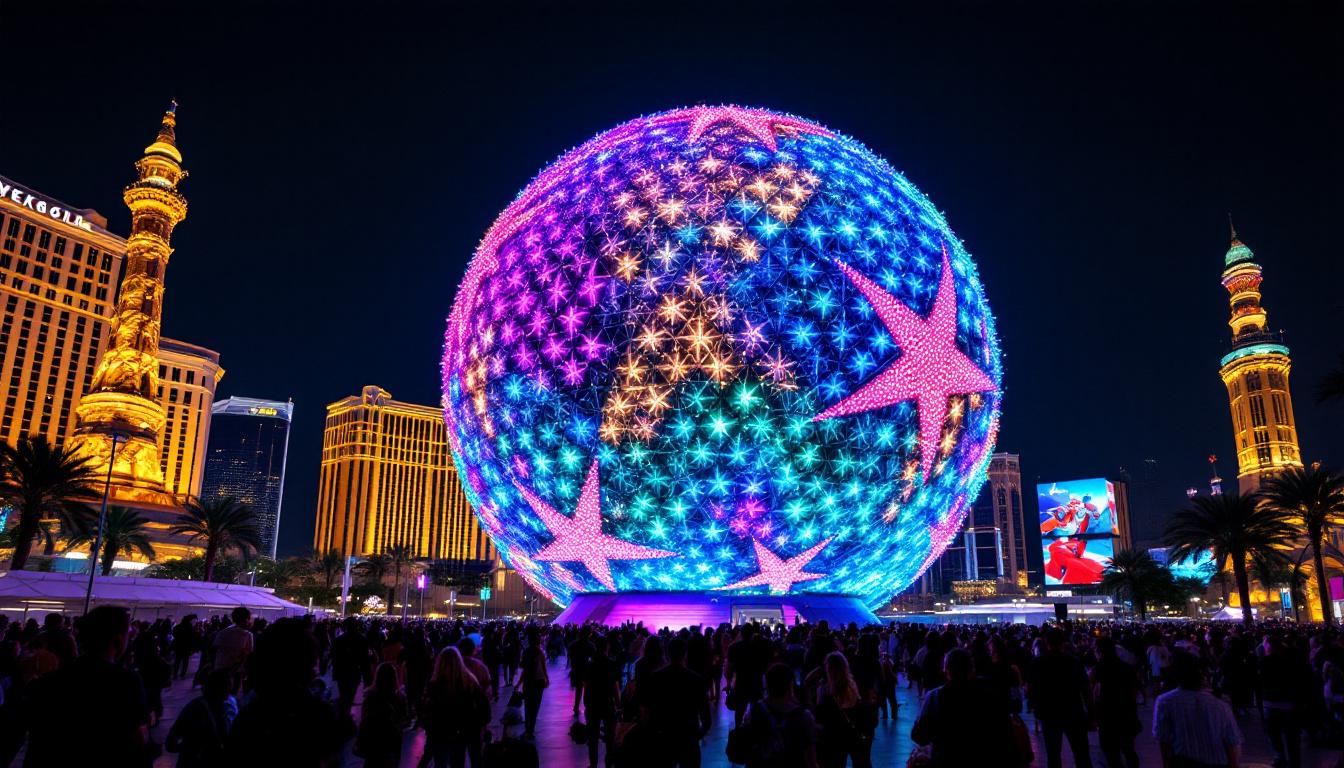
One of the most common applications of 3.9 mm LED displays is in outdoor advertising. Digital billboards require displays that are bright enough to be seen clearly in daylight, durable to withstand weather conditions, and capable of displaying dynamic content.
The 3.9 mm pitch offers the right pixel density to ensure images and videos are sharp enough to attract attention from passing pedestrians and motorists, while also being cost-effective for large-scale installations.
Retail and Commercial Spaces
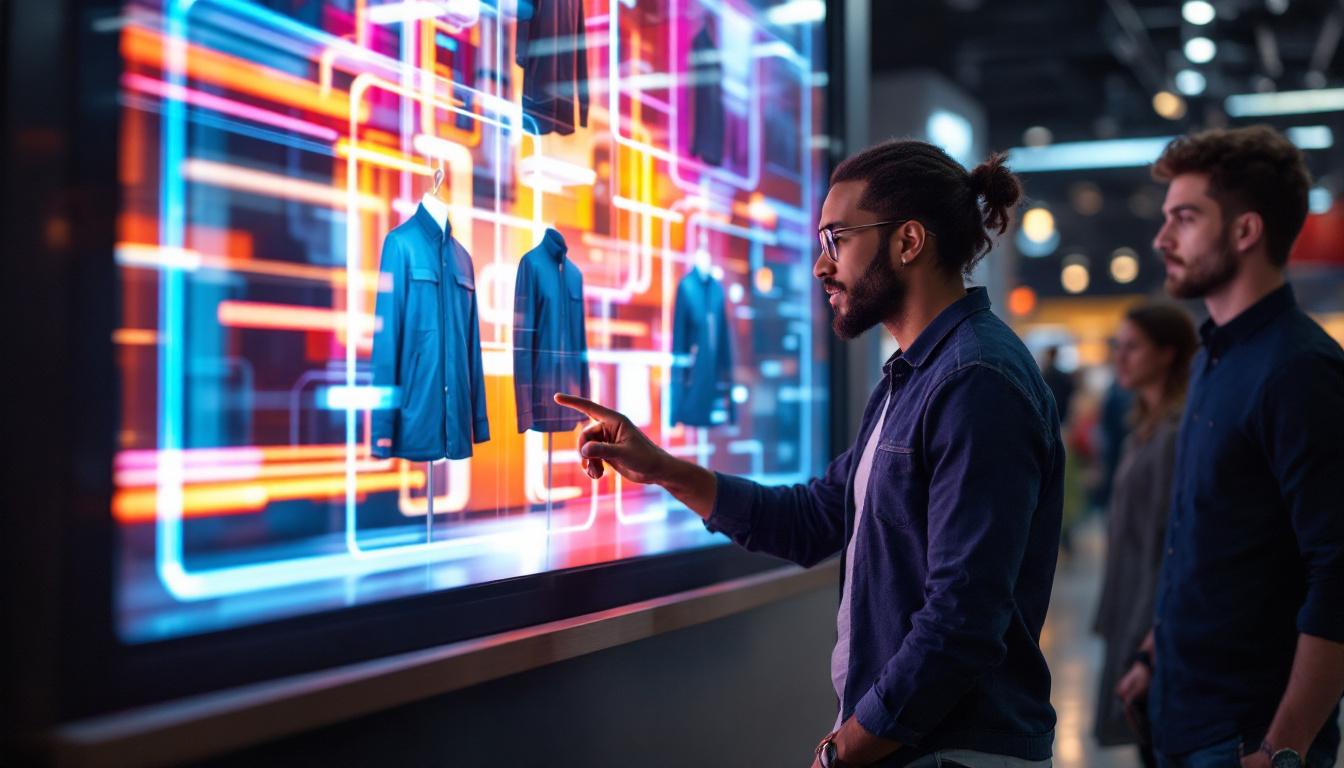
Retailers use 3.9 mm LED displays to create engaging in-store experiences. These displays can showcase promotional videos, product information, and interactive content to enhance customer engagement. The pixel pitch ensures that shoppers standing a few meters away can easily view the content without pixelation.
Additionally, shopping malls and commercial complexes employ 3.9 mm LED walls for event announcements, wayfinding, and branding purposes.
Corporate and Event Venues
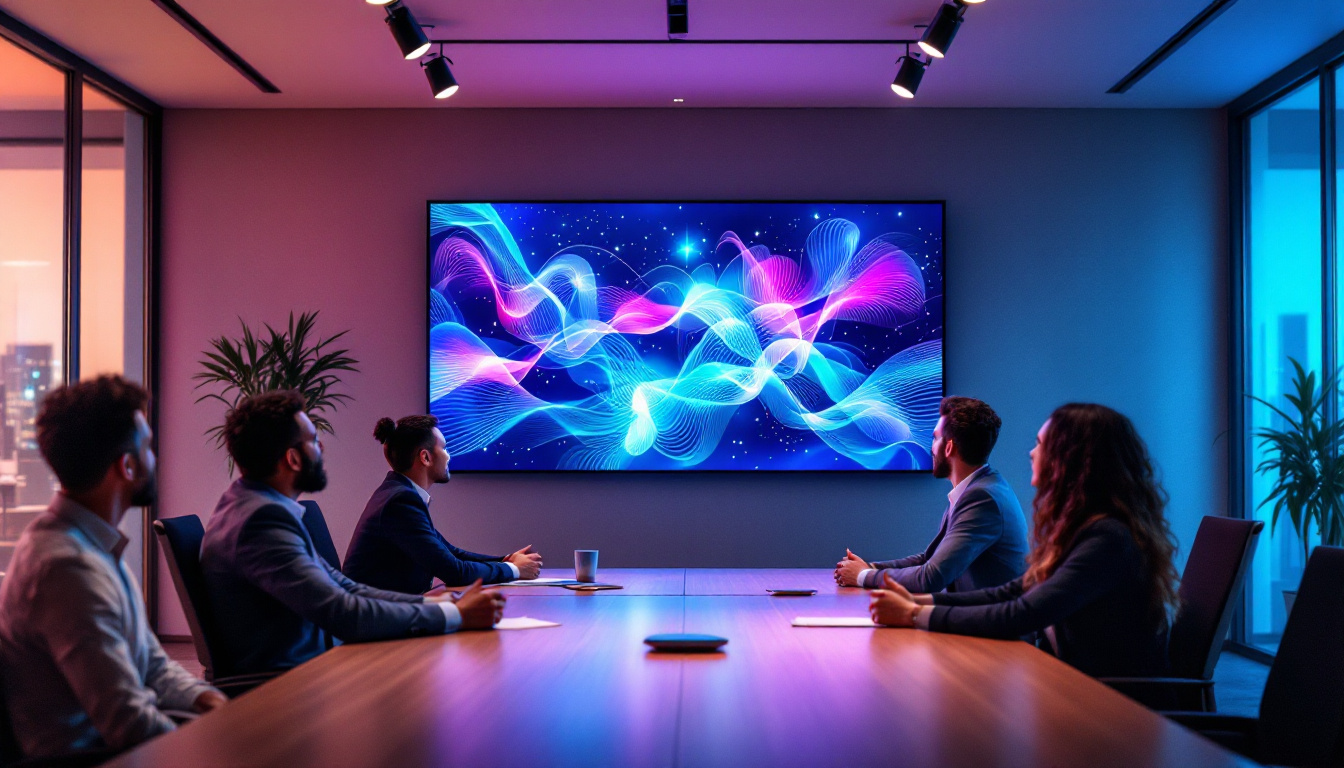
Corporate environments often use 3.9 mm LED displays in conference rooms, auditoriums, and trade shows. The displays provide clear visuals for presentations, live feeds, and branding messages, improving communication and audience engagement.
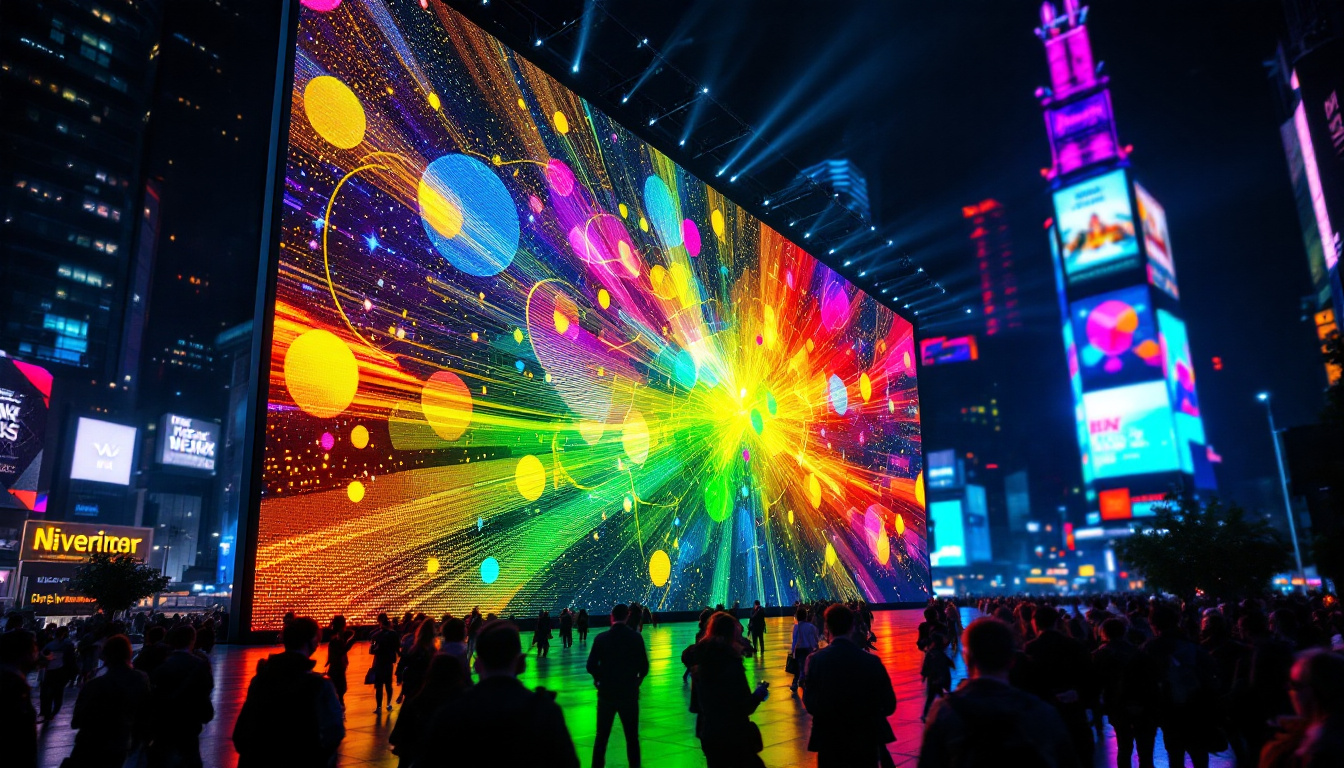
Event organizers also prefer 3.9 mm LED walls for concerts, exhibitions, and sports venues where the audience is typically seated several meters away from the screen.
Technical Considerations When Choosing a 3.9 Square LED Display
While the 3.9 mm pixel pitch is an important factor, several other technical specifications must be evaluated to ensure the LED display meets the intended requirements.
Brightness and Contrast Ratio
Brightness is measured in nits (cd/m²) and determines how well the display performs in different lighting conditions. For outdoor 3.9 mm LED displays, brightness levels typically range from 5,000 to 7,000 nits to combat sunlight glare effectively.
Contrast ratio, the difference between the darkest black and the brightest white, affects image depth and clarity. High contrast ratios enhance visual appeal, especially for video content and detailed graphics.
Refresh Rate and Color Accuracy
Refresh rate, measured in Hertz (Hz), indicates how many times per second the image is updated. A higher refresh rate (above 3,000 Hz) is essential for smooth video playback and to avoid flickering, particularly for camera recording and live broadcasts.
Color accuracy and gamut are also critical, especially for applications requiring precise branding colors or realistic image reproduction. Advanced LED displays use sophisticated calibration techniques to maintain consistent color performance.
Durability and Maintenance
For outdoor installations, the LED display must be weatherproof, resistant to dust, moisture, and temperature fluctuations. IP65 or higher ratings are standard for outdoor 3.9 mm LED displays, ensuring longevity and reliability.
Modular design facilitates easier maintenance and repairs. Individual LED modules can be replaced without dismantling the entire display, reducing downtime and service costs.
Future Trends and Innovations in 3.9 Square LED Displays
The LED display industry is continuously innovating, and the 3.9 mm pixel pitch segment is no exception. Emerging trends are enhancing performance, usability, and integration capabilities.
Higher Resolution and Miniaturization
While 3.9 mm remains popular, manufacturers are pushing boundaries with even smaller pixel pitches to deliver ultra-high-definition displays. However, 3.9 mm continues to serve as a reliable standard for many mid-range applications, balancing quality and cost.
Smart and Interactive Features
Integration of sensors, touch capabilities, and AI-driven content management systems is transforming LED displays into interactive platforms. 3.9 mm LED walls equipped with these technologies can offer personalized experiences in retail, education, and corporate settings.
Energy Efficiency and Sustainability
Advancements in LED chip technology and power management are reducing energy consumption further. Sustainable manufacturing practices and recyclable materials are becoming priorities, aligning with global environmental goals.
Conclusion
The 3.9 square LED display, defined by its 3.9 mm pixel pitch, represents a versatile and effective solution for a wide range of digital signage needs. Its balance of resolution, viewing distance, brightness, and cost makes it an attractive choice for outdoor advertising, retail environments, corporate venues, and more.
Understanding the technical nuances and application contexts of 3.9 mm LED displays empowers businesses and organizations to make informed decisions that maximize impact and return on investment. As technology advances, the 3.9 mm pixel pitch remains a dependable standard, bridging the gap between high-end ultra-fine pitch displays and larger-pitch, lower-resolution screens.
For anyone considering an LED display installation, exploring the capabilities and benefits of 3.9 square LED displays is a valuable step toward achieving vibrant, engaging, and cost-effective digital communication.
Discover LumenMatrix’s Advanced LED Display Solutions
Ready to elevate your digital signage with the perfect blend of resolution, brightness, and cost-efficiency? LumenMatrix is at the forefront of LED display innovation, offering a comprehensive range of solutions tailored to your unique needs. From captivating Indoor and Outdoor LED Wall Displays to dynamic Vehicle and Sports LED Displays, our technology is designed to make your brand stand out. Experience the future of visual communication with our Custom, All-in-One, and Transparent LED Displays. Don’t miss the opportunity to transform your space with LumenMatrix’s cutting-edge LED display modules. Check out LumenMatrix LED Display Solutions today and start creating unforgettable visual experiences.