In the rapidly evolving world of digital signage and visual technology, LED displays have become a cornerstone for delivering vibrant, high-impact visuals across various industries. Among the many innovations in LED technology, the concept of a “Dual Source” LED display stands out as a significant advancement, offering enhanced flexibility, reliability, and performance. This article delves into the fundamentals of Dual Source LED displays, exploring their technology, benefits, applications, and why they are becoming a preferred choice for businesses and event organizers worldwide.
Understanding LED Display Technology
Before diving into the specifics of Dual Source LED displays, it’s essential to grasp the basics of LED display technology. LED, or Light Emitting Diode, displays are composed of numerous tiny LEDs that collectively form images and videos. These LEDs emit light directly, providing superior brightness and contrast compared to traditional LCD or projection-based displays. The technology behind LEDs allows for a more dynamic range of colors and deeper blacks, which enhances the overall viewing experience, making it particularly appealing for applications requiring high visual fidelity.
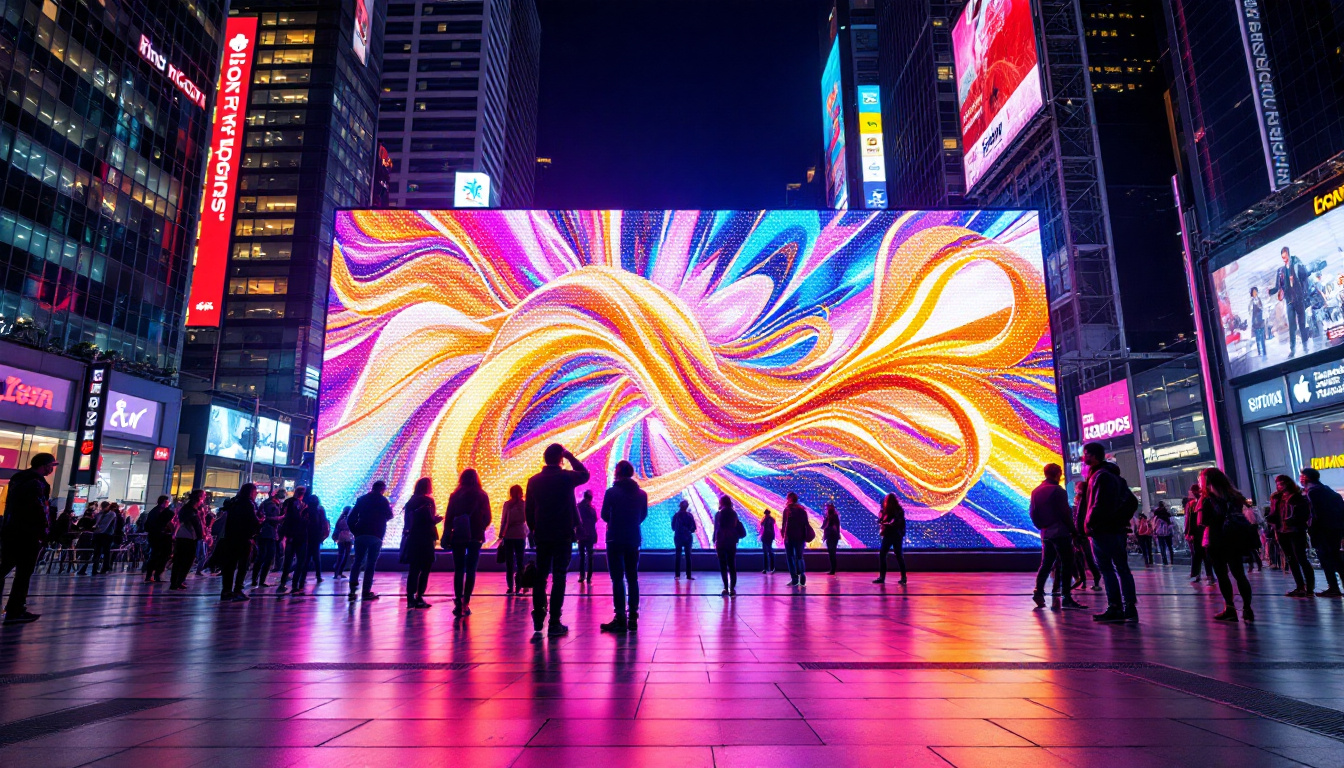
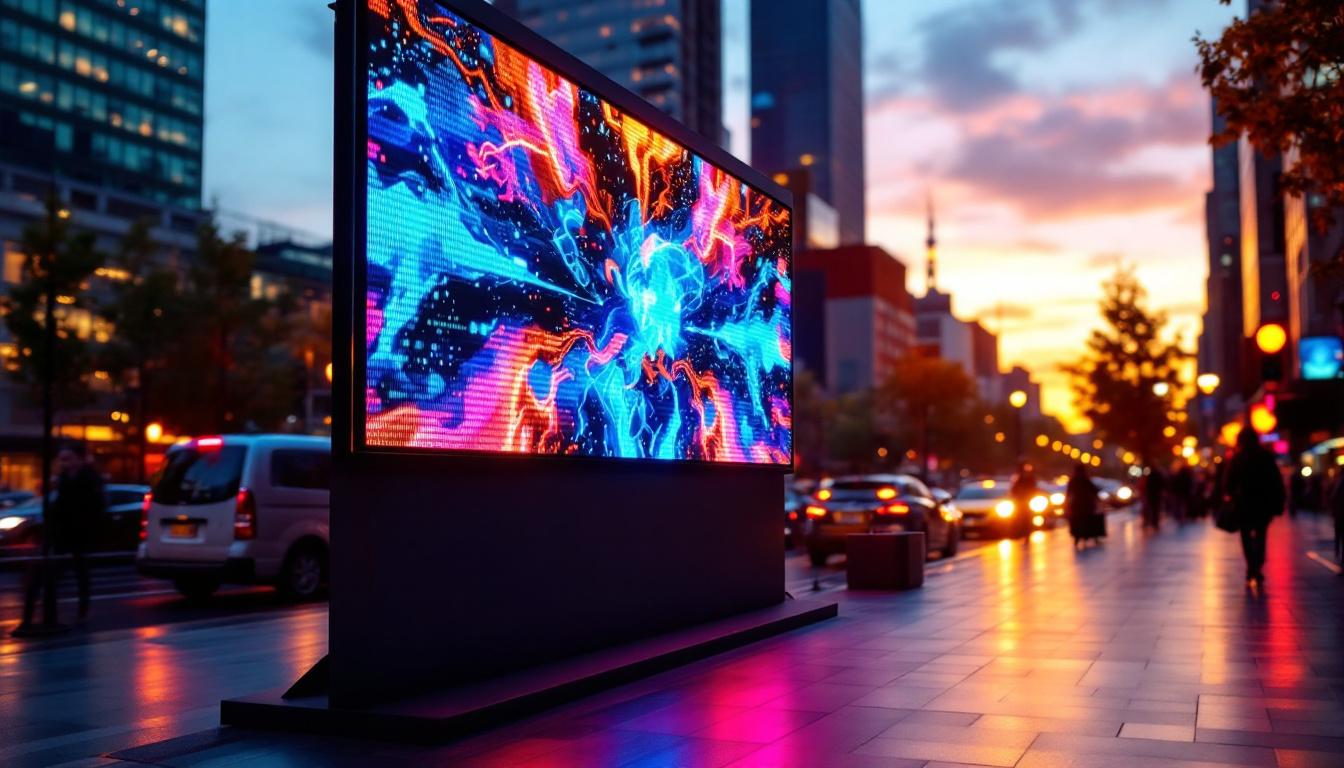
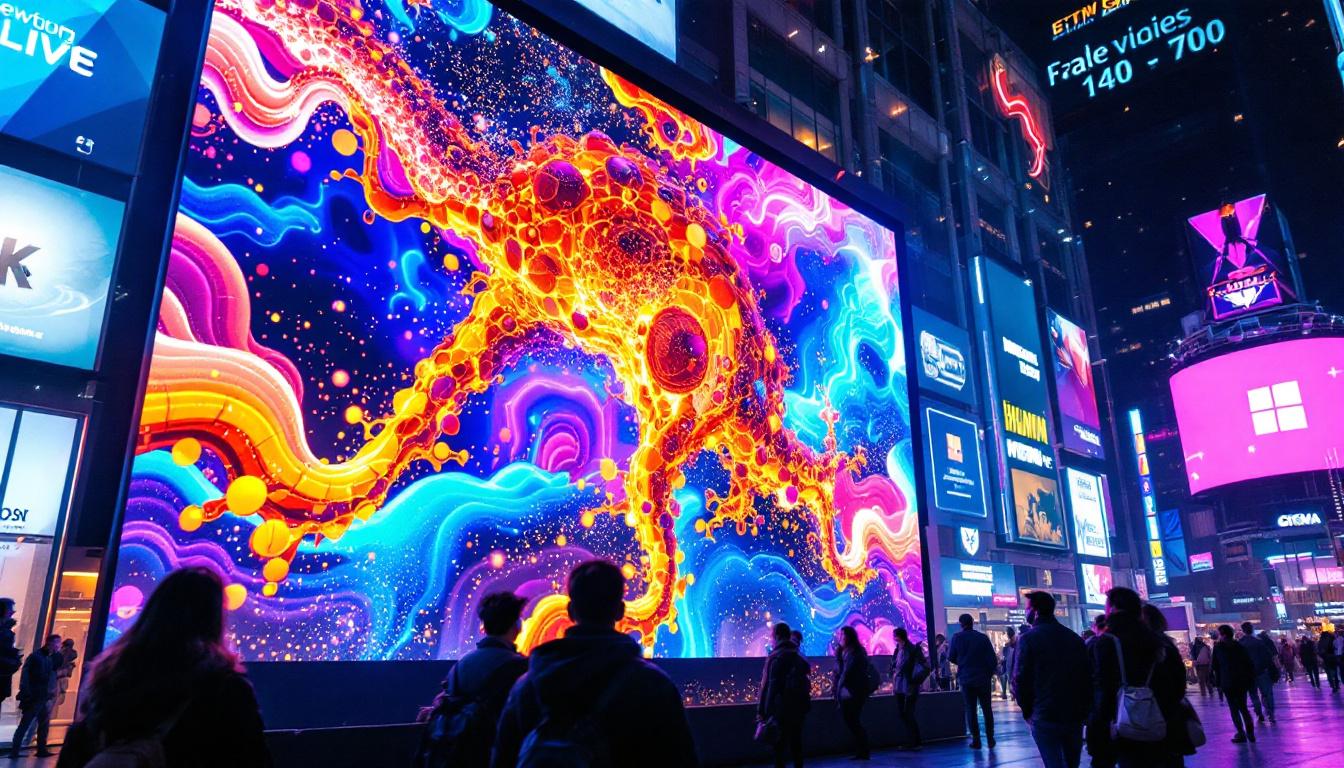
The modular nature of LED panels allows for scalable screen sizes, from small indoor signage to massive outdoor billboards. This scalability, combined with excellent visibility in various lighting conditions, makes LED displays highly versatile. Additionally, the lightweight design of LED panels facilitates easier installation and transportation, which is a significant advantage for temporary setups at events or exhibitions. The durability of LED technology also means that these displays can withstand harsh weather conditions, making them ideal for outdoor use.
What Makes LED Displays Popular?
LED displays are favored for several reasons. Their energy efficiency, long lifespan, and ability to produce vivid colors and high brightness levels are key advantages. According to a 2023 report by the Digital Signage Federation, LED displays accounted for over 60% of all digital signage installations globally, underscoring their dominance in the market. This trend is further fueled by the decreasing costs of LED technology, making it more accessible for businesses of all sizes to invest in high-quality visual solutions.
Moreover, LED technology supports high refresh rates and wide viewing angles, ensuring that content remains clear and legible from different perspectives. These features are critical for environments like sports arenas, retail stores, and transportation hubs. The ability to display dynamic content, such as live feeds or interactive advertisements, enhances viewer engagement and can lead to increased customer interaction. Furthermore, advancements in LED technology, such as the development of MicroLED and MiniLED, promise even greater resolution and color accuracy, paving the way for future applications in both consumer electronics and large-scale installations.
What is a Dual Source LED Display?
A Dual Source LED display refers to an LED screen system that can receive and process video signals from two separate input sources simultaneously. This technology is designed to enhance operational reliability and content management flexibility, especially in professional and high-demand settings.
In traditional LED setups, a single input source feeds the display controller, which then drives the LED modules. If this source fails or experiences interruptions, the entire display can go dark or freeze, causing disruptions and potential revenue loss. Dual Source systems mitigate this risk by allowing a secondary input to take over seamlessly if the primary source encounters issues.
Technical Overview of Dual Source Systems
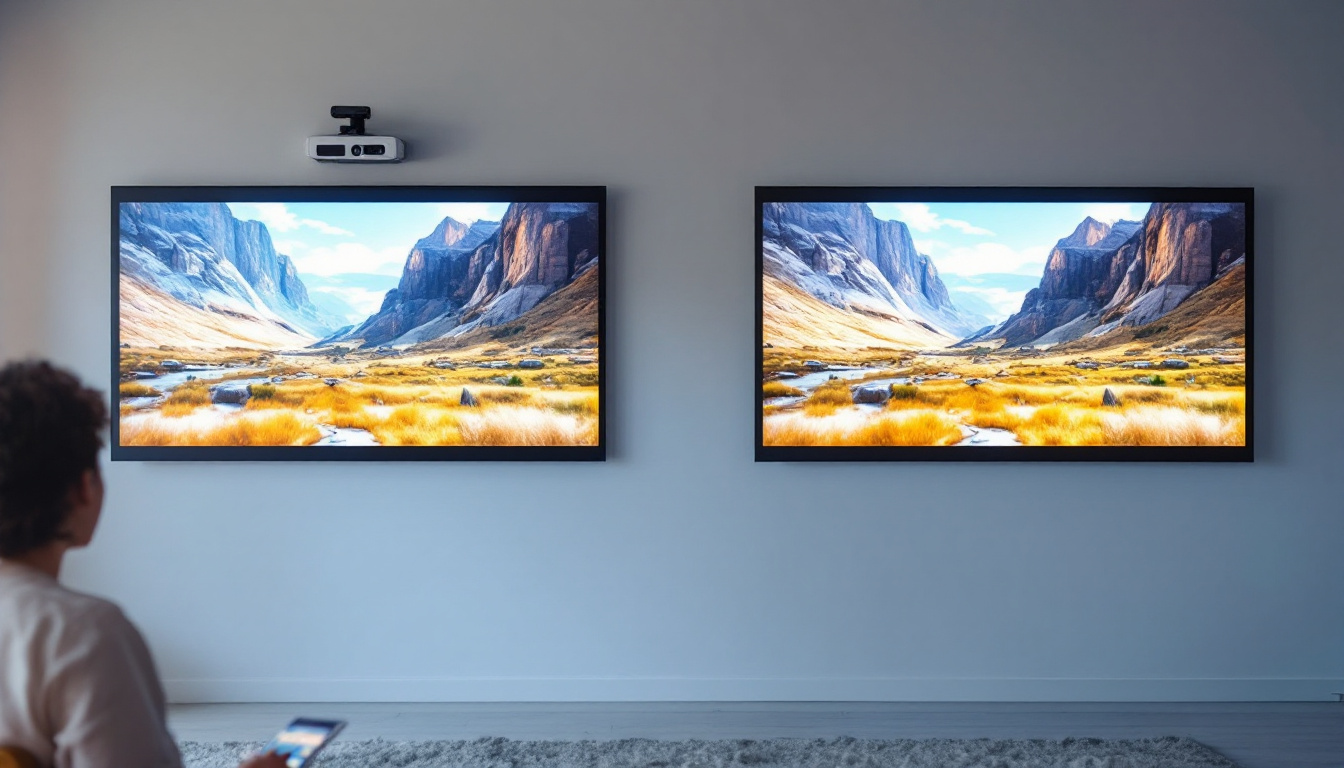
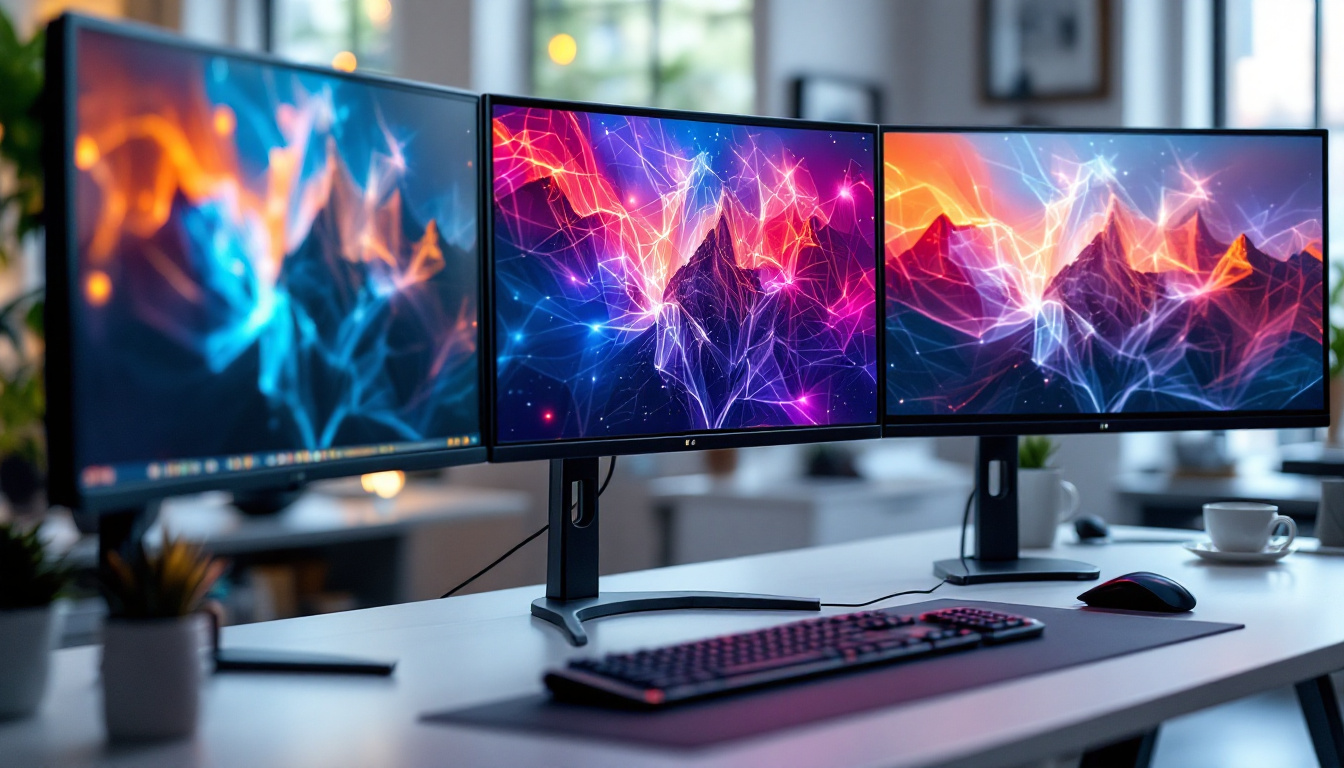
At the heart of a Dual Source LED display is a controller or processor capable of handling multiple video inputs. These inputs can be from different devices such as media players, computers, or broadcast equipment. The controller continuously monitors the primary source and switches to the secondary source without noticeable delay if a fault is detected.
This switch can be automatic or manual, depending on the system design. Advanced controllers also allow for split-screen or picture-in-picture modes, enabling content from both sources to be displayed simultaneously. This capability is particularly useful for complex presentations or multi-channel advertising.
Moreover, the flexibility of Dual Source LED displays extends beyond mere redundancy; they also enhance creative possibilities. For instance, event organizers can use one source for live video feeds while simultaneously displaying pre-recorded content or graphics from another. This dual functionality allows for a more dynamic and engaging viewer experience, making it a popular choice for concerts, conferences, and sporting events. Additionally, the ability to switch between sources can be integrated with real-time data feeds, enabling operators to display live statistics or social media interactions alongside traditional content, thereby creating a more interactive environment.
Furthermore, the implementation of Dual Source technology can lead to significant cost savings in the long run. By reducing the likelihood of display failures and the associated downtime, businesses can maintain a consistent presence in high-traffic areas, whether in retail environments or public installations. This reliability not only enhances brand image but also maximizes advertising opportunities, as uninterrupted displays are crucial for capturing audience attention. As the demand for high-quality visual experiences continues to grow, the adoption of Dual Source LED displays is likely to become increasingly prevalent across various industries.
Benefits of Dual Source LED Displays
Implementing a Dual Source configuration in LED displays offers several compelling advantages that make them attractive for various applications.
1. Enhanced Reliability and Uptime
One of the primary benefits is improved reliability. By having a backup video source, Dual Source LED displays minimize downtime caused by hardware failures, signal loss, or content delivery issues. This redundancy is crucial for mission-critical environments such as control rooms, live events, and public safety displays.
For example, during a major sports event, a failure in the primary video feed could disrupt the entire viewing experience. Dual Source systems ensure that the show goes on uninterrupted, maintaining audience engagement and broadcaster credibility.
2. Greater Content Flexibility
Dual Source technology also expands content management possibilities. Operators can switch between different content streams on the fly or display multiple feeds simultaneously. This flexibility is valuable in retail environments where dynamic advertising campaigns can be rotated quickly or in conference centers where multiple presentations may need to be displayed.
Furthermore, the ability to preview content on one source while broadcasting another enhances operational control and reduces the risk of errors.
3. Simplified Maintenance and Troubleshooting
With two input sources available, maintenance becomes less disruptive. Technicians can test and update one source without taking the entire display offline. This feature is particularly beneficial for large-scale installations where downtime can be costly and logistically challenging.
Applications of Dual Source LED Displays
Dual Source LED displays are increasingly adopted across a wide range of industries and use cases where reliability and content versatility are paramount.
Live Events and Entertainment
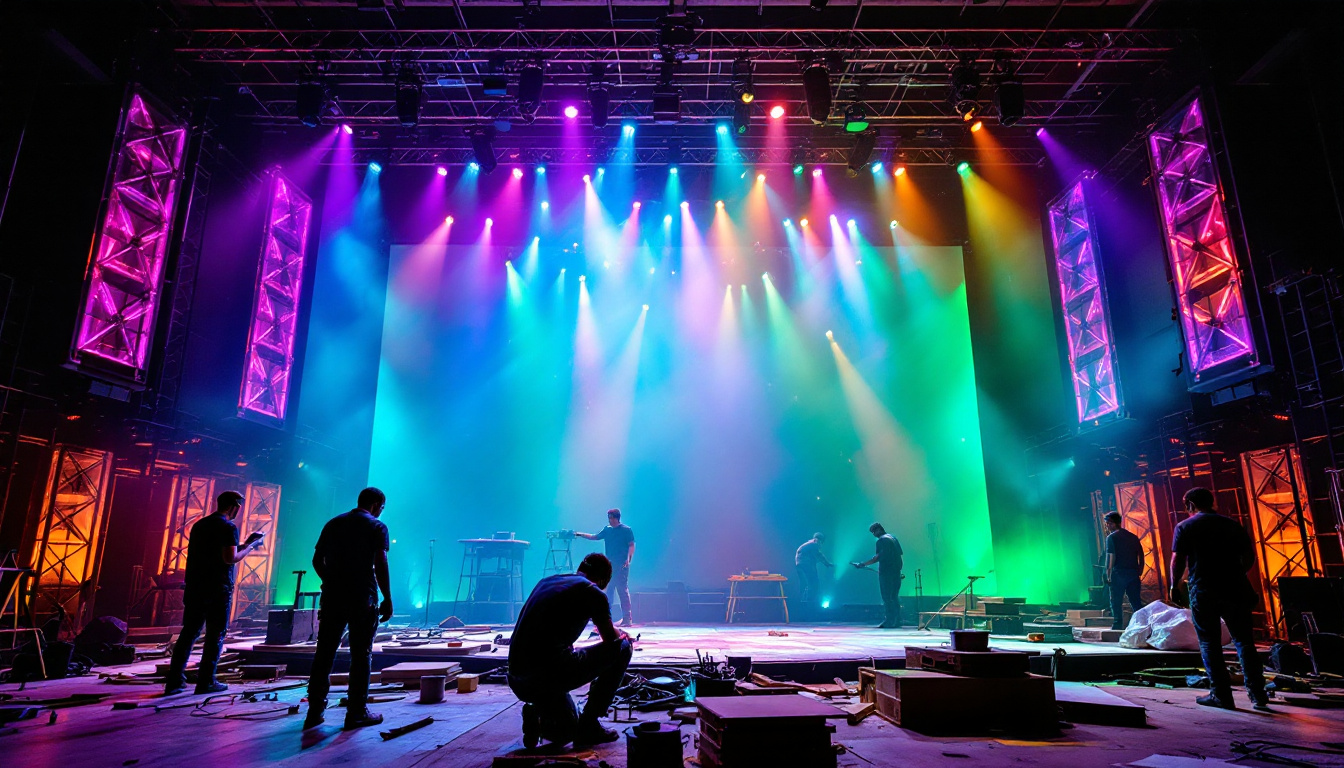
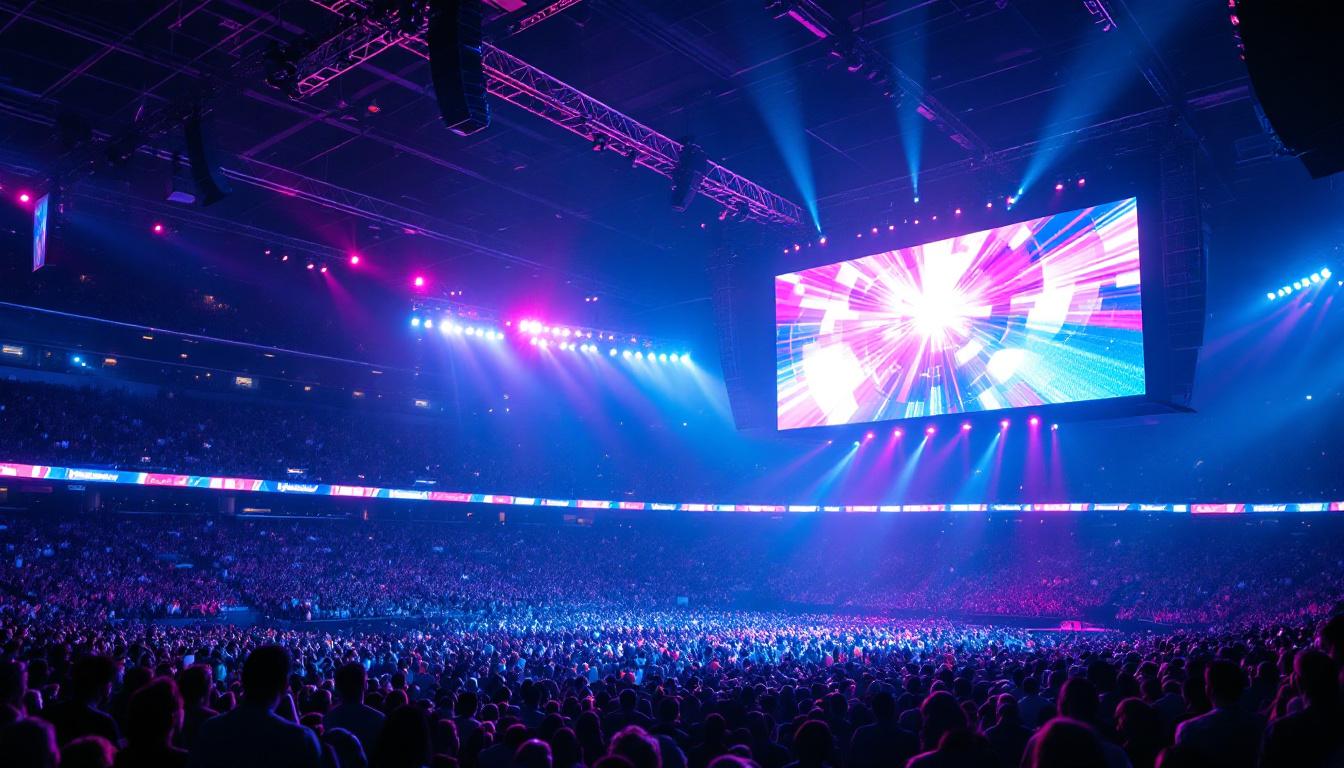
Concerts, festivals, and sporting events demand flawless visual experiences. Dual Source LED displays ensure continuous content delivery even if one source fails, supporting live broadcasts, instant replays, and interactive content. This reliability helps maintain audience immersion and event professionalism.
Corporate and Conference Venues
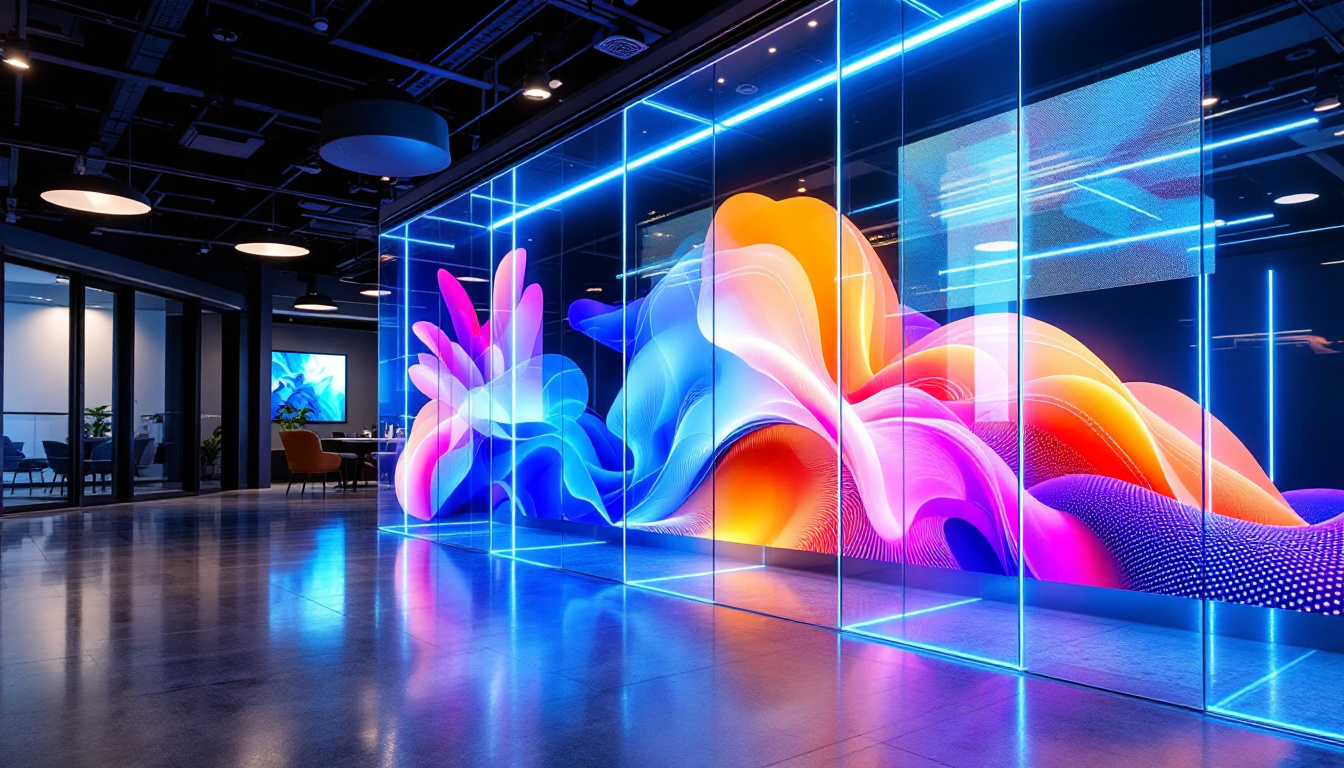
In corporate settings, LED walls are used for presentations, video conferencing, and branding. Dual Source systems allow seamless transitions between speakers or content types, enhancing the flow of meetings and events. The ability to display multiple content streams simultaneously also supports collaborative work environments.
Retail and Advertising
Retailers leverage LED displays to attract customers and communicate promotions. Dual Source technology enables quick content updates and multi-zone advertising, allowing different messages to run concurrently on the same screen. This capability maximizes advertising revenue and customer engagement.
Transportation and Public Information
Airports, train stations, and bus terminals use LED displays for real-time information dissemination. Dual Source setups guarantee that critical updates, such as delays or emergency announcements, are always visible, improving passenger experience and safety.
Key Considerations When Choosing Dual Source LED Displays
While the benefits are clear, selecting the right Dual Source LED display system requires careful evaluation of several factors to ensure it meets specific needs.
Compatibility and Integration
Ensure that the LED controller supports the video formats and resolutions used by your content sources. Compatibility with existing hardware and software infrastructure is also vital to avoid costly upgrades or integration challenges.
Switching Mechanism and Latency
The speed and smoothness of switching between sources are critical. Look for systems with near-instantaneous switching and minimal latency to avoid noticeable disruptions during source transitions.
Content Management Features
Advanced content management capabilities, such as scheduling, multi-source display modes, and remote control, can significantly enhance operational efficiency. Evaluate the software ecosystem that accompanies the hardware to ensure it aligns with your workflow.
Support and Service
Reliable technical support and warranty coverage are essential, especially for large or mission-critical installations. Choose vendors with a proven track record and responsive customer service.
The Future of Dual Source LED Displays
As LED technology continues to evolve, Dual Source systems are expected to become more sophisticated, integrating AI-driven content management and enhanced connectivity options such as 5G and IoT integration. These advancements will further improve reliability, interactivity, and user experience.
Moreover, the growing demand for immersive and dynamic displays in smart cities, digital out-of-home advertising, and augmented reality applications will drive innovation in Dual Source LED solutions, making them an indispensable tool for modern visual communication.
Conclusion
Dual Source LED displays represent a significant leap forward in digital signage technology, combining the inherent advantages of LED with enhanced reliability and content flexibility. Their ability to seamlessly switch between two input sources ensures uninterrupted visual experiences, which is critical in high-stakes environments such as live events, corporate presentations, retail advertising, and public information systems.
For organizations seeking to maximize the impact and uptime of their LED displays, investing in Dual Source technology offers a strategic advantage. As the technology matures, it will continue to empower businesses and event organizers with more dynamic, reliable, and engaging visual solutions.
Explore Cutting-Edge Dual Source LED Solutions with LumenMatrix
Ready to elevate your visual displays to the next level? Discover the unparalleled reliability and flexibility of Dual Source LED displays with LumenMatrix. As a pioneer in LED display technology, LumenMatrix offers a comprehensive range of solutions, from Indoor and Outdoor LED Walls to innovative Transparent and Custom LED Displays. Embrace the future of visual communication and create immersive experiences that captivate your audience. Check out LumenMatrix LED Display Solutions today and see how our state-of-the-art products can transform your space and message.