32 Inch Battery Powered TV: LED Display Explained
In today’s fast-paced world, portability and convenience have become key factors in consumer electronics. Among these, the 32 inch battery powered TV has gained significant popularity, offering a blend of mobility and entertainment that suits a variety of lifestyles. Whether for outdoor use, travel, or as a backup during power outages, these TVs provide a flexible viewing experience without the constraints of constant power supply.
This article delves into the specifics of 32 inch battery powered TVs, with a particular focus on their LED display technology. Understanding the features, benefits, and technical aspects of LED displays in these portable TVs will help consumers make informed decisions and get the most out of their investment.
Understanding the Appeal of Battery Powered TVs
Why Choose a Battery Powered TV?
Battery powered TVs, especially those with a 32 inch screen size, strike a balance between screen real estate and portability. Unlike smaller models, a 32 inch screen offers a comfortable viewing experience for most users, whether watching movies, sports, or news. The battery-powered aspect means these TVs can be used in locations without easy access to electrical outlets, such as camping sites, boats, or during outdoor gatherings.
Moreover, with advancements in battery technology, modern battery powered TVs can last several hours on a single charge. This makes them ideal for emergency preparedness, where power outages are common, ensuring uninterrupted access to information and entertainment.
Popular Use Cases for 32 Inch Battery Powered TVs
Several scenarios highlight the practicality of these devices:
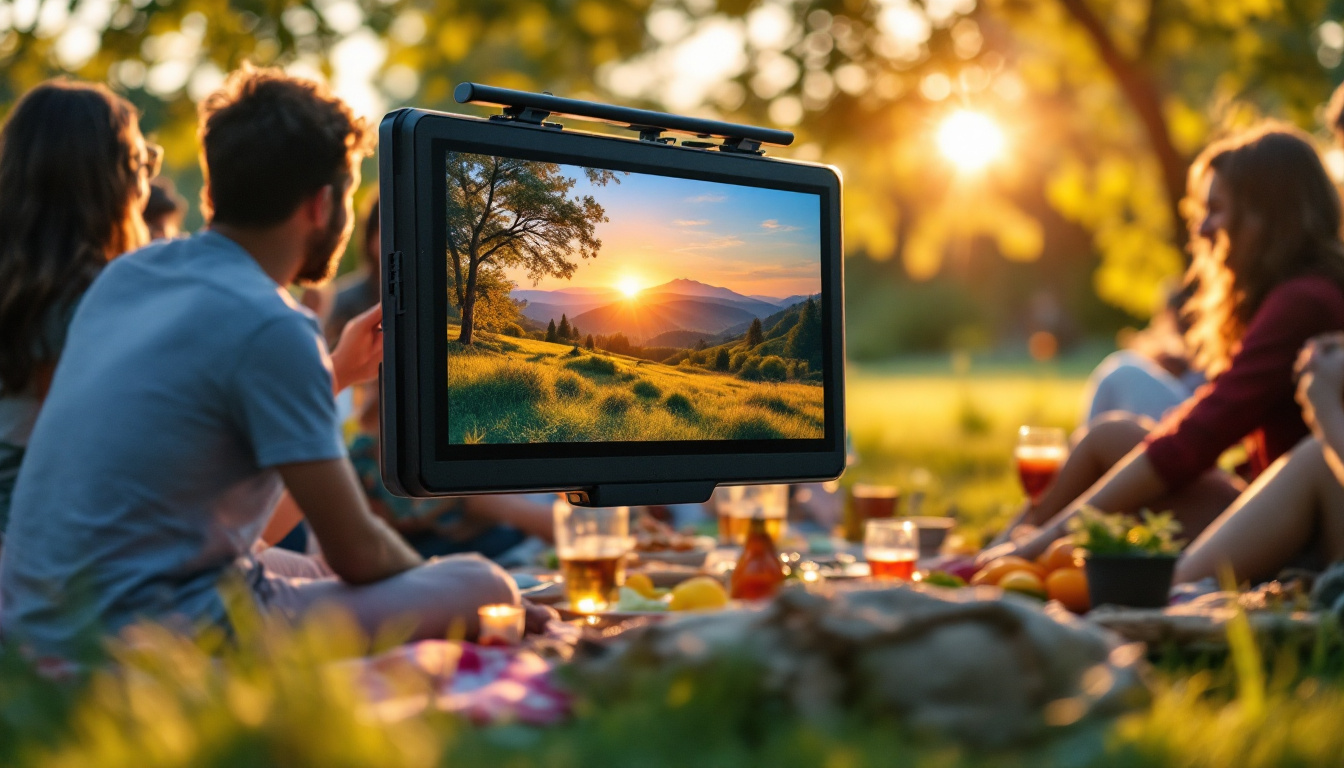
- Outdoor Activities: Camping, tailgating, and picnics become more enjoyable with a portable TV that doesn’t rely on external power.
- Travel and RVing: For travelers and RV enthusiasts, a battery powered TV provides entertainment on the road or at remote locations.
- Emergency Situations: During blackouts or natural disasters, having a battery powered TV can be crucial for receiving news and updates.
- Temporary Installations: Events, trade shows, or pop-up shops can benefit from portable TVs for presentations or advertisements.
The Technology Behind LED Displays
What is an LED Display?
LED stands for Light Emitting Diode, a semiconductor light source that emits light when current flows through it. In the context of television displays, LED technology refers to the use of LEDs as a backlighting system for LCD (Liquid Crystal Display) panels. This combination has become the standard for modern TVs due to its efficiency and superior picture quality compared to older technologies like CCFL (Cold Cathode Fluorescent Lamp) backlighting.
In a 32 inch battery powered TV, the LED backlight illuminates the liquid crystals, which then modulate the light to produce images on the screen. This method offers several advantages, including lower power consumption, thinner panels, and better color accuracy.
Types of LED Backlighting
There are primarily two types of LED backlighting used in TVs:
- Edge-Lit LED: LEDs are placed along the edges of the screen, and light is spread across the display using light guides. This design allows for slimmer TV profiles but can sometimes result in uneven brightness.
- Direct-Lit or Full-Array LED: LEDs are positioned directly behind the screen in a grid pattern. This setup enables better control over brightness and contrast, especially when paired with local dimming technology.
For battery powered TVs, edge-lit LED displays are more common due to their lower energy consumption and lighter weight, which are critical for portability.
Benefits of LED Displays in Battery Powered TVs
Energy Efficiency and Battery Life
One of the most significant advantages of LED displays is their energy efficiency. Compared to older LCD TVs with fluorescent backlighting, LED TVs consume less power, which directly translates to longer battery life in portable models. This efficiency is crucial for battery powered TVs, where maximizing runtime without increasing battery size is a constant challenge.
Manufacturers often pair LED displays with energy-saving features such as automatic brightness adjustment based on ambient light, further extending battery performance. On average, a 32 inch battery powered LED TV can provide between 3 to 6 hours of continuous viewing, depending on the battery capacity and usage conditions.
Improved Picture Quality
LED displays offer enhanced brightness and contrast ratios compared to older technologies. This results in vivid colors, deeper blacks, and sharper images, enhancing the overall viewing experience. For outdoor use, higher brightness levels are particularly beneficial, as they help maintain screen visibility under sunlight or bright ambient conditions.
Additionally, many modern LED TVs support high-definition resolutions (720p or 1080p) and incorporate technologies such as HDR (High Dynamic Range), which further enriches picture quality by expanding the range of colors and contrast.
Durability and Portability
LED panels are generally more durable and lightweight than plasma or older LCD models. This makes them ideal for portable TVs that need to withstand frequent handling and transportation. The slim profile of LED TVs also contributes to easier packing and storage, which is essential for users who travel frequently or use their TV in various locations.
Key Features to Consider When Buying a 32 Inch Battery Powered LED TV
Battery Capacity and Runtime
The battery capacity, usually measured in milliampere-hours (mAh) or watt-hours (Wh), directly affects how long the TV can operate without recharging. Consumers should look for models that offer a balance between battery size and weight, ensuring sufficient runtime without making the TV cumbersome.
Some models come with removable or replaceable batteries, allowing users to carry spares for extended use. Others may include fast-charging capabilities, reducing downtime between uses.
Display Resolution and Quality
Resolution is a critical factor in picture clarity. While many 32 inch battery powered TVs offer HD (720p) resolution, Full HD (1080p) is becoming increasingly common and affordable. Higher resolution models provide sharper images, which is particularly noticeable on a 32 inch screen.
Other quality indicators include refresh rate (measured in Hz), color accuracy, and support for HDR content. These features contribute to smoother motion and more lifelike images, enhancing the viewing experience.
Connectivity Options
Versatility in connectivity is important for a portable TV. Common inputs include HDMI ports for connecting streaming devices, USB ports for media playback, and AV inputs for older devices. Some battery powered TVs also offer built-in Wi-Fi or Bluetooth, enabling streaming from mobile devices or wireless audio connections.
For outdoor or remote use, having multiple input options ensures compatibility with various content sources, from USB drives to satellite receivers.
Additional Features
Other features that enhance usability include:
- Built-in Speakers: Quality speakers eliminate the need for external audio equipment, though some models also support headphone jacks or Bluetooth audio output.
- Remote Control: Convenient for adjusting settings without physically interacting with the TV.
- Mounting Options: Some models come with stands, wall mounts, or even magnetic backs for versatile placement.
- Smart TV Capabilities: While less common in battery powered models, some TVs include basic smart features, allowing access to streaming apps and internet browsing.
Popular Models and Market Trends
Leading Brands in Battery Powered LED TVs
Several manufacturers have carved out a niche in the battery powered TV market by offering reliable and feature-rich 32 inch LED models. Brands like Samsung, LG, and Sony provide high-quality displays with advanced features, though their battery powered variants are often limited.
Specialized brands such as Supersonic, Axess, and GPX focus more on portable and battery powered TVs, offering models tailored for outdoor and emergency use. These brands typically emphasize battery life, durability, and ease of use.
Market Growth and Consumer Preferences
The demand for portable entertainment devices continues to rise, fueled by increased outdoor activities and a growing interest in emergency preparedness. According to recent market research, the global portable TV market is expected to grow at a compound annual growth rate (CAGR) of over 5% through 2027.
Consumers increasingly prioritize energy efficiency, screen quality, and multi-functionality. As a result, manufacturers are integrating smarter features and improving battery technologies, including the adoption of lithium-ion batteries that offer better capacity and faster charging.
Maintenance and Care Tips for Battery Powered LED TVs
Maximizing Battery Life
To extend the lifespan of the battery and maximize runtime, users should avoid overcharging and deep discharging. It is advisable to charge the battery fully before storage and to use the TV at moderate brightness levels. Many TVs have power-saving modes that help conserve energy during use.
Proper Handling and Storage
LED TVs, while durable, still require careful handling to prevent screen damage. Avoid exposure to extreme temperatures and moisture, which can degrade both the battery and the electronics. When not in use, store the TV in a protective case or padded area to prevent scratches and impacts.
Regular Cleaning
Use a soft, dry microfiber cloth to clean the screen and casing. Avoid harsh chemicals or abrasive materials that can damage the display surface. Keeping the vents clear of dust will also help maintain optimal cooling and performance.
Conclusion
32 inch battery powered TVs with LED displays represent a versatile and practical solution for those seeking portable entertainment without sacrificing picture quality. The LED technology offers energy efficiency, vibrant visuals, and a slim design, making these TVs suitable for a wide range of applications from outdoor adventures to emergency preparedness.
When choosing a battery powered LED TV, it is important to consider factors such as battery capacity, display resolution, connectivity options, and additional features to ensure the device meets individual needs. With the market continually evolving and battery technologies improving, these portable TVs are becoming increasingly accessible and user-friendly.
Investing in a quality 32 inch battery powered LED TV can enhance entertainment options wherever power is limited, providing flexibility and enjoyment in an increasingly mobile world.
Discover the Future of Portable LED Entertainment with LumenMatrix
As you embrace the world of portable entertainment with a 32 inch battery powered LED TV, why not elevate your experience with LumenMatrix’s innovative LED display solutions? LumenMatrix is at the forefront of LED technology, offering a wide array of products from Indoor and Outdoor LED Wall Displays to Custom and All-in-One LED Displays. Perfect for any setting, whether it’s enhancing your business’s brand visibility or creating immersive visual experiences for your next outdoor adventure. Experience the pinnacle of LED display technology and transform the way you share your message. Check out LumenMatrix LED Display Solutions today and step into a brighter, more engaging visual future.