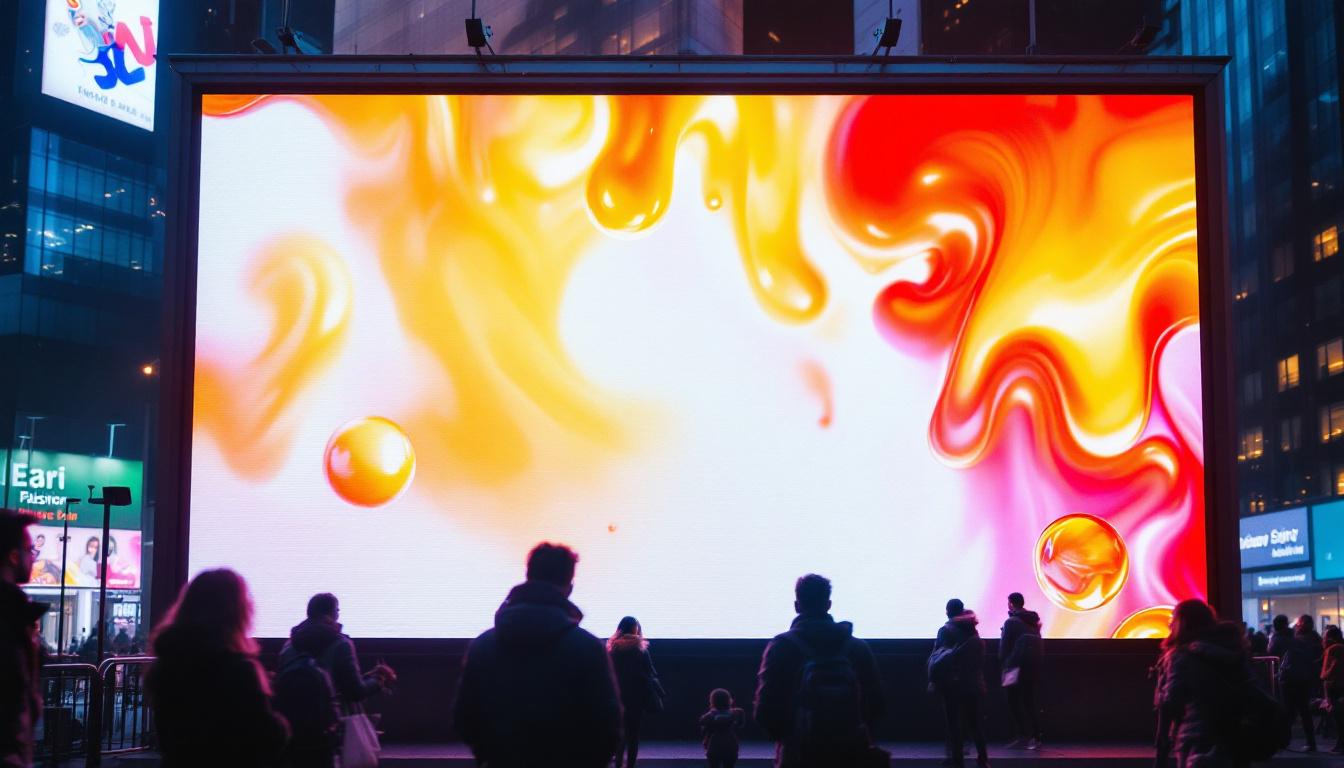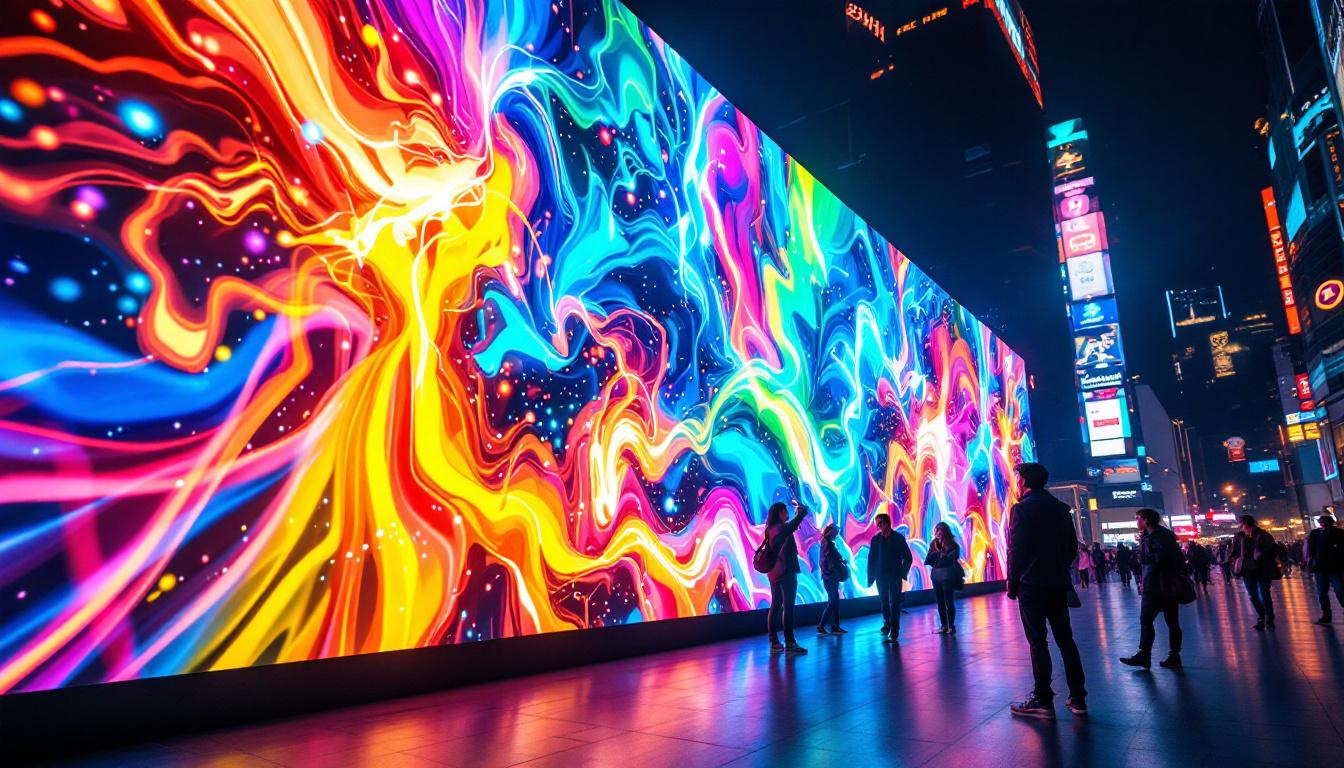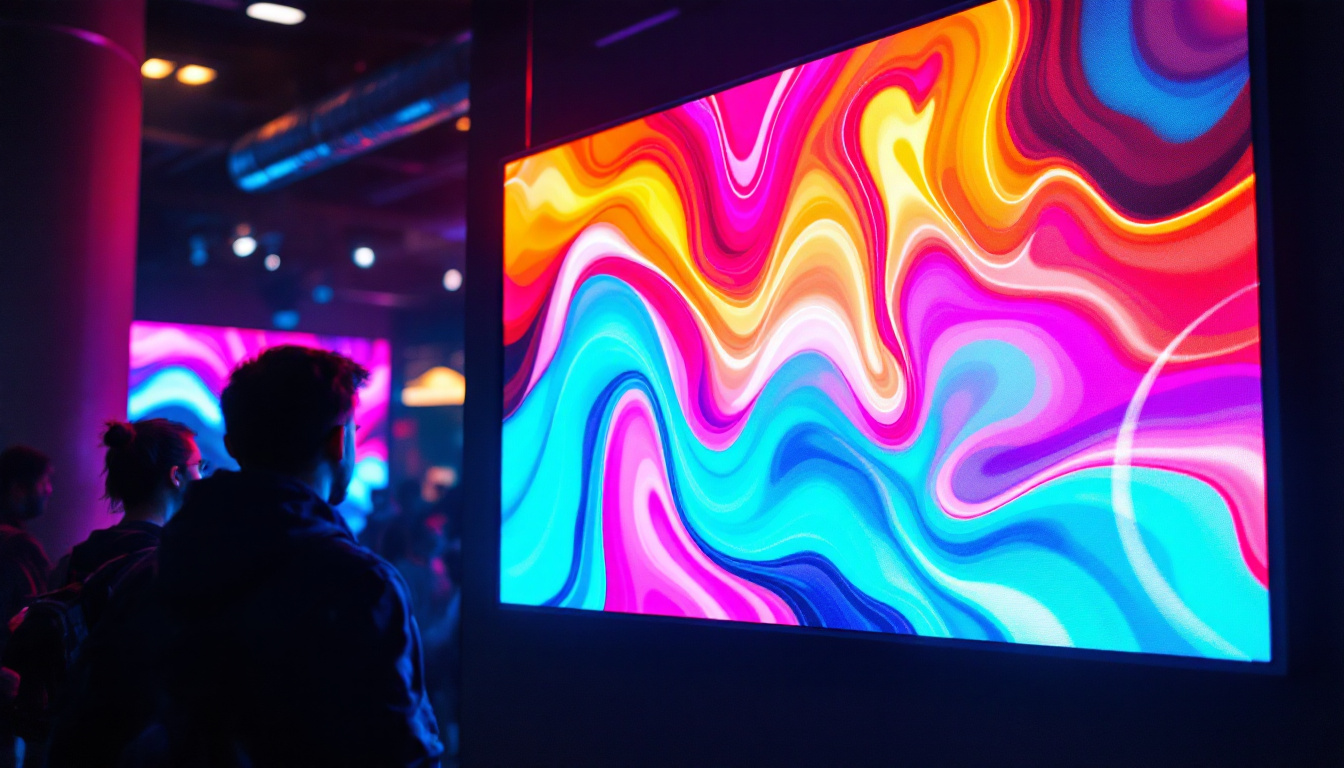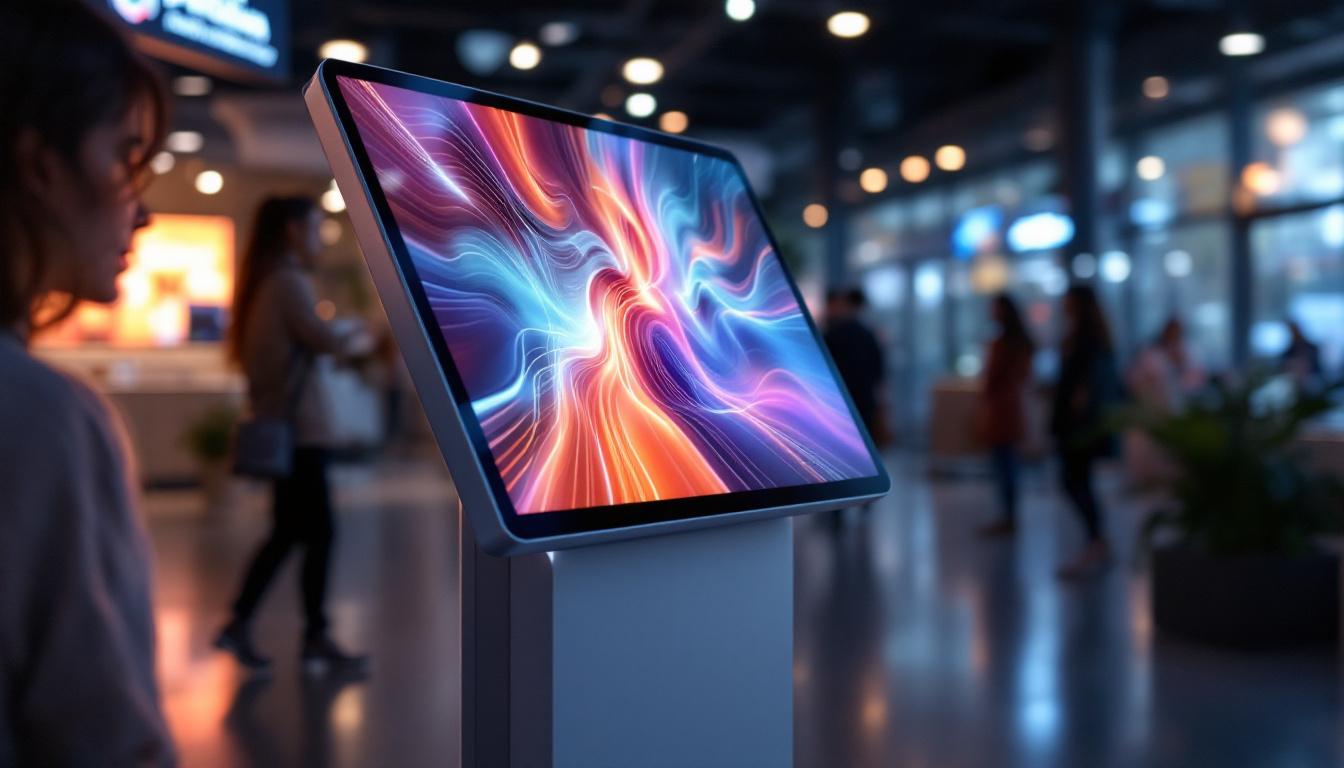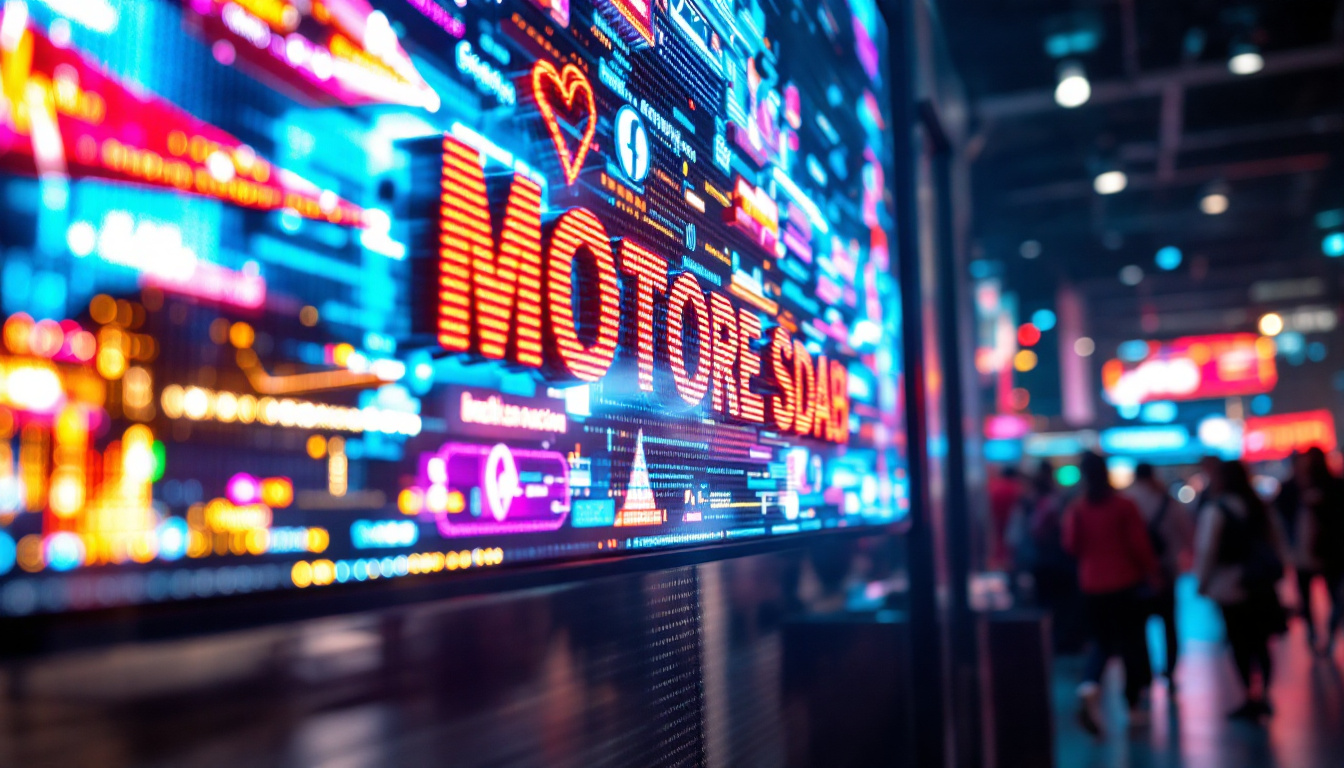
In the rapidly evolving world of outdoor advertising and digital signage, 3D LED displays have emerged as a groundbreaking innovation. These displays captivate audiences by combining vibrant visuals with three-dimensional effects, creating immersive experiences that traditional screens simply cannot match. This article delves into the technology behind 3D LED displays, their applications in out-of-home (OOH) advertising, and why they are transforming the way brands engage with consumers.
Understanding 3D LED Display Technology
What Is a 3D LED Display?
At its core, a 3D LED display is an advanced digital screen that uses light-emitting diodes (LEDs) to create images with a perception of depth, making visuals appear to pop out or recede into the screen. Unlike standard 2D LED screens, which present flat images, 3D LED displays employ various techniques to simulate three-dimensional effects without the need for special glasses.
These displays leverage the high brightness, contrast, and color accuracy of LEDs, combined with sophisticated content design and hardware configurations, to deliver stunning visual experiences. The result is an eye-catching medium that can dramatically increase viewer engagement in public spaces. From bustling shopping malls to vibrant outdoor billboards, 3D LED displays captivate audiences by transforming ordinary advertising into immersive experiences that draw attention and evoke emotions.
How Do 3D LED Displays Work?
There are multiple methods to achieve 3D effects on LED displays, but the most common approach in OOH advertising is the use of motion parallax and stereoscopic illusions. By carefully designing content that manipulates perspective and shadowing, the display tricks the human brain into perceiving depth.
Some 3D LED installations utilize layered panels or curved surfaces to enhance the illusion. Others incorporate transparent or semi-transparent LED screens that allow for dynamic interaction with the environment, further amplifying the three-dimensional effect. Advanced software algorithms also play a crucial role by synchronizing content with the display’s physical properties to optimize the 3D perception. This synergy between hardware and software not only creates visually stunning effects but also allows for real-time content updates, ensuring that the display remains relevant and engaging to viewers.
Key Technical Components
The effectiveness of a 3D LED display depends on several technical factors:
- Pixel Pitch: The distance between individual LEDs affects resolution and image clarity. Smaller pixel pitches enable more detailed and sharper 3D visuals.
- Brightness and Contrast: High brightness levels (often exceeding 5,000 nits) ensure visibility even in direct sunlight, while strong contrast ratios enhance depth perception.
- Refresh Rate: A higher refresh rate reduces flicker and motion blur, which is essential for smooth 3D animations and transitions.
- Viewing Angle: Wide viewing angles allow the 3D effect to be appreciated from multiple vantage points, critical in public spaces with diverse audience positions.
In addition to these components, the integration of advanced materials and manufacturing techniques has significantly improved the durability and performance of 3D LED displays. For instance, many modern displays are designed to withstand harsh weather conditions, making them suitable for outdoor installations. Furthermore, innovations in energy efficiency have led to lower operational costs, allowing businesses to invest in high-quality displays without compromising their budgets. This combination of resilience and efficiency ensures that 3D LED displays remain a viable option for both short-term campaigns and long-term installations.
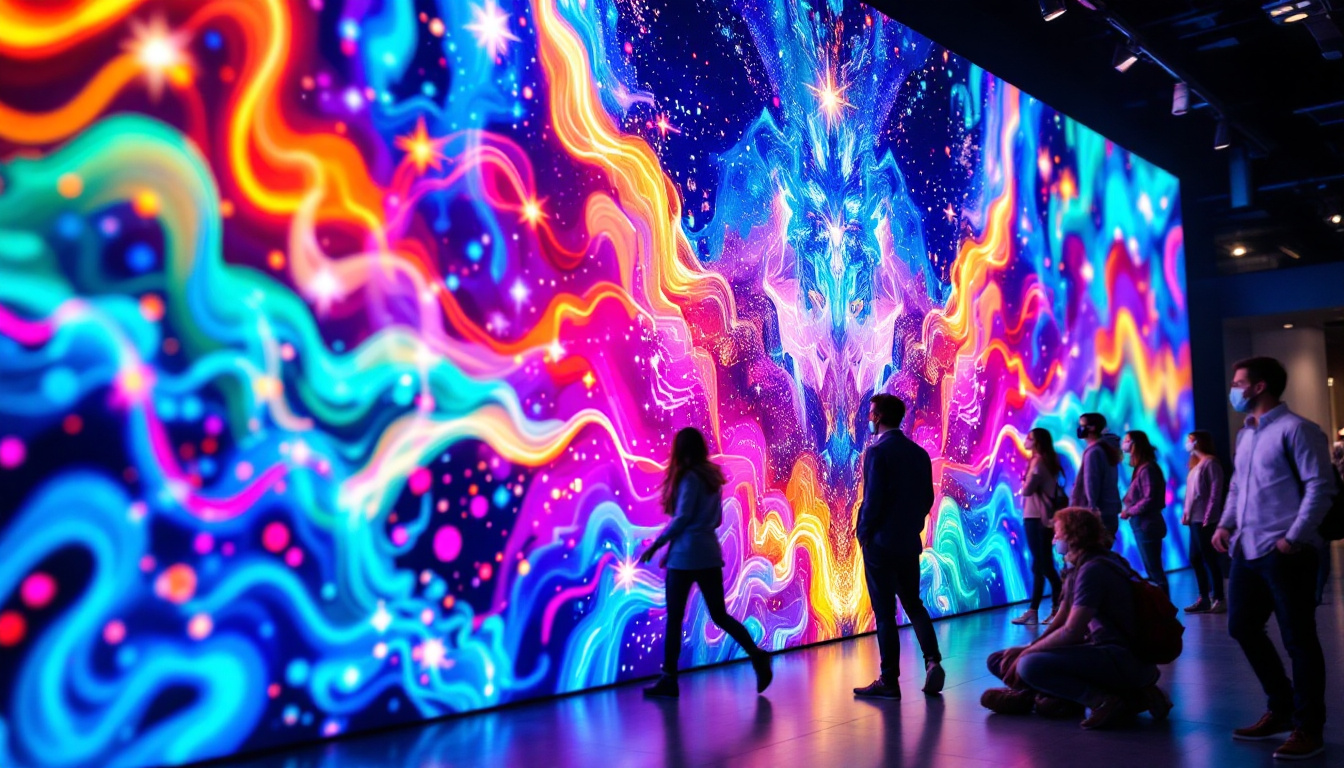
Moreover, the versatility of 3D LED technology extends beyond advertising; it is increasingly being adopted in various sectors such as entertainment, education, and art installations. Museums and galleries are utilizing these displays to create interactive exhibits that engage visitors in new ways, while concert venues are employing 3D LED screens to enhance live performances with breathtaking visuals that complement the music. This cross-industry adoption highlights the transformative potential of 3D LED displays, as they redefine how information and experiences are conveyed to audiences across different contexts.
Applications of 3D LED Displays in Out-of-Home Advertising
Creating Unforgettable Brand Experiences
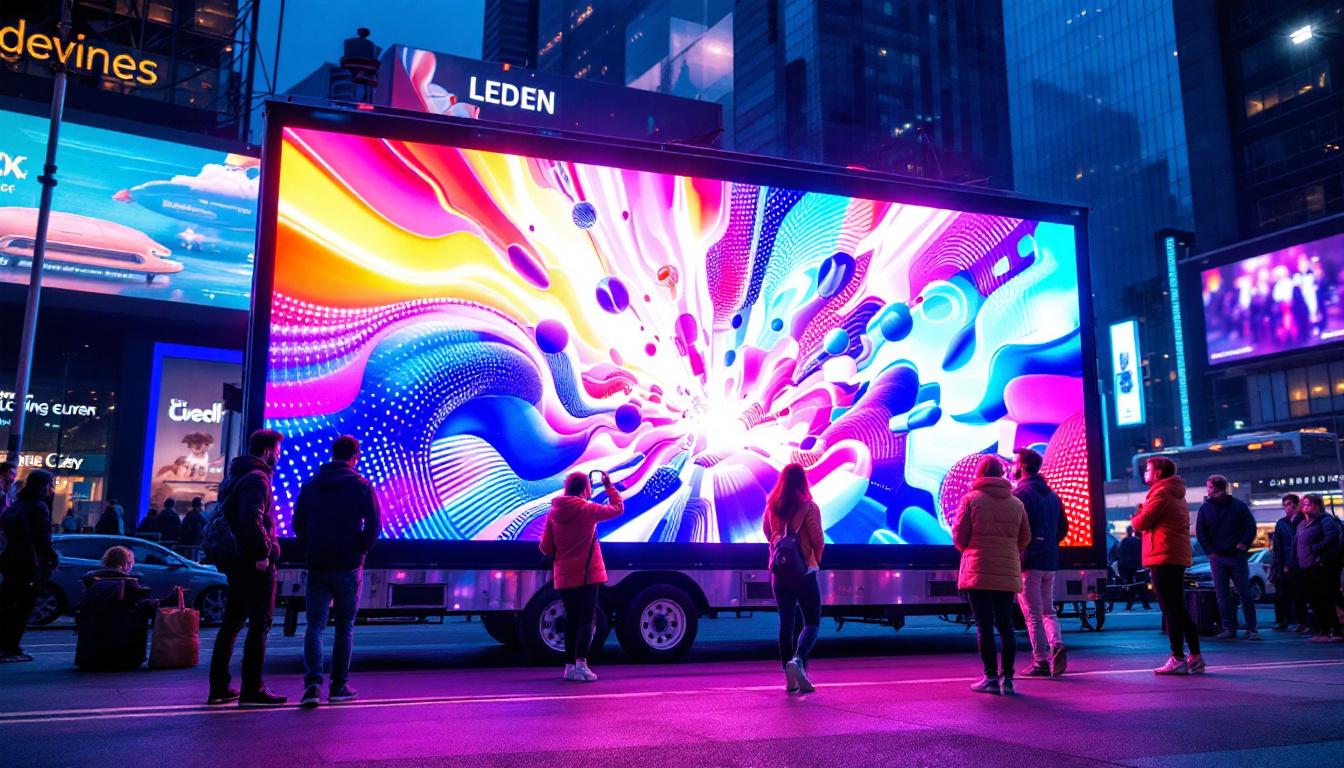
3D LED displays are revolutionizing OOH advertising by enabling brands to create immersive and memorable campaigns. The ability to display lifelike, three-dimensional content grabs attention in crowded urban environments, where consumers are often bombarded with competing messages.
For example, a luxury car manufacturer might use a 3D LED display to showcase a vehicle that appears to drive off the screen, captivating passersby and encouraging social media sharing. Similarly, entertainment companies can promote movies or video games with dynamic 3D trailers that engage viewers on a deeper sensory level. This innovative approach not only captivates the audience but also fosters a sense of connection between the brand and the consumer, as the immersive experience can evoke emotions and memories associated with the product being advertised.
Enhancing Retail and Event Spaces
Retailers and event organizers are increasingly adopting 3D LED displays to enhance customer engagement. In shopping malls, these displays can highlight product features or promotions with striking visuals that draw foot traffic. At events and exhibitions, 3D LED screens serve as focal points that attract attendees and create buzz.
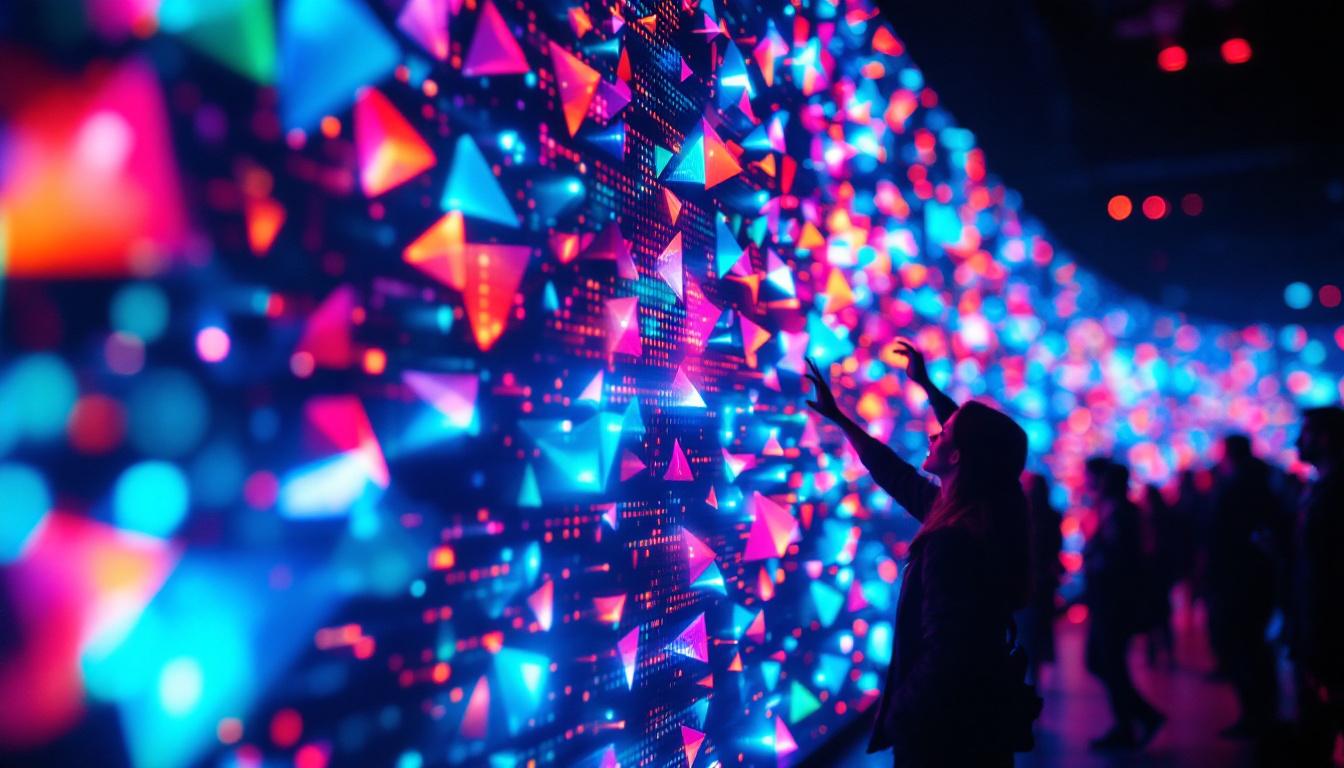
Moreover, the interactive potential of some 3D LED installations allows for personalized experiences, such as gesture-controlled content or real-time social media integration, further elevating consumer interaction. This interactivity not only keeps customers engaged but also encourages them to share their experiences online, amplifying the reach of the advertising campaign. For instance, a fashion retailer might incorporate a virtual fitting room experience on a 3D LED display, allowing shoppers to see themselves in various outfits, thus transforming the shopping experience into a fun and memorable event.
Case Studies: Successful 3D LED Campaigns
Several high-profile campaigns have demonstrated the power of 3D LED displays:
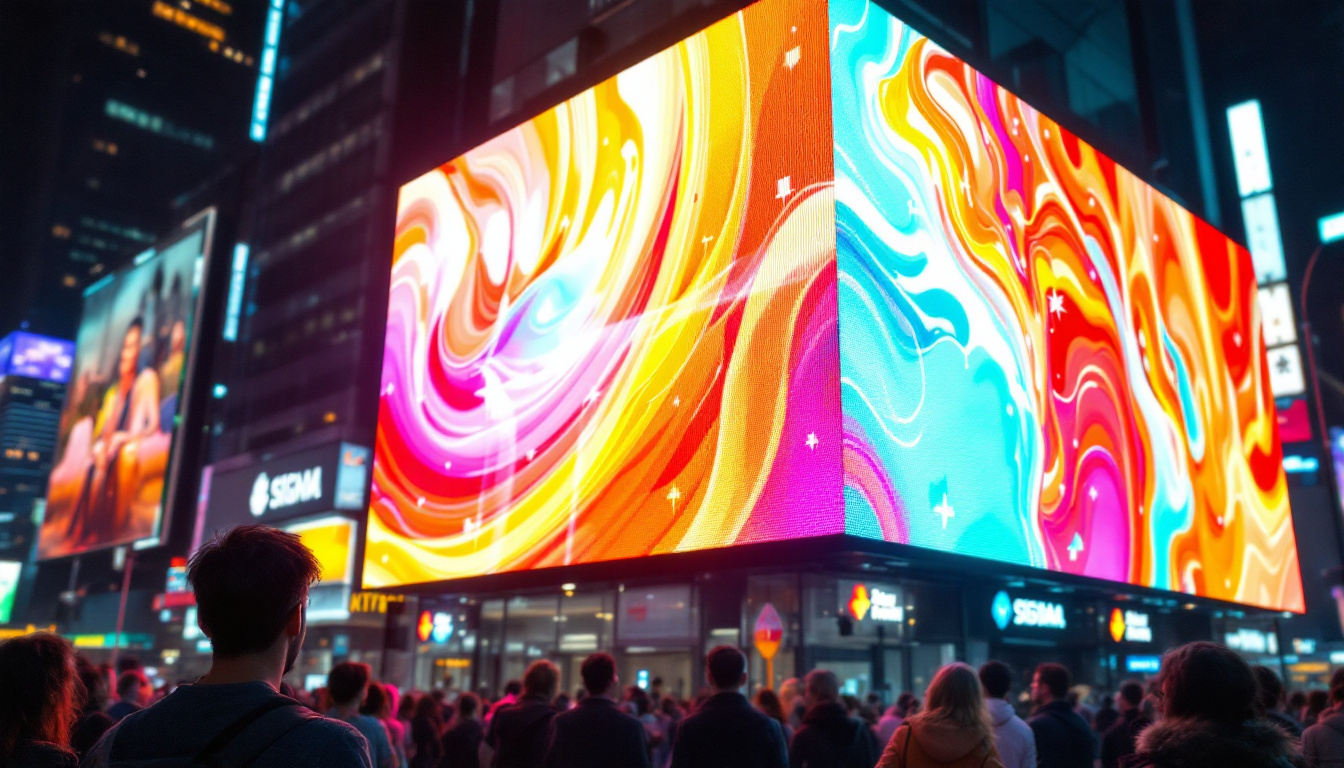
- Times Square, New York: A global beverage brand used a massive 3D LED billboard to simulate a bottle pouring liquid into a glass, creating a mesmerizing effect that boosted brand recall by over 30% according to post-campaign surveys.
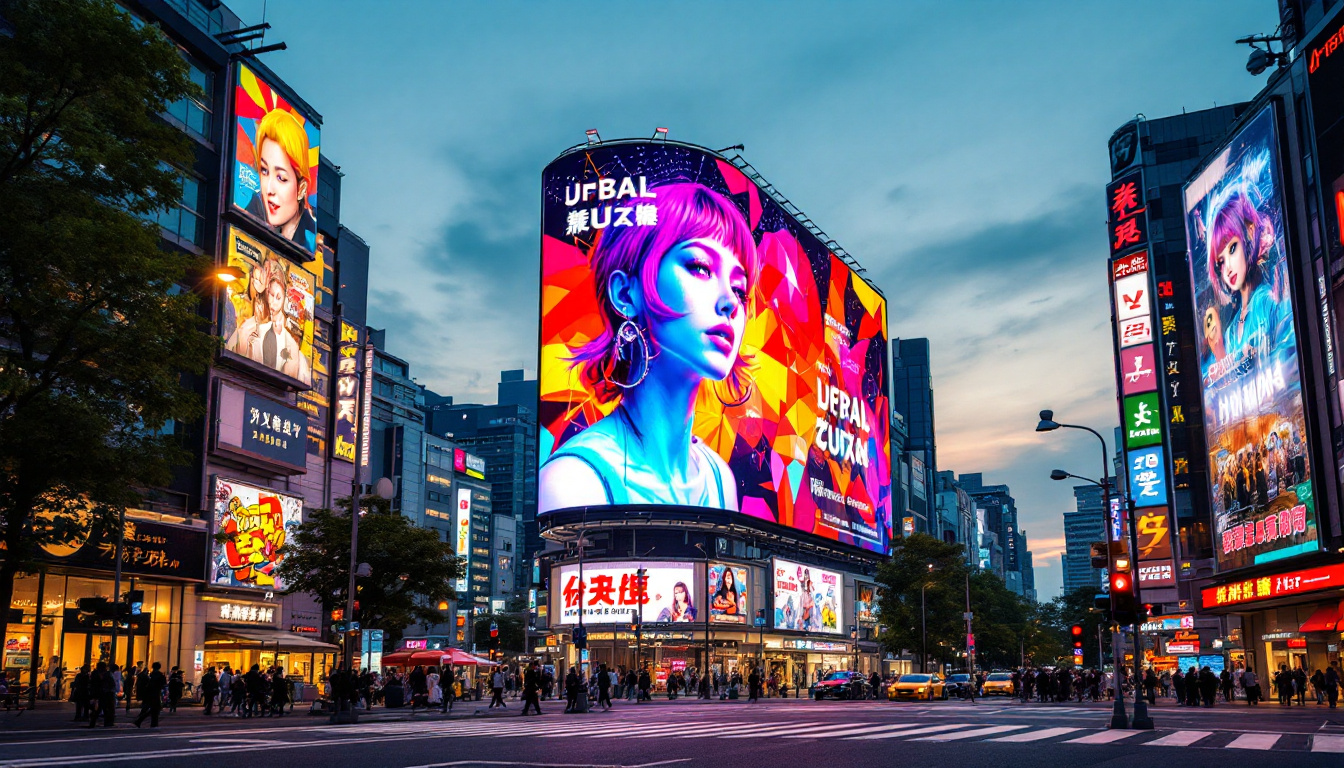
- Shibuya Crossing, Tokyo: A tech company launched a 3D LED campaign featuring holographic-style animations that generated significant social media engagement and increased store visits by 25% during the campaign period.
- London’s Piccadilly Circus: A fashion brand utilized curved 3D LED screens to showcase clothing collections in a way that mimicked runway motion, resulting in heightened consumer interest and a 15% rise in online sales.
These case studies illustrate not just the visual impact of 3D LED displays, but also their effectiveness in driving consumer behavior and enhancing brand visibility. The integration of cutting-edge technology with creative storytelling has proven to be a winning formula, as brands leverage these displays to craft narratives that resonate with their target audiences. As competition in the advertising space intensifies, the ability to stand out through innovative visual experiences will be crucial for brands looking to make a lasting impression.
Advantages and Challenges of 3D LED Displays
Benefits of Using 3D LED Displays
The adoption of 3D LED displays in OOH advertising offers several compelling advantages:
- Increased Engagement: The striking visual appeal naturally draws attention, increasing dwell time and message retention.
- Innovative Brand Positioning: Brands that utilize cutting-edge technology position themselves as forward-thinking and innovative.
- Versatility: 3D LED displays can be customized in size, shape, and content to suit various locations and campaign goals.
- Durability: Designed for outdoor use, these displays are weather-resistant and built to operate continuously with minimal maintenance.
Technical and Operational Challenges
Despite their benefits, 3D LED displays also present certain challenges:
- High Initial Investment: The cost of hardware, installation, and content creation can be significant, especially for large-scale projects.
- Content Complexity: Designing effective 3D content requires specialized skills and software, which can increase production time and costs.
- Viewing Conditions: Optimal 3D effects depend on viewer positioning and ambient lighting, which can vary in uncontrolled outdoor environments.
- Power Consumption: High brightness and refresh rates lead to increased energy use, necessitating efficient power management solutions.
The Future of 3D LED Displays in OOH Advertising
Emerging Trends and Innovations
As technology advances, the capabilities of 3D LED displays continue to expand. Innovations such as micro-LED technology promise even higher resolution and energy efficiency. Additionally, integration with augmented reality (AR) and artificial intelligence (AI) is paving the way for interactive and adaptive advertising experiences.
For instance, AI-driven content can adjust visuals in real-time based on audience demographics or environmental factors, maximizing relevance and impact. AR overlays combined with 3D LED displays can create hybrid experiences that blend physical and digital worlds seamlessly.
Market Growth and Adoption
The global digital signage market, valued at approximately $21 billion in 2023, is expected to grow at a compound annual growth rate (CAGR) of over 8% through 2030. Within this sector, 3D LED displays are gaining traction due to their ability to differentiate brands and captivate audiences.
Major metropolitan areas worldwide are investing in 3D LED installations to enhance urban aesthetics and commercial appeal. As production costs decrease and content creation tools become more accessible, it is anticipated that 3D LED displays will become a standard feature in OOH advertising portfolios.
Best Practices for Brands and Advertisers
To maximize the potential of 3D LED displays, brands should consider the following strategies:
- Strategic Location Selection: Place displays in high-traffic areas with optimal viewing angles to ensure maximum exposure.
- Content Optimization: Invest in professional 3D content design that leverages motion, depth cues, and storytelling.
- Audience Engagement: Incorporate interactive elements where possible to deepen consumer interaction.
- Measurement and Analytics: Use data-driven insights to evaluate campaign effectiveness and refine future efforts.
Conclusion
3D LED displays represent a significant leap forward in out-of-home advertising, offering brands a powerful tool to captivate and engage audiences with immersive, visually stunning content. While the technology requires careful planning and investment, the rewards in terms of brand visibility and consumer impact are substantial.
As the digital signage landscape continues to evolve, 3D LED displays will undoubtedly play a central role in shaping the future of public advertising, transforming ordinary spaces into extraordinary experiences that resonate with viewers long after the message has been seen.
Illuminate Your Brand with LumenMatrix
Ready to elevate your advertising to the next dimension? LumenMatrix is at the forefront of LED display innovation, offering a diverse range of solutions that bring your brand to life. From Indoor and Outdoor LED Wall Displays to specialized options like Vehicle, Sports, and Floor LED Displays, our products are designed to captivate and engage. Experience the future of visual storytelling with our Custom, All-in-One, and LED Transparent Displays. Embrace the power of cutting-edge technology and check out LumenMatrix LED Display Solutions today to transform your brand’s visibility and create unforgettable visual experiences.