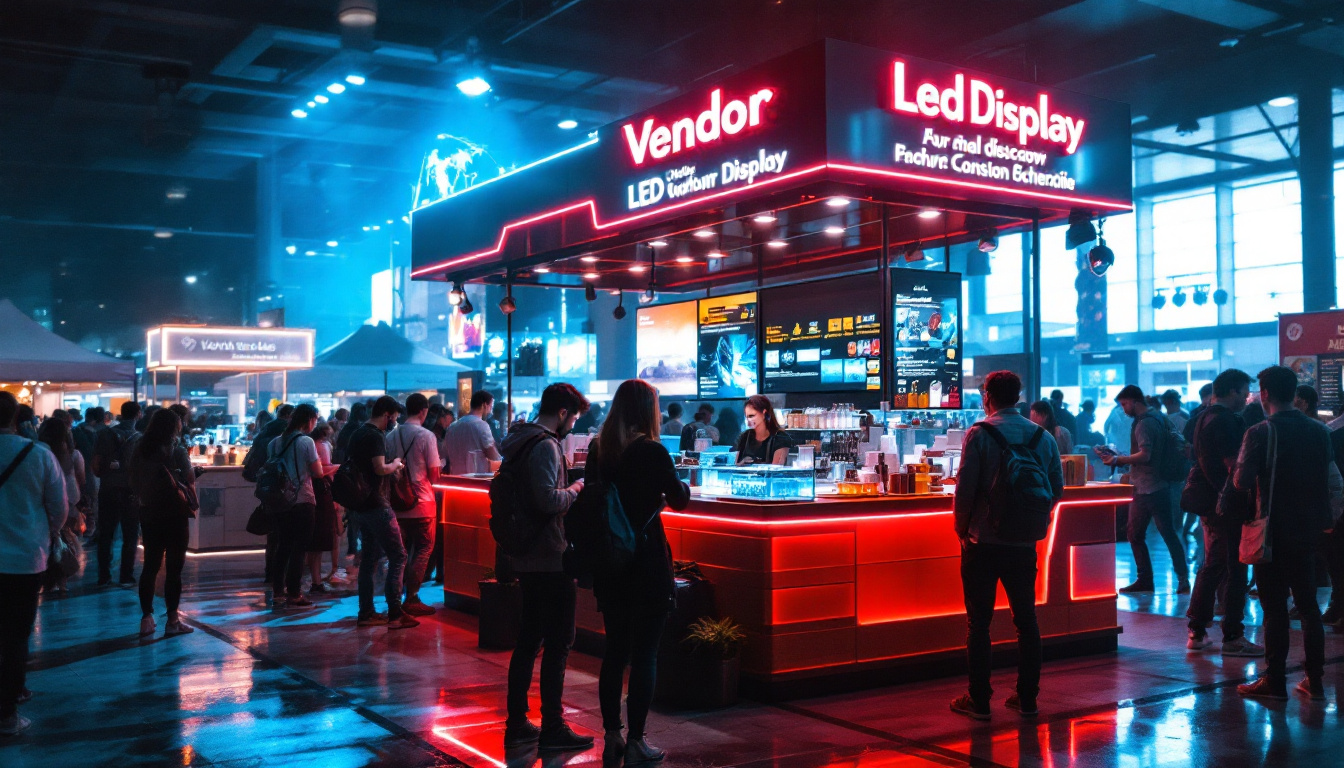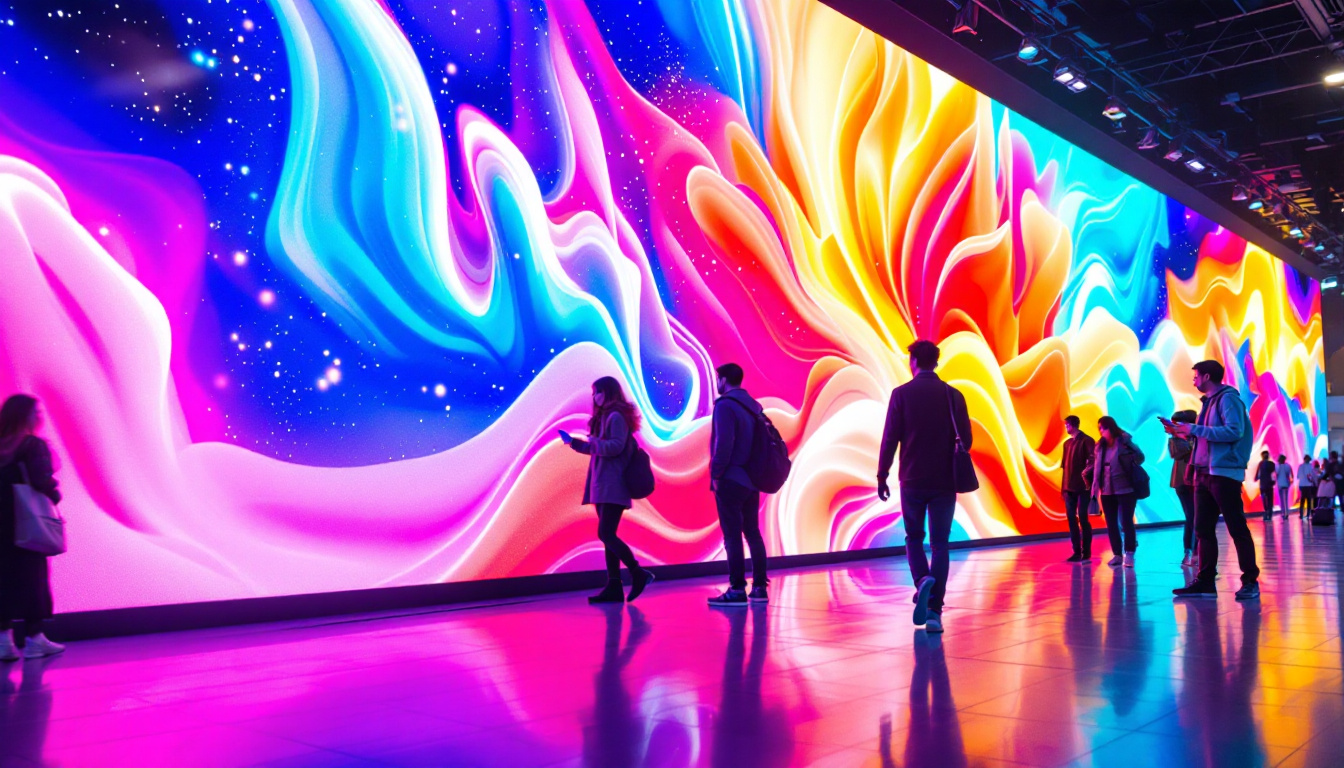
In the rapidly evolving world of digital signage and visual communication, LED displays have become a cornerstone technology. From massive outdoor billboards to indoor retail screens, LED displays offer vibrant, energy-efficient, and versatile solutions for a wide range of applications. This article delves into the concept of the “3X -3” LED display, exploring what it means, how it works, and why it matters in today’s display technology landscape.
Understanding the Basics of LED Displays
LED, or Light Emitting Diode, displays are composed of numerous tiny light sources that emit light when an electric current passes through them. Unlike traditional LCD screens, which rely on backlighting, LEDs generate their own light, resulting in higher brightness and contrast levels. This intrinsic advantage makes LED displays ideal for both indoor and outdoor environments, where visibility under varying lighting conditions is critical. The ability to maintain clarity and vibrancy in direct sunlight or dimly lit spaces is a significant reason why LED technology has become the preferred choice for signage, advertising, and large-scale displays.
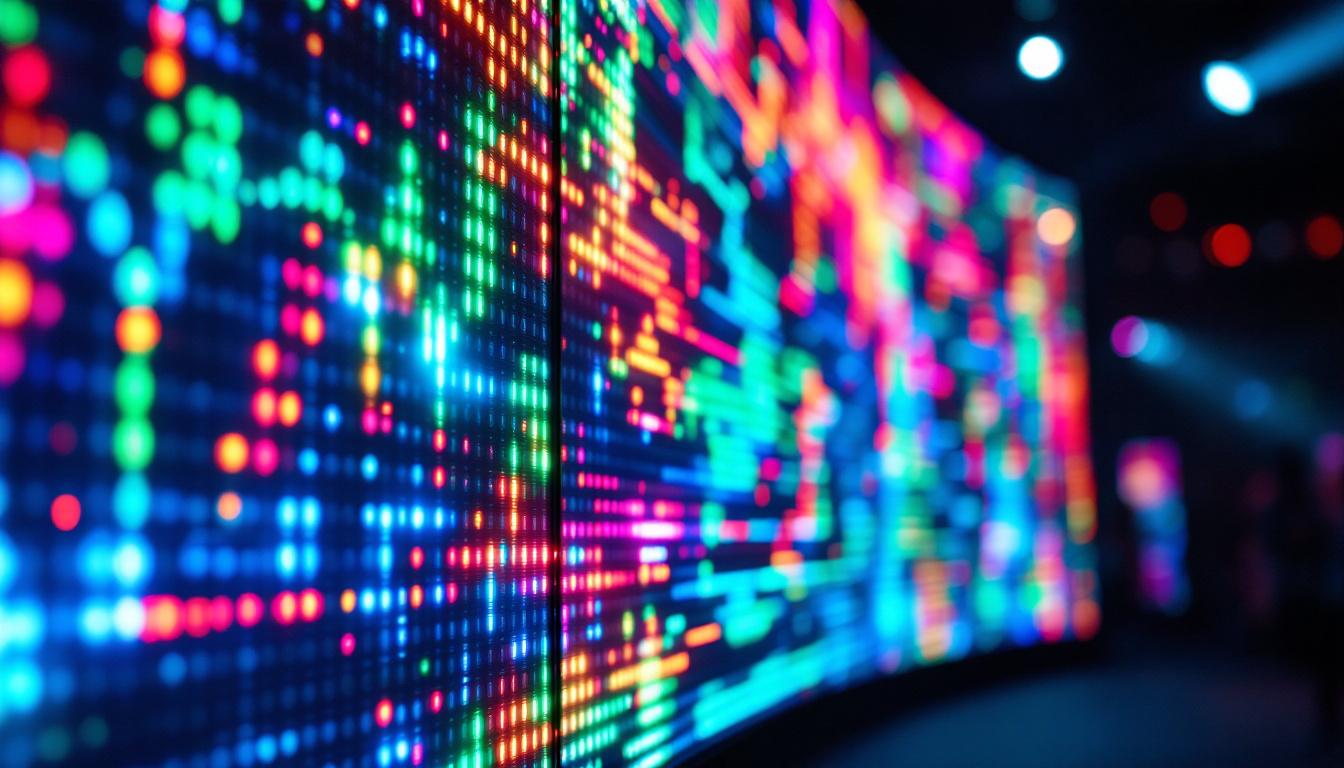
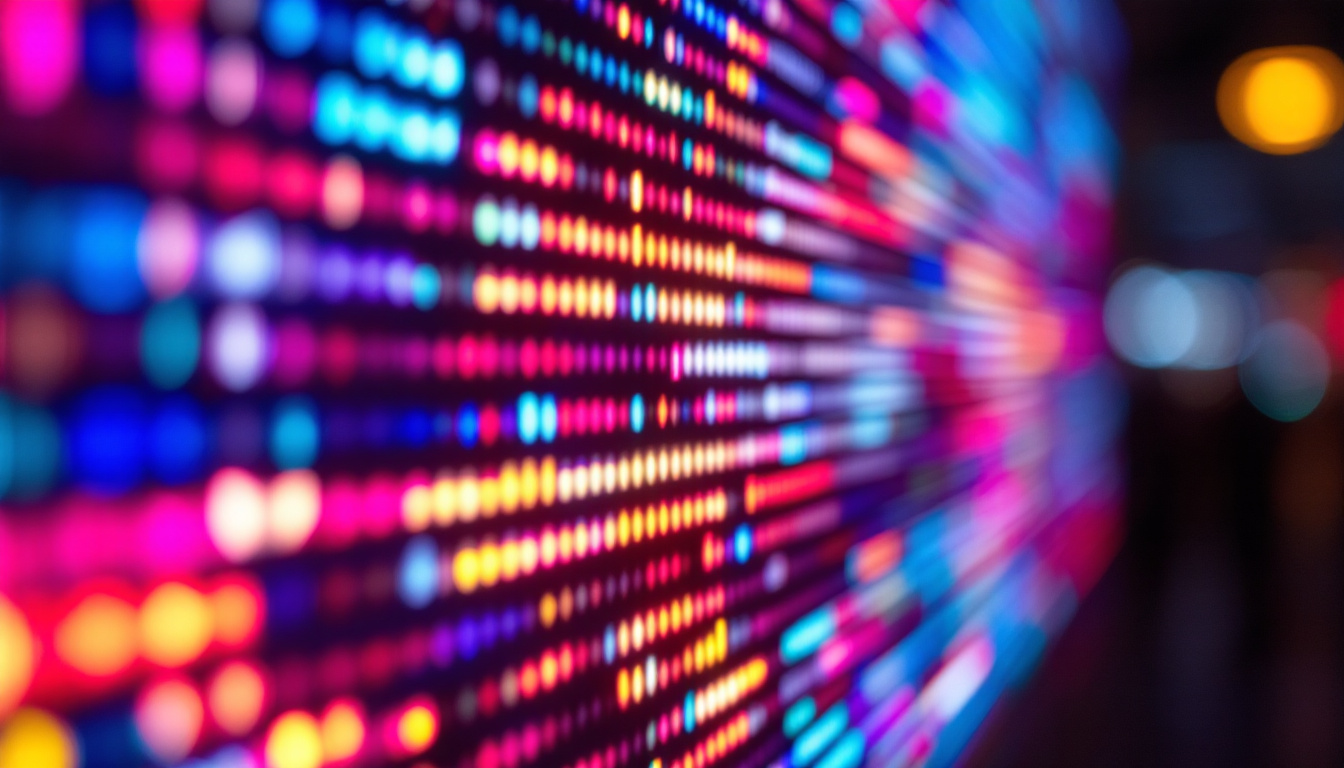
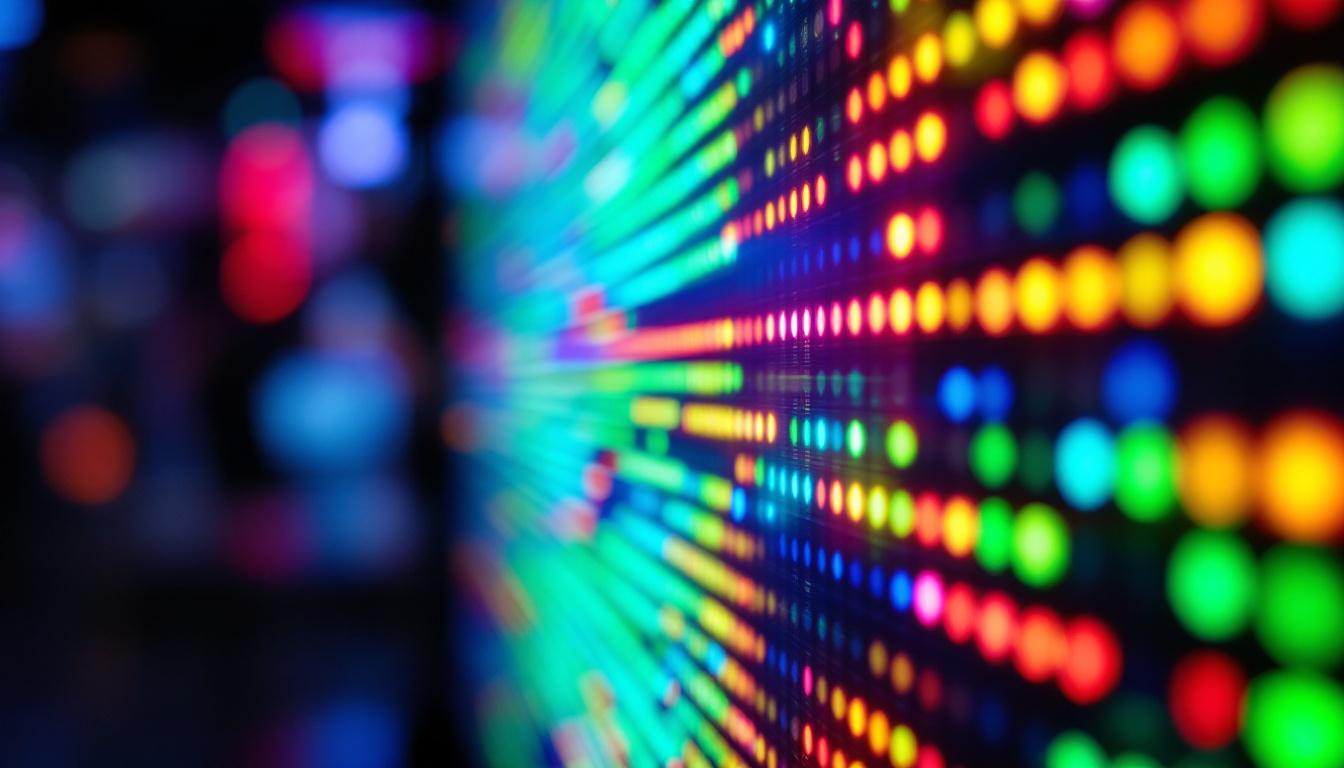
LED displays are typically arranged in a grid of pixels, with each pixel made up of red, green, and blue LEDs. By adjusting the intensity of these three colors, the display can produce a wide spectrum of colors, enabling vivid and dynamic images. The resolution and image quality depend on the pixel pitch—the distance between the centers of two adjacent pixels. Smaller pixel pitches yield higher resolution and sharper images, which is especially important for close viewing distances. Furthermore, advancements in technology have led to the development of flexible and transparent LED displays, opening new avenues for creative applications in architecture and design, where screens can blend seamlessly into their surroundings.
What Does “3X -3” Mean in LED Displays?
The term “3X -3” in the context of LED displays is not a standard industry term but can be interpreted as a specific model or specification related to pixel pitch, module size, or configuration. In many cases, manufacturers use such codes to denote the size, resolution, or type of LED modules used in a display system. Understanding these codes requires familiarity with the manufacturer’s nomenclature and the technical specifications of the product line.
For example, “3X” might refer to a threefold increase or a triple configuration of a certain parameter, while “-3” could indicate a version number, a pixel pitch of 3 millimeters, or a specific design iteration. It is essential for buyers and users to research these specifications thoroughly to ensure they select the right display for their needs. Additionally, many manufacturers provide detailed datasheets that outline the performance characteristics, power consumption, and operational guidelines for their products. This information is crucial for integrators and designers who aim to achieve optimal performance and longevity from their LED installations, particularly in high-demand environments such as sports arenas or concert venues where reliability and visual impact are paramount.
The Significance of Pixel Pitch and Resolution
One of the most critical factors in LED display technology is pixel pitch, which directly influences the display’s resolution and viewing experience. Pixel pitch is measured in millimeters and represents the distance between the centers of two adjacent pixels. A smaller pixel pitch means pixels are packed more tightly, resulting in higher resolution and finer image detail.
For example, a 3mm pixel pitch display (which might relate to the “-3” in “3X -3”) is considered a fine-pitch LED display suitable for indoor environments where viewers are close to the screen. These displays offer crisp images and smooth video playback, making them ideal for retail signage, control rooms, and conference halls. In such settings, the ability to display high-definition content can significantly enhance the viewer’s experience, drawing attention and conveying messages more effectively.
Why Pixel Pitch Matters
The choice of pixel pitch affects not only image quality but also cost and installation complexity. Smaller pixel pitches require more LEDs per square meter, increasing the manufacturing cost and power consumption. However, they provide superior image clarity, which is essential for applications where viewers are within a few meters of the display. This clarity is particularly important in environments like museums or art galleries, where intricate details in images can be crucial for storytelling and engagement.
Conversely, larger pixel pitches (e.g., 10mm or more) are more cost-effective for large outdoor displays viewed from a distance, such as stadium screens or highway billboards. These displays prioritize visibility over fine detail, ensuring messages are legible from afar. The strategic placement of such displays is key; for instance, a billboard on a busy highway must be designed to catch the eye of drivers speeding by, necessitating bold colors and large text rather than intricate graphics. Additionally, advancements in LED technology have allowed for improved brightness and contrast ratios, ensuring that even larger pixel pitch displays can deliver vibrant images in various lighting conditions, from bright sunlight to nighttime settings.
Technical Components of a 3X -3 LED Display
To appreciate the capabilities of a 3X -3 LED display, it’s important to understand its key components and how they contribute to overall performance.
LED Modules and Panels
LED modules are the building blocks of a display. Each module contains an array of LEDs arranged according to the pixel pitch specification. These modules are assembled into panels, which are then combined to create the full display screen. The modular design allows for scalability and easy maintenance, as individual modules can be replaced without dismantling the entire display.
Driver ICs and Control Systems
Driver integrated circuits (ICs) regulate the current supplied to each LED, ensuring consistent brightness and color accuracy. Advanced control systems manage image processing, refresh rates, and synchronization across modules, enabling smooth video playback and dynamic content display.
Modern LED displays often incorporate sophisticated software for content management, remote monitoring, and real-time adjustments. These features are particularly valuable for large-scale installations where uptime and visual quality are paramount.
Power Supply and Thermal Management
LED displays require stable power supplies to maintain consistent brightness and prevent flickering. Efficient thermal management is also critical, as LEDs generate heat during operation. High-quality 3X -3 LED displays incorporate heat sinks, fans, or other cooling mechanisms to prolong the lifespan of the LEDs and maintain optimal performance.
Applications of 3X -3 LED Displays
The versatility of LED displays makes them suitable for a broad spectrum of applications. The 3X -3 specification, with its implied fine pixel pitch and modular design, is particularly well-suited for environments demanding high-resolution visuals and reliability.
Retail and Advertising
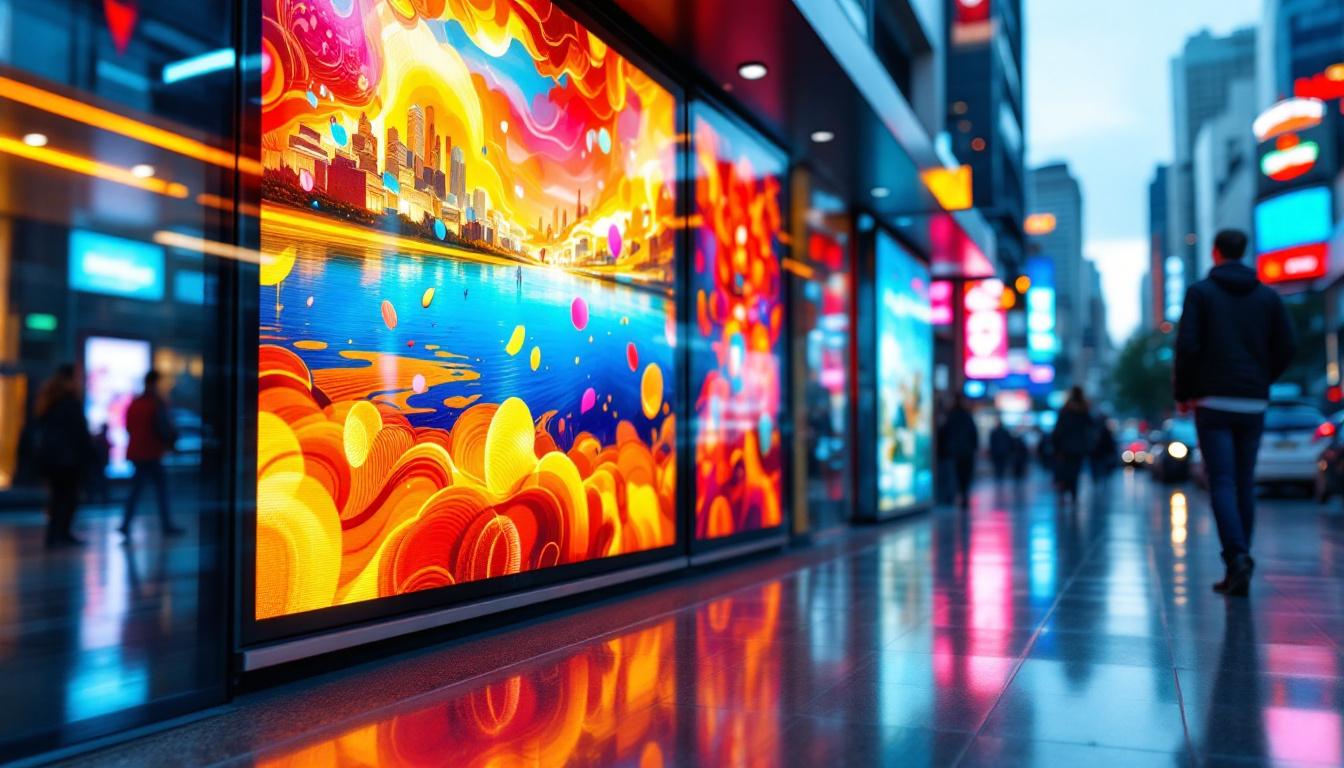
In retail environments, LED displays attract customer attention with bright, colorful, and dynamic content. A 3mm pixel pitch display ensures that promotional videos and advertisements appear sharp and engaging, even at close range. This capability enhances brand visibility and can drive sales by delivering impactful messaging.
Corporate and Control Rooms
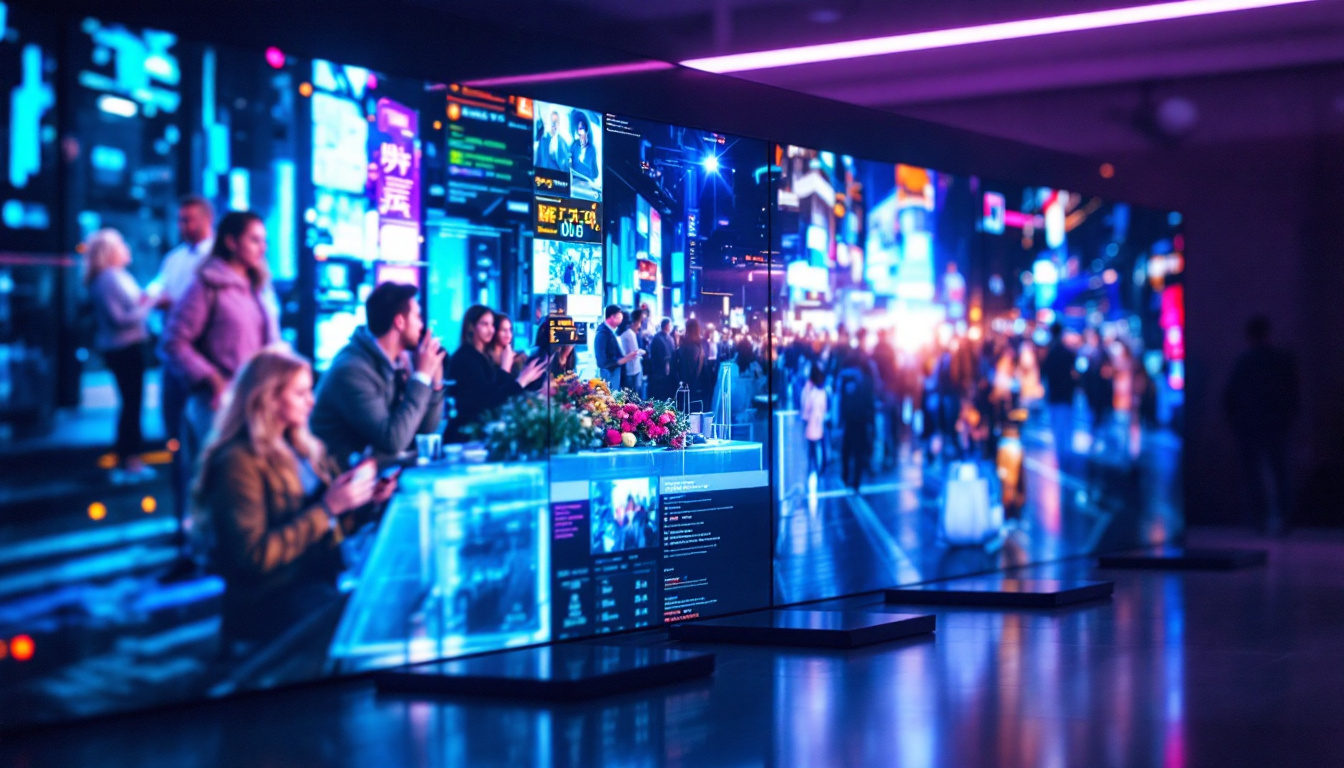
Control rooms and corporate settings benefit from high-resolution LED displays for data visualization, presentations, and video conferencing. The clarity and brightness of a 3X -3 LED display facilitate quick decision-making and effective communication, especially in mission-critical environments such as traffic management centers or broadcast studios.
Entertainment and Events
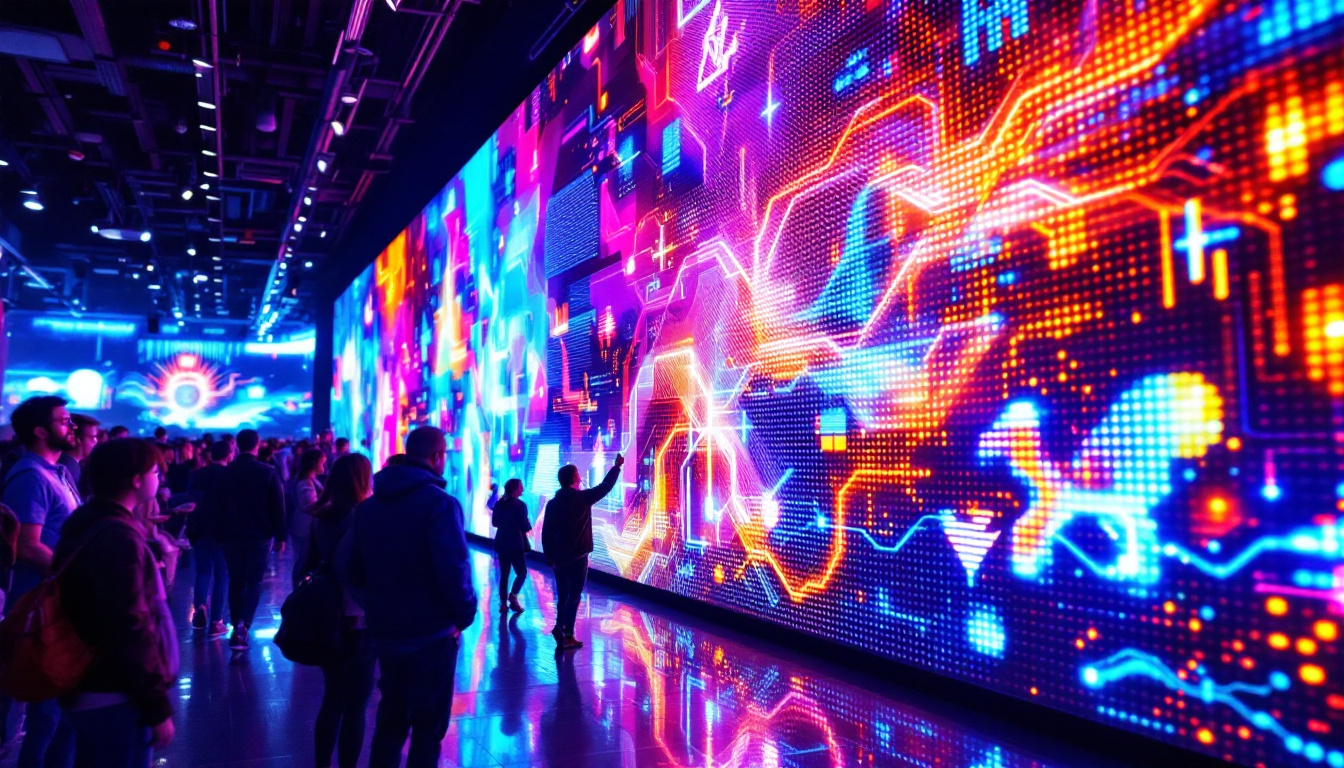
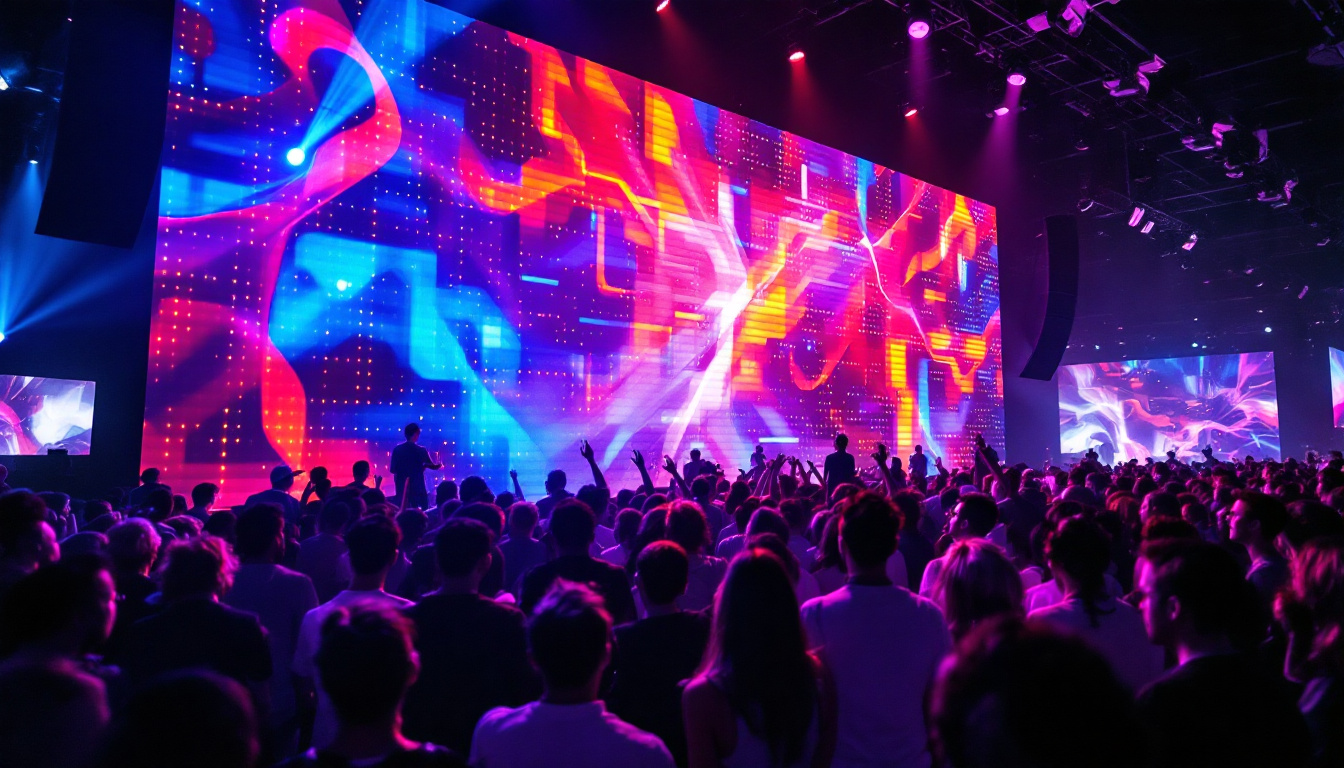
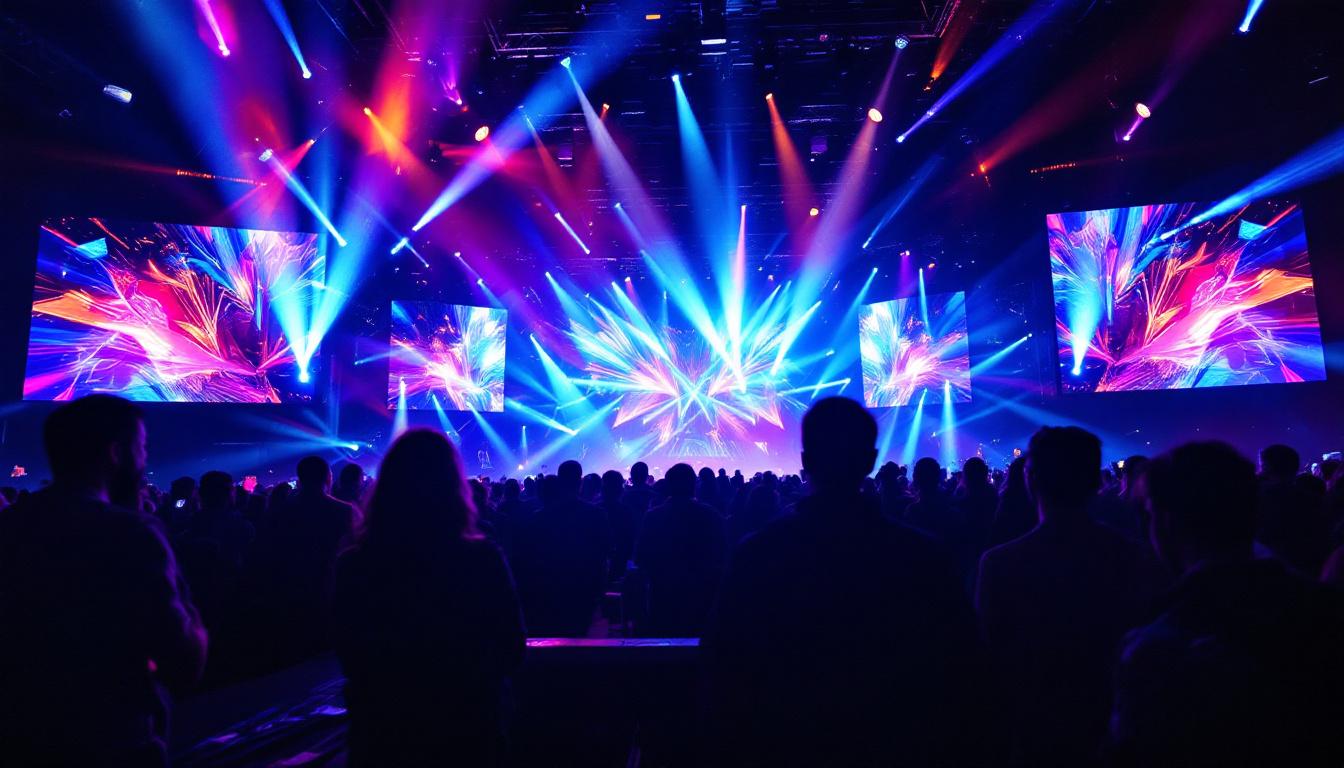
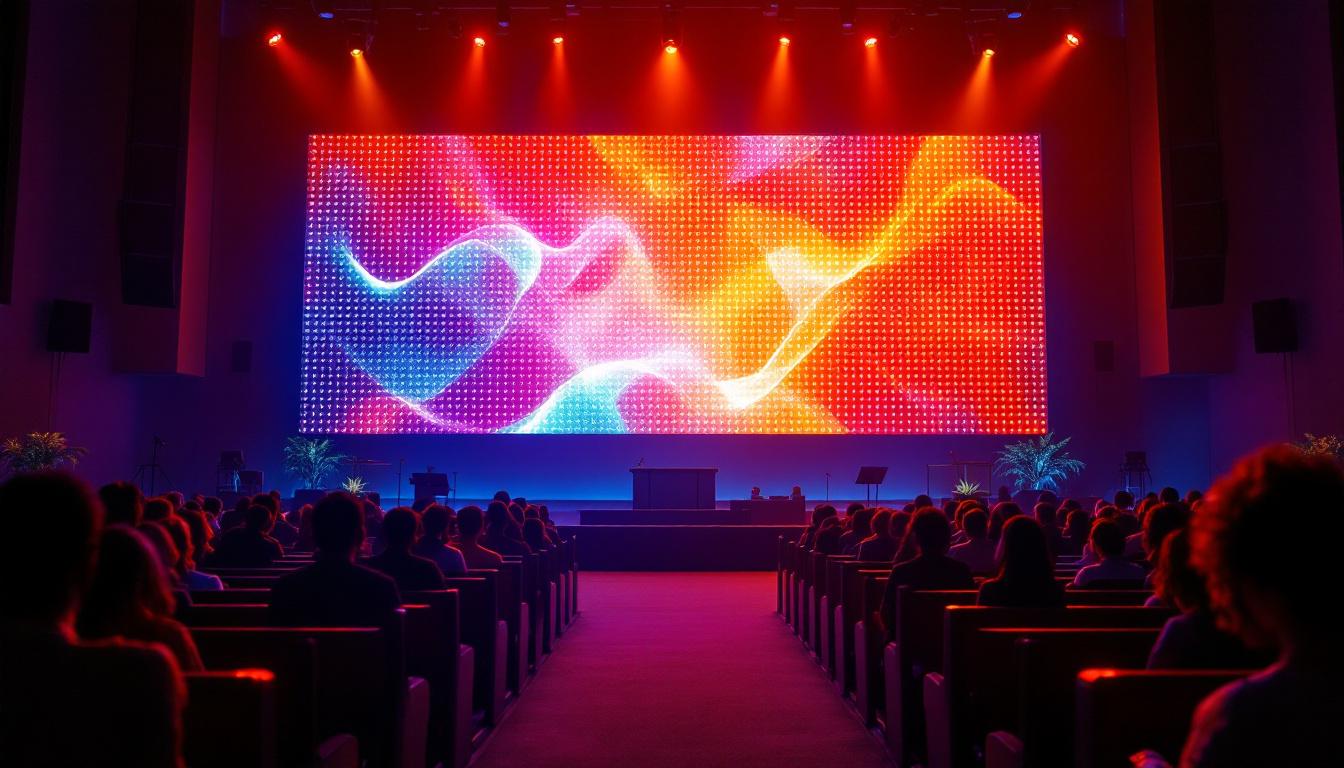
Concerts, sports arenas, and other live events rely on LED displays to deliver immersive visual experiences. The modular nature of 3X -3 LED displays allows for flexible screen sizes and shapes, adapting to venue requirements. High refresh rates and vivid colors ensure that audiences enjoy seamless video content, enhancing overall event engagement.
Energy Efficiency and Environmental Impact
One of the compelling advantages of LED technology is its energy efficiency compared to traditional display technologies. LED displays consume significantly less power than LCD or projection systems, reducing operational costs and environmental footprint.
Advancements in LED driver technology and materials have further improved efficiency. For example, modern 3X -3 LED displays can achieve brightness levels exceeding 1,000 nits while maintaining low power consumption. This efficiency is critical for large-scale installations where energy costs can be substantial.
Sustainability Considerations
Manufacturers are increasingly focusing on sustainable production practices and recyclable materials in LED display manufacturing. Additionally, the long lifespan of LEDs—often exceeding 100,000 hours—reduces the frequency of replacements and associated electronic waste.
For businesses and municipalities investing in digital signage, choosing energy-efficient LED displays aligns with corporate social responsibility goals and regulatory requirements aimed at reducing carbon emissions.
Future Trends in LED Display Technology
The LED display industry continues to innovate, driven by demands for higher resolution, better color accuracy, and more flexible form factors. Emerging trends that may influence future iterations of 3X -3 LED displays include:
MicroLED and MiniLED Technologies
MicroLED technology involves even smaller LEDs than those used in traditional fine-pitch displays, enabling ultra-high-resolution screens with exceptional brightness and contrast. MiniLED backlighting, meanwhile, enhances LCD displays by providing localized dimming zones for improved picture quality. These technologies represent the next frontier in display performance.
Flexible and Transparent LED Displays
Flexible LED panels allow for curved or irregularly shaped displays, expanding creative possibilities for advertising and architectural integration. Transparent LED displays enable screens to be embedded in glass surfaces without obstructing views, ideal for retail windows and augmented reality applications.
Artificial Intelligence and Content Personalization
Integration of AI-driven content management systems allows LED displays to adapt content dynamically based on audience demographics, environmental conditions, or real-time data inputs. This personalization enhances engagement and maximizes the impact of digital signage campaigns.
Conclusion
The “3X -3” LED display, while not a universally defined term, suggests a high-quality, fine-pitch LED solution with modular design and advanced capabilities. Understanding the fundamentals of LED technology, pixel pitch, and component integration is essential for selecting the right display for specific applications.
As LED technology continues to advance, these displays will become even more versatile, energy-efficient, and visually stunning, cementing their role as a key medium for communication, advertising, and entertainment in the digital age.
Discover LumenMatrix’s Advanced LED Display Solutions
Ready to elevate your visual communication with cutting-edge LED technology? Look no further than LumenMatrix, a pioneer in the industry, offering a diverse range of LED display modules tailored to your needs. Whether you’re seeking to enhance your brand’s presence with an Indoor LED Wall Display, captivate passersby with an Outdoor LED Wall Display, or innovate on the move with a Vehicle LED Display, LumenMatrix has the solution. Our mission is to transform your message into an unforgettable visual experience with products like LED Poster Displays, LED Sports Displays, Floor LED Displays, and Custom LED solutions. For those seeking versatility, our All-in-One and LED Transparent Displays are designed to impress. Check out LumenMatrix LED Display Solutions today and start creating captivating and effective visual narratives for your audience.