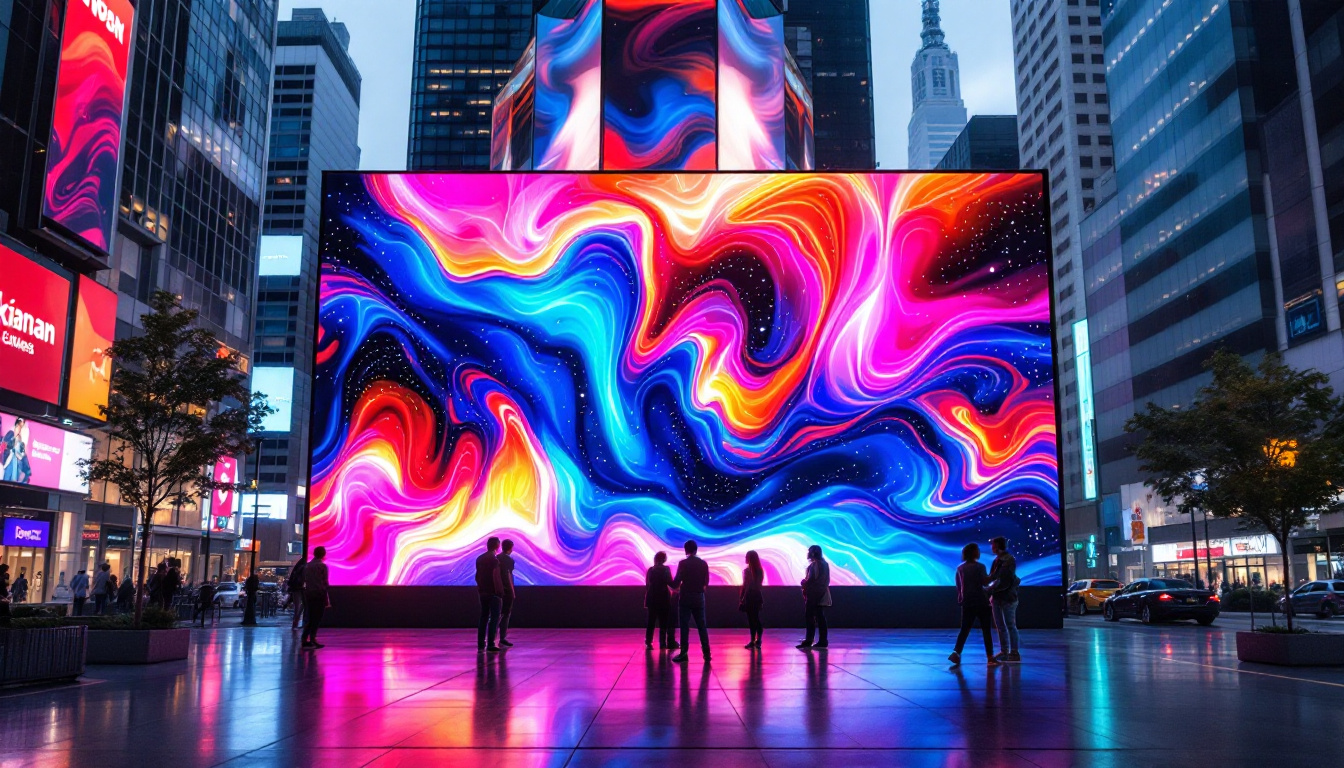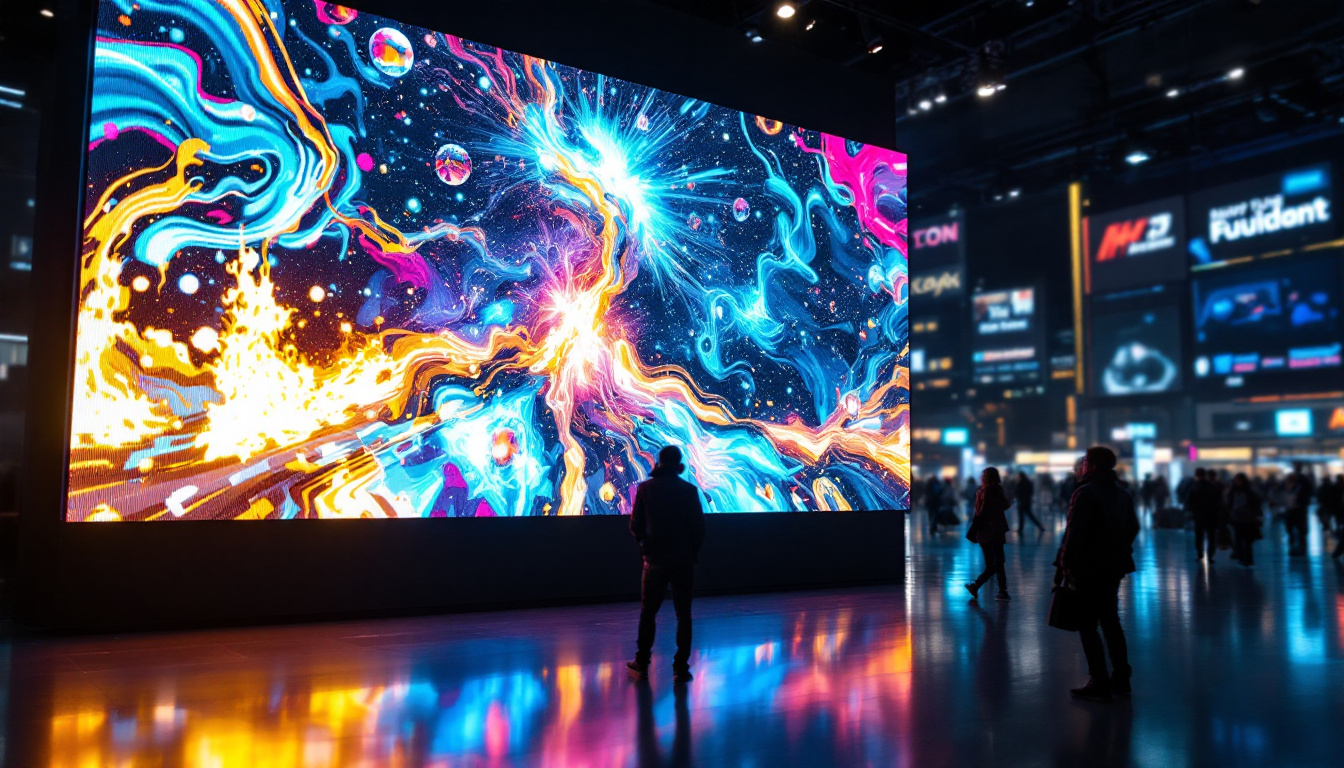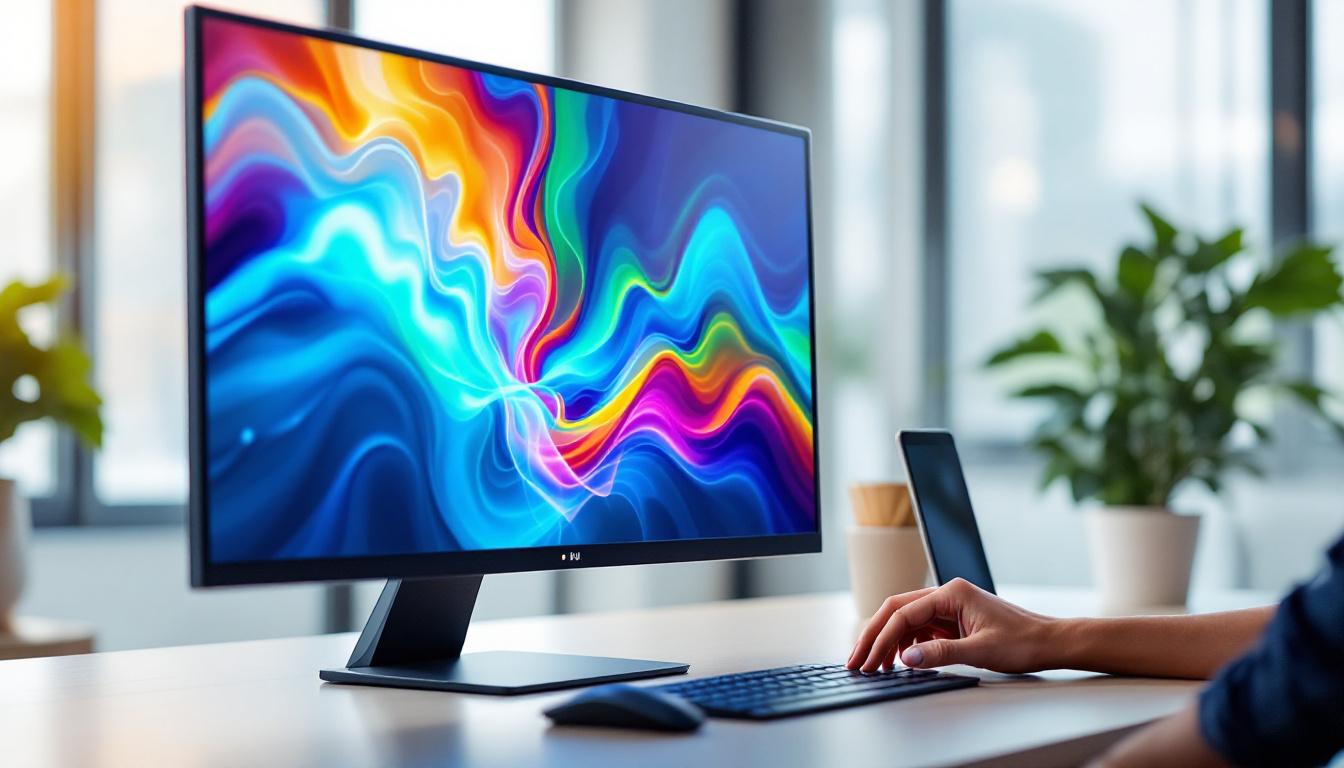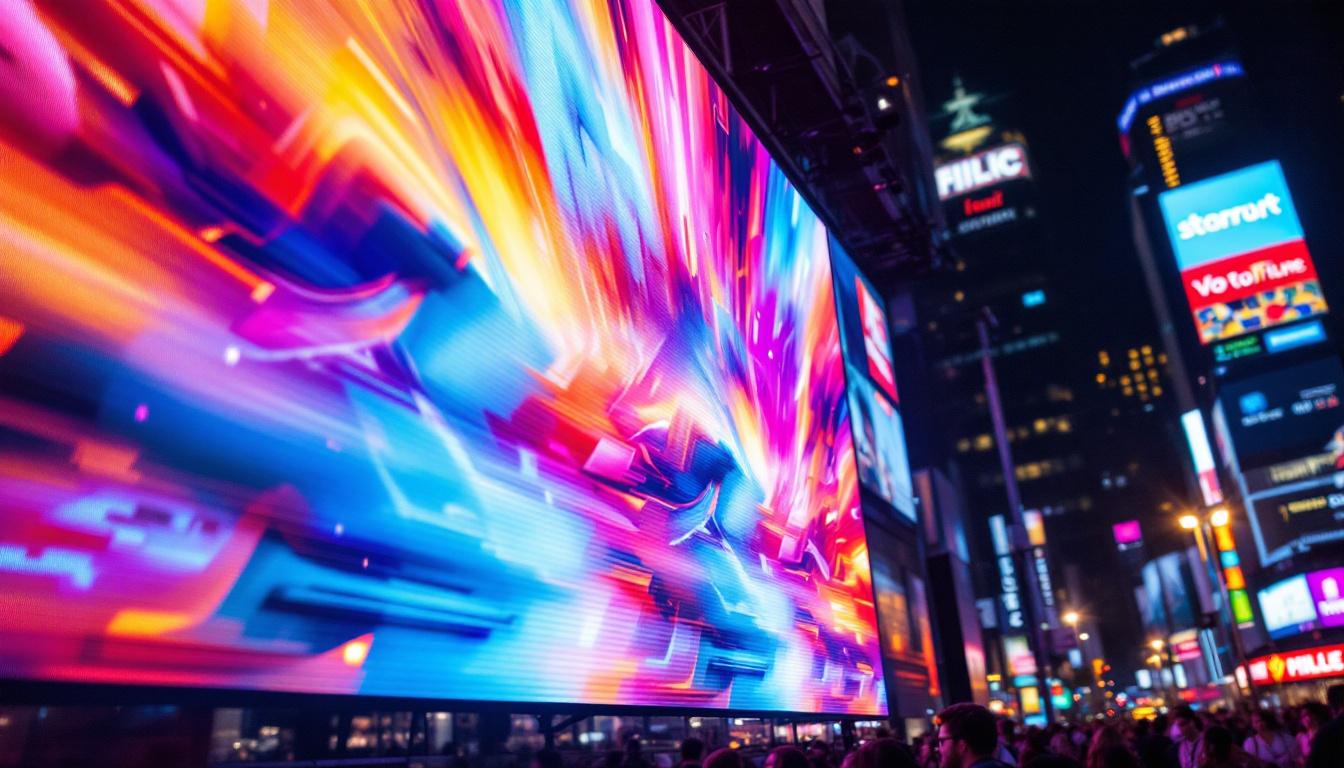
In the realm of digital signage and large-scale displays, video walls have become an indispensable tool for businesses, event organizers, and public spaces. Among the various configurations, the 4 TV video wall setup stands out for its balance of size, resolution, and cost-effectiveness. This article delves into the technology behind 4 TV video walls, focusing on LED displays, and explains why they are a popular choice for dynamic visual presentations.
Understanding 4 TV Video Walls
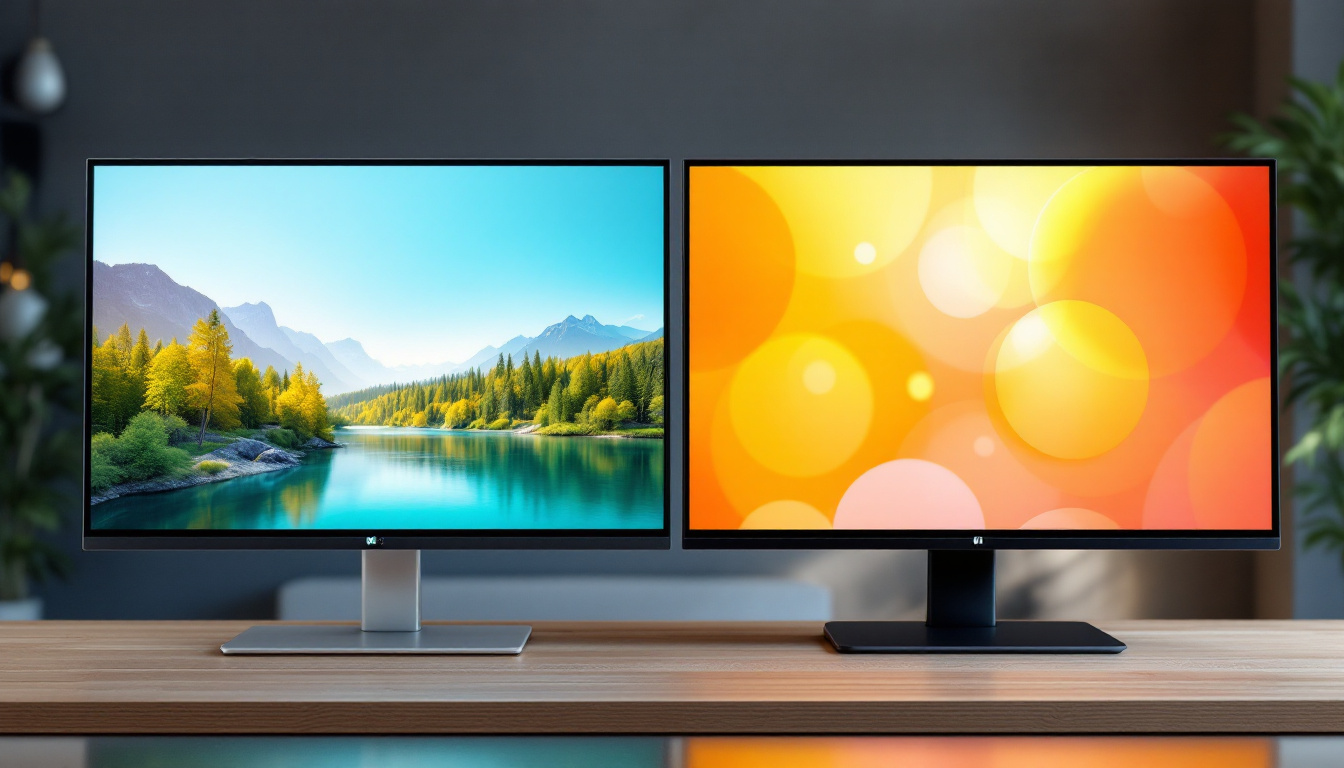
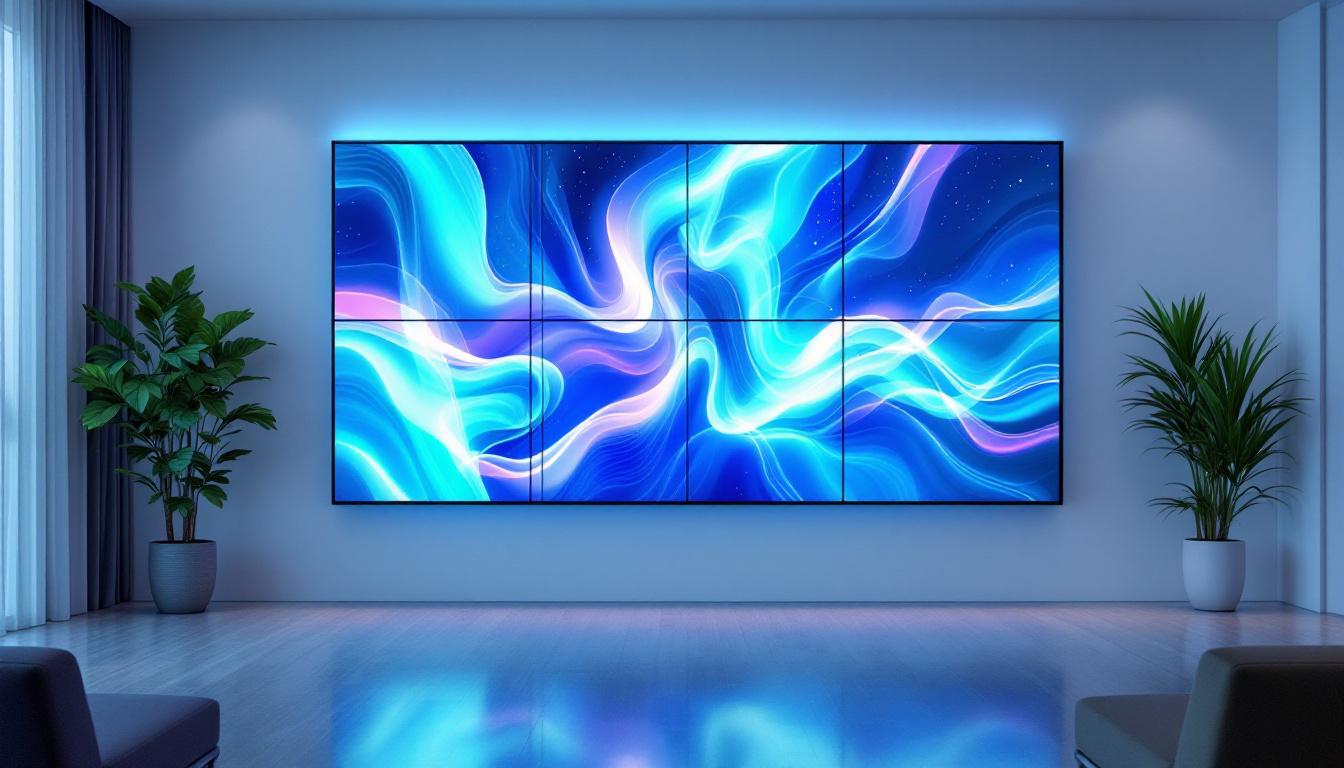
A 4 TV video wall consists of four individual television screens arranged in a 2×2 grid to create one large, cohesive display. This configuration allows for a significantly larger viewing area compared to a single screen, making it ideal for environments where visibility and impact are crucial. The combined screen real estate can enhance the overall experience, drawing in viewers with vibrant colors and sharp images that are hard to ignore.
The appeal of a 4 TV video wall lies in its scalability and flexibility. Businesses can use it to showcase advertisements, presentations, or live feeds in retail stores, conference rooms, control centers, and entertainment venues. The modular nature means that if one screen fails, the rest can continue functioning, minimizing downtime. Additionally, these video walls can be easily updated or reconfigured to suit different events or marketing campaigns, allowing businesses to adapt quickly to changing needs.
Why Choose a 4 TV Setup?
Compared to larger video walls, a 4 TV setup offers a manageable size that fits well in medium-sized spaces without overwhelming the room. It provides a high-resolution display that can be customized in terms of content and layout. Additionally, the cost is relatively lower than more extensive video wall systems, making it accessible for small to medium enterprises. This affordability doesn’t compromise quality; many 4 TV setups utilize advanced display technologies, ensuring that images are crisp and colors are vibrant, which can significantly enhance viewer engagement.
Moreover, the 4 TV video wall is easier to install and maintain. With advancements in mounting technology and bezel reduction, the visual breaks between screens are minimal, creating a near-seamless viewing experience. This ease of installation is particularly beneficial for businesses looking to set up quickly for events or promotions. Furthermore, many modern video walls come equipped with user-friendly software that simplifies content management, allowing users to effortlessly switch between different media types, from video to images to live feeds, all with just a few clicks. This versatility ensures that the display can be tailored to meet the specific needs of any occasion, maximizing its utility and impact.
The Technology Behind LED Displays
LED, or Light Emitting Diode, technology has revolutionized the display industry. Unlike traditional LCD or plasma screens, LED displays use an array of light-emitting diodes to produce images. This technology offers several advantages that make it suitable for video walls.
How LED Displays Work
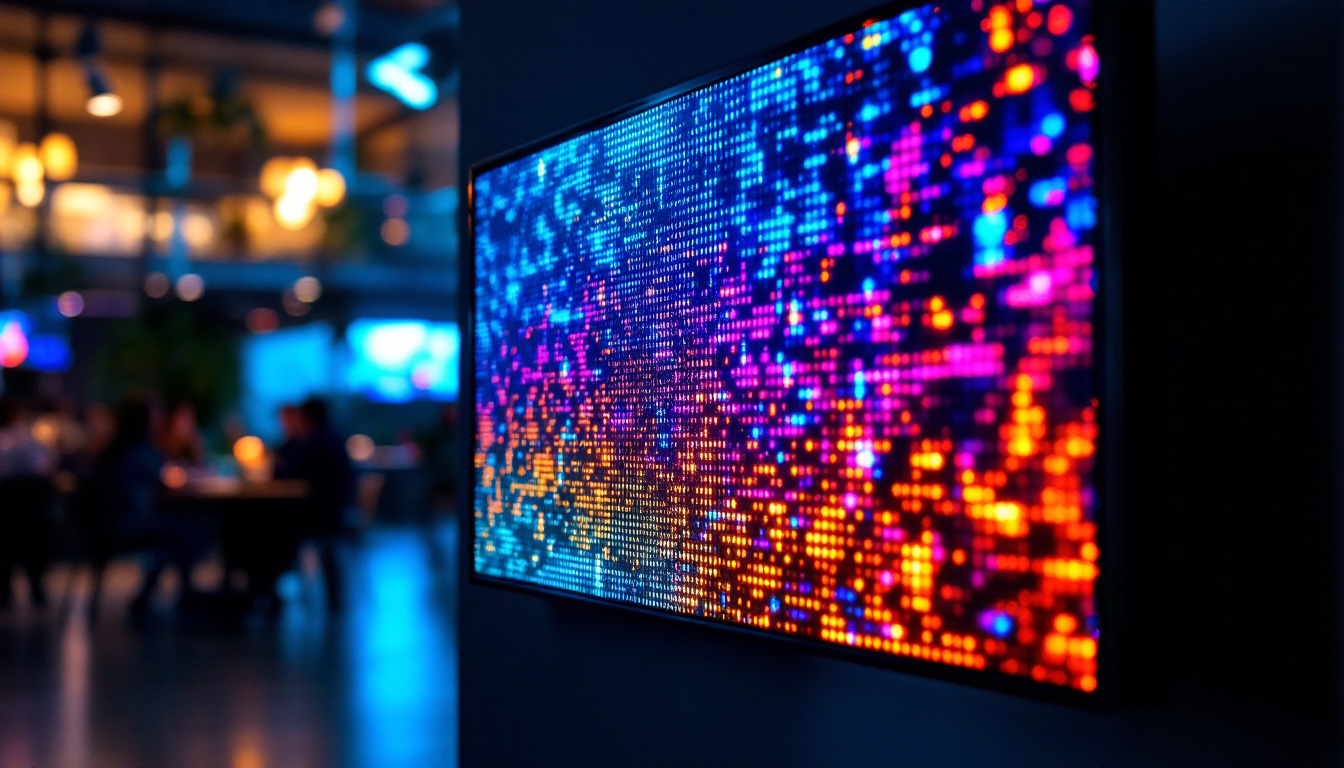
LED displays consist of tiny diodes that emit light when an electric current passes through them. These diodes are arranged in clusters called pixels, which combine red, green, and blue elements to produce a full spectrum of colors. The intensity of each diode can be controlled to create the desired brightness and color accuracy.
For video walls, LED panels are designed to be tiled together seamlessly. The panels are thin and lightweight, allowing for flexible installation. The technology supports high brightness levels, making LED displays visible even in brightly lit environments, a critical factor for commercial and outdoor applications.
Advantages of LED Over Other Display Technologies
One of the key benefits of LED displays is their superior brightness and contrast ratio. They can achieve brightness levels of up to 1,000 nits or more, which is significantly higher than most LCD screens. This ensures clear visibility from a distance and under various lighting conditions.
LED displays also offer better energy efficiency and longer lifespan. The diodes consume less power than traditional backlit displays and can last upwards of 100,000 hours before significant degradation. Additionally, LED video walls have faster refresh rates and better color accuracy, enhancing the overall viewing experience.
Applications of 4 TV LED Video Walls
The versatility of 4 TV LED video walls makes them suitable for a wide range of applications. Their ability to deliver large, bright, and high-resolution images has transformed how information and entertainment are presented in various sectors.
Corporate and Conference Environments
In corporate settings, 4 TV video walls serve as powerful tools for presentations, video conferencing, and digital signage. They enable detailed data visualization, making it easier for teams to analyze information collaboratively. The ability to display multiple content sources simultaneously enhances productivity during meetings and events.
Companies increasingly invest in video walls to create immersive environments that impress clients and stakeholders. For example, a financial firm might use a 4 TV video wall to monitor stock market data in real-time, while a marketing agency could showcase creative portfolios dynamically.
Retail and Advertising
Retailers leverage 4 TV video walls to attract customers with vibrant advertisements and promotional content. The high brightness and color fidelity of LED displays ensure that visuals stand out even in busy shopping centers. Video walls can also be interactive, allowing customers to engage with content through touch or motion sensors.
According to recent industry reports, digital signage, including video walls, can increase customer engagement by up to 30%, translating into higher sales and brand awareness. The flexibility to update content remotely means retailers can tailor messages based on time, location, or audience demographics.
Control Rooms and Public Spaces
Control rooms in sectors like transportation, utilities, and emergency services rely on video walls for situational awareness. A 4 TV LED video wall provides a clear and comprehensive view of multiple data streams, including surveillance footage, maps, and system statuses. The reliability and clarity of LED technology are critical in these high-stakes environments.
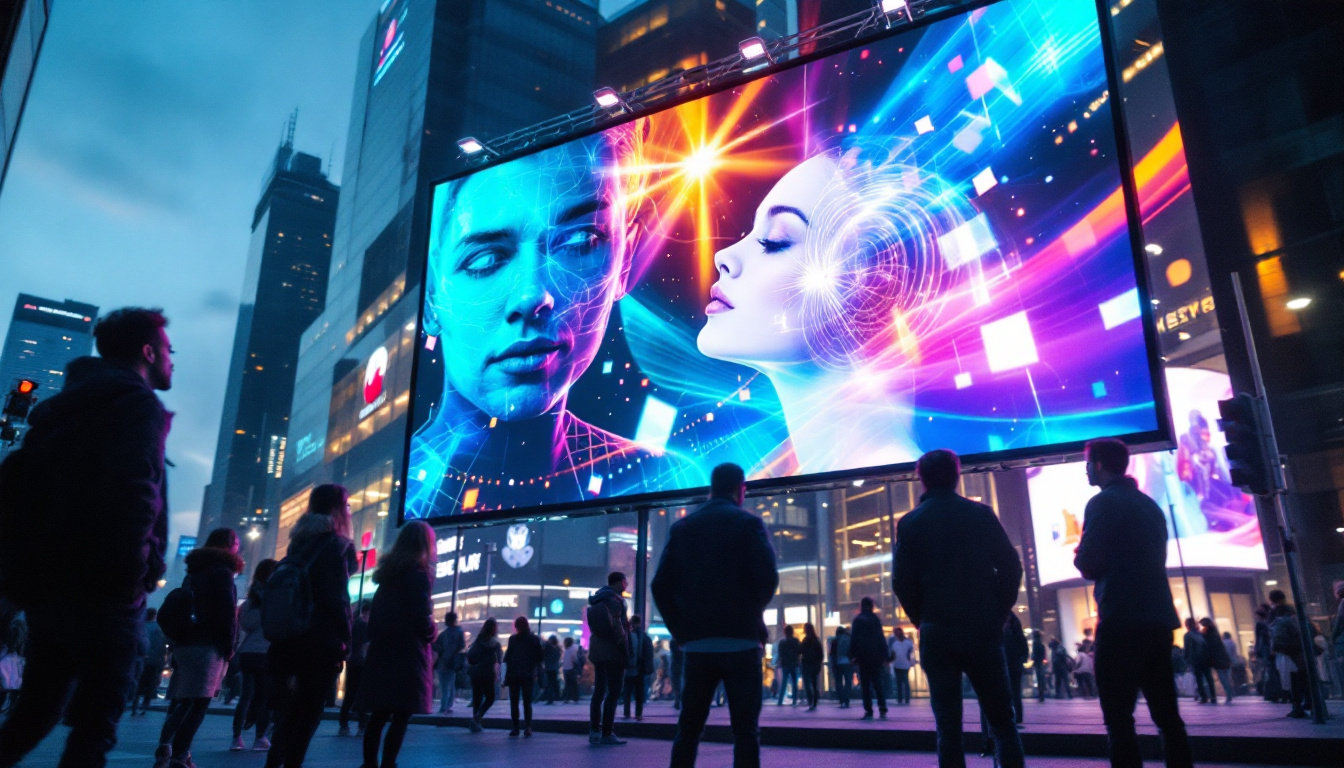
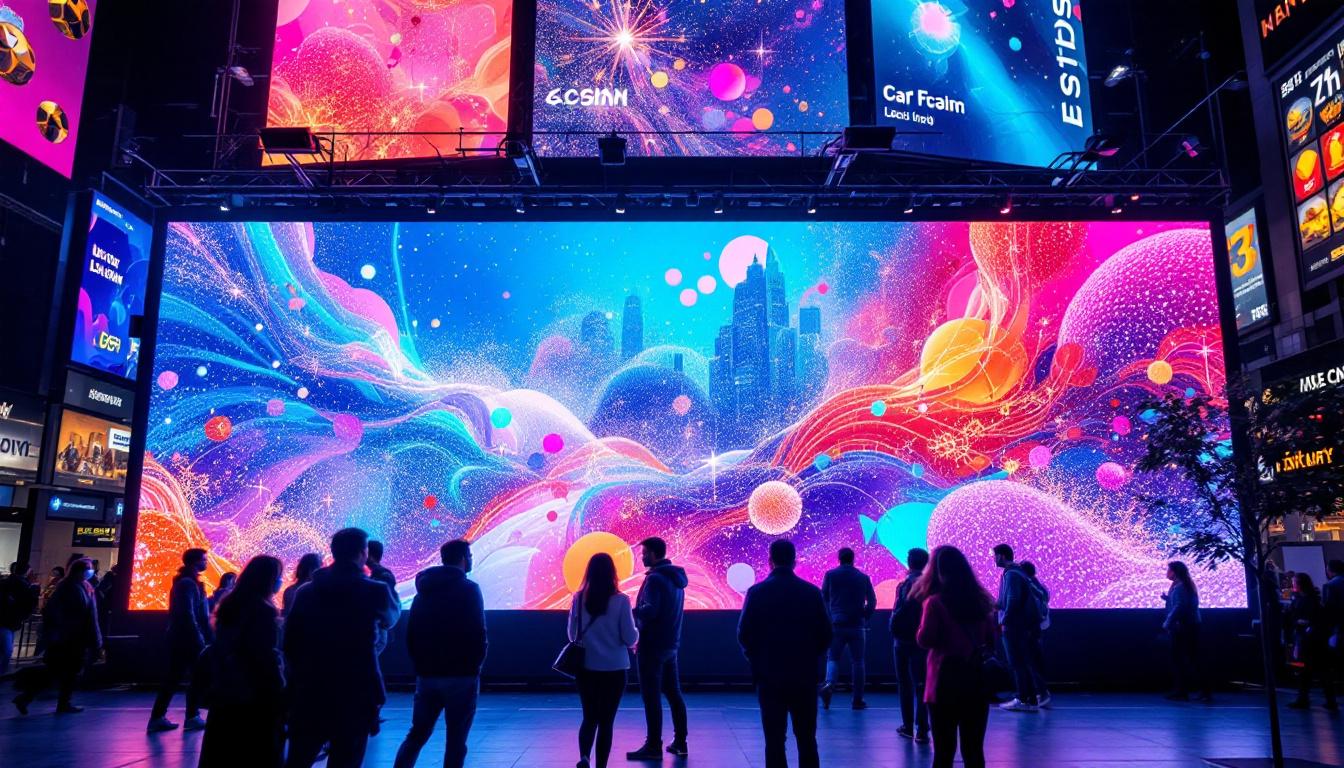
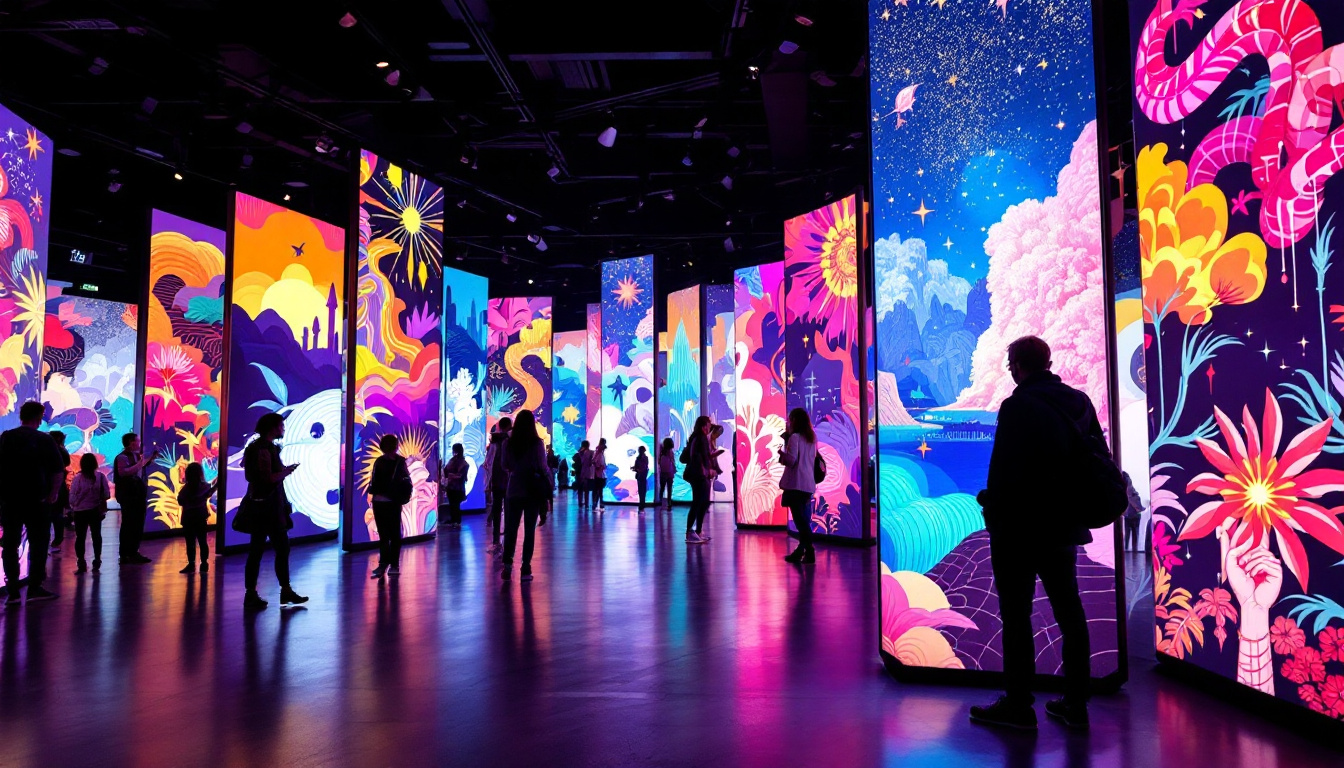
In public spaces such as airports, stadiums, and museums, video walls serve informational and entertainment purposes. They guide visitors, display schedules, or broadcast live events, enhancing the overall experience. The durability of LED panels makes them suitable for continuous operation in these high-traffic areas.
Installation and Maintenance Considerations
Setting up a 4 TV LED video wall requires careful planning to ensure optimal performance and longevity. Factors such as mounting, calibration, and connectivity play crucial roles in the final output quality.
Mounting and Alignment
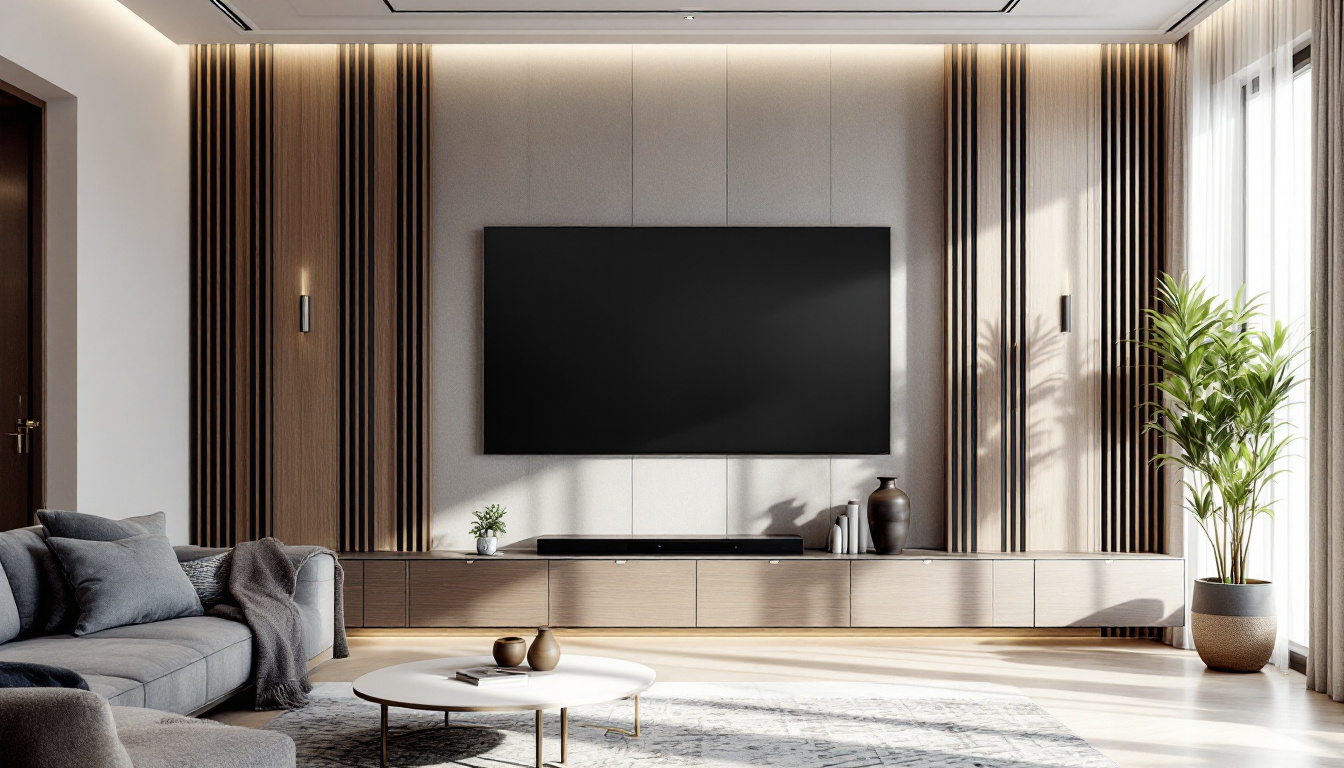
Proper mounting is essential to minimize the bezels—the frames around each TV—that can disrupt the seamless appearance of the video wall. Specialized mounts allow for precise alignment and adjustment, ensuring that the screens are perfectly flush with one another.
Wall mounts or floor stands should be sturdy enough to support the combined weight of the four TVs. Additionally, cable management solutions help maintain a clean installation, reducing the risk of damage and simplifying maintenance.
Calibration and Color Matching
To achieve a uniform image across all four screens, calibration is necessary. This process involves adjusting brightness, contrast, and color settings to ensure consistency. Professional calibration tools and software can automate much of this work, resulting in a visually cohesive display.
Regular recalibration may be required to compensate for changes in ambient lighting or screen aging. Maintaining color accuracy is particularly important for applications where precise image reproduction is critical, such as branding or data visualization.
Connectivity and Content Management
A 4 TV video wall typically requires a video processor or controller that can split and distribute content across the screens. Modern controllers support various input sources, including HDMI, DisplayPort, and network streaming, allowing for versatile content delivery.
Content management systems (CMS) enable users to schedule, update, and customize what appears on the video wall remotely. This capability is vital for dynamic environments where content changes frequently, such as retail promotions or live event broadcasting.
Future Trends in LED Video Walls
The LED video wall market continues to evolve rapidly, driven by technological advancements and growing demand for immersive visual experiences. Several trends are shaping the future of 4 TV and larger video wall configurations.
Bezel-Less and Flexible Displays
Manufacturers are developing ultra-thin bezel and bezel-less LED panels that virtually eliminate the visual gaps between screens. This innovation enhances the seamlessness of video walls, making the 4 TV configuration appear as one continuous display.
Flexible LED panels that can curve or bend are also gaining traction. These allow for creative installations that conform to architectural features or create unique shapes, expanding the possibilities for visual storytelling.
Higher Resolutions and HDR Support
As 4K and even 8K content becomes more prevalent, video walls are adopting higher resolution panels to deliver sharper images. High Dynamic Range (HDR) support is another feature improving color depth and contrast, providing more lifelike visuals.
These enhancements are particularly beneficial for applications requiring detailed imagery, such as medical imaging, design studios, and high-end retail environments.
Integration with AI and Interactive Technologies
Artificial intelligence (AI) is being integrated into video wall systems to optimize content delivery based on audience behavior and environmental factors. For example, AI can adjust brightness automatically or select content that resonates best with viewers in real-time.
Interactive technologies, including touchscreens and gesture recognition, are also becoming more common. These features transform video walls from passive displays into engaging interfaces, enhancing user interaction and data accessibility.
Conclusion
The 4 TV video wall, especially when utilizing LED display technology, represents a powerful solution for delivering impactful visual content in a variety of settings. Its combination of size, flexibility, and image quality makes it a preferred choice for businesses and organizations aiming to capture attention and communicate effectively.
Understanding the technology, applications, and maintenance requirements of LED video walls enables informed decisions when investing in digital signage solutions. As innovations continue to emerge, the capabilities and applications of 4 TV video walls will only expand, offering even more dynamic and immersive experiences.
Discover LumenMatrix’s Innovative LED Solutions
Ready to elevate your visual communication with a 4 TV LED video wall? LumenMatrix, a pioneer in LED display technology, offers a comprehensive range of solutions tailored to your needs. From captivating Indoor and Outdoor LED Wall Displays to dynamic Vehicle and Sports LED Displays, our products are designed to make your brand stand out. Experience the future of digital signage with our Custom, All-in-One, and Transparent LED Displays, and see how we can transform your space with our Floor LED Displays. Don’t miss the opportunity to create immersive experiences that engage and inspire. Check out LumenMatrix LED Display Solutions today and take the first step towards revolutionizing your visual presentations.