In the rapidly evolving world of television technology, 55-inch touch screen TVs with LED displays have emerged as a compelling choice for consumers seeking interactive and high-quality viewing experiences. Combining the convenience of touch screen functionality with the vibrant visuals of LED technology, these TVs are redefining how users engage with content in both home and professional settings.
This article delves into the intricacies of 55-inch touch screen TVs featuring LED displays. It covers the technology behind LED screens, the benefits of touch screen integration, key features to consider, and practical applications. Whether you are a tech enthusiast, a professional looking to upgrade your workspace, or a consumer exploring new entertainment options, understanding these elements will help you make an informed decision.
Understanding LED Display Technology
What Is an LED Display?
LED stands for Light Emitting Diode, a semiconductor light source that emits light when an electric current passes through it. In the context of television screens, LED technology refers to the use of LEDs as a backlighting source for LCD (Liquid Crystal Display) panels. This combination results in bright, energy-efficient displays with excellent color accuracy and contrast. The evolution of LED technology has transformed the way we experience visual media, making it possible to enjoy vibrant colors and deep blacks that were previously unattainable with older display technologies.
Unlike traditional LCD TVs that use cold cathode fluorescent lamps (CCFL) for backlighting, LED TVs utilize an array of LEDs positioned either behind the screen (direct LED) or along the edges (edge-lit LED). This design allows for thinner panels, better brightness control, and enhanced picture quality. The energy efficiency of LED displays also contributes to lower electricity bills and a reduced carbon footprint, making them an environmentally friendly choice for consumers. As technology continues to advance, we can expect even more innovations in LED displays, including improvements in lifespan and energy consumption.
Types of LED Displays in TVs
There are primarily three types of LED display configurations in TVs:
- Edge-Lit LED: LEDs are placed along the edges of the screen. This design enables ultra-thin TVs but may result in uneven brightness. While edge-lit displays are often more affordable and lightweight, they may struggle with delivering consistent lighting across the entire screen, particularly in darker scenes.
- Direct LED (Full-Array): LEDs are distributed evenly behind the entire screen, providing better uniformity and local dimming capabilities for improved contrast. This configuration allows for precise control over brightness in different areas of the screen, enhancing the viewing experience, especially for high-definition content.
- Mini-LED: An advanced form of direct LED with smaller LEDs, allowing for more precise lighting control and higher contrast ratios. Mini-LED technology is paving the way for next-generation displays, offering deeper blacks and brighter highlights, which is ideal for HDR (High Dynamic Range) content.
For a 55-inch touch screen TV, full-array or mini-LED backlighting is often preferred due to the superior picture quality and brightness consistency they offer. Additionally, these technologies are becoming increasingly popular in gaming and professional environments where color accuracy and response times are critical. As consumers become more discerning about their viewing experiences, manufacturers are responding with cutting-edge innovations that push the boundaries of what LED technology can achieve, including features like adaptive brightness and enhanced color gamuts that cater to a wide range of content types.
The Integration of Touch Screen Technology in TVs
How Touch Screens Work on TVs
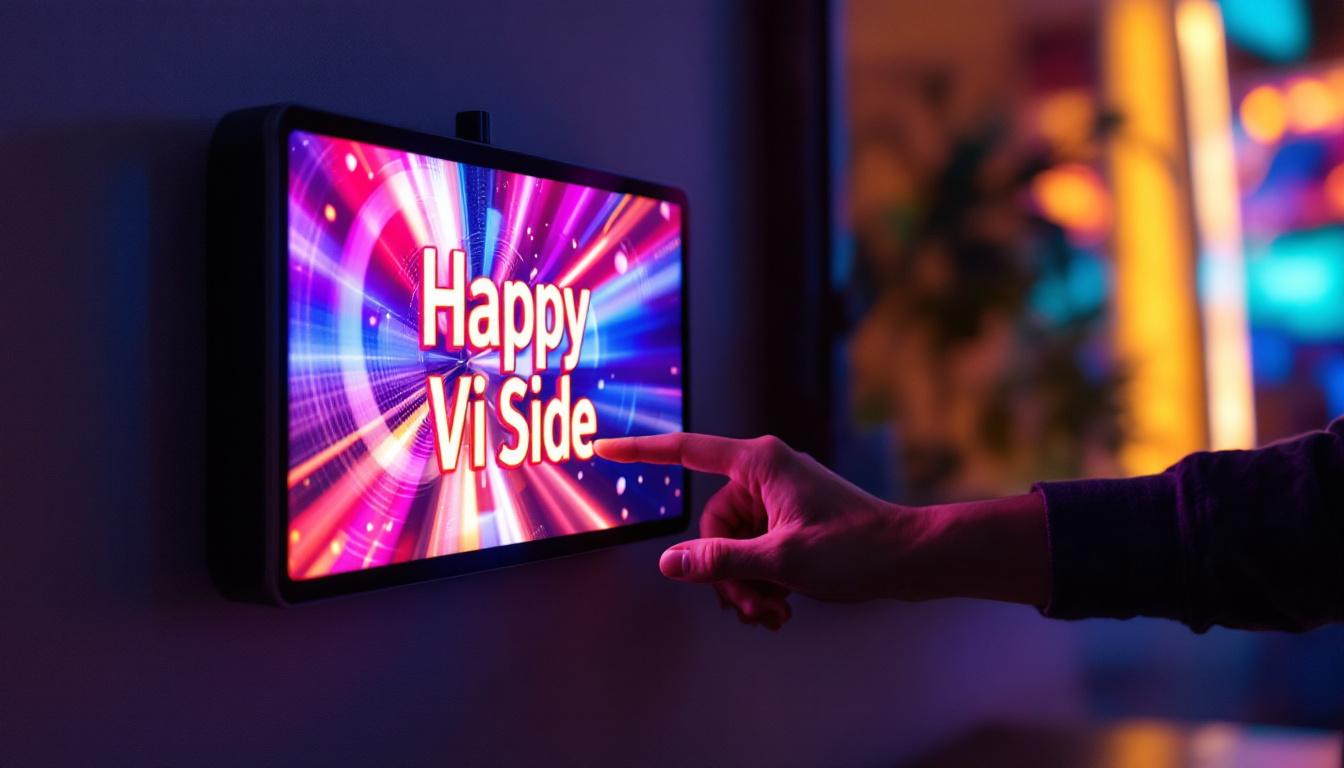
Touch screen technology in TVs enables users to interact directly with the display using their fingers or a stylus. The most common touch screen types used in TVs include:
- Capacitive Touch: Detects touch through the electrical properties of the human body, offering high sensitivity and multi-touch capabilities.
- Infrared Touch: Uses an array of infrared LEDs and sensors around the screen to detect touch without requiring a special surface.
- Resistive Touch: Consists of two flexible layers that detect pressure from a touch. It is less common in TVs due to lower sensitivity.
Capacitive touch is generally favored in modern 55-inch touch screen TVs for its responsiveness and support for gestures, enhancing user experience.
Benefits of Touch Screen TVs
Integrating touch screen functionality into a 55-inch LED TV offers several advantages:
- Interactive Experience: Users can navigate menus, browse the internet, and control apps directly on the screen without a remote.
- Enhanced Productivity: Ideal for presentations, video conferencing, and collaborative work in offices and educational environments.
- Gaming and Entertainment: Touch controls add a new dimension to interactive games and multimedia applications.
- Accessibility: Simplifies navigation for users who may find traditional remotes challenging.
Key Features to Consider in a 55-Inch Touch Screen LED TV
Display Resolution and Picture Quality
Resolution is a critical factor affecting the sharpness and clarity of images. Most 55-inch LED TVs come with 4K Ultra HD (3840 x 2160 pixels) resolution, offering four times the detail of Full HD. This high resolution is particularly important for touch screen TVs where users interact closely with the display.
Additionally, look for features like High Dynamic Range (HDR), which enhances contrast and color accuracy, providing a more lifelike viewing experience.
Touch Responsiveness and Accuracy
The quality of the touch interface can vary significantly between models. Key aspects include:
- Multi-Touch Support: Allows multiple fingers to interact simultaneously, enabling gestures like pinch-to-zoom.
- Latency: The delay between touch input and screen response should be minimal for smooth interaction.
- Durability: The screen surface should resist scratches and smudges to maintain touch sensitivity over time.
Connectivity Options
A versatile 55-inch touch screen TV should offer multiple connectivity options to support various devices and peripherals:
- HDMI Ports: For connecting gaming consoles, Blu-ray players, and streaming devices.
- USB Ports: To access media files or connect input devices like keyboards and mice.
- Wi-Fi and Ethernet: For seamless internet connectivity, essential for smart TV functions and software updates.
- Bluetooth: To pair wireless headphones, speakers, or input devices.
Operating System and Software Compatibility
The operating system (OS) governs the user interface and available applications. Popular OS options include Android TV, webOS, and proprietary platforms. When selecting a touch screen TV, consider:
- App Ecosystem: Availability of apps that support touch interaction.
- Software Updates: Regular updates ensure security and feature enhancements.
- Customization: Ability to install third-party software or integrate with existing systems.
Practical Applications of 55-Inch Touch Screen LED TVs
Home Entertainment and Smart Living
In residential settings, 55-inch touch screen TVs serve as versatile hubs for entertainment and smart home control. Users can effortlessly switch between streaming services, browse the internet, or control connected devices like lighting and thermostats directly from the screen.
Moreover, touch interaction enhances accessibility for family members of all ages, making it easier to navigate content without relying on traditional remotes.
Education and Collaborative Learning
Educational institutions increasingly adopt touch screen TVs for interactive lessons and group activities. The large 55-inch display provides ample space for multiple users to engage simultaneously, facilitating dynamic presentations, digital whiteboarding, and multimedia content sharing.
Studies have shown that interactive displays can improve student engagement and retention, making these TVs valuable tools for modern classrooms.
Business and Professional Use
In corporate environments, 55-inch touch screen LED TVs enhance meetings, brainstorming sessions, and video conferencing. The ability to annotate documents, manipulate data, and interact with presentations in real-time fosters collaboration and productivity.
Additionally, these TVs can function as digital signage or interactive kiosks in retail and hospitality sectors, providing customers with engaging and informative experiences.
Choosing the Right 55-Inch Touch Screen LED TV
Assessing Your Needs
Before purchasing, consider how you intend to use the TV. For home entertainment, prioritize picture quality and smart features. For professional use, focus on touch responsiveness, software compatibility, and connectivity.
Budget Considerations
Prices for 55-inch touch screen LED TVs vary widely based on brand, features, and technology. While entry-level models may start around $800, high-end versions with advanced touch capabilities and mini-LED backlighting can exceed $2,000.
Investing in a quality model ensures longevity and a better user experience, but it’s essential to balance features with budget constraints.
Brand Reputation and Support
Choosing a reputable brand with reliable customer support and warranty services is crucial. Brands that specialize in interactive displays often provide better software support and regular updates, ensuring your TV remains functional and secure over time.
Future Trends in Touch Screen LED TVs
Advancements in Display Technology
Emerging technologies such as OLED and MicroLED promise even better picture quality, with deeper blacks and more vibrant colors. While currently more expensive, these displays may soon become mainstream in touch screen TVs, including 55-inch models.
Enhanced Interactivity and AI Integration
Artificial intelligence (AI) is being integrated into smart TVs to provide personalized content recommendations, voice control, and improved touch interactions. Future 55-inch touch screen TVs may combine touch, voice, and gesture controls for a seamless user experience.
Expanded Use Cases
As technology advances, the line between TVs, computers, and interactive displays continues to blur. This convergence will open new opportunities for 55-inch touch screen LED TVs in areas like telemedicine, virtual collaboration, and immersive gaming.
Conclusion
55-inch touch screen TVs with LED displays represent a significant step forward in interactive entertainment and professional collaboration. By combining vibrant LED visuals with responsive touch technology, these devices offer versatile solutions for a wide range of applications.
Understanding the underlying LED technology, evaluating key features, and considering practical uses will help consumers and professionals select the right model to meet their needs. As innovation continues, these TVs are poised to become central components of smart homes, classrooms, and workplaces worldwide.
Discover the Future of Visual Experience with LumenMatrix
Ready to elevate your viewing experience with the latest in touch screen LED technology? LumenMatrix, a pioneer in LED display innovation, offers a wide array of solutions that bring your content to life. From Indoor and Outdoor LED Wall Displays to specialized options like Vehicle and Sports LED Displays, our products are designed to transform your environment and captivate your audience. Embrace the future of interactive entertainment and professional displays with LumenMatrix’s commitment to excellence. Check out LumenMatrix LED Display Solutions today and see the difference for yourself.