Above cabinet LED lighting has become a popular design choice in modern kitchens and living spaces, offering both aesthetic appeal and practical illumination. This subtle yet impactful lighting technique enhances the ambiance of a room, highlights architectural details, and provides indirect lighting that is easy on the eyes. Understanding the nuances of LED display options for above cabinet lighting can help homeowners and designers make informed decisions that balance style, functionality, and energy efficiency.
What Is Above Cabinet LED Lighting?
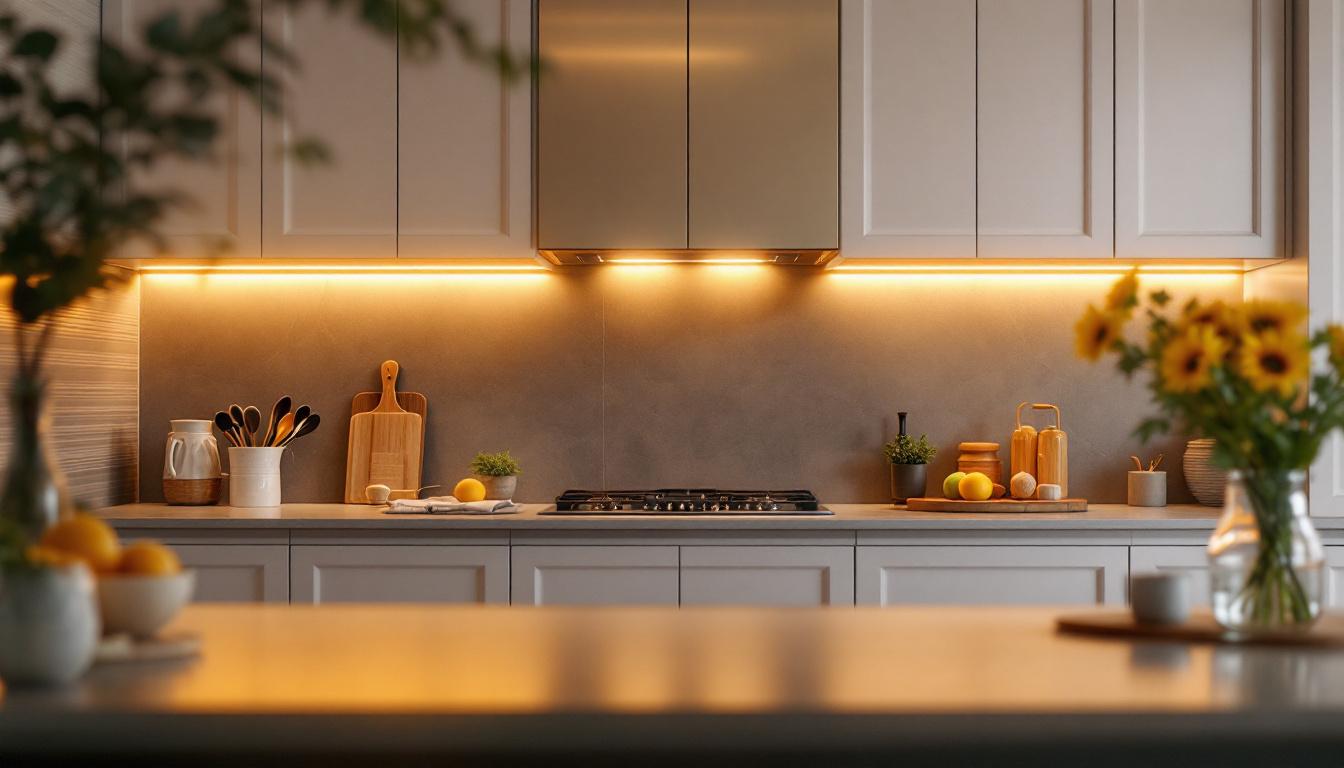
Above cabinet LED lighting refers to the installation of LED light strips or fixtures positioned on top of kitchen cabinets or other cabinetry units. The light is typically directed upwards towards the ceiling or backsplash, creating a soft glow that adds depth and dimension to the space. Unlike under-cabinet lighting, which illuminates countertops directly, above cabinet lighting serves primarily as accent lighting.
This lighting method is especially effective in kitchens with high ceilings or open layouts, where it can visually expand the space and contribute to a layered lighting scheme. It is also used in living rooms, dining areas, and even retail environments to accentuate cabinetry and architectural features.
Why Choose LED for Above Cabinet Lighting?
LED technology offers several advantages over traditional incandescent or fluorescent lighting for above cabinet applications. LEDs are highly energy-efficient, consuming up to 80% less energy than incandescent bulbs. They also have a significantly longer lifespan, often exceeding 25,000 hours, which reduces maintenance and replacement costs.
Moreover, LED lights generate very little heat, making them safe for installation in confined spaces above cabinets where heat buildup could be a concern. Their compact size and flexibility allow for seamless integration into tight or irregular spaces, ensuring a clean and modern look.
Types of LED Lighting for Above Cabinets
There are various types of LED lighting products suitable for above cabinet installation, each with distinct characteristics and benefits. Selecting the right type depends on factors such as desired brightness, color temperature, installation complexity, and budget.
LED Strip Lights
LED strip lights are among the most popular options for above cabinet lighting due to their versatility and ease of installation. These flexible strips come with adhesive backing, allowing them to be mounted on cabinet tops or inside crown molding effortlessly. They are available in different densities, measured in LEDs per meter, which affects the brightness and uniformity of the light.
Strip lights can be cut to size and connected with compatible connectors or soldered joints, making them adaptable to various cabinet lengths and configurations. Many LED strips offer dimmable features and color-changing capabilities, enabling users to customize the ambiance according to mood or occasion.
LED Puck Lights
LED puck lights are small, round fixtures that can be surface-mounted or recessed above cabinets. They provide focused pools of light and are often used to highlight specific areas or decorative objects. While puck lights tend to create more directional lighting compared to strips, they can be arranged in series to achieve a balanced glow.
These lights are typically easy to install and can be battery-operated or hardwired, offering flexibility for different installation scenarios. However, they may require more planning to avoid uneven lighting or shadows when used above cabinets.
LED Tape Lights
LED tape lights are similar to strip lights but are generally thinner and more flexible. They are ideal for creating continuous, seamless lines of light along cabinet tops or inside molding. Tape lights come in various color temperatures, from warm white to cool white, and some models include RGB options for dynamic color effects.
Because of their slim profile, tape lights can be concealed easily, ensuring that the light source itself is not visible, only the glow it produces. This feature is particularly desirable for achieving a sophisticated, minimalist look in contemporary kitchen designs.
Key Considerations for Installing Above Cabinet LED Lighting
Proper planning and installation are crucial to maximize the benefits of above cabinet LED lighting. Several factors should be taken into account to ensure the lighting is both functional and visually pleasing.
Brightness and Color Temperature
Choosing the right brightness level is essential. Above cabinet lighting is meant to be subtle and ambient rather than overpowering. A light output between 100 to 300 lumens per linear foot is generally recommended. This range provides enough illumination to create a warm glow without competing with primary light sources.
Color temperature influences the mood of the space. Warm white (2700K–3000K) creates a cozy and inviting atmosphere, ideal for traditional or rustic kitchens. Neutral white (3500K–4100K) offers a balanced and natural look suitable for most modern interiors, while cool white (5000K–6500K) delivers a crisp, clean light often favored in contemporary or industrial designs.
Power Supply and Wiring
Above cabinet LED lighting requires a reliable power source. Many LED strips and tape lights operate on low-voltage DC power, typically 12V or 24V, which necessitates the use of a transformer or driver to convert household AC voltage. Selecting the correct power supply is vital to prevent flickering, dimming, or premature failure of the LEDs.
Wiring should be discreetly routed to maintain a clean aesthetic. This may involve running cables through walls, ceilings, or inside cabinetry. For DIY installations, plug-in LED kits with built-in transformers offer convenience but may limit placement options. Professional installation is recommended for hardwired systems to ensure safety and code compliance.
Controls and Dimming Options
Incorporating dimmers or smart controls enhances the versatility of above cabinet LED lighting. Dimming allows users to adjust the light intensity to suit different times of day or activities, adding to the ambiance and energy savings. Many LED products are compatible with standard dimmer switches, but it is important to verify compatibility before purchase.
Smart LED lighting systems can be integrated with home automation platforms, enabling remote control via smartphones or voice assistants. Features such as scheduling, color changing, and scene setting provide additional customization and convenience.
Benefits of Above Cabinet LED Lighting
Beyond aesthetics, above cabinet LED lighting offers several practical advantages that contribute to its growing popularity in residential and commercial settings.
Enhanced Ambiance and Visual Appeal
The soft, indirect glow created by above cabinet lighting adds depth and warmth to a room, making it feel more inviting and spacious. It highlights architectural details such as crown molding and ceiling textures, which might otherwise go unnoticed. This layered lighting approach complements task and ambient lighting, creating a balanced and visually interesting environment.
Energy Efficiency and Longevity
LEDs consume significantly less electricity than traditional lighting options, which translates to lower utility bills and a smaller carbon footprint. Their long lifespan reduces the frequency of replacements, minimizing waste and maintenance efforts. This makes above cabinet LED lighting a sustainable choice for environmentally conscious consumers.
Improved Safety and Comfort
Because LEDs emit very little heat, they reduce the risk of fire hazards associated with incandescent bulbs, especially in confined spaces above cabinets. The indirect lighting also reduces glare and harsh shadows, contributing to a more comfortable visual experience. This is particularly beneficial in kitchens where multiple lighting layers are essential for both function and style.
Common Challenges and Solutions
While above cabinet LED lighting offers many benefits, some challenges can arise during selection and installation. Understanding these potential issues helps in planning a successful lighting project.
Uneven Lighting and Shadows
Improper placement or insufficient LED density can cause uneven illumination, resulting in dark spots or harsh shadows. To avoid this, it is recommended to use high-density LED strips or combine strip lights with puck lights for more uniform coverage. Testing the lighting layout before final installation can help identify and correct problem areas.
Color Mismatch with Other Lighting
Mixing LED lights with different color temperatures or with existing incandescent or fluorescent fixtures can create an inconsistent look. To maintain harmony, it is advisable to select LED lights that match the color temperature of other light sources in the room. Using tunable white LEDs can also provide flexibility to adjust color temperature as needed.
Installation Complexity
Running wiring and mounting fixtures above cabinets can be challenging, especially in older homes or retrofits. Professional installation ensures that electrical connections meet safety standards and that the lighting is securely mounted. For DIY enthusiasts, choosing plug-and-play LED kits with clear instructions can simplify the process.
Trends and Innovations in Above Cabinet LED Lighting
The LED lighting industry continues to evolve, bringing new technologies and design possibilities for above cabinet applications.
Smart and Connected Lighting
Integration with smart home systems is becoming increasingly common. LED lights can now be controlled via apps, voice commands, or automated schedules. This connectivity allows for dynamic lighting scenes that adapt to different times of day or activities, enhancing user experience and energy management.
Human-Centric Lighting
Advancements in LED technology enable tunable white lighting that mimics natural daylight patterns, supporting circadian rhythms and improving well-being. Above cabinet lighting can be programmed to shift color temperature throughout the day, promoting alertness in the morning and relaxation in the evening.
Design Customization
Manufacturers offer a wide range of LED products with customizable features such as color, intensity, and beam angle. This flexibility allows designers to tailor lighting solutions to specific architectural styles and personal preferences. Additionally, ultra-thin and flexible LED strips enable creative installations in previously inaccessible spaces.
Conclusion
Above cabinet LED lighting is a sophisticated and practical way to enhance interior spaces. Its ability to provide subtle, indirect illumination while highlighting architectural details makes it a favored choice among designers and homeowners alike. By understanding the types of LED lighting available, key installation considerations, and emerging trends, individuals can create lighting solutions that are both beautiful and efficient.
Whether upgrading an existing kitchen or designing a new space, investing in quality above cabinet LED lighting can transform the atmosphere, improve functionality, and contribute to energy savings. As LED technology continues to advance, the possibilities for creative and impactful lighting displays will only expand, making this an exciting area to explore in interior lighting design.
Illuminate Your Space with LumenMatrix
Ready to elevate your interior with the sophisticated touch of above cabinet LED lighting? Discover the innovative solutions by LumenMatrix, a leader in LED display technology. From enhancing your home’s ambiance to transforming commercial spaces, our range of LED display modules—including Indoor and Outdoor LED Wall Displays, Vehicle LED Displays, and more—offers unparalleled brand visibility and captivating visual experiences. Embrace the future of visual communication with our cutting-edge digital signage and LED displays. Check out LumenMatrix LED Display Solutions today and let your space shine with clarity and impact.