In the rapidly evolving world of digital signage and display technology, understanding the nuances of LED displays is essential for businesses, advertisers, and technology enthusiasts alike. Among the many factors that determine the quality and effectiveness of an LED screen, resolution stands out as a critical specification. This article delves into the concept of LED display resolutions, with a focus on the term “Ada Resolutions,” exploring what it means, why it matters, and how it impacts the viewing experience.
What Are LED Displays?
LED (Light Emitting Diode) displays have become the cornerstone of modern digital signage, offering vibrant colors, high brightness, and energy efficiency. Unlike traditional LCD screens that rely on backlighting, LED displays use tiny diodes that emit their own light, resulting in better contrast and color accuracy. This technology not only enhances the viewing experience but also allows for thinner and lighter screens, making them ideal for various applications.
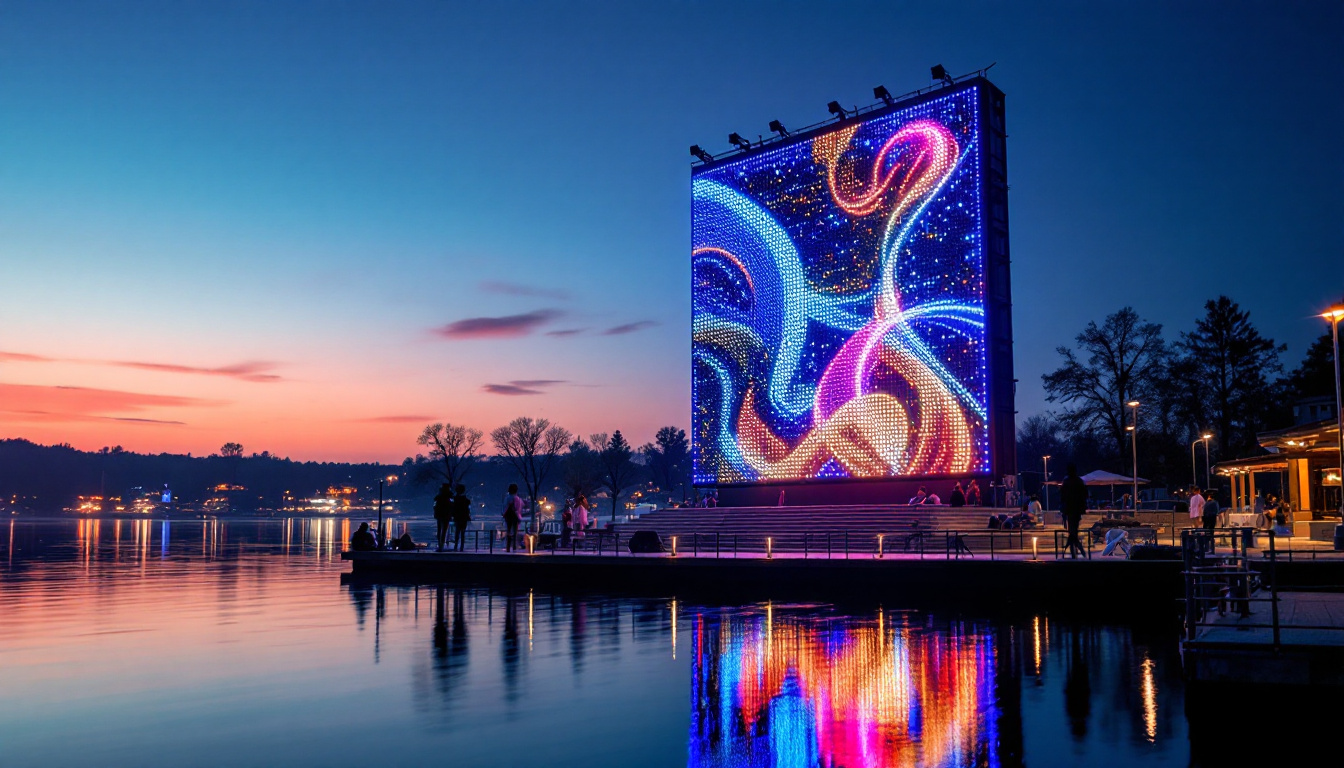
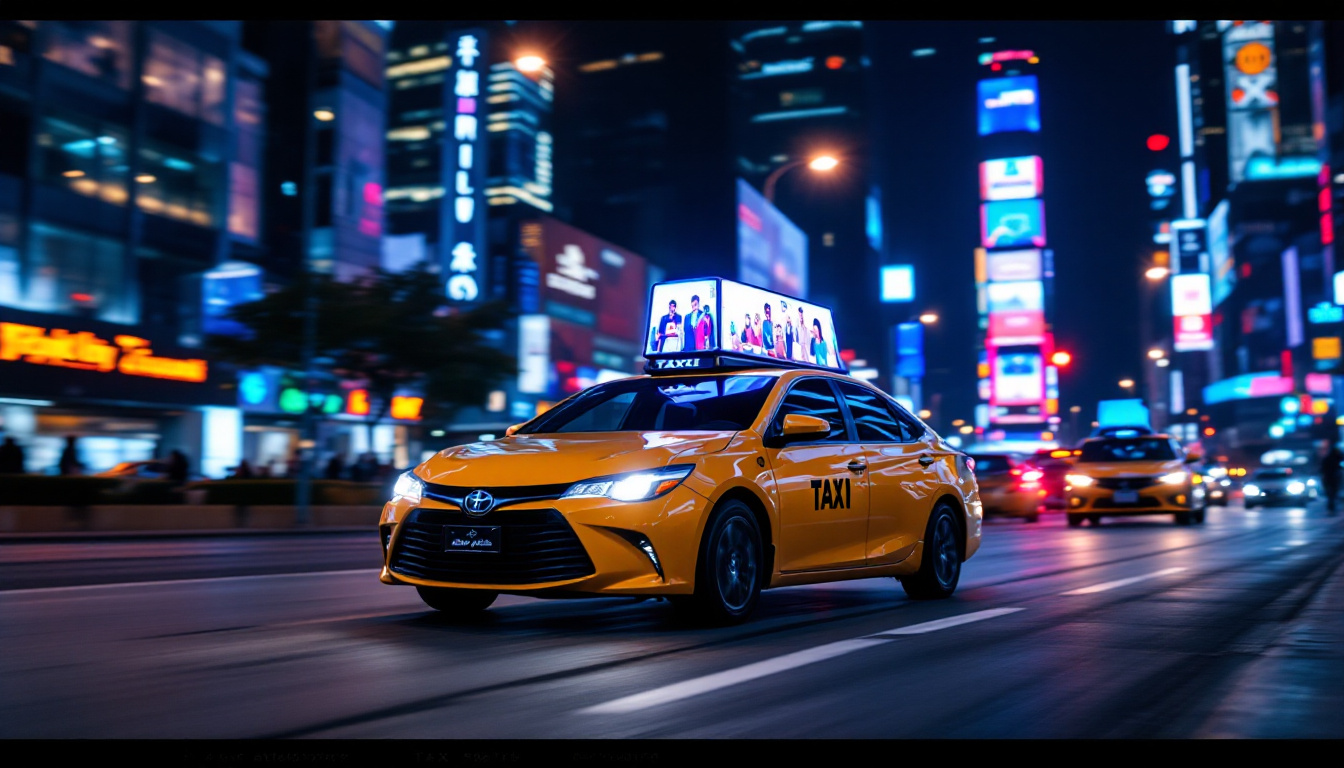
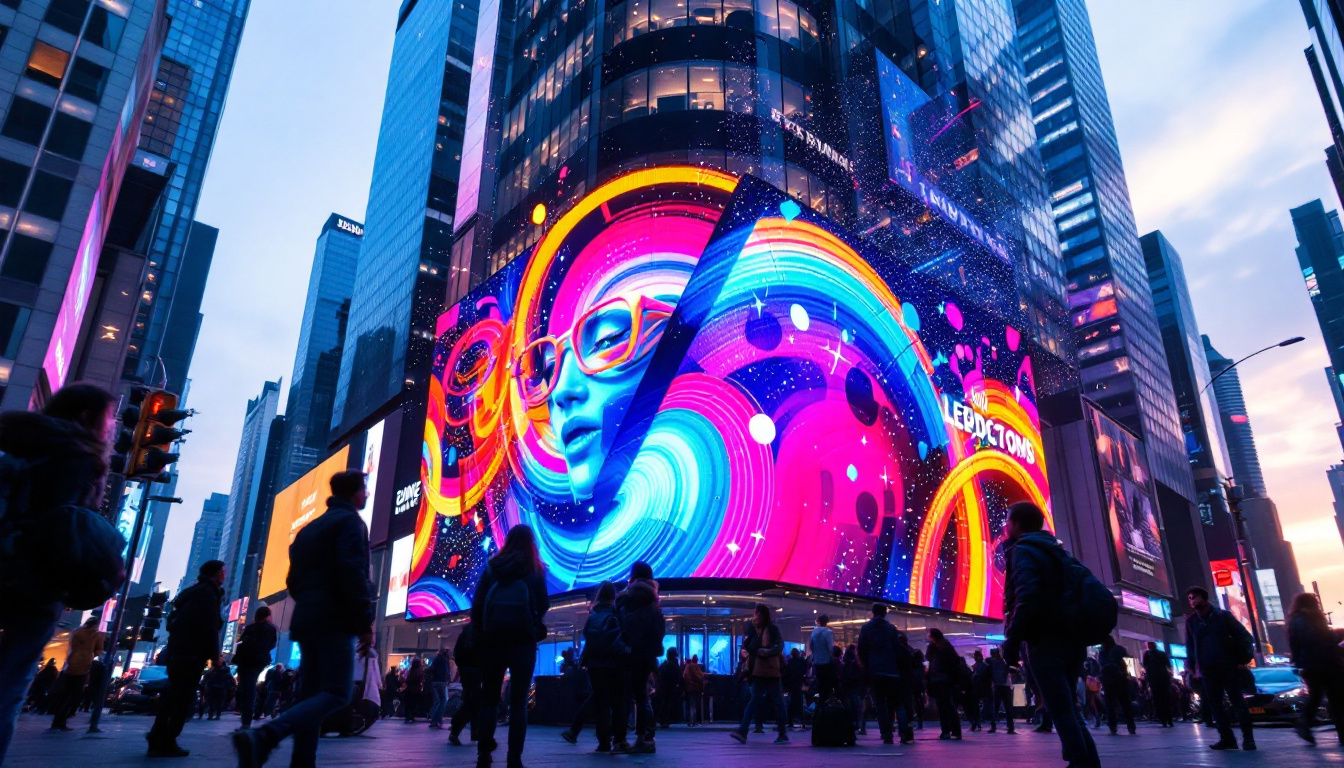
These displays are widely used in various applications, from large outdoor billboards and stadium screens to indoor advertising panels and even wearable technology. Their versatility and scalability make them a preferred choice for delivering dynamic visual content in both public and private spaces. In addition, LED displays are increasingly being integrated into smart city infrastructures, providing real-time information and advertisements that can be updated remotely, thus enhancing urban life and engagement.
Types of LED Displays
LED displays come in several forms, primarily categorized by their pixel pitch and configuration:
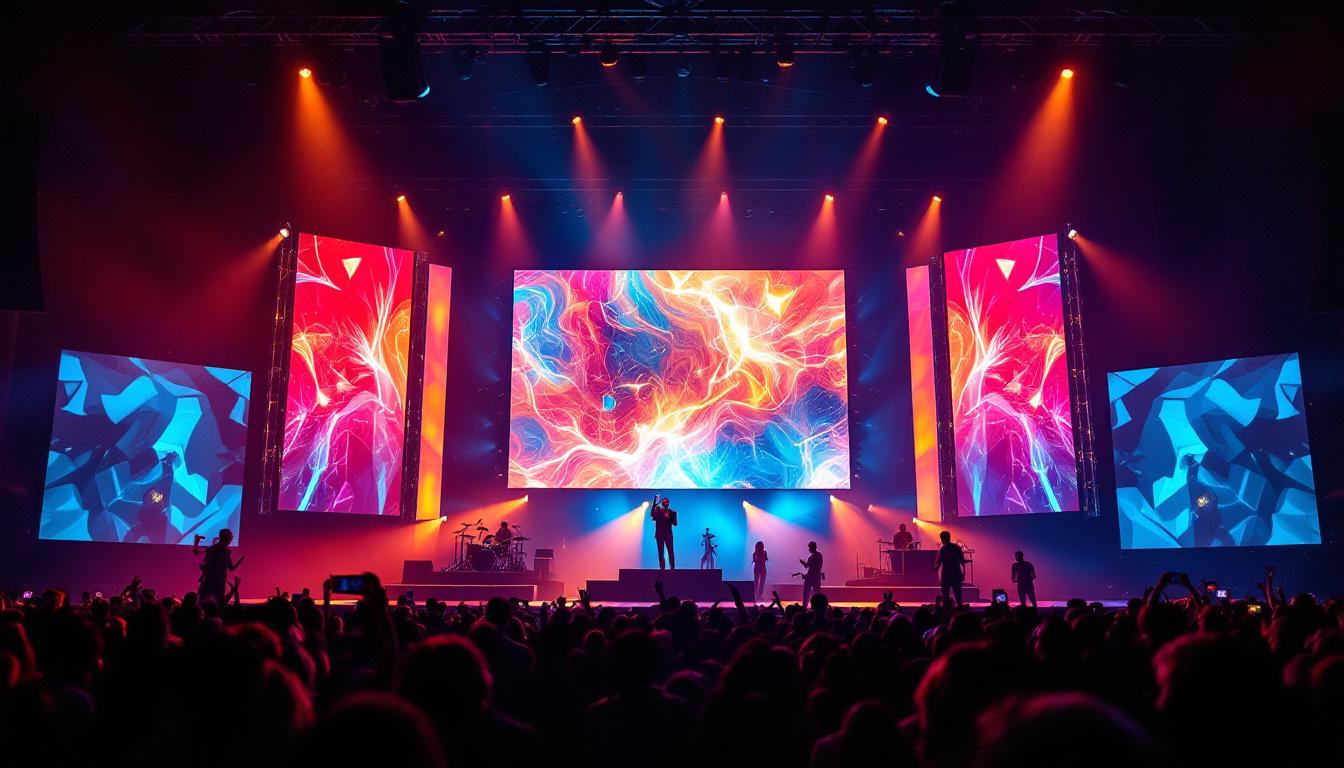
- Direct View LED (DVLED): These displays consist of individual LEDs arranged to form pixels. They are typically used for large-scale outdoor and indoor screens, such as those found in sports arenas and concert venues, where high visibility and impact are crucial.
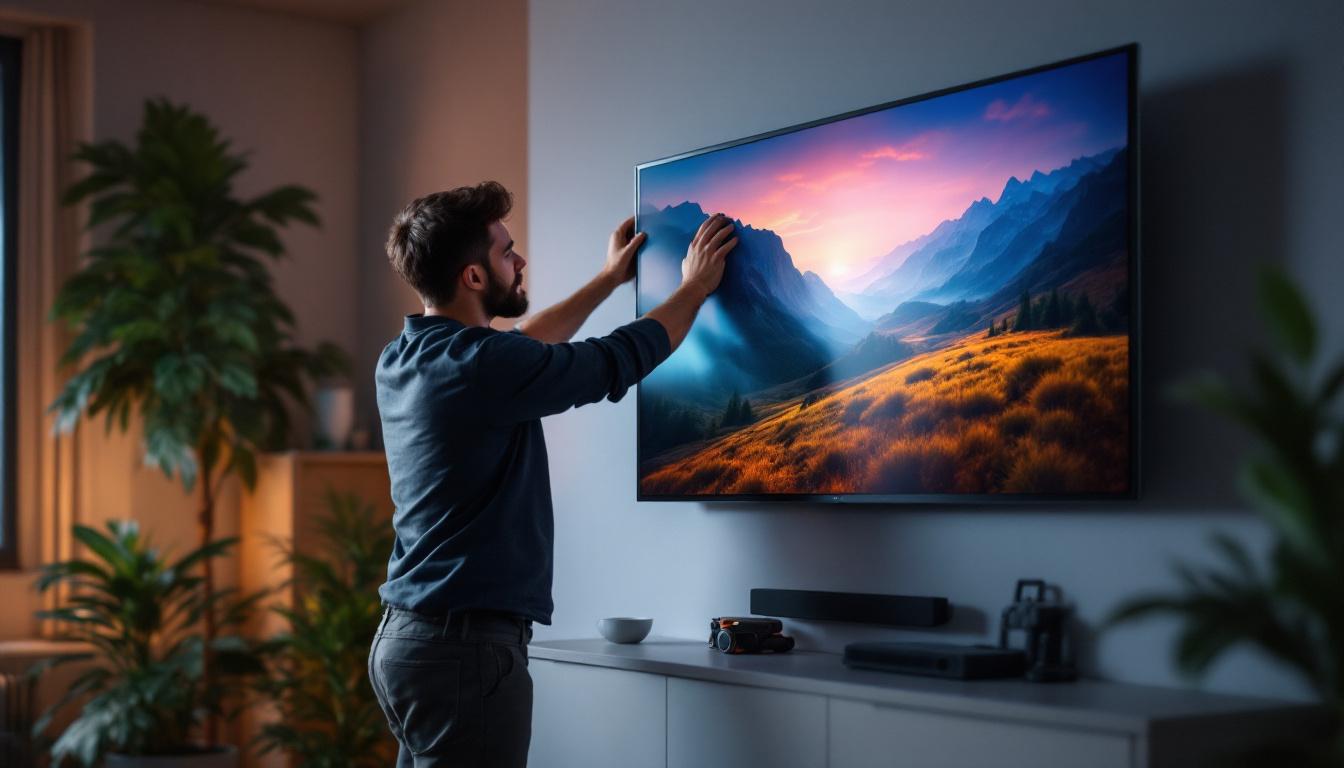
- LED-backlit LCD: Common in consumer electronics, these use LEDs as a backlight source behind an LCD panel. This combination allows for thinner screens while maintaining excellent color reproduction, making them popular in televisions and computer monitors.
- MicroLED: An emerging technology that offers even finer resolution and brightness by using microscopic LEDs as individual pixels. MicroLED displays promise to revolutionize the industry with their potential for seamless designs and superior performance, paving the way for innovative applications in everything from virtual reality headsets to ultra-high-definition televisions.
Furthermore, the advancements in LED technology have led to the development of flexible and transparent displays, which can be integrated into a variety of surfaces, including windows and walls. This innovation opens up new possibilities for advertising and information dissemination in retail environments, allowing brands to create immersive experiences that capture consumer attention in ways that traditional signage cannot. As LED technology continues to evolve, we can expect even more groundbreaking applications that enhance our interaction with digital content in everyday life.
Understanding Resolution in LED Displays
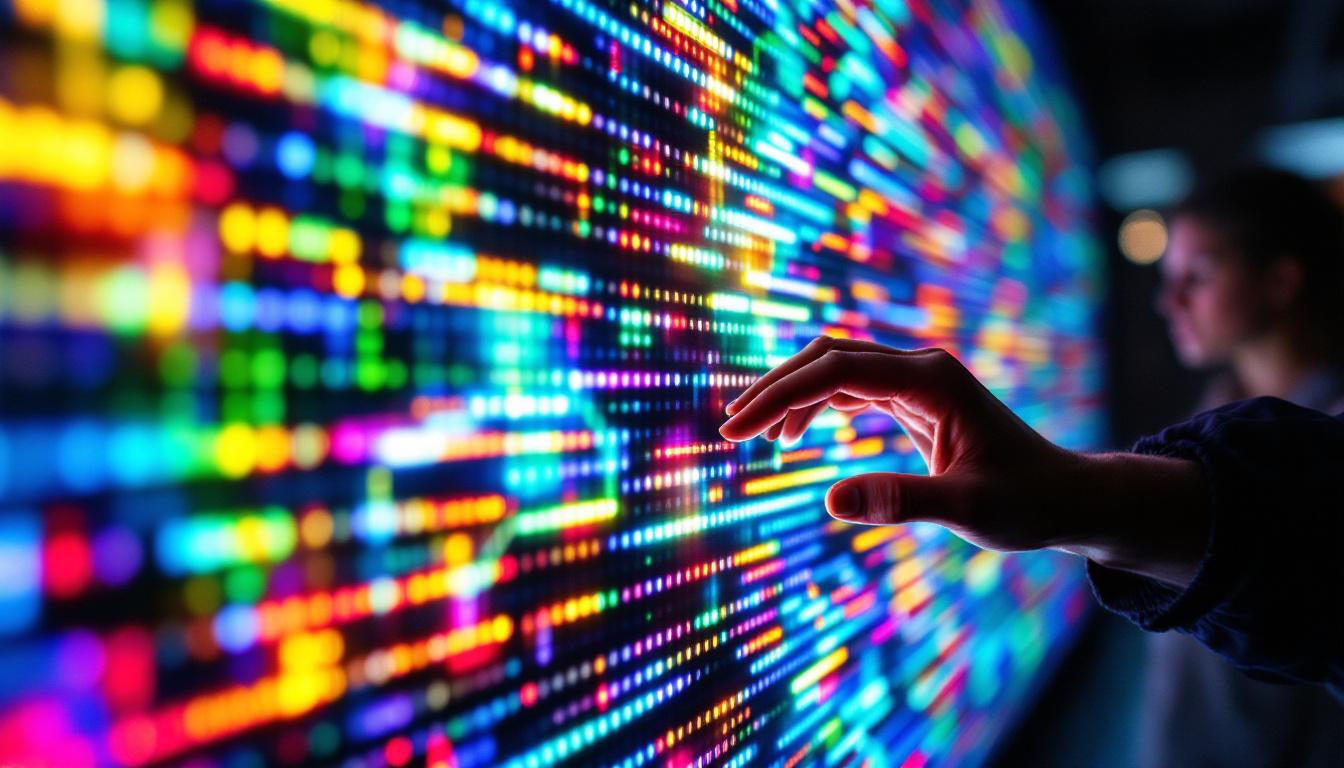
Resolution refers to the number of pixels that make up the display screen, usually expressed in terms of width × height (e.g., 1920×1080). Each pixel consists of one or more LEDs that emit light to create an image. The higher the resolution, the more pixels are packed into the display, resulting in sharper and more detailed images.
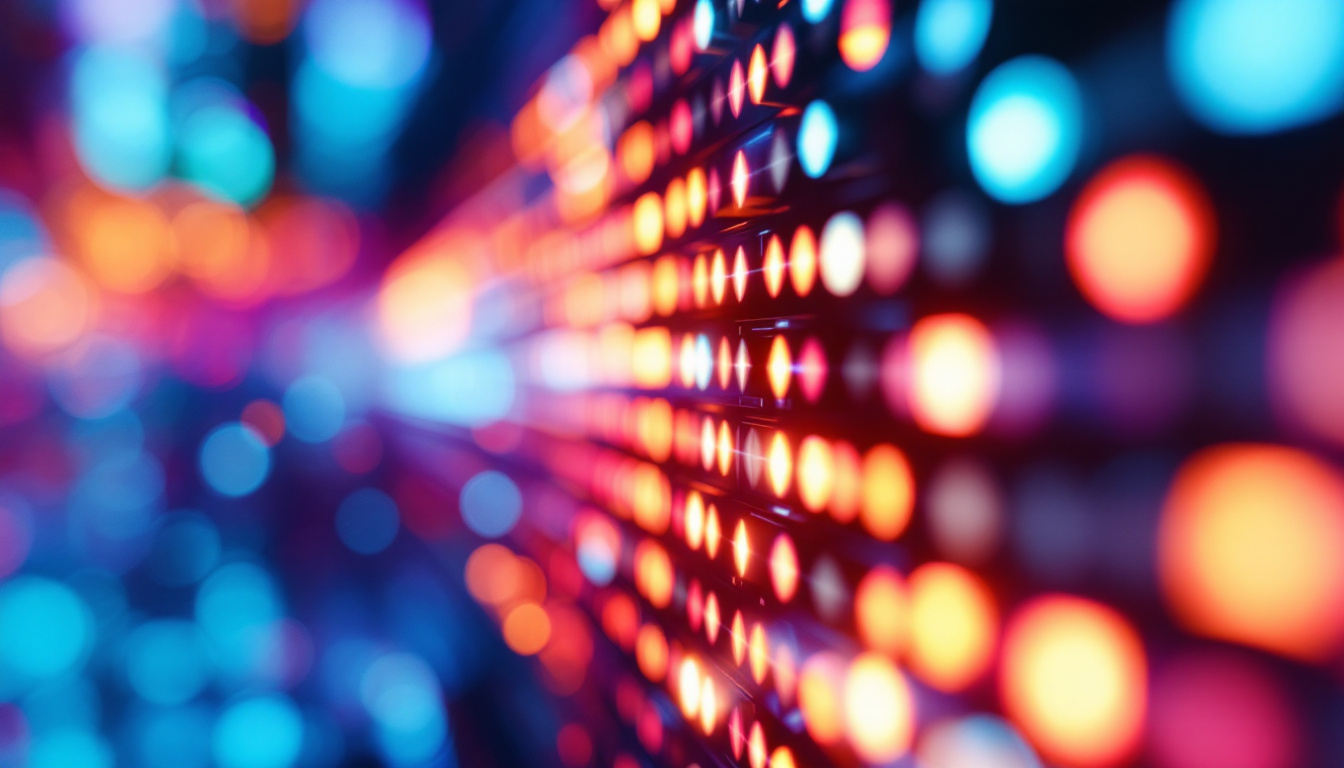
For LED displays, resolution is directly related to pixel pitch, which is the distance between the centers of two adjacent pixels. A smaller pixel pitch means more pixels per unit area and thus a higher resolution.
Pixel Pitch and Its Impact
Pixel pitch is measured in millimeters and is a key determinant of image clarity and viewing distance. For example, a pixel pitch of 1.5 mm means the pixels are spaced 1.5 millimeters apart. Displays with smaller pixel pitches are ideal for close viewing distances, such as indoor retail screens, while larger pixel pitches are suitable for outdoor billboards viewed from afar.
Choosing the right pixel pitch and resolution depends on the intended application and the typical distance from which viewers will observe the display. Incorrect choices can lead to pixelation or unnecessarily high costs without visible benefits.
What Are Ada Resolutions?
The term “Ada Resolutions” is not a standard industry phrase but can be interpreted as a specialized or branded resolution standard related to LED displays. In some contexts, “Ada” might refer to adaptive resolutions or a proprietary resolution scaling technology designed to optimize LED display performance under varying conditions.
In the broader sense, Ada Resolutions could represent a set of resolution guidelines or presets aimed at balancing image quality, power consumption, and hardware capabilities in LED displays.
Adaptive Resolution Technologies
Adaptive resolution technologies dynamically adjust the resolution of a display based on content, ambient light, or power constraints. This approach helps maintain optimal image quality while reducing energy consumption and extending the lifespan of the display.
For example, an LED billboard might lower its resolution during nighttime or when displaying less detailed content, conserving energy without compromising viewer experience. Such adaptive systems are gaining traction as sustainability and cost-efficiency become priorities.
Why Resolution Matters in LED Displays
Resolution is more than just a technical specification; it directly influences the effectiveness of an LED display in communicating its message. High-resolution displays offer several advantages:
Enhanced Visual Clarity and Detail
Higher resolution means more pixels, which translates to finer detail and smoother images. This is crucial for content that includes text, intricate graphics, or high-definition video. For example, retail stores benefit from high-resolution indoor LED displays that showcase products with vivid clarity, attracting customers and enhancing brand perception.
Improved Viewing Experience
Audience engagement increases when the content is visually appealing and easy to comprehend. A display with insufficient resolution can appear pixelated or blurry, especially when viewed up close. This can deter viewers and reduce the impact of advertising or informational content.
Flexibility in Content Creation
High-resolution LED displays allow content creators to design more complex and visually rich media. This flexibility supports a wider range of applications, from interactive digital signage to immersive event backdrops.
Factors Influencing LED Display Resolution Choices
Selecting the appropriate resolution for an LED display involves balancing multiple factors beyond just pixel count. Understanding these considerations helps ensure the display meets its functional and budgetary goals.
Viewing Distance
The optimal resolution depends heavily on how far the audience will be from the display. For example, a large outdoor billboard with a viewing distance of 50 meters or more can use a lower resolution (larger pixel pitch) without compromising perceived image quality. Conversely, indoor displays viewed from a few meters require higher resolutions.
Display Size
Larger displays naturally require more pixels to maintain image quality. However, increasing resolution exponentially raises the number of LEDs needed, impacting cost and power consumption.
Content Type
Static images, text-heavy content, and video each have different resolution demands. Video content, especially high-definition video, benefits significantly from higher resolutions to avoid visible pixelation and maintain smooth playback.
Budget and Energy Efficiency
Higher resolution displays are more expensive and consume more power. Businesses must weigh the benefits of enhanced image quality against the increased operational costs. Adaptive resolution technologies, such as those potentially encompassed by “Ada Resolutions,” can help optimize this balance.
Current Trends in LED Display Resolution
The LED display industry is witnessing rapid advancements driven by demand for higher quality visuals and energy-efficient solutions. Several trends are shaping the future of LED resolutions:
MicroLED and Ultra-High Resolutions
MicroLED technology promises resolutions comparable to OLED and LCD screens but with superior brightness and durability. This technology enables ultra-fine pixel pitches below 1 mm, ideal for premium indoor applications such as control rooms and luxury retail environments.
4K and Beyond
4K resolution (3840×2160 pixels) is becoming increasingly common in large LED displays, especially for indoor use. Some manufacturers are pushing towards 8K resolutions for specialized applications, offering unprecedented detail and immersion.
Integration with AI and Content Management Systems
Advanced content management systems leverage artificial intelligence to optimize resolution and content display dynamically. These systems analyze environmental factors and viewer behavior to adjust resolution and brightness, enhancing both user experience and energy efficiency.
Practical Applications of LED Display Resolutions
Understanding resolution helps businesses and organizations select the right LED display for their specific needs. Here are some practical examples:
Outdoor Advertising
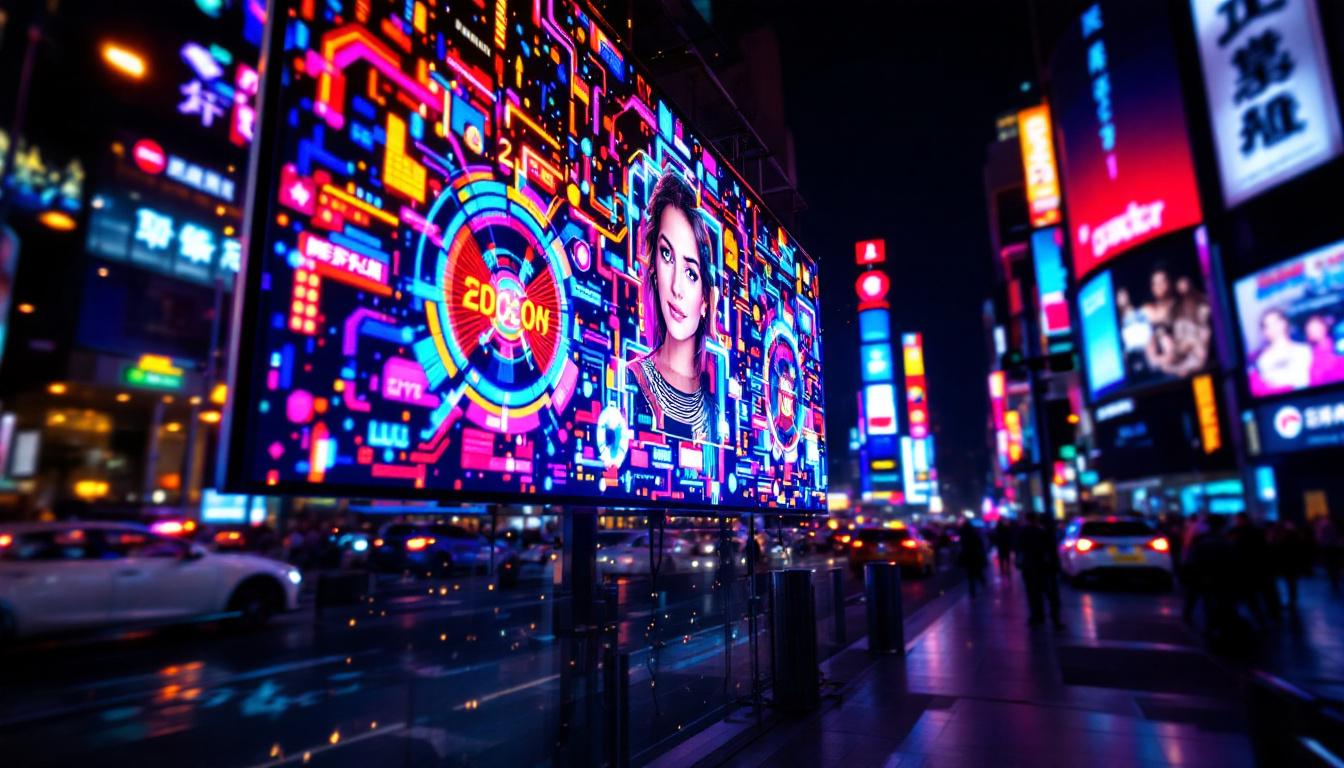
Billboards and digital signage in urban environments often use resolutions with pixel pitches ranging from 6 mm to 20 mm. These displays prioritize visibility from long distances and durability against weather conditions.
Indoor Retail and Corporate Displays
Indoor LED displays typically feature pixel pitches between 1.2 mm and 4 mm, delivering crisp images for close-range viewing. These are ideal for product showcases, interactive kiosks, and corporate presentations.
Event and Entertainment Venues
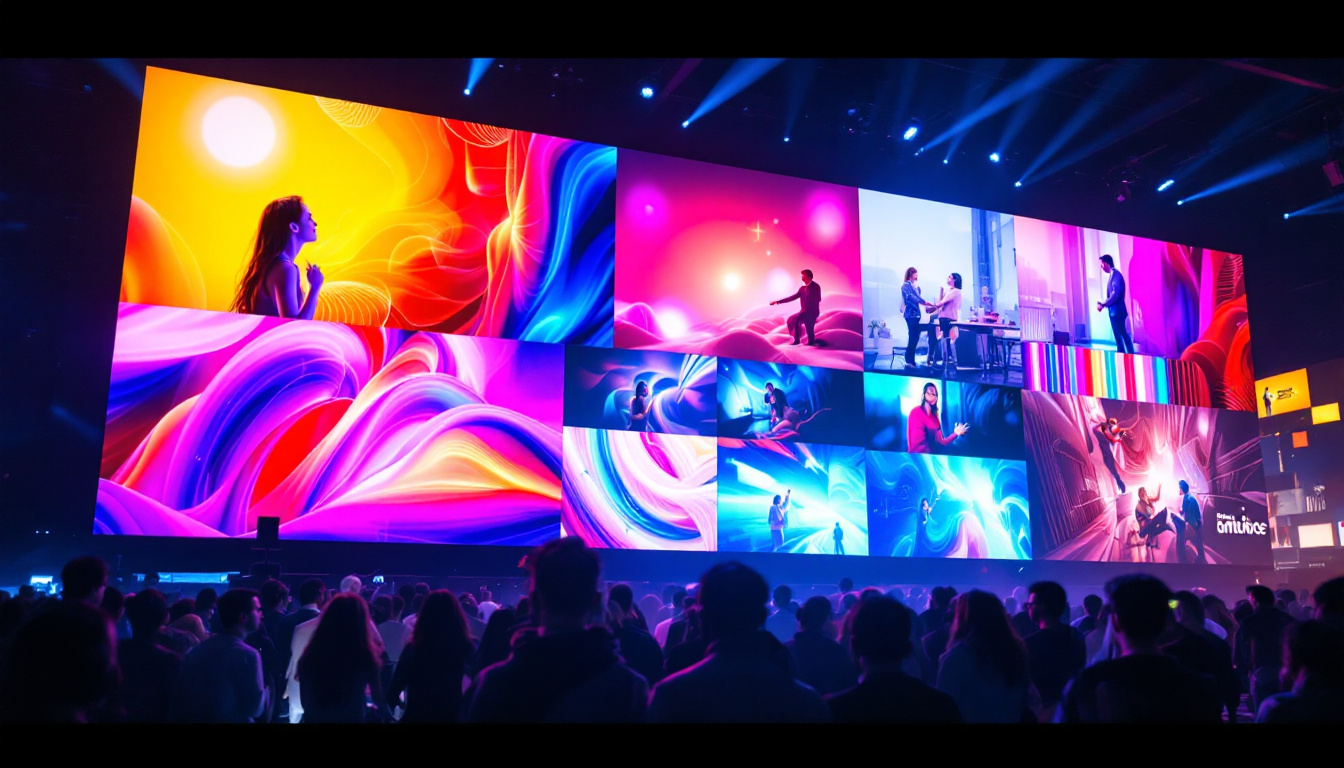
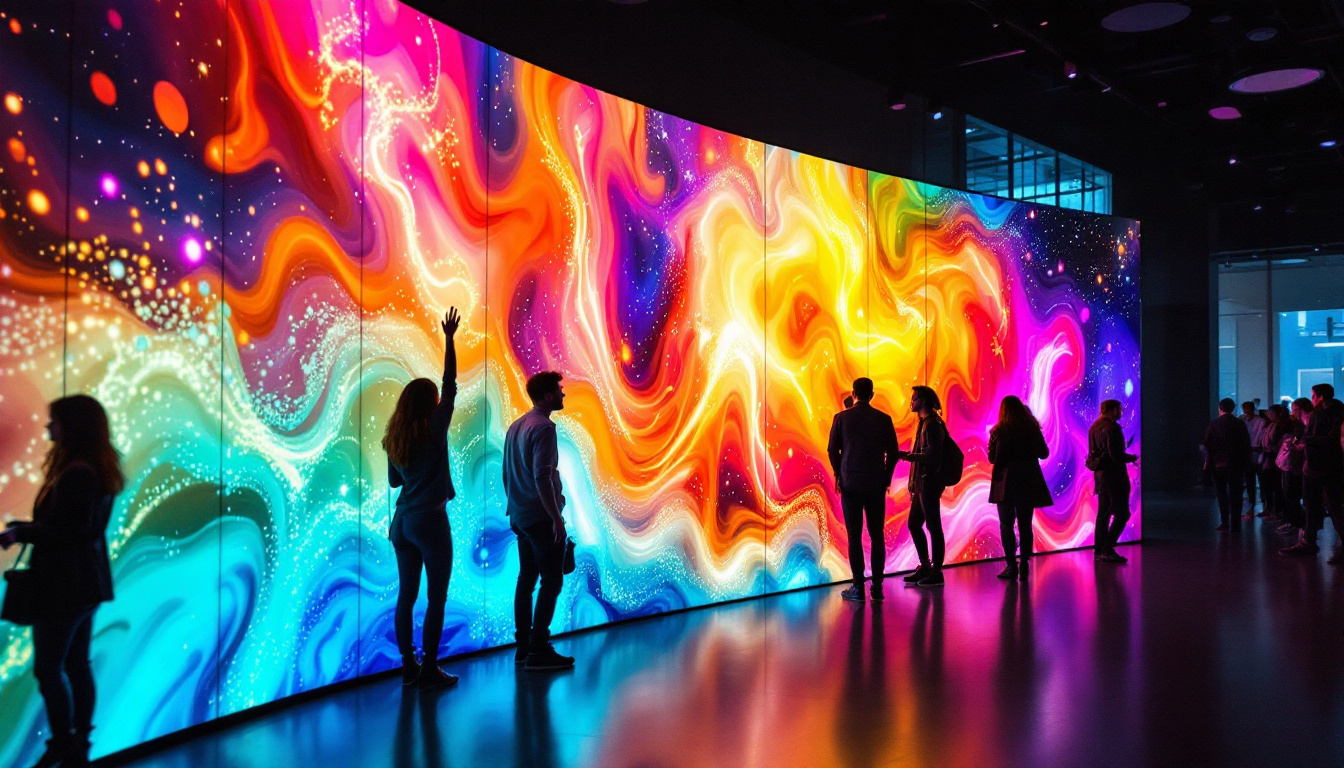
Concerts, sports arenas, and theaters utilize high-resolution LED screens to provide immersive experiences. These displays often combine large size with fine pixel pitches to ensure visibility from various angles and distances.
Choosing the Right LED Display Resolution: A Checklist
When selecting an LED display, consider the following to ensure optimal resolution choice:
- Determine the typical viewing distance: Closer distances require higher resolution.
- Assess the content type: Video and detailed graphics need finer resolution.
- Evaluate the environment: Indoor vs. outdoor use impacts pixel pitch and brightness requirements.
- Consider budget constraints: Balance resolution needs with cost and energy consumption.
- Explore adaptive technologies: Look for displays that can adjust resolution dynamically for efficiency.
Conclusion
LED display resolution is a fundamental factor influencing the quality, effectiveness, and cost of digital signage solutions. While the term “Ada Resolutions” may refer to adaptive or specialized resolution standards, the core principles remain consistent: balancing pixel density, viewing distance, content requirements, and budget to achieve the best visual outcome.
As LED technology continues to advance, with innovations like MicroLED and AI-driven content optimization, the future promises even more impressive and efficient display solutions. Understanding these concepts empowers businesses and consumers to make informed decisions, ensuring their LED displays deliver maximum impact and value.
Discover LumenMatrix’s Advanced LED Solutions
Ready to elevate your visual communication with high-resolution LED displays? LumenMatrix is at the forefront of LED technology, offering a wide array of innovative solutions tailored to your needs. From captivating Indoor LED Walls to dynamic Outdoor LED Displays and beyond, our products are designed to make your brand shine and engage your audience like never before. Check out LumenMatrix LED Display Solutions today and step into the future of digital signage.