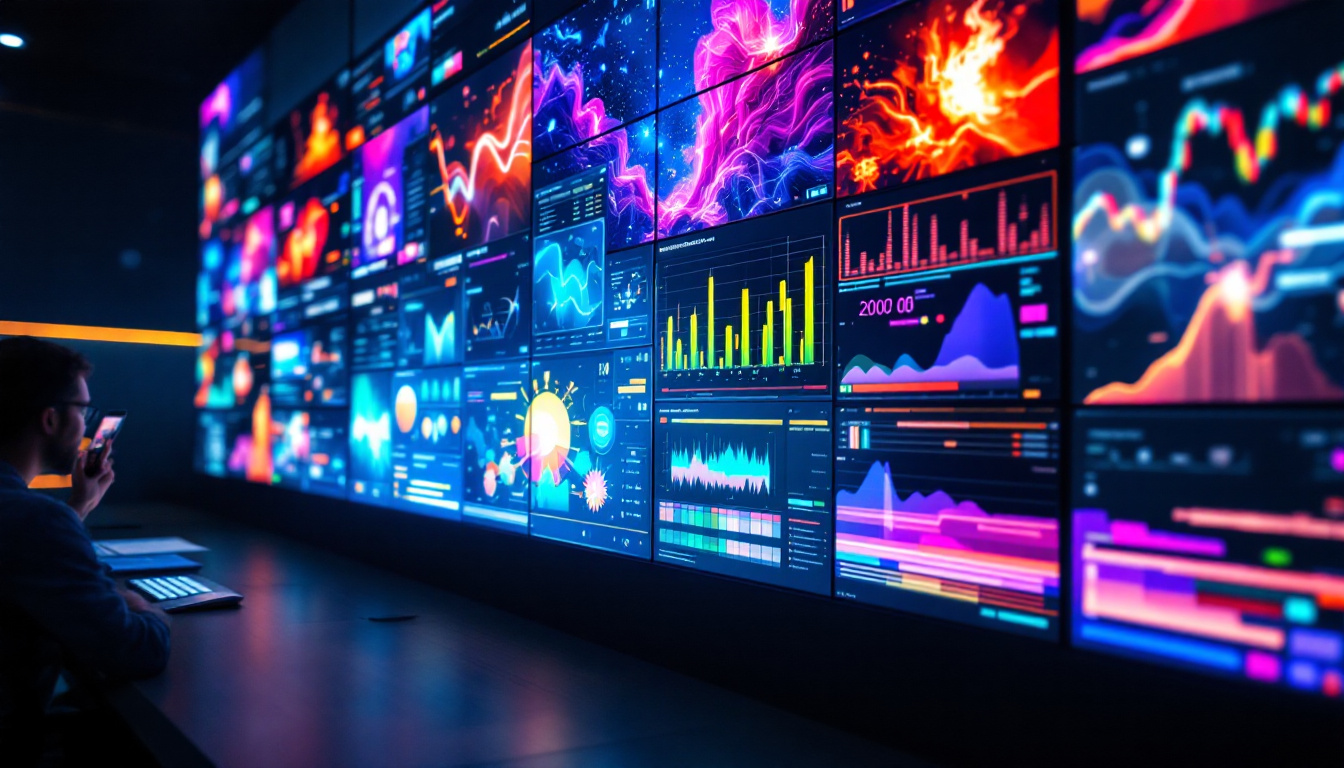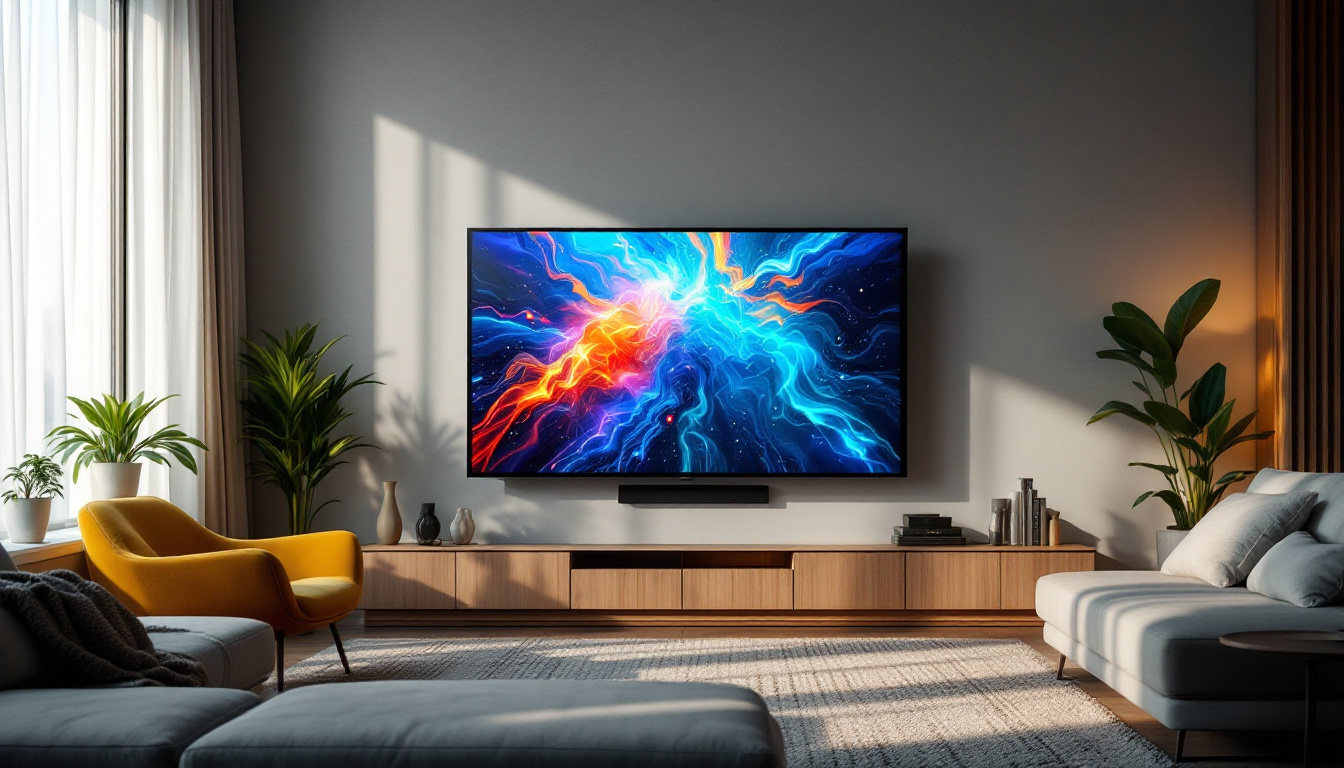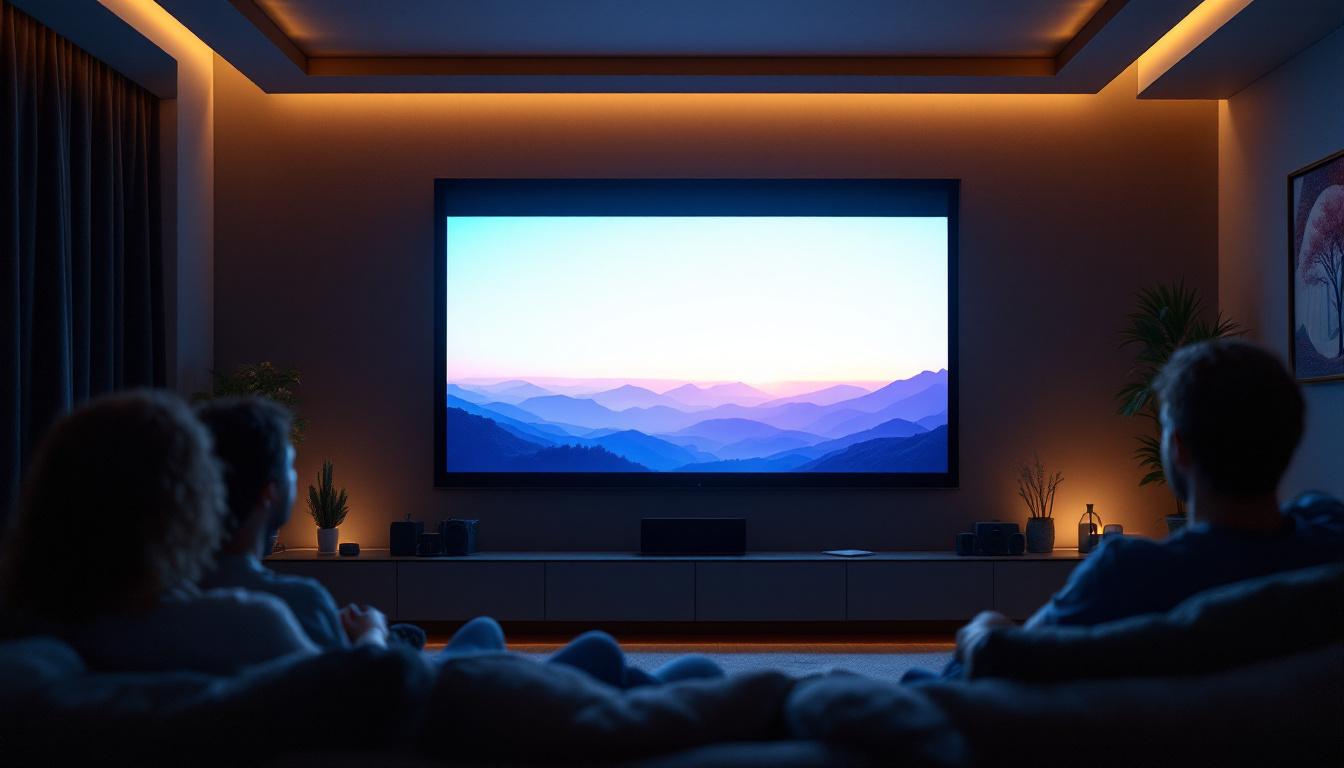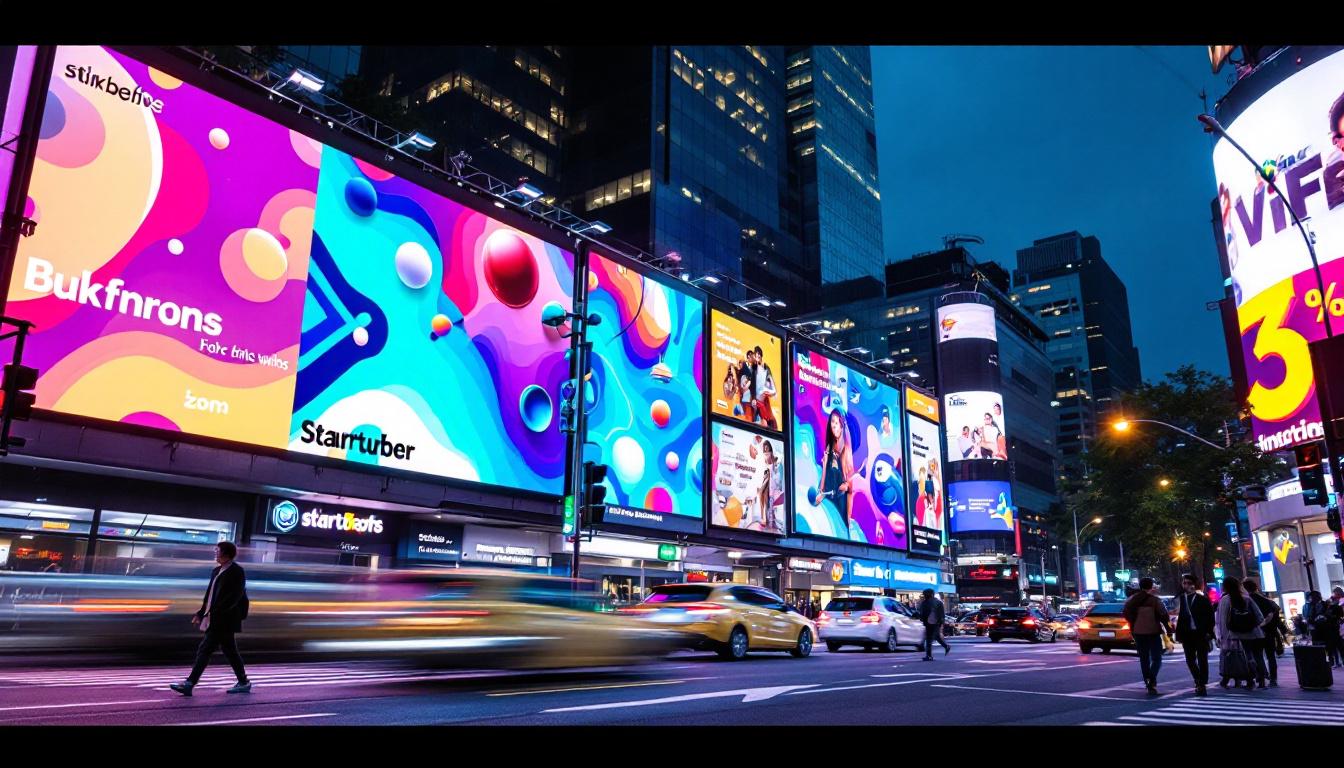
In the rapidly evolving world of advertising, LED displays have become a cornerstone technology, transforming how brands communicate with audiences. From vibrant billboards in bustling city centers to dynamic screens in retail environments, LED displays offer unparalleled visibility and engagement. This article delves into the fundamentals of LED display technology, explores its applications in advertising, and highlights why it has become an indispensable tool for marketers worldwide.
Understanding LED Display Technology
What is an LED Display?
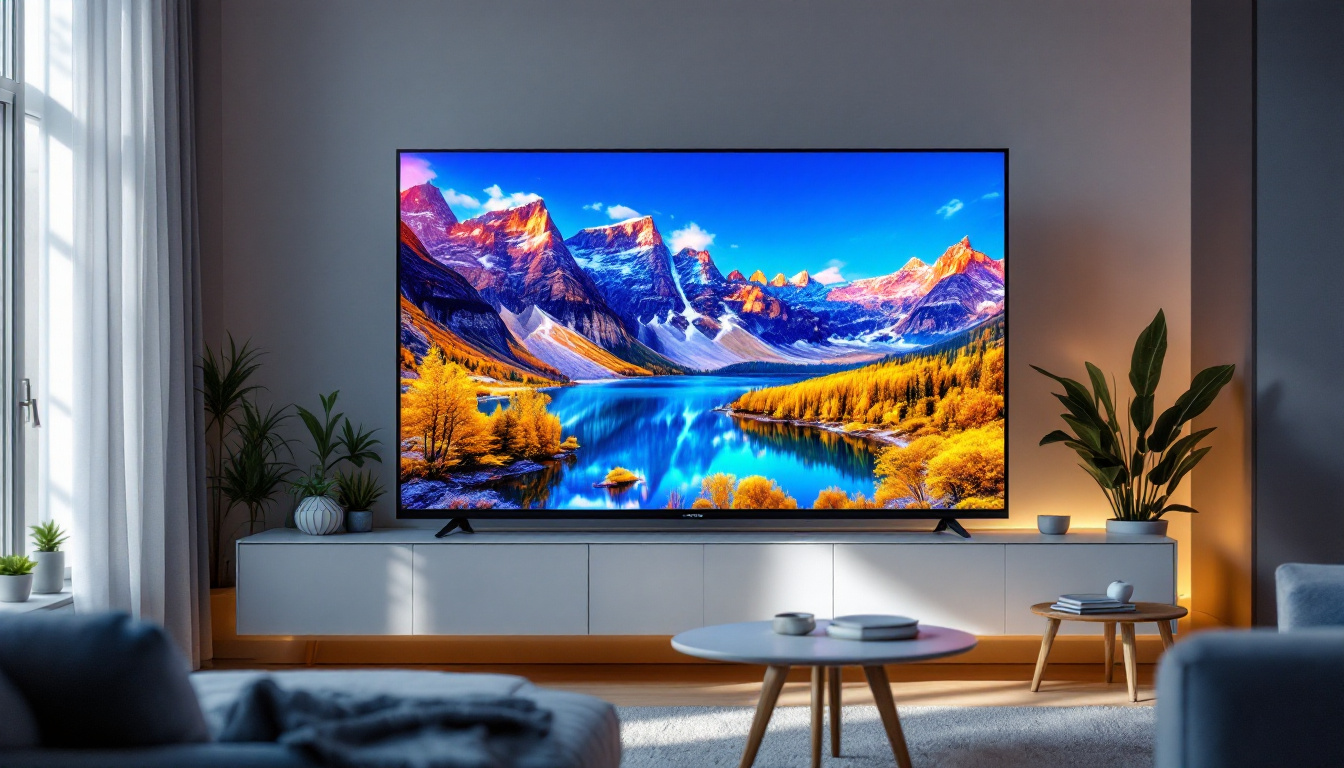
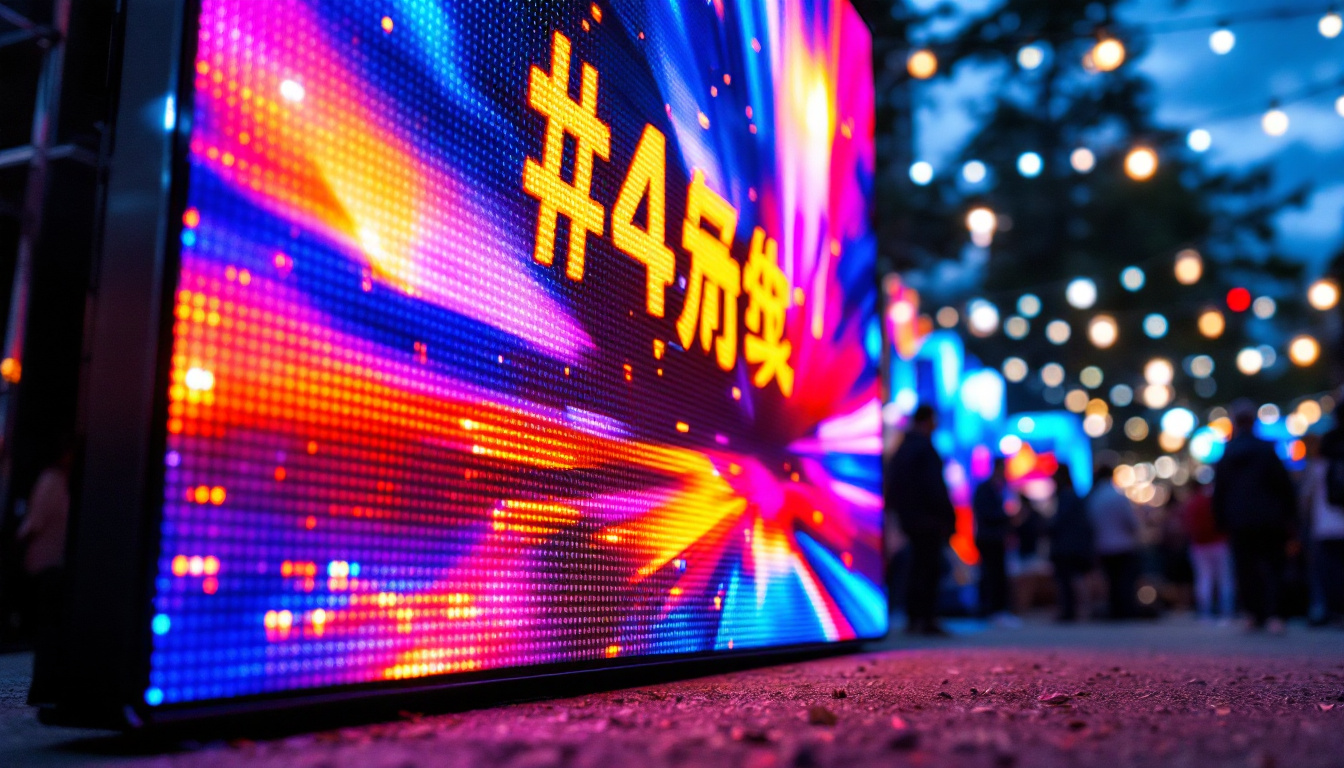
LED, or Light Emitting Diode, displays consist of numerous tiny diodes that emit light when an electrical current passes through them. Unlike traditional display technologies such as LCD or plasma, LEDs produce their own light, which results in brighter images and higher contrast ratios. This self-illumination capability allows LED displays to perform exceptionally well in various lighting conditions, including direct sunlight.
Modern LED displays are composed of arrays of these diodes arranged in pixels. Each pixel typically contains red, green, and blue LEDs, which combine to produce a full spectrum of colors. The density of these pixels, measured in pixel pitch (the distance between the centers of two adjacent pixels), determines the display’s resolution and clarity. Smaller pixel pitches yield sharper images, making them ideal for close viewing distances. Moreover, advancements in technology have led to the development of flexible LED displays, which can be bent or shaped to fit unique spaces, opening up new possibilities for creative installations in both commercial and artistic environments.
Types of LED Displays
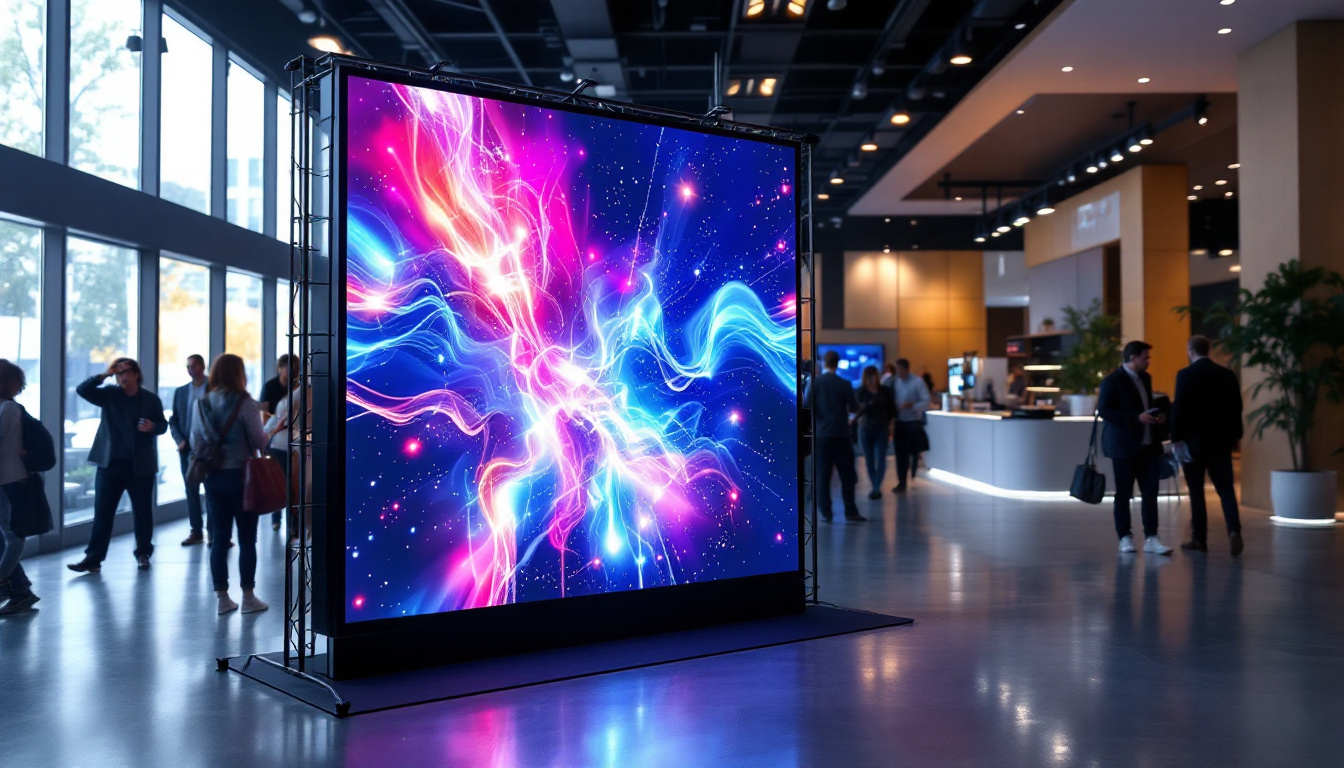
There are primarily two types of LED displays used in advertising: indoor and outdoor LED screens. Indoor LED displays tend to have a smaller pixel pitch, often ranging from 1 to 4 millimeters, providing high-definition visuals suitable for close-range viewing in malls, airports, and conference centers. These displays are not only used for advertisements but also for dynamic information sharing, such as flight schedules or event announcements, enhancing the overall experience for visitors.
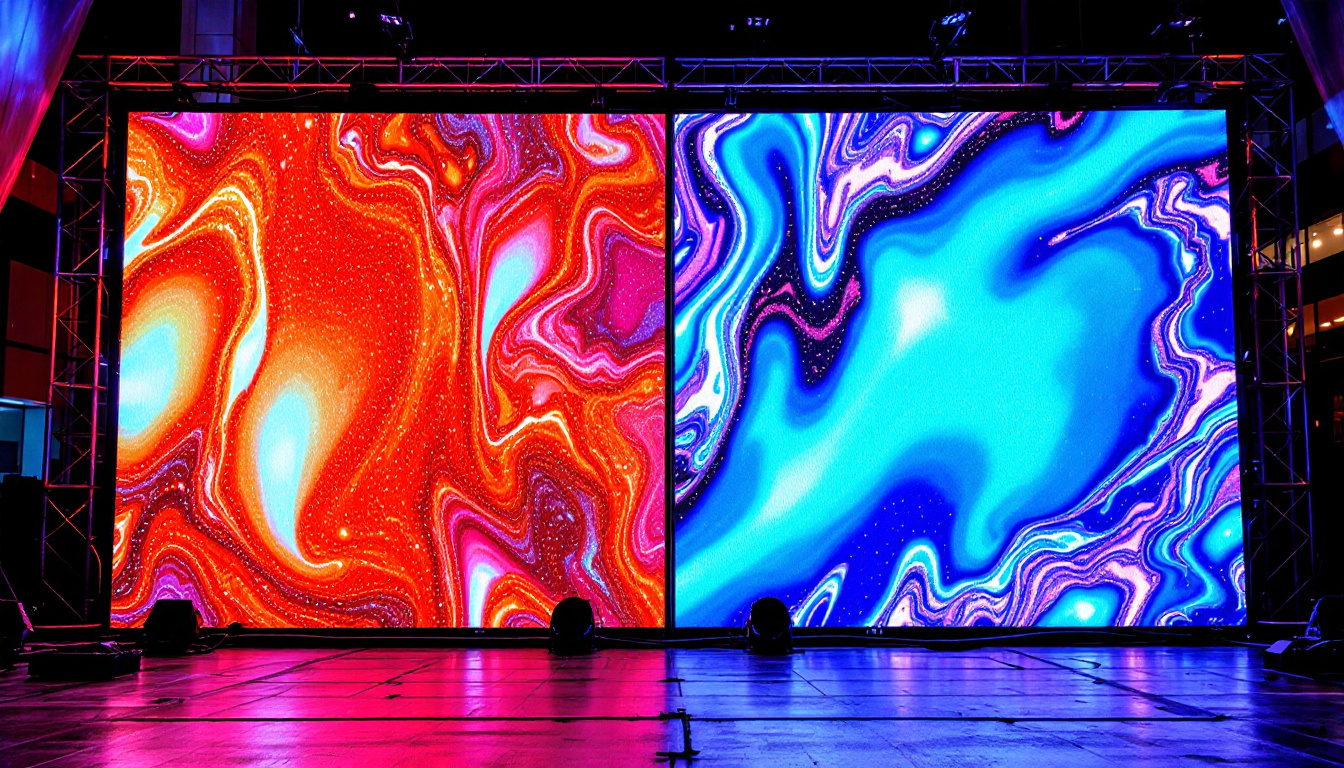
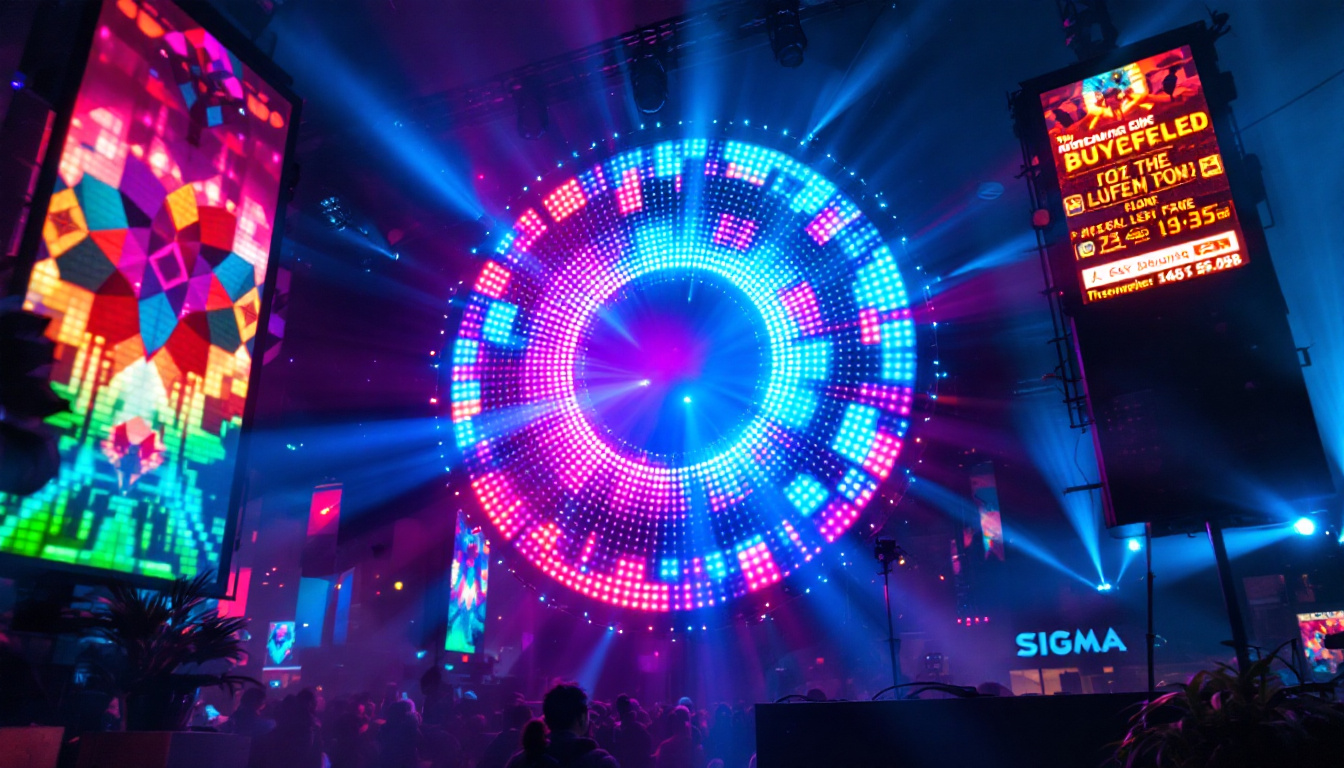
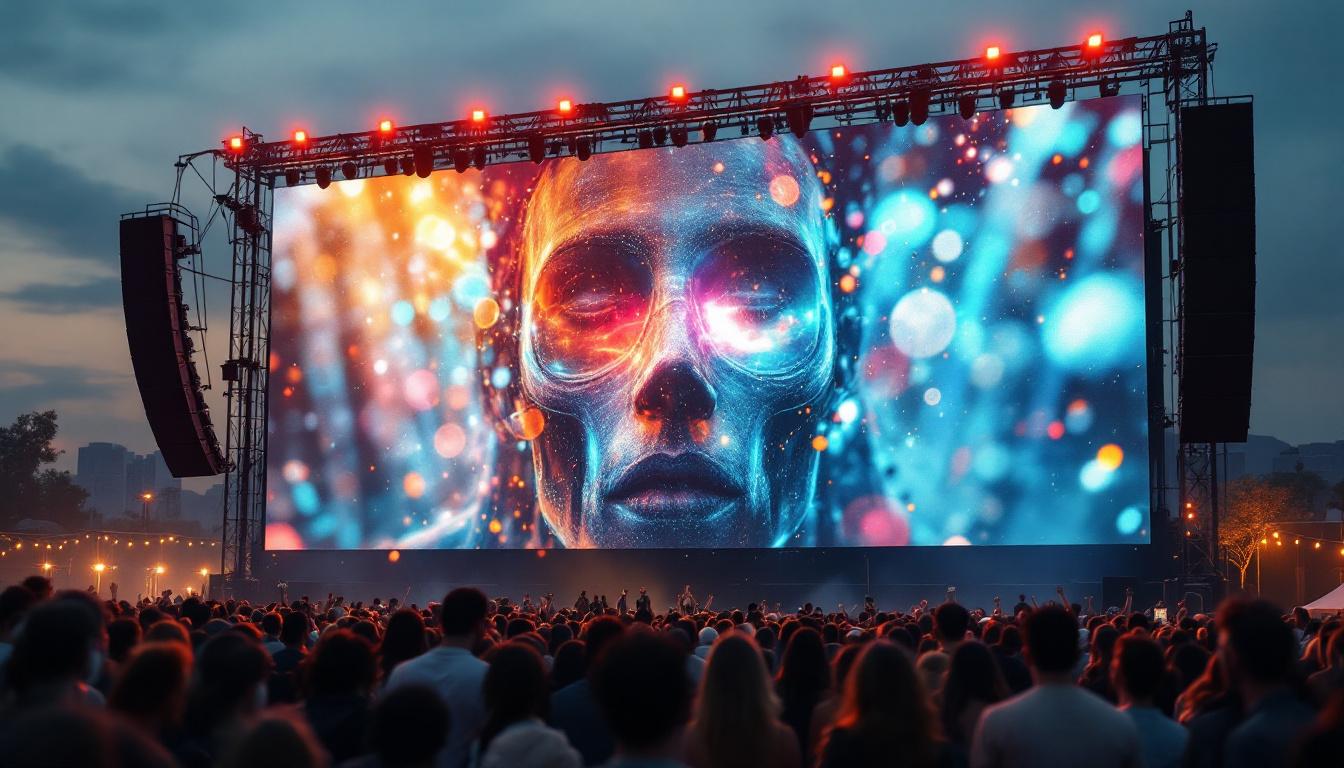
Outdoor LED displays, on the other hand, require larger pixel pitches—typically between 6 and 20 millimeters—to ensure visibility from a distance. These displays are built to withstand harsh weather conditions, featuring waterproof and dustproof designs. Additionally, outdoor LED screens are significantly brighter, often exceeding 5,000 nits, to combat sunlight glare effectively. The versatility of outdoor LED technology also allows for creative applications, such as large-scale video walls for concerts or sporting events, where they can engage audiences with vibrant visuals and real-time content. Furthermore, the integration of smart technology has enabled outdoor displays to be connected to the internet, allowing for real-time updates and interactive advertising, making them even more effective in capturing consumer attention.
The Role of LED Displays in Modern Advertising
Enhancing Brand Visibility and Engagement
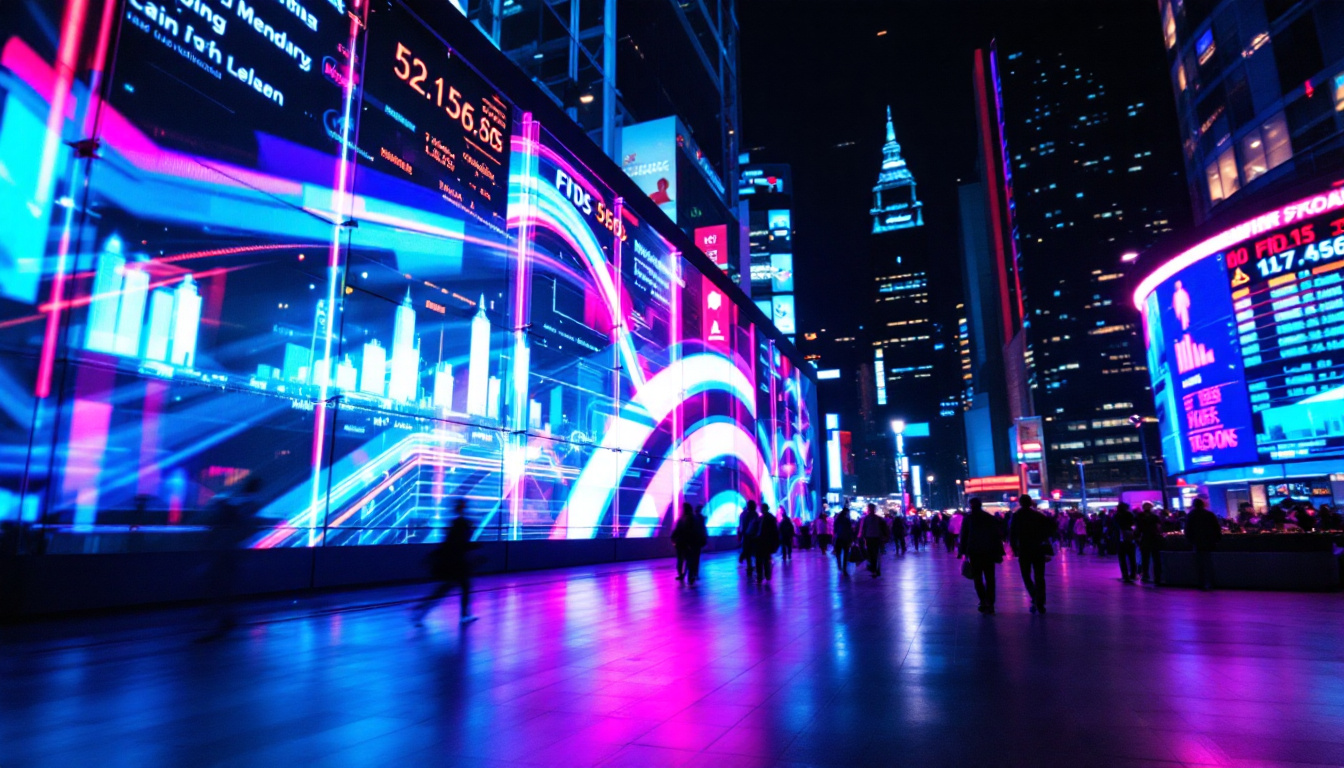
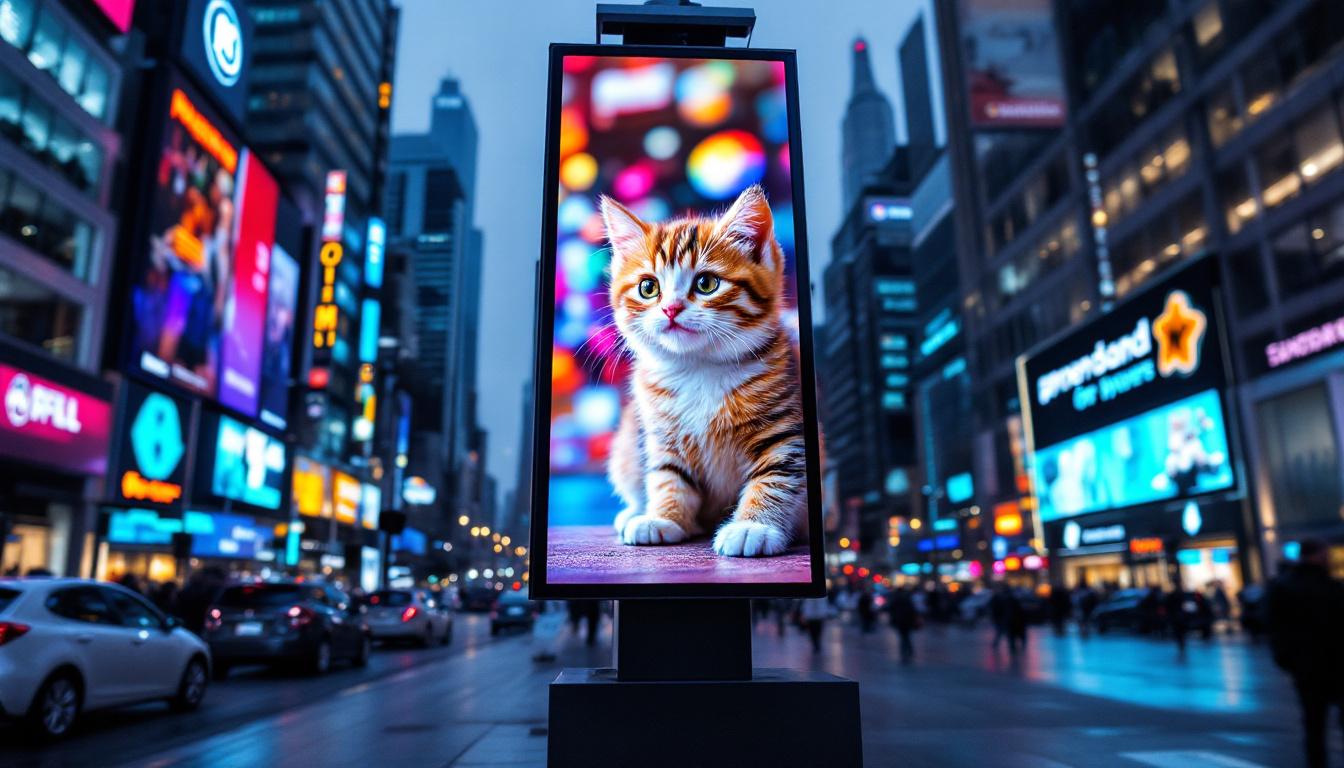
One of the most significant advantages of LED displays in advertising is their ability to capture attention. Studies show that digital signage can increase brand awareness by up to 47.7%, with consumers more likely to recall messages displayed on dynamic screens compared to static billboards. The vibrant colors and motion capabilities of LED displays naturally draw the eye, making them highly effective in crowded urban environments.
Moreover, LED displays enable advertisers to deliver real-time content updates. This flexibility allows brands to tailor messages based on time of day, weather conditions, or special events, maximizing relevance and impact. For example, a coffee shop can promote hot beverages during chilly mornings and switch to iced drinks as temperatures rise, all without the need for physical signage changes. Additionally, LED displays can incorporate interactive elements, such as touch screens or QR codes, encouraging passersby to engage with the content directly. This interactivity not only enhances customer experience but also fosters a deeper connection between the brand and its audience, making advertising feel more personalized and engaging.
Cost-Effectiveness and Return on Investment
While the initial investment in LED display technology can be substantial, the long-term benefits often outweigh the costs. Traditional print advertising requires recurring expenses for production and installation, whereas LED displays eliminate these ongoing costs by enabling digital content changes remotely and instantly.
Furthermore, LED displays have a long operational lifespan, typically around 100,000 hours, which translates to over 11 years of continuous use. Their energy efficiency has also improved dramatically, with modern LEDs consuming up to 80% less power than older lighting technologies. This combination of durability and efficiency contributes to a favorable return on investment for advertisers. In addition to these financial benefits, the ability to analyze viewer engagement through integrated software can provide valuable insights into consumer behavior. Advertisers can track which messages resonate most, allowing them to refine their strategies and optimize their campaigns for even greater effectiveness. This data-driven approach not only enhances the impact of advertising efforts but also ensures that marketing budgets are allocated more efficiently, further solidifying the case for LED displays in a competitive advertising landscape.
Technical Considerations for Advertising LED Displays
Resolution and Viewing Distance
Choosing the right resolution is critical to ensuring that the content displayed is clear and legible. The general rule of thumb is that the optimal viewing distance should be approximately 10 times the pixel pitch. For instance, an LED display with a 10-millimeter pixel pitch is best viewed from about 100 millimeters (or 10 meters) away.
Advertisers must carefully assess the environment where the display will be installed to select the appropriate pixel pitch. A high-resolution display with a small pixel pitch may be unnecessary and cost-inefficient for large outdoor billboards viewed from hundreds of meters away. Conversely, a low-resolution screen in a retail store could result in pixelated images that detract from the brand message.
Brightness and Contrast
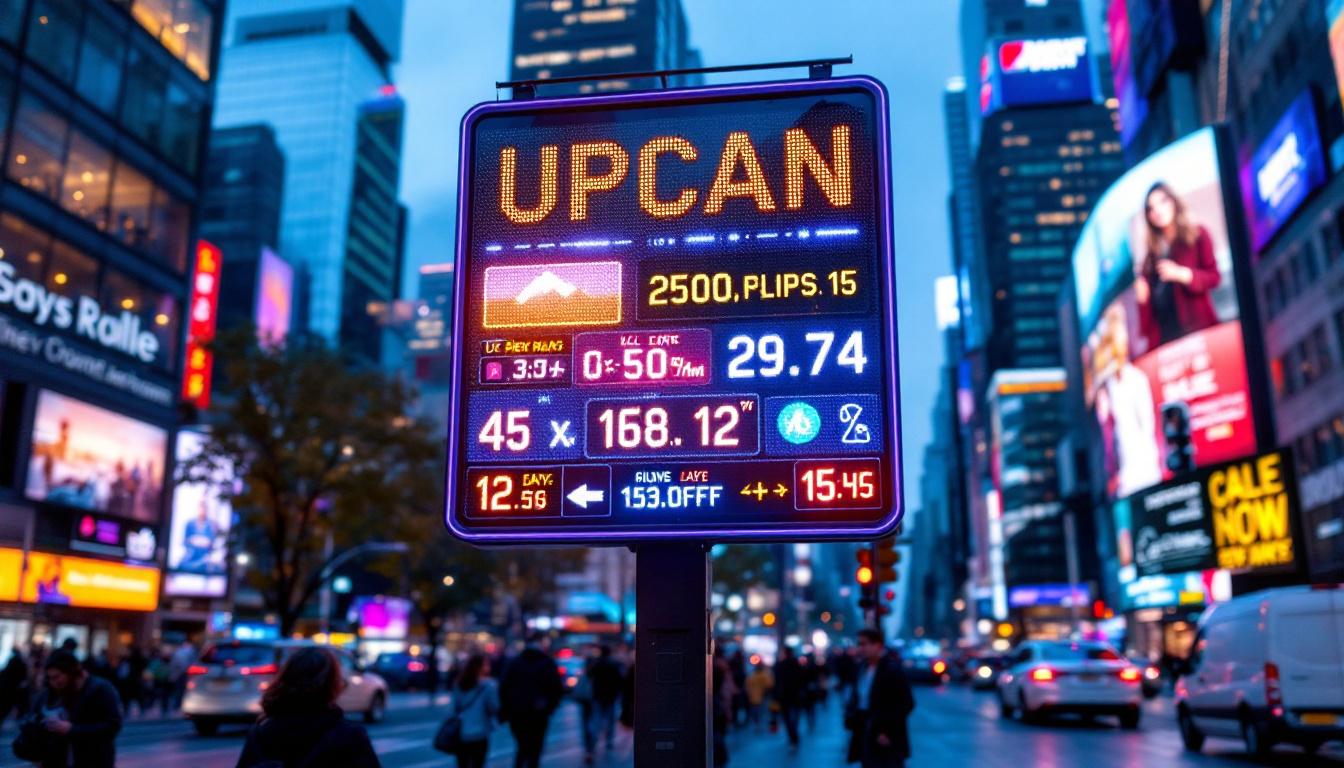
Brightness is measured in nits, and outdoor LED displays typically require higher brightness levels to remain visible under direct sunlight. For example, a billboard in Times Square might operate at 8,000 nits or more, while indoor displays generally function well at 600 to 1,500 nits.
Contrast ratio—the difference between the darkest black and the brightest white—also influences image quality. LED displays inherently have high contrast ratios because LEDs can be turned off completely to produce true blacks, unlike LCDs that rely on backlighting. This capability enhances the vibrancy and depth of images, making advertisements more appealing and easier to read.
Durability and Maintenance
Advertising LED displays, especially outdoor units, must be robust enough to endure environmental stressors such as rain, wind, dust, and temperature fluctuations. High-quality displays are rated with Ingress Protection (IP) standards, such as IP65 or higher, indicating strong resistance to water and dust ingress.
Maintenance is another important consideration. Modular LED panels allow for easier repairs and replacements, minimizing downtime. Additionally, many modern LED systems feature remote monitoring capabilities that alert operators to performance issues, enabling proactive maintenance and reducing operational disruptions.
Innovative Applications of LED Displays in Advertising
Interactive and Immersive Experiences
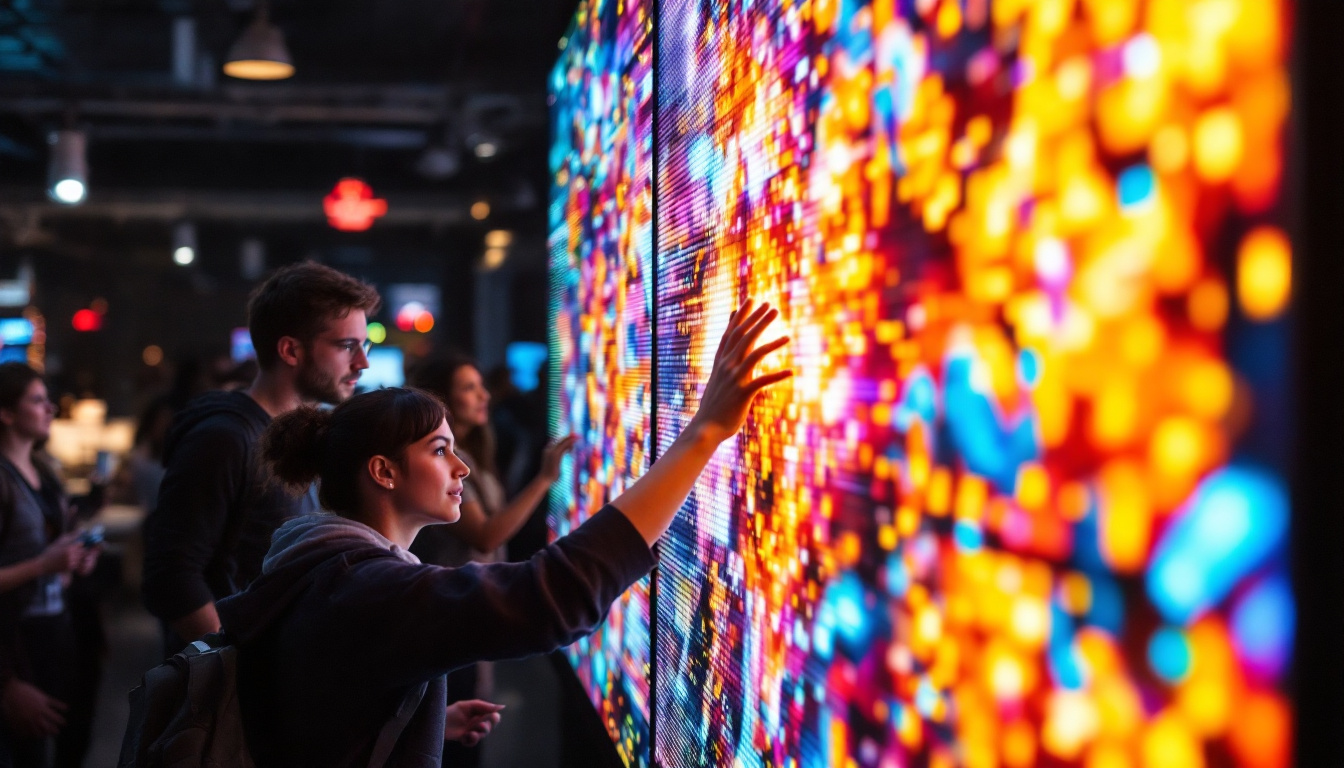
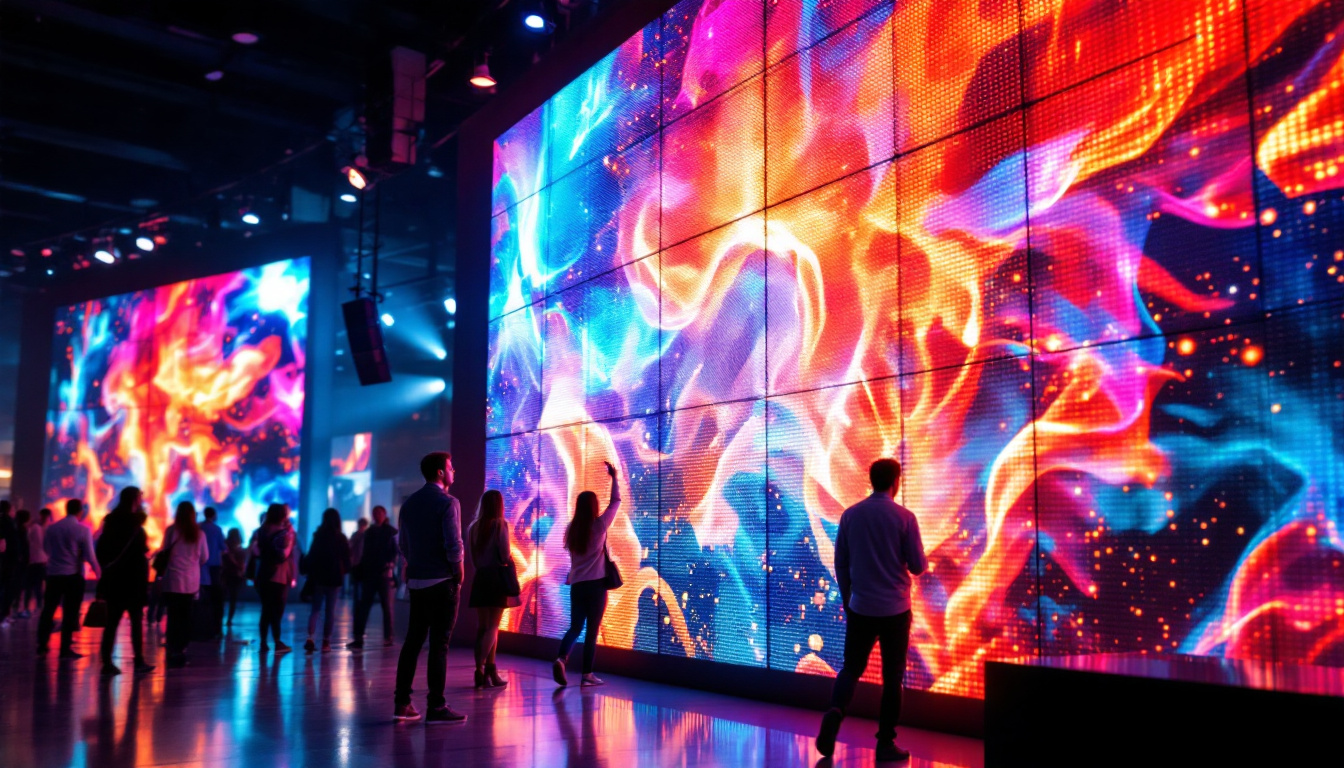
LED displays are no longer limited to static or looping content. Advances in technology have enabled interactive advertising experiences that engage consumers on a deeper level. Touch-sensitive LED walls and integration with motion sensors allow passersby to interact with advertisements, creating memorable brand encounters.
For example, a sports brand might install an LED display that reacts to a user’s movements, simulating a virtual try-on of athletic gear or showcasing personalized workout tips. These immersive experiences drive higher engagement rates and foster stronger emotional connections with the brand.
Integration with Data and AI
Smart LED advertising leverages data analytics and artificial intelligence to optimize content delivery. By analyzing factors such as foot traffic patterns, weather conditions, and social media trends, advertisers can dynamically adjust their messaging to better resonate with the target audience.
Some LED displays are equipped with cameras and sensors that anonymously collect demographic data, enabling real-time content customization. For instance, a display might show different advertisements based on the age group or gender of nearby viewers, increasing relevance and effectiveness.
Future Trends in LED Display Advertising
MicroLED and MiniLED Technologies
Emerging display technologies such as MicroLED and MiniLED promise to revolutionize the advertising landscape further. MicroLEDs are significantly smaller than traditional LEDs, allowing for even higher resolution and more flexible form factors. This technology offers superior brightness, contrast, and energy efficiency, making it ideal for next-generation advertising displays.
MiniLEDs, while slightly larger than MicroLEDs, still provide enhanced control over backlighting in hybrid displays, improving image quality and reducing power consumption. As these technologies mature and become more cost-effective, they are expected to replace conventional LED displays in many applications.
Augmented Reality (AR) and LED Displays
The convergence of LED displays with augmented reality is another exciting development. By combining physical LED screens with AR overlays visible through smartphones or AR glasses, advertisers can create multi-layered storytelling experiences that captivate audiences.
For example, an LED billboard might display a promotional video, while viewers using an AR app see additional interactive content, such as 3D product models or exclusive offers. This blend of physical and digital advertising channels enhances engagement and provides measurable insights into consumer behavior.
Conclusion
LED displays have fundamentally transformed advertising by offering vibrant, flexible, and highly engaging platforms for brand communication. Their ability to deliver dynamic content, withstand diverse environmental conditions, and integrate with cutting-edge technologies makes them invaluable in today’s competitive marketing landscape.
As LED technology continues to advance, advertisers can expect even more innovative and immersive ways to connect with consumers. Whether through high-resolution screens in retail spaces or massive outdoor billboards in urban centers, LED displays remain at the forefront of advertising innovation, driving brand visibility and consumer engagement to new heights.
Discover LumenMatrix’s Innovative LED Solutions
Ready to elevate your advertising strategy with the latest in LED technology? LumenMatrix is at the forefront of creating immersive visual experiences that captivate and engage. From Indoor and Outdoor LED Wall Displays to specialized solutions like Vehicle, Sports, and Floor LED Displays, we offer a diverse range of products to meet your unique needs. Embrace the future of advertising with our Custom, All-in-One, and Transparent LED Displays, designed to make your brand stand out. Check out LumenMatrix LED Display Solutions today and transform your visual communication with clarity and impact.